


Maintaining an outdoor cooking station keeps meals tasting fresh and prevents hazardous grease fires from ruining an afternoon cookout. Heavy carbon deposits, sticky marinade remnants, and moisture buildup can rapidly degrade cooking grates and internal burners if left unchecked after dinner. Learning how to take care of bbq grill components properly preserves the metal, protects flavor profiles, and ensures dependable heat control every time you cook. Setting up your cleaning gear on a sturdy rolling barbecue prep table makes it easier to organize your scrapers, citrus cleaners, and towels right beside the cooking box. Regular maintenance also helps you identify worn heat deflectors or clogged burner ports before they create uneven heat zones.
Different cookbox materials and grate coatings require specific cleaning tools and temperature routines to avoid accidental surface damage. Coated porcelain and polished stainless steel grates react poorly to harsh abrasives, while heavy cast iron requires moisture control to stop surface rust before it spreads. Using bristle-free steam tools or plant-based degreasers provides a dependable path to hygiene without leaving loose metal wires behind on food surfaces. Developing a straightforward cleaning habit before and after every cooking session will significantly lengthen the lifespan of your outdoor investment.

Pros
- Long 17-inch handle provides excellent reach and heat protection
- Replaceable bristle head adds long-term value and reduces waste
- Safe for all grill surfaces including porcelain and ceramic
- Comfortable wooden handle with good grip even when wet
- Lightweight at just 0.22 pounds, easy to carry to campsite or tailgate
Cons
- Maximum recommended cleaning temperature of 250°F may require cooling down after high-heat searing
- Wooden handle may need occasional oiling to prevent drying or cracking over time
- Bristle head replacement availability could be limited depending on retailer
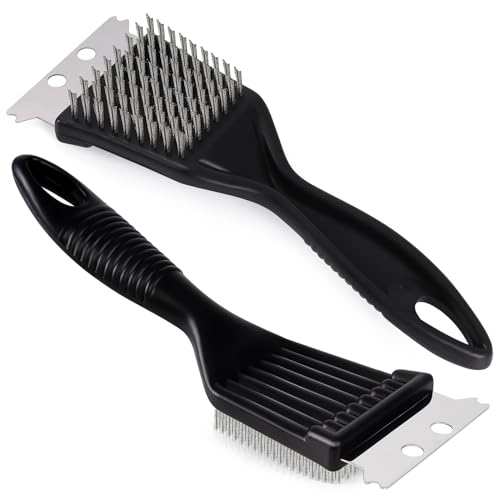
If you've ever spent a beautiful Saturday afternoon scrubbing a dirty grill with a flimsy wire brush, you know the struggle. The BBQ-Aid Grill Brush and Scraper aims to change that. This is a purpose-built cleaning tool for outdoor grills, smokers, and flat tops, designed to make post-cook cleanup as painless as possible. With a 17-inch wooden handle and replaceable stainless steel bristles, it's built for backyard grillers, campers, tailgaters, and anyone who values a clean cooking surface without the hassle.
In real-world use, this brush shines on hot grates. It's rated for surfaces up to 250°F, so you can scrape away grease and charred bits while the grill is still warm, not blazing hot. The long handle keeps your hands safely away from the heat, and the wooden grip feels solid and comfortable. Whether you're cleaning a Weber kettle after a burger cookout or a portable camping grill after a weekend trip, the brush's head reaches into corners and between grates effectively. The stainless steel bristles are stiff enough to remove stubborn residue but gentle enough not to scratch porcelain or ceramic coatings.
Build quality is a strong point here. The wooden handle is thick and well-shaped, offering a secure grip even with greasy hands. The bristle head attaches firmly and can be replaced when it wears out, which extends the brush's life significantly. At just 0.22 pounds, it's lightweight and easy to toss into a camping bin or tailgate kit. The brush also rinses clean quickly under running water, so you're not left with a greasy mess to store.
One realistic limitation is the temperature cap. If you like to sear steaks at 500°F+, you'll need to let the grill cool down before using this brush. That's a minor inconvenience but worth noting for high-heat cooks. Also, the wooden handle, while comfortable, may require occasional maintenance to prevent drying or cracking if left in the elements. Storing it indoors or in a dry shed will keep it in good shape.
For backyard entertainers who host weekend BBQs, this brush is a practical upgrade from cheap wire brushes that shed bristles or bend after a few uses. Campers and RV owners will appreciate its portability and the fact that it works on various grill surfaces. Tailgaters can toss it in the truck without worrying about rust or damage. The replaceable head also means you're not throwing away the whole handle when bristles wear out, which is a nice nod to durability and value.
Overall, the BBQ-Aid Grill Brush and Scraper is a solid choice for anyone who takes grill maintenance seriously. It's not flashy, but it does its job well. If you're tired of scrubbing with undersized or poorly made brushes, this one offers a comfortable, effective, and long-lasting solution for keeping your outdoor cooking equipment clean and ready for the next meal.
Keeping the BBQ-Aid brush clean is straightforward. After each use, rinse the bristle head under warm water to remove grease and food particles. The stainless steel bristles resist rust, but it's best to dry the brush before storing it. The wooden handle should be wiped clean and kept in a dry place to prevent cracking. If the bristles become worn or bent, simply replace the head instead of buying a whole new brush. This design reduces waste and saves money over time. For deep cleaning, you can soak the head in warm soapy water for a few minutes, then rinse thoroughly.

Pros
- Safe and effective cleaning without bristle concerns - ideal for families and health-conscious grillers.
- Steam-cleaning action tackles burnt-on residue quickly, even after high-heat searing or low-and-slow smoking sessions.
- Replaceable head design offers long-term value and reduces plastic waste compared to single-use brush heads.
- Works on all grill types and grate materials, making it a versatile addition to any outdoor cooking arsenal.
- Heat resistance up to 600°F allows you to clean while grates are still hot, speeding up the cleaning process.
Cons
- Requires preheating the grill and dipping the brush in water, which adds a step compared to traditional dry scraping.
- The initial purchase price is higher than many basic wire brushes, though the replaceable head offsets long-term cost.
- Some users may find the brush head becomes less effective over time as the padding wears, requiring replacement heads.
The Grill Rescue BBQ Replaceable Cleaning Head is a bristle-free grill brush designed for safe, effective cleaning on all types of grates. It uses steam-cleaning technology - simply heat your grill, dip the brush in water, and scrub away grease and residue without the risk of wire bristles breaking off into your food. This makes it an excellent choice for backyard grillers, BBQ enthusiasts, campers, tailgaters, and RV owners who want peace of mind while cooking outdoors.
In real-world use, this brush performs admirably on both high-heat searing and low-and-slow smoking setups. The steam action lifts burnt-on gunk from cast iron and stainless steel grates, leaving them clean with minimal effort. While it doesn't directly affect heat consistency or smoke flavor, a clean grate is essential for good searing and preventing flare-ups, which indirectly improves your cooking results. The heat resistance up to 600°F means you can clean while the grill is still hot, saving time between cooks.
Build quality is solid - the cleaning head uses a high-temperature Aramid Fiber layer that withstands repeated use, and the polypropylene handle offers a comfortable, non-slip grip. The replaceable head extends the brush's lifespan, making it a more sustainable and cost-effective option compared to disposable brushes. It's also dishwasher safe, so cleanup after a long tailgate or camping trip is as simple as tossing it in the machine.
Setup and storage are straightforward: the brush is ready to use out of the box, and its compact size (5 x 4 x 18 inches) fits easily in a grill caddy or camping gear bag. The only limitation is the extra step of preheating and dipping in water, which might feel unnecessary to those used to a quick dry scrape. Also, the upfront cost is higher than basic wire brushes, but the replaceable head design saves money over time.
Overall, this brush is a practical investment for anyone who grills frequently - whether you're hosting a backyard party, smoking brisket on a weekend, or cooking burgers at a campsite. It prioritizes safety without sacrificing cleaning power, and its compatibility with all grate materials adds versatility. If you value a bristle-free, low-maintenance cleaning routine, the Grill Rescue system is worth considering.
To get the most out of your Grill Rescue brush, follow these simple care tips. After each use, allow the brush head to cool slightly, then rinse it under warm water or place it in the dishwasher for a thorough clean. The head is dishwasher safe, but avoid using abrasive cleaners that could wear down the padding.
When the brush head becomes less effective at removing residue - typically after several months of regular use - simply replace it with a new Grill Rescue cleaning head. The handle is designed to snap on and off easily, so swapping heads takes seconds. Store the brush in a dry place away from direct heat to prolong its lifespan. Regular replacement ensures optimal cleaning performance and safety.

Pros
- Safe cleaning without wire bristles, protecting your family from accidental ingestion.
- Powerful citrus-based cleaner easily cuts through baked-on grease and carbon buildup.
- Kit includes everything you need: spray, brush, scrubber pads, scraper, and towel, no extra purchases required.
- Works on both hot and cool grills, offering flexibility for different cleaning routines.
Cons
- For extremely charred grates, some elbow grease may still be needed; the cleaner alone won't dissolve heavy creosote instantly.
- Scrubber pads are refillable but replacements are sold separately, adding ongoing cost over time.
- The cookbox scraper is best used on cool surfaces; it may scratch delicate porcelain coatings if used aggressively.
The Citrusafe Complete Grill Cleaning Kit is not your average grill cleaner. It is a thoughtfully assembled set designed to replace the dangerous wire brushes and harsh chemical sprays that many BBQ enthusiasts rely on. Instead, this kit uses a citrus-based degreaser, a nylon brush, heavy-duty scrubber pads, a cookbox scraper, and a microfiber towel to clean your grill safely and effectively. Whether you own a charcoal kettle, a propane gas grill, a smoker, or even a flat top griddle, this kit has the tools to handle the mess.
This kit is built for anyone who takes outdoor cooking seriously. Backyard grillers who fire up the Weber every weekend, campers who throw a grate over an open fire, tailgaters who need a quick cleanup between games, and RV owners who don't want wire bristles scratching their portable grills will all appreciate the safety-first approach. The stars are the Citrusafe Grill Cleaner spray, which uses natural degreasing power from citrus peels to break down grease, and the nylon brush and scrubber pads that work on a cool grill. No more burning off residue or worrying about stray bristles in your burger.
In real-world use, this cleaner shines on moderately soiled grates and cookboxes. Spray it on, let it sit for a few minutes, then scrub with the nylon brush or the heavy-duty pads. The grime dissolves quickly, and the included cookbox scraper reaches into corners that brushes miss. For a neglected grill that has months of caked-on grease, you may need to repeat the process, but the result is a cookbox that looks nearly new. The microfiber towel lifts away remaining residue without scratching porcelain or stainless steel surfaces.
Build quality of the tools is solid. The nylon brush handle is heavy-duty plastic with a comfortable grip, and the scrubber holder accepts the replaceable pads firmly. The scraper has a slim profile that fits into the tight gaps of most grills and smokers. The spray bottle has a trigger that produces a fine mist, covering grates evenly without waste. Everything in the kit is designed to be reused, cutting down on disposable grill wipes and paper towels.
Setup is simple: unpack the items and start cleaning. The spray works right out of the box, and all tools are ready to go. Transport is not an issue since it is a cleaning kit, but the spray bottle and tools fit easily in a garage cabinet or a camping tote. Storage is straightforward: keep the spray away from direct sunlight, and hang the brush and scraper to dry.
Limitations are minor. For grills with extremely heavy carbon buildup (think years of neglect), you may still need to use a metallic scraper or a second application. The scrubber pads are effective but wear out after several uses, and replacement packs are sold separately. Additionally, the nylon brush is not as stiff as wire, so it may take a bit more scrubbing on stubborn spots. Nonetheless, for routine maintenance and even deep-cleaning, this kit is a safe and effective choice. It earns a strong recommendation for any outdoor cook who wants to eliminate the risk of wire bristles and keep their cooking gear in top shape.
The Citrusafe Complete Grill Cleaning Kit comes with five essential items to tackle every part of your grill or smoker. You get a 16oz bottle of Citrusafe Exterior Grill Cleaner (also safe for interior use), a heavy-duty nylon brush with an integrated cookbox scraper, a scrubber handle plus three replaceable scrubber pads, a separate cookbox scraper for tight areas, and a premium microfiber cleaning towel (color may vary). Together, they cover cleaning from grates to hoods to side tables. Everything is manufactured in the USA by Bryson Brothers, a brand focused on safer outdoor cooking products.
For best results, clean your grill when it is cool to the touch. Spray the Citrusafe cleaner liberally onto grates and cookbox surfaces, let it sit for 3-5 minutes to loosen grease, then scrub with the nylon brush or scrubber pads. Use the cookbox scraper for baked-on residue in corners. Wipe away residue with the microfiber towel, then rinse with water if desired. For routine maintenance after each cook, a quick spray and wipe keeps grates looking new. The scrubber pads can be replaced when they become worn; replacement pads are available separately. The spray lasts through many cleanings, making this kit a great value for frequent grillers.


Pros
- Portable and easy to carry for camping, tailgating, or RV trips
- Flat top surface provides excellent searing and even cooking
- Simple to clean with minimal grease buildup
- Versatile for cooking a variety of foods from breakfast to dinner
Cons
- Limited cooking capacity may not suit large gatherings or big families
- Lacks precise temperature control, which can affect delicate cooking tasks
- Build quality may feel less sturdy compared to larger, more expensive griddles
This portable flat top griddle is designed for outdoor cooking enthusiasts who value versatility and convenience. Whether you are a backyard griller looking to expand your cooking options, a camper needing a compact solution for campsite meals, or a tailgater wanting to whip up burgers and hot dogs before the game, this griddle fits the bill. Its flat cooking surface allows you to sear steaks, fry eggs, cook pancakes, or stir-fry vegetables with ease, making it a great addition to any outdoor cooking setup.
In terms of real-world cooking performance, this griddle delivers even heat distribution across its surface, which is crucial for consistent results. You can achieve a nice sear on burgers without hot spots, and the flat top prevents flare-ups common with open grates. However, it lacks precise temperature control, so you will need to manage heat manually by adjusting the burner or moving food to cooler areas. For low-and-slow cooking, this is not ideal, but for fast grilling and frying, it performs well.
Build quality is decent for the price point. The griddle surface is made from materials that resist rust, though it is not indestructible. The legs fold for easy transport, and the overall weight is light enough to carry in a backpack or store in a car trunk. Weather resistance is adequate for occasional outdoor use, but prolonged exposure to rain or moisture may cause wear. The griddle is easy to set up and clean, with a smooth surface that wipes down quickly after cooking.
One realistic limitation is the cooking capacity. This griddle is best for small groups of 2-4 people. If you are hosting a large backyard party or cooking for a crowd, you might find it too small. Additionally, the lack of a lid means you cannot trap smoke or heat for smoking or roasting, so it is strictly a flat top cooking tool. Grease management is handled by a small drip tray, but it can fill up quickly with fatty foods.
Overall, this portable griddle is a practical choice for campers, tailgaters, and patio cooks who need a lightweight, versatile cooking surface. It is not a replacement for a full-sized grill or smoker, but it excels at quick, high-heat cooking tasks. If you prioritize portability and ease of use over capacity and advanced features, this griddle is worth considering for your outdoor cooking adventures.
The flat top surface heats evenly, allowing you to sear burgers, cook eggs, and fry vegetables without hot spots. It performs best for high-heat cooking like searing and frying, but lacks the temperature control needed for low-and-slow smoking or precise simmering. The open design means no smoke flavor infusion, so it is ideal for quick meals rather than BBQ-style cooking.
Weighing just a few pounds and featuring folding legs, this griddle is easy to pack for camping trips, tailgates, or RV adventures. Its compact size fits in most car trunks or storage bins, making it a convenient option for outdoor cooks on the move. Setup takes minutes, and cleanup is straightforward with a quick wipe down.
Essential Practices for Long-Term Barbecue Grill Maintenance
Taking proper care of an outdoor grill requires a structured routine that addresses both immediate post-cook residue and seasonal deep cleaning. Grime left on cooking surfaces attracts moisture, accelerates metal corrosion, and degrades flavor through charred carbon flakes. A consistent routine keeps burners firing cleanly, prevents dangerous grease flare-ups, and protects your cooking grates across years of backyard cooking.
Protecting Flavor and Preventing Fire Hazards Through Routine Care
Every cookout deposits animal fats, sugary sauces, and salty seasonings directly onto hot metal components. When these substances bake repeatedly onto grates and heat tents, they form bitter carbon scale that ruins delicate meats. Uncleaned grease also collects moisture from morning dew and humid evening air, which rapidly accelerates the oxidation of steel components. Leaving rancid grease inside the cookbox can also draw rodents and insects into your outdoor cooking space between meals.
Grease accumulation represents one of the primary causes of uncontrollable grill fires in residential settings. Excess fat pooling in bottom troughs or drip pans can ignite under high heat and burn out of control within seconds. Routine cleaning removes this volatile fuel source before it reaches critical ignition temperatures. Proper upkeep also ensures burner ports remain open, preventing uneven cooking zones and unburned gas buildup.
Establishing Daily Pre-Cook and Post-Cook Cleaning Habits
Effective grill care begins right before food touches the metal and concludes shortly after you finish cooking. Preheating the grill on high for ten to fifteen minutes before cooking carbonizes soft food leftovers into brittle ash. Once the surface is hot, sweeping a brush or scraper across the grates easily strips away residue. Following this brushing with a light coat of high-smoke-point cooking oil creates a slick barrier that prevents food from sticking.
Post-cook cleaning requires equal attention while the cooking box retains residual heat. Allowing the grill to cool down to a moderate warmth makes it safe to run a textured wipe or moist scrubbing tool across the grates. Products like the Proud Grill Q-Swiper Easy-Clean Moist wipes use textured nodules and mild degreaser to lift tacky sauces before they harden into cement-like grease. Taking two minutes to complete this step prevents overnight moisture from bonding grease to the bare metal.
Caring for Stainless Steel Cooking Grates
Stainless steel grates provide exceptional durability and resistance to rust, but they demand specific care to maintain their smooth surface. Unlike coated metals, solid stainless rods can tolerate vigorous mechanical scrubbing from stainless steel bristles or heavy scrapers. The BBQ-Aid Grill Brush and Scraper for Barbecue provides a wooden handle and stainless bristles that work well against stubborn crust on high-heat metal. Users should ensure that tools designed for hot surfaces are used within their recommended temperature limits to avoid damaging the handle.
Harsh wire tools can sometimes leave small scratches on polished stainless steel, though solid rods will not peel or flake. For cooks who prefer avoiding wire bristles entirely, steam-cleaning brushes such as the Grill Rescue Bristle Free Grill Brush offer an alternative. These tools utilize aramid fiber heads dipped in water, allowing expanding steam to lift baked grease without wire shedding. Rinsing stainless grates and wiping them dry after intense cleaning preserves their natural corrosion resistance.
Seasoning and Moisture Management for Cast Iron Grates
Cast iron grates deliver unbeatable heat retention and searing power, but they require the highest level of moisture management. Bare cast iron reacts quickly with ambient humidity, developing orange surface rust if water is left sitting on the rods. Never soak cast iron grates in soapy water or leave them outside unprotected after washing. Instead, scrape away food debris using a wooden paddle or stiff nylon brush while the grate remains warm.
Preserving cast iron requires building and maintaining a polymerized layer of oil known as seasoning. After every cleaning session, apply a thin, even coat of high-heat cooking oil across every side of the grate. Heat the grates gently to allow the oil to bond with the porous iron pores. This oil layer repels ambient moisture and creates a naturally slick cooking surface that improves over time.
Gentle Cleaning Techniques for Porcelain and Ceramic Finishes
Porcelain enamel coats steel or cast iron cores to provide easy cleanup without requiring regular oil seasoning. However, this glossy coating is essentially a specialized glass layer that can chip or fracture under blunt impact. Metal scrapers with sharp corners or aggressive wire brushes can scratch the enamel and expose the underlying steel to moisture. Once the porcelain chips away, moisture enters the exposed metal, causing rust to spread beneath the remaining coating.
Protecting porcelain finishes requires soft-contact cleaning tools and chemical degreasers that do not rely on excessive abrasion. The Citrusafe Complete Grill Cleaning Kit utilizes citrus peel compounds to soften baked grease so nylon scrubbers can lift it safely on cool grates. Bristle-free steam tools also clean porcelain surfaces effectively because water vapor loosens carbon without scratching the enamel. Always allow porcelain grates to cool before washing them with water to prevent thermal shock from cracking the glass finish.
Maintaining Gas Burner Tubes and Heat Deflectors
Gas grills rely on flame tamers, flavorizer bars, and burner tubes located directly beneath the cooking grates. These internal components catch dripping marinades, sauces, and rendered fats, making them primary targets for heavy corrosion. At least twice a season, lift the grates out of the cookbox and brush carbon scale off the inverted heat shields. Inspect each metal shield for thinning spots, holes, or heavy flaking, replacing them when metal integrity fails.
Burner tubes require delicate maintenance to ensure fuel flows smoothly through tiny distribution ports. Spiders and small insects frequently nest inside burner venturis during periods of disuse, creating fuel blockages that cause dangerous flashbacks. Brush across burner ports with a soft brass or nylon brush, working perpendicular to the ports rather than pushing debris into them. Check the flame color after cleaning, as a healthy gas flame should burn blue with yellow tips to confirm complete combustion.
Managing Charcoal Ash and Kettle Ventilation Controls
Charcoal grills present unique maintenance challenges because wood and briquette ash creates a corrosive chemical when exposed to moisture. Wet ash forms lye, a caustic substance that eats through bottom kettle bowls and painted steel drums with surprising speed. Emptying ash catchers and kettle bowls after every cookout is essential to preventing rust holes. Wait until all coals are completely extinguished and cool to the touch before disposing of ash in a sealed metal can.
Intake vents and exhaust dampers control cooking temperature by regulating oxygen flow to the firebed. Grease and carbon can gum up sweeping blades and vent sliders, making precise temperature adjustments difficult during long cooks. Wipe the vent dampers with a mild degreaser and scrub away crusty buildup around the slider tracks. If you enjoy using accessory smoker boxes to impart rich wood smoke on gas or charcoal setups, keep them free of soot so their vents distribute smoke evenly across the meat.
Deep Cleaning the Cookbox and Managing Grease Systems
Even with diligent grate maintenance, grease and carbon deposits will collect along the interior walls of the cookbox. The dark, peeling substance that looks like flaking paint on the inside of the grill lid is actually harmless carbonized grease smoke. Use a plastic putty knife or a dedicated cookbox scraper to strip these flaky layers off the inner lid and sidewalls. Scraping these deposits toward the bottom funnel keeps them from falling onto food during windy cookouts.
The lower grease slide and removable catch tray require frequent inspection and emptying to eliminate fire hazards. Line the removable drip cup with disposable aluminum inserts to make regular disposal quick and sanitary. When heavy grease solidifies along the bottom funnel, spray a specialized cleaner onto cool surfaces to dissolve sticky residue. Wipe down the entire funnel with disposable rags or heavy paper towels before replacing the drip pan.
Specific Upkeep for Pellet Grills and Smokers
Pellet grills combine electric augers, combustion fans, and digital controllers with wood pellet fuel to maintain steady temperatures. Ash accumulates rapidly around the electric hot rod inside the firepot, which can choke airflow and cause ignition failures. Vacuuming out the burn pot and bottom barrel every few cooks prevents hard ash clinkers from forming. Owners who run backyard pellet smokers must also keep the pellet hopper completely dry, as damp pellets swell into a thick paste that jams the metal auger tube.
Heat diffuser plates and sloped drip trays in pellet grills catch substantial amounts of rendered pork and beef fat during low-and-slow sessions. Covering the sloped grease pan with heavy-duty aluminum foil allows for fast cleanup between cooks. Replace this foil regularly so pooled fat does not accumulate and ignite when you turn up the heat for high-temperature grilling. Keeping the internal temperature sensor clean by wiping soot off the probe ensures the digital controller reads cooking temperatures accurately.
Caring for Outer Metal Panels and Side Shelves
Outdoor elements, airborne pollen, and grease splatter take a heavy toll on the exterior finish of barbecue grills. Stainless steel hoods and side shelves should be wiped down in the direction of the metal grain using dedicated stainless cleaners or warm soapy water. Avoid using abrasive scouring pads or steel wool on exterior panels, as they leave permanent swirl marks that trap dirt. A clean microfiber towel easily polishes exterior panels and removes finger smudges without scratching the metal.
Powder-coated steel carts and enamel-coated lids require gentle washing with mild dish soap and warm water. Strong industrial degreasers can sometimes dull painted finishes or strip printed graphics from burner control knobs. Rinse the exterior thoroughly with clean water and dry the surfaces with a towel to prevent hard water spots from baking in the sun. Regularly wiping down side tables keeps food prep surfaces sanitary and prevents outdoor sap from staining the finish.
Seasonal Weatherproofing, Storage, and Fire Safety
Protecting your barbecue grill from winter moisture, snow, and UV radiation requires a heavy-duty, water-resistant cover with proper ventilation. A tight, unventilated cover can trap rising ground moisture inside the cookbox, creating a humid microclimate that accelerates rust. Choose a cover with built-in mesh air vents that allow condensation to escape while blocking rain and debris. Before covering the grill for winter, perform a thorough deep clean to remove any food remnants that might attract rodents.
Grill placement and safety require strict adherence to local fire codes and manufacturer clearance instructions. Fuel-burning grills must always operate outdoors in open, well-ventilated spaces, never inside a garage, breezeway, or screened patio. Operating a grill in an enclosed area creates deadly carbon monoxide poisoning risks and severe fire hazards from radiant heat. Keep the grill positioned safely away from wooden railings, vinyl siding, and low-hanging tree branches at all times.
Inspecting Wear Components and Replacing Damaged Parts
Routine inspection helps you catch failing components before they ruin dinner or create unsafe cooking conditions. If burner flames appear yellow and lazy rather than crisp and blue, clean the air shutters and clear debris from the internal venturi tubes. Igniters that fail to spark often suffer from dirty electrodes encrusted with food grease, which can be gently scrubbed clean with an old toothbrush. Check flexible propane hoses periodically by applying soapy water along connections to check for bubbling gas leaks.
Grates that have suffered deep pitting, heavy flaking rust, or cracked porcelain coatings should be replaced to ensure food hygiene. Warped heat tents that have rusted through will no longer protect burner tubes from dripping fats, increasing flare-ups and causing uneven heat distribution. Keeping spare parts on hand, such as replacement cleaning heads for your tools, ensures you never have to cook on a dirty grate. Consistent care transforms your barbecue grill from a seasonal appliance into a reliable outdoor cooking station for years to come.
Taking proper care of your barbecue grill does not require complicated equipment or exhausting labor when broken into predictable habits. A quick scrape while the grates are warm, combined with routine grease tray checks and seasonal deep cleaning, keeps metal parts protected and food tasting exceptional. Treat your cooking grates according to their specific material needs, monitor your fuel lines, and keep the grill sheltered under a breathable cover. With consistent attention and safe operating practices, your grill will deliver dependable performance and delicious meals for countless backyard gatherings.




Write Your Review
No reviews yet. Be the first to share your experience!