


Stepping into the outdoor cooking market can quickly feel overwhelming when faced with dozens of heating configurations, specialized surface materials, and portable formats. Deciding on the right setup requires balancing your available cooking space, everyday fuel preferences, and regular meal volume against long-term durability. Learning how to buy a grill starts by identifying how you actually intend to cook, whether that means searing steaks over intense heat or assembling quick weeknight dinners on a tight balcony footprint. Having a dedicated workstation like an outdoor barbecue prep table can make meal staging simpler, but your central cooker remains the foundation of your backyard culinary experience.
Budget and fuel mechanics play major roles in narrowing down the broad selection of modern appliances. Propane burners offer rapid ignition and simple temperature dials, while traditional charcoal systems provide unmistakable smoky character at the cost of manual fire management. Compact electric options and tabletop units also serve renters or travelers who face strict open-flame restrictions or need genuine portability. By evaluating verified manufacturing materials, heat management controls, and maintenance requirements, you can invest wisely in equipment that delivers consistent cooking performance for seasons to come.


Pros
- Super convenient setup and no cleanup required
- Lightweight and easy to carry anywhere
- Heats up quickly with even cooking performance
- Great for small gatherings or solo grilling
Cons
- Single-use only, so not suitable for regular backyard cooking
- Limited cooking space – best for 2-4 burgers or a few skewers
- Charcoal burns for about 1 hour, so longer cooks aren't possible
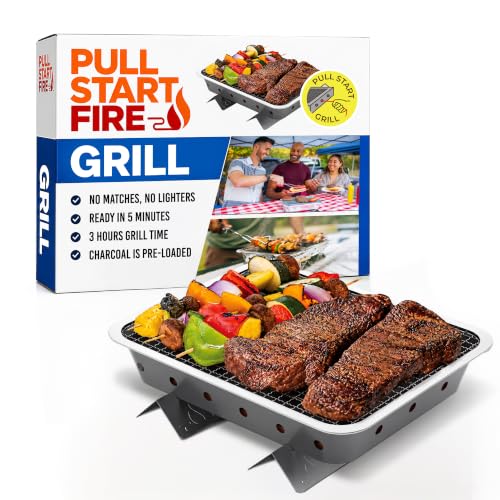
If you've ever found yourself craving a grilled burger at a campsite or tailgate but didn't want to haul a full-size charcoal grill, the Oppenheimer USA Disposable Charcoal Grill is exactly what you need. This is a lightweight, portable, single-use grill that comes pre-loaded with easy-light charcoal – just remove the wrapper, light the corners, and you're ready to cook in minutes. It's designed for outdoor enthusiasts who value convenience above all else.
This grill is best suited for campers, tailgaters, RV owners, and anyone who enjoys spontaneous outdoor cooking without the hassle of cleanup. It's also a solid pick for beach days, park picnics, or even emergency cooking during power outages. The 9x13 inch cooking grate gives you enough space for a few burgers, hot dogs, or skewers – perfect for 2-4 people. Just don't expect to smoke a brisket or feed a crowd.
In terms of real-world cooking performance, the easy-light charcoal lights quickly and reaches a decent grilling temperature within 10-15 minutes. The heat distribution is fairly even across the grate, though you might notice slightly cooler spots near the edges. Searing is possible for thin cuts like burgers and chicken thighs, but you won't get the same crust as a heavy cast-iron grate. Smoke flavor is present but mild – it's enough to satisfy a casual griller but not a BBQ purist. The fuel burns for about an hour, which is fine for quick grilling sessions but not low-and-slow cooking.
Build quality is what you'd expect from a disposable product – sturdy enough to hold up during cooking, but not meant for long-term use. The aluminum tray feels solid, and the wire grate supports food without sagging. There are no wheels, folding legs, or weather-resistant features because this grill is designed to be used and tossed. Portability is its strong suit: at 3.5 pounds and dimensions of 9x13x2 inches, it slips into a backpack or car trunk easily.
Setup is incredibly simple – no tools, no assembly, no charcoal to pour. Just remove the plastic wrap, place the grill on a non-flammable surface, and light the corners through the designated ignition strips. Cleanup is even easier: once the charcoal has cooled completely, you can dispose of the entire grill. Just make sure to follow local disposal guidelines for charcoal and ash. The biggest limitation is that it's single-use, so if you grill often, the cost adds up compared to a reusable portable grill.
Overall, the Oppenheimer USA Disposable Charcoal Grill is a fantastic solution for outdoor cooks who prioritize convenience and portability. It's not meant to replace your backyard kettle grill, but it's a lifesaver for camping, tailgating, or any on-the-go cooking scenario. If you're looking for a no-mess, no-fuss way to enjoy grilled food anywhere, this pack of two is a smart buy.
At just 3.5 pounds and 9x13x2 inches, this grill is incredibly easy to transport. It fits in a backpack, car trunk, or even a large tote bag. No need to worry about charcoal bags or lighter fluid – everything is built in. The lightweight design makes it a top choice for hikers, campers, and tailgaters who want to travel light.
This grill shines in scenarios where convenience and portability matter most. Use it for camping trips, tailgate parties, beach outings, park picnics, or even as a backup grill during power outages. It's also great for small gatherings where you only need to cook a few items. Not ideal for large BBQs or smoking.

Pros
- Tailored specifically for flat-top gas griddle heat zones and oil techniques
- Diverse recipe selection spanning breakfast spreads, street food, and crowd-pleasing dinners
- Clear instructions that make high-volume backyard entertaining straightforward
- Compact paperback size fits nicely on outdoor prep tables or inside an RV pantry
Cons
- Paperback binding requires care to avoid oil splatters and outdoor moisture damage
- Focuses exclusively on flat-top griddling rather than traditional grate grilling or low-and-slow smoking
Outdoor flat-top cooking differs significantly from standard grate grilling, requiring specific heat management, spatial awareness, and oil control. Blackstone Griddling serves as a practical, hands-on recipe manual engineered specifically for outdoor gas griddle enthusiasts. Whether you are running a four-burner station on your patio, packing a tabletop griddle for a weekend campsite, or firing up breakfast outside the stadium on game day, this guide provides actionable inspiration. It caters directly to backyard cooks, RV owners, tailgaters, and outdoor entertainers who want to push their flat-top setup past the basics.
The strength of any flat-top cookbook rests on how well it translates high surface heat into exceptional food. The recipes in this collection leverage the natural strengths of cold-rolled steel griddles: intense searing capability, rapid moisture evaporation, and distinct multi-zone temperature layouts. You will find reliable techniques for creating crisp diner smash burgers, balancing high-heat stir-fries without burning the aromatics, and executing large breakfast platters with synchronized eggs, hash browns, and bacon. The guidance helps you coordinate your cooking surface so every component finishes hot at the exact same moment.
Because this is a physical paperback, bringing it out near sizzling spatulas and hot propane burners requires a bit of practical consideration. The layout is clean and legible, making it easy to read recipe ratios from a few feet away on a side prep shelf. While the paper stock feels sturdy for regular indoor kitchen use, outdoor cooks will want to protect the pages from direct oil splatters, wind gusts, and sudden patio drizzle. Stashing it under your griddle prep cart or sliding it into a protective sleeve keeps it clean and ready through continuous outdoor cooking sessions.
Beyond ingredient lists, the guide reinforces essential outdoor griddle habits. Working with flat surfaces requires attentive grease trough navigation, proper squirt-bottle water deglazing, and steady scraping technique between courses. The book teaches cooks how to stage foods across cooler burner zones while keeping hot searing zones open for fresh ingredients. This layout-focused mindset helps reduce propane waste, prevents messy boil-overs, and simplifies post-cook scrape-downs before applying your final coat of protective seasoning oil.
While pitmasters looking for low-and-slow wood pellet recipes or traditional charcoal smoking advice will need to look elsewhere, this book excels at its intended focus. It bridges the gap between novice griddle ownership and confident, restaurant-quality patio cooking. If you recently invested in an outdoor gas griddle or want to breathe fresh excitement into your weekend tailgates and campsite breakfasts, this recipe manual is a worthy and affordable addition to your outdoor culinary toolkit.
Mastering a flat top griddle requires understanding surface zones rather than open flames. This guide emphasizes how to manipulate individual propane burner controls to create hot searing zones alongside low-heat holding areas on your steel plate.
From rapid street tacos to multi-portion pancake batches, the techniques outlined highlight fast surface recovery and effective spatula work that prevent overcrowding and preserve distinct food textures.
Tailgating crews and campsite cooks will appreciate the speed and simplicity of the recipes. Cooking outside requires efficient prep and minimal dirty dishware, both of which are central to griddle-style meal planning.
Backyard entertainers feeding large family gatherings can leverage the high-yield breakfast and dinner layouts, ensuring everyone gets hot food off the steel plate simultaneously without long waits between batches.

Pros
- Heats quickly and evenly with no hot spots
- Easy to assemble and clean - no scrubbing required
- Portable design with a sturdy stand that converts to tabletop use
- Nonstick surface releases food easily and resists sticking
- Perfect for apartments, condos, or RVs where gas/charcoal grills are banned
Cons
- Temperature dial lacks exact degree markings - takes some practice to dial in
- Produces some smoke when used indoors, so good ventilation is needed
- Not designed for wood chips unless pre-ignited, limiting smoke flavor
The Cuisinart CEG-115 is an electric grill that bridges the gap between indoor convenience and outdoor grilling satisfaction. Designed as a 2-in-1 unit, it works as a freestanding grill on its sturdy stand or as a tabletop model when you lift the cooking base off. This flexibility makes it a strong contender for anyone who lives in an apartment, condo, or RV where traditional fuel grills aren't allowed - or for those who simply want a hassle-free way to enjoy grilled food year-round.
Performance-wise, this little grill punches above its weight. The 1500-watt heating element brings the nonstick surface up to over 550°F quickly, giving you real searing power. I've cooked burgers, steaks, chicken, and even foil-wrapped veggie packs with consistent results. The five heat settings let you go from a gentle 350°F for delicate fish up to full blast for a nice crust on a ribeye. One reviewer noted it takes about 20 percent longer than a gas grill, but the even heat distribution and lack of flare-ups more than make up for it. The central grease channel funnels drippings into a small collection cup, keeping the cooking area clean and reducing smoke.
Build quality is solid for its price point. The alloy steel frame and stand feel stable, and the nonstick cooking surface is durable and easy to wipe down after each use. Assembly truly takes under 10 minutes - no tools, no struggle. The 6-foot power cord gives you decent reach, and at 20 pounds the grill is light enough to move from your patio to your car for a tailgate or campsite cooking session. It's not weather-sealed, so you'll want to store it indoors when not in use, but the compact size makes that easy.
Who should buy this grill? If you're a backyard griller who values convenience and quick setup, a camp cook who wants something portable without dealing with propane tanks, a tailgater who needs a reliable electric option, or an outdoor entertainer with limited space - this Cuisinart fits the bill. It's especially great for those in HOA communities or apartment complexes that prohibit open flames. Just keep in mind that it won't produce the same smoke flavor as charcoal or wood pellets; the electric heat is clean and efficient, but some users miss that smoky aroma. The temperature dial is a bit vague without exact numbers, but you'll quickly learn the sweet spots for different foods.
Overall, the Cuisinart 2-in-1 Electric Grill is a smart buy for realistic outdoor cooking needs. It excels at weeknight dinners on the balcony, quick burgers for a small crowd, and easy cleanup after a day of tailgating or camping. If you value simplicity, portability, and mess-free grilling, this is a strong choice.
This grill shines in a few specific scenarios. For apartment or condo dwellers with a small balcony, it gives you real grill marks without violating HOA rules. Campers will love tossing it in the back of the car - just plug it into a campsite outlet and you're cooking. Tailgaters can set it up on a table or the included stand for pregame burgers and dogs. RV owners appreciate the compact size and electric-only operation. It's also great for indoor use during bad weather, though you'll want to open a window because it does produce some smoke. For backyard parties where you're grilling for 6 to 10 people, the 240-square-inch surface handles 12 burgers at once, and the easy cleanup means more time with guests.


Pros
- Ultra-portable and foldable – perfect for camping, tailgating, and small patios.
- Lightweight at 1.58 pounds, easy to carry anywhere.
- Adjustable air vents give you some temperature control for charcoal grilling.
- Durable metal build with heat-resistant materials for outdoor longevity.
- Quick setup and breakdown with no assembly, great for on-the-go cooking.
Cons
- Small cooking surface – only suitable for 2-4 people, not ideal for large gatherings.
- Chrome wire grate may not retain heat as well as cast iron, and can be tricky to clean after greasy cooks.
- No lid latch or built-in thermometer, so you'll need to monitor temperature manually and watch for flare-ups.
The Grill Trade Portable Charcoal Grill is exactly what it sounds like: a mini, foldable tabletop grill designed for folks who love cooking outdoors but don’t want to haul around a massive smoker or propane setup. It’s a compact charcoal grill that measures just 16.5 x 23.2 inches when set up, and it folds down flat for easy storage in a car trunk, RV cabinet, or even a large backpack.
This little grill is best suited for campers, tailgaters, RV owners, and backyard cooks who need a quick, portable solution for small meals. If you’re cooking for just two to four people, maybe some burgers, hot dogs, or skewers, this grill handles the job without any fuss. It’s also a solid choice for patio cooks or apartment dwellers with limited space who still want that authentic charcoal flavor.
When it comes to real-world cooking performance, the adjustable air vents make a noticeable difference. You can open them wide for a fast, searing heat perfect for burgers or steaks, or partially close them for a slower, smoky cook. The chrome wire grate does a decent job at heat retention and leaves decent sear marks, though it’s not quite as good as cast iron. Smoke flavor is present but not overwhelming, which is typical for a small charcoal grill. Temperature control is manual, so you’ll need to keep an eye on the vents and add charcoal as needed – it’s not set-and-forget like a pellet grill.
Build quality is solid for the price. The metal frame feels sturdy, and the chrome wire mesh grate resists rust reasonably well. The folding legs snap into place securely, and the whole grill feels stable on a flat surface. There are no wheels, but at 1.58 pounds you don’t need them – you just pick it up and go. Weather resistance is decent; if you leave it outside uncovered, expect some surface rust over time, but it’s easy to wipe down and store indoors.
Setup and transport are where this grill shines. It comes flat in the box, and you simply unfold the legs and lock the grate in place – takes about 30 seconds. Cleanup is straightforward: let it cool, dump the ash, and scrub the grate with a brush. The lack of a grease management system means you’ll get some drips, so using it on a non-flammable surface like a picnic table or a fireproof mat is wise. Storage is a breeze since it folds to a slim profile.
Realistically, this grill has limitations. The small cooking area won’t feed a crowd, and the thin wire grate can let small food items fall through. You also don’t get a built-in thermometer or lid latch, so you’ll want to bring a separate thermometer and be careful when opening the lid to avoid flare-ups. But if you’re looking for an affordable, portable charcoal grill that’s easy to take on a camping trip or set up on a tailgate, this is a practical, no-nonsense option that delivers real charcoal flavor without the bulk.
The Grill Trade Portable Charcoal Grill delivers a solid performance for its size. With adjustable air vents, you can control the heat for direct searing or slower cooking. The chrome wire grate heats up quickly and produces decent grill marks on burgers and steaks. Smoke flavor is present, though you won’t get the same depth as a larger smoker. Fuel efficiency is decent – a standard charcoal chimney load will last about 45-60 minutes, enough to cook a meal for 2-4 people. This grill is best for fast grilling rather than low-and-slow, but you can manage a small rack of ribs with careful vent control.
One of the biggest strengths of this grill is how easy it is to take anywhere. It weighs only 1.58 pounds and folds flat, fitting into a backpack or trunk. Setup takes less than a minute: unfold the legs, place the grate, and you’re ready to light charcoal. It’s perfect for campsite cooking, beach trips, picnics, or tailgating where space is tight. There’s no bulky stand or wheels to worry about – just a compact, lightweight design that’s ready to go.
Cleaning the Grill Trade portable grill is straightforward. After cooking, let it cool completely. Dump out the ash from the bottom pan, then scrub the chrome wire grate with a grill brush or steel wool. The metal frame can be wiped down with a damp cloth. Because there’s no grease trap, drippings will fall into the ash, so it’s best to grill over a non-flammable surface and avoid flare-ups. Store the grill in a dry place to prevent rust. Overall, maintenance is minimal, making it a low-fuss option for outdoor cooking.
This portable charcoal grill shines in situations where full-sized grills are impractical. Use it for camping trips to cook fresh meals at the campsite, for tailgating in a parking lot, or for backyard picnics on a patio table. It’s also great for RV owners who want a compact grill that doesn’t take up much storage space. If you’re cooking for just yourself or a small couple, it’s perfect for a quick burger or steak dinner. Avoid using it for large parties or very windy days, as the small size and open design can make temperature management tricky.

Pros
- Nearly zero cleanup - just rinse or pop in the dishwasher after grilling.
- Prevents flare-ups by creating a barrier between food and open flames.
- Thick, durable construction that holds up to repeated use and high heat.
- Versatile - use on any grill, in the oven, or even over a campfire.
Cons
- Max temperature of 600°F may not be suitable for high-searing or very hot charcoal fires.
- Covers only a portion of the grate (15.75 x 13 inches) - you may need multiple mats for a large cooking area.
- The non-stick surface can wear over time if used with metal utensils; best used with silicone or wood.
The Grillaholics Heavy BBQ Grill Mat is a simple yet smart solution for anyone who loves outdoor cooking but hates the mess and frustration of food sticking to grates. This set of two mats is essentially a heavy-duty non-stick sheet that you place directly on your grill grates. It creates a flat, even cooking surface that prevents flare-ups and gives you more consistent results, whether you're a weekend backyard griller, a camping enthusiast, or a tailgater cooking burgers for the game.
These mats shine in real-world use. The non-stick coating is genuinely effective - fish fillets, chopped veggies, and even delicate eggs won't fall through or tear apart. The even heat distribution means you won't get hot spots, so your burgers cook uniformly. They can handle up to 600°F, which covers most grilling tasks like searing steaks, cooking chicken, or roasting veggies. However, if you like to crank your charcoal grill to inferno levels for a crusty sear, the mat might limit that high heat. Also, because the mat blocks direct flame contact, you lose some of that open-flame smoke flavor - something purists might notice.
Build quality is solid. The mat feels thick and flexible, and the lifetime warranty from Grillaholics adds confidence. It's reusable many times if you care for it properly - avoid sharp metal tools and don't exceed the temperature limit. Cleanup is the biggest win: just rinse with water or run it through the dishwasher on the top rack. No more scrubbing charred gunk off grates after a weekend BBQ. For campers and RV owners, this is a game-changer for quick meals and easy pack-up.
Portability is excellent. Each mat is lightweight, folds easily, and takes up almost no space in your camping gear or tailgating kit. The 15.75 x 13 inch size is enough for a small to medium grill, but if you have a large six-burner backyard unit, you'll need multiple mats to cover the whole cooking area. They also work as a bake mat in the oven or even over a campfire, adding versatility for outdoor cooks.
A realistic limitation: the max temperature. If you're a dedicated low-and-slow smoker using a pellet grill or offset smoker at 225°F, the mat is fine. But for high-heat searing on a charcoal chimney or a kamado grill, the mat may scorch or degrade over time. Also, because it sits on top of the grates, you don't get those iconic grill marks - though many users prefer the even cooking over aesthetics.
Overall, the Grillaholics Heavy Grill Mat is a practical buy for anyone who values convenience and consistency. It's best for backyard cooks who want less mess, campers who need quick cleanup, tailgaters who prep food ahead, and anyone grilling delicate items. If you prioritize pure smoke flavor and high-heat searing, you might skip it. But for most everyday grilling - burgers, hot dogs, chicken, veggies, and fish - it makes the experience simpler and more enjoyable. Consider picking up a set for your primary grill and another for camping or tailgating.
Essential Strategy for Choosing the Right Outdoor Grill
Selecting an outdoor cooking appliance requires understanding how fuel dynamics, cooking space, and build materials intersect with your personal culinary routine. Many shoppers get distracted by extraneous gadgets before determining whether a specific cooker fits their physical living space and regular meal habits. Answering how to buy a grill involves methodically assessing your budget, cooking style, and maintenance tolerance before committing to a specific design. By establishing clear priorities early in your search, you can avoid costly mismatches and secure a reliable setup that suits your outdoor lifestyle.
Evaluating Primary Fuel Sources and Heat Delivery
Fuel choice defines your entire cooking experience because it dictates ignition speed, active temperature control, and distinct flavor profiles. Traditional charcoal remains the standard choice for cooks who prioritize authentic smoky aromas and intense radiant heat for searing thick cuts of meat. Managing briquettes or lump charcoal demands extra patience, active airflow supervision, and thorough ash disposal after every cookout. Conversely, propane and natural gas provide push-button convenience and near-instant temperature adjustments, making them especially practical for busy weeknight dinners.
Electric heating systems offer a compelling solution for apartment dwellers, condo owners, and renters who face strict property bans against open flames. Modern electric designs, such as the Cuisinart Indoor/Outdoor Electric Grill, operate on a standard 120-volt power supply and feature adjustable temperature probes reaching up to 550 degrees Fahrenheit. These units can transition between a standalone pedestal on a balcony and a compact countertop format inside a kitchen. While electric heating elements lack the raw combustion character of wood or charcoal, their steady thermal output and smoke-free convenience unlock reliable grilling in urban environments.
Flat-top griddles and specialized hybrid units represent another growing category for cooks seeking broader menu flexibility beyond standard open grates. Griddle surfaces allow you to prepare delicate items like smash burgers, fried rice, and breakfast pancakes without food slipping into burner wells. Home cooks frequently explore griddle and smoker combination units to combine low-temperature wood smoking with high-contact flat-top searing. Evaluating whether you prefer traditional radiant grates or solid griddle plates helps determine which equipment configuration provides the greatest return on your investment.
Assessing Cooking Surface Area and Capacity Needs
Cooking capacity should match both your typical household headcount and your peak entertaining ambitions. A common mistake is buying an oversized grill that consumes excess fuel and takes up too much patio space for everyday two-person meals. Conversely, an undersized surface forces you to cook in consecutive batches, which often leaves early batches cold while later servings finish. Calculating the primary grate dimensions in square inches provides a realistic metric for understanding true batch capacity.
A cooking surface around 240 square inches, for instance, typically accommodates roughly a dozen standard burger patties simultaneously. This mid-tier footprint offers ample room for family dinners while maintaining efficient preheating cycles and modest fuel consumption. If you frequently host large neighborhood barbecues, expanding into broader multi-burner layouts allows you to stage diverse foods at varying cooking stages. For everyday cooking, however, moderately sized surfaces offer faster preheating times and simpler post-dinner cleanups.
Capacity planning must also account for two-zone cooking setups, which require dividing the primary grate into distinct hot and cool zones. Creating an indirect heating zone requires adequate physical separation between your active heat source and your resting food. If your cooking grate is excessively small, pushing items away from direct flames becomes difficult without crowding the surface. Ensuring your chosen grill provides enough lateral width allows you to sear over high heat and then move delicate meats aside to finish gently.
Material Quality, Grate Construction, and Heat Retention
The structural materials used in the firebox, hood, and cooking surface directly determine how well a grill maintains heat and resists environmental corrosion. Cooking grates made from food-grade 304 stainless steel offer superior rust resistance and food safety compared to basic chrome-plated wire mesh. While chrome mesh provides lightweight convenience in entry-level or portable cookers, it can degrade over time under exposure to high heat and acidic marinades. Investing in heavy-gauge stainless steel or seasoned cast iron ensures superior heat retention and long-term durability against outdoor elements.
The construction of the exterior frame and firebox also requires careful inspection before making a final purchase. Grills utilizing 430 stainless steel, such as the GRILL FORCE Portable Charcoal Grill, provide a sturdy and heat-resistant chassis suitable for travel conditions. Lower-cost painted sheet metal can chip or blister if exposed to sudden moisture shifts or excessive internal grease fires. Examining joint welds, hinge stability, and fastener materials helps you identify whether a cooker will withstand multiple seasons of outdoor exposure.
Surface accessories can also optimize grate performance and reduce food sticking during challenging cooks. Products like the Grillaholics BBQ Grill Mat Heavy provide non-stick grilling sheets rated up to 600 degrees Fahrenheit to prevent delicate fish and vegetables from dropping through grates. Similarly, heat-resistant fiberglass mats like the Grill Magic Oven Liners offer non-stick coverage up to 500 degrees Fahrenheit for easier cleanup and spill prevention. Utilizing approved grilling mats can reduce messy drippings and flare-ups without sacrificing the direct contact heat needed for browning.
Portability Demands, Storage, and On-the-Go Grilling
Mobile cooking requirements introduce distinct mechanical constraints that differ substantially from permanent patio installations. Campers, tailgaters, and RV travelers need compact appliances that fold flat, secure tightly during transit, and pack away cleanly. Some modern tabletop options feature collapsible frames that fold down under an inch thick and weigh around five pounds, making them effortless to stow in a vehicle trunk. Other designs, like the Grill Trade Portable Charcoal Grill, incorporate folding legs and integrated carry handles that streamline transport to park pavilions.
Disposable cookers represent another specialized portable category suited for single-use outings where transporting dirty gear home is impractical. The Oppenheimer USA Disposable Charcoal Grill provides a ready-to-light, self-contained aluminum tray format designed for quick beach picnics and kosher travel. These single-use units eliminate the need to pack separate charcoal bags, chimney starters, or greasy grates after your meal concludes. However, because disposable cookers burn close to ground surfaces, you must always position them on non-flammable outdoor surfaces like concrete picnic tables or gravel.
Ventilation control remains critical on portable cookers because compact fireboxes hold smaller charcoal volumes that require precise airflow management. Units featuring adjustable air dampers along the side walls allow you to regulate oxygen intake, helping sustain an even cooking bed without burning through fuel prematurely. Tabletop models that support integration into modular outdoor camp tables, such as IGT-compatible frames, deliver added stability on uneven terrain. Verifying that a portable grill locks securely when folded prevents accidental fuel spills and ash dispersion during transit.
Temperature Management and Airflow Mechanics
Mastering grill temperature relies on understanding the relationship between oxygen supply, burner output, and internal thermal circulation. In charcoal systems, bottom vents regulate the intake of oxygen to feed the burning coals, while top exhaust dampers control draft speed and heat escape. Closing down dampers slows combustion to facilitate lower roasting temperatures, while opening vents wide maximizes oxygen flow for intense searing. Gas and electric units simplify this process by using mechanical dial valves or electronic temperature probes to maintain steady heat levels.
Internal hood geometry and venting placement also influence how evenly heat circulates across your cooking grates. Shallow hoods reflect radiant heat downward rapidly, which benefits thin steaks, burgers, and pork chops that require swift searing. Taller lids provide the vertical clearance necessary to roast whole chickens or pork roasts without singeing the upper exterior of the meat. Checking whether a grill features a built-in hood thermometer or probe port allows you to monitor ambient cooking chamber heat without constantly lifting the lid.
Effective grease management is closely tied to thermal stability because uncontrolled grease pools frequently spark aggressive flare-ups. Cookers with sloped grease trays and central drainage channels direct liquified fats away from active burners into removable drip cups. By moving volatile drippings away from open flames, these channels maintain consistent cooking temperatures and prevent scorched meat crusts. Inspecting the ease of removing and emptying grease cups should always be part of your pre-purchase evaluation.
Long-Term Maintenance, Cleaning, and Protective Liners
Routine maintenance preserves your cooking grates and keeps internal burner components operating safely without gas blockages or excessive carbon buildup. Brushing warm grates immediately after cooking removes sticky residue before it bakes into a hardened, carbonized crust. Deep cleaning schedules should include inspecting gas burner ports for spider webs or insect debris that can cause dangerous flashback fires. For charcoal cookers, clearing cooled ash pans after every session prevents corrosive moisture buildup that accelerates bottom-pan rust.
Using protective accessories can significantly decrease the hours spent scrubbing stubborn grease deposits off cooking surfaces. Reusable, non-stick grill mats and oven liners catch falling marinades, delicate burger crumbles, and sauces before they soil internal heating elements. Most high-grade PTFE-coated mats can simply be wiped clean with soapy water or washed on the top rack of a residential dishwasher. Keeping a set of dishwasher-safe mats handy ensures that stickier recipes do not leave stubborn residue on your primary cast iron or stainless steel grates.
Long-term protection also requires shielding your grill from rain, snow, and ultraviolet sunlight when it sits idle on your patio. Investing in a breathable, water-resistant grill cover prevents moisture from collecting beneath the lid and rusting burner tubes. Storing portable units in fitted canvas carry bags protects delicate hinges and latch assemblies from getting bent in storage sheds. Taking simple protective measures extends the working life of your equipment and maintains sanitary cooking conditions year after year.
Critical Grilling Safety and Clearance Requirements
Outdoor cooking safety must always take precedence over convenience, particularly regarding placement around residential structures. Fuel-burning grills, including propane, natural gas, charcoal, and wood pellet units, produce deadly carbon monoxide gas and create severe fire risks. You must never operate fuel-burning grills inside a garage, breezeway, tent, or enclosed porch, even if the garage door is rolled fully open. Carbon monoxide is an odorless, invisible gas that accumulates rapidly in semi-enclosed spaces, creating lethal poisoning risks for household occupants.
Safe operation requires placing your grill outdoors on a stable, non-combustible surface well away from vinyl siding, wooden deck railings, and low-hanging tree branches. Manufacturer guidelines generally recommend maintaining at least ten feet of open clearance from exterior walls and combustible overhangs. If you plan to build a permanent cooking station, incorporating a specialized setup like a custom outdoor kitchen island provides non-flammable masonry boundaries and heat barriers. Always confirm your local municipal fire codes and property association regulations before installing permanent or portable cooking equipment.
Emergency preparedness and safe food handling form the final pillars of responsible outdoor cooking. Keep a multi-purpose fire extinguisher rated for grease fires nearby, and never use water to extinguish an active grease or oil flare-up. When cooking poultry, pork, and ground meats, verify internal doneness with a calibrated digital meat thermometer rather than guessing by surface color alone. Following authoritative food safety temperatures ensures your meals are thoroughly cooked while preserving optimal moisture and flavor.
Practical Purchasing Decision Framework
Synthesizing your culinary preferences into a final buying decision requires honest reflection on your weekly cooking habits. If you value fast weeknight meal prep with minimal cleanup, a push-button gas grill or indoor-outdoor electric unit best serves your daily routine. If your passion centers on weekend cooking rituals, traditional charcoal or dedicated smoker combinations offer deeper flavor complexity and engaging heat craftsmanship. Matching your primary cooking style to the correct fuel category prevents buyer remorse and ensures frequent, satisfying use.
Take time to inspect the physical build quality, hinge alignment, and warranty backing of prospective models before finalizing your selection. Choosing durable materials like 304 stainless steel or thick cast aluminum delivers years of reliable service and shields against premature rusting. Factor in the cost of essential accessories, such as a sturdy weather cover, long-handled stainless tongs, and protective cooking liners, within your overall budget. By prioritizing quality construction and functional safety over superficial novelties, you can select an outdoor cooker that elevates every meal you prepare.






Write Your Review
No reviews yet. Be the first to share your experience!