


Thick ribeye steaks and charred vegetables leave behind stubborn grease, burnt drippings, and carbon buildup that can ruin your next outdoor cooking session. Caring for enamel-shielded cast iron requires a gentle approach because aggressive tools can easily chip the delicate glass-like ceramic surface. Understanding how to clean porcelain coated cast iron grill grates keeps your cooking surface smooth, rust-free, and ready for high-heat searing. Having your cleaning accessories and grill supplies arranged on a sturdy dedicated barbecue prep table makes this post-cook maintenance routine far more efficient.
Unlike raw cast iron, which relies strictly on polymerized oil layers to repel moisture, porcelain-enameled cast iron combines the heavy heat retention of iron with an exterior vitreous enamel barrier. This protective layer shields the core metal from rust while offering natural non-stick properties, but rough wire bristles or harsh metal scrapers will cause irreversible damage. When microscopic fractures form in the enamel, moisture seeps directly into the cast iron core underneath, causing oxidation and premature flaking. With the right cleaning methods, non-abrasive tools, and safe heat management, you can preserve the structural integrity of your grates for many seasons of dependable cooking.

Pros
- Sturdy porcelain-enameled cast iron build offers dependable thermal retention for searing
- Drops directly into 22.5-inch Weber Gourmet BBQ System hinged grates without modification
- Center cutout makes refuelling charcoal or adding smoking chunks fast and hassle-free
- Tightly spaced grid design keeps vegetables, seafood, and small cuts from dropping into the coals
Cons
- Requires an existing Weber Gourmet BBQ System hinged outer grate and cannot be used alone across an open grill bowl
- Cast iron requires hand washing, thorough drying, and routine oiling to prevent surface wear
- 11.8-inch circular diameter limits the number of items that can be seared simultaneously
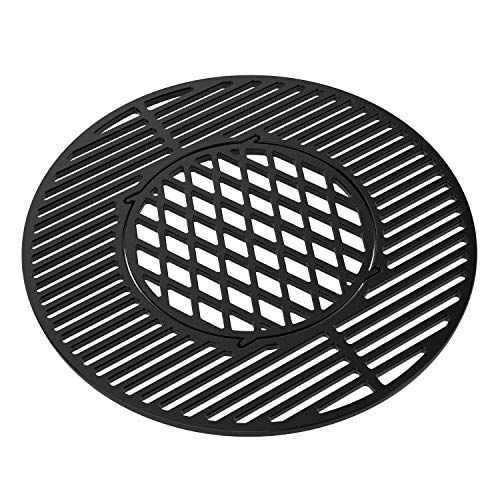
The onlyfire 11.8-inch Cast Iron Sear Grate is a specialized replacement accessory tailored for outdoor cooks using 22 1/2 inch Weber charcoal kettle grills equipped with the circular Gourmet BBQ System (GBS) hinged grate. Instead of replacing the entire cooking surface, this drop-in circular insert specifically targets the center cooking zone. It appeals directly to charcoal enthusiasts, family steak cooks, and backyard grillers who want the distinct heat properties of cast iron without giving up the versatility of their existing kettle setup.
In practical outdoor cooking, cast iron excels at absorbing and holding onto direct thermal energy from a bed of glowing charcoal. This insert features a raised crosshatch grid layout that promotes focused contact points, helping you achieve classic crosshatch sear marks on ribeyes, strip steaks, burgers, and pork chops. Because the grid design is compact, smaller sides such as sliced zucchini, asparagus, or shrimp are far less likely to slip into the ash below. It integrates smoothly into two-zone charcoal setups, allowing cooks to reverse sear thick cuts by bringing them up to temperature on the cooler side of the kettle before finishing them over the screaming-hot cast iron center.
Build quality centers on solid cast iron finished with a black porcelain enamel coating. This combination provides the heat retention advantages of traditional heavy metal while introducing a smoother barrier that resists rust and eases post-meal cleanup. Another key benefit of this insert layout is fuel management. Because the circular insert can be lifted independently using heat-resistant grill gloves or a standard grate lifter, you can replenish charcoal briquettes, lump charcoal, or wood chunks directly into the firebox without removing the larger surrounding grate or disturbing food resting around the perimeter.
Day-to-day handling and setup are completely straightforward. The piece drops directly into the 11.8-inch opening of a compatible GBS grate with zero assembly required. While the porcelain enamel finish resists food sticking better than raw iron, proper care remains essential for long-term durability. To prevent surface degradation, cooks should let the grate cool before washing with warm water and a non-abrasive brush. Drying it completely and wiping a light layer of cooking oil across the surface helps maintain the cast iron integrity over repeated seasons of backyard entertaining.
There are realistic limitations to keep in mind before purchasing. This is strictly an insert accessory; it cannot sit securely on an open 22.5-inch kettle rim on its own and requires a compatible hinged outer grate with the appropriate center cutout. Additionally, with an 11.8-inch diameter, the high-heat searing area is focused. Cooking for large parties may require searing in multiple batches, though the surrounding wire grate remains available for indirect cooking and resting.
For kettle owners who already have a Weber Gourmet BBQ System cooking grate, this onlyfire replacement insert offers an accessible and reliable way to upgrade direct-heat cooking performance. It provides solid heat retention, sensible charcoal access, and dependable build quality at a fraction of the cost of OEM alternatives.
Direct high-heat cooking requires a surface that can hold onto thermal energy rather than cooling down when cold meat touches the metal. The onlyfire cast iron insert is built with substantial mass, enabling it to soak up high temperatures directly from your charcoal chimney or fire basket and maintain that heat throughout the sear.
The grid structure is optimized to create defined sear marks while maximizing surface contact for improved browning on steaks, chops, and smash burgers. When used in a classic two-zone charcoal kettle configuration, grillers can easily shift meats between the cooler indirect zone and this high-heat center insert to complete a precise reverse sear without scorching.
Maintaining porcelain-enameled cast iron is simpler than caring for raw cast iron, but it still demands more care than standard stainless or chrome wire grates. After grilling, brush off loose food debris while the grate is still warm using a grill brush suitable for porcelain-coated surfaces.
Avoid harsh chemical cleaners, metal scouring pads, and dishwashers, as these can chip or degrade the protective porcelain glaze. Always ensure the grate is thoroughly hand-dried immediately after cleaning. Applying a quick wipe of high-smoke-point cooking oil before storing your kettle will keep the metal protected against humidity and ready for your next cookout.

Pros
- Excellent heat retention and even heat distribution across the cooking surface.
- Removable inner grate simplifies charcoal management during long cooks.
- Sturdy cast iron build withstands high heat and heavy use.
- Easy to clean with a grill brush after seasoning – nonstick surface develops over time.
- Compatible with popular Weber kettle models – no modifications needed.
Cons
- Heavier than standard steel grates – adds about 8 pounds to your grill setup.
- Cast iron requires regular seasoning to prevent rust; not as low-maintenance as stainless steel.
- Some users may prefer a single large grate for extra cooking space – the inner grate reduces usable area slightly.
The onlyfire Cast Iron Grill Grate Replacement is a functional upgrade for anyone who owns a Weber 22-inch kettle charcoal grill. Instead of a single piece, this set includes a 21.5-inch outer grate with a removable 11.8-inch inner sear grate. This design lets you access the charcoal without lifting the whole cooking surface – a real convenience when you need to add more briquettes or wood chunks during a long smoking session.
This grate is built for backyard grillers who value heat retention and searing performance. Cast iron holds heat far better than standard steel grates, meaning less temperature fluctuation when you open the lid. Whether you're searing steaks hot and fast or slow-cooking ribs over indirect heat, the even heat distribution helps avoid cold spots. The inner grate is perfect for adding a quick sear after a low-and-slow cook, giving you that crusty bark on brisket or a perfect char on burgers.
Durability is a strong point. Cast iron is heavy – about 8 pounds total – but it resists warping even under high heat. With proper seasoning, it develops a natural nonstick surface that improves over time. Cleanup is straightforward: scrape off residue with a grill brush and oil lightly after each use. Rust can form if left wet, so store the grate in a dry place or cover your grill.
Installation is effortless – just drop it onto the existing grate support tabs in your Weber 22.5-inch Kettle, Premium, or Performer. The inner grate's raised side handles give you a secure grip, even with thick gloves. That said, the two-piece design means you lose a few square inches of cooking space compared to a single full-size grate. For most backyard gatherings, it's not an issue – you still have room for a dozen burgers or two large steaks.
This replacement grate is ideal for weekend BBQ enthusiasts who want better control over their charcoal cooks. It's also handy for tailgating setups if you use a kettle grill at the parking lot – the removable inner grate makes adding fuel fast. Campers who bring a charcoal kettle to the campsite will appreciate the even heat for roasting or searing. Just remember to pack a dry bag to keep the cast iron protected from moisture.
Overall, the onlyfire Cast Iron Grill Grate Replacement delivers real performance improvements for Weber kettle owners. If you like searing with cast iron and want easier access to your charcoal during long cooks, this is a solid, affordable upgrade.
The cast iron construction excels at heat retention, meaning the grate stays hot even after adding cold food. This gives you consistent sear marks and prevents the temperature from dropping too much when you load up the grill. The inner sear grate's smaller openings concentrate heat directly on the meat, creating a crusty exterior while keeping the inside juicy. For low-and-slow cooking, the outer grate works well for indirect heat – place the coals on one side and the food on the other. You can also move the inner grate to a cooler zone for gentle finishing. Overall, this grate system improves both high-heat searing and temperature stability.
Cast iron requires a bit more care than stainless steel, but it's simple once you get into the habit. After grilling, let the grate cool slightly, then scrub it with a stiff grill brush while still warm. Avoid soap – just hot water if needed, but drying thoroughly is crucial to prevent rust. Apply a thin coat of vegetable oil to the surface before storing. Over time, the seasoning builds up, creating a natural nonstick finish. The two-piece design makes cleaning easier – you can remove the inner grate and scrub it separately. Keep the grate in a dry place, and it will last for years.


Pros
- Excellent heat retention for consistent searing and cooking
- Fits a wide range of Charbroil Commercial 3-burner models
- Cast iron is durable and resists rust when properly seasoned
- Easy to clean with a grill brush and occasional oiling
- Affordable upgrade over stock enameled grates
Cons
- Requires regular seasoning to prevent rust, especially in humid climates
- Heavier than some porcelain-coated grates, which may be a minor inconvenience for transport
- Not compatible with non-Charbroil grills, so check your model before buying
If you own a Charbroil Commercial Tru-Infrared 3-burner gas grill and your original grates are starting to show their age, the Uniflasy 17-inch cast iron grill grates are a smart replacement option. These grates are designed specifically for a long list of Charbroil models, including the 463355220, 463242516, and many others, so you can swap them in without any hassle. They're built from heavy-duty cast iron, which is a big step up from the enameled bars that often chip or rust out over time.
For backyard grillers and tailgaters, the main draw here is cooking performance. Cast iron heats up evenly and holds onto that heat like a champ, which means you get consistent sear marks on steaks, burgers, and even veggies. The grates deliver that satisfying sizzle and crust that makes outdoor cooking so rewarding. Whether you're flipping burgers for a weekend BBQ or searing chicken breasts for a quick weeknight dinner, these grates help you achieve restaurant-quality results right on your patio.
Durability is another strong point. The cast iron construction is tough and resists warping, even when you crank the heat up high for a good sear. That said, cast iron does require a bit of care to prevent rust. The manufacturer provides clear tips: scrape the grates after each use, brush them with oil to season, and keep the grill covered when not in use. If you follow these steps, these grates will last for years. For campers and RV owners, the extra maintenance is a small trade-off for the superior cooking performance.
Cleanup is straightforward. A good grill brush after cooking takes care of most residue, and an occasional oiling keeps the surface non-stick. The grates are also easy to remove and store, though they are a bit heavier than some porcelain-coated alternatives. That weight is a sign of quality, but it might be a minor consideration if you frequently transport your grill for tailgating or camping trips.
One realistic limitation is that these grates are only compatible with specific Charbroil Commercial 3-burner models. If you have a different brand or a different size grill, they won't fit. Also, while cast iron is durable, it can rust quickly if neglected, especially in humid climates. So if you're not willing to do a little post-cook maintenance, you might prefer a stainless steel or porcelain-coated option.
Overall, the Uniflasy cast iron grill grates are a practical upgrade for anyone who wants better heat retention and searing ability from their Charbroil grill. They're ideal for backyard cooks who enjoy grilling regularly, tailgaters who want consistent results, and outdoor entertainers who appreciate a good sear. Just be ready to give them a little TLC after each use, and they'll reward you with great cooking for years to come.

Pros
- Excellent heat retention for consistent grilling results on steaks, burgers, and veggies
- Durable cast iron with porcelain coating provides rust resistance and easy maintenance
- Universal fit adjusts easily to most grills without tools, saving setup time
Cons
- At over 6.5 pounds, it's heavy for backpacking or frequent transport
- Porcelain coating can chip if dropped or scraped against metal surfaces
- Only 7.75 inches deep, which may be too narrow for larger grills with wide cooking chambers
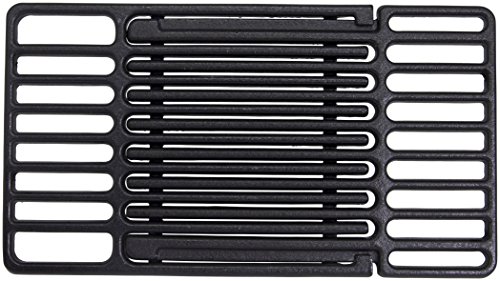
This Char-Broil Universal Cast Iron Grate is a replacement or upgrade grate designed for a wide range of outdoor cooking equipment. It's perfect for backyard grillers, campers, tailgaters, and RV owners who want better heat retention and searing performance from their existing gas or charcoal grill. The adjustable width lets it fit grills from 14 to 19.5 inches across, so it can revive an old kettle or upgrade a portable tailgating setup.
When it comes to real-world cooking performance, this grate shines. Cast iron holds heat like no other material, giving you steady, even temperatures across the cooking surface. That means perfect sear marks on steaks, even browning for burgers, and consistent heat for veggies. The grate gets hot quickly and stays hot even when you load it with food, which helps reduce temperature drops when cooking for a crowd. It also works great for low-and-slow smoking setups on charcoal grills, as the cast iron absorbs and radiates heat gently.
Build quality is solid. The grate is made from heavy-duty cast iron with a porcelain coating that resists rust and makes cleaning easier than bare cast iron. The coating is smooth, so food releases well and you can wipe it down with a stiff brush after grilling. Weights just over six and a half pounds, so it feels sturdy on the grill grates. The adjustable design uses simple sliding brackets, so you can set it to the exact width needed without any tools.
Setup is straightforward: just adjust the two ends to match your grill's side rails and drop it in place. For cleanup, let it cool, then scrub with a wire brush or scrape off residue. The porcelain coating helps prevent sticking and rust, but you should still dry it thoroughly after washing. It stores easily in a garage or shed, though its weight means you probably won't take it on backpacking trips. For car camping, tailgating, or patio cooking, it's a breeze to carry from the car to the campsite or tailgate lot.
Realistic limitations include the weight and the coating's durability. If you drop the grate on concrete or scrape it aggressively with metal tools, the porcelain can chip, exposing the bare iron underneath. That can lead to rust over time if not dried and oiled. Also, the grate is only 7.75 inches deep, which might be a bit narrow for extra-wide grills or for cooking large quantities of food at once. For most standard backyard grills and camp stoves, it fits well.
Overall, this is a practical upgrade for anyone who uses a gas or charcoal grill and wants better heat performance without buying a whole new grill. Backyard cooks will appreciate the even cooking and easy cleanup. Campers and tailgaters will like the universal fit and sturdy build. Just handle it with care to avoid chipping the coating. If you're looking to improve your grilling game for weekend BBQs or campsite meals, this grate is a solid choice.
Cast iron grates are known for superior heat retention, and this Char-Broil model delivers exactly that. It heats up quickly and maintains steady temperatures even when you flip multiple burgers or steaks at once. The surface gets hot enough for a strong sear, locking in juices and creating those desirable grill marks. For charcoal setups, the cast iron absorbs radiant heat and helps manage flare-ups by distributing heat evenly across the cooking area. For gas grills, it enhances the recovery time after opening the lid. Whether you're doing fast grilling for a crowd or slow cooking ribs with indirect heat, this grate performs consistently.
A Complete Guide to Cleaning and Preserving Porcelain Coated Cast Iron Grill Grates
Keeping porcelain-enameled cast iron cooking grates spotless requires balancing heat management, gentle mechanical cleaning, and consistent moisture control. The primary rule is to let high heat loosen baked-on grease, scrape only with non-destructive implements, and wash with mild solutions when heavy residues accumulate. Because the porcelain coating is essentially a specialized glass fused over raw cast iron at high temperatures, aggressive impact or abrasive scratching compromises the entire surface. Mastering this cleaning routine protects your investment, keeps food releasing cleanly, and prevents unwanted corrosion from destroying your grill components.
Understanding Porcelain Enamel and Cast Iron Construction
Porcelain-coated grill grates merge the superior thermal mass of cast iron with the chemical barrier of vitreous enamel glaze. The heavy cast iron core absorbs thermal energy slowly and radiates it evenly across the cooking zone, creating deep grill marks and preventing sudden hot spots. Meanwhile, the outer enamel coating seals the porous iron against ambient humidity, acidic marinades, and corrosive meat juices. This construction eliminates the need for the tedious seasoning routines required by bare iron grates, making initial setup and routine cooking significantly simpler.
The porcelain layer is remarkably hard, yet it remains relatively brittle under mechanical stress and sudden temperature shifts. Thermal shock occurs when cold liquids hit blazing hot grates, causing rapid thermal contraction that cracks the glass matrix. Similarly, striking the grates with heavy metal spatulas or dropping them on hard patio pavers will shatter the enamel edges. Once the protective ceramic seal is punctured, oxygen and ambient moisture attack the raw iron beneath, creating rust that slowly lifts the surrounding enamel from the inside out.
The High-Heat Burn-Off and Steam Cleaning Technique
The most effective routine method for clearing food residue begins immediately after cooking while the grill is still warm. Close the grill lid, set your burners to medium-high heat, or open the charcoal vents to allow internal temperatures to incinerate residual proteins and fats into brittle carbon. Running this burn-off for ten to fifteen minutes breaks the chemical bond between the cooking residue and the porcelain surface. Once the smoke clears and the drippings turn to dry ash, shut off the heat source and allow the grates to cool down slightly before cleaning.
Steam provides an exceptional way to clean without scratching delicate enamel coatings. A dedicated bristle-free tool like the Grill Rescue Grill Brush with Scraper utilizes water-soaked cleaning pads that generate high-temperature steam upon contact with warm grates. As the steam penetrates between the grate bars, it rapidly dissolves stubborn grease and loosens stuck-on sugars without requiring harsh downward force. This technique cleans down the sides of the bars where standard flat scrapers cannot reach, ensuring thorough cleanliness across the entire cooking grid.
After steaming, wipe down the warm bars with a folded cotton cloth or heavy-duty paper towel held securely in a pair of grilling tongs. Removing the loosened carbon paste right away prevents it from re-hardening as the grill cools down completely. Inspect the surface under good lighting to ensure no grit remains along the bottom edges of the grate channels. Performing this quick steam and wipe routine after every grilling session keeps heavy buildup from ever establishing a foothold on your porcelain enamel.
Step-by-Step Deep Cleaning for Baked-On Grease and Carbon
Grills eventually accumulate heavy, sticky grease layers that a simple burn-off cannot fully dislodge. Sugar-heavy sauces and rich glazes, like those slathered on sticky barbecue wings, produce stubborn caramelization that clings aggressively to porcelain bars. When you notice persistent grease buildup or sour odors during preheating, schedule a thorough deep cleaning session. Begin by letting the grill cool completely to ambient outdoor temperature to guarantee personal safety and eliminate thermal shock risks.
Carefully lift the grates out of the firebox and place them into a wide plastic wash tub or a heavy utility sink lined with old towels to protect against accidental chipping. Fill the basin with warm water and mix in a generous squirt of grease-cutting liquid dish soap. Allow the grates to soak undisturbed for twenty to thirty minutes so the soapy water can soften the hardened grease deposits. Soaking loosens baked-on carbon gently from the smooth ceramic surface without requiring harsh physical scrubbing.
For areas where charred residues refuse to budge, create a thick paste using standard baking soda and a few tablespoons of warm water. Spread the paste generously over the problem areas and let the mild alkaline compound break down acidic fats for fifteen minutes. Scrub the coated bars using a soft nylon bristle brush or a non-scratch synthetic scrubbing sponge using circular motions. Rinse the grates thoroughly with clean running water to remove all traces of alkaline residue and dislodged grease, then dry immediately.
Tools to Embrace and Dangerous Implements to Avoid
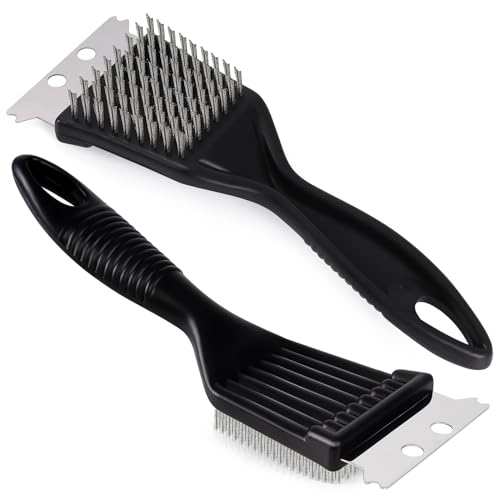
Selecting the correct cleaning tools represents the single most important factor in prolonging the lifespan of porcelain-enameled grates. Soft brass wire brushes, nylon bristle scrubbers, and specialized steam pads are ideal choices because their materials are softer than the vitreous glass coating. Wooden grate scrapers that form custom grooves over time also provide gentle, non-destructive mechanical scraping for daily use. Silicone or heat-safe composite tools offer safe scraping power without threatening the underlying cast iron structure.
Traditional stainless steel wire brushes should never be used on porcelain-coated surfaces. The hardened steel bristles gouge microscopic scratches into the smooth glaze, creating rough paths where grease binds and rust eventually initiates. Furthermore, loose metal bristles can detach from worn brush heads, stick to grate bars, and accidentally transfer into grilled food, posing a serious health hazard. Steel wool scouring pads, wire wheels attached to power drills, and abrasive pumice stones inflict similar irreparable damage and must remain far away from your grill.
Commercial oven cleaners and caustic aerosol chemical sprays should also be strictly avoided. These harsh chemicals often contain sodium hydroxide or heavy lye that chemically etches vitreous enamel, turning glossy coatings dull, porous, and prone to flaking. Caustic chemical residues can also seep into minor hairline cracks and linger within the porous cast iron core, contaminating your food during subsequent cooking sessions. Relying on gentle surfactants, baking soda, and warm water keeps both your cooking surface and your food completely safe.
Moisture Control, Seasoning, and Long-Term Rust Prevention
Moisture is the primary enemy of cast iron cookware, even when a porcelain enamel barrier is present. Never allow washed porcelain grates to air dry outdoors on the patio or sit damp inside a closed grill cookbox. Water droplets collect along bottom welds, corners, and microscopic fissures where the porcelain meets raw iron edges. Use a clean, dry lint-free cloth to hand-dry every bar thoroughly, then place the grates back onto the grill and ignite the burners on low heat for five minutes to evaporate hidden moisture.
Unlike raw steel or rolled metal cooktops found on a griddle and smoker combo unit, intact porcelain enamel does not require a full multi-layer oil seasoning process. However, applying a very light film of high-smoke-point cooking oil, such as canola, grapeseed, or avocado oil, provides valuable protection. Coat a paper towel in oil and wipe it across the warm grates to form a thin hydrophobic barrier over exposed edges and microscopic imperfections. This simple wipe-down prevents ambient humidity from oxidizing vulnerable contact points while your grill sits idle between meals.
Long-term storage requires proactive humidity management to keep rust from developing beneath the enamel during winter or wet seasons. Leave your grill dampers open slightly when stored outdoors under a weather-resistant cover so condensation cannot build up inside the cookbox. If you plan to store the grill for several months without use, remove the grates entirely after cleaning and drying them completely. Coat them generously with cooking oil, wrap them securely in clean plastic storage bags, and store them indoors in a dry garage, basement, or closet space.
Restoring Worn Surfaces Versus Investing in Grate Replacements
Over several seasons of heavy grilling, even well-maintained grates may exhibit localized wear, dull patches, or minor surface chips. When small chips expose the dark cast iron underneath, you can stabilize the spot before rust spreads outward. Applying a specialized high-temperature product such as Stove Grate Restorer, 50g Heat Resistant Black creates a heat-resistant black protective barrier over metal fixtures and worn cast iron areas. This treatment helps seal minor exposed metal spots against ambient oxidation, maintaining a clean aesthetic and slowing further surface degradation.
Extensive chipping, where large flakes of porcelain peel away from the cooking rails, signals that replacement is the safest and most practical choice. Ingesting sharp porcelain ceramic flakes that adhere to food presents serious physical risks that no cleaning routine can fix. When replacement becomes necessary, consider targeted inserts like the Weber Gourmet BBQ System Sear Grate Replacement, which features an 11.8-inch porcelain-enameled cast-iron center designed for dedicated searing. For kettle charcoal grill owners, the complete two-part onlyfire Cast Iron Grill Grate Replacement Gourmet provides a full-diameter hinged replacement with a removable inner sear insert.
If you operate a gas grill with standard rectangular cookboxes, replacement options can easily renew your cooking setup. The Char-Broil Universal Cast Iron Grate offers an adjustable porcelain-coated cast-iron format that adjusts from fourteen to nineteen and a half inches in length. Gas grillers with brand-specific setups can find precision replacements, such as the Uniflasy Grill Grates for Char-Broil Performance or the heavy-duty 17″ Cast Iron Grill Grates for Charbroil, which match listed commercial infrared models. Always measure your original grate dimensions and verify your specific grill model number prior to selecting new components.
Essential Outdoor Safety and Operating Precautions
Grill maintenance and operation must always take place in well-ventilated outdoor spaces situated away from combustible structures, vinyl siding, and low-hanging tree branches. Never ignite, clean, or operate a fuel-burning gas or charcoal grill inside a garage, breezeway, shed, or enclosed patio, even if the overhead garage door is wide open. Burning charcoal briquettes and propane produce lethal levels of invisible, odorless carbon monoxide gas that can accumulate rapidly and cause severe illness or fatal asphyxiation. Structural fire hazards also escalate significantly when high-heat burn-offs or flare-ups occur in semi-enclosed residential spaces.
Always maintain a minimum clearance of ten feet from exterior walls and ensure a functional fire extinguisher rated for grease fires is accessible nearby. When handling hot grates for inspection or burn-off cleaning, wear insulated, heat-resistant barbecue gloves to protect your hands and forearms from severe contact burns. If you discover gas leaks, burner blockages, or unmanageable grease fires in the bottom drip pan, shut off the gas supply immediately or close charcoal vents to starve the flames of oxygen. Prioritizing authoritative fire safety guidelines ensures that every outdoor meal remains both enjoyable and completely secure.
Caring for porcelain-enameled cast iron grates does not require complicated chemicals or exhausting physical scrubbing when you follow a steady, preventive routine. Capitalizing on post-cook heat burn-offs, using non-abrasive steam cleaners, and drying the grates thoroughly prevents rust while keeping the non-stick enamel intact. When minor surface wear appears, prompt touch-ups and timely component replacements ensure your barbecue remains dependable for countless backyard feasts. Establishing these safe cleaning habits preserves your grill grates and delivers outstanding searing results season after season.





Write Your Review
No reviews yet. Be the first to share your experience!