


Cooking outdoors over an open flame delivers unmatched flavor, but sticky residue and surface corrosion can quickly ruin a weekend barbecue. Learning how to season bbq grill grates is the single most effective way to protect your cooking surface from moisture damage while establishing a naturally slick, food-release barrier. Whether you cook over charcoal embers, propane burners, or wood pellets, raw and porous metals react aggressively to ambient moisture and salty marinades. Preparing your workstation alongside a sturdy rolling bbq prep table allows you to keep high-heat cooking oils, lint-free towels, and cleaning tools within arm’s reach before lighting the fire.
A proper seasoning layer relies on oil polymerization, which transforms liquid fats into a hard, protective polymer shield bonded directly to the metal bars. Skipping this essential conditioning process leaves raw cast iron and bare steel vulnerable to oxidation, resulting in stubborn rust patches and torn meat surfaces. Regular maintenance also reduces cleanup time after delicate cooks, ensuring foods lift cleanly without aggressive scraping. Taking time to season your cooking grids properly preserves your barbecue setup and creates reliable, consistent heat transfer for every outdoor meal.

Pros
- Excellent heat retention and even cooking across the whole grate
- Non-stick surface simplifies cleanup after greasy grilling sessions
- Portable and easy to transport for camping, tailgating, or backyard use
- Sturdy cast iron build feels durable and ready for heavy use
Cons
- Cast iron is heavy compared to steel grates – not ideal for ultralight backpacking
- Requires seasoning and proper drying to prevent rust in wet conditions
- Lacks folding legs or handles for compact storage – takes up space in a camping kit
If you love cooking over an open fire or charcoal grill, the Barebones Heavy Duty Grill Grate is a solid upgrade for your outdoor setup. This rectangular cast iron grate measures 31 by 15.75 inches, giving you plenty of room to cook for a small crew. It's a simple, no-frills piece of gear that focuses on what matters: even heat, strong searing, and easy cleanup.
This grate is best suited for backyard grillers, campers, tailgaters, and anyone who enjoys cooking over a fire pit or portable charcoal grill. If you regularly host weekend BBQs or camp with a group, the large cooking surface handles multiple burgers, steaks, or veggies at once. It's also a great fit for RV owners who want a durable grate that can sit directly on campfire rings or portable grills.
In real-world use, the cast iron construction delivers impressive heat retention. Once it's hot, it stays hot, which means you get consistent searing across the whole surface. Whether you're cooking thick ribeyes or delicate fish fillets, the non-stick surface (when properly seasoned) helps prevent sticking. The rectangular shape fits nicely over rectangular fire pits or standard charcoal grills, and the open grate design allows smoke to circulate for that classic smoky flavor.
Build quality is where this grate shines. It's heavy-duty cast iron with a black finish that resists rust when cared for properly. At 7.2 pounds, it's portable enough to toss in your trunk for a tailgate or campsite, though it's not lightweight enough for backpacking. There are no folding legs or carrying handles, so storage requires some space. That said, it feels solid and durable, ready for years of heavy use.
Cleaning is straightforward. Because the surface is non-stick, most food residue wipes off with a paper towel or a quick scrape. For tougher grease, a hot water scrub and a light re-seasoning keep it in top shape. Just remember to dry it thoroughly after washing to prevent rust. That's a standard care requirement for cast iron, but it's worth the effort for the cooking performance you get.
One realistic limitation is the lack of portability features. If you need a grate that folds up small or packs flat, this isn't it. Also, the weight might be a drawback for car campers with limited space. But if you have room for a solid, full-size cast iron grate, the Barebones delivers excellent value. For backyard cooks, tailgaters, and campers who prioritize even heat and easy cleaning, this is a smart buy.
The Barebones cast iron grate excels at heat retention and even distribution. Once preheated, the entire surface holds steady temperature, giving you consistent sear marks on steaks and burgers. The open bar design allows flames and smoke to reach the food directly, enhancing that smoky flavor you look for in open-fire cooking. It handles high heat without warping and performs well for both fast grilling and slower cooking over coals. The non-stick seasoning improves with use, making it easier to flip delicate items like fish or vegetables without tearing.
Cleaning this grate is simple thanks to its non-stick surface. After cooking, let it cool slightly, then wipe off food residue with a paper towel or a stiff brush. For stuck-on grease, use hot water and a non-abrasive scrubber – avoid soap to preserve the seasoning. Dry it completely over low heat or with a towel, then apply a light coat of cooking oil to prevent rust. Proper seasoning builds up over time and improves non-stick performance. Store it in a dry place, ideally indoors or in a covered area, to extend its life.
At 7.2 pounds, this grate is portable enough for car camping, tailgating, and backyard use but too heavy for backpacking. It has no folding legs or carrying handles, so you'll need to pack it flat in your vehicle or storage area. The rectangular shape fits neatly in most car trunks or truck beds. For campers who drive to their site and want a sturdy grate for fire pit cooking, it's a convenient option. Just be mindful of the space it takes up if you're packing a full camping kitchen.


Pros
- Safe bristle-free cleaning prevents health hazards
- Reusable pads with 5 replacements offer great value
- Built-in scraper handles tough, stuck-on grease
- Easy to use with simple heat-and-scrub method
Cons
- Requires heating grill to 400°F before cleaning, which uses extra fuel
- Pads may wear out faster on heavily caked grates
- Handle length may feel short for larger grills
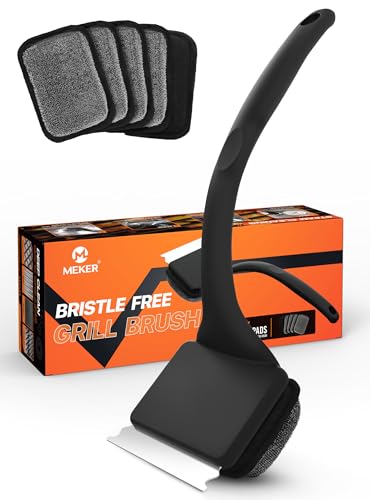
If you love firing up the grill for weekend BBQs or tailgating, you know the struggle of cleaning those grates. The MEKER Grill Brush is a bristle-free cleaner designed to make that job safer and simpler. Instead of metal bristles that can break off and end up in your food, this brush uses a flexible steel fiber woven pad and a cleaning cloth to lift grease and grime. It's a practical tool for backyard grillers, campers, RV owners, and anyone who wants to avoid the risks of traditional wire brushes.
Using the MEKER brush is straightforward. Heat your grill to at least 400°F for about 15 minutes, scrape off any large debris with the built-in scraper, then soak the pad in cold water and gently wipe the grates. The combination of heat and the damp pad creates steam that loosens stubborn buildup. I found it works well on both cast iron and stainless steel grates, leaving them clean without scratching. The scraper is handy for reaching between square or round bars, which is a common pain point with other brushes.
Build quality is decent for the price. The handle feels sturdy, and the upgraded adhesion system with eight screw-locked points keeps the pad firmly attached during scrubbing. The brush comes with five replacement pads, so you're set for several grilling seasons. The pads are dishwasher-safe, making cleanup after cleaning even easier. Just remember to let the pad cool down before pulling it off to replace it.
One limitation is that you need to preheat the grill to get the best results. That uses extra propane or charcoal, which might be a consideration if you're trying to conserve fuel. Also, if your grates have years of caked-on residue, you might need to scrub a bit harder or repeat the process. The handle is about 13.8 inches long, which is fine for most grills but might feel short for larger models.
Overall, the MEKER Grill Brush is a solid choice for anyone who prioritizes safety and ease of use. It's especially good for families with kids, where the risk of bristle ingestion is a real concern. For campers and tailgaters, it's compact enough to toss in a bag, and the reusable pads mean you won't need to buy replacements often. If you're a backyard BBQ enthusiast who grills regularly, this brush will help keep your grates clean without the worry.

Pros
- Zero cleanup hassle – simply discard the grate after use
- Even cooking surface delivers consistent results across burgers, veggies, and seafood
- Lightweight and compact – easy to pack for any outdoor adventure
- Compatible with most grill types, including charcoal, gas, and portable smokers
- Affordable multipack provides multiple uses for frequent grillers
Cons
- Single-use design may not appeal to eco-conscious buyers or those seeking long-term durability
- Not as heavy-duty as permanent grates – may require careful handling with sharp tools
- Size may be slightly small for extra-large grills, limiting coverage on bigger cooking surfaces
The ciAmore Grill Topper is a set of 10 disposable grill grates designed to simplify your outdoor cooking experience. Measuring 11.8 x 15.7 inches each, these grates sit on top of your existing grill grates, providing a fresh cooking surface for every use. They're made for backyard grillers, campers, tailgaters, and RV owners who value convenience and quick cleanup over permanent hardware.
When it comes to real-world cooking performance, these grates deliver even heat distribution that helps prevent hot spots. You can get a decent sear on steaks or burgers, and the grid pattern keeps smaller items like shrimp or sliced veggies from falling through. While they won't produce the same smoke flavor as a heavy cast iron grate, they work well for fast grilling and medium-heat cooking. They're also great for high-volume cooking during parties or campsite meals because you can cook multiple items at once without worrying about cross-contamination between batches.
Build quality is solid for a disposable product. The material resists corrosion and withstands typical grilling temperatures without warping. Each grate weighs only 4.5 ounces, making the entire pack extremely portable. You can toss them in a camping bin, RV storage, or tailgating cooler without adding bulk. They fit most standard charcoal and gas grills, though you might need to trim them for smaller portable grills.
Setup is as easy as placing the grate onto your existing grates and lighting the grill. After cooking, you simply let it cool, then discard it. This eliminates the need for scraping, soaking, or scrubbing – a huge time saver after a long cookout. However, the disposable nature means you can't reuse them, so you'll need to stock up for multiple grilling sessions. Also, they are less sturdy than permanent grates, so avoid using heavy cast iron cookware or cutting directly on them.
Overall, the ciAmore Grill Topper is a practical solution for outdoor cooks who prioritize convenience. It's perfect for camping trips where cleaning supplies are limited, for tailgating where time is short, or for backyard parties when you want to spend more time with guests. If you prefer long-lasting, heavy-duty grates or are eco-conscious about disposables, this might not be your first choice. But for anyone who wants to skip the cleanup and keep grilling fun, this pack delivers real value.
These disposable grates shine in scenarios where cleanup is a hassle or water is scarce. For campers, they allow you to enjoy grilled meals without scrubbing soot off your camping stove's grates. Tailgaters can swap grates between meats and veggies to avoid flavor transfer without extra washing. Backyard cooks hosting large parties can rotate fresh grates for successive rounds of burgers and hot dogs. RV owners with limited water tanks will appreciate being able to toss the grate after cooking. They also work well on portable charcoal grills at the beach or park, letting you pack up quickly once the meal is done.

Pros
- Solid cast iron build feels reassuringly heavy-duty and won't bend under weight
- Leather lanyard prevents misplacing the lifter - easy to hang on your smoker or grill
- Works equally well on gas grills and charcoal kettles, including kamado-style cookers
- Pair of lifters makes grate handling much safer and more controlled than using tongs or a single hook
Cons
- Cast iron can get hot if left near the fire - you'll need to store it away from direct heat
- Hooks may be slightly thick for very thin or wire-style grates - best for heavy-duty grids
- No rubberized grip means the handle can become slippery when greasy - use with a glove
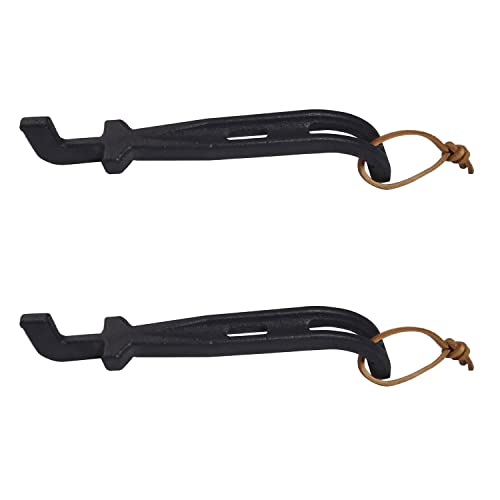
The DELSbbq Grill Grate Lifter is the kind of simple accessory that makes a real difference during a long cook. It is a pair of cast iron hooks designed to safely lift your cooking grid off the grill. Whether you are managing a low-and-slow brisket on a charcoal smoker or flipping burgers on a gas grill during a backyard party, these lifters keep your hands away from hot surfaces. For anyone who spends weekends tailgating or camping, having a reliable way to adjust your grate without burning yourself is a must.
These lifters are best suited for backyard grillers, BBQ enthusiasts, campers, tailgaters, RV owners, and anyone who regularly cooks outdoors. The 8-inch length gives you enough reach to grab a hot grate firmly while keeping your knuckles clear of the heat. They work with most heavy-duty cast iron and steel grates, so you can use them on everything from a Weber kettle to a propane flat top. The cast iron construction is tough and resists warping, even after repeated exposure to high heat.
From a cooking performance perspective, these lifters do not directly affect heat consistency, searing ability, or smoke flavor. But they do let you adjust your grate height quickly, which is critical when you need to move coals or add wood chunks during a long smoke. For fast grilling, you can remove the grate to access the burners for cleaning or to add a smoker box. The real-world advantage is safety and convenience - no more using heavy oven mitts or tongs that slip.
Build quality is straightforward. The cast iron is heavy and feels solid. Each lifter has a small hole for the included leather lanyard, which lets you hang them on your grill cart or a hook. That is a nice touch because it keeps the tools handy and prevents them from getting lost in a messy backyard shed. The black finish is simple and should hold up well to weather, though like any cast iron, it can rust if left out in the rain. A quick wipe and storing them inside or under a cover will keep them looking good.
Setup is instant - these are not complicated tools. You just grab, hook under the grate, and lift. Cleanup is easy; a quick rinse or wipe with a cloth is usually enough. One limitation is that the hooks are best for thicker, bar-style grates. They may be too chunky for very thin wire grates, but those are less common on serious outdoor cookers. Also, the handle does not have a rubber sleeve, so if your hands are greasy, it can slip. A simple grill glove solves that.
Overall, the DELSbbq Grate Lifter is a practical buy for any outdoor cook who values safety and convenience. It is affordable, built to last, and makes grate handling much easier during camping trips, tailgate parties, or weekend backyard sessions. If you have a heavy cast iron grate on your smoker or grill, these hooks will quickly become a go-to tool.
The cast iron build of these lifters gives them excellent heat resistance and long-term durability. They are not going to flex or break under the weight of a standard cooking grid. The leather lanyard is a thoughtful addition for storage - you can hang them on your grill cart, a pegboard, or even the side shelf of a patio cooker. This keeps them off the ground and dry, which helps prevent rust. Just make sure to dry them thoroughly after cleaning, and store them indoors if you live in a humid climate.
These lifters are perfect for charcoal grills where you need to adjust the grate height for direct or indirect cooking. They also work great on gas grills when you want to remove the grate for deep cleaning or to access the flavorizer bars. Campers and tailgaters will appreciate how easy they are to pack - just hook them on your grill bag or strap. For RV owners with a portable propane grill, these lifters add an extra layer of safety when cooking over an open flame.

The Complete Guide to Seasoning and Maintaining BBQ Grill Grates
Seasoning grill grates is the controlled process of baking thin layers of fat onto metal cooking surfaces to create a durable, semi-permanent non-stick coating. When high-smoke-point oil reaches its breakdown threshold under controlled heat, the fatty acids oxidize and link into a smooth, waterproof polymer film. This bonded barrier protects porous metals against destructive oxidation while preventing lean proteins and delicate produce from tearing during high-heat cooking. Understanding how metal types, oil selection, and heat control interact allows any outdoor cook to maintain spotless cooking grids across every barbecue season.
Why Seasoning Matters: The Science of Oil Polymerization
Raw metals such as cast iron contain microscopic surface imperfections, pits, and ridges that trap moisture and food proteins. When exposed to heat without a protective barrier, proteins bond directly with hot iron atoms through chemical adsorption, tearing food surfaces when flipped. Seasoning eliminates these microscopic contact points by filling the pores of the metal with polymerized oil that hardens upon cooling. The resulting black patina acts as an ultra-smooth shield that sheds moisture and releases cooked foods effortlessly.
Beyond creating a non-stick cooking plane, oil polymerization provides critical rust defense against environmental elements. Outdoor grills remain subject to seasonal humidity, rain showers, temperature swings, and salty atmospheric conditions that trigger rapid metal oxidation. An unseasoned iron grate left outdoors can develop visible orange corrosion in fewer than forty-eight hours after a single cooking session. A consistent seasoning routine bonds microscopic carbon layers directly to the metal lattice, sealing out ambient moisture and extending grate life.
Grate Material Differences: Cast Iron, Porcelain, and Stainless Steel
Different grate constructions require distinctly tailored conditioning approaches based on their elemental metallurgy. Heavy cast iron grids, such as the Barebones Heavy Duty Grill Grate, feature porous open grain structures that absorb heated fats readily and demand regular seasoning. These dense iron components offer exceptional heat retention and produce deep grill marks, but they will corrode quickly if moisture reaches bare iron. Keeping cast iron properly saturated with polymerized oil ensures dependable performance when cooking directly over campfires, charcoal embers, or gas burners.
Porcelain-coated surfaces require a different mindset because the glass enamel already seals the underlying metal. Replacement options like the Direct store Parts DC115 porcelain-coated cast iron grids and the Outdoor Bazaar 3-Pack adjustable porcelain steel grates feature protective ceramic coatings over metal cores. While porcelain enamel does not rust on its own, microscopic fissures and manufacturing pores can expose underlying metal over time. Applying a light oil film before and after grilling protects exposed edges, conditions micro-cracks, and prevents food from sticking to hotter contact zones.
Stainless steel grates and fine mesh accessories, including the Frandilo stainless steel wire mesh grid, resist corrosion naturally due to high chromium content. While stainless steel does not oxidize like untreated iron, applying a light coating of oil before heating creates a temporary non-stick barrier that simplifies post-cook cleanup. Conversely, single-use accessories like the ciAmore disposable grill topper provide temporary clean surfaces for delicate fish or public park cookouts where seasoning permanent grates is impractical.
Selecting the Right High-Heat Seasoning Oils
Selecting the appropriate fat is vital because low-smoke-point oils scorch into bitter, flaky carbon rather than forming a tough, slick polymer. High-smoke-point cooking oils containing unsaturated fatty acids polymerize most efficiently because their chemical structure readily forms cross-linked molecular chains. Refined canola oil, grapeseed oil, peanut oil, and refined avocado oil represent excellent choices for outdoor seasoning routines due to smoke points ranging above four hundred degrees Fahrenheit. These oils withstand intense burner temperatures without immediately burning off into soot.
Avoid unrefined vegetable oils, extra virgin olive oil, butter, and animal fats with high moisture contents during the initial base-seasoning stage. Extra virgin olive oil possesses a low smoke threshold near three hundred and seventy-five degrees Fahrenheit, which causes it to degrade and scorch prematurely on a hot grate. Salted lard and bacon grease contain animal impurities, sodium, and moisture that can trap corrosive elements against bare iron. Pure liquid vegetable shortening or refined cooking oils yield uniform, neutral-tasting coatings that adhere tightly.
Preparing Brand New Grates and Restoring Rusty Grids
Brand new grill grates often ship from the factory coated with protective transit grease or mineral oils designed to inhibit rust during warehouse storage. You must wash new grates thoroughly with hot water and mild dish soap using a non-abrasive sponge before attempting the initial seasoning cycle. Rinse every trace of detergent completely, then dry the grates immediately using clean cloth towels. Even trace moisture left inside metal crevices will prevent oil from bonding cleanly during early preheating.
Older grates displaying visible orange corrosion or flakey, charred buildup require aggressive surface cleaning before receiving fresh oil. Remove stubborn debris using a stiff scraper or abrasive scrubbing pad, working down through oxidized layers until you reach sound metal. If rust has penetrated deeply, soaking the grates in a fifty-fifty solution of household white vinegar and water for up to two hours dissolves stubborn iron oxide. Once stripped clean, rinse the grates with fresh water, dry them aggressively, and heat them gently to evaporate hidden water.
Step-by-Step Instructions to Season BBQ Grill Grates
Begin by warming your clean, dry grates gently over low heat for roughly ten minutes to open up the microscopic pores of the metal. Turn off the burners or close the intake dampers slightly so the grates remain warm to the touch but not scorching hot. Using a folded paper towel or cotton rag saturated with high-smoke-point oil, apply a very thin, glossy sheen across all surfaces. Wipe down the top cooking plane, the underside bars, and the outer frame edges.
Wipe away all excess oil with a second clean, dry towel until the grates appear almost completely dry rather than wet or dripping. Excessive oil pools into thick droplets that turn sticky and gummy instead of forming a hard, glassy polymer film. Close the grill lid, ignite the burners or open the draft dampers, and raise the internal chamber temperature to approximately four hundred and fifty degrees Fahrenheit. Maintain this heat level for forty-five minutes, allowing the oil to smoke freely and bond chemically to the metal substrate.
Shut down the heat source and allow the cooking grates to cool down completely inside the closed cooking chamber. Inspect the finish, which should appear noticeably darker, smooth to the touch, and free of tacky or wet patches. For brand new raw cast iron or heavily restored cooking grids, repeating this oiling and heating cycle three to four times builds a durable patina. Investing time into multiple thin layers creates a long-lasting non-stick cooking surface capable of handling demanding cooks.
Outdoor Safety Protocols and Fire Hazards During Seasoning
Safety must remain your foremost operational priority whenever heating cooking oils to high temperatures in outdoor environments. Never attempt to season, preheat, or operate a gas, charcoal, or pellet grill inside a garage, breezeway, shed, or enclosed patio, even if garage doors or windows remain wide open. Burning fuel produces deadly carbon monoxide, an odorless and invisible gas that accumulates rapidly to lethal levels in sheltered spaces. Grills also generate intense radiant heat, grease vapors, and potential flare-ups that can easily ignite wall framing or overhead structures.
Always position your grill outdoors on a flat, non-combustible surface located at least ten feet away from house siding, wooden railings, and overhanging tree canopies. When applying cooking oil to hot grates, use long-handled barbecue tongs wrapped with oil-soaked towels to keep your hands and forearms away from open flame. Avoid spraying aerosol cooking oils directly onto lit burners or hot charcoal embers, as volatile propellants and aerosolized oil mists ignite instantly into dangerous fireballs. Keep an approved Class B fire extinguisher or baking soda accessible nearby to smother any sudden grease flare-ups without introducing water.
Handling heavy, heated grids during cleaning or re-seasoning requires specialized tools designed to reduce burn risks and dropped hardware. Sturdy tools like the DELSbbq 2 Pack Grill Grate Lifter feature durable cast iron hook mechanisms that lock securely onto individual grate bars, allowing safe removal and adjustment. Keeping your hands elevated away from searing cooking chambers prevents severe thermal contact injuries while repositioning grids. Always wear heat-resistant barbecue gloves whenever shifting metal components exposed to high-temperature seasoning cycles.
Routine Post-Cook Maintenance and Cleaning Techniques
Maintaining your seasoned grates requires routine post-cook cleaning that strips away food debris without scouring off your delicate polymerized oil foundation. Traditional wire brushes present serious health hazards because loose steel bristles can break free, adhere to grate bars, and migrate into grilled food. Modern bristle-free tools, such as the MEKER Grill Brush Bristle Free with its heat-resistant aramid fabric pad and built-in stainless steel scraper, clean hot grids safely up to six hundred degrees Fahrenheit without leaving dangerous metal fragments behind. Using steam cleaning methods by dipping heat-safe cleaning pads into cool water wipes away caramelized sauces and grease without damaging the underlying seasoning.
Right after finishing your cook and scraping away remaining char, apply a quick protective maintenance wipe to replenish the surface oil layer. While the grates retain residual warmth between two hundred and three hundred degrees Fahrenheit, lightly wipe a drop of canola or grapeseed oil across the main cooking bars. This quick post-cook application melts into micro-scratches caused by metal spatulas and creates a protective vapor barrier against overnight condensation. Keeping your grates slightly oiled between sessions prevents bare metal exposure and keeps your cooking station ready for your next outdoor recipe.
Preparing your cooking space before firing up the burners also prevents unnecessary delays and burnt marinades during busy dinners. If you are smoking a batch of crispy bbq wings, seasoning your grates beforehand ensures the tender chicken skin crisps up and releases without tearing. Cooks who also utilize a versatile outdoor griddle and smoker understand that both flat-top steel plates and open barbecue grates rely on identical oil polymerization principles to deliver tender, unblemished food. Maintaining clean, well-conditioned cooking surfaces ensures every recipe benefits from uniform heat contact and clean, smoke-infused outdoor flavor.
Troubleshooting Sticky Patches, Peeling Coatings, and Surface Rust
A sticky or gummy surface is the most common seasoning error encountered by outdoor cooks, resulting directly from applying too much oil during a single heating cycle. When an oil layer is too thick, the outer surface skins over while the trapped oil underneath remains unpolymerized and tacky. To correct gummy buildup, crank your grill burners to high heat for twenty to thirty minutes to bake the sticky layer through into dry carbon. Once cooled, brush away the loosened debris and apply a microscopically thin oil wipe before reheating.
Flaking or peeling black seasoning indicates that the oil layer failed to bond directly to the metal substrate during application. This problem typically occurs when cooks apply fresh oil over loose rust, factory transit coatings, or charred food residue that was never properly scrubbed away. If your grate coating begins flaking onto your food, you must scour the affected area down to bare metal using an abrasive scouring pad. Re-clean the metal, dry it thoroughly with heat, and build fresh, micro-thin layers of seasoned oil to restore an unbroken surface.
Surface rust can emerge after prolonged storage periods or following prolonged cooking sessions featuring acidic ingredients like tomato-based sauces or citrus marinades. Salt and acid break down polymerized fats over time, leaving microscopic bare spots where moisture can initiate rapid iron oxidation. Catching rust early allows for a simple fix by scrubbing the localized spot with coarse salt and vegetable oil using a scrubbing pad. Once the orange oxidation disappears, wipe the spot clean, apply high-smoke-point oil, and heat the area until a dark sheen reappears.
Long-Term Storage and Pre-Cook Heating Routine
Protecting your barbecue grates during long off-season months or wet winter periods requires careful preparation to prevent moisture accumulation under your grill cover. Before putting your cooker away for seasonal storage, perform a thorough cleaning cycle and apply a generous protective coat of cooking oil across all sides of the grates. Avoid wrapping metal grates tightly in plastic bags, as trapped condensation creates a greenhouse effect that accelerates rust formation on untreated metal corners. Storing your cooker under a ventilated, waterproof cover in a dry outdoor shelter preserves your hard-earned seasoning until spring arrives.
Whenever you prepare to grill after an extended break, always preheat your cooking chamber on high heat for ten to fifteen minutes before placing food onto the cooking surface. High preheat temperatures sanitize the grates, burn off any accumulated dust or rancid surface oils, and cause metal bars to expand slightly for improved non-stick release. Once the grates reach full cooking temperature, brush the bars lightly with your bristle-free tool and apply a quick swipe of fresh oil. This disciplined pre-cook routine reinforces your established seasoning base, guarantees sanitary cooking conditions, and ensures consistent culinary results across every backyard barbecue.



Write Your Review
No reviews yet. Be the first to share your experience!