


Uncovering an outdoor grill after weeks of damp weather often brings an unwelcome surprise in the form of flaky orange discoloration across the cooking surface. Metal surfaces deteriorate quickly when exposed to environmental humidity, acidic marinades, and fluctuating outdoor temperatures. Learning how to protect grill grates from rust ensures your cooking hardware delivers reliable heat transfer, sanitary food contact, and prolonged service life without sudden failure. Establishing a consistent post-cook routine creates a durable protective barrier that shields raw and coated metals from ambient moisture.
Investing a few minutes into proper grate care prevents food from sticking and saves cooks from buying premature replacement grids season after season. Setting up a dedicated maintenance workflow near your outdoor station, perhaps utilizing a durable rolling bbq prep table for brushes and seasoning oils, simplifies routine upkeep after every backyard session. Regular oil conditioning and gentle cleaning habits keep both gas and charcoal setups running efficiently. Moisture control remains the single most important factor in keeping your outdoor cooking surfaces rust-free and ready for the next sear.


Pros
- Adjustable length fits a wide range of grill sizes from compact to standard.
- Enameled cast iron is durable and delivers consistent heat for searing and even cooking.
- Non-stick surface simplifies post-cook cleanup significantly.
- Helps enhance smoky flavor by directing drippings onto the flavor bars or burners.
- Affordable replacement option compared to buying original manufacturer parts.
Cons
- May be heavier than standard steel grates, so handling during cleaning requires care.
- Enamel coating can chip if dropped or scraped with metal utensils; use silicone or wood instead.
- Adjustable design may not fit every grill perfectly—measure your existing grates before ordering.
The Plowo Adjustable Cast Iron Grill Grates are a practical upgrade for anyone who owns a gas or electric grill and wants better cooking performance. This three-pack set is designed to replace your old, worn-out grates with enameled cast iron that expands from 14 inches to 20 inches in length, with each grate 8 inches wide. That flexibility means they can fit a wide variety of grill models, from compact tailgating rigs to larger backyard BBQ units. Whether you're a weekend burger flipper or an outdoor entertainer who loves slow-smoked ribs, these grates aim to improve your grilling experience.
These grates are best suited for backyard grillers, BBQ enthusiasts, and patio cooks who want better heat retention and a non-stick cooking surface. Campers and RV owners with gas grills will also appreciate the universal size, though the weight might be a factor for ultra-portable setups. Tailgaters who have a decent-sized gas grill will enjoy the added smoky flavor these grates can produce by catching drippings and letting them vaporize against the flame.
In terms of real-world cooking performance, the enameled cast iron does a solid job holding heat. You'll get even cooking across the grate surface, which is great for searing steaks or cooking multiple burgers at once. The non-stick coating helps with food release, so delicate fish or veggies won't stick as much as they would on bare steel. One key advantage is how the grates handle grease drippings—they funnel oil and juices away from the food, reducing flare-ups while adding a subtle smoky note to whatever you're cooking. This works especially well for chicken thighs, pork chops, and even vegetables.
Build quality is a highlight here. The cast iron is heavy and feels substantial, and the enamel coating adds a layer of protection against rust and corrosion. That's important for any outdoor cooking gear that lives under a grill cover or in humid weather. The grates are designed to be easy to clean—just wipe them down after they cool, and most residue comes right off. Installation is straightforward: adjust the length to match your grill's width, drop them in place, and you're ready to fire it up. No tools needed, no complex assembly.
That said, there are a couple of limitations to keep in mind. The weight of cast iron means these grates are heavier than typical steel or porcelain-coated alternatives, so handling them during cleaning might be cumbersome for some. The enamel coating is durable but can chip if you bang the grates together or use metal scrapers. Also, while the adjustable length is a clever feature, it doesn't guarantee a perfect fit for every grill—some models with odd dimensions might require careful measurement before buying. Always double-check your original grate size against the product specifications.
Overall, the Plowo Adjustable Cast Iron Grill Grates are a smart buy for anyone looking to breathe new life into their gas or electric grill without spending a fortune. They deliver better heat retention, easier cleanup, and a hint of smoky flavor that plain steel grates just can't match. If you're a backyard BBQ enthusiast or a patio griller who values performance and convenience, this three-pack is a practical, budget-friendly upgrade. Just measure your grill first, and handle the enamel with care, and you'll be set for many weekend cookouts.
When it comes to cooking performance, these enameled cast iron grates hold heat beautifully and distribute it evenly across the surface. That means you get reliable searing on steaks and burgers without cold spots. The non-stick coating also helps with delicate foods like fish or vegetables, reducing the chance of tearing. One of the standout features is how the design of the grates channels drippings away from the food and onto the flavor bars or burners below. This not only cuts down on flare-ups but also creates that smoky, barbecue aroma that makes outdoor cooking special. For low-and-slow cooking, the heat retention helps maintain a steady temperature, while for fast grilling, you'll get consistent browning. Overall, these grates enhance the cooking experience for both quick weeknight dinners and weekend feasts.
Cleaning these grates is simpler than with traditional cast iron because of the enameled non-stick coating. After grilling, let the grates cool slightly, then wipe them down with a paper towel or a soft sponge. Most food residue comes right off without scrubbing. Avoid using metal brushes or abrasive pads—they can scratch or chip the enamel. For tougher stuck-on bits, soak the grates in warm soapy water for a few minutes before wiping. Because they're cast iron, they are heavy, so handle them carefully when moving to the sink or cleaning area. The enamel also protects against rust, but it's still a good idea to dry them thoroughly after washing and store them in a dry place. With just a little care, these grates will last through many grilling seasons.

Pros
- Adjustable 14-inch to 20-inch length fits a broad range of grill fireboxes without custom modifications
- Stainless steel surface will not flake or peel like coated porcelain alternatives
- Three modular 8-inch panels make installation, handling, and individual cleaning manageable
- Good heat transfer for reliable searing and everyday outdoor cooking
Cons
- Telescoping overlap creates seams where grease and marinades can accumulate, requiring deliberate brush cleaning
- Requires accurate measurement of your grill ledges to confirm support before ordering
- Lacks the heavy thermal mass of thick cast iron for cooks who demand extremely heavy sear lines
The Tmozyar Adjustable Stainless Steel Cooking Grill Grates offer a practical replacement solution for backyard grill owners facing rusted, corroded, or flaking cooking grids. Over time, exposure to high heat, food marinades, and outdoor moisture takes a toll on factory grates. Rather than retiring an otherwise functional gas or charcoal grill, this 3-pack set lets you swap in fresh stainless grids that expand from 14 inches up to 20 inches in length. With each section measuring 8 inches wide, the set delivers flexible coverage that suits weekend entertainers, family cooks, and anyone looking to extend the working life of their outdoor cooker.
When cooking over gas burners or glowing charcoal, grate material plays a key role in how heat moves into your food. These Tmozyar grates utilize stainless steel, which heats quickly and distributes warmth across the cooking area to help avoid harsh hot spots. While stainless steel behaves differently than heavy cast iron, it provides dependable heat preservation for weeknight staples like chicken breasts, pork chops, burgers, and sliced vegetables. The wire spacing allows heat and smoke to circulate freely around your food while keeping smaller items from tumbling into the firebox.
Build quality focuses on longevity and food contact safety. Unlike coated steel or bargain porcelain grates that can crack, chip, and shed bits of enamel into your food, these grates feature an uncoated stainless surface that will not peel. The metal feels sturdy under standard grilling tools, and the slide-to-fit mechanism operates by nesting grate sections together. This telescoping layout gives you the freedom to set the exact depth needed to rest securely on your grill firebox ledges.
Installation and daily upkeep are straightforward. Before lighting your first fire, you simply adjust each panel to match the interior ledge depth of your grill and set them in place. The manufacturer recommends washing the grates initially with warm water to remove any manufacturing residue, drying them thoroughly, and applying a light film of cooking oil. This oiling step creates a protective barrier that helps minimize food sticking and keeps the stainless steel in good working order through changing weather conditions.
There are a few practical trade-offs to keep in mind with adjustable replacement parts. Because the grates slide open to reach longer lengths, the overlapping wires create joints that can trap grease, char, and sauce drippings. You will want to use a reliable grill brush or remove the panels periodically for a thorough soak. Additionally, while the universal design is adaptable, you must carefully measure the width, length, and ledge depth of your grill cookbox before ordering to ensure the grates seat securely without slipping.
For grillers looking to refresh their cooking setup on a budget, the Tmozyar 3-Pack Adjustable Stainless Cooking Grates deliver genuine utility. They provide clean, durable stainless cooking surfaces, eliminate the worry of flaking coatings, and provide an accessible way to keep your favorite backyard grill in service for many cookouts to come.
Routine care for these stainless steel grates is simple and helps extend their usable lifespan across multiple grilling seasons. After unboxing, wash the grates with warm water and a non-abrasive sponge or cloth to clear any surface dust or factory residues, then towel dry them completely.
Before preheating the grill, wipe down the clean wires with a thin layer of high-smoke-point cooking oil such as canola or grapeseed oil. This routine creates a barrier that discourages food from sticking during high-heat cooking and protects the raw metal surface against grease and moisture buildup between cooks.
Because these grates use an adjustable overlapping wire design, burnt-on food can collect around the sliding joints. Running a standard wire or bristle-free grill brush over the grates while they are still warm helps knock loose stubborn residue. For deep cleans, lifting the individual 8-inch panels out of the grill allows for easy soaking in warm soapy water.
The Tmozyar replacement grates are fabricated from stainless steel, offering a solid balance of corrosion resistance and structural strength for everyday outdoor use. The uncoated finish avoids the chipping and peeling issues common to inexpensive porcelain-coated steel grids.
The sliding adjustment mechanism expands each section from a compact 14 inches up to a full 20 inches in length. This allows the grates to bridge various cookbox depths while maintaining sufficient rigidity across the span to support heavy cuts of meat, cast iron pans, and vegetable baskets.
Configured as three independent 8-inch wide panels, the set allows grillers to replace all three sections at once or mix and match with existing griddles and accessory inserts. Provided your grill ledge supports the outer edges properly, the grates provide a stable and clean cooking surface for regular backyard cookouts.
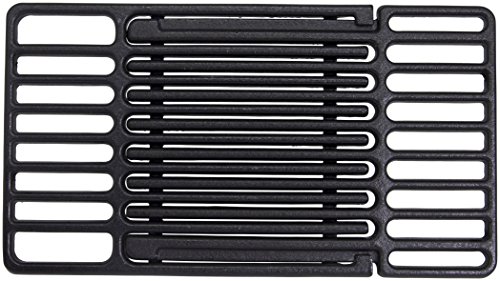
Pros
- Excellent heat retention for consistent grilling results on steaks, burgers, and veggies
- Durable cast iron with porcelain coating provides rust resistance and easy maintenance
- Universal fit adjusts easily to most grills without tools, saving setup time
Cons
- At over 6.5 pounds, it's heavy for backpacking or frequent transport
- Porcelain coating can chip if dropped or scraped against metal surfaces
- Only 7.75 inches deep, which may be too narrow for larger grills with wide cooking chambers
This Char-Broil Universal Cast Iron Grate is a replacement or upgrade grate designed for a wide range of outdoor cooking equipment. It's perfect for backyard grillers, campers, tailgaters, and RV owners who want better heat retention and searing performance from their existing gas or charcoal grill. The adjustable width lets it fit grills from 14 to 19.5 inches across, so it can revive an old kettle or upgrade a portable tailgating setup.
When it comes to real-world cooking performance, this grate shines. Cast iron holds heat like no other material, giving you steady, even temperatures across the cooking surface. That means perfect sear marks on steaks, even browning for burgers, and consistent heat for veggies. The grate gets hot quickly and stays hot even when you load it with food, which helps reduce temperature drops when cooking for a crowd. It also works great for low-and-slow smoking setups on charcoal grills, as the cast iron absorbs and radiates heat gently.
Build quality is solid. The grate is made from heavy-duty cast iron with a porcelain coating that resists rust and makes cleaning easier than bare cast iron. The coating is smooth, so food releases well and you can wipe it down with a stiff brush after grilling. Weights just over six and a half pounds, so it feels sturdy on the grill grates. The adjustable design uses simple sliding brackets, so you can set it to the exact width needed without any tools.
Setup is straightforward: just adjust the two ends to match your grill's side rails and drop it in place. For cleanup, let it cool, then scrub with a wire brush or scrape off residue. The porcelain coating helps prevent sticking and rust, but you should still dry it thoroughly after washing. It stores easily in a garage or shed, though its weight means you probably won't take it on backpacking trips. For car camping, tailgating, or patio cooking, it's a breeze to carry from the car to the campsite or tailgate lot.
Realistic limitations include the weight and the coating's durability. If you drop the grate on concrete or scrape it aggressively with metal tools, the porcelain can chip, exposing the bare iron underneath. That can lead to rust over time if not dried and oiled. Also, the grate is only 7.75 inches deep, which might be a bit narrow for extra-wide grills or for cooking large quantities of food at once. For most standard backyard grills and camp stoves, it fits well.
Overall, this is a practical upgrade for anyone who uses a gas or charcoal grill and wants better heat performance without buying a whole new grill. Backyard cooks will appreciate the even cooking and easy cleanup. Campers and tailgaters will like the universal fit and sturdy build. Just handle it with care to avoid chipping the coating. If you're looking to improve your grilling game for weekend BBQs or campsite meals, this grate is a solid choice.
Cast iron grates are known for superior heat retention, and this Char-Broil model delivers exactly that. It heats up quickly and maintains steady temperatures even when you flip multiple burgers or steaks at once. The surface gets hot enough for a strong sear, locking in juices and creating those desirable grill marks. For charcoal setups, the cast iron absorbs radiant heat and helps manage flare-ups by distributing heat evenly across the cooking area. For gas grills, it enhances the recovery time after opening the lid. Whether you're doing fast grilling for a crowd or slow cooking ribs with indirect heat, this grate performs consistently.
Essential Methods to Shield Grill Grates From Corrosion and Rust
Rust forms whenever iron, water, and oxygen interact on an unprotected metal surface, leading to rapid surface degradation. Preventing this oxidation on outdoor cooking grates requires establishing a reliable physical barrier that isolates raw metal or vulnerable coatings from atmospheric moisture. Simple adjustments to your seasoning schedule, post-cook scraping habits, and seasonal storage will dramatically extend the usable life of any cooking grid. Understanding the chemical vulnerabilities of your specific grate material allows you to maintain clean, non-stick cooking surfaces across years of regular grilling.
The Chemical Breakdown Behind Grate Oxidation
Iron alloys undergo oxidation when ambient water, oxygen, and electrolytes such as cooking salt contact bare metal. The intense thermal cycles of grilling burn away protective surface oils, leaving microscopic metal pores exposed directly to the open air. As temperatures drop overnight, relative humidity rises and causes dew to condense on the cooled metal bars. Without an unbroken moisture barrier in place, iron atoms immediately surrender electrons to oxygen molecules, initiating visible red rust.
Accumulated food residue accelerates this corrosive cycle far more aggressively than rain or airborne moisture alone. Sticky marinades containing vinegar, citrus juices, or refined sugars create localized acidic zones that actively corrode iron and steel. Salt compounds left behind from seasoned meats act as powerful electrolytes that speed up galvanic corrosion on contact. Allowing charred drippings to sit on your grates between cooks locks moisture directly against the metal, ensuring corrosion spreads unchecked across the cooking area.
Establishing an Effective Oil Seasoning Routine
Seasoning outdoor grill grates follows the same thermodynamic principle popularized by traditional cast-iron cookware. Heating a thin coating of fat past its smoke point triggers polymerization, a chemical process that transforms liquid oil into a hard, slick plastic-like matrix. This molecular coating bonds tightly to the microscopic fissures of the metal, creating an impermeable hydrophobic barrier. Sustaining this barrier requires ongoing maintenance, because searing temperatures gradually burn away the outermost polymer layer during heavy cooking.
Choosing the right seasoning oil determines the stability and durability of the resulting protective barrier under high heat. High-smoke-point oils such as canola, avocado, grapeseed, or refined beef tallow create strong, heat-resistant coatings without degrading into gummy, sticky messes. Fats with low smoke points, including unrefined olive oil or butter, decompose too quickly and leave behind carbonaceous soot that traps moisture. Aerosol cooking sprays should also be avoided on hot grates, as their water and propellant contents prevent the formation of a smooth polymer film.
Applying seasoning correctly requires a fast, deliberate technique both before firing up the burners and after shutting them down. Wiping a thin film of oil across the grates prior to preheating provides an immediate barrier and prevents proteins from sticking during cooking. Once cooking concludes, sweeping another light layer of oil over the cooling metal allows lingering heat to cure the fat into a fresh protective film. Keeping these oil layers exceptionally thin prevents excess grease from pooling, attracting insects, or generating rancid off-flavors between meals.
Safe and Effective Post-Cook Cleaning Procedures
Timing your cleaning routine correctly makes maintenance effortless while preventing unnecessary mechanical damage to the cooking grids. Scraping grates while they still retain post-cook heat allows charred remnants to lift away cleanly with minimal pressure. Waiting until the grill has completely cooled forces you to scrape against hardened, congealed grease that clings stubbornly to the bars. Running your grill on medium heat for five minutes after removing your food carbonizes soft residues, making them easy to sweep away with a light brush stroke.
Selecting the right cleaning tool is essential for preserving the protective finish of your cooking grates over time. Traditional metal wire brushes pose well-documented health hazards if loose bristles break off and lodge inside grilled meats. Stiff wire scrapers can also gouge protective porcelain glazes or scratch smooth stainless steel surfaces, creating fresh crevices where moisture can settle. Brass brushes, wooden grill scrapers, or dedicated oiling applicators offer safer alternatives that lift residue effectively without abrading the underlying metal finish.
Submerging grates in sinks filled with soapy water should generally be avoided unless you are tackling a full rust restoration. Commercial dishwashing liquids are formulated specifically to break down and dissolve grease, which immediately strips away the delicate polymerized seasoning layer you have built. Soaking metal grids in water also allows moisture to penetrate weld joints, hollow channels, and hairline surface cracks where drying is nearly impossible. Dry heat, a gentle scraper, and a fresh wipe of cooking fat provide all the sanitization standard outdoor grates require.
Tailoring Maintenance to Grate Material Types
Cast-iron cooking grids offer unmatched heat capacity and bold searing capabilities, but their high iron content makes them exceptionally prone to oxidation. Raw cast iron must be treated like a heritage skillet, requiring immediate oiling and complete moisture isolation after every grilling session. Enameled cast-iron variations feature a protective porcelain glass coating that stops rust from reaching the iron underneath. Cooks must handle porcelain cast iron carefully to avoid chipping the brittle glaze, as any crack allows moisture to corrode the iron beneath the ceramic shell.
Porcelain-coated steel grates provide a lightweight, cost-effective alternative that depends entirely on a continuous ceramic glaze to keep steel isolated from ambient oxygen. These grates resist corrosion effectively as long as the glossy outer layer remains free of deep scratches and impacts. Using gentle brass brushes or non-metallic abrasive pads preserves the enamel, whereas aggressive steel scrapers can fracture the brittle surface. Once the porcelain chips away, the thin steel core rusts quickly, making localized seasoning essential to prevent the wire bars from snapping.
Stainless steel cooking grates contain chromium, an alloying element that spontaneously forms a self-healing passive chromium oxide barrier against atmospheric rust. While stainless bars resist everyday weather better than plain iron, harsh chlorides and salty marinades can still cause severe surface pitting. Grilling sticky barbecue items like a savory bbq wings recipe leaves behind caramelized sugars that degrade stainless coatings if ignored. Brushing stainless grids promptly and applying a light wipe of oil creates an extra layer of moisture defense that keeps the metal bright and smooth.
Environmental Shields and Seasonal Storage Protocols
Managing moisture around your grill requires paying attention to the broader outdoor microclimate surrounding your patio or deck. A fitted, water-resistant grill cover is vital for shielding equipment from direct rainfall, but poor-quality vinyl covers can trap rising ground moisture inside the firebox. This trapped condensation creates a humid terrarium effect that accelerates corrosion on burners, heat tents, and cooking grates simultaneously. Choosing a heavy-duty fabric cover equipped with built-in mesh ventilation vents allows ambient humidity to evaporate while keeping driving rain and snow off the metal.
Leaving cooking grates inside an unheated outdoor grill over long winter months invites persistent condensation and rust formation. Constant freeze-thaw cycles and seasonal humidity create persistent moisture pools inside the enclosed cookbox. Removing the grates for seasonal storage, scrubbing them clean, and coating them generously with neutral cooking oil preserves the metal in pristine condition. Wrapping the seasoned grids in heavy butcher paper and storing them indoors in a dry pantry, basement, or workshop prevents exposure to winter dampness.
Outdoor cooking equipment must always be operated strictly in open-air outdoor environments, regardless of cold rain, wind, or snowy weather. Moving a gas, charcoal, or pellet grill inside a garage, breezeway, carport, or enclosed patio presents severe carbon monoxide hazards and significant structure fire risks. Keeping a garage door open or pointing fans toward the opening does not provide sufficient ventilation to prevent lethal gas buildup or radiant heat ignition. Always follow the manufacturer clearances from combustible siding and eaves, keeping your cooking station in a dedicated open-air outdoor zone.
Remediation Steps for Surface Rust and Flaking
Finding a light patch of orange dust on your cooking grates does not mean the grids are ruined or unsafe to use. Surface rust indicates that the outermost seasoning layer has failed, allowing moisture to react with exposed iron without causing structural harm. Inspecting the metal closely under bright light helps cooks differentiate between superficial surface oxidation and deep structural pitting. Catching oxidation early allows you to restore the cooking surface completely using simple household abrasives and fresh cooking oil.
Removing surface rust begins with physical abrasion using a brass wire brush, coarse nylon pad, or fine steel wool dipped in vegetable oil. For stubborn oxidation pockets, applying a paste made from baking soda and water or wiping the metal with distilled white vinegar softens iron oxide deposits. Once the rust has been completely scrubbed away, rinse the grates thoroughly with clean warm water and dry them immediately with clean cotton towels. Heating the dried grids on a warm grill or inside an oven for twenty minutes drives out lingering moisture from the metal pores.
After the metal has been cleaned and thoroughly dried, you must rebuild the protective polymer barrier from scratch before cooking again. Coat every surface of the grate, including the underside rungs and corner joints, with a micro-thin layer of high-smoke-point oil. Heat the cooking grids over medium-high heat for forty-five minutes to an hour until the oil stops smoking and cures into a dark, glossy sheen. Repeating this oiling and heating sequence two or three times establishes a durable new barrier that repels moisture effectively.
Recognizing Irreversible Damage and Replacement Indicators
There are clear structural thresholds where cleaning and seasoning can no longer restore damaged cooking grates to a safe working standard. When rust eats deep pits into the metal or causes chunks of iron to flake away, metal particles can easily detach and contaminate food. Cracked or fractured porcelain grates cannot be repaired safely because glass-like enamel shards can shed during high-heat cooking. Weakened bars that sag under the weight of heavy cuts of meat also present a safety hazard that warrants immediate replacement.
Universal adjustable replacement grates provide an economical way to revitalize an otherwise functional grill firebox without searching for discontinued parts. Adjustable models crafted from porcelain-coated steel, enameled cast iron, or solid stainless steel allow cooks to fit varied grill depths easily. Whether you cook on a classic freestanding cart grill or an expanded station like a griddle and smoker combo, sound cooking grids are essential for consistent cooking performance. Measuring the width and depth of your grill firebox carefully before ordering ensures your replacement grates fit stably across the burner supports.
Sustainable Daily Habits for Long-Term Grate Preservation
Establishing a quick two-minute maintenance routine after each cook eliminates the need for intensive rust remediation down the road. Brushing off soft food remnants while the grates remain hot prevents marinades and meat juices from hardening into corrosive crusts. Wiping a thin film of cooking oil across the cooling metal seals the surface against nighttime humidity and morning dew. Inspecting the underside of your grill cover periodically ensures moisture never condenses undisturbed against the cooking grids.
Consistent preventative care protects your financial investment while delivering better tasting food with consistent, appetizing sear marks. Clean, properly conditioned grates release delicate proteins easily and eliminate bitter, metallic off-flavors caused by oxidized iron deposits. Treating your cooking grates with disciplined maintenance turns outdoor cooking into a seamless, enjoyable culinary ritual every time you fire up the burners. With steady oiling, gentle cleaning tools, and proper environmental shelter, your grill grates will remain sturdy, shiny, and rust-free across every grilling season.



Write Your Review
No reviews yet. Be the first to share your experience!