


Bringing outdoor char and sear to a kitchen stovetop or an outdoor burner often starts with a single piece of cookware. When you learn how to use a grill plate, you gain the ability to cook delicate meats, sliced vegetables, and skewers without losing small pieces between wide burner grates. Whether you place a circular ribbed pan over a portable gas burner or set a flat plate directly on an outdoor fire, the surface bridges the gap between traditional frying and direct flame grilling. Preparing your cookware correctly allows you to achieve pronounced sear marks while channeling excess fat away from your food.
Cooking enthusiasts often turn to specialized cookware when preparing thinly sliced meats, such as a traditional Korean beef barbecue recipe that benefits from rapid, direct heat contact. Understanding the distinctions between non-stick stovetop plates, cast iron griddle surfaces, and internal gas grill heat shields ensures you select the correct technique for your setup. Proper preheating, disciplined temperature management, and gentle surface maintenance keep the metal seasoned and prevent food from sticking. This guide walks you through every phase of preparation, cooking, and cleanup so you can cook with confidence on any burner.

Pros
- Nonstick coating makes cooking and cleaning effortless, even with sticky foods like cheese or marinated meats.
- Grease drainage hole promotes healthier cooking by letting excess fat drip away from food.
- Lightweight and compact - easy to pack for camping, tailgating, or RV adventures.
- Works on multiple heat sources including gas, propane, electric, and charcoal grills.
- Versatile cooking surface handles meats, veggies, eggs, and more for complete meals.
Cons
- Small 30cm size may not be enough for large groups or big cuts of meat without cooking in batches.
- Nonstick coating requires gentle care with non-metal utensils to avoid scratching.
- Grease hole can drip onto stovetop or campfire coals, so you need a drip tray or careful placement.
If you love the sizzle of Korean BBQ but don't want to fire up a full grill every time, the LVOERTUIG Korean Style Stovetop Grill Pan is a smart, portable solution. This 30cm round stainless steel pan brings the fun of tabletop grilling indoors or out, letting you cook pork belly, beef, kimchi, veggies, and even eggs right at the table or campsite. It's designed for anyone who enjoys quick, healthy grilled meals without the hassle of a big setup.
This pan is best suited for backyard grillers who want a stovetop option for rainy days, campers and RV owners who need lightweight gear, tailgaters looking for a compact cooking surface, and patio cooks who love interactive dining. The nonstick surface means food releases easily, and the small grease hole lets fat drain away for healthier cooking. You can use it on gas, propane, or electric stoves indoors, or place it over a charcoal grill for that smoky kick.
In real-world use, the pan heats up quickly and evenly on a stovetop, giving you good searing performance for thin cuts of meat. It won't replace a heavy cast iron griddle for deep searing, but it's perfect for quick grilling of samgyupsal, chicken, or vegetables. The nonstick coating helps prevent sticking, though you'll want to use silicone or wooden utensils to keep it in good shape. Cleanup is a breeze - just a quick wipe or gentle scrub after cooking.
Build quality is decent for the price. The stainless steel body feels sturdy enough for regular use, and the nonstick coating is smooth and even. It's lightweight at just over 0.02 pounds, so it's easy to pack in a camping bin or RV drawer. There are no folding legs or complex parts - just a simple pan that works. It's not weatherproof in the sense of being left outside, but it's rust-resistant and easy to store indoors.
One realistic limitation is the size. At 30cm (about 12 inches), it's great for 1-2 people but might feel cramped for a crowd. You'll need to cook in batches for larger gatherings. Also, the grease hole can drip onto your stovetop or campfire coals, so have a small drip tray or foil underneath. The nonstick coating is convenient but requires gentle care to avoid scratches over time.
Overall, this Korean BBQ grill pan is a practical buy for outdoor cooking enthusiasts who want a versatile, portable option for stovetop or campfire grilling. It's especially handy for campers, tailgaters, and small-space cooks who value easy cleanup and healthy cooking. If you enjoy interactive meals with friends and family, this pan delivers a fun, flavorful experience without breaking the bank.

Pros
- Adjustable telescoping length fits many transverse and longitudinal burner configurations
- Heavy-duty porcelain steel build offers solid heat resistance and rust protection
- Comes with all necessary porcelain-coated bolts and wing nuts for immediate installation
- Protects burner ports from clogging grease and helps manage direct grill flare-ups
Cons
- Not compatible with grills that require snap-fit brackets, including Charbroil Performance and American Gourmet series
- The overlapping two-piece seam can collect baked-on grease and requires occasional scrubbing
- Requires careful measurement of your existing cookbox ledges and heat tent width prior to ordering
The DELSbbq Universal Adjustable Grill Heat Plate Replacement set is designed for backyard grillers seeking to restore their gas barbecue without purchasing expensive original equipment parts. This pack of three porcelain steel heat shields (often called flavorizer bars or flame tamers) is engineered to sit directly above your burners. It fits grillers who want to refresh an aging gas grill, prevent burner damage, and maintain steady heat across their cooking grates for everyday family dinners and weekend entertaining.
In practical outdoor cooking, functional heat plates play a vital role in both heat management and burner protection. By positioning these shields over active gas burners, dripping grease and marinades from burgers, chicken, and steaks are deflected away from open flame ports. As fats strike the hot porcelain surface, they vaporize to add savory barbecue aroma while helping to reduce intense flare-ups. The wide 3.75-inch steel profile also helps disperse rising burner heat more uniformly across the cooking surface, helping you achieve more predictable searing and roasting temperatures.
Build quality centers on heavy-duty porcelain-coated steel. Porcelain enamel provides a resilient barrier against grease corrosion, high grill heat, and moisture that typically degrades raw steel shields over time. Each plate features a two-piece sliding design secured by included porcelain steel bolts and wing nuts. The hardware is made to hold the extended pieces firmly at your desired length, creating a sturdy bridge across your grill cookbox brackets.
Installation is relatively quick and accessible for any outdoor cook. You simply measure the distance between your grill's front and rear mounting ledges, slide the two plate sections to match that measurement, and tighten the wing nuts by hand. Maintenance involves routine brushing with a standard grill brush during preheat or wiping them down with warm soapy water during deeper seasonal cleanings.
There are a few realistic limitations to keep in mind before buying. These plates are not compatible with grills that utilize snap-fit attachment tabs, such as Charbroil Performance or American Gourmet series models. Additionally, because these plates feature an overlapping sliding design, grease and sauce residue can accumulate along the inner seam, requiring occasional disassembly to clean thoroughly. Buyers must confirm that their grill supports a 3.75-inch plate width and a resting length between 11.75 and 21 inches.
For owners of standard gas grills whose original heat shields have rusted through or deteriorated, this DELSbbq 3-pack offers a highly practical and cost-effective fix. As long as your grill cookbox uses traditional resting ledges rather than proprietary snap brackets, these adjustable porcelain shields provide dependable burner defense and balanced heat dispersal to keep your outdoor barbecue running smoothly.
Proper fit is critical when selecting universal replacement grill parts. This DELSbbq heat plate set features an adjustable sliding mechanism designed to span between 11.75 inches and 21 inches in total length, with a fixed width of 3.75 inches. The manufacturer product details also note a functional adjustment range between 13.1 and 21 inches depending on bolt placement, making it adaptable to many common mid-sized and large gas grill fireboxes.
Before purchasing, measure your original heat shields and the resting ledges inside your grill. Ensure the brackets in your cookbox can support a 3.75-inch wide tent. Note that these plates will not work with snap-in style mounting systems found on Charbroil Performance or American Gourmet series grills. For standard ledge-mounted setups, the included slotted holes and wing nuts allow you to lock the plates to your exact firebox span in minutes.
Maintaining porcelain steel heat plates is essential for ensuring long-term rust resistance and preventing grease buildup. During normal backyard grilling sessions, standard high-heat burn-offs followed by a gentle brush will keep the upper deflecting surface free of heavy food debris.
For periodic deep maintenance, remove the heat shields from the grill cookbox once they are completely cool. Wash them with warm water and mild dish soap using a non-abrasive sponge or nylon scouring pad to avoid chipping the porcelain finish. Inspect the overlapping sliding seam periodically, as drippings can dry between the plates, and ensure the wing nuts remain hand-tight to maintain your adjusted length.

Pros
- Improves heat consistency across the grill
- Helps control grease and flare-ups
- Easy to install and clean
- Stainless steel is more durable than cheaper materials
Cons
- May not fit all grill models perfectly – always measure first
- Can be tricky to clean if food gets stuck on the plates
- Does not add any new cooking features – just a replacement part
If you've been dealing with hot spots and flare-ups on your gas grill, these grill heat plates are a straightforward fix. They sit between the burners and the cooking grates, acting as a barrier that catches drippings and spreads heat more evenly across the entire surface. For backyard grillers who want consistent results every time they fire up the grill, these plates make a noticeable difference.
These heat plates are best for anyone who does a lot of direct grilling – burgers, steaks, chicken, and veggies. The stainless steel construction is a step up from the standard porcelain-coated ones that often chip or rust after a season or two. Stainless holds up better against the heat and weather, so you won't be replacing them as often. They're also easy to clean with a quick scrape or a run through the dishwasher.
Installation is about as simple as it gets. You just remove the old ones and drop these in. No tools, no fuss. They fit most standard grills, but it's always a good idea to measure your existing plates to be sure. The size is 17.5 x 12 inches, which covers a lot of common models from Weber, Char-Broil, and others.
On the cooking side, you'll notice fewer flare-ups and more even heat. That means less charring on the outside of your food while the inside finishes cooking. It's especially helpful for thicker cuts of meat or when you're cooking for a crowd. The plates also help with grease management – the drippings hit the plate and vaporize or run off, rather than pooling on the burners and causing sudden flames.
One thing to keep in mind: these are a replacement part, not a new feature. They won't turn your grill into a smoker or give you extra cooking space. But if your current heat plates are warped, rusted, or just not doing the job, this is a solid upgrade. For the price, you get better durability and better cooking performance.
If you're a regular weekend griller or someone who likes to host backyard cookouts, these heat plates are a practical buy. They improve the consistency of your grill and help you avoid those annoying flare-ups that can ruin a good meal. Just make sure they fit your model, and you'll be set for many more grilling seasons.

Pros
- Incredibly easy to light and use - no charcoal chimney or lighter fluid required
- Portable and lightweight, perfect for camping, tailgating, or beach trips
- No cleanup needed - just dispose of the grill after it cools
- Affordable price point makes it a great backup or extra grill for parties
Cons
- Single-use design means you need a new grill for each cookout, which can add up over time
- Small cooking surface limits capacity to about 4-6 burgers or a few pieces of chicken
- Limited heat control - you can't adjust airflow or add more charcoal easily
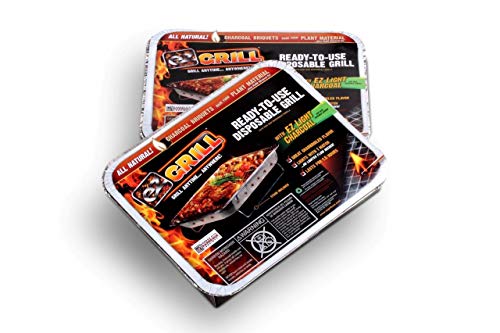
The Oppenheimer USA Disposable Charcoal Grill is exactly what it sounds like: a no-fuss, on-the-go charcoal grill that you can use anywhere and then throw away. It's designed for outdoor enthusiasts who want the taste of charcoal-grilled food without the weight of a traditional grill or the mess of cleanup. Whether you're heading to the beach, setting up camp, or tailgating before the big game, this grill offers a convenient solution for quick, satisfying meals.
This grill is best suited for campers, tailgaters, RV owners, and anyone who enjoys outdoor picnics or patio cookouts without the commitment of a full-sized grill. It's also a great option for backyard parties where you need an extra cooking station for sides or appetizers. The compact size fits easily into a car trunk or even a large backpack, so you can take it wherever your outdoor adventures lead.
In terms of cooking performance, the Oppenheimer grill delivers decent heat for its size. The charcoal is pre-loaded and lights quickly - just follow the simple instructions on the box. You'll get a good sear on burgers and hot dogs, and the charcoal flavor is authentic, though you won't have the same temperature control as a larger kettle grill. Cooking time is limited to about an hour, which is plenty for a small meal. The grill works best for fast-cooking items like burgers, sausages, chicken thighs, or skewers. Low-and-slow cooking isn't really an option here, but that's not the intended use.
Build quality is straightforward since it's disposable. The grill body is made of lightweight aluminum with a thin metal grate. It's not designed for long-term durability, but it holds up fine for a single cookout. There are no wheels, folding legs, or rust-resistant coatings - it's a simple, functional design. The portability is a major strength: you can carry it with one hand and set it up in seconds. Weather resistance is minimal, so avoid using it in strong winds or rain, as the flames may be affected.
Setup is as easy as it gets: remove the packaging, lift the grate, and light the charcoal through the designated opening. No lighter fluid is needed - the charcoal is treated to ignite easily with a match or lighter. Cleanup is the real selling point - after the grill cools down completely, you simply dispose of the entire unit. No scraping grates, no ash disposal, no grease management. Just pack up your food and toss the grill in the trash.
The main limitations are its single-use nature and small cooking area. If you're cooking for more than a couple of people, you might need two grills or a larger alternative. Heat control is also limited - you can't add more charcoal or adjust airflow easily. But for its intended purpose - a quick, portable, and hassle-free charcoal grilling experience - the Oppenheimer USA Disposable Charcoal Grill is a solid choice. It's perfect for spontaneous cookouts, emergency grilling at the campsite, or as a backup grill for your next tailgate party.
The Oppenheimer Disposable Charcoal Grill provides a reliable cooking surface for quick grilling sessions. The charcoal lights easily and reaches a good searing temperature within 10-15 minutes. You can cook burgers, hot dogs, chicken pieces, or vegetables with a nice char and smoky flavor. The heat is fairly even across the grate, though you may notice slightly hotter spots near the center. Cooking time is limited to about 45-60 minutes, so plan your meal accordingly. This grill is not suitable for low-and-slow smoking or large cuts of meat, but it excels at fast, flavorful outdoor cooking.
One of the biggest advantages of this grill is its portability. It weighs just a few pounds and comes in a compact box that fits in a backpack or car trunk. Setup takes under a minute: open the box, lift the grate, and light the charcoal through the provided opening. No tools, no lighter fluid, no assembly required. The grill sits on any flat, heat-safe surface - a picnic table, the ground, or a concrete patio. After cooking, let it cool completely (about an hour) and then dispose of it responsibly. This makes it an ideal choice for camping, tailgating, beach trips, or any outdoor activity where convenience matters.
Complete Guide to Operating, Managing, and Maintaining a Grill Plate
Using a grill plate effectively requires balancing direct metal contact, radiant heat transfer, and grease drainage. Whether your setup uses a round stovetop barbecue pan, a portable charcoal grate plate, or an internal heat diffuser shield inside a gas grill, understanding how heat interacts with the surface is essential. Knowing the correct procedures for preheating, oiling, arranging food, and clearing residue ensures consistent cooking results without damaging the finish.
Understanding Grill Plate Types: Cooking Surfaces Versus Internal Heat Plates
The phrase grill plate refers to two distinct grilling items that serve entirely different purposes in outdoor and indoor cooking. The first type is a direct cooking surface, such as a round Korean style barbecue pan or a cast iron plancha, designed to hold food directly over a heat source. These surfaces feature raised ridges to create sear marks or sloped channels that direct rendering fat away from delicate ingredients. They allow cooks to prepare sliced meats, vegetables, and skewers that would otherwise slip through open grill grates.
The second type is an internal heat plate, often called a flavorizer bar, heat shield, or burner tent, mounted directly above burner tubes inside a gas grill. These heavy porcelain steel or stainless steel shields distribute burner flame energy evenly across the cookbox while preventing grease from dripping into burner ports. When fat droplets hit the superheated metal shield, they vaporize into flavorful smoke that enhances the food above. Distinguishing between a surface you cook on and an internal shield that protects your burners determines how you install, heat, and maintain the plate.
Inspecting Equipment and Setting Up Your Cooking Station Safely
Safe operation begins with verifying the heat rating and intended environment of your equipment. Outdoor charcoal units, including single-use portable aluminum grills, must only be used outside in well-ventilated areas away from overhangs, dry brush, and residential walls. Fuel-burning outdoor grills generate dangerous carbon monoxide and open flame hazards, meaning they must never be operated inside a home, enclosed porch, or garage. Even opening a garage door fails to provide sufficient airflow to prevent hazardous gas accumulation.
Stovetop grill pans designed for indoor use require stable placement over domestic gas or electric burners. Make sure the drip collection channel or drainage spout aligns with a heat-safe collection container before you ignite the burner. Portable butane tabletop burners also support round barbecue pans for social dining, provided you set the burner on a level, non-flammable surface away from combustible items. Checking that the pan rests securely on the burner support grates prevents dangerous tipping once heavy cuts of meat are added.
Preheating and Heat Distribution Fundamentals
Proper preheating establishes the thermal foundation necessary for clean searing and quick food release. Placing cold meat onto a cold grill plate causes proteins to stick to microscopic imperfections in the metal, leading to torn food and difficult cleanup. Allow your grill pan to warm over medium heat for five to ten minutes before adding ingredients. Gradual warming gives the metal time to expand evenly, reducing the risk of thermal shock or warping that can occur when blasting thin metal with high heat.
Cast iron and thick porcelain-coated steel plates hold substantial heat reserves, allowing them to recover temperature rapidly when loaded with food. Thinner stamped steel or aluminum non-stick pans heat faster but also lose temperature more quickly when crowded. You can gauge surface readiness by hovering your palm several inches above the ridges to feel steady warmth. If a drop of water flicked onto the plate sizzles and evaporates immediately without pooling, the surface is ready for cooking.
Food Preparation and Proper Oiling Techniques
Achieving clean grill marks depends heavily on how you prepare the surface of the food before it touches hot metal. Excess surface moisture creates steam, which lowers the contact temperature and prevents the rapid browning known as the Maillard reaction. Pat all meats, poultry, and sliced vegetables thoroughly dry with paper towels prior to seasoning. If you use marinades containing sugar, wipe off heavy surface liquid so the sauce does not burn prematurely on the ridges.
Applying oil directly to the food rather than pouring it onto the plate is a reliable method for minimizing smoke and sticky residue. Use cooking oils with high smoke points, such as avocado oil, canola oil, or refined peanut oil, rather than unrefined olive oil or butter. A light, even coating applied with a brush or your hands ensures adequate lubrication right at the contact points. This targeted technique prevents oil from pooling in the grease drain or scorching on bare metal sections between items.
Cooking Techniques: Searing, Managing Grease, and Preventing Stickiness
Arrange your ingredients with adequate spacing to allow evaporating moisture to escape freely into the air. Crowding the plate traps steam between food items, resulting in gray meat rather than deeply caramelized edges. For round pans with center domes, place thicker, fattier cuts like pork belly near the peak so rendered drippings run down the grooves into the perimeter trough. Leaner vegetables, mushrooms, and garlic slices can cook along the lower ring where they absorb flavor without burning.
Managing food staging and cooked platters becomes simpler when you organize your layout with a rolling barbecue prep table placed right beside your burner setup. Keep long metal or heat-resistant silicone tongs nearby so you can rotate items without puncturing the meat or scratching non-stick coatings. Resist the urge to flip steaks or cutlets repeatedly during the first few minutes of contact. Allowing proteins to sear undisturbed encourages the natural release of the meat once a firm crust forms.
Comparing Solid Grill Plates with Griddles and Open Grates
Different outdoor cooking surfaces deliver distinctly different textural results depending on how much airflow and radiant heat reach the food. Traditional open wire grates expose ingredients directly to convection currents and rising flare-ups, which imparts strong smoky notes but risks dropping small items into the fire. A grooved grill plate elevates food above rendering juices, capturing defined dark sear lines while allowing fat to drain away into a reservoir.
Flat-top cooking surfaces, such as those found on a dedicated griddle and smoker combo, maximize direct metal-to-meat contact across the entire surface area. This total contact creates an unbroken, crispy crust ideal for smash burgers, hash browns, and delicate seafood fillets. A ridged grill plate offers a practical balance, providing the stability of a solid pan while maintaining the distinctive aesthetic and fat separation typical of open-grate grilling. Choosing between them depends on whether you prefer full-surface browning or fat drainage and defined grill marks.
Step-by-Step Guide to Installing and Using Internal Grill Heat Plates
Internal grill heat plates require careful positioning inside your gas grill cookbox to protect burners and maintain even cooking temperatures. Before installing replacement plates, ensure the gas supply is shut off and all burners are completely cool to the touch. Remove the cooking grates to expose the burner tubes running along the base of the grill body. Clean away old ash and loose rust from the burner brackets using a brass brush so the new plates rest level.
Adjustable heat plates feature sliding porcelain steel panels secured by wing nuts, allowing you to match the exact span between front and rear grill ledges. Set the length so the shield rests securely on the molded support tabs without wobbling or touching the burner tubes directly. The tented, inverted-V shape should sit centered over each burner to divert drippings down into the grease tray. Once installed, fire the burners on medium for ten minutes to burn off manufacturing oils and confirm that the flame pattern remains steady and blue underneath each shield.
Cleaning, Degreasing, and Preserving Different Plate Materials
Cleaning procedures vary significantly based on whether your plate features a non-stick coating, seasoned cast iron, or porcelain-enameled steel. Non-stick stovetop plates should always cool to warm room temperature before washing, as plunging hot metal into cold water can cause warping or blister the coating. Wash the surface using a soft sponge, warm water, and mild dish soap to remove grease films without scraping the finish. Avoid metal scouring pads, abrasive powders, or harsh citrus degreasers that degrade non-stick surfaces.
Cast iron grill plates demand a seasoning-friendly cleaning routine to preserve the baked-on polymerized oil layer. Scrape food particles away using a stiff wooden spatula or nylon brush while the pan is still warm, then rinse briefly with hot water. Dry the plate thoroughly over low heat on your stove to evaporate every drop of trapped moisture. Finish by rubbing a small drop of neutral cooking oil across the entire surface with a clean cloth to prevent oxidation during storage.
Porcelain steel heat shields used inside gas grills require regular grease removal to prevent heavy carbon buildup and grease fires. Use a putty knife or rigid nylon scraper to remove baked-on drippings from the angled tents during seasonal grill maintenance. Avoid banging porcelain-coated components against hard surfaces, since chipping the ceramic enamel exposes the underlying raw steel to rapid moisture corrosion. Wiping the shields with warm soapy water and letting them air dry restores proper heat radiation and airflow.
Troubleshooting Common Cooking and Heat Management Problems
Uneven cooking across a grill plate usually indicates burner misalignment or a pan that does not match the burner diameter. If you notice that one side of your stovetop pan sizzles aggressively while the other barely browns, rotate the pan ninety degrees every few minutes. For gas grills with replacement flavorizer plates, hot spots often point to shields that are positioned too close to the burner ports or vents clogged with debris. Inspect the gap between the burners and the heat shields to ensure consistent clearance across all zones.
Excessive smoke during cooking points to burning oil or an obstructed grease drain channel. Check the drainage hole on your stovetop plate to ensure rendered fat can exit smoothly into the collection receptacle. If meat sticks stubbornly despite preheating, the surface temperature may have been too low when the food was added, or the marinade contained excessive unrefined sugars. Lowering your heat slightly and allowing proteins to finish searing before attempting to turn them will resolve most sticking issues.
Safe Storage, Inspection, and Long-Term Ownership
Proper storage preserves grill plates from humidity, grease degradation, and physical damage between cooking sessions. Store indoor barbecue pans in a dry kitchen cabinet, placing a felt protector or cloth napkin between stacked pans to prevent scratching the cooking face. If you use portable charcoal units for tailgating, ensure all coals and ashes are completely cold before disposal, and store unused units in sealed bins away from damp garage floors. Moisture can weaken disposable aluminum structures and cause charcoal briquettes to absorb ambient humidity.
Regular inspection keeps your equipment operating safely and prevents unexpected failures during meals. Check non-stick cookware periodically for flaking coatings, deep gouges, or severe center warping that prevents even oil distribution. On gas grills, examine internal heat plates for rust holes or sagging metal that allows grease to drip directly onto the burners. Replacing worn heat plates ensures predictable temperature control, protects burner assemblies, and maintains enjoyable cooking performance across every season.





Write Your Review
No reviews yet. Be the first to share your experience!