


Scrubbing cold, baked-on grease after an active weekend of cooking often leaves backyard chefs frustrated and exhausted. Charred remnants from thick glazes and sticky marinades cling tenaciously to metal bars, turning routine maintenance into a tedious chore. Figuring out what to soak grill grates in makes the difference between effortless restoration and damaged cooking surfaces. While durable metal bars handle acidic solutions with ease, other materials require gentle handling to protect delicate coatings or protective seasoning layers.
A proper soak softens hardened carbon deposits so you spend less time scraping and more time planning your next cookout. If you frequently enjoy basting meats with cranberry barbecue sauce, you know how quickly caramelized sugars turn into rock-hard residue on hot grates. Choosing the right liquid agent depends entirely on whether your barbecue uses stainless steel, porcelain enamel, or traditional cast iron. Matching the correct cleaning mixture to your specific grate type prevents surface corrosion, preserves heat distribution, and keeps your grill ready for fresh food.


Pros
- Solid stainless steel build provides practical corrosion resistance compared to chipped porcelain or rusted iron
- Includes two modular sections that combine for a 16 1/2 by 22 3/4 inch total cooking area
- Broad compatibility across numerous Kenmore, Vermont Castings, Hamilton Beach, and ProChef grill models
- Straightforward maintenance with no pre-seasoning required compared to bare cast iron
Cons
- Requires precise measuring of existing grill boxes and old grates prior to ordering to avoid fit issues
- Lacks interlocking tabs, requiring stable ledge support inside the grill firebox
The Htanch SF8252 replacement cooking grate set is a dedicated two-piece grilling surface engineered to fit specific gas grill models from brands like Vermont Castings, Kenmore, ProChef, and Hamilton Beach. For backyard grillers dealing with pitted, flaking, or corroded original grids, this pair provides a practical refresh. It caters directly to homeowners and outdoor cooking enthusiasts who want to revive an existing outdoor cooker rather than spend significantly more money replacing the entire barbecue station.
In everyday outdoor cooking scenarios, stainless steel grids deliver dependable heat transfer for staples like burgers, hot dogs, chicken breasts, and sliced vegetables. The rod layout allows direct heat from the burners below to interact cleanly with food, helping achieve classic sear marks when the grill is properly preheated. Because the set splits into two separate 16 1/2-inch by 11 3/8-inch sections, it supports standard dual-zone cooking setups, allowing you to manage searing on one side while holding items over indirect heat on the other.
Built from stainless steel, these replacement grates provide durable structural integrity designed to withstand high outdoor cooking temperatures. Unlike porcelain-coated steel wire which can chip over time, or untreated cast iron that demands continuous oiling to prevent rust, stainless steel provides resilient day-to-day operation. The welded rod structure creates a rigid cooking platform that supports heavier cuts of meat, cast-iron skillets, or loaded vegetable baskets without sagging under regular backyard use.
Installation requires zero tools; users simply lift out the degraded cooking grids and set these two sections directly onto the internal firebox ledges. Daily maintenance is similarly low effort. After cooking, a warm grill brush or nylon scraper cleans the smooth stainless surfaces without requiring the delicate handling needed for seasoned iron. For deeper seasonal cleaning, the individual sections are compact enough to be soaked in a utility sink or washed down with warm water and degreasing soap.
While compatibility spans a long list of Kenmore, Vermont Castings, and ProChef models, proper fit relies entirely on exact cookbox dimensions. Grill manufacturers frequently altered internal dimensions across model years, so relying solely on model numbers can occasionally lead to mismatched sizing. Backyard cooks must take careful measurements of their current firebox ledges or original grates before purchasing to ensure the 16 1/2 by 22 3/4 inch total footprint sits flush without sliding.
If your current grill body and burners remain in solid working order but the cooking surfaces have deteriorated, this Htanch two-pack offers an efficient, budget-conscious solution. It delivers reliable stainless steel durability, straightforward cleanup, and immediate renewal of your cooking surface for family weeknight grilling and weekend gatherings.
Crafted from welded stainless steel rods, the Htanch SF8252 grids are structured to handle everyday outdoor cooking demands. The rigid construction supports heavy cuts of meat and cookware without bending, while the stainless material naturally resists the moisture and grease common to gas grill cookboxes.
Compared to porcelain-enameled steel surfaces that can crack and expose bare metal to oxidation, bare stainless steel provides consistent structural performance over multiple seasons of backyard cooking.
Maintaining stainless steel cooking grates is considerably easier than caring for traditional cast iron, as they do not require regular oil seasoning cycles to prevent deterioration. Routine post-cooking cleanings with a standard wire or bristle-free grill brush while the grates remain warm will dislodge grease and food residue efficiently.
Because the set is split into two manageable panels measuring 16 1/2 by 11 3/8 inches each, removing them for thorough soaking or seasonal scrubbing in a utility sink requires minimal effort.
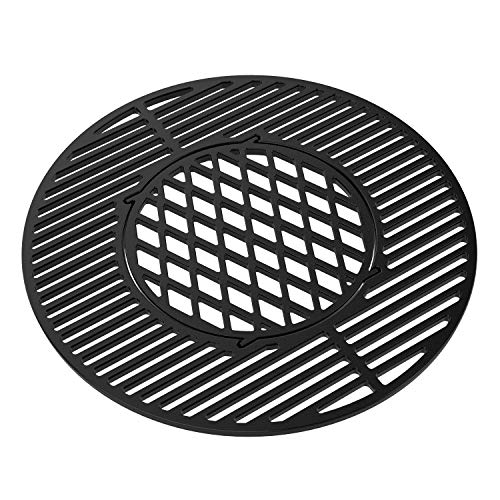
Pros
- Excellent heat retention and even heat distribution across the cooking surface.
- Removable inner grate simplifies charcoal management during long cooks.
- Sturdy cast iron build withstands high heat and heavy use.
- Easy to clean with a grill brush after seasoning – nonstick surface develops over time.
- Compatible with popular Weber kettle models – no modifications needed.
Cons
- Heavier than standard steel grates – adds about 8 pounds to your grill setup.
- Cast iron requires regular seasoning to prevent rust; not as low-maintenance as stainless steel.
- Some users may prefer a single large grate for extra cooking space – the inner grate reduces usable area slightly.
The onlyfire Cast Iron Grill Grate Replacement is a functional upgrade for anyone who owns a Weber 22-inch kettle charcoal grill. Instead of a single piece, this set includes a 21.5-inch outer grate with a removable 11.8-inch inner sear grate. This design lets you access the charcoal without lifting the whole cooking surface – a real convenience when you need to add more briquettes or wood chunks during a long smoking session.
This grate is built for backyard grillers who value heat retention and searing performance. Cast iron holds heat far better than standard steel grates, meaning less temperature fluctuation when you open the lid. Whether you're searing steaks hot and fast or slow-cooking ribs over indirect heat, the even heat distribution helps avoid cold spots. The inner grate is perfect for adding a quick sear after a low-and-slow cook, giving you that crusty bark on brisket or a perfect char on burgers.
Durability is a strong point. Cast iron is heavy – about 8 pounds total – but it resists warping even under high heat. With proper seasoning, it develops a natural nonstick surface that improves over time. Cleanup is straightforward: scrape off residue with a grill brush and oil lightly after each use. Rust can form if left wet, so store the grate in a dry place or cover your grill.
Installation is effortless – just drop it onto the existing grate support tabs in your Weber 22.5-inch Kettle, Premium, or Performer. The inner grate's raised side handles give you a secure grip, even with thick gloves. That said, the two-piece design means you lose a few square inches of cooking space compared to a single full-size grate. For most backyard gatherings, it's not an issue – you still have room for a dozen burgers or two large steaks.
This replacement grate is ideal for weekend BBQ enthusiasts who want better control over their charcoal cooks. It's also handy for tailgating setups if you use a kettle grill at the parking lot – the removable inner grate makes adding fuel fast. Campers who bring a charcoal kettle to the campsite will appreciate the even heat for roasting or searing. Just remember to pack a dry bag to keep the cast iron protected from moisture.
Overall, the onlyfire Cast Iron Grill Grate Replacement delivers real performance improvements for Weber kettle owners. If you like searing with cast iron and want easier access to your charcoal during long cooks, this is a solid, affordable upgrade.
The cast iron construction excels at heat retention, meaning the grate stays hot even after adding cold food. This gives you consistent sear marks and prevents the temperature from dropping too much when you load up the grill. The inner sear grate's smaller openings concentrate heat directly on the meat, creating a crusty exterior while keeping the inside juicy. For low-and-slow cooking, the outer grate works well for indirect heat – place the coals on one side and the food on the other. You can also move the inner grate to a cooler zone for gentle finishing. Overall, this grate system improves both high-heat searing and temperature stability.
Cast iron requires a bit more care than stainless steel, but it's simple once you get into the habit. After grilling, let the grate cool slightly, then scrub it with a stiff grill brush while still warm. Avoid soap – just hot water if needed, but drying thoroughly is crucial to prevent rust. Apply a thin coat of vegetable oil to the surface before storing. Over time, the seasoning builds up, creating a natural nonstick finish. The two-piece design makes cleaning easier – you can remove the inner grate and scrub it separately. Keep the grate in a dry place, and it will last for years.

Pros
- Provides excellent heat retention for searing burgers and steaks
- Portable and lightweight, ideal for camping, RV trips, and tailgating
- Easy to clean with a simple wipe-down after cooking
- Versatile cooking surface works for breakfast, lunch, and dinner outdoors
Cons
- May require a learning curve for precise temperature control on windy days
- Not ideal for low-and-slow smoking due to flat top design
- Can be heavy for some users to carry long distances
This flat top griddle is a solid addition to any outdoor cooking setup, whether you're a backyard BBQ enthusiast or a weekend camper. It's built for versatility, letting you sear steaks, fry eggs, or grill veggies on a single, even-heat surface. The griddle's design focuses on practical outdoor use, from patio parties to campsite breakfasts.
Who should buy this? If you love tailgating or RV trips, this portable griddle is a no-brainer. Its compact size fits easily in a car trunk or camper storage, and the flat top means you can cook everything from pancakes to stir-fry without needing multiple pans. Backyard cooks will appreciate the large cooking area for feeding a crowd.
In real-world use, the heat distribution is impressively even across the surface, which helps avoid hot spots that can burn food. Searing burgers or steaks gives a nice crust, though achieving a deep smoke flavor is tricky since it's not a smoker or pellet grill. Temperature control is straightforward with the burner knob, but wind can affect performance, so a wind guard helps on breezy days.
Build quality is decent for the price. The griddle surface feels sturdy and resists rust with proper care, but it's not heavy-duty cast iron. The legs fold for transport, and the grease tray slides out for easy cleanup. Wheels would be a plus for moving it around a patio, but it's light enough to carry short distances.
Setting up is quick: unfold the legs, connect a propane tank, and you're cooking in minutes. Cleanup is simple too—scrape off residue and wipe with a paper towel. The main limitation is that it's not meant for low-and-slow cooking or smoking; it's a griddle for high-heat, fast cooking. Also, the cooking surface can get scratched if you use metal utensils, so stick with plastic or wood.
Overall, this flat top griddle is a practical choice for outdoor cooks who want a portable, easy-to-clean cooking surface for everyday meals or gatherings. It's not a replacement for a smoker or charcoal grill, but it excels at quick, versatile cooking. If you need a reliable griddle for camping, tailgating, or patio use, this one delivers solid performance.
This griddle heats up quickly and maintains a steady temperature across the entire surface, making it reliable for cooking multiple items at once. The even heat helps you get consistent browning on pancakes or a nice sear on burgers. It handles high heat well for fast grilling, but you'll want to keep an eye on it in windy conditions to avoid temperature swings.

Pros
- Lightweight and portable – ideal for camping and tailgating
- Rust-resistant stainless steel holds up to weather and frequent use
- Fast heat-up and even cooking surface for consistent results
- Easy to clean with just a brush – no heavy scrubbing needed
Cons
- Not as heavy-duty as cast iron for extreme searing
- May warp under prolonged high heat if not properly cared for
- Only fits Weber Go-Anywhere models – not universal
The DELSbbq 80631 Stainless Steel Grill Cooking Grate is a purpose-built replacement for Weber Go-Anywhere charcoal and gas grills. Measuring 16 inches by 10 inches, it directly replaces Weber models 70211, 3634, and 67195. If you own a Weber Go-Anywhere, this grate is a drop-in upgrade that keeps your portable grill cooking like new.
This grate is best suited for campers, tailgaters, RV owners, and backyard grillers who value portability without sacrificing cooking performance. Whether you're flipping burgers at a weekend tailgate, searing steaks at a campsite, or grilling veggies on the patio, this grate delivers consistent heat across its surface. The stainless steel material heats up faster than cast iron, so you spend less time waiting and more time cooking.
In real-world use, the grate provides even heat distribution for fast grilling and decent searing. While it won't hold heat like thick cast iron, it's more than capable for burgers, hot dogs, chicken breasts, and vegetables. The open grid design allows good airflow for charcoal grills, and it works equally well on gas models. Cleanup is a breeze – a quick scrape with a grill brush after cooking, and it's ready for the next meal. No soaking, no heavy scrubbing.
Build quality is solid for the price. The stainless steel resists rust and corrosion, so you can leave it on the grill or store it outside without worry. The grate is lightweight – a fraction of cast iron – making it easy to carry in a camping bin or RV storage compartment. It's not designed for heavy-duty low-and-slow smoking, but for quick grilling sessions, it performs admirably.
Setup takes seconds: just remove your old grate and drop this one in. No tools needed. Storage is simple – it's thin enough to slide into a bag or drawer. The only realistic limitation is that it's not ideal for ultra-high-heat searing like you'd get from a thick cast iron grate. Also, like any thin stainless steel, it can warp if exposed to extreme temperature swings, so avoid dumping cold water on a hot grate.
Overall, the DELSbbq grate is a practical, affordable replacement for Weber Go-Anywhere owners. If you grill often at campsites, tailgates, or on the patio and want a lightweight, rust-resistant cooking surface that's easy to clean, this is a solid choice. It won't replace a heavy-duty cast iron setup, but for portable grilling, it gets the job done without the weight.
The stainless steel grate heats up quickly and cooks evenly across the 16x10 inch surface. It's ideal for direct grilling of burgers, sausages, chicken pieces, and vegetables. The open grid allows good flame contact for nice grill marks. While it doesn't retain heat as well as cast iron, it's perfectly capable for typical portable grilling sessions. Expect consistent results for fast-cooking items, but not the deep sear of a heavy cast iron grate.
Weighing a fraction of cast iron, this grate is a dream for campers and tailgaters. It fits easily into a backpack, camping bin, or RV drawer. The stainless steel won't rust from humidity or rain, so you can store it in damp environments without worry. Perfect for anyone who needs a lightweight, durable cooking surface on the go.
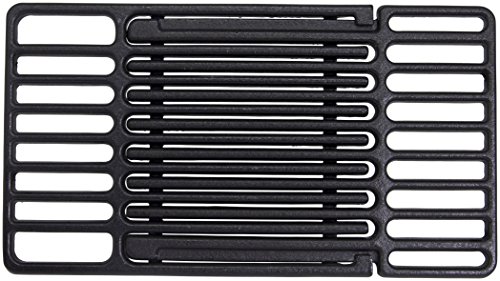
Pros
- Excellent heat retention for consistent grilling results on steaks, burgers, and veggies
- Durable cast iron with porcelain coating provides rust resistance and easy maintenance
- Universal fit adjusts easily to most grills without tools, saving setup time
Cons
- At over 6.5 pounds, it's heavy for backpacking or frequent transport
- Porcelain coating can chip if dropped or scraped against metal surfaces
- Only 7.75 inches deep, which may be too narrow for larger grills with wide cooking chambers
This Char-Broil Universal Cast Iron Grate is a replacement or upgrade grate designed for a wide range of outdoor cooking equipment. It's perfect for backyard grillers, campers, tailgaters, and RV owners who want better heat retention and searing performance from their existing gas or charcoal grill. The adjustable width lets it fit grills from 14 to 19.5 inches across, so it can revive an old kettle or upgrade a portable tailgating setup.
When it comes to real-world cooking performance, this grate shines. Cast iron holds heat like no other material, giving you steady, even temperatures across the cooking surface. That means perfect sear marks on steaks, even browning for burgers, and consistent heat for veggies. The grate gets hot quickly and stays hot even when you load it with food, which helps reduce temperature drops when cooking for a crowd. It also works great for low-and-slow smoking setups on charcoal grills, as the cast iron absorbs and radiates heat gently.
Build quality is solid. The grate is made from heavy-duty cast iron with a porcelain coating that resists rust and makes cleaning easier than bare cast iron. The coating is smooth, so food releases well and you can wipe it down with a stiff brush after grilling. Weights just over six and a half pounds, so it feels sturdy on the grill grates. The adjustable design uses simple sliding brackets, so you can set it to the exact width needed without any tools.
Setup is straightforward: just adjust the two ends to match your grill's side rails and drop it in place. For cleanup, let it cool, then scrub with a wire brush or scrape off residue. The porcelain coating helps prevent sticking and rust, but you should still dry it thoroughly after washing. It stores easily in a garage or shed, though its weight means you probably won't take it on backpacking trips. For car camping, tailgating, or patio cooking, it's a breeze to carry from the car to the campsite or tailgate lot.
Realistic limitations include the weight and the coating's durability. If you drop the grate on concrete or scrape it aggressively with metal tools, the porcelain can chip, exposing the bare iron underneath. That can lead to rust over time if not dried and oiled. Also, the grate is only 7.75 inches deep, which might be a bit narrow for extra-wide grills or for cooking large quantities of food at once. For most standard backyard grills and camp stoves, it fits well.
Overall, this is a practical upgrade for anyone who uses a gas or charcoal grill and wants better heat performance without buying a whole new grill. Backyard cooks will appreciate the even cooking and easy cleanup. Campers and tailgaters will like the universal fit and sturdy build. Just handle it with care to avoid chipping the coating. If you're looking to improve your grilling game for weekend BBQs or campsite meals, this grate is a solid choice.
Cast iron grates are known for superior heat retention, and this Char-Broil model delivers exactly that. It heats up quickly and maintains steady temperatures even when you flip multiple burgers or steaks at once. The surface gets hot enough for a strong sear, locking in juices and creating those desirable grill marks. For charcoal setups, the cast iron absorbs radiant heat and helps manage flare-ups by distributing heat evenly across the cooking area. For gas grills, it enhances the recovery time after opening the lid. Whether you're doing fast grilling for a crowd or slow cooking ribs with indirect heat, this grate performs consistently.
Best Soaking Solutions and Methods for Restoring Grill Grates
The most effective soaking solution for grill grates depends directly on the grate material and the severity of grease buildup. A mixture of white distilled vinegar and baking soda or warm water blended with grease-cutting dish soap solves the vast majority of cleaning challenges. Heavy carbon crusts occasionally call for concentrated alkaline grill degreasers or controlled ammonia vapor treatments. Applying the wrong solution to sensitive materials like bare cast iron can destroy protective seasoning or trigger rapid oxidation. Understanding the chemical reactions behind each cleaning agent ensures your cooking surfaces remain sanitary, structurally sound, and ready for high heat.
Vinegar and Baking Soda for Natural Deep Cleans
Distilled white vinegar provides mild acidity that dissolves grease bonds and loosens stubborn carbon without introducing harsh chemicals to your cooking area. When paired with sodium bicarbonate, commonly known as baking soda, the natural acid-base reaction creates gentle effervescence that lifts caked-on residue from metal channels. This household combination works especially well on stainless steel rods that have accumulated months of burnt fat and sticky drippings. A standard mixture uses two cups of white vinegar combined with one cup of baking soda dissolved in enough warm water to submerge the grates completely.
Submerging stainless steel grates in this effervescent bath for several hours or overnight breaks down heavy soot layers. You will notice the acidic liquid turning cloudy as mineral deposits and carbon particles detach from the metal surface. Because vinegar contains mild acetic acid, it works slowly and safely on stainless surfaces without degrading the core material. After soaking, remaining debris softens to the point where a stiff nylon scouring pad easily sweeps it away with minimal elbow grease.
Avoid using vinegar solutions on bare cast iron components under any circumstances. Acetic acid reacts aggressively with exposed iron, stripping away accumulated polymerized oil layers and inducing immediate surface rust. Even brief vinegar exposure can undo years of careful seasoning on traditional iron grids. Reserve vinegar and baking soda treatments strictly for solid stainless steel or fully intact porcelain enamel surfaces.
Warm Water and Concentrated Dish Soap for Routine Grease Removal
Concentrated liquid dish soap remains one of the safest and most reliable degreasing agents available for outdoor cooking gear. Formulations engineered to dissolve animal fats break surface tension, allowing warm water to penetrate beneath greasy layers. This method presents virtually zero chemical risk to cookware and will not damage delicate enamel coatings. A generous squirt of grease-cutting soap mixed into very hot water provides an ideal soaking bath for regular post-cookout maintenance.
Allowing grates to soak in soapy water for thirty to sixty minutes softens fresh fat drippings before they harden into stubborn carbon. Surfactants in the soap surround oil molecules, suspending them in the water so they cannot redeposit onto the grate rods. This technique is particularly helpful after searing fatty cuts of meat or preparing barbecue with sweet glazes. Warm water also expands the metal slightly, helping the soapy liquid loosen grime trapped in microscopic surface pores.
Once the soaking period ends, a soft sponge or non-scratch scrubber easily lifts away grease without scratching polished finishes. Rinsing thoroughly with clean warm water removes any residual soap film that might otherwise produce unpleasant odors during subsequent cooking sessions. For cooks who prefer avoiding harsh chemicals around food contact surfaces, warm soapy water remains the gold standard for routine care. It provides consistent cleaning results without risking surface corrosion or costly material degradation.
Commercial Cleaners and Specialized Degreasing Formulations
Commercial grill cleaners and foaming degreasers offer rapid chemical breakdown when household mixtures prove insufficient for neglected equipment. These specialized products typically use alkaline agents such as sodium hydroxide or potassium hydroxide to saponify grease on contact. Saponification converts baked-on animal fats into water-soluble soap, allowing hardened crusts to rinse away easily. Foaming formulas cling to vertical bars and grid intersections, keeping the active ingredients in contact with charred residue longer.
Citrus-based degreasers provide an effective middle ground between standard dish soap and heavy industrial chemicals. Utilizing natural citrus extracts like d-limonene, these cleaners dissolve grease and adhesive carbon deposits while producing manageable odors. Many backyard pitmasters favor citrus degreasers because they rinse cleanly and reduce environmental concerns on patio surfaces. Always verify manufacturer labels before applying citrus sprays to coated surfaces, as highly concentrated formulas can dull certain gloss finishes over time.
Whenever you apply heavy commercial degreasers, strict safety precautions are necessary. Always work outdoors in open air to prevent inhaling noxious chemical fumes, and protect your hands and eyes with heavy-duty rubber gloves and safety glasses. Avoid using caustic oven cleaners on aluminum grill parts, as strong alkalis rapidly corrode lightweight aluminum alloys. Thoroughly wash and rinse the grates with fresh water several times after treating them with commercial chemicals to ensure no toxic residues remain where food will cook.
The Ammonia Trash Bag Technique and Critical Safety Guidelines
The ammonia trash bag method relies on trapped ammonia vapor rather than liquid submersion to break down tough carbon. Placing dirty grates inside a heavy contractor trash bag with a half-cup of household ammonia creates an enclosed environment where fumes soften baked grease overnight. The grates do not need to sit in a deep pool of liquid because evaporating gas alone penetrates tight crevices and loosens charred carbon. By morning, baked-on grease wipes away with minimal physical scrubbing.
Safety requirements for handling ammonia are absolute and non-negotiable. Never mix ammonia with chlorine bleach or any cleaning product containing bleach, because combining them generates deadly chloramine gas. Always seal the bag tightly with zip ties outdoors, and never bring the sealed bag inside your home or an enclosed garage. When opening the bag the next morning, stand upwind and turn your face away to prevent concentrated fumes from irritating your eyes and respiratory tract.
This powerful vapor method is suitable for solid stainless steel and heavily soiled porcelain-coated steel grids. It should never be used on bare cast iron or aluminum components, as ammonia vapor can discolor soft metals and ruin seasoned surfaces. After removing the grates from the bag, hose them down thoroughly in an open yard area before bringing them back to your barbecue. Dispose of the plastic bag safely where pets and children cannot reach it.
Material Compatibility: Stainless Steel Versus Porcelain and Cast Iron
Understanding what your cooking grates are made from determines which soaking method will clean effectively without causing structural damage. Stainless steel cooking grids, such as the Htanch SF8252 replacement set or the DELSbbq 80631 stainless steel grid designed for portable units, offer excellent durability and chemical resistance. These solid steel bars can endure extended soaks in acidic vinegar solutions, hot soapy water, or commercial degreasers without rusting. Stainless steel tolerates vigorous scrubbing with abrasive pads, making it the most forgiving material to restore after heavy cooking sessions.
Porcelain-coated steel grates, like the Outdoor Bazaar adjustable cooking grids, require a gentler touch. The porcelain layer is essentially a vitreous glass enamel bonded to steel, which protects the metal beneath from moisture and oxygen. Soaking porcelain grates in warm soapy water or mild baking soda mixtures loosens burnt food safely, but harsh abrasive scourers and wire brushes must be avoided. If the porcelain coating cracks or chips from aggressive scraping, moisture will penetrate to the raw steel beneath, causing rust bubbles that lift the enamel away.
Cast iron grates require an entirely different care philosophy because soaking in standing water is inherently hazardous to iron. Grids like the onlyfire cast iron cooking system or the porcelain-coated Char-Broil universal cast iron grate rely on protective barriers to keep moisture away from bare metal. If you prepare foods with sticky sauces or charred residue, such as sugary marinades from Korean beef barbecue, clean cast iron promptly using hot water and a stiff nylon brush rather than leaving it submerged in a bucket for hours. Prolonged soaking strips away the seasoning patina, creating conditions for immediate rust.
Whenever raw cast iron accidentally gets soaked or loses its seasoning, you must recondition it immediately. Dry the iron thoroughly over moderate heat on your grill or stove to drive out all trapped surface moisture. While the metal remains warm, rub a thin, even coat of high smoke point cooking oil over every bar and corner. Heat the grate until the oil begins to smoke slightly, forming a fresh molecular bond that seals the porous iron against future rust.
Step-by-Step Soaking Procedure Using Common Household Containers
Finding a container large enough to accommodate full-size grill grates often presents a practical logistical challenge. A shallow plastic storage tote, a dedicated laundry utility sink, or an oversized galvanized steel tub serves as an ideal soaking station. If you lack a suitable rigid basin, double-bagging the grates inside heavy contractor-grade trash bags provides a watertight container that conforms closely to the grate dimensions. Laying the bag flat on a patio surface allows a relatively small volume of liquid to coat the bars completely.
Begin the process by scraping off loose ash and large food particles with a wooden scraper before submerging the grids. Eliminating loose debris keeps your soaking solution cleaner and allows active ingredients to focus directly on hardened carbon crusts. Place the grates flat into your chosen container, arranging multiple sections side by side so the liquid flows between all surfaces. Pour your chosen cleaning mixture over the grates until the fluid level covers the highest metal bars.
Allow the soaking solution adequate time to work based on the chemical agent selected. Mild dish soap baths require thirty to sixty minutes, while vinegar and baking soda solutions benefit from four to eight hours of immersion. Check progress periodically by rubbing a small test spot with a gloved finger to see if softened carbon slides off cleanly. Once the deposits yield easily, lift the grates carefully and transfer them to a dedicated rinsing station.
Safe Scrubbing Tools and Post-Soak Drying Procedures
Selecting safe scrubbing tools after a long soak prevents physical damage to grates and protects your family from health hazards. Traditional wire bristle brushes pose a documented safety risk because thin metal bristles can break off, stick to grates, and end up ingested in grilled food. Stiff nylon abrasive brushes, brass wire wheels, crumpled aluminum foil balls, and dense scouring sponges offer exceptional cleaning power without shedding dangerous steel needles. When scrubbing stubborn soot deposits left behind by smoker boxes that produce heavy soot, a firm nylon bristle brush works wonders on wet, softened carbon.
Work methodically along the length of each bar rather than scrubbing horizontally across multiple rods at once. Following the direction of the metal lets brush bristles wrap around curved contours, dislodging debris from the underside of the cooking grid. Pay close attention to welded joints and frame corners where grease accumulates in heavy pockets. Dip your brush frequently into clean water to wash away loosened sludge before it dries back onto the metal surface.
Thorough drying represents the most critical final step after any soaking session. Leaving metal surfaces wet in ambient air invites immediate corrosion on steel seams and raw iron castings. Wipe the grates down with clean shop towels, then place them back inside your grill and ignite the burners on low heat for ten minutes. Ambient heat evaporates moisture from hidden joints, micro-cracks, and screw threads, ensuring complete dryness before storage.
When Soaking Fails: Recognizing Irreversible Grate Damage and Wear
Even the most thorough soaking technique cannot reverse irreversible physical degradation caused by age, heat cycles, and severe corrosion. Over seasons of high-heat cooking, metal grates experience thermal expansion and oxidation that weaken core structural integrity. Deep pitting on stainless steel bars creates rough micro-crevices where food sticks permanently, regardless of how clean the surface appears. When steel rods become thin, brittle, or visibly sagging under weight, replacement becomes necessary to maintain safe and even cooking performance.
Porcelain-coated grates exhibit distinct failure modes that indicate the end of their usable lifespan. If you observe flaking black enamel, large rust patches spreading beneath the porcelain layer, or exposed raw steel crumbling along the bottom edges, discard the grates. Flaking glass enamel poses a real hazard if loose particles transfer onto food during cooking. Installing fresh replacement grids designed for your grill model restores cooking safety, reliable heat conduction, and sanitary operation.
Measuring the length and width of your grill firebox precisely ensures proper seating and prevents grids from slipping off internal support ledges. Replacement parts made with thick stainless steel or durable cast iron restore your barbecue to peak performance. Universal adjustable grates and aftermarket replacement options provide practical solutions when original factory parts are unavailable. Recognizing when maintenance yields diminishing returns protects your culinary results and makes future cleanups far easier.
Practical Cleaning Practices for Grate Longevity
Establishing a simple cleaning cadence reduces the need for frequent, intensive soaking sessions throughout the grilling year. Brushing your cooking surface immediately after each cookout while the grates remain warm prevents drippings from polymerizing into rock-hard carbon. Applying a light mist of high-heat vegetable oil to clean bars before storing the barbecue shields bare surfaces from atmospheric humidity. These small preventive habits keep cooking surfaces slick and prevent food from sticking stubbornly during your next cook.
Routine maintenance combined with seasonal deep cleanings keeps your grill operating cleanly and safely across years of backyard gatherings. Reserve deep soaking sessions for spring start-ups, autumn winterization, or after particularly messy barbecue parties. Always match your soaking chemicals to your specific grate material, prioritize non-toxic household agents whenever possible, and never compromise on personal safety. With proper care and timely restoration, quality cooking grates deliver consistent sear marks and dependable flavor for every meal.


Write Your Review
No reviews yet. Be the first to share your experience!