


Compact cookers make outdoor dining accessible in settings where a full-size cart simply will not fit. Learning how to use a mini grill requires an understanding of concentrated charcoal heat, shallow fireboxes, and rapid burn times. Whether you pack a lightweight folding steel box or unpack a ready-to-light aluminum tray, small-scale charcoal management differs substantially from running a standard backyard kettle. The restricted cooking grid means you must plan every inch of space, while the shallow coal bed leaves little margin for error between a gentle sear and charred food.
Prepping your ingredients ahead of time ensures that smaller skewers or a fast-cooking Korean beef bbq recipe cook evenly across the compact metal surface. Managing airflow through tiny bottom vents directly dictates your flame intensity, making temperature vigilance essential throughout the entire session. Operating these compact units safely also demands a clear outdoor clearance zone, because placing burning charcoal in partially enclosed areas creates severe fire and carbon monoxide hazards. With a disciplined setup process, you can achieve remarkable smoky flavor and reliable searing power from a cooker that easily stashes inside a daypack.

Pros
- Super convenient setup and no cleanup required
- Lightweight and easy to carry anywhere
- Heats up quickly with even cooking performance
- Great for small gatherings or solo grilling
Cons
- Single-use only, so not suitable for regular backyard cooking
- Limited cooking space – best for 2-4 burgers or a few skewers
- Charcoal burns for about 1 hour, so longer cooks aren't possible
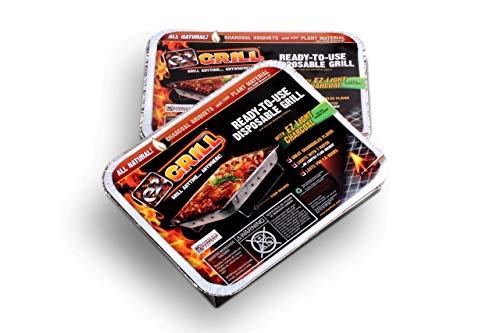
If you've ever found yourself craving a grilled burger at a campsite or tailgate but didn't want to haul a full-size charcoal grill, the Oppenheimer USA Disposable Charcoal Grill is exactly what you need. This is a lightweight, portable, single-use grill that comes pre-loaded with easy-light charcoal – just remove the wrapper, light the corners, and you're ready to cook in minutes. It's designed for outdoor enthusiasts who value convenience above all else.
This grill is best suited for campers, tailgaters, RV owners, and anyone who enjoys spontaneous outdoor cooking without the hassle of cleanup. It's also a solid pick for beach days, park picnics, or even emergency cooking during power outages. The 9x13 inch cooking grate gives you enough space for a few burgers, hot dogs, or skewers – perfect for 2-4 people. Just don't expect to smoke a brisket or feed a crowd.
In terms of real-world cooking performance, the easy-light charcoal lights quickly and reaches a decent grilling temperature within 10-15 minutes. The heat distribution is fairly even across the grate, though you might notice slightly cooler spots near the edges. Searing is possible for thin cuts like burgers and chicken thighs, but you won't get the same crust as a heavy cast-iron grate. Smoke flavor is present but mild – it's enough to satisfy a casual griller but not a BBQ purist. The fuel burns for about an hour, which is fine for quick grilling sessions but not low-and-slow cooking.
Build quality is what you'd expect from a disposable product – sturdy enough to hold up during cooking, but not meant for long-term use. The aluminum tray feels solid, and the wire grate supports food without sagging. There are no wheels, folding legs, or weather-resistant features because this grill is designed to be used and tossed. Portability is its strong suit: at 3.5 pounds and dimensions of 9x13x2 inches, it slips into a backpack or car trunk easily.
Setup is incredibly simple – no tools, no assembly, no charcoal to pour. Just remove the plastic wrap, place the grill on a non-flammable surface, and light the corners through the designated ignition strips. Cleanup is even easier: once the charcoal has cooled completely, you can dispose of the entire grill. Just make sure to follow local disposal guidelines for charcoal and ash. The biggest limitation is that it's single-use, so if you grill often, the cost adds up compared to a reusable portable grill.
Overall, the Oppenheimer USA Disposable Charcoal Grill is a fantastic solution for outdoor cooks who prioritize convenience and portability. It's not meant to replace your backyard kettle grill, but it's a lifesaver for camping, tailgating, or any on-the-go cooking scenario. If you're looking for a no-mess, no-fuss way to enjoy grilled food anywhere, this pack of two is a smart buy.
At just 3.5 pounds and 9x13x2 inches, this grill is incredibly easy to transport. It fits in a backpack, car trunk, or even a large tote bag. No need to worry about charcoal bags or lighter fluid – everything is built in. The lightweight design makes it a top choice for hikers, campers, and tailgaters who want to travel light.
This grill shines in scenarios where convenience and portability matter most. Use it for camping trips, tailgate parties, beach outings, park picnics, or even as a backup grill during power outages. It's also great for small gatherings where you only need to cook a few items. Not ideal for large BBQs or smoking.


Pros
- Extremely portable and lightweight, easy to carry anywhere
- Stainless steel build offers good rust and heat resistance for the price
- Tool-free assembly in seconds, no extra gear needed
- Affordable entry-level option for occasional campers or backpackers
Cons
- Very small cooking surface limits meal size and versatility
- Thin stainless steel may warp under high heat over time
- No adjustable airflow or temperature control beyond fuel management
The WINB Portable Folding BBQ Grill is a compact charcoal grill designed for those who prioritize portability over cooking capacity. Weighing just 1.15 pounds and folding down to the size of a small book (8.2x5.5 inches), this grill is built for solo adventurers, backpackers, hikers, and campers who need a lightweight cooking solution that can slip into a backpack or car trunk without taking up space. It also works well for small patio balconies or picnic outings where a full-size grill would be overkill.
In terms of cooking performance, this grill is best suited for simple tasks like grilling a couple of burgers, hot dogs, skewers, or vegetables. The cooking grate is small, so you won't be feeding a crowd or doing any low-and-slow smoking. Heat comes from charcoal or wood, and since there's no lid or adjustable vents, temperature control is limited to how you arrange the fuel. You can get a decent sear on small items if you let the coals get hot, but expect to manage flare-ups by moving food around. Smoke flavor is present, though minimal due to the open design and short cook times.
Build quality is acceptable for the price point. The stainless steel construction resists rust and heat reasonably well, but the metal is thin and may warp if exposed to very high temperatures for extended periods. The folding legs lock into place securely, and the grate sits firmly on top. There are no wheels or lid, which keeps weight down but also means you have no wind protection or heat retention. In breezy campsite conditions, you may need to shield the grill to maintain steady heat.
Setup is impressively simple: unfold the body, lock the legs, place the grate, and you're ready to light charcoal. No tools or screws needed. Disassembly is just as fast, and the included waterproof carry bag makes transport and storage easy. Cleanup is straightforward since the parts detach and are dishwasher-safe, though ash disposal requires care as there's no ash catcher. For outdoor cooks who value convenience and minimal fuss, this grill delivers.
Realistic limitations include the small cooking area, lack of temperature control, and limited heat retention. You won't be searing steaks for a crowd or smoking ribs. The grill is best for quick, simple meals during hiking trips, beach outings, or tailgating where space and weight are at a premium. It's not a replacement for a backyard kettle grill or a portable propane model, but for its niche, it performs adequately.
Overall, the WINB Portable Folding BBQ Grill is a practical choice for solo campers, backpackers, and occasional outdoor cooks who want a lightweight, affordable charcoal option. If you need more cooking space or better heat management, look elsewhere. But for small, impromptu cookouts where portability is key, this grill gets the job done without breaking the bank.

The Complete Guide to Operating a Mini Portable Grill
Operating a mini grill transforms any outdoor excursion into a freshly cooked culinary experience, but the small footprint requires methodical attention to fire management. Because small fireboxes sit much closer to the cooking grate than full-sized backyard pits, heat radiates with intense concentration. Successful cooks treat these portable cookers with the same respect as large equipment, focusing on precise fuel volume, steady airflow, and attentive food placement. Taking time to master fuel arrangement and thermal zones ensures that your outdoor meals emerge evenly browned rather than scorched.
Selecting a Stable and Non-Combustible Grilling Station
Every successful outdoor session starts by securing a flat, heat-resistant surface away from structural hazards. Portable grills transfer significant radiant thermal energy directly downward through their metal legs or bottom pans. Placing a hot charcoal box on bare wooden picnic benches, dry pine needles, or plastic tailgating tables can cause scorching or ignite an accidental fire. Utilizing a heat shield, fireproof mat, or paving stone creates a necessary thermal barrier beneath tabletop models like the Zarkind or PHOJEWI frames.
Safety regulations mandate that fuel-burning grills operate strictly in open-air environments with unrestricted natural ventilation. Operating any charcoal or wood grill inside an enclosed garage, screened porch, vestibule, or camping tent poses an extreme danger of carbon monoxide accumulation and toxic fume inhalation. Leaving an overhead garage door open does not provide sufficient air movement to disperse lethal concentrations of odorless carbon monoxide gas. Maintain at least six to ten feet of horizontal clearance from overhanging awnings, dry brush, vehicle tailgates, and exterior walls during every cooking session.
Understanding Compact Grill Styles and Fuel Layouts
Miniature cooking equipment generally falls into three design classes: folding multi-piece frames, enclosed tabletop fireboxes, and disposable single-use pans. Multi-piece stainless steel models, such as the WINB folding frame or PHOJEWI detachable units, collapse flat into fabric pouches for effortless transport on hiking trails. These open-air or shallow-vent models excel at fast, direct-heat grilling over small charcoal beds or dry twigs. Their compact construction means they lack heavy insulation, allowing exterior surfaces to become searingly hot within minutes of lighting.
Enclosed tabletop units, exemplified by designs featuring domed lids and integrated temperature gauges, offer greater climate resistance and moderate heat retention. Models with integrated thermometers and adjustable chimneys allow outdoor chefs to track convective ambient temperatures without lifting the lid repeatedly. Single-use disposable aluminum options, such as the EZGRILL or Oppenheimer USA kits, arrive pre-loaded with natural charcoal chunks inside self-contained foil pans. While disposable setups remove the need for messy post-cook transport, they provide a fixed fuel quantity that dictates your cooking window from the moment of ignition.
Fuel Selection and Efficient Charcoal Loading
Selecting the appropriate charcoal grade determines how smoothly your small firebox maintains steady cooking temperatures. Standard commercial briquettes burn slowly and uniformly, making them well-suited for flat folding grates where consistent radiant heat is desired. Hardwood lump charcoal ignites much faster and produces higher peak temperatures, though irregular chunk sizes can crowd shallow fuel chambers. If you choose lump fuel for a miniature grill, break larger chunks down into roughly walnut-sized pieces before loading them into the lower tray.
Overfilling a small firebox remains one of the most common rookie errors in portable barbecue. Because the distance between the charcoal grate and the cooking grid is often less than three inches, excessive fuel leaves no air gap, resulting in charred meat and choked air inlets. Arrange coals in a single, tight layer across the bottom grate rather than building a tall mound. For ultralight dual-fuel stoves designed to burn wood twigs alongside charcoal, use only bone-dry hardwood twigs stripped of bark to minimize acrid smoke.
Lighting the Coals Without Overheating Small Fireboxes
Igniting charcoal in a confined cooker requires clean-burning heat sources that do not impart chemical off-flavors to your food. Miniature chimney starters or compact metal starter cylinders allow you to light a handful of briquettes quickly using natural wax cubes or scrap paper. Pouring liquid petroleum lighter fluid into a tiny folding grill saturated with ash vents can foul the metal finish and leave noxious fumes lingering on your cooking surface. Allow the ignition fuel to burn completely until coals display a uniform layer of fine gray ash before spreading them out.
Disposable units often incorporate specialized lighting paper or treated natural charcoal that ignites with a single match along the edge. Once lit, these self-starting packages require roughly fifteen to twenty minutes of undisturbed airflow so the flame can propagate evenly across the coal bed. Resisting the urge to place food on the grates prematurely guarantees that soot and bitter starter smoke have fully dissipated. Once the coals glow red underneath their pale gray ash coating, the cooker has achieved its optimal searing readiness.
Managing Airflow and Temperature in Shallow Basins
Controlling temperature on a miniature grill relies almost entirely on balancing oxygen intake with exhaust venting. Cookers equipped with lower perimeter intake holes draw fresh oxygen directly beneath the coals, sustaining intense combustion across the fuel grate. If your grill features an adjustable lid chimney and sliding body vents, closing the top exhaust halfway restricts oxygen draw and gently lowers the internal chamber heat. Leaving vents fully unobstructed maximizes oxygen throughput, pushing small fireboxes to high searing temperatures ideal for thin cuts of meat.
Creating distinct heat zones on a cooking surface smaller than one square foot requires deliberate coal positioning. By banking your glowing coals against one side of the lower tray while leaving the opposite side empty, you establish a modest two-zone thermal arrangement. The direct side provides intense radiant infrared heat for searing proteins, while the unbanked side offers a resting zone where delicate items can finish cooking through ambient warmth. This dual-zone technique prevents flare-ups from incinerating drippy skewers while granting the cook essential time to glaze surfaces with barbecue sauces.
Food Preparation and Spacing for Small Cooking Grates
Adapting your culinary approach to compact grill dimensions requires cutting proteins and produce into uniform, manageable portions. Massive bone-in chicken quarters or thick roasts rarely cook successfully on shallow tabletop units because the exterior chars long before the center reaches safe temperatures. Thinly sliced flank steak, chicken tenders, fresh sausage links, and cut vegetables thrive over direct charcoal heat. Skewered meals offer an ideal format for tiny grates, making a batch of seasoned Filipino pork bbq perfectly scaled for quick turning and consistent browning.
Spacing items methodically prevents convective air blockage and maintains steady draft through the grill body. Crowding the entire metal grid edge-to-edge traps steam, depriving meat of that coveted crisp crust while smothering the oxygen supply feeding the coals below. Leave roughly one-half inch of clearance between individual skewers or patties so radiant heat and charcoal smoke circulate evenly around the food. Planning your meal in sequential batches preserves cooking performance and prevents the firebox from suffering sudden thermal drops caused by overloading cold ingredients.
Cooking Techniques and Flare-Up Control
Operating a grill with minimal distance between the fire and the food calls for constant vigilance and frequent adjustments. Rendered animal fats that drip onto hot coals immediately vaporize into flame bursts that can deposit bitter black soot on meat surfaces. Keep a pair of long-handled metal tongs ready to reposition food quickly to cooler perimeter spots whenever active flames jump through the grate bars. Never douse grease flames with squirts of water, as splashing steam blows loose charcoal ash upward directly onto your food and can warp thin stainless panels.
Sugary marinades and thick glazes demand late application during the cooking process to avoid premature burning. Brushing on a batch of cranberry bbq sauce during the final two minutes of grilling allows the natural sugars to caramelize without scorching into an acrid crust. Turn skewers and patties frequently to expose alternate sides to the radiant coal bed, establishing even browning without hot-spot banding. Always verify protein doneness with a digital instant-read thermometer inserted into the thickest section rather than guessing by visual color alone.
Safe Coal Extinguishment and Ash Disposal
Concluding an outdoor cooking session safely requires fully extinguishing hot embers before you pack up your gear or leave the site. Closing the lid and sealing all adjustable vents on enclosed tabletop grills suffocates the fire by cutting off necessary oxygen. Open folding frames and disposable foil setups lack airtight lids, meaning the remaining coals must burn down completely or be extinguished using careful quenching methods. Pouring water directly over hot coals in a lightweight stainless grill can cause sudden steam burns and violently warp precision-cut metal folding hinges.
Allow the charcoal to cool naturally whenever your schedule permits, testing the exterior housing with the back of your hand before touching it. Once the coals transform into cold gray powder, transfer the remnants into an outdoor metal ash receptacle designated for park or campsite disposal. Never dump warm ashes into plastic trash bags, municipal dumpsters, or dry woodland brush, as buried embers can retain ignition heat for many hours. For single-use disposable trays, confirm that the internal aluminum basin feels completely cold to the touch before following local campsite recycling or trash protocols.
Cleaning and Maintenance of Portable Stainless Components
Preserving the operational life of portable stainless steel grilling gear requires prompt removal of corrosive grease deposits and salty residue. While parts remain warm, brush the grate wires with a brass-bristled brush or a balled sheet of aluminum foil to scrape off baked grease. Dismantling modular snap-together frames once they reach room temperature makes washing flat panels remarkably simple in a camp washbasin or home sink. Flat stainless steel plates and grates fit neatly into conventional dishwashers, streamlining post-trip cleanup without aggressive manual scrubbing.
Moisture left inside compact charcoal pans accelerates pitting and surface tarnishing over prolonged storage periods. After washing your disassembled components, dry each steel panel thoroughly with an absorbent cloth before sliding them into their protective oxford fabric carry bag. Storing clean, dry cooking gear inside a water-resistant sleeve guards against garage moisture and keeps soot from transferring onto other camping gear in your vehicle trunk. Regular inspection of leg joints and airflow sliders ensures that folding mechanisms move smoothly without binding during future setups.
Practical Takeaways for Reliable Mini Grilling
Mastering a miniature cooker centers on respecting spatial limits, controlling fuel density, and executing disciplined safety habits outdoors. Whether utilizing a multi-piece folding stove for a mountain trek or igniting a tabletop firebox on a park patio, preparation remains your greatest culinary asset. Pre-portioning your meats, monitoring airflow diligently, and keeping a dedicated cool zone on the grate guarantees delicious results with minimal fuel consumption. By treating compact equipment with deliberate technique, you can produce exceptional barbecue flavors anywhere open-air outdoor cooking is permitted.


Write Your Review
No reviews yet. Be the first to share your experience!