


Planning an outdoor kitchen or upgrading a backyard patio often begins with a fundamental question about capacity and space. When prospective buyers ask themselves what size grill do i need, they often struggle to balance everyday family dinners against occasional large summer gatherings. Selecting a cooker that is too compact leads to crowded grates, uneven heat transfer, and frustrating batch cooking. Conversely, purchasing an oversized model wastes fuel, requires longer preheat cycles, and eats up valuable footprint on a modest patio deck.
Calculating the right cooking area depends on your typical head count, the types of food you prepare, and whether you require multiple heat zones for indirect roasting. Pairing your primary cooking grate with a dedicated rolling prep table for outdoor cooking can also help free up space that might otherwise crowd your grill grates. Understanding the difference between primary cooking surface and secondary warming racks ensures you invest in real, usable heat rather than inflated marketing figures. Let us examine the actual dimensions, burner layouts, and square-inch benchmarks that match your specific backyard cooking habits.



How to Determine the Ideal Grill Size for Your Cooking Style
Finding the right cooking capacity requires balancing everyday family meals against your most ambitious weekend gatherings. When cooks ask what size grill do i need, the answer begins by calculating the realistic surface area required to prepare a complete meal at one time. A cooker that matches your routine prevents overcrowding while keeping fuel consumption and preheat times manageable. Evaluating your cooking habits, menu choices, and patio space allows you to select a firebox that delivers consistent heat across every square inch.
The Core Sizing Formula: Square Inches and the Burger Rule
A reliable standard for outdoor cooking is to allocate approximately 72 to 100 square inches of primary grate space for each person dining. This baseline provides sufficient room to place standard portions of meat alongside complementary vegetable skewers without crowding the firebox. If you routinely prepare meals for a family of four, targeting a primary surface between 350 and 450 square inches offers comfortable breathing room. Larger households or cooks who frequently host dinner guests should scale this calculation up to avoid cooking in stressful consecutive shifts.
The outdoor cooking industry frequently translates raw square inches into the burger rule to help shoppers visualize usable space. A standard four-inch burger patty requires roughly 16 to 20 square inches of grate real estate once you factor in flipping clearance. A compact 300 square inch grate comfortably holds twelve to fifteen patties without edges touching. Stepping up to a 500 square inch surface expands that capacity to twenty-four or more patties, making it far easier to feed a hungry crowd simultaneously.
Leaving adequate space between food items is essential for achieving a proper sear and appetizing color. Overcrowding the grates traps evaporating moisture, which causes premium steaks or chicken cutlets to steam rather than develop a rich crust. Generous spacing also allows hot convective air and smoke to circulate evenly around each cut of meat. Selecting a grate with extra surface area ensures that grease drippings fall cleanly between burners rather than igniting concentrated flare-ups under tightly packed food.
Primary Cooking Grates Versus Warming Racks
Grill manufacturers often advertise a total cooking area that combines the main firebox grates with elevated secondary warming shelves. A model marketed with 650 square inches of cooking space might actually feature only 450 square inches of primary grates alongside a 200 square inch secondary rack. Relying on total area numbers can mislead buyers into purchasing a unit that feels cramped during heavy use. Always inspect the product specifications carefully to isolate the primary cooking dimensions from secondary rack space.
Elevated warming racks serve a distinct culinary role and cannot replace primary grates for high-heat searing. These thin wire racks sit high beneath the grill hood where temperatures are lower and heat transfer occurs almost entirely through gentle convection. They work well for toasting burger buns, melting cheese on finished patties, or keeping roasted potatoes warm while steaks finish below. Attempting to sear raw poultry or thick steaks on a warming rack results in slow, uneven cooking and lackluster browning.
Examining the depth and width of the primary cooking surface reveals how practical the layout will be during daily use. A wide and relatively shallow grate allows you to arrange multiple rows of food while maintaining easy reach with your tongs. Narrow, deep fireboxes can make it awkward to flip food placed near the back wall without exposing your forearms to rising heat. Prioritizing heavy cast-iron or thick stainless-steel primary grates ensures steady heat retention across the entire usable footprint.
Sizing by Household and Entertaining Frequency
Couples and single cooks typically achieve excellent results with a small grill offering 200 to 350 square inches of primary cooking space. Compact cookers heat up rapidly, consume minimal charcoal or fuel, and fit neatly onto smaller suburban patios or townhouse decks. A compact grate easily accommodates two thick ribeyes, several ears of corn, or four large burgers with ample maneuvering space. These modest units provide everything needed for swift weeknight meals without the maintenance burden of a sprawling firebox.
A mid-sized grill featuring 400 to 550 square inches of primary grate space serves as the industry sweet spot for households of three to five people. This category provides sufficient capacity to cook main proteins and hearty vegetable side dishes side by side. Parents can grill chicken breasts for adults while simultaneously flipping hot dogs or sliders for younger children. Mid-sized platforms also leave room for two-zone temperature setups, giving cooks the versatility to tackle diverse recipes without running out of cooler grate zones.
Larger families and enthusiastic weekend hosts generally require a primary surface spanning 550 to 750 square inches. Grills in this class can manage multiple racks of ribs, several whole spatchcocked chickens, or dozens of burgers at a single time. Cooking for six to eight guests becomes far more relaxed when you are not forced to hold finished meat inside a warm oven while waiting for grates to clear. The extra width also makes it easy to position cast-iron skillets or grill woks directly onto the grates beside your proteins.
When cooking for massive community cookouts or annual family reunions, strategy often trumps raw grate acreage. Even an enormous backyard cooker struggles to feed thirty people in a single flip if everyone expects hot steaks simultaneously. Experienced hosts manage large crowds on standard 500-square-inch grills by serving food buffet-style in continuous waves or choosing large roasts like pork butts that rest in coolers before slicing. Selecting a grill tailored to your regular weekly routine prevents you from owning an oversized appliance that sits mostly empty for eleven months of the year.
Why Two-Zone Cooking Requires Extra Grate Space
Mastering outdoor cooking requires setting up two distinct heat zones: a direct zone for high-heat browning and an indirect zone for gentle roasting. Searing creates savory crusts through the Maillard reaction, but leaving thick meats over direct flames for too long will scorch the exterior before the interior reaches target doneness. An indirect zone allows you to move browned cuts away from direct burners or hot coals so they finish cooking through circulating ambient heat. This technique is indispensable for cooking thick-cut pork chops, bone-in chicken thighs, and delicate seafood.
The practical consequence of two-zone cooking is that it effectively halves your available active searing area. If your grill features 400 square inches of total primary surface, dedicating half of that space to an indirect safety zone leaves only 200 square inches directly over active heat. If you plan to cook multi-course meals or manage thick proteins regularly, purchasing a grill one size larger than your head count suggests makes heat management substantially easier. Having dedicated cool space prevents frantic scrambling when unexpected flare-ups threaten to char delicate marinades.
Cooking diverse ingredients simultaneously demands physical space to manage different thermal requirements. Crisp asparagus and sweet bell peppers require gentle warmth to caramelize sugars without blistering into charcoal. Thick steaks, on the other hand, require blistering heat to produce a restaurant-quality crust in just a few minutes. A generous cooking grate allows you to establish a hot searing station on one side while vegetables slowly tenderize on the cooler opposite flank.
Gas Grill Sizing and Burner Layouts
Two-burner gas grills generally feature between 300 and 400 square inches of primary cooking space and compact exterior frames. These units represent a practical choice for smaller balconies or tight patio corners where every inch of floor space matters. But their narrow fireboxes make true indirect cooking somewhat challenging because food placed over the unlit burner remains relatively close to the active flame. They perform admirably for direct-heat grilling of burgers, sausages, and thin steaks that cook swiftly without complex temperature staging.
Three-burner configurations offering 450 to 550 square inches represent the most popular and versatile gas grills on the market. The three-burner layout allows you to shut off the middle burner while running the left and right burners, creating a broad, stable indirect convection zone right in the center of the grate. This setup delivers superior roasting performance for whole birds and pork tenderloins without burning bottom crusts. The cooking area easily supports everyday family dinners while providing enough muscle for casual weekend parties.
Four-burner and five-burner gas grills deliver over 600 square inches of primary surface, establishing distinct thermal zones across a wide firebox. You can create a high-temperature sear zone, a medium-heat roasting section, and a low-temperature holding area all on the same continuous grate. These wider models usually feature more robust stainless-steel burner tubes and heavier lids that retain heat effectively in windy backyard conditions. They provide complete freedom for adventurous cooks who routinely juggle appetizers, main courses, and grilled side dishes at the same time.
Charcoal, Pellet, and Kamado Sizing Considerations
Charcoal kettles are measured by the outer diameter of the bowl, which translates directly to usable circular grate real estate. An 18-inch kettle provides roughly 240 square inches of surface, which suits two people but quickly feels cramped when banking coals to one side. The classic 22-inch kettle yields approximately 363 square inches, offering the ideal balance between fuel economy and indirect cooking area for four to six diners. Stepping up to a 26-inch kettle delivers over 500 square inches, providing immense charcoal capacity for smoking whole briskets or roasting two whole chickens concurrently.
Pellet smokers rely on broad, rectangular cooking chambers where convective heat and wood smoke circulate evenly over hours of low-temperature cooking. Because pellet grills maintain steady indirect temperatures automatically, you can utilize the entire grate surface from edge to edge without fearing intense hotspots directly over open flames. Versatile options such as griddle and smoker combination units demonstrate how expanding cooking formats allows backyard chefs to handle delicate breakfast foods on a flat top while smoking meats in an adjacent barrel. A pellet grate measuring 500 to 700 square inches easily accommodates multiple pork shoulders or full rib slabs for weekend barbecue sessions.
Kamado-style ceramic cookers measure capacity by circular grate diameter and feature thick insulating walls that trap radiant energy. A standard 18-inch kamado offers roughly 254 square inches on its base grate, which feels smaller than a standard gas grill but benefits from exceptional vertical volume. Many cooks multiply their cooking capacity inside a kamado by installing tiered expansion racks that elevate food into the dome. Utilizing accessories such as rib racks that maximize vertical grate space allows you to stand multiple racks of ribs vertically rather than laying them flat across limited horizontal grates.
Portable, Balcony, and RV Cooking Constraints
Portable grills designed for camping, tailgating, and RV travel purposely constrain grate surfaces to between 150 and 250 square inches. Restricting overall dimensions keeps the appliance lightweight, prevents grease leakage during transit, and allows the unit to stow neatly inside camper storage compartments. A 200-square-inch portable grill can comfortably cook four large burger patties or six bratwursts at a campsite. Traveling cooks must accept the trade-off of cooking in consecutive batches when feeding larger groups around the campfire.
Fuel compatibility also dictates how practical a portable grill will be over multi-day outdoor trips. Compact portable units frequently run on disposable one-pound propane canisters, which freeze up during prolonged high-output cooking and require frequent replacements. Investing in an adapter hose allows you to connect the portable cooker to a refillable twenty-pound tank or an RV quick-connect low-pressure propane line. Ensuring your cooker has sturdy locking lid latches and folding legs makes loading and unloading safe and straightforward.
Condominium balconies and apartment patios impose severe legal and practical restrictions on grill dimensions and fuel types. Many municipal fire codes prohibit open-flame charcoal or standard propane grills on balconies located above the first floor of multi-family residences. Cooks facing these restrictions often turn to compact electric grills or tabletop units with grates under 200 square inches. Always review local municipal ordinances and building association bylaws before purchasing an outdoor cooker for a shared living complex.
Patio Footprint, Clearances, and Safe Placement
The exterior footprint of an outdoor cooker is significantly larger than its internal grate dimensions suggest. A grill offering 500 square inches of cooking space frequently spans fifty to sixty inches in total width once fixed side prep shelves are factored in. Opening a heavy grill hood also requires several inches of rear clearance behind the firebox, which impacts how close the unit can sit to patio railings. Measure your available patio surface carefully to ensure you maintain open walking paths around the cook while the grill is scorching hot.
Maintaining safe physical clearance from combustible residential structures is a critical safety consideration for any backyard setup. Grills should always sit at least three to four feet away from vinyl siding, wooden fences, deck railings, and low-hanging tree branches. The intense convective heat escaping from the rear hood vent can warp vinyl siding and discolor exterior paint in a matter of minutes. Position your cooker on a level, non-combustible surface such as concrete pavers or a dedicated protective grill mat to capture stray grease drips.
Fuel-burning grills must never be operated inside garages, carports, enclosed breezeways, or screened-in porches under any circumstances. Operating a charcoal or gas cooker inside an enclosed space poses an extreme risk of lethal carbon monoxide accumulation and sudden structural fires. Opening an overhead garage door does not provide sufficient ventilation to clear toxic odorless gases produced by burning propane or charcoal coals. Always operate your grill outdoors in open air, safely distanced from windows, doors, and building air intakes.
Balancing Cooking Ambitions with Realistic Fuel and Maintenance Costs
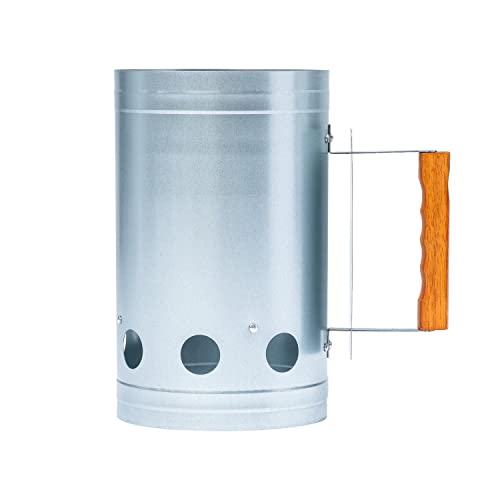
Choosing an oversized grill introduces ongoing operational costs that can make spontaneous weeknight dinners feel inefficient. A sprawling four-burner firebox requires considerable propane and a lengthy preheat cycle just to cook two chicken breasts or a single grilled cheese sandwich. Similarly, firing up an enormous charcoal pit consumes a large chimney of briquettes regardless of how little food sits on the grates. Selecting a cooker that matches your routine meal sizes ensures you conserve fuel and minimize wasted heat throughout the grilling season.
Maintenance demands also scale directly with the physical surface area of the grill firebox. Larger cooking grates require more scraping, degreasing, and seasonal oil seasoning to protect cast iron from rust and keep stainless steel shining. Expansive grease trays and catch pans collect substantial volumes of fat and debris, requiring frequent inspection and cleaning to prevent grease fires. A modest, properly sized grill is much easier to maintain in spotless, safe working condition than a massive unit that feels like a chore to scrub down.
Selecting your ideal grill size comes down to honest self-assessment regarding how you cook ninety percent of the time. While entertaining thirty guests once a summer is exciting, building your purchase around your typical Tuesday night dinner produces the best long-term satisfaction. Target a primary cooking grate that comfortably supports two-zone heat management for your immediate household, with just enough reserve space to host close friends. Matching your cooking style to the right square-inch capacity guarantees delicious outdoor meals, reliable temperature control, and a clutter-free backyard patio for years to come.


Write Your Review
No reviews yet. Be the first to share your experience!