


Managing fire inside a kettle or barrel cooker often determines whether dinner turns out tender or charred beyond recognition. Anyone who has struggled with wild temperature swings or uneven cooking knows that simply dumping unorganized briquettes into a pile rarely works. Learning how to layer charcoal in grill basins gives outdoor cooks predictable heat control, whether searing steaks over high heat or slowly roasting pork shoulders for hours. Setting up your cook requires proper staging, and having a sturdy rolling barbecue prep table nearby keeps tools, thermometers, and fuel organized before lighting the fire.
The way coals sit on the bottom grate dictates airflow, combustion speed, and total burn duration. Different recipes demand specific fuel arrangements, ranging from focused direct heat to split two-zone configurations and progressive slow-burning patterns. By matching the fuel structure to your cooking style and grill design, you can eliminate cold spots and avoid messy mid-cook adjustments. Understanding these foundational principles allows pitmasters to achieve steady temperatures while burning fuel far more efficiently.
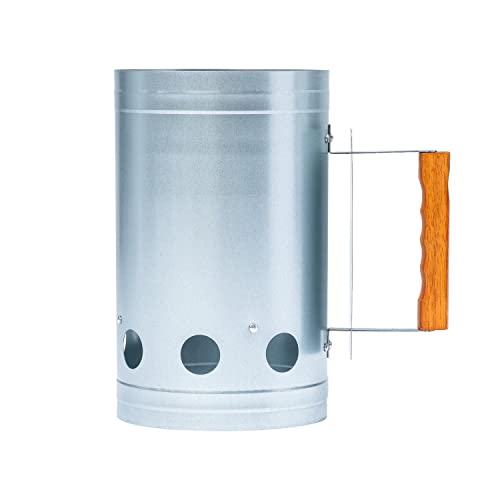

Pros
- Fast and consistent ignition with excellent airflow design.
- Built like a tank – premium ductile iron means years of reliable service.
- Compact and lightweight enough to toss in a camping kit or tailgate gear.
- Works for both charcoal and firewood, adding versatility for different outdoor cooking setups.
Cons
- Small capacity – best for small to medium charcoal loads; not ideal for large offset smokers or huge campfires.
- Takes time to cool down after use – you can't immediately pack it away.
- May require practice to get the lighting technique down perfectly with different fuel types.
The Brutal BBQ Fireguard is a simple but brilliantly effective tool for anyone who regularly lights charcoal or firewood. Instead of fumbling with lighter fluid, chimney starters, or newspaper, this compact ductile iron device lets you stack your fuel inside and light a small fire beneath it. The built-in air inlet feeds oxygen directly into the base, creating a powerful updraft that gets your charcoal glowing in about 10 to 15 minutes. It works equally well with lump charcoal, briquettes, and even small pieces of firewood for a fireplace or campfire.
This fire starter is built for real outdoor use. The high-grade ductile iron casting feels solid in your hands and resists the kind of warping or rusting you see with cheaper steel chimneys. You don't need any maintenance beyond shaking out the ashes once it's cool. That ruggedness makes it a great companion for backyard grillers who want a dependable tool every weekend, as well as campers and tailgaters who need something that can survive being tossed in a truck bed or gear bin.
When it comes to cooking performance, the Fireguard shines at getting your coals ready fast and evenly. Because the airflow is optimized, you get a consistent bed of hot embers without cold spots. That means better searing ability on steaks or burgers and more reliable heat for low-and-slow smoking if you're using a charcoal smoker. It's also great for patio cooks who want to avoid chemical starters that can leave off-flavors on the food.
Portability is a big plus. The Fireguard measures just over nine inches tall and about four inches wide – small enough to fit inside most kettle grills, portable camp grills, or even your camping stove bag. It doesn't take up much space in your trunk for tailgating or in an RV storage compartment. The only limitation is capacity: it can hold enough charcoal for a two-burger grill session or a small campfire, but if you're running a large offset or cooking for a big crowd, you may need to do two batches.
Cleanup is about as easy as it gets. Once the Fireguard cools completely (and you should definitely wait until it's at room temperature before handling), just give it a shake to remove the ash. No water, no soap, no scrubbing. The iron may develop a natural patina over time, but that doesn't affect performance. Just avoid getting it wet while it's hot to prevent any thermal shock.
Overall, the Brutal BBQ Fireguard is a smart upgrade for anyone who lights charcoal or firewood regularly. It's not a complete grill or a huge chimney starter – it's a focused tool that does one job very well. If you're a backyard BBQ enthusiast who wants to ditch lighter fluid, a camper looking for a compact fire starter, or a tailgater who wants quick hot coals, this is a solid buy. Just keep its size in mind and you'll appreciate the simplicity and durability it brings to your outdoor cooking routine.
The Brutal BBQ Fireguard is most useful for small to medium grilling sessions. Use it to light charcoal for a Weber kettle, a portable camping grill, or a fire pit in your backyard. It's also perfect for camping trips when you want a quick campfire for cooking or warmth without messing with liquid starters. Tailgaters will appreciate how fast you can get coals ready for burgers and brats before kickoff. It even works as a decorative piece on a mantle or patio table when not in use – just be sure the fire is out and it's cool before bringing it inside.


Pros
- Extremely high heat output (up to 1,200°F) for excellent searing
- Long burn time (up to 4 hours) with steady infrared heat
- Clean burning with minimal smoke and no chemical taste
- Reusable multiple times with simple care—eco-friendly and cost-effective
Cons
- Requires a chimney starter or long lighter to fully ignite (not instant-light)
- Higher upfront cost compared to standard charcoal briquettes
- 11-pound bag is moderate weight—may need more for large gatherings
The Bincho Grill Binchotan Charcoal is a premium Japanese hardwood lump charcoal designed for serious outdoor cooks who value precision heat and clean flavor. Unlike standard charcoal, this binchotan is made from White Oak fired in traditional kilns to achieve around 95% carbon purity. It burns at temperatures up to 1,200°F, delivering intense, steady infrared heat that's perfect for yakitori, steaks, seafood, and vegetables. The virtually smokeless and odorless burn means your food tastes exactly like it should—no chemical aftertaste or overwhelming smoke.
This charcoal is ideally suited for backyard grillers, BBQ enthusiasts, and patio cooks who want restaurant-quality results at home. It's also a great choice for tailgaters and campers who value portability and efficiency, though you'll need a proper starter method like a chimney or electric lighter. The 11-pound bag provides enough fuel for several cooks, and because it's reusable, you can extinguish partially used coals and relight them later—a real money-saver over time.
In real-world use, the heat consistency is outstanding. Once lit, binchotan holds a stable temperature for up to 4 hours, which makes it excellent for both fast grilling (burgers, hot dogs) and low-and-slow cooking (kebabs, whole fish). The high heat creates a beautiful sear on meats while keeping the interior juicy. Because it burns so cleanly, you can grill on a patio or balcony without bothering neighbors with excessive smoke or odor.
Build quality is top notch—the charcoal pieces are dense and uniform, breaking down slowly compared to typical lump charcoal. There's no dust or small fragments that waste fuel. However, lighting does take patience. You'll need a chimney starter or a long-handled lighter; binchotan isn't self-lighting. Once lit, it glows evenly and produces minimal ash, making cleanup easy. Just let the coals cool, shake off the ash, and store them for the next cook.
One realistic limitation is that binchotan is more expensive per pound than standard charcoal. But given its reusability and superior performance, many outdoor cooks find it worth the investment. Another consideration: the 11-pound bag is a moderate size. For large backyard parties or cooking for a crowd, you might need two bags. For everyday grilling or small gatherings, it's plenty.
Overall, The Bincho Grill Binchotan Charcoal is a top-tier fuel for anyone serious about grilling. If you enjoy the art of yakitori, want clean heat for delicate proteins, or simply appreciate a longer-lasting, hotter-burning charcoal that's reusable, this is an excellent choice. It pairs beautifully with Japanese-style grills but works equally well on standard kettle grills or kamado cookers. Just give yourself extra time for lighting, and you'll be rewarded with some of the best grilling results you've ever had.

Pros
- 100% natural hardwood with no fillers or chemicals for clean flavor.
- Easy to light even without lighter fluid, saving time and hassle.
- Consistent heat distribution helps avoid hot spots and uneven cooking.
- Low smoke production means less irritation and better visibility while grilling.
Cons
- The 5 lb bag is relatively small, so it may not be enough for large gatherings or long smoking sessions.
- Log style pieces can vary in size, which might require breaking for smaller grills or fire pits.
- Some users may prefer lump charcoal over log style for faster ignition and higher heat output.
TEK All Natural Hardwood Charcoal is a solid choice for anyone who values clean, natural fuel for their outdoor cooking. This log-style charcoal is made from 100% hardwood with no additives, binders, or chemicals. It's designed to light easily, burn hotter, and last longer than standard briquettes while producing minimal smoke. Whether you're firing up a backyard grill, packing for a camping trip, or tailgating before the big game, this charcoal aims to deliver consistent performance without the fuss.
For backyard grillers and BBQ enthusiasts, the even heat distribution is a standout feature. You can sear steaks with confidence, grill burgers for a crowd, or set up a two-zone fire for low-and-slow cooking. The low smoke output means fewer flare-ups and a more pleasant cooking experience, especially when entertaining guests on the patio. The 5-pound bag is lightweight and easy to carry, making it a practical option for quick weeknight dinners or weekend cookouts.
Campers and RV owners will appreciate the portability and ease of lighting. No need for lighter fluid or a chimney starter if you're in a hurry – just light a few pieces and you're ready to cook. The long burn time of up to five hours means you can grill a full meal or even do some foil-packet cooking without constantly adding more charcoal. It's also a great fit for portable grills and fire pits where space and fuel efficiency matter.
Build quality is straightforward – it's natural hardwood, so what you see is what you get. The log style pieces are sturdy and hold their shape during burning, which helps maintain airflow and heat consistency. There are no grates or moving parts to worry about, and cleanup is as simple as disposing of ash. The bag itself is resealable, which keeps the charcoal dry and ready for your next cookout.
One realistic limitation is the bag size. At 5 pounds, it's best suited for smaller grills or shorter cooking sessions. If you're planning to smoke a brisket or feed a large party, you'll likely need multiple bags. Also, the log shape may not fit neatly into all charcoal baskets or small grills, so you might need to break a few pieces. But for most everyday grilling, camping, or tailgating needs, this charcoal performs admirably.
Overall, TEK All Natural Hardwood Charcoal is a reliable, eco-friendly fuel option that balances convenience with performance. It's ideal for backyard cooks who want natural flavor without chemical aftertaste, campers who need a hassle-free fire, and tailgaters who value portability and quick heat. If you're looking for a clean-burning charcoal that delivers consistent results, this bag is worth adding to your outdoor cooking gear.


Pros
- Classic Weber kettle design delivers great charcoal flavor in a portable package
- Solid build with porcelain-enameled steel resists rust and weather
- 22-inch grate offers enough space for 13 burgers using a Weber press
- Two dampers allow excellent temperature control for searing or smoking
Cons
- No built-in thermometer means you'll need an external one for accurate temps
- Relatively heavy at 28.5 lbs, not ideal for long hikes
- A bit small for cooking for large parties of more than 6-8 people
The Weber Jumbo Joe Premium Charcoal Grill is essentially a portable version of the legendary Weber kettle, and that alone makes it a compelling option for outdoor cooks who value real charcoal flavor on the go. With a 22-inch diameter cooking grate, it bridges the gap between a full-sized backyard grill and a small portable unit, making it perfect for tailgating, camping, patio dinners, or weekend BBQs. If you've ever wished you could take that classic kettle experience with you, this is the grill you've been waiting for.
Who is the Jumbo Joe built for? Honestly, it suits a wide range of outdoor enthusiasts. Backyard grillers will appreciate the familiar Weber cooking performance, while campers and RV owners will love the portability and durable build. Tailgaters can fire it up in the parking lot and serve up burgers and brats for a crowd, and patio cooks can keep it handy for quick weeknight dinners without needing a massive grill setup. The 22-inch grate holds up to 13 burger patties (using a Weber press) or a small brisket, so it's practical for small gatherings and family meals.
In terms of real-world cooking performance, the Jumbo Joe delivers the same heat consistency and smoke flavor you'd expect from a larger Weber kettle. The porcelain-enameled lid and bowl retain heat exceptionally well, which means you can sear steaks hot and fast or close the dampers down for low-and-slow smoking. The rust-resistant aluminum dampers allow precise airflow control, so managing temperatures for different cooking styles is straightforward. Expect good charcoal efficiency too - with proper damper management, a single load of charcoal will handle most cooking sessions without needing to add more fuel. Flare-ups are generally manageable with the adjustable dampers, though as with any charcoal grill, keep a close eye on fatty meats.
Build quality here is typical Weber: sturdy, weather-resistant, and built to last. The porcelain-enameled steel lid and bowl resist rust and peeling, so the grill can sit outside in the elements without falling apart quickly. The plated steel cooking grate is durable and easy to clean, and the aluminum ash catcher makes ash disposal tidy and efficient. The lid hook is a nice touch - slide the lid onto it instead of laying it on the ground, which keeps dirt and debris away. The heat shield on the lid handle is practical for adjusting or checking food without burning yourself. Portability is aided by all-weather wheels, but note that at nearly 29 pounds, it's not a lightweight backpacking grill. It rolls easily on level ground, so moving it around the patio or rolling it to the car is manageable.
Setting up the Jumbo Joe is straightforward - it comes mostly assembled, with just a few parts to attach. Transport is aided by the two wheels and a sturdy handle, but you'll need some space in your vehicle for the 24 x 38 x 10 inch box. Cleanup is largely thanks to the removable ash catcher and the smooth porcelain surfaces that wipe down easily. Storage isn't too demanding either; it can be left on the patio or stored in a garage or shed without taking up a huge footprint. Realistically, the main limitation is the lack of a built-in thermometer, so you'll want to invest in a quality external thermometer to monitor cooking temperatures, especially for smoking. Also, while it's portable, it's not ideal for backpackers or long hikes due to the weight. For car camping, tailgating, or patio use, though, it's perfect.
Overall, the Weber Jumbo Joe Premium Charcoal Grill offers a fantastic balance of cooking performance and portability. It's a versatile tool that can handle everything from quick burgers to a slow-smoked pork shoulder, and its build quality means it will serve you for many seasons. If you love the flavor of charcoal and want a grill that can travel with you, this is a smart investment. It's not the cheapest option out there, but for the combination of Weber reputation, heat retention, and durable construction, it's well worth the price. Whether you're tailgating at the game, camping at the lake, or just cooking on the patio, the Jumbo Joe delivers real BBQ results.
The Jumbo Joe excels at high-heat searing - the porcelain-enameled bowl and lid hold heat well, and with the dampers fully open, you can get the coals roaring hot for a perfect crust on steaks and burgers. For low-and-slow cooking, close the dampers down to about a quarter open; the grill will maintain a steady 250-300F range suitable for ribs, chicken, or a small brisket. Smoke flavor is excellent because you're using real charcoal, and you can add wood chunks for extra aroma. The 22-inch grate gives you a two-zone cooking setup - pile coals on one side for direct heat and leave the other side cooler for indirect cooking. This flexibility lets you sear then finish, or cook larger items like a whole chicken without direct flame. Fuel efficiency is good; with a full chimney of charcoal, you can cook for 2-3 hours at low temps before needing to add more briquettes.

Pros
- Huge cooking capacity with separate warming rack for versatile outdoor cooking.
- Dual adjustable charcoal trays offer excellent temperature control for different foods simultaneously.
- Easy mobility with four wheels and foldable side tables for convenient storage.
- Cover included and sturdy build quality for long-lasting outdoor use.
Cons
- At 84 pounds, it's heavy to move up stairs or over rough terrain despite wheels.
- Porcelain-enameled grates are durable but may require careful cleaning to avoid chipping.
- No built-in thermometer – you'll need an external one for precise low-and-slow smoking.
The DNKMOR charcoal grill is a beast of a backyard cooker designed for serious outdoor entertaining. With a total cooking area of 794 square inches, it comfortably handles a 10-15 person feast, from burgers and hot dogs for a tailgate to a full brisket for a weekend BBQ. The standout feature is the two individually adjustable charcoal trays, which let you create distinct heat zones: sear a steak over high heat on one side while gently smoking ribs on the other. This is a real advantage for anyone who likes to cook different foods at once without compromising temperature.
This grill is built for versatility. Whether you're a backyard griller looking to upgrade from a basic kettle or a camping enthusiast who needs a portable setup for the RV, the DNKMOR fits the bill. The foldable side tables provide ample prep space, and the four wheels – two of them swivel – make it easy to roll around your patio or into the garage. It's heavy at 84 pounds, so it's not a throw-in-the-trunk portable, but the wheels help you position it exactly where you need it for tailgating or camp cooking.
When it comes to real-world cooking performance, the dual charcoal trays shine. You can control heat left and right independently, which is great for managing flare-ups or cooking different proteins at once. The porcelain-enameled steel wire grates retain heat well and give nice sear marks. The warming rack adds another 272 square inches, perfect for keeping buns warm or finishing burgers. For low-and-slow smoking, you'll want to add a chimney starter and a good thermometer – the grill doesn't come with one built-in – but the adjustable air dampers and separate charcoal doors make fuel management easy. Just open the front doors to add charcoal without disturbing the food.
Build quality is solid for the price. The high-temperature powder-coated steel resists rust, and the included waterproof cover adds extra protection when storing outdoors. The side tables fold down for compact storage, and the grill itself feels sturdy once assembled. Assembly is straightforward but expect to spend an hour or two with basic tools. Cleanup is manageable: the removable ash catcher and charcoal trays simplify ash disposal, though the grates need a good brush after each cook.
One limitation is the weight – at nearly 84 pounds, it's not a quick setup for spontaneous tailgates. You'll want a dedicated spot or a dolly for transport. Also, without a built-in thermometer, you'll need to rely on an external probe for precise internal temperatures, which is a minor inconvenience for smoking. The grates are durable but not as heavy-duty as cast iron, so treat them gently.
Overall, the DNKMOR charcoal grill offers exceptional value for backyard cooks and outdoor entertainers who need lots of space and flexible heat control. It's a solid choice for family BBQs, camping with a large group, or anyone who wants to move beyond a standard grill. Just be prepared for the weight and bring your own thermometer. If you're looking for a versatile charcoal cooker that can handle everything from quick burgers to all-day smoking, this DNKMOR model is worth a close look.
The DNKMOR grill's dual adjustable charcoal trays are the key to its cooking performance. You can raise or lower each tray independently, creating high-heat zones for searing and low-heat zones for slow cooking. This is perfect for cooking burgers and chicken at the same time without overcooking. The 477 sq in main grate and 272 sq in warming rack give you plenty of real estate. Smoke flavor is good thanks to the covered design and adjustable dampers, though adding wood chunks for extra smoke is easy through the front charcoal doors.
Temperature control relies on the two adjustable charcoal trays and built-in air dampers. By raising or lowering the trays, you can increase or decrease heat output independently on each side. The front charcoal doors let you add fuel without opening the lid, helping maintain temperature. For best results, use a chimney starter for even coal ignition and an external thermometer for precise monitoring. The system works well for both direct grilling and indirect smoking when you bank coals to one side.
With four wheels and foldable side tables, the DNKMOR grill is mobile for a large charcoal cooker. The two swivel wheels make turning and positioning easy on flat ground. At 84 pounds, it's not lightweight, but the wheels let you roll it from the garage to the patio or driveway for tailgating. The foldable tables reduce width for storage. This grill is best suited for semi-permanent placement or occasional moves, not daily transport.
Mastering Charcoal Arrangements and Heat Management
Layering charcoal correctly transforms an unpredictable fire pit into a precise thermal tool. When coals sit haphazardly in a kettle, oxygen flows unevenly and creates wild hot spots. Taking time to place fuel in deliberate patterns gives you total command over radiant heat and burn duration. Whether searing steaks or slow smoking pork shoulders, proper staging makes all the difference.
Selecting Coal Varieties and Understanding Combustion
Fuel selection directly influences how coals interact when stacked together. Standard briquettes feature uniform pillow shapes manufactured from compressed charred sawdust. Because each piece shares identical dimensions, briquettes pack tightly and burn at a steady, predictable rate. This consistent geometry makes briquettes the top choice for structured stacking patterns like fuel snakes and layered beds.
Lump charcoal offers a completely different thermal profile due to its irregular sizes and natural hardwood composition. Brands like TEK All Natural Hardwood Charcoal provide log-style pieces that ignite quickly and produce minimal ash. However, irregular chunks do not nest together uniformly, creating open pockets within the fuel bed. Arranging larger chunks at the base helps maintain steady flame transfer between pieces.
Specialty fuels require distinct handling when building a fire bed. High-density fuel like The Bincho Grill Binchotan Charcoal consists of hardwood with high carbon purity, burning at intense infrared temperatures for hours without smoke. These dense pieces ignite slowly and perform best when tightly bundled side by side. Knowing how your specific fuel behaves under limited airflow prevents unexpected flameouts during cooking.
The Even Flat Bed for Direct Searing
A flat layer of coals provides maximum direct radiant heat across the entire cooking surface. This classic arrangement suits fast cooks like thin steaks, burgers, and hot dogs that need quick browning without long lid-down roasting. To build this layer, spread fully lit coals evenly across the bottom charcoal grate with long metal tongs. Aim for uniform depth so the grate receives consistent thermal energy.
Depth determines heat intensity when creating a flat fuel bed. A single layer of briquettes creates moderate heat suitable for delicate fish fillets or chicken wings that might scorch over aggressive flames. Stacking coals two layers deep produces intense searing heat that quickly caramelizes meat surfaces. Make sure the coals touch one another so combustion transfers steadily without creating isolated cold patches.
The Two-Zone Split for Thermal Control
The two-zone setup remains the most practical configuration for everyday backyard grilling. In this arrangement, cooks bank all the coals against one side of the grill basin, leaving the opposite side bare. The charcoal side acts as a direct heat zone for rapid searing, while the empty side functions as an indirect convection oven. This split design lets you move food between searing and gentle roasting instantly.
Building a sloped two-zone bed provides even greater temperature flexibility. Pile coals two or three layers deep against the far wall of the grill bowl, tapering down to a single layer toward the center. This slope creates a smooth gradient of high, medium, and low direct heat before reaching the unheated zone. It works especially well for foods that flare up quickly from dripping fat, such as juicy Korean beef barbecue cuts.
Indirect cooking requires placing the grill lid with the exhaust damper positioned directly over the food. This orientation forces hot air and wood smoke to travel from the coal bed across the food before exiting. You gain convection roasting action that thoroughly cooks thick roasts without burning exterior rubs. If flare-ups occur on the direct side, simply slide the food over until the flames subside.
The Minion Method for Long Roasting Sessions
Slow smoking requires a steady low temperature that can run for hours without constant fuel replenishment. The Minion method solves this challenge by reversing the traditional lighting sequence. Instead of lighting all the coals at once, you fill the bottom of your grill with a generous layer of unlit briquettes. You then light a small batch separately and dump them into a pocket in the center.
Combustion progresses gradually outward as lit embers slowly ignite neighboring unlit coals. Because only a small percentage of fuel burns at any given moment, the grill maintains a steady temperature between 225 and 275 degrees Fahrenheit. This slow propagation prevents the massive temperature spikes that occur when dumping an entire chimney of glowing coals into an empty bowl. It eliminates the need for frequent fuel additions.
Aromatic wood chunks should be layered intentionally when building a Minion bed. Place dried hardwood chunks beneath and between the unlit briquettes rather than directly on top of the glowing center. As the fire expands outward, it gradually reaches each piece of wood, generating continuous clean smoke throughout the cook. This staged placement ensures that smoke develops smoothly rather than billowing intensely during the first half hour.
The Charcoal Snake Method for Kettle Smokers
Kettle grill owners frequently rely on the charcoal snake method when smoking pork butts or briskets. This technique involves arranging unlit briquettes in a curved row around the outer rim of the bottom charcoal grate. Standard builds use a two-by-two configuration, where two rows of briquettes sit flat on the bottom with two more rows resting on top. The briquettes must touch snugly so heat transfers reliably like a burning fuse.
Adding smoke wood along the snake requires precise positioning along the first half of the fuse. Lay small wood chunks directly across the top layer of briquettes, spacing them a few inches apart. Pitmasters who want sustained smoke without resting wood directly on coals can also incorporate a dedicated smoker box on an adjacent grate level to regulate wood chip combustion. Most meats absorb smoke flavor early, making heavy wood near the tail unnecessary.
Lighting the snake begins at one open end using three to five fully glowing coals. Place these hot starters against the front edge of the fuse, replace the cooking grate, and secure the grill lid. The fire slowly creeps forward along the curved path at a controlled rate, often running for several hours without manual intervention. Keep an aluminum water pan in the center to stabilize cooking temperatures.
Safe Ignition and Starter Tools
Proper ignition forms the foundation of any successful charcoal layering technique. Pouring chemical lighter fluid directly over arranged coals ruins food flavor with petroleum vapors and causes unpredictable flare-ups. Chimney starters offer a far safer, cleaner method to ignite fuel using simple newspaper or starter cubes at the base. Accessories like the BBQGuys Signature Chimney Starter hold enough briquettes to fire large kettles quickly while completely bypassing chemical accelerants.
Compact specialty starters provide alternate ways to ignite fuel beds directly inside the grill bowl. Heavy cast starters such as the Brutal BBQ Fireguard Firewood and Charcoal Starter optimize oxygen flow around coals using engineered draft channels. These tools let you establish a concentrated core of burning fuel right in the center of an unlit charcoal arrangement without disturbing the surrounding layers. Once the core ignites, the surrounding coals catch fire naturally.
Always wait until your starter coals develop a light coating of gray surface ash before transferring them onto your layered arrangement. Dumping black, partially lit coals creates acrid white smoke that deposits a bitter soot coating on meat. Fully glowing embers indicate complete ignition and produce the translucent blue smoke ideal for clean cooking. Use heat-resistant grilling gloves and long tongs whenever handling burning coals to prevent accidental burns.
Regulating Temperature Through Airflow and Dampers
Arranging coals into precise patterns only works when combined with proper oxygen management. Charcoal relies on fresh oxygen entering the lower intake dampers to sustain combustion, while upper exhaust dampers allow spent gases to escape. Models like the Weber Jumbo Joe Premium Charcoal Grill feature adjustable aluminum dampers designed to regulate internal airflow with precision. Opening vents wider accelerates combustion and elevates cooking temperatures, while restricting vents slows fuel consumption.
Control your base temperature primarily using the bottom intake damper. Leaving the bottom vent open fully supplies unrestricted oxygen, driving temperatures high for rapid searing over a flat bed of coals. If your layered snake or Minion arrangement climbs above your target cooking range, close the intake damper to a narrow crack to starve the fire of excess air. Never shut dampers completely while food cooks, as suffocated coals generate bitter smoke.
The top exhaust vent works in tandem with the intake to draw convective heat across your food. Keep the exhaust damper at least partially open at all times to maintain proper draft and prevent stale smoke accumulation inside the cooking chamber. Adjusting the top damper too aggressively can trap moisture and soot, coating meats in unpleasant residues. Balance small adjustments between both vents to hold steady temperatures over extended cooking sessions.
Adjusting Grate Height and Fuel Tray Depth
The physical distance between your layered coals and the food grate dramatically alters heat delivery. Radiant energy drops rapidly as you increase the gap between glowing coals and cooking surfaces. Grills equipped with adjustable fuel beds, such as the Charcoal Grill Outdoor BBQ Grill by DNKMOR, feature dual liftable charcoal trays that let you raise or lower fuel levels on either side independently. This mechanical adjustment lets you intensify a sear or soften heat without moving coals by hand.
Compact backyard cookers often utilize stepped cooking grates to achieve similar temperature adjustments. Units like the GasOne Charcoal Grill provide multiple grid heights to position food closer to or farther from the coal bed. When cooking over a dense flat layer of briquettes, elevating the cooking grate prevents sugary rubs and marinades from scorching prematurely. Lowering the food closer to the embers delivers the aggressive sizzle needed for steak crusts.
Staging Coals in Portable and Tabletop Grills
Layering charcoal inside compact travel cookers presents unique spatial challenges. Folding tabletop models like the Ruutcasy Portable Charcoal Grill feature shallow fireboxes that leave minimal clearance between the fuel bed and food grate. Overloading small basins with thick stacks of charcoal restricts intake air and scorches food instantly. In compact settings, a tidy single layer of medium briquettes or lump pieces provides balanced heat without choking the firebox.
Managing ash buildup is critical when layering fuel in smaller portable grills. As coals burn down, accumulated ash can block small bottom vent holes and extinguish the remaining embers. Select hardwood lump charcoal or low-ash briquettes to keep airflow channels clear throughout the cooking process. Shake the lower ash pan gently if draft slows down, taking care not to send floating embers into dry grass or campground foliage.
Operational Safety and Indoor Fire Hazards
Operating a charcoal grill demands strict adherence to outdoor fire safety practices. Burning charcoal produces substantial quantities of carbon monoxide, an odorless and invisible gas that poses severe health hazards in confined areas. Never light or operate a charcoal grill inside a garage, breezeway, carport, tent, or enclosed porch, even if exterior doors or windows are left wide open. Ventilation in residential structures cannot disperse toxic carbon monoxide buildup safely.
Always position your grill outdoors on a flat, non-combustible surface clear of overhangs, wooden railings, and dry brush. Maintain ample clearance from house walls and vinyl siding to prevent radiant heat damage or ember ignition. Keep a working fire extinguisher, spray water bottle, or bucket of sand nearby whenever tending an active charcoal fire. Monitoring your fuel arrangement with lid securely latched prevents unexpected wind gusts from scattering live sparks across your yard.
Proper post-cook shutdown ensures that dormant coals do not trigger fires hours after you finish eating. Close both the top exhaust and bottom intake dampers completely to starve the remaining coals of oxygen and extinguish the fire naturally. Allow the grill to cool for several hours before inspecting the firebox or emptying ash pans. Never dispose of warm ashes in plastic trash bins; transfer cold residues into a dedicated metal can with a tight-fitting lid.
Mastering the way you layer charcoal gives you dependable control over outdoor cooking results. Taking a few extra minutes to arrange coals deliberately establishes clean heat zones, eliminates frustrating flare-ups, and conserves fuel. Match your stacking technique to your recipe, monitor your vents, and always prioritize outdoor fire safety for rewarding backyard cooking sessions.


Write Your Review
No reviews yet. Be the first to share your experience!