


Scraping baked-on grease, charred marinades, and carbon deposits off cooking grates can feel overwhelming after a long season of backyard cooking. Understanding how to clean a dirty grill properly protects your food from acrid smoke, prevents dangerous grease fires, and extends the lifespan of internal metal components. Setting aside a dedicated staging area on sturdy rolling food prep tables makes it much easier to organize cleaning sprays, scraping tools, and catch basins safely away from the main firebox.
Many cooks mistakenly rely on extreme heat or abrasive wire bristles to scorch away old residue, but those habits often cause more harm than good. Wire bristles can snap off and contaminate food, while unmanaged grease flare-ups risk warping heat shields and damaging delicate burner tubes. Adopting a methodical routine that combines cool-surface degreasers, bristle-free scrubbers, and focused firebox scraping restores cooking efficiency without damaging sensitive porcelain or seasoned cast-iron surfaces. A clean cooking surface ultimately ensures consistent heat distribution and clean flavor for every meal.


Pros
- No-drip gel stays put, even on slanted grill grates, preventing messy drips
- Powerful degreasing action cuts through stubborn char and grease with minimal scrubbing
- Versatile enough for grills, ovens, air fryers, and other kitchen surfaces
- Non-toxic and biodegradable, making it safe for outdoor cooking equipment and the environment
Cons
- Requires 10-30 minutes dwell time for best results, so plan ahead for quick cleanups
- Works best on cool surfaces, so you cannot spray on a hot grill immediately after cooking
- Some heavy buildup may need two applications or additional scrubbing
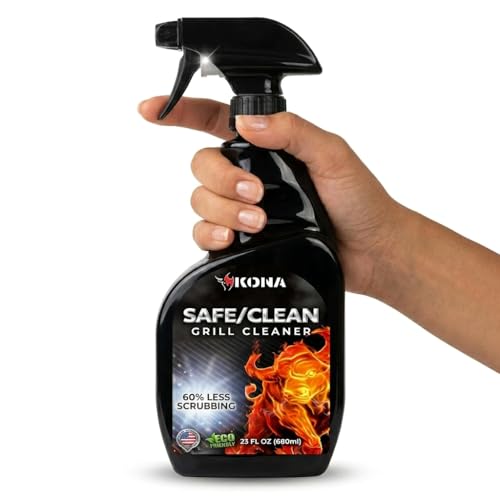
If you spend any time around a grill, you know cleanup is the least glamorous part of outdoor cooking. Kona Safe/Clean Grill Cleaner Spray aims to change that. This heavy-duty, no-drip gel degreaser is designed specifically for BBQ grates, griddles, smokers, and even kitchen appliances. It's not a piece of cooking equipment itself, but an essential accessory for anyone who wants to keep their gear in top shape.
This cleaner is best suited for backyard grillers, BBQ enthusiasts, tailgaters, and patio cooks who value quick, hassle-free maintenance. If you own a Blackstone griddle, Traeger pellet grill, or Weber kettle, this spray works on all surfaces without damaging the finish. The gel formulation clings to vertical and slanted grates, so you won't end up with a puddle of cleaner on your patio.
Performance-wise, Kona Safe/Clean delivers on its promise. Spray it on cool grates and let it sit for 10 to 30 minutes. The gel penetrates carbon buildup and baked-on grease, loosening it so you can wipe or rinse it away with ease. For tough, charred residue, a quick pass with a grill brush does the trick. It's not a miracle worker for years of neglect, but for regular maintenance, it cuts cleaning time in half. The spray is nearly odorless and non-flammable, so you can use it without worrying about harsh fumes or safety risks.
Build quality of the product itself is solid. The 23-ounce bottle has a sturdy spray nozzle that delivers a targeted stream or wide mist. The formula is biodegradable, phosphate-free, and food-safe after rinsing, which is a big plus for anyone using it on grills they cook on. It's also non-corrosive, so it won't damage stainless steel, porcelain, or glass surfaces.
Setup and cleanup are straightforward. You do not need to heat the grill or wear gloves, though rinsing thoroughly after cleaning is recommended. The only limitation is the dwell time: if you are in a hurry, the 10-minute minimum may feel long. Also, the cleaner works best on cool surfaces, so you cannot spray it on hot grates right after cooking. Plan cleanup as part of your post-meal routine.
For the price, Kona Safe/Clean offers solid value for outdoor cooking enthusiasts. It is eco-friendly, effective, and versatile. Whether you maintain a gas grill on your deck, a smoker at the campsite, or a flat top griddle for tailgates, this cleaner helps keep your equipment ready for the next cookout. It is a practical addition to any outdoor chef's cleaning kit.
Keeping your grill clean is essential for both flavor and longevity. Kona Safe/Clean makes this job easier with its no-drip gel that clings to grates and surfaces. To use, spray the gel onto cool grates and let it sit for 10-30 minutes. For tough buildup, use a grill brush or scouring pad to loosen the residue, then wipe with a damp cloth or rinse with water. The formula is food-safe after rinsing and non-toxic, so you can clean without worry. It works on grill grates, hoods, wheels, and even oven racks. For best results, clean after every few uses to prevent excessive carbon buildup.

Pros
- Safe alternative to wire brushes - no bristle hazard
- Works on cool grills, so you can clean anytime without preheating
- Citrus scent leaves a fresh smell after cleaning
- Effective on grease and burnt-on food with minimal scrubbing
- Made in the USA with biodegradable ingredients
Cons
- Spray bottle may be prone to breaking after a few uses (reported by some users)
- May not remove very heavy, baked-on deposits without extra effort
- Scrubber pads may wear out faster on rough grates
If you've ever worried about wire bristles from a grill brush ending up in your food, the CitruSafe Grill Cleaning Kit is a breath of fresh air. This kit combines a 16-ounce citrus-powered spray cleaner with a heavy-duty scrubber handle and three replaceable pads, all designed to clean your grill while it's cool. No more burning off residue or risking stray bristles. It's a simple, safe approach that works on gas grills, charcoal grills, pellet grills, smokers, and even flat-top griddles.
This kit is perfect for backyard grillers who want a hassle-free cleanup after weekend BBQs, as well as campers and tailgaters who need a portable cleaning solution. The spray uses natural citrus degreasers to break down grease and burnt-on food, and the scrubber pads are tough enough to handle the job without scratching your grates. Just spray it on, let it sit for a minute, scrub, and wipe clean. Then preheat your grill for 15 minutes to burn off any residue. It's that straightforward.
In real-world use, the CitruSafe cleaner does a great job on moderately soiled grills. It cuts through grease and food residue quickly, leaving a pleasant citrus scent behind. For heavy, baked-on deposits, you might need to let the spray sit a bit longer or give it an extra scrub. But for regular maintenance cleaning, it's very effective. The scrubber handle feels sturdy, and the pads are thick enough to handle multiple uses before needing replacement.
Build quality is solid for a cleaning kit. The spray bottle is functional, though a few users have reported the nozzle breaking after a few sprays. The scrubber handle is made of heavy-duty plastic with a comfortable grip, and the pads are recyclable. The kit is compact and easy to store in your grill cart or camping gear. Since you clean the grill cool, there's no need to wait for it to heat up, which saves time and fuel.
One limitation is that the spray bottle could be more durable. If you're rough on gear, you might want to transfer the cleaner to a sturdier bottle. Also, for very heavy grease buildup, you may need to repeat the process or use a bit more elbow grease. But for most home cooks and outdoor enthusiasts, this kit offers a safe, effective way to keep your grill clean without the worry of wire bristles.
Overall, the CitruSafe Grill Cleaning Kit is a practical choice for anyone who grills regularly. It's especially good for families with kids, where food safety is a top concern. Whether you're cleaning a Traeger smoker, a Weber kettle, or a Blackstone griddle, this kit makes the job easier and safer. If you want a bristle-free, eco-friendly cleaning method that actually works, this is a solid investment for your outdoor cooking setup.

Pros
- Safe cleaning without wire bristles, protecting your family from accidental ingestion.
- Powerful citrus-based cleaner easily cuts through baked-on grease and carbon buildup.
- Kit includes everything you need: spray, brush, scrubber pads, scraper, and towel, no extra purchases required.
- Works on both hot and cool grills, offering flexibility for different cleaning routines.
Cons
- For extremely charred grates, some elbow grease may still be needed; the cleaner alone won't dissolve heavy creosote instantly.
- Scrubber pads are refillable but replacements are sold separately, adding ongoing cost over time.
- The cookbox scraper is best used on cool surfaces; it may scratch delicate porcelain coatings if used aggressively.
The Citrusafe Complete Grill Cleaning Kit is not your average grill cleaner. It is a thoughtfully assembled set designed to replace the dangerous wire brushes and harsh chemical sprays that many BBQ enthusiasts rely on. Instead, this kit uses a citrus-based degreaser, a nylon brush, heavy-duty scrubber pads, a cookbox scraper, and a microfiber towel to clean your grill safely and effectively. Whether you own a charcoal kettle, a propane gas grill, a smoker, or even a flat top griddle, this kit has the tools to handle the mess.
This kit is built for anyone who takes outdoor cooking seriously. Backyard grillers who fire up the Weber every weekend, campers who throw a grate over an open fire, tailgaters who need a quick cleanup between games, and RV owners who don't want wire bristles scratching their portable grills will all appreciate the safety-first approach. The stars are the Citrusafe Grill Cleaner spray, which uses natural degreasing power from citrus peels to break down grease, and the nylon brush and scrubber pads that work on a cool grill. No more burning off residue or worrying about stray bristles in your burger.
In real-world use, this cleaner shines on moderately soiled grates and cookboxes. Spray it on, let it sit for a few minutes, then scrub with the nylon brush or the heavy-duty pads. The grime dissolves quickly, and the included cookbox scraper reaches into corners that brushes miss. For a neglected grill that has months of caked-on grease, you may need to repeat the process, but the result is a cookbox that looks nearly new. The microfiber towel lifts away remaining residue without scratching porcelain or stainless steel surfaces.
Build quality of the tools is solid. The nylon brush handle is heavy-duty plastic with a comfortable grip, and the scrubber holder accepts the replaceable pads firmly. The scraper has a slim profile that fits into the tight gaps of most grills and smokers. The spray bottle has a trigger that produces a fine mist, covering grates evenly without waste. Everything in the kit is designed to be reused, cutting down on disposable grill wipes and paper towels.
Setup is simple: unpack the items and start cleaning. The spray works right out of the box, and all tools are ready to go. Transport is not an issue since it is a cleaning kit, but the spray bottle and tools fit easily in a garage cabinet or a camping tote. Storage is straightforward: keep the spray away from direct sunlight, and hang the brush and scraper to dry.
Limitations are minor. For grills with extremely heavy carbon buildup (think years of neglect), you may still need to use a metallic scraper or a second application. The scrubber pads are effective but wear out after several uses, and replacement packs are sold separately. Additionally, the nylon brush is not as stiff as wire, so it may take a bit more scrubbing on stubborn spots. Nonetheless, for routine maintenance and even deep-cleaning, this kit is a safe and effective choice. It earns a strong recommendation for any outdoor cook who wants to eliminate the risk of wire bristles and keep their cooking gear in top shape.
The Citrusafe Complete Grill Cleaning Kit comes with five essential items to tackle every part of your grill or smoker. You get a 16oz bottle of Citrusafe Exterior Grill Cleaner (also safe for interior use), a heavy-duty nylon brush with an integrated cookbox scraper, a scrubber handle plus three replaceable scrubber pads, a separate cookbox scraper for tight areas, and a premium microfiber cleaning towel (color may vary). Together, they cover cleaning from grates to hoods to side tables. Everything is manufactured in the USA by Bryson Brothers, a brand focused on safer outdoor cooking products.
For best results, clean your grill when it is cool to the touch. Spray the Citrusafe cleaner liberally onto grates and cookbox surfaces, let it sit for 3-5 minutes to loosen grease, then scrub with the nylon brush or scrubber pads. Use the cookbox scraper for baked-on residue in corners. Wipe away residue with the microfiber towel, then rinse with water if desired. For routine maintenance after each cook, a quick spray and wipe keeps grates looking new. The scrubber pads can be replaced when they become worn; replacement pads are available separately. The spray lasts through many cleanings, making this kit a great value for frequent grillers.
Restoring and Deep Cleaning a Dirty Grill
Tackling heavy grease accumulation requires more than a quick swipe with a wire brush before tossing food over an open flame. Over time, animal fats, sugary sauces, and carbon dust bond to interior metal walls, heat tents, and cooking grates. Restoring an outdoor cooker to peak performance demands an orderly approach that treats different materials with the right tools. Breaking the cleaning routine into logical phases prevents grease from redepositing across clean areas.
A systematic cleaning process also allows you to inspect vital internal parts for structural wear, rust, or burner port blockages before they turn into expensive repairs. Cookers that sit outside through changing weather cycles accumulate moisture beneath grease layers, accelerating corrosion on steel components. By learning safe degreasing methods and adopting bristle-free scrubbing techniques, you protect both your investment and your dining guests. Regular deep cleaning transforms a grimy, smoking firebox into an efficient, predictable cooking appliance.
Why Built-Up Grease and Carbon Threaten Grill Performance and Safety
Grease accumulation inside a cookbox poses a genuine fire hazard that catches many backyard cooks off guard. When animal fat drips down during high-heat searing, it pools along the bottom casting and inside flavorizer channels. A sudden temperature spike can ignite this liquefied grease, sparking violent flare-ups that cannot be extinguished simply by closing the lid. Oxygen starvation rarely stops an active grease fire because outdoor venting supplies continuous airflow, creating intense heat capable of warping steel lids and melting control knobs.
Carbon buildup also degrades heat transfer across your entire cooking grid. Thick carbon deposits act as thermal insulation, forcing you to burn more fuel to reach desired grate temperatures. Uneven crusts on burner tubes lead to cold spots where flames fail to emerge properly, resulting in inconsistent cooking times across different zones. Rancid oils trapped in old grease vaporize when reheated, imparting bitter, stale flavors into fresh cuts of meat instead of clean wood or charcoal smoke.
Wire Bristle Hazards and the Move Toward Bristle-Free Cleaning Tools
Traditional brass and stainless steel wire brushes have fallen out of favor due to severe health risks. Thin metal bristles frequently break loose from weathered wooden or plastic brush heads and stick to sticky grill grates. When fresh food touches those grates, loose wire fragments can lodge inside grilled meat, leading to painful mouth, throat, and gastrointestinal injuries upon ingestion. Medical professionals and consumer safety agencies repeatedly caution cooks about these preventable hazards.
Modern alternatives eliminate this risk by employing solid scrapers, heavy-duty synthetic pads, and steam-based cleaning heads. Bristle-free tools such as the Grill Stripper utilize contoured metal scrapers combined with durable, water-absorbent sponges to generate steam on warm grates. Synthetic scrubbing pads with dense polyester fibers scrub carbon without shedding sharp metallic debris. Nylon bristle brushes provide another dependable option, although manufacturers design them specifically for use on completely cool grates to prevent melting.
Choosing the right mechanical tool depends heavily on whether you clean while the grill retains residual heat or after it cools down completely. Scrapers machined with specific grate-groove notches clean multiple sides of round grate bars simultaneously. Flat-edge scrapers work exceptionally well along cookbox walls and wide cast-iron surfaces. Using durable, non-shedding tools protects your family while delivering superior cleaning pressure on stubborn, burnt-on grease.
Selecting Safe Degreasers and Surface Chemistry
Chemical degreasers dissolve baked-on oils through chemical emulsification rather than pure mechanical abrasion. Specialized cleaners like CitruSafe utilize natural citrus peel compounds, offering a potent grease-cutting formula that avoids harsh caustic fumes. Citrus d-limonene breaks down heavy fatty acids on cool metal surfaces, allowing scrapers to lift residue without producing noxious odors. Biodegradable formulas also minimize environmental runoff on backyard lawns and patio pavers.
Clinging gel degreasers provide a distinct advantage when treating vertical surfaces like cookbox walls and grill hoods. Spray formulas that run off too quickly dry before penetrating thick carbon crusts, requiring multiple applications. Formulations like Kona Safe/Clean rely on a no-drip gel consistency that clings to surfaces for twenty to thirty minutes, actively breaking down charred fats without dripping into internal burners. This prolonged contact time softens baked residue so it wipes away cleanly with damp towels.
Standard household oven cleaners should generally be avoided inside outdoor grills. Many conventional oven sprays contain sodium hydroxide or potassium hydroxide, commonly known as lye, which aggressively attacks cast aluminum castings and exterior painted finishes. Caustic lye can cause pitting in aluminum fireboxes, permanently weakening structural joints. Sticking to food-safe, non-corrosive formulas formulated specifically for outdoor cooking equipment protects both the cooker and your food.
Essential Safety Precautions Before Starting Deep Cleaning
Safety preparation begins before spraying any cleaning agent or removing internal parts. For gas cookers, shut off the fuel supply directly at the propane cylinder valve or natural gas shutoff valve, then disconnect the regulator hose completely. Pellet grills and electric-assist models must be disconnected from electrical outlets to prevent shock hazards or accidental auger motor activation. Allowing all metal parts to cool to ambient temperature ensures cleaning sprays will not vaporize into harsh fumes.
Location plays an equally critical role in backyard cooking safety. Fuel-burning grills must never be cleaned or operated inside a garage, breezeway, shed, or partially enclosed carport, even if the overhead doors remain wide open. Operating gas or charcoal equipment in enclosed spaces generates lethal levels of odorless carbon monoxide gas and introduces severe structural fire hazards. Always roll your equipment into an open outdoor space with ample clearance from vinyl siding, wooden deck railings, and low-hanging tree branches.
Personal protective gear keeps strong grease and carbon debris off your skin. Heavy-duty nitrile or rubber cleaning gloves shield hands from sharp metal edges and oily grime. Eye protection prevents chemical splashes when scrubbing overhead hoods or using pressurized spray bottles. Staging waste buckets, trash bags, and shop towels nearby prevents dirty runoff from staining decorative outdoor patio flooring.
Restoring Cooking Grates by Material Type
Cooking grates endure the most direct heat and food contact, requiring specialized care depending on their metallurgical composition. Stainless steel grates handle aggressive scrubbing and chemical degreasers very well without losing structural integrity. You can soak stainless steel rods in warm soapy water or saturate them with citrus degreasers before attacking carbon with notched scrapers. Steam cleaning works wonders on stainless steel, lifting stubborn caramelization from the undersides of the bars.
Porcelain-enameled cast-iron and steel grates demand a much gentler touch. The porcelain layer forms a glass-like barrier that prevents rust, but hard steel tools or sudden thermal shocks can chip that protective coating. Once chipped, exposed cast iron underneath rusts rapidly when exposed to humidity. Use non-scratch nylon pads, soft brass-free scrubbers, and citrus sprays on porcelain surfaces, never tapping metal scrapers against the bars.
Bare cast-iron grates behave similarly to traditional kitchen skillets and require proper seasoning maintenance. Avoid soaking bare iron in water for extended periods because moisture initiates instant oxidation. After stripping carbon with a stiff bristle-free pad, dry the grates completely over low heat, then apply a thin coat of high-smoke-point oil like canola or grapeseed. Cooks who operate combination griddle and smoker units know that maintaining this polymerized oil layer preserves natural nonstick performance across heavy iron plates.
Deep Cleaning Burner Tubes, Heat Tents, and Flavorizer Bars
Flame tamers, heat tents, and flavorizer bars sit directly between cooking grates and gas burners, taking the brunt of dripping grease. Lift these angled metal shields out of the firebox and scrape off accumulated carbon layers using a wide putty knife. If grease has hardened into thick scales, soaking the shields in hot water with grease-cutting detergent softens the deposit quickly. Inspect them for rust perforations, as thin spots indicate that the metal may soon require replacement.
Burner tubes require delicate maintenance to maintain proper flame patterns and safe gas combustion. Scrape the exterior surface of stainless steel tubes gently with a soft pad, brushing across the small gas discharge ports rather than along them. Clogged ports prevent gas from escaping evenly, causing delayed ignition or dangerous pockets of unburnt gas beneath the grates. Use a straightened paperclip, drill bit, or small wire pick to clear individual blocked holes carefully.
Check the air shutter screens located near the burner valves for insect nests. Spiders frequently crawl into burner venturi tubes to spin dense egg sacs, blocking fuel flow and forcing gas to ignite backwards at the control panel. Clearing these air intake screens with a small bottle brush restores proper oxygen mixing. Healthy gas flames burn steady blue with occasional yellow tips, indicating complete combustion and unobstructed gas passage.
Clearing the Cookbox and Drip Management System
The interior of the grill lid often develops a peeling, flaky black layer that resembles chipping paint. Outdoor grills feature baked-on enamel or bare aluminum inside the hood, meaning paint is never present on interior cooking surfaces. This peeling material is actually a harmless buildup of carbonized grease vapor and smoke residue. Use a plastic putty knife or brass-free scraper to flake off these dry sheets before they drop onto your cooking food.
Scrape the slanted bottom floor of the lower cookbox down toward the central drain hole. Dried marinade crust, ash, and fat collect here, creating a sludgy paste that absorbs moisture and rusts lower mounting bolts. Push the softened debris into a disposable container held below the drain opening. Once the bulk of the dry carbon clears out, wipe down the metal walls with damp microfiber cloths and non-caustic degreasing spray.
Empty the slide-out grease catch pan and throw away the disposable aluminum drip liner. Accumulated grease sitting inside lower cabinets attracts insects, rodents, and moisture while presenting a serious flare-up risk during high-heat preheating. Wash the reusable catch pan with warm soapy water and replace the foil liner with a fresh insert. A clean grease tray ensures that dripping fats drain freely out of the firebox without pooling near open flames.
Detailing Grill Exteriors and Special Cooking Attachments
Exterior grill surfaces demand cleaners suited to painted steel, powder coating, or brushed stainless steel. Spraying harsh chemical degreasers on exterior graphics, brand badges, and temperature gauges can strip silkscreened numbers and cloud plastic lenses. Use dedicated streak-free stainless steel cleaners or mild dish soap on outer hoods and side shelves. Always wipe brushed stainless steel parallel to the metal grain to prevent fine surface scratches from dulling the factory finish.
Removable cooking accessories also benefit from routine degreasing after long roasting sessions. Cooks who frequently roast whole poultry using electric barbecue rotisserie kits should clean spit rods, meat forks, and counterbalance weights separately after every cook. Baked poultry fats adhere tightly to rotisserie spit grooves, attracting mold if stored inside a closed outdoor cabinet without washing. Hand wash these stainless steel shafts in warm water and store them in dry indoor pantry storage.
Posting clear reminder signage near shared outdoor kitchens helps preserve grill cleanliness among family members, guests, and vacation rental visitors. Instructional signs remind cooks to scrape down cooking surfaces immediately after dining and turn off fuel supplies properly. Clear house rules reduce the likelihood that a grill sits neglected with rancid grease for weeks at a time. Consistent post-cook care keeps cooking stations sanitary and ready for immediate use.
Establishing a Preventative Cleaning and Storage Routine
Preventing heavy carbon buildup requires small, consistent habits established at the end of every cooking session. When food comes off the grates, close the lid and let the burners run on medium-high for five minutes to char soft food scraps. Run a bristle-free scrubber or wood scraper across the bars while residual heat softens oils, followed by a light wipe using a folded paper towel dipped in cooking oil. This quick maintenance takes under three minutes and leaves grates ready for the next cook.
Invest in a well-fitted, breathable weather cover to shield your cooker from rain, pollen, and UV degradation. Water trapped under non-breathable vinyl covers creates a humid microclimate that rusts fasteners, burner brackets, and ignition wires. Ensure the grill cools down completely before putting the cover back in place to prevent melting the inner lining. Storing your clean, dry grill under a protective shield ensures reliable ignition and clean meals whenever you step outside to cook.
Mastering these maintenance habits turns what feels like a dreaded chore into a predictable, manageable routine. Regular degreasing preserves delicate burner ports, stabilizes heat distribution, and guarantees that food tastes like fresh ingredients rather than stale grease. Taking care of your equipment keeps every backyard meal safe, delicious, and enjoyable for family and friends.




Write Your Review
No reviews yet. Be the first to share your experience!