


High gusts of wind can quickly turn a relaxing afternoon cookout into a frustrating struggle with erratic temperatures and wandering flames. Knowing whether is it okay to grill when it’s windy depends on the strength of the breeze, your specific fuel source, and how you arrange your outdoor cooking area. Light breezes might only cause minor temperature swings under the hood, but strong sustained winds create serious fire hazards and make heat control nearly impossible. Outdoor cooks using dedicated patios or custom outdoor bbq island setups must evaluate how airflow moves across their cooking surface before lighting any fire.
Propane burners can blow out without warning, while charcoal kettles can shed hot embers across dry yards in an instant. Understanding the physical risks of shifting air currents helps you protect your equipment, your property, and your dinner. By taking the right precautions, adjusting your cooking methods, and recognizing when conditions are simply too hazardous to cook outdoors, you can grill safely and enjoy reliable results. In this practical guide, we break down how wind affects different grill types, how to position your cooker safely, and the critical boundaries you must never cross.

A Practical Guide to Grilling in Windy Conditions
Firing up your cooker when gusts sweep across the yard requires extra caution, thoughtful positioning, and a solid understanding of how moving air influences fire. Cooking outside during mild breezes is usually manageable, but strong wind transforms ordinary grilling into a genuine safety challenge. Before deciding whether to proceed with your cookout, you need to evaluate the intensity of the breeze, your cooker type, and the surrounding environment. Taking a proactive approach ensures your meal cooks evenly without putting your patio, deck, or home at risk.
Wind Speed Benchmarks and When to Call Off a Cook
Wind speed serves as your primary metric when determining whether it is safe to light your grill. Light breezes under ten miles per hour present minor inconveniences, such as slight temperature fluctuations that you can counter by keeping the hood shut. When sustained speeds reach fifteen to twenty miles per hour, wind begins to aggressively interfere with burner flames, ash containment, and internal cooking chambers. If local forecasts warn of gusts exceeding twenty miles per hour, postponing your cookout is the smartest and safest decision you can make.
Environmental factors around your home also dictate whether outdoor cooking is appropriate during windy days. Dry vegetation, low humidity, and high seasonal temperatures create primed conditions for rapid fire spread if a stray spark escapes. Local authorities often issue red flag warnings during these dry spells, which legally restrict open flame cooking in many suburban and rural jurisdictions. Always check regional fire advisories before striking a match or turning a gas dial when dry winds sweep through your neighborhood.
Gas Grill Hazards: Flameouts, Gas Leaks, and Melted Hardware
Propane and natural gas cookers face distinct operational vulnerabilities when exposed to heavy air currents. A sharp gust can blow directly into burner ports, extinguishing the flame while the control valve remains completely open. This scenario allows unburned fuel to accumulate rapidly inside the cookbox beneath a closed lid, creating a severe explosion hazard if ignited by a neighboring burner or hot grate. Modern grills with electronic reignition can help reduce this risk, but manual monitoring remains essential whenever breezes pick up.
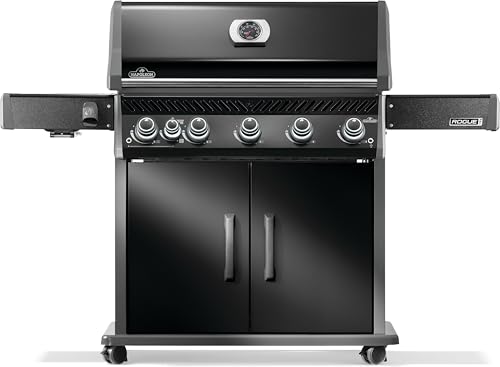
Another frequent issue involves heat redirection across the control panel and front fascia. Gas grills are engineered with specific rear exhaust channels to allow combustion gases and heat to exit naturally away from the user. When strong headwinds hit the back vent of the grill, that airflow forces radiant heat forward toward the knobs, manifold, and electronic ignition modules. Many backyard cooks have discovered melted plastic dials, charred wiring harnesses, and scorched bezels simply because the grill faced the wrong direction against a gusty wind.
Charcoal Grilling in the Wind: Intense Burns and Wandering Sparks
Charcoal fires react vigorously to uncontrolled air movement because oxygen acts as a direct bellows to the fuel bed. When wind forces its way through the bottom air intakes or around loose lid rims, it supercharges the lump charcoal or briquettes. This causes the fire to spike well beyond your intended cooking temperature, searing food prematurely while leaving the center raw. Managing a steady two-zone fire becomes remarkably difficult when shifting gusts constantly alter the draft dynamics across your coal bed.
The threat of airborne embers and shifting ash represents a major physical danger when cooking with charcoal in the breeze. As fuel burns down, fine ash and glowing flecks of carbon detach from the coals and travel upward with the thermal exhaust. Strong gusts can easily lift these burning particles across several yards, where they can settle into dry mulch or wooden decking. Using an enclosed ash capture cylinder rather than an open pan keeps glowing residue contained. Fastening the lid securely prevents sudden drafts from blowing the entire hood off the kettle and exposing the open fire.
Pellet Smokers and Draft Disruptions: Burn-Back and Controller Errors
Pellet cookers depend heavily on calibrated internal airflow generated by an induction fan and digital controller. When outdoor gusts overpower the exhaust chimney or rear downdraft vents, they reverse the designed pressure gradient inside the cook chamber. This disruption tricks the internal thermocouple into reading a false drop in cooking temperature. In response, the digital board signals the auger to churn excessive wood pellets into the burn pot, creating a flooded firepot and dense white smoke.
Burn-back into the pellet storage container is an even more alarming consequence of reversed draft pressures. If wind pushes heat and smoldering combustion gases back through the auger tube, the dry compressed wood pellets inside the feed chute can ignite. Cooks who tackle brisk weather with pellet hopper extension kits during overnight cooks need to watch for draft reversals that could compromise their fuel reservoir. Once fire enters the hopper, extinguishing the smoldering pellets requires shutting down the unit and safely emptying the fuel chamber.
The Enclosed Space Hazard: Why Garages and Breezeways Are Strictly Off-Limits
When wind makes outdoor cooking frustrating, many homeowners mistakenly contemplate rolling their grill inside an open garage or breezeway. You must never operate any fuel-burning cooker inside an enclosed or partially enclosed space, regardless of how wide the garage door is opened. Charcoal, propane, natural gas, and wood pellets all produce substantial concentrations of carbon monoxide during the combustion process. Moving a cooker indoors creates an immediate and life-threatening danger to everyone inside the structure.
Carbon monoxide is an invisible, odorless, and tasteless gas that displaces oxygen in your bloodstream without any warning signs. In a garage setting, toxic fumes quickly seep through shared drywall and ceiling joints into primary living quarters. Radiant heat escaping from vents can also warp vinyl siding, blister exterior paint, and ignite stored items or lingering gasoline fumes nearby. Local fire protection agencies consistently emphasize that operating grills under carports, in breezeways, or inside garages carries fatal fire and poisoning consequences.
Strategic Cooker Placement and Constructing Safe Windbreaks
Finding the right location on your property can dramatically reduce the impact of gusty weather on your cook. Position your grill so that the natural wind blows perpendicular to the cooking chamber rather than directly into the front controls or the rear exhaust slot. This orientation prevents headwinds from driving internal heat onto sensitive knobs while stopping tailwinds from blowing out delicate burner flames. Take time to study how air swirls around your patio corners before selecting your cooking station.
Permanent architectural features and heavy patio barriers can serve as outstanding windbreaks when utilized correctly. Masonry walls, brick retaining borders, and sturdy privacy fences help diffuse incoming air currents and create sheltered pockets of calm air. Ensure that any barrier you choose consists of non-combustible materials and stands at a safe distance from open flames. Never erect makeshift barricades from flammable materials like plywood or cardboard, and keep the surrounding perimeter clear of dry leaves and patio clutter.
Cooking Technique Adjustments for Gusty Weather
Maintaining strict lid discipline is the single most effective technique for overcoming windy grilling conditions. Every time you lift the hood, accumulated radiant heat escapes in a fraction of a second, causing internal temperatures to crater. Resist the temptation to frequently check on your food, and rely instead on remote digital probe thermometers to track cooking progress. Keeping the cooking chamber sealed allows the grates and hood lining to retain essential heat despite surrounding drafts.
Adding smoke flavor during turbulent weather requires specialized tools that keep wood chips sheltered from incoming air currents. Placing sturdy smoker box options for gas grills directly beneath the cooking grates prevents loose chips from igniting prematurely or scattering ash across the burner tents. The enclosed metal housing regulates oxygen exposure, ensuring your wood smolders consistently even when air rushes through firebox openings. This accessory preserves clean smoke flavor without complicating fire control.
Food safety remains an absolute priority when battling unpredictable outdoor temperatures. Because windy conditions prolong cooking times, you cannot rely on visual cues or standard recipe timelines to judge doneness. Insert an accurate instant-read digital meat thermometer into the thickest part of your protein to verify it reaches safe internal temperatures recommended by food safety guidelines. Ensure poultry registers at least 165 degrees Fahrenheit, ground meats hit 160 degrees, and pork or beef steaks reach desired doneness before pulling them from the heat.
Apparel and Personal Safety Around Blowing Heat
Personal protective measures deserve careful thought whenever you handle open fire in turbulent conditions. Loose-fitting garments, long cardigans, wide sleeves, and flowing synthetic aprons can billow into hot grates or flare-ups with surprising speed. Synthetic fabrics like polyester and nylon melt against skin when exposed to high radiant heat or airborne embers, leading to severe burns. Opt for close-fitting garments made from natural cotton or heavy denim that resist spontaneous ignition.
Wearing practical barbecue gear like a comfortable classic fit pitmaster tee and heat-resistant split cowhide gloves protects your arms and torso while you manage the grates. Protective eyewear or sunglasses can also prevent blowing smoke, hot grease splatter, and fine ash from entering your eyes while tending food. Tie back long hair and avoid dangling lanyard keys or apron strings that might catch on burner controls. Focusing on simple personal safety habits keeps your cooking experience enjoyable and secure.
Emergency Response: Handling Flameouts and Sudden Flare-Ups
Knowing how to react immediately during an unexpected burner blowout prevents dangerous gas build-up and flash fires. If you notice a burner flame has died, turn all burner knobs to the off position without hesitation and close the propane tank valve. Open the grill hood immediately to allow trapped gas to disperse into the surrounding atmosphere, and wait at least ten minutes before attempting to relight. Never lean directly over the cooking grates or peer into burner ports while reigniting your cooker.
Sudden grease flare-ups can also turn hazardous when driven by aggressive gusts of incoming air. If grease ignites and flames threaten your food, move the meat to an indirect cooking zone and close the grill lid completely to starve the fire of oxygen. Keep a working Class B or ABC fire extinguisher within immediate reach of your outdoor patio station at all times. In an emergency, never pour water onto a grease fire, as doing so causes instant steam explosions and scatters burning oil.
Post-Cook Procedures: Safe Ash Disposal and Equipment Cooldown
The cooking process does not conclude until your equipment is safely shut down and cold to the touch. For gas units, close the propane cylinder valve first while the burners are lit to purge residual gas from the delivery hoses. After the flame naturally dies out, turn all burner control dials to off and allow the grill to cool with the hood securely closed. Inspect the grease cup underneath to ensure wind has not blown smoldering embers into oily residue.
Charcoal grillers must exercise extreme patience when extinguishing their coals on windy evenings. Close all top and bottom damper vents fully to completely cut off the supply of oxygen to the firebox. Never attempt to dump hot or warm ashes into garbage bins, plastic bags, or onto the lawn while wind continues to blow. Allow the coals to suffocate and cool completely for several hours, and always transfer cooled ash into a sealed, non-combustible metal container.
Grilling outdoors when breezes pick up is entirely feasible as long as you respect environmental limits, adjust your placement, and remain vigilant at the grates. By recognizing wind speed thresholds, avoiding dangerous enclosed spaces, and maintaining tight lid control, you can produce fantastic barbecue regardless of tricky weather. Prioritizing safety over convenience guarantees that your outdoor meals remain rewarding, delicious, and secure for everyone gathered around your table.



Write Your Review
No reviews yet. Be the first to share your experience!