
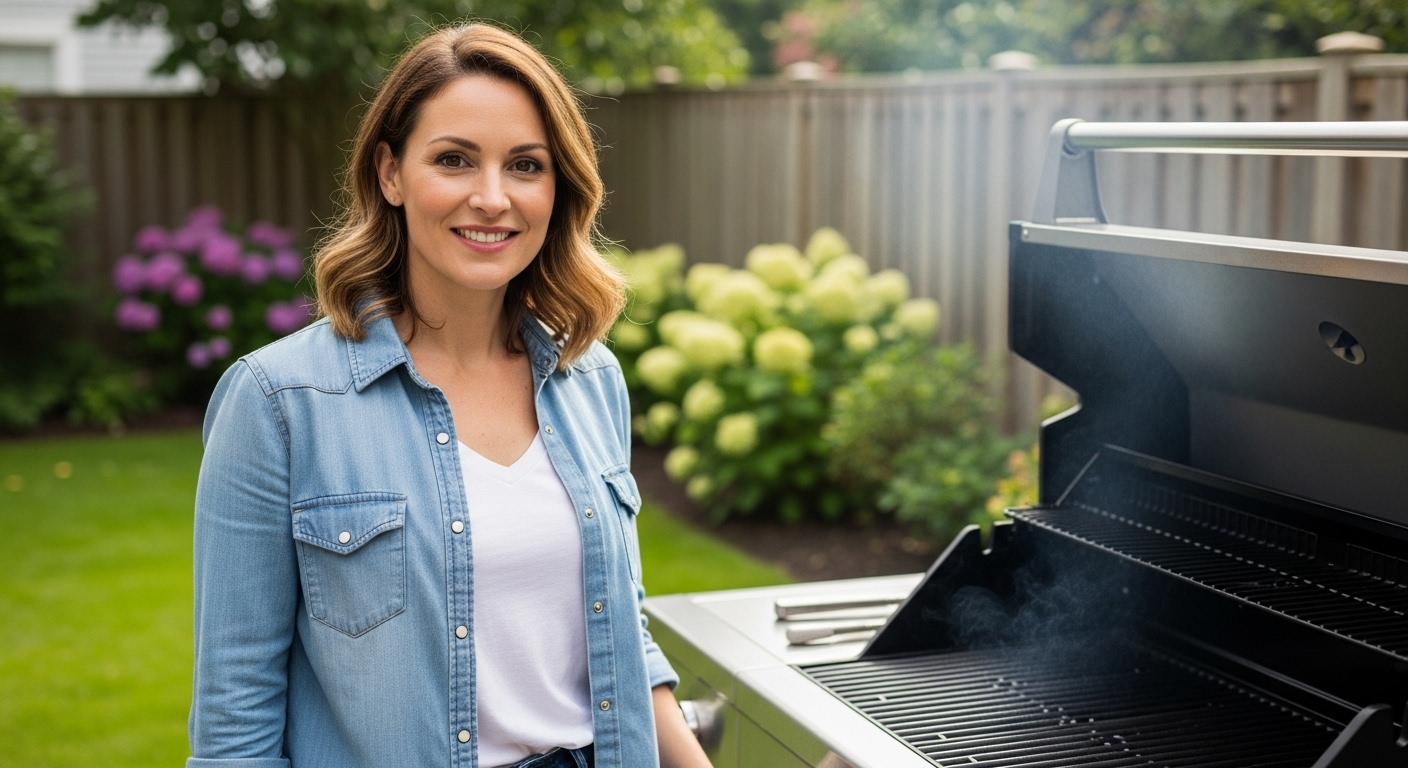

High gusts can quickly disrupt burner temperatures, blow out pilot flames, or even push an unstable cooker across an open patio. Backyard cooks often struggle with gusty afternoons that turn an enjoyable dinner into a frustrating and potentially hazardous guessing game. Understanding how to secure grill from wind protects your expensive equipment from violent tip-overs while maintaining steady cooking temperatures for predictable results. Taking deliberate steps to anchor heavy cookers and deflect turbulent air currents keeps dangerous grease fires and sudden flameouts under control.
Practical physical adjustments such as heavy-duty caster locks, ground anchors, and purpose-built privacy barriers safeguard freestanding outdoor cookers in severe weather. Cooking gear arranged alongside a dedicated patio setup with a built-in backsplash gains immediate protection from persistent cross breezes. Unprotected decks and open patios demand sturdy ground anchors, smart directional positioning, and clear fire clearance zones. Establishing firm mechanical tie-downs before igniting charcoal or gas ensures a dependable, frustration-free grilling session every time.


Essential Strategies for Anchoring and Shielding Your Grill in High Winds
Securing an outdoor cooker against strong atmospheric currents requires a combination of smart positioning, mechanical tie-downs, and sturdy physical barriers. Wind acts as both a mechanical force capable of tipping heavy carts and an aerodynamic disruptor that destabilizes internal burner flames. Addressing both challenges prevents structural damage to patio equipment and eliminates dangerous temperature dips during long cooks. Implementing reliable anchors and strategic deflectors keeps your cooking area secure throughout changing seasonal conditions.
Positioning and Directional Alignment Against Prevailing Winds
Observing localized wind patterns across your deck or yard reveals the safest placement for your cooking station. Most residential outdoor spaces feature predictable air currents channeled by rooflines, property fences, and neighboring structures. Placing your cooker so the lid opens into the wind creates a protective shield for the cooking surface when checking food. In contrast, positioning a grill with its rear exhaust ports facing directly into violent drafts can force hot air back over the control knobs, damaging internal components.
Aligning your cooker perpendicular to steady crosswinds minimizes surface turbulence around the burner tubes. This orientation prevents wind from rushing beneath the hood and extinguishing low-flame settings unexpectedly. If you pair your cooker with a rolling barbecue prep table, arrange the two pieces to form an organized cooking zone that shields fragile prep items. Testing wind flow with a simple ribbon or smoke source before lighting helps identify calm microclimates in your backyard.
Mechanical Anchoring: Straps, Brackets, and Deck Mounts
Freestanding carts with top-heavy cooking boxes are particularly vulnerable to sudden gale-force gusts. Heavy-duty ratchet straps rated for outdoor weather provide an immediate anchor when attached to sturdy deck posts or concrete footings. Securing the straps around the lower tubular frame rather than the lid preserves moving hinges and avoids bending lightweight metal panels. For permanent patio installations, stainless steel L-brackets bolted directly into deck joists offer rigid stability that prevents any shifting.
Masonry anchors driven into concrete patios create secure attachment points for quick-release turnbuckles and steel cables. These tensioning systems pull the bottom frame downward, dramatically lowering the center of gravity without permanently altering the grill housing. Ground stakes driven at least twelve inches into lawn or turf surfaces can secure portable stands during temporary patio reconfigurations. Regularly inspecting anchor bolts for vibration loosening ensures your tie-down hardware remains reliable during peak storm seasons.
Weighting Down Grill Bases and Mobility Carts
Locking caster wheels represents the easiest physical defense against rolling during high winds, but wheel locks alone cannot prevent top-heavy tipping. Adding dead weight directly to the lower storage shelf significantly improves stability on slick patio pavers. Commercial sandbag weights enclosed in weather-resistant vinyl slip easily beneath propane tank holders without blocking access to control valves. Concrete pavers or clean solid bricks placed inside the lower cabinet offer another discreet method to increase base mass.
Dispersing weight evenly across the bottom frame prevents unnecessary torque on fragile caster wheel stems. Large versatile appliances such as a griddle and smoker combo often carry substantial built-in weight, but broad side shelves can still catch strong updrafts like sails. Removing folding side shelves before severe wind events reduces total aerodynamic drag on the cart assembly. Verifying that supplemental weights do not pinch gas supply hoses or contact hot drip trays maintains basic operating safety.
Installing Windbreaks, Privacy Panels, and Patio Screens
Constructing a dedicated physical windbreak stops turbulent drafts before they reach delicate burner ports. Sturdy slatted privacy screens made from cedar, vinyl, or powder-coated aluminum allow partial airflow while diffusing forceful gusts. Solid barricades often create powerful low-pressure eddies behind them, which can unexpectedly suck wind straight downward into the firebox. Slatted structures with approximately twenty percent open spacing gently break wind velocity without generating unpredictable patio turbulence.
Temporary fabric windscreen shields mounted on heavy metal bases can be adjusted as wind direction shifts during the evening. These mobile panels must feature weighted bases or sandbags to prevent the shields themselves from toppling onto hot surfaces. Planting dense evergreen shrubs along property perimeters creates a long-term natural buffer that absorbs seasonal winds year-round. Positioning living windbreaks at an appropriate distance preserves open patio walkways while keeping your outdoor kitchen sheltered.
Managing Airflow, Burner Blowouts, and Grease Hazards
Strong drafts affect more than physical stability; they directly threaten heat control and burner safety. Persistent breezes across open cooktops rapidly strip convective heat, forcing burners to consume excessive fuel to maintain target temperatures. When gusts push flames away from internal thermocouple sensors, automatic safety valves may shut off fuel flow without warning. Charcoal cookers face the opposite challenge, as sudden oxygen surges can stoke fuel beds into uncontrollable flare-ups.
Flame blowouts on gas units introduce a serious risk of combustible fuel accumulation beneath closed hoods. If wind extinguishes a burner flame, turn all control knobs to the off position immediately and wait several minutes before attempting relighting. Wind deflectors installed along burner box perimeters can redirect side drafts without interfering with required bottom ventilation. Keeping drip trays clean prevents hot grease from igniting when swirling winds push stray flames downward toward catch pans.
Managing Charcoal and Pellet Cookers in Gusty Weather
Fuel-specific dynamics require distinct wind handling techniques depending on whether you cook over coals, wood pellets, or gas. Charcoal grills rely heavily on intake dampers, which can draw excessive air when positioned face-first into strong drafts. Turning the intake vents away from the wind prevents runaway temperatures and rapid fuel consumption during low-and-slow cooks. Keeping the lid firmly latched prevents sudden updrafts from lifting the cover and scattering hot ash across your deck.
Pellet cookers present unique vulnerability because strong tailwinds can force air directly down the chimney stack. Backpressure down the exhaust pipe can disrupt the internal combustion fan and force smoke backward into the pellet hopper. A hopper burn-back creates a severe fire hazard that can ruin the auger motor and ignite stored hardwood fuel. Installing a directional chimney cap or turning the exhaust pipe away from oncoming gusts keeps internal pellet airflow moving properly.
Critical Clearance Distances and Enclosed Space Fire Hazards
Attempting to escape gusty patio weather by wheeling a cooker into a garage, carport, or covered breezeway is extremely dangerous. Fuel-burning cooking appliances produce lethal concentrations of carbon monoxide, an odorless and invisible gas that quickly accumulates in semi-enclosed spaces. Opening a garage door or propping open side windows does not provide adequate cross-ventilation to disperse toxic exhaust fumes. Fire codes and appliance safety standards strictly require outdoor fuel-burning units to operate exclusively in fully open-air environments.
Maintaining appropriate physical clearance from combustible patio boundaries remains equally critical during windy conditions. Swirling wind currents carry sparks, embers, and intense thermal plumes far beyond the immediate cooking grid. Cookers must sit at least ten feet away from vinyl siding, wooden fences, overhanging eaves, and dry landscaping. Checking local residential fire ordinances ensures your outdoor cooking station complies with mandatory municipal setback guidelines.
Covering and Securing Idle Grills During Severe Storms
Storing outdoor cookers safely between meals requires proper weather protection to prevent wind damage. Lightweight protective covers act like parachutes during severe storms, catching high-velocity air and pulling entire carts across slick decks. Choosing fitted covers equipped with heavy-duty tension buckles, drawstrings, and velcro straps prevents ballooning in severe gale conditions. Adding external bungee cords around the midsection of the cooker keeps loose protective fabric compressed against the metal chassis.
Removing fabric covers entirely during tropical storm watches or severe gale warnings can eliminate the risk of wind catching the fabric and toppling the frame. If severe weather threatens your region, move portable units into secure ground-level storage sheds after the equipment cools completely. Never store active propane cylinders inside living areas, attached basements, or enclosed garages. Disconnecting the fuel cylinder and storing it upright outdoors in a sheltered, shaded location keeps your home safe during major storms.
Selecting Wind-Resistant Grill Hardware and Deflectors
Cookers built with heavy-gauge materials naturally resist movement better than lightweight sheet metal options. Cast aluminum lids and heavy double-walled stainless steel construction add meaningful ballast that dampens the impact of buffeting drafts. Recessed burner designs place the flame ports deeper inside the firebox, offering natural shielding against horizontal air currents. Choosing units with sturdy wide-stance leg assemblies distributes weight across a broader footprint, dramatically reducing tip risks.
Aftermarket flame guards and magnetic stainless steel wind guards can close excessive air gaps on flat-top griddles and open grills. These deflectors block crosswinds from stripping heat away from cooking plates while preserving proper combustion ventilation beneath the burners. Ensuring that aftermarket guards do not completely seal combustion intake vents prevents dangerous carbon buildup and inefficient yellow flames. High-grade stainless accessories resist warping and corrosion, providing durable wind protection through seasons of outdoor cooking.
Mounting Safety Signage and Outdoor Rules Stations
Managing outdoor cooking areas shared by family members, rental guests, or community residents requires clear communication of operating procedures. Installing weather-resistant instructional signage outlines essential steps for safe lighting, grease management, and shut-down protocols. Sturdy signs crafted from rust-free aluminum and printed with UV-resistant inks maintain legibility despite constant exposure to sun, rain, and driving wind. Pre-drilled mounting holes allow quick installation on nearby deck posts, masonry walls, or patio fences where visitors can easily read basic rules.
Visible safety guidelines remind operators to check caster locks, verify tie-down straps, and inspect burner flames before walking away from active cookers. Prominently posted rules also reinforce critical safety restrictions, such as prohibiting grill operation in enclosed breezeways or under low overhangs. Displaying clear instructions helps prevent accidental grease fires and reminds users to turn off fuel valves securely after cooking finishes. Durable metal signage stands up to high outdoor winds without tearing or peeling away like paper notices.
Practical Post-Cook Routine and Inspection Checklist
Establishing a consistent post-cooking routine ensures your outdoor station remains protected against overnight windstorms. Once cooking ends, shut off burner controls and turn the main gas cylinder valve clockwise until fully closed. Allow all internal grates and grease collection systems to cool completely before reattaching heavy-duty weather covers. Once the unit reaches ambient temperature, engage all caster wheel locks and reattach tie-down cables or tensioning straps.
Inspect your anchoring hardware periodically for signs of metal fatigue, thread corrosion, or slack lines. Check deck screws, concrete anchors, and strap cam buckles to ensure continuous mechanical tension. Sweep away accumulated leaves, dried twigs, and combustible debris that swirling winds frequently deposit around patio burner bases. Taking a few minutes after every cook to verify physical tie-downs protects your investment and ensures a safe patio environment for your next outdoor meal.




Write Your Review
No reviews yet. Be the first to share your experience!