


Outdoor cooks often look for clever ways to keep delicate appetizers, chicken wings, or tender vegetables from slipping between wide cast-iron or steel grate bars. When scanning the kitchen for a quick solution, the question inevitably arises: can i use a cooling rack on the grill without ruining dinner or creating a safety hazard? The short answer is yes, but only if your wire rack features solid, uncoated stainless steel construction. Using the wrong rack over outdoor heat can introduce chemical coatings into your meal or warp your kitchen gear beyond repair.
Understanding heat zones, wire gauges, and material safety makes all the difference when moving baking tools to an outdoor cook surface. Setting up a two-zone cooking system or using a dedicated smoker box allows you to harness the tight crosswire grid of a baking wire rack for smoke circulation without exposing the metal to direct grease flare-ups. Sturdy food-grade steel options from brands like Spring Chef and Checkered Chef handle moderate roasting temperatures well, whereas nonstick or silicone-treated models must stay far away from open fire. Reviewing material limits and cooking methods ensures your barbecue setup stays safe and effective.




The Complete Guide to Using Cooling Racks on Outdoor Grills
Placing kitchen baking accessories onto an outdoor barbecue grate can simplify delicate cooks, but it requires strict attention to metal composition. Backyard cooks frequently turn to wire cooling racks to smoke small appetizers, crisp chicken wings evenly, or keep flaky fish from falling into the fire. Understanding how heat affects different wire alloys ensures you achieve excellent results without compromising food safety. Taking time to inspect your equipment before cooking prevents chemical contamination and protects your cookware from permanent thermal damage.
The Direct Answer: Material Safety and Heat Thresholds
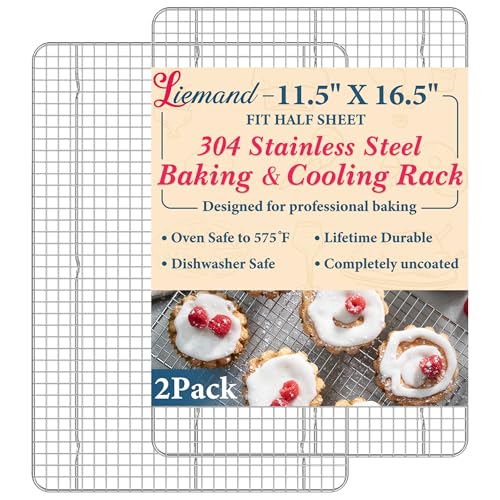
You can safely use a cooling rack on a grill under one primary condition: the rack must be constructed from pure, uncoated food-grade stainless steel. Baking cooling racks are engineered to withstand oven temperatures, commonly rated up to 575 degrees Fahrenheit. Direct charcoal fires and high-output gas burners, however, can easily exceed 800 degrees Fahrenheit. Keeping the rack positioned over indirect heat zones keeps temperatures well within safe operational limits.
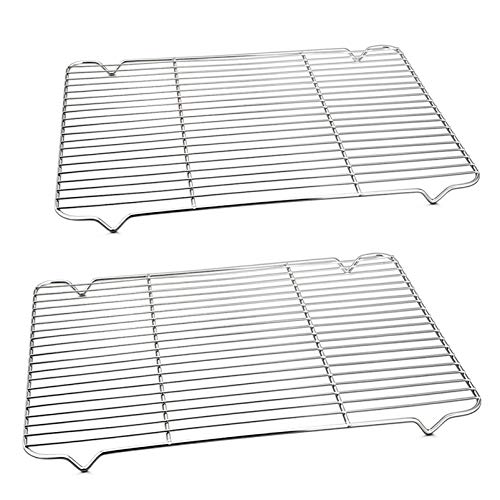
Cooling racks provide a major cooking advantage because their tight wire crosshatch prevents smaller food items from tumbling into the fire bowl. Traditional barbecue grates have wide gaps designed to sear thick steaks and pork chops. Small items like shrimp, sliced zucchini, or chicken wings often slip through those wide bars. A tightly woven wire grid acts as a secondary cooking grate, providing balanced support for delicate foods.
Thermal management remains the deciding factor when cooking with any kitchen accessory outdoors. While heavy cast-iron grates absorb and retain immense heat, cooling racks feature relatively thin wire gauges. These thin wires heat up rapidly and cool down quickly, meaning they will not sear food like a primary grate. Instead, they function as elevated roasting platforms that promote convective airflow around the exterior of meats.
Dangerous Coatings: Why Nonstick and Chrome Racks Fail Outdoors
Many standard household cooling racks are built from inexpensive carbon steel coated with chrome plating or nonstick finishes. These coatings pose a genuine health hazard when exposed to open grill flames and high temperatures. Chrome plating can crack, blister, and flake away from the base metal under rapid temperature shifts, dropping metal shards into your food. Nonstick chemical coatings degrade rapidly above rated temperatures, releasing unpleasant odors and hazardous airborne compounds.
Silicone-coated racks represent another dangerous category that must never touch an outdoor cooking surface. Products like Mrs. Anderson’s Baking Professional Nonstick rack feature silicone coatings that excel at gentle countertop cooling and low-temperature oven work up to 500 degrees Fahrenheit. Manufacturer packaging for these silicone-coated tools explicitly warns against exposing them to direct flame or using them on barbecue grills. Intense radiant heat and grease flare-ups will char silicone coatings quickly, destroying the rack.
Before placing any kitchen rack into your barbecue, perform a quick visual inspection to verify its construction. Uncoated stainless steel has a uniform metallic finish without any painted sheen or slippery nonstick film. If you notice any chipped corners, peeling layers, or rainbow discoloration from past heat exposure, do not use the rack for cooking. Sticking exclusively to bare metal guarantees that no foreign chemicals will migrate into your ingredients.
Solid 304 Stainless Steel: The Only Safe Choice for Grilling
Food-grade 304 stainless steel, also recognized in culinary circles as 18/8 stainless steel, stands as the gold standard for grilling accessories. This specific alloy incorporates chromium and nickel, delivering exceptional resistance to oxidation, rust, and acid corrosion. Racks manufactured from solid 304 steel, such as the heavy-gauge options from Spring Chef, contain zero platings or artificial surface layers. You can scrub them aggressively, subject them to smoke, and wash them in the dishwasher without diminishing structural integrity.
Durable weld joints separate dependable roasting racks from cheap disposable cooling grids. Quality racks employ seamless resistance welding at every wire intersection to prevent the grid from popping loose under thermal expansion. When hot meat sits on the rack, thermal stress concentrates at the outer frame and crossbars. Heavy-gauge border wire prevents the structure from sagging or bowing under the weight of whole chickens, pork roasts, or heavy beef briskets.
Investing in pure stainless steel also protects your food from acidic marinades and salty barbecue rubs. If you are preparing tender skewers or a flavorful grilled Korean beef barbecue, sugars and acidic soy marinades will quickly pit cheap chrome wire. Solid 304 stainless steel resists chemical reactions from vinegar, citrus, and tomato-based glazes. This resilience keeps your food tasting clean and prevents unsightly black oxidation spots from transferring onto your grilled meats.
Direct Flame Versus Indirect Heat: Where to Place Your Wire Rack
Operating a cooling rack outdoors demands a clear understanding of direct versus indirect cooking methods. Direct grilling places food directly above glowing charcoal embers or lit gas burners, creating rapid searing heat. Thin wire cooling racks should never sit directly over an open flame, as intense localized heat can warp the frame and incinerate grease drippings immediately. Flare-ups from rendered fat will lick through the thin grid, scorching your ingredients before they cook through.
Indirect grilling offers the ideal environment for utilizing a stainless steel cooling rack. In a two-zone charcoal setup, you bank all the hot coals to one side of the grill and leave the opposite side completely empty. On a gas grill, you ignite the outer burners while leaving the central burners turned off. Placing your wire rack over the unlit zone allows gentle, circulating convection heat to roast your food evenly from all angles.
Raised support feet play a crucial role in creating effective indirect air circulation. Models from brands like LIEMAND incorporate elevated feet that lift food an inch or more above the base grate or drip pan. This vertical clearance allows warm air to flow beneath the protein rather than trapping moisture against a flat surface. The resulting heat flow promotes crispy skin on chicken thighs without requiring constant turning or flipping.
Managing Flare-ups, Dripping Fats, and Sheet Pan Pairings
Grease management is a primary safety concern when cooking fatty cuts on elevated wire grids. As meats warm up on a cooling rack, liquefied fats drip freely through the narrow wire mesh. If those hot drippings fall directly onto gas flavorizer bars or hot coals, they ignite instantly into tall grease fires. Severe flare-ups can scorch your food, coat your ingredients in bitter soot, and create dangerous runaway temperatures inside the cook chamber.
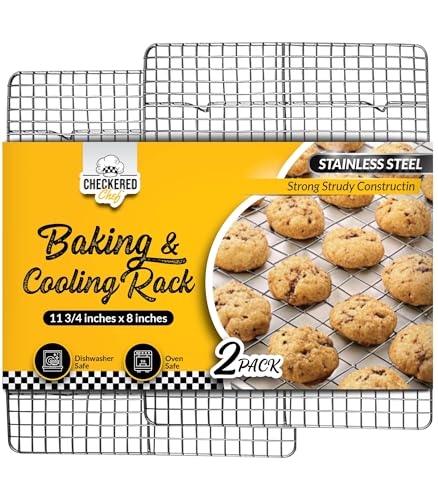
Pairing your stainless steel cooling rack with an aluminum or steel sheet pan solves the grease problem cleanly. Standard half-sheet pans measuring approximately 13 by 18 inches provide ample catchment area for dripping oils and juices. Racks from makers like P&P CHEF or Checkered Chef are specifically dimensioned to nest neatly inside these baking pans. Placing the entire pan assembly on the indirect side of your grill captures every drop of grease safely.
Adding liquid to the drip pan beneath your cooling rack enhances temperature stability and introduces subtle moisture to the cooking chamber. Pouring a cup of water, apple juice, or broth into the sheet pan prevents falling fats from burning against hot metal. This liquid barrier cools drippings and stops smoke from becoming acrid or harsh. The rising steam also helps stabilize internal grill temperature during long afternoon roasting sessions.
Smoker and Pellet Grill Applications for Batch Cooking
Pellet grill owners and barbecue enthusiasts have embraced stainless cooling racks as essential batch-handling tools. Smoking three dozen chicken wings, multiple racks of ribs, or delicate seafood fillets individually on grill grates can be tedious. Placing seasoned meats onto two or three wire racks in the kitchen allows you to load and unload the entire smoker in seconds. This rapid transfer keeps your smoker lid closed longer, preserving precious heat and wood smoke inside the barrel.
Air circulation in a pellet smoker works by convective fan draft, making the wire grid design particularly effective. Because the rack elevates food above solid cooking grates, wood smoke circulates completely around the underside of the meat. You achieve uniform bark formation and an attractive smoke ring across the entire surface of your food. Cooks managing extended smoke sessions with a hopper extension kit for pellet grills appreciate how wire racks maximize cooking capacity.
Delicate foods that normally tear when flipped on heavy cast-iron grates perform exceptionally well on elevated wire grids. Skin-on fish fillets, bacon-wrapped appetizers, and soft meatballs maintain their structural integrity when smoked on a rack. You never have to pry stuck skin away from wide grate bars using a metal spatula. Once cooking completes, you simply lift the entire rack off the smoker and carry it straight to the serving station.
Using Cooling Racks for Pre-Grill Prep and Post-Cook Resting
Stainless steel cooling racks deliver tremendous value well before your food ever approaches the hot grill grates. Seasoning steaks, chops, or poultry on an elevated rack allows excess moisture and salt to distribute evenly around the exterior. When dry-brining meat in the refrigerator overnight, placing the protein on a wire rack inside a rimmed baking sheet promotes air circulation. This drying process is the secret to developing a crisp crust once you sear over high heat.
Resting cooked meats straight off the grill is another area where a heavy wire rack outshines a standard flat cutting board. When you pull a thick steak off the heat and place it on a flat platter, condensation collects beneath the meat. That trapped steam softens the crispy crust you worked hard to build, turning the bottom surface soggy. Setting the hot protein on a raised wire cooling rack allows air to move freely beneath it.
Juice retention remains vital for flavor, so resting over a rimmed baking tray gives you the best of both worlds. The rack holds the meat elevated above the pool of escaping juices, preserving the firm texture of your crust. Meanwhile, the tray underneath catches all flavorful drippings without letting them spill across your counters. You can later whisk those reserved drippings into a finishing sauce or pour them over carved slices.
Cleaning, Sanitizing, and Maintaining Wire Racks After Grilling
Outdoor cooking deposits sticky grease, caramelized barbecue glaze, and carbon residue across every wire of a cooling rack. Cleaning these tight grids requires a slightly different approach than maintaining a standard cast-iron grill grate. Because the individual wires are relatively thin, scraping them aggressively with heavy cast-iron grill scrapers or wire brushes can bend the grid or snap welds. Soaking the rack in warm water with grease-cutting dish soap immediately after use softens stubborn food debris naturally.
Pure 304 stainless steel racks are fully dishwasher safe, which significantly reduces post-cook cleanup effort. After giving the rack a preliminary wipe with a non-abrasive sponge, you can slide it vertically into your dishwasher for a thorough sanitize cycle. Never use harsh abrasive scouring powders or steel wool pads on stainless steel, as tiny carbon particles can embed into the surface and cause rust. A simple paste made from baking soda and water lifts baked-on smoke stains easily.
Practical Takeaways for Safer Outdoor Baking Rack Cooking
Using a cooling rack on your grill is a practical, resourceful technique that unlocks greater versatility for outdoor cooking. The critical rule is keeping coated, nonstick, and chrome-plated metals away from the high heat and open flames of your grill. Sticking strictly to uncoated 304 stainless steel models guarantees food safety and ensures your equipment survives the cook without warping. Pairing the rack with indirect heat zones and a reliable drip pan keeps flare-ups under control and delivers roasted results.
Whether you are smoking a large batch of chicken wings, dry-brining steaks in the refrigerator, or resting a roasted pork tenderloin, wire racks streamline your workflow. They bridge the gap between indoor baking precision and rugged outdoor barbecue heat. Always prioritize safety by checking manufacturer guidelines, monitoring internal grill temperatures, and keeping flammable grease away from open flames. With the right stainless steel rack in hand, you can tackle delicate grilling tasks with confidence.




Write Your Review
No reviews yet. Be the first to share your experience!