


Managing low temperatures and steady smoke on a propane cooker can feel challenging for anyone transitioning from a standard barbecue. Learning how to use a gas smoker grill properly allows outdoor cooks to combine the push-button convenience of liquid propane with the rich wood-fired aroma of traditional pit cooking. Propane burners deliver dependable heat, but achieving tender brisket, ribs, or poultry requires careful control over airflow, moisture, and wood combustion. Pairing your setup with reliable accessories, such as dedicated smoker boxes, ensures steady smoke generation without sudden grease fires or bitter creosote buildup.
Successful gas smoking depends on understanding two distinct cooking zones: steady heat generation below and gentle smoke circulation through the upper cooking chamber. Liquid propane burners supply the thermal energy, while a dedicated chip tray or water pan stabilizes internal temperatures across several hours of cooking. Outdoor cooks often face thin blue smoke turning into harsh white clouds when wood chips ignite too quickly. Mastering gas smoker operation means balancing gas valve adjustments, wood replenishment, and vent settings to maintain a predictable cooking environment.

Pros
- Easy to fill and light with a torch; produces consistent smoke for hours
- Versatile – adds smoke to any grill or smoker, hot or cold
- Sturdy stainless steel construction withstands high heat and outdoor conditions
- Affordable way to get real smoke flavor without a separate smoker
- Bonus accessories add value – cleaning brush and basting brush included
Cons
- Requires a torch for reliable lighting; a Bic lighter won't cut it
- Open end can let small pellets fall out during movement or handling
- Cleaning brush doesn't reach the very bottom – occasional tapping needed to empty ash
The LANNEY Smoke Tube is a simple but brilliant tool for anyone who loves smoky flavor but doesn't own a dedicated smoker. This 12-inch stainless steel tube holds wood pellets and smolders for up to five hours, pumping out thick smoke that infuses your food. It works on any grill – gas, charcoal, electric, or pellet – turning it into a mini smoker in seconds. Whether you're a backyard BBQ enthusiast, a camper wanting smoked burgers over the fire, or a tailgater looking to impress, this tube delivers.
Performance-wise, the tube produces a steady, heavy smoke once properly lit. Users report a noticeable difference in smoke flavor, especially on pellet grills that sometimes burn too cleanly. The hexagonal shape keeps it from rolling on the grates, and the perforated design allows air to flow, keeping the pellets smoldering. You can use any type of wood pellets – hickory, apple, cherry, mesquite – or even wood chips, giving you tons of flavor options. The tube works equally well for hot smoking meats like brisket, chicken, or pork, and cold smoking cheese, fish, or nuts.
Build quality is solid. The tube is made from 304 stainless steel, which resists rust and handles high heat without warping. The open cap design makes filling easy, though you'll want a torch to get the pellets lit properly. Once lit, let it burn for a few minutes, blow out the flame, and place it in your grill. The included silicone basting brush and cleaning brush add convenience, and the two S-hooks let you hang the tube inside a smoker if you prefer.
Setup and cleanup are straightforward. Fill the tube, light it, and place it on the grate. After use, tap out the ashes – the brush helps, but it's a bit short for the full length. The tube is lightweight at 0.6 pounds, so it's easy to pack for camping or tailgating. Just be careful not to tip it over when moving the grill.
One realistic limitation: lighting requires a decent torch. A cheap lighter won't get the pellets glowing. Also, the open end means pellets can spill if you're not careful. But these are minor trade-offs for the performance you get. Overall, the LANNEY Smoke Tube is an excellent, affordable accessory for any outdoor cook who wants real smoke flavor without buying a separate smoker. It's especially useful for pellet grill owners who want extra smoke, or for anyone with a gas or charcoal grill who wants to try low-and-slow smoking. Highly recommended for weekend BBQs, campsite cooking, or tailgating.
This smoke tube shines in several outdoor cooking scenarios:
Backyard BBQ: Add a tube of hickory pellets to your gas grill while cooking burgers or steaks – you'll get that charcoal-smoked taste without the mess. For low-and-slow ribs or brisket, pair the tube with indirect heat for hours of smoke.
Pellet Grill Boost: Many pellet grills produce less smoke than desired. Place this tube inside to supplement smoke, especially during the first few hours of a cook. Works great on Traeger, Green Mountain, and other brands.
Cold Smoking: Use the tube in a cardboard box or small enclosure to cold smoke cheese, salmon, or nuts. The tube burns cleanly without raising temperatures too high.
Camping & Tailgating: The lightweight, portable design means you can bring it anywhere. Fill with pellets, light with a camp stove torch, and add smoke to your campfire cooking or portable gas grill.
Along with the 12-inch smoke tube, the package includes:
Cleaning Tube Brush: A long brush to sweep out ash and residue after use. Note that it doesn't quite reach the far end, but most ash falls out when you tap the tube.
Two S-Hooks: These allow you to hang the tube vertically inside a smoker or grill, which can help with smoke distribution.
Silicone Basting Brush: A flexible, heat-resistant brush for applying sauces or mops during cooking – a handy bonus that saves you from buying one separately.
All items come in a simple box, making the set a great gift for a fellow griller or for your own outdoor kitchen arsenal.


Pros
- Versatile cooking options: grill, smoke, or hang meat all in one unit
- Spacious cooking area handles multiple dishes or large cuts at once
- Sturdy build with weather-resistant coating for long-term outdoor use
- Good heat retention and sealing for efficient smoking and flavor
Cons
- Weighs nearly 38 pounds, so it's not the most portable for camping or tailgating
- Charcoal-only design means you'll need to manage fuel and startup time
- Limited to barrel shape; larger cooks may require careful arrangement
The VEVOR Charcoal Smoker Grill is a barrel-style BBQ smoker that brings serious versatility to your outdoor cooking setup. With an 18.5-inch diameter and a 4-in-1 design, it's built for backyard grillers, BBQ enthusiasts, and anyone who loves smoking brisket, ribs, or whole chickens. You can use it as a standard grill with one or two cooking grates, close the lid for dual-layer smoking, or hang meat from the included rod and hooks for that classic smokehouse flavor.
When it comes to real-world cooking performance, this smoker delivers consistent heat thanks to its excellent sealing. The lid fits snugly, which minimizes heat and smoke loss during long cooks. The built-in thermometer and adjustable top air vents give you solid temperature control, so you can dial in the perfect environment for low-and-slow smoking or faster grilling. The hanging rod with six stainless steel hooks is a standout feature for smoking sausages, jerky, or even whole chickens vertically, letting you pack in more food without crowding the grates.
Build quality is a strong point here. The coated steel body with high-temperature powder coating resists rust, peeling, and the elements, so it's ready for years of backyard parties and weekend BBQs. The two side handles make it easy to move around your patio, and the lid handle has a rubber sleeve for a secure grip even when things get hot. At nearly 38 pounds, it's not the lightest smoker, but it feels solid and stable once set up.
Setup is straightforward, and cleanup is manageable thanks to the removable grates and ash management. You'll need to plan for charcoal management since it's not a pellet or propane unit, but that's part of the fun for traditional BBQ lovers. The cooking area is generous enough for a couple of racks of ribs or a few burgers for a crowd, making it a great choice for outdoor entertaining.
There are a few realistic limitations to consider. The barrel shape means you won't get the same even heat distribution as an offset smoker, so rotating food occasionally helps. It's also not ideal for camping or tailgating due to its weight and size, though it works great on a patio or in a backyard. If you're after a budget-friendly smoker that does a little bit of everything, this VEVOR model is a solid buy.
Overall, this charcoal smoker grill is a practical choice for backyard cooks who want to experiment with smoking without breaking the bank. It's versatile, durable, and delivers good smoke flavor for everything from brisket to burgers. If you're ready to step up your outdoor cooking game, this smoker is worth a look.
Pros
- Independent upper and lower doors prevent heat and smoke loss while replenishing wood chips or water
- Spacious 784-square-inch cooking chamber with four adjustable steel wire racks accommodates multi-level smoking
- Dependable 15,000 BTU cast iron burner with simple push-button electronic ignition
- Sliding dampers on the top and side panels allow for direct draft and airflow control
- CSA certified design backed by a 1-year limited warranty
Cons
- Cabinet thermometer provides general chamber readings, so external probe monitors are recommended for precise meat temperatures
- Requires a standard outdoor liquid propane tank that is sold separately
- Weighs 54 pounds without built-in wheels, requiring manual lifting to relocate
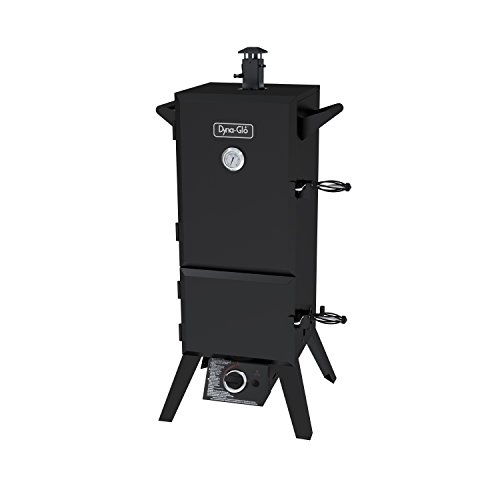
The Dyna-Glo DGY784BDP 36-inch vertical LP gas smoker is built for backyard barbecue cooks who appreciate traditional wood smoke flavor paired with the convenience of propane heating. Measuring 27 inches wide, 19.2 inches deep, and 46.46 inches high, this cabinet-style smoker provides 784 square inches of total cooking space across four adjustable steel wire racks. It suits weekend cooks, growing families, and patio entertainers seeking an approachable entry point into low-and-slow smoking without the labor of building and tending charcoal fires.
Heat output is driven by a 15,000 BTU cast iron burner that ignites via an electronic push-button mechanism. The large front-mounted control dial allows cooks to adjust the gas flame smoothly, while sliding air dampers positioned on the top and side panels help manage cabinet airflow and smoke exhaust. A porcelain-enameled steel wood chip box holds aromatic wood chips beneath a protective lid, while a separate porcelain-enameled water bowl introduces humidity into the chamber to support tender results on long sessions with pork shoulder, ribs, or poultry.
A standout feature of this vertical smoker is its two-door construction. The upper door encloses the active food grates, while the lower door houses the wood chip box and water pan. This separation allows cooks to open the bottom compartment to check fuel and liquid levels without venting valuable heat and smoke from the cooking chamber. The exterior sports a clean black powder coat finish, complemented by a decorative door-mounted temperature gauge to keep track of internal ambient heat.
With an assembled weight of 54 pounds, the smoker provides a sturdy outdoor footprint that fits neatly on decks, patios, and outdoor cooking stations. Setup is straightforward, attaching to a standard propane cylinder for clean combustion. Routine maintenance is equally manageable, as both the porcelain-enameled chip box and water pan lift out easily for ash disposal and grease cleaning. To protect the powder-coated steel from rain and outdoor elements, Dyna-Glo offers a custom-fit premium cover (model DG784GSC, sold separately).
There are a few practical limitations to keep in mind. Like most vertical steel gas smokers, ambient outdoor temperatures and windy weather can affect internal heat retention, calling for occasional valve adjustments. The integrated door gauge gives a helpful baseline reading of chamber temperature, but serious backyard pitmasters will likely prefer using standalone digital probe thermometers to track internal meat temperatures accurately. Additionally, the base lacks transport wheels, meaning repositioning the unit requires a two-person lift or careful carrying.
For cooks looking for a reliable, spacious, and low-maintenance outdoor cooker, the Dyna-Glo 36-inch LP gas smoker delivers balanced functionality at a reasonable price point. Its combination of generous rack capacity, dual-door access, and adjustable airflow makes it an excellent backyard choice for low-and-slow barbecue enthusiasts of any skill level.
Temperature management on the Dyna-Glo DGY784BDP is anchored by its 15,000 BTU cast iron burner and responsive control dial. The electronic push-button ignition ensures smooth lighting, making it easy to establish a consistent flame right from the start.
Airflow adjustment plays an equal role in maintaining a stable cooking environment. Sliding metal dampers located on the upper section and sides allow cooks to throttle the intake and exhaust, dialing in draft velocity and venting excess heat when needed. The upper door features an analog temperature gauge with a decorative ring, providing continuous visual reference of the cabinet heat.
With 784 square inches of total cooking space, this vertical cabinet smoker is designed to maximize usable vertical volume. Four steel wire racks slide into position and can be adjusted or removed entirely to accommodate taller items such as whole chickens or standing roasts.
The multi-tier layout allows you to arrange multiple racks of ribs, sausages, or sides simultaneously without overcrowding. Spreading food across four separate levels also promotes even smoke circulation around each cut throughout the duration of your cook.
Maintaining the Dyna-Glo vertical gas smoker is simple thanks to its removable internal components. The porcelain-enameled water bowl and wood chip box resist sticking, making them quick to wipe down or wash after ash and drippings have cooled.
The steel wire racks slide out easily for scrubbing with standard grill brushes or warm soapy water. To protect the black powder-coated exterior from moisture and yard debris between cookouts, storing the unit under a dedicated outdoor cover such as the custom-fit Dyna-Glo DG784GSC cover is recommended.
Operating a Gas Smoker Grill for Tender Barbecue
Operating a gas smoker grill requires balancing propane burner output, water pan humidity, and controlled wood smolder to maintain steady low temperatures between 225 and 275 degrees Fahrenheit. Unlike charcoal units that demand frequent fire tending, gas smokers provide consistent heat through adjustable control dials and dedicated burner assemblies. The main objective is generating clean, thin blue smoke while keeping the cooking chamber at a gentle indirect temperature. Following an orderly procedure from preheating to food verification ensures juicy, flavorful barbecue on every occasion.
Understanding How Gas Smokers Differ from Standard Grills
Standard gas barbecue grills typically focus on direct heat cooking over open burner tubes at temperatures ranging from 350 to 500 degrees Fahrenheit. Vertical gas smokers, such as the Dyna-Glo DGY784BDP 36-inch model with its 15,000 BTU cast iron burner, isolate food from direct flame using a heat deflector, a wood chip box, and a water pan. This vertical stack design directs rising heat and wood smoke around the wire racks rather than searing meat from underneath. Separating heat generation from the cooking zone creates the gentle, indirect convection necessary for authentic slow smoking.
Traditional gas grills can also function as smokers by applying two-zone indirect cooking techniques or adding specialized accessories. Outdoor cooks can place a perforated stainless steel accessory like the LANNEY smoke tube filled with pellets or chips directly on the flavorizer bars to produce steady smoke over several hours. Understanding whether you are using a dedicated vertical propane cabinet or an adapted gas barbecue dictates where you position your meat, water pans, and wood sources. Both formats depend on precise propane valve regulation rather than solid coal combustion to sustain target internal temperatures.
Essential Pre-Cook Preparation and Burner Inspection
Safe operation begins with inspecting the propane supply, burner connections, and venting before lighting the unit. Examine the flexible propane hose for cracks, abrasions, or loose fittings, and perform a simple soapy water leak test whenever reconnecting the regulator to the tank valve. Check the cast iron or stainless steel burner ports to verify that spiderwebs, rust flakes, or old grease deposits do not obstruct gas flow. Clear burner tubes produce an even blue flame with minimal yellow tipping, which ensures efficient fuel combustion and stable heat output.
Positioning the gas smoker outdoors in an open area is critical for temperature stability and backyard safety. Always set the smoker on a level, non-combustible surface at least ten feet away from wooden decks, vinyl siding, overhangs, and dry foliage. Wind can disrupt the draft inside a gas smoker or blow out a low-set burner, so choosing a sheltered outdoor spot helps maintain a consistent internal climate. Never operate any gas smoker, charcoal unit, or outdoor grill inside an enclosed garage, breezeway, or screened patio.
Rigid Safety Protocols and Carbon Monoxide Awareness
Gas smokers burn liquid propane and smolder solid hardwood, producing odorless, toxic carbon monoxide gas along with open combustion byproducts. Operating a gas smoker grill in a garage, carport, shed, or covered porch creates an immediate risk of carbon monoxide poisoning and catastrophic structure fires. Opening a garage door or operating an exhaust fan does not provide adequate ventilation to make garage operation safe. Authoritative fire safety agencies mandate that all fuel-burning outdoor cookers operate exclusively in open-air environments with unrestricted vertical clearance.
Grease management serves as another critical fire safety measure during multi-hour barbecue sessions. Large roasts like pork butts and briskets release substantial liquid fats that must route into a designated drip pan rather than contacting the open burner assembly. If grease collects in the bottom of the cabinet or near the cast iron burner, a dangerous grease fire can ignite and ruin the meal. Keep a dry chemical fire extinguisher nearby during every cook, and never throw water on an active gas or grease fire.
Setting Up the Wood Chip Box and Choosing Smoke Wood
Clean wood smoke comes from smoldering hardwood chips or chunks without allowing them to burst into active flame. Vertical gas smokers typically include a porcelain-enameled steel wood chip box with a fitted lid that sits directly above the gas burner. The heavy steel enclosure limits oxygen exposure, allowing the wood to char and release aromatic smoke compounds rather than catching fire. Placing dry wood chips or small chunks directly into the tray provides reliable results without the need for soaking.
Soaking wood chips in water is an outdated practice that delays clean smoke generation and lowers cabinet temperatures. Wet wood must first boil off internal water, producing steam before reaching the combustion temperatures needed to create flavorful smoke. Dry hardwood chips or chunks begin smoldering promptly when exposed to the heat of the burner. Different wood varieties, such as hickory, apple, cherry, pecan, and mesquite, yield distinct flavor intensities suited to beef, pork, poultry, or vegetables.
Managing the Water Pan for Moisture and Thermal Stability
The water pan is an indispensable component of any vertical gas smoker system. Situated directly above the wood chip box, a porcelain-enameled steel water bowl absorbs radiant heat from the burner and acts as a thermal buffer. Water cannot exceed 212 degrees Fahrenheit at sea level, which prevents rapid temperature spikes inside the cooking cabinet. This stabilizing effect is particularly valuable during warm summer afternoons or windy days when ambient conditions fluctuate.
Adding hot liquid to the water pan before lighting the burner helps the smoker reach its target operating temperature quickly. Cold water forces the propane burner to expend substantial energy just heating the liquid, extending preheat times unnecessarily. As water evaporates during a five-hour or eight-hour cook, it creates a humid environment that helps smoke adhere to the meat surface and reduces exterior drying. You can also pair your smoked meats with a glaze or sauce, such as a tart cranberry barbecue sauce, during the final hour of cooking to create a delicious bark.
Step-by-Step Lighting and Temperature Calibration
Lighting a gas smoker follows a precise sequence to prevent unburned propane from accumulating inside the cabinet. Open the upper cooking door and lower firebox door completely before turning on the gas cylinder valve. Rotate the burner control knob to the high position and depress the electronic push-button igniter until the burner lights. Observe the flame through the viewing port or open door to verify ignition before closing the lower access door.
Once the flame is established, close the doors and allow the smoker to preheat for fifteen to twenty minutes. Adjust the rotary control dial downward toward medium or low to stabilize the internal cabinet temperature between 225 and 250 degrees Fahrenheit. Monitor the built-in door thermometer, but verify the actual grate-level temperature using a digital probe thermometer for greater precision. Built-in dome gauges often register heat higher or lower than the rack where your food actually rests.
Regulating Airflow Dampers and Exhaust Vents
Proper airflow determines whether your meat receives sweet, savory smoke or bitter, soot-heavy creosote. Vertical gas smokers, like those in the Dyna-Glo lineup, feature sliding side intake dampers and a top exhaust vent to manage internal draft. The top exhaust damper should remain at least half open, and often fully open, throughout the entire cooking process. Keeping the top vent open allows stale smoke to exit freely while drawing fresh oxygen past the smoldering wood chips.
Side dampers help balance oxygen intake around the burner housing to keep the flame burning clean and blue. Closing the dampers too tightly starves the wood of oxygen, leading to dirty, acrid white smoke that deposits a bitter aftertaste on the food. Opening the dampers excessively can create too strong a draft, pulling excessive heat out of the cabinet and wasting fuel. Adjust dampers in small quarter-inch increments and wait fifteen minutes to observe the temperature and smoke density before making further changes.
Arranging Food and Monitoring Indirect Cooking Zones
Proper spacing on the cooking grates ensures heat and smoke circulate evenly across every piece of meat. Avoid overcrowding the wire racks, leaving at least one inch of clearance between roasts, racks of ribs, or poultry halves. Food placed on the lowest rack will experience slightly higher radiant heat from the water pan, making it ideal for large cuts like pork shoulder. More delicate cuts, such as fish fillets or chicken wings, perform best on the upper racks where convection heat is gentler.
Double-door smoker cabinets offer a distinct operational advantage during multi-hour cooks. Opening the lower door allows outdoor cooks to replenish wood chips or top off the water pan without venting heat from the upper food chamber. In single-door smokers or modified charcoal units like the VEVOR barrel smoker, opening the lid releases both heat and moisture at once. Minimizing lid openings keeps cooking times predictable and maintains the stable temperature required for collagen breakdown.
Replenishing Wood and Water During Long Cooks
Most wood chip trays provide between forty-five and ninety minutes of active smoke before requiring replenishment. When the smoke exiting the top damper diminishes, open the lower firebox door while wearing heat-resistant barbecue gloves. Slide the chip box lid open carefully and add a fresh handful of dry hardwood chips directly over the smoldering embers. Avoid overloading the tray, which can smother the existing coals or cause the wood to ignite into open flames.
Check the water bowl every two to three hours to ensure it does not run dry during extended barbecue sessions. If the pan empties, dripping animal fat can scorch against the hot metal, producing foul-tasting smoke and sudden internal heat spikes. Use a heat-safe pitcher or electric kettle to pour hot water directly into the bowl through the lower access door. Adding warm water prevents sudden thermal drops that force the propane burner to work harder to maintain cooking equilibrium.
Troubleshooting Flameouts, Flare-ups, and Dirty Smoke
Flameouts can occur when sudden wind gusts blow into lower burner vents or when the propane tank runs empty. If you notice the cabinet temperature dropping rapidly and see no smoke, turn off the burner dial and the propane cylinder valve immediately. Open both cabinet doors and wait at least ten minutes for accumulated gas to disperse into the open air before attempting reignition. Never attempt to ignite a gas smoker while the doors remain closed, as trapped gas can cause a dangerous flash fire.
Dirty white or billowing gray smoke indicates incomplete wood combustion, wet fuel, or inadequate exhaust ventilation. Rectify this issue by opening the top damper fully to release stale smoke and checking that the wood chips are smoldering rather than smoldering under ash. If the chips ignite into active flames, close the lower side dampers slightly to reduce oxygen to the chip box. For cooks who prefer hands-off fuel feeding, reading about vertical cabinet smokers highlights how automated auger systems differ from manual gas chip trays.
Post-Cook Maintenance, Cleaning, and Seasonal Storage
Proper cleaning preserves the lifespan of your gas smoker and prevents rancid grease buildup between outdoor cooking sessions. Once the smoker cools completely, remove the cooking grates, water bowl, and wood chip tray for cleaning. Empty accumulated wood ash into a metal container, as lingering damp ash can become acidic and corrode the steel firebox over time. Wash the grates with warm soapy water and a nylon grill brush, avoiding abrasive metal tools that scratch protective coatings.
Wipe down the interior cabinet walls with a damp cloth to remove loose soot without stripping the natural seasoning layer. Check the grease drain hole and collection cup to ensure fats drain freely and will not cause blockages during subsequent cooks. Disconnect the propane tank if storing the smoker inside an outdoor shed, and always store the gas cylinder outdoors in a well-ventilated area. Covering the smoker with a heavy-duty vinyl cover shields the powder-coated exterior and electronic ignition components from moisture and UV damage.
Mastering a gas smoker grill ultimately comes down to patience, consistent heat regulation, and trusting reliable meat thermometers rather than relying on strict clock watching. Verifying internal doneness with a calibrated food thermometer guarantees that your smoked pork, poultry, and beef reach safe temperatures while retaining maximum tenderness. With regular cleaning, proper wood management, and careful damper adjustments, your outdoor gas smoker will deliver restaurant-quality barbecue across countless backyard gatherings.




Write Your Review
No reviews yet. Be the first to share your experience!