


Cooking outdoors on a blustery afternoon introduces distinct thermal challenges that can quickly turn a casual barbecue into an unpredictable chore. When sustained gusts sweep across your deck, asking can i grill on a windy day becomes an essential question of fire safety and temperature control. High-velocity winds rob heat directly from your grill firebox, cause uneven cooking surface temperatures, and can even blow out gas flames while fuel continues to flow. Understanding how moving air affects heat retention helps you maintain steady cooking conditions and prevents serious outdoor hazards.
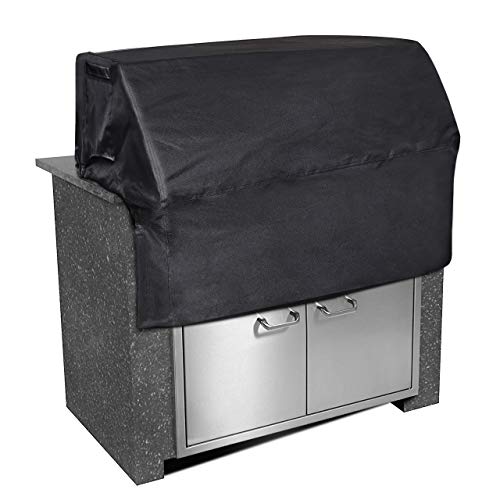
Different fuels also respond uniquely to shifting outdoor air currents, whether you manage sudden oxygen surges in a charcoal kettle or battle temperature drops in a pellet smoker. Preparing a stable cooking area requires positioning the unit safely, monitoring flare-ups, and securing your station with heavy-duty accessories like the iCOVER Grill Cover 65 Inch once the fire is extinguished. Cooks planning permanent backyard setups often integrate custom outdoor island kits to provide natural structural shielding against localized wind tunnels. Taking these basic precautions keeps your outdoor cooking enjoyable, predictable, and secure through every season.



Mastering Backyard Grilling in Windy Conditions
Mastering outdoor cooking during blustery weather requires a solid understanding of thermodynamics, airflow dynamics, and outdoor fire safety. While light to moderate breezes can often be managed with straightforward tactical adjustments, severe gusts present real hazards that can spoil dinner or cause structural property damage. Knowing how wind interacts with your specific grill type allows you to take command of the cookout rather than falling victim to changing weather patterns. With the right approach to equipment placement and heat control, you can produce excellent barbecue while keeping your cooking area completely secure.
The Direct Answer: When Grilling in the Wind Is Safe and When to Stop
High winds require an honest evaluation of whether lighting an outdoor fire is practical or dangerous. As a general operational rule, outdoor cooking remains manageable in light to moderate breezes ranging between five and fifteen miles per hour. Once sustained winds exceed twenty miles per hour, or gusts begin rattling patio furniture, the risk of flare-ups, flame blowouts, and escaped embers escalates significantly. In severe weather or during declared regional fire warnings, postponing your outdoor meal is the only responsible decision.
Assessing safety also involves checking your immediate physical surroundings for airborne debris and flammable materials. Dry autumn leaves, paper plates, and low-hanging tree branches become immediate hazards when embers or heat plumes drift off course. Inspecting the cooking area before striking a match ensures that a sudden shift in wind direction will not blow open flames toward a wooden fence or deck railing. If you cannot maintain complete control over your cooking environment, shifting your meal indoors is the smartest choice.
Gas Grill Challenges: Flame Blowouts and Gas Accumulation
Propane and natural gas grills face unique mechanical hazards when exposed to aggressive wind gusts. A sudden cross-breeze can easily extinguish burner flames hidden beneath the cooking grates, particularly when the grill runs on a low heat setting. If a flame blows out unnoticed while the control knob remains open, unburned gas continues to flow and accumulate inside the closed firebox. Attempting to ignite the grill again under these conditions can trigger a dangerous flash fire or gas explosion that poses severe injury risks.
Maintaining regular vigilance over your burners is the primary defense against hazardous gas buildup. Grillers should frequently check viewing ports or briefly lift the hood to verify that the blue flame remains active across every burner tube. If you discover a flame blowout, immediately turn off all burner control dials and close the tank valve. Leave the grill lid wide open for at least ten to fifteen minutes so the accumulated vapors disperse safely into the outdoor atmosphere before attempting to relight.
Charcoal Grilling Hazards: Accelerated Burn Rates and Flying Embers
Charcoal grills respond to incoming wind much like a blacksmith forge responds to an open bellows. Moving air forces extra oxygen directly through the bottom intake vents, driving fuel temperatures to extreme, uncontrollable levels. A bed of briquettes or lump charcoal that normally burns steadily at medium heat can rapidly surge into a scorching fire that chars the exterior of your food while leaving the interior raw. This rapid, oxygenated combustion also consumes fuel at twice the standard rate, cutting your expected cooking session short.
Flying sparks present an even greater hazard for charcoal enthusiasts cooking during a windy afternoon. When you lift the kettle lid to flip food or rearrange coals, strong gusts can sweep across the fire grate and send live embers drifting across your property. Managing your bottom and top vents with precision helps restrict excess airflow and keeps sparks contained inside the cooking chamber. When preparing recipes like marinated pork barbecue skewers, monitoring charcoal heat stability prevents delicate sugars in the sauce from scorching under fluctuating temperatures.
Pellet Grills and Smokers: Temperature Swings and Hopper Backdrafts
Pellet grills rely on automated digital controllers and internal induction fans to maintain balanced cooking temperatures. Strong winds blowing directly into the rear exhaust vents disrupt this factory-calibrated airflow, confusing internal temperature probes and creating erratic heat swings. When chilled outdoor air cools the metal barrel rapidly, the automated controller attempts to compensate by pushing extra wood pellets into the firepot. This overfeeding cycle frequently results in smoldering fuel, heavy white smoke, and massive temperature overshoots once the fire recovers.
A more serious mechanical hazard during turbulent weather is the possibility of a burnback into the wood pellet hopper. If heavy gusts push pressurized air backward down the exhaust stack, the draft through the auger tube reverses direction, drawing heat directly toward the dry pellet supply. Adding accessories like pellet hopper extension kits requires double-checking that all hopper lids remain tightly latched during windy cooks. Regularly checking that smoke exits freely through the chimney rather than seeping out of the hopper lid helps confirm that internal airflow remains normal.
Ideal Grill Positioning and Why Enclosed Spaces Are Never an Option
Positioning your cooking equipment correctly relative to the breeze makes a substantial difference in temperature control. Cooks should always position the grill so the prevailing wind strikes the back of the closed lid rather than blowing straight into the front control panel. Aligning the unit in this manner creates an aerodynamic shield that deflects chilly gusts away from burner tubes and fireboxes. Placing the grill on a firm, level surface also ensures that top-heavy carts or vertical smokers do not tip over during sudden gale-force blasts.
Fire safety rules dictate an absolute, non-negotiable standard regarding grill placement. Fuel-burning grills must never be operated inside a garage, breezeway, carport, or covered porch, even if the overhead garage door is rolled completely open. Burning charcoal, propane, and wood pellets produces lethal concentrations of invisible carbon monoxide gas, which rapidly accumulates to deadly levels in semi-enclosed structures. Unpredictable wind currents can also drive intense heat plumes into ceiling rafters or ignite nearby stored chemicals, making an open outdoor clearance of at least ten feet from any building mandatory.
Heat Management Strategies: Lid Position and Cooking Adjustments
Keeping the grill hood firmly closed is mandatory whenever you cook in brisk weather. Every time you lift the lid, rushing ambient air sweeps away the thermal bubble inside the chamber, causing internal temperatures to plunge within seconds. This rapid heat loss forces your fuel source to burn harder to regain temperature, extending cooking times and drying out tender cuts of meat. Relying on digital leave-in meat thermometers lets you monitor cooking progress accurately without constantly exposing your grates to chilly crosswinds.
Modifying your food choices and cooking techniques can also simplify windy barbecuing sessions. Selecting foods that cook quickly, such as burgers, thin steaks, or pre-cut seafood, reduces the total duration your equipment needs to contend with the breeze. For thicker roasts, establishing a stable two-zone indirect cooking setup prevents the exterior of the meat from burning while the core reaches target doneness. Brushing on sweet marinades or barbecue glazes should be reserved for the final moments of cooking to avoid sudden flare-ups caused by swirling winds.
Preparing Your Cooking Station Before Lighting the Fire
Thorough workspace organization minimizes the time you must spend standing over a windy firebox. Backyard cooks should prepare all platters, cutting boards, basting brushes, and heavy tongs indoors before striking a match outdoors. Securing lightweight supplies like paper towels, aluminum foil rolls, and paper plates inside weighted bins keeps them from blowing into the fire grates. Having your entire mise en place arranged beside the grill allows you to transfer food onto the grates and shut the hood in a single, fluid motion.
Setting up a non-flammable windbreak can also provide helpful shelter for your cooking station. Positioning the grill near a solid brick patio wall, an outdoor privacy fence made of stone, or heavy masonry planters deflects incoming gusts effectively. However, cooks must never construct makeshift shields out of plywood, plastic sheeting, or cardboard, as these materials create severe fire hazards when exposed to stray sparks. Always verify that any windbreak maintains proper ventilation clearances so exhaust gases and grease fumes escape safely into the upper air.
Post-Cook Safety: Cooling Down and Securing Equipment Against High Winds
Fire safety remains just as critical after you transfer the finished meat onto a serving platter. Once your cooking session wraps up, immediately shut off all fuel supplies, including the cylinder valve on propane setups and all burner control dials. Charcoal cooks must fully close both the top exhaust damper and the bottom air intake vent to starve the coals of oxygen and extinguish remaining briquettes. Never dump warm ashes into plastic bins or onto landscaping beds, because live charcoal embers can smolder silently for more than twenty-four hours before igniting.
Outdoor cooking appliances must cool down completely before you attempt to cover or store them. Installing a weather cover over a hot grill firebox creates an immediate fire hazard and can melt synthetic waterproof liners onto the metal finish. Once the metal exterior reaches ambient room temperature, lock all caster wheels on movable carts so high overnight gusts do not push the grill across the patio. Storing loose grilling tools and lighter fluid inside latching outdoor storage bins prevents them from becoming flying hazards during nighttime wind storms.
Selecting Wind-Resistant Covers to Protect Outdoor Cooking Gear
Protecting your investment after the cook requires a heavy-duty grill cover tailored to withstand turbulent conditions. Lightweight protective covers often act like sails during storms, catching the breeze and billowing until they tear apart or pull the grill over. High-density oxford fabrics equipped with waterproof backing and reinforced double stitching offer durable defense against tearing, fading, and intense wind pressure. Options such as the iCOVER Grill Cover 65 Inch or the iCOVER Built-in Grill Cover 45 Inch feature durable polyester construction built to handle severe weather year round.
Integrated air pockets and fastening hardware provide the mechanical stability needed on breezy patios. Concealed mesh air vents allow crosswinds to pass through the cover naturally, which reduces ballooning and prevents trapped condensation from causing rust. Adjustable side buckle straps, drawstring closures, and elasticized bottom hems allow grillers to cinch the fabric snugly around the base of the cart or island. Taking the time to fasten these straps securely ensures your outdoor cooker stays clean, dry, and anchored until your next backyard cookout.
Managing a gusty afternoon requires situational awareness, careful fire management, and respect for outdoor conditions. By aligning your grill correctly, keeping the lid shut, and watching for gas blowouts or flying embers, you can overcome challenging weather safely. Knowing when the wind is too fierce to cook outdoors protects your home and family from preventable accidents. With the proper safety precautions and durable weather protection in place, outdoor grilling remains an achievable and rewarding experience.




Write Your Review
No reviews yet. Be the first to share your experience!