


Grilling outdoors brings family and friends together for memorable meals, but stuck-on marinade and charred grease can quickly turn cooking grates into a frustrating mess. Knowing how to clean weber porcelain grill grates without damaging their protective glossy finish is essential for every backyard cook who wants consistent heat and effortless food release. Weber equips many of its gas and charcoal models with porcelain-enameled grates because the glass-like coating shields the underlying metal from rust while conducting steady heat across the entire cooking surface. Sticky glazes like a cranberry barbecue sauce can leave stubborn, caramelized sugars behind after a cookout, making regular upkeep critical. Taking care of these grates requires a balanced technique that lifts stubborn debris without scratching or chipping the delicate outer enamel.
Many grill owners accidentally ruin their grates by attacking carbon deposits with harsh steel wool, stiff wire scrapers, or aggressive industrial chemicals. Those abrasive tools can create hairline fractures in the porcelain layer, exposing the raw cast iron or steel beneath to air and moisture, which inevitably leads to rust. By establishing a smart maintenance habit that combines gentle heat burn-offs, non-abrasive scrubbing tools, and simple household cleaning agents, you can preserve the smooth finish of your cooking grates for years. Adopting proper cleaning practices ensures safer grilling, eliminates bitter burnt flavors from previous meals, and protects your investment season after season.

Pros
- Effective on heavy grease and charred food residue from low-and-slow smokes
- Works well on both cold and warm surfaces for flexible cleaning after grilling
- Economical - a little goes a long way for multiple cleaning sessions
- Rinses clean without leaving sticky residue that could affect food flavor
Cons
- May require multiple applications for heavily caked-on grime from years of use
- Strong chemical smell during application - use in well-ventilated area
- Not recommended for aluminum surfaces or painted grills
If you spend any time grilling, smoking, or cooking outdoors, you know the cleanup is the least fun part. This heavy-duty grill cleaner is designed to tackle exactly that chore, making it a solid addition to any outdoor cooking setup. It's a spray-on degreaser that works on BBQ grills, smokers, ovens, flat top griddles, and even camping stoves - basically anything that gets coated in grease and carbon after a cookout.
This cleaner is best suited for backyard grillers who fire up their gas or charcoal grills weekly, BBQ enthusiasts who smoke brisket low and slow, campers who need to clean their portable stove after a trip, and tailgaters who want their gear ready for the next game. If you own an RV and cook inside or outside, this is also handy for keeping the oven and grill grates spotless.
In real-world use, the cleaning performance is impressive. It cuts through baked-on grease and charred food residue without requiring heavy scrubbing. After a long smoking session where the grates are covered in black carbon, a few sprays and a short wait let you wipe it away. It doesn't completely eliminate scrubbing, but it reduces elbow grease significantly. The formula works on both warm and cold surfaces, so you can spray right after cooking or let it sit overnight on tough buildup.
Build quality is straightforward - it comes in a standard spray bottle with a trigger nozzle that delivers a wide or narrow stream. The nozzle doesn't clog easily, which is a common issue with thick cleaners. It's safe on porcelain, stainless steel, and cast iron grates, but you should avoid aluminum and painted surfaces. The spray can reach into tight corners of smoker racks and between grates, making it easier to clean those hard-to-reach spots.
Setup and use are simple: spray on, let it sit for a few minutes, scrub if needed, then rinse with water. Cleanup is quick, and the cleaner rinses away without leaving a sticky film that could affect your next meal's flavor. Storage is easy - just keep the bottle in your garage or under the sink. One limitation is that heavily caked-on grime from years of neglect may require multiple applications. Also, the chemical smell is strong, so you'll want good ventilation when using it.
Overall, this is a practical buy for anyone who cooks outdoors regularly. It saves time and effort on cleanup, which means more time enjoying your backyard parties, tailgates, or campsite meals. If you're tired of scrubbing forever after a great cookout, this cleaner makes the after-work much easier. Just remember to wear gloves and work in a well-ventilated area, and your grills and smokers will look like new after each use.
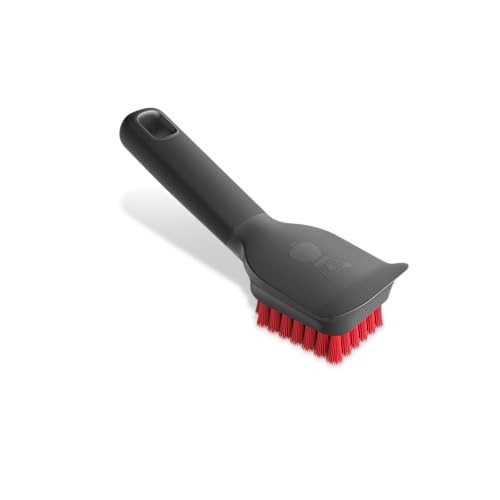
Pros
- Specifically designed for Weber grills, ensuring a safe fit on all grates and cookboxes
- Scratch-free bristles protect porcelain-enameled grates and other delicate surfaces
- Comfortable rubberized grip with a rigid handle that won't flex during scrubbing
- Effective scraper edge lifts burned-on debris without extra effort
- Great value for a multi-purpose cleaning tool that simplifies post-cook cleanup
Cons
- Only tested for Weber grills – may not fit or clean non-Weber grates as effectively
- Bristles may wear down faster under heavy daily use compared to heavy-duty wire brushes
- No built-in hook or hole for hanging storage, requiring a separate solution to keep it organized
If you own a Weber grill, you already know that keeping the grates clean is key to consistent heat and flavor. The Weber Cool Clean Scraper Brush is a purpose-built tool designed to tackle that job safely and efficiently. It's not a grill itself, but rather an essential cleaning companion for anyone who takes their outdoor cooking seriously. Whether you're flipping burgers for a backyard party, smoking a brisket low and slow, or running a quick camp stove meal, this brush helps maintain your gear without scratching or damaging the surfaces.
This brush is best suited for backyard grillers, BBQ enthusiasts, campers, tailgaters, and RV owners who use Weber grills. The 2-in-1 design combines a bristle brush with a scraper edge, so you can loosen stuck-on grease and char then sweep it away in one motion. The no-flex handle provides a firm, comfortable grip even when your hands are greasy or wet. It's light enough to toss into a camping bin or tailgate kit, making it a practical choice for cooks on the go.
In real-world use, the Cool Clean Scraper Brush shines on porcelain-enameled grates and flat-top surfaces. After a long cook, I let the grill cool, then used the scraper to lift bits of burnt marinara and burger residue. The bristles slide across the metal without leaving marks, and the handle stays solid – no bending or wobbling. While it won't replace a deep cleaning with a wire brush for heavy caked-on grime, it handles daily grease and drips with ease. The downside is that the bristles aren't as aggressive as steel wire, so if you leave the grill dirty for weeks, you may need extra elbow grease.
Build quality is typical Weber – reliable plastic with a rubberized grip. The brush head is securely attached, and the scraper edge is molded plastic, which is scratch-free but won't tackle metal-on-metal buildup like a steel scraper would. The compact size (3 x 3 x 7.88 inches) fits easily in a drawer or tool bag. Cleaning the brush itself is simple: rinse with water and wipe dry. There's no complex maintenance, just basic care to prevent grease buildup on the bristles.
One limitation is that Weber designed this specifically for their own grills. While it may work on other brands with similar grate spacing, the fit is not guaranteed. For campers or tailgaters using non-Weber portable grills, this might not be the best universal choice. Also, the brush lacks a hanging loop, so you'll need to store it flat or find a hook solution. For the price, though, you get a dedicated tool that protects your investment and makes post-cook cleanup faster.
Overall, the Weber Cool Clean Scraper Brush is a smart buy for Weber owners who want a safe, effective way to keep their grates and cookboxes in top shape. It won't replace heavy-duty scrubbing for years of neglect, but for regular maintenance after every backyard BBQ, camping trip, or tailgate, it's a convenient, affordable addition to your outdoor cooking kit. If you've ever ruined a grate with a metal brush or struggled with a wobbly handle, this is a refreshing upgrade.

Pros
- Heavy-duty cast iron with porcelain enamel coating provides excellent heat retention and even cooking across the entire grate
- Non-stick glossy finish makes cleanup effortless and resists rust and corrosion better than bare cast iron or cheap coatings
- Designed specifically for Weber Genesis 300 series (2007-2016) ensuring a perfect drop-in fit without any modifications
- Wide flat slats and narrow gaps prevent small foods from falling through, great for grilling fish, veggies, and delicate items
Cons
- Does not fit Weber Genesis II 300 series or Genesis II LX 300 series, so check your grill model before buying
- At 15.83 pounds, these grates are significantly heavier than standard replacements, which may be a consideration for those who frequently remove grates for cleaning or storage
- Porcelain enamel coating can chip if dropped or struck with metal utensils, though the coating is durable for normal grilling use
If you own a Weber Genesis 300 series grill from 2007 to 2016 and your original grates are showing their age, the QuliMetal Porcelain-Enameled Cast-Iron Grill Grates are a solid upgrade. This set of two grates is designed to replace Weber part numbers 7524 and 7528, fitting models like the E310, S310, E320, S320, E330, and S330. They also work with some KitchenAid grills, making them a versatile choice for backyard grillers who want to breathe new life into their setup.
These grates are built for serious outdoor cooking. The cast iron core holds heat exceptionally well, giving you even temperatures across the entire cooking surface. That means consistent searing on steaks, steady heat for burgers, and no cold spots when you're grilling for a crowd. The porcelain-enamel coating adds a glossy non-stick surface that makes cleanup a breeze. After a weekend BBQ, a quick scrape and wipe is all you need, no heavy scrubbing required. This coating also resists rust and corrosion, which is a big plus if you store your grill outdoors or in a damp garage.
One standout feature is the weight. At nearly 16 pounds for the pair, these grates are noticeably heavier than most standard replacements. That extra heft means they sit solidly on the grill, reducing the chance of warping over time. The design includes flat wide top slats with smaller gaps between the rods, so delicate foods like fish fillets, asparagus, or sliced vegetables won't slip through. The pre-seasoned surface gives you good food release right out of the box, though you can still apply a light oiling before first use for extra non-stick performance.
Installation is straightforward. They drop right into the grill without any tools or modifications. Just remove your old grates, place these in, and you're ready to fire up. For tailgaters or campers who use their Genesis grill on the patio, this easy swap means you can upgrade quickly before a big cookout. The heavy weight does make them a bit more cumbersome to lift out for deep cleaning, but that's a trade-off for the durability and cooking performance.
Keep in mind these grates only fit the original Genesis 300 series, not the newer Genesis II or Genesis II LX models. Also, while the porcelain enamel is tough, it can chip if you drop a grate on concrete or scrape it with a metal spatula aggressively. Using wooden or silicone tools helps preserve the finish. Overall, for backyard BBQ enthusiasts who value heat retention, easy cleanup, and a perfect fit, these QuliMetal grates are a practical and affordable replacement that will improve your grilling experience.
Complete Guide to Cleaning Weber Porcelain Grill Grates
Keeping porcelain-enameled grill grates in peak condition does not require harsh chemicals or abrasive scouring pads. A dependable routine relies on understanding how porcelain behaves under heat, using tools that lift carbonized residue gently, and knowing when a mild soak is best. Follow this practical guide to keep your cooking grates spotless, nonstick, and completely free of corrosion.
Understanding Porcelain Enamel and Why It Requires Gentle Care
Porcelain enamel is a specialized glass coating fused to a metal core at high temperatures. On Weber grills, this enamel covers cast iron or stamped steel to create a smooth, non-porous cooking barrier. The glossy finish prevents rust while promoting consistent food release during cooking. Because this surface is glass, it requires gentle cleaning methods compared to bare metal.
The main vulnerability of porcelain enamel is mechanical impact and abrasion. Stiff steel scrapers, dropped tools, and sharp utensils can chip or crack the glass layer. Once micro-fractures develop, moisture and cooking acids reach the metal beneath and cause rust. As iron oxidizes, it expands and pushes the enamel outward until it flakes away.
Unlike bare cast iron, porcelain does not absorb oil to build a polymerized seasoning layer. Carbonized grease simply sticks to the top of the smooth glass surface. Scraping forcefully to remove this grease is unnecessary and risks damaging the finish. Gentle chemical softening and mild heat burn-offs lift carbon far more safely.
Everyday Cleaning Routine After Grilling
The easiest time to clean porcelain grates is right after cooking while the grill is still warm. Once you remove the food, close the lid and set the burners to medium-high heat. Let the grill run for ten to fifteen minutes to burn leftover drippings into powdery ash. This short burn-off loosens the bond between stubborn grease and the porcelain surface.
After burning off the residue, shut off the burners and let the grates cool slightly. Use a non-scratch tool, such as the Weber Cool Clean Scraper Brush, to brush away the loosened debris. The durable nylon bristles and wide scraper lift ash without gouging the enamel finish. Always brush parallel to the grate bars to clean the sides efficiently.
Once the grates cool completely, wipe them down with a damp cotton cloth or paper towel. This step sweeps away fine carbon dust that could otherwise transfer bitter flavors to future meals. You can add a drop of cooking oil to the cloth to leave a light protective barrier against outdoor humidity. Never wipe the grates while the burners are lit or hot enough to burn paper.
Deep-Cleaning Weber Porcelain Grates for Heavy Carbon Buildup
Even with regular burn-offs, thick grease deposits will accumulate in corners over a busy season. When carbon crust becomes stubborn, a gentle soak provides a safe restoration method. Wait until the grill cools completely before removing the grates from the cookbox. Place the grates in a large plastic tub or a sink lined with old towels to protect the finish.
Fill the container with warm water and mix in mild, grease-cutting liquid dish soap. For stubborn baked-on patches, mix baking soda with a little warm water to form a spreadable paste. Coat the dirtiest sections with the paste and let it rest for twenty to thirty minutes. Baking soda is mildly alkaline, dissolving stubborn grease bonds without scratching the glossy porcelain coating.
After the paste softens the carbon, wipe the bars with a soft nylon sponge or gentle dish brush. The grease will lift away without requiring aggressive muscle. Rinse the grates thoroughly with clean water to remove all traces of soap and baking soda. Dry the grates completely with a clean towel before reinstalling them, as lingering moisture encourages corrosion on exposed edges.
Cleaning Porcelain-Enameled Cast Iron Versus Porcelain-Coated Steel
Weber uses two main metal cores under its porcelain enamel, and identifying yours is important for proper maintenance. Heavy porcelain-enameled cast iron grates, like the replacement QuliMetal Porcelain‑Enameled Cast‑Iron Grill models made for Genesis 300 grills, provide excellent heat retention and wide cooking slats. Lighter porcelain-coated steel grates use stamped wire rods that heat up and cool down much faster. Both types require gentle handling to protect their glass shell.
Porcelain-enameled cast iron requires strict moisture control during cleaning. While enamel covers most of the metal, microscopic cracks or small chips on the underside allow water to enter. If water sits against raw cast iron, rust quickly develops and forces the enamel to delaminate. For this reason, never leave porcelain cast iron grates soaking in water overnight.
Porcelain-coated steel grates resist moisture damage somewhat better, but they present flexing risks. Because thin steel rods bend under pressure more than rigid cast iron, heavy scraping can flex the bars and pop enamel off the weld points. Support steel grates on a flat surface when scrubbing to avoid straining the welds. Gentle wiping with soapy water is all that is necessary.
Safe Tools and Cleaning Solutions to Protect the Coating
Choosing appropriate cleaning gear is essential for preserving porcelain grates across multiple grilling seasons. Stiff stainless steel wire brushes can gouge porcelain and drop loose bristles onto cooking surfaces. Nylon bristle brushes designed for cool cleaning and wooden grill scrapers offer much safer alternatives. Wooden scrapers gradually form custom grooves that match your grate spacing as you use them.
Simple household cleaning agents deliver strong degreasing power without degrading the enamel finish. White vinegar mixed equally with warm water creates an effective spray for cutting light grease. When cooking with sticky glazes or a rich Carolina gold mustard sauce, acidic residues can adhere stubbornly. A quick spray of vinegar water loosens the sugars, allowing you to wipe the surface clean without dulling the gloss.
If you decide to use commercial cleaners, verify that the spray is rated safe for porcelain enamel. Avoid oven cleaners and industrial degreasers containing sodium hydroxide, also known as lye. Concentrated lye permanently etches porcelain, stripping away its slick finish and causing food to stick persistently. Choose citrus-based or biodegradable cleaners that specify porcelain compatibility on their labels.
Harmful Cleaning Methods and Tools to Avoid
Backyard cooks often reach for aggressive workshop tools when dealing with stubborn carbon, but this destroys porcelain quickly. Stainless steel wire brushes, wire drill wheels, and metal putty knives should never touch your grates. These hard metal tools scratch the glass coating, creating rough grooves where food catches repeatedly. Furthermore, damaged enamel exposes the metal underneath to rust and moisture.
Thermal shock is another common cause of porcelain failure that many grill owners overlook. Pouring cold water onto screaming hot grates to produce steam cleaning causes rapid contraction. Because porcelain and underlying cast iron contract at different rates, sudden thermal shifts cause the glass to craze and crack. Always allow your grates to cool naturally before applying liquids or soaking them.
Abrasive scouring powders and pumice stones must also be avoided on porcelain grates. These products act like fine sandpaper, gradually grinding down the smooth finish until the surface becomes dull and porous. Commercial oven cleaners should also be avoided because their harsh fumes can linger in the cookbox. Patient cleaning with warm soapy water is far safer and preserves the grill longer.
How to Address Rust Spots, Chipping, and Damaged Enamel
Inspecting your grates periodically helps you spot surface damage before corrosion spreads. Look closely at the bar joints, corners, and underside for signs of rust or flaking glass. When using accessories like smoker boxes for rich wood flavor, dark soot deposits can coat the grates and hide early rust spots. Wiping away this soot allows you to check whether the porcelain coating remains intact.
If you discover small, isolated chips with light surface rust, you do not need to discard the grate immediately. Gently remove the loose surface rust using a soft nylon scrubbing pad dipped in cooking oil. Once the rust is gone, wash and dry the area completely, then rub a thin layer of high-smoke-point oil over the bare spot. The oil acts as a protective barrier against moisture.
Widespread damage requires immediate replacement to protect food safety. When porcelain begins peeling in large, brittle flakes across several bars, cooking on the surface becomes unsafe. Ingesting sharp enamel flakes that stick to food is a serious concern, and deep rust weakens the bars. Replacing damaged grates ensures your grill remains safe, sanitary, and ready for reliable cooking.
Preventive Maintenance to Stop Food and Grease from Sticking
Stopping food from sticking to your grates begins with proper preheating before every cook. Turn on your grill, close the lid, and let the cookbox reach cooking temperature for ten to fifteen minutes. This thorough preheating burns off residual dust, expands the grates evenly, and ensures meat sears immediately upon contact. A fully heated grate creates an instant release barrier for most foods.
Applying oil correctly also keeps food from clinging to the porcelain surface. Instead of pouring oil directly onto cold grates where it can drip into burners and cause flare-ups, lightly coat the food itself. If you are grilling delicate items like fish, wipe the hot grates with an oiled paper towel held in long tongs immediately before cooking. This creates a slick layer without generating excess smoke.
Outdoor grill placement and seasonal storage also influence the lifespan of your grates. Use a water-resistant, breathable grill cover during wet weather to keep moisture from collecting inside the cookbox. Always position your grill safely outdoors on an open patio away from combustible walls and overhangs. Never use a fuel-burning grill inside an enclosed garage, shed, or covered porch, as burning fuel creates severe fire hazards and deadly carbon monoxide.
Consistent, gentle care is the true secret to maintaining Weber porcelain grill grates over years of use. By performing regular heat burn-offs, cleaning with soft nylon brushes, and soaking stubborn grease in mild baking soda solutions, you preserve the nonstick glass finish. Always inspect your cooking surfaces before firing up the grill, and replace severely chipped grates to ensure every meal remains delicious and safe.




Write Your Review
No reviews yet. Be the first to share your experience!