


Caked-on marinade, charred drippings, and stubborn carbon buildup can turn routine barbecue cleanup into a frustrating chore. Learning how to soak grill grates correctly breaks down stubborn grease without damaging the underlying metal or stripping away protective seasoning. Many backyard cooks struggle with baked-on residue after high-heat cooking sessions, especially when standard wire brushes fail to lift thick buildup. Setting up a dedicated cleaning area outdoors alongside rolling prep tables for outdoor cooking keeps grease and wash water off your main patio surfaces. Taking the time to submerge cooking grids loosens carbon bonds, which minimizes manual scrubbing and protects the cooking surface for future meals.
Different grate materials require distinct soaking solutions to avoid permanent damage like oxidation or pitting. While stainless steel grids can handle hot water paired with mild degreasers, raw cast iron requires prompt drying and immediate oiling to prevent surface rust. Using purpose-built soaking vessels or heavy-duty containers prevents messy leaks and keeps cleaning chemicals contained away from food prep areas. A systematic submersion routine also removes microscopic debris that causes off-flavors or unwanted flare-ups during your next cookout. By matching your cleaning solution to the specific metal composition of your grates, you extend the lifespan of your grill while maintaining top cooking performance.

Citrusafe BBQ Grill Grate Cleaner
Pros
- Cuts through tough baked-on grease quickly with minimal scrubbing effort
- Pleasant citrus scent makes grill cleanup less of a chore
- Safe on various grate materials including porcelain and stainless steel
- Rinses clean without leaving residue that could affect food flavor
Cons
- Liquid formula may require multiple applications for heavily neglected grills
- Not a spray – you need to apply with a cloth or brush
- Some users might prefer a foam or spray applicator for easier coverage
If you're a backyard griller or BBQ enthusiast who loves cooking over open flame but hates the cleanup, Citrusafe BBQ Grill Grate Cleaner might be exactly what you need. This 23 oz liquid cleaner is designed to break down grease, carbon, and residue on grill grates using a natural citrus-based formula. Unlike many harsh chemical cleaners, it relies on the grease-cutting power of citrus solvents and leaves behind a fresh, clean scent – not the smell of bleach or ammonia.
Citrusafe works well on a variety of outdoor cooking equipment: gas grills, charcoal grills, pellet smokers, and even flat top griddles. The liquid can be applied with a sponge, brush, or cloth, then allowed to sit for a few minutes before wiping or scrubbing away. It's especially effective on porcelain-covered grates, where it lifts burnt-on food without damaging the coating. Several verified buyers mention using it on smoker glass doors and interior surfaces with great results – a big plus for anyone who likes to keep their rig looking sharp.
One of the biggest advantages this cleaner offers is peace of mind. Because it's non-toxic and biodegradable, you can use it without worrying about chemical residue contaminating your next batch of burgers or brisket. That's a real benefit for tailgaters and campers who cook in close quarters and want a safe product that won't leave off-flavors on the next cook. The citrus scent also makes the cleaning process far more pleasant, especially when you're scrubbing down a grill after a big backyard party.
In terms of real-world performance, Citrusafe holds its own against more abrasive or toxic alternatives. On a moderately soiled grill grate, a single application with some elbow grease removes most of the gunk. For neglected grates with years of buildup, you might need to apply twice or let it soak longer. Even then, it's much easier than scrubbing with vinegar and baking soda or risking wire brush bristles. Users report that it even makes 20-year-old grates look nearly new – a testament to its grease-lifting power.
Cleanup is straightforward: after the cleaner has done its work, rinse thoroughly with water and dry. There's no sticky residue left behind, which is a common complaint with some citrus cleaners. The bottle is large enough to handle multiple deep cleans, making it a good value for regular grillers who cook several times a week. For RV owners or campers, the compact size slips easily into a storage bin without taking up too much space.
The main limitation is the liquid form – it's not a spray, so you have to apply it manually. Some users prefer a trigger sprayer for easier coverage, but that's a minor trade-off given the product's effectiveness and safety. Overall, Citrusafe BBQ Grill Grate Cleaner is a reliable, user-friendly choice for anyone who grills or smokes outdoors. It's especially well-suited for health-conscious backyard cooks, families that cook near kids or pets, and anyone who wants a cleaner that actually makes the chore less of a hassle.

Pros
- Effective on heavy grease and charred food residue from low-and-slow smokes
- Works well on both cold and warm surfaces for flexible cleaning after grilling
- Economical - a little goes a long way for multiple cleaning sessions
- Rinses clean without leaving sticky residue that could affect food flavor
Cons
- May require multiple applications for heavily caked-on grime from years of use
- Strong chemical smell during application - use in well-ventilated area
- Not recommended for aluminum surfaces or painted grills
If you spend any time grilling, smoking, or cooking outdoors, you know the cleanup is the least fun part. This heavy-duty grill cleaner is designed to tackle exactly that chore, making it a solid addition to any outdoor cooking setup. It's a spray-on degreaser that works on BBQ grills, smokers, ovens, flat top griddles, and even camping stoves - basically anything that gets coated in grease and carbon after a cookout.
This cleaner is best suited for backyard grillers who fire up their gas or charcoal grills weekly, BBQ enthusiasts who smoke brisket low and slow, campers who need to clean their portable stove after a trip, and tailgaters who want their gear ready for the next game. If you own an RV and cook inside or outside, this is also handy for keeping the oven and grill grates spotless.
In real-world use, the cleaning performance is impressive. It cuts through baked-on grease and charred food residue without requiring heavy scrubbing. After a long smoking session where the grates are covered in black carbon, a few sprays and a short wait let you wipe it away. It doesn't completely eliminate scrubbing, but it reduces elbow grease significantly. The formula works on both warm and cold surfaces, so you can spray right after cooking or let it sit overnight on tough buildup.
Build quality is straightforward - it comes in a standard spray bottle with a trigger nozzle that delivers a wide or narrow stream. The nozzle doesn't clog easily, which is a common issue with thick cleaners. It's safe on porcelain, stainless steel, and cast iron grates, but you should avoid aluminum and painted surfaces. The spray can reach into tight corners of smoker racks and between grates, making it easier to clean those hard-to-reach spots.
Setup and use are simple: spray on, let it sit for a few minutes, scrub if needed, then rinse with water. Cleanup is quick, and the cleaner rinses away without leaving a sticky film that could affect your next meal's flavor. Storage is easy - just keep the bottle in your garage or under the sink. One limitation is that heavily caked-on grime from years of neglect may require multiple applications. Also, the chemical smell is strong, so you'll want good ventilation when using it.
Overall, this is a practical buy for anyone who cooks outdoors regularly. It saves time and effort on cleanup, which means more time enjoying your backyard parties, tailgates, or campsite meals. If you're tired of scrubbing forever after a great cookout, this cleaner makes the after-work much easier. Just remember to wear gloves and work in a well-ventilated area, and your grills and smokers will look like new after each use.
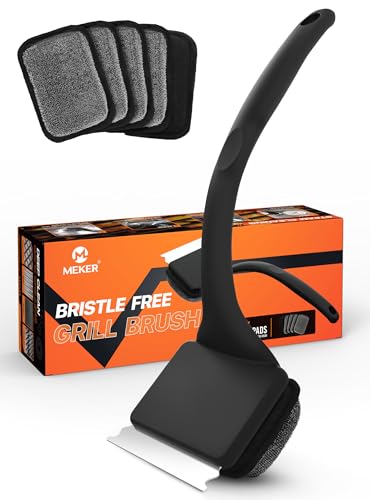
Pros
- Safe bristle-free cleaning prevents health hazards
- Reusable pads with 5 replacements offer great value
- Built-in scraper handles tough, stuck-on grease
- Easy to use with simple heat-and-scrub method
Cons
- Requires heating grill to 400°F before cleaning, which uses extra fuel
- Pads may wear out faster on heavily caked grates
- Handle length may feel short for larger grills
If you love firing up the grill for weekend BBQs or tailgating, you know the struggle of cleaning those grates. The MEKER Grill Brush is a bristle-free cleaner designed to make that job safer and simpler. Instead of metal bristles that can break off and end up in your food, this brush uses a flexible steel fiber woven pad and a cleaning cloth to lift grease and grime. It's a practical tool for backyard grillers, campers, RV owners, and anyone who wants to avoid the risks of traditional wire brushes.
Using the MEKER brush is straightforward. Heat your grill to at least 400°F for about 15 minutes, scrape off any large debris with the built-in scraper, then soak the pad in cold water and gently wipe the grates. The combination of heat and the damp pad creates steam that loosens stubborn buildup. I found it works well on both cast iron and stainless steel grates, leaving them clean without scratching. The scraper is handy for reaching between square or round bars, which is a common pain point with other brushes.
Build quality is decent for the price. The handle feels sturdy, and the upgraded adhesion system with eight screw-locked points keeps the pad firmly attached during scrubbing. The brush comes with five replacement pads, so you're set for several grilling seasons. The pads are dishwasher-safe, making cleanup after cleaning even easier. Just remember to let the pad cool down before pulling it off to replace it.
One limitation is that you need to preheat the grill to get the best results. That uses extra propane or charcoal, which might be a consideration if you're trying to conserve fuel. Also, if your grates have years of caked-on residue, you might need to scrub a bit harder or repeat the process. The handle is about 13.8 inches long, which is fine for most grills but might feel short for larger models.
Overall, the MEKER Grill Brush is a solid choice for anyone who prioritizes safety and ease of use. It's especially good for families with kids, where the risk of bristle ingestion is a real concern. For campers and tailgaters, it's compact enough to toss in a bag, and the reusable pads mean you won't need to buy replacements often. If you're a backyard BBQ enthusiast who grills regularly, this brush will help keep your grates clean without the worry.


Pros
- Comfortable ergonomic handle reduces hand fatigue during thorough cleaning
- Replaceable pads offer long-term value and consistent scrubbing performance
- Heavy-duty design tackles baked-on residue without scratching porcelain or stainless steel grates
- Affordable price point makes it a smart addition to any griller's toolkit
Cons
- Pads may need frequent replacement if used on heavily charred grates after every cook
- Not ideal for cleaning griddle surfaces or ceramic grills; best suited for standard wire or rod grates
If you've spent any time grilling burgers, chicken, or steak for a weekend BBQ, you know that cleaning the grates is the least glamorous part of the cook. The Weber Grill Grate Scrubber aims to change that. This heavy-duty scrubber is built specifically for outdoor cooking enthusiasts who want to keep their grill in top shape without wrestling with flimsy brushes or disposable pads.
This scrubber is designed for backyard grillers, tailgaters, and anyone who fires up a gas or charcoal grill regularly. It's not a cooking appliance itself, but it plays a critical role in maintaining your grill's performance. A clean grate means better heat transfer, fewer flare-ups, and that perfect sear on your steaks. The contoured handle feels natural in your hand, giving you a firm grip even when you're scrubbing away stubborn residue after a long cook.
In terms of real-world use, this scrubber does exactly what it promises. The three included pads are easy to swap out, so you always have a fresh scrubbing surface. The heavy-duty construction handles the kind of baked-on grease and carbon that builds up after smoking ribs or grilling a big batch of burgers. While it won't replace a deep cleaning with a wire brush for extremely caked-on grates, it's perfect for regular maintenance after each cook.
Durability is solid for a tool in this price range. The plastic handle holds up well to repeated use and exposure to outdoor elements, though you'll want to store it in a dry place to extend its life. The pads are the main consumable, and you'll get several uses out of each one depending on how dirty your grates get. For most backyard cooks, a single pack will last through a season of weekend grilling.
Cleanup is straightforward: just rinse the scrubber after use and let it dry. The compact size makes it easy to tuck into a grill cart or drawer, so it's always handy when you need it. One realistic limitation is that it's not designed for flat top griddles or ceramic grills, but for standard wire or rod grates, it works great.
Overall, the Weber Grill Grate Scrubber is a practical, no-nonsense tool for anyone who takes their outdoor cooking seriously. Whether you're a weekend BBQ enthusiast or a tailgater who wants quick cleanup before packing up, this scrubber delivers reliable performance at a fair price. It's a smart addition to any grill setup.
Keeping your grill grates clean is essential for great cooking results and extending the life of your grill. The Weber Grill Grate Scrubber makes this task straightforward. After each cook, allow the grates to cool slightly, then scrub with the pad to remove food residue and grease. The contoured handle gives you good leverage, so you don't have to scrub too hard.
For best results, rinse the scrubber with water after each use and let it air dry. The replaceable pads should be swapped out when they become worn or lose their scrubbing power. Depending on how often you grill, a single pad can last several sessions. Store the scrubber in a dry place to prevent any mold or mildew on the pad.
This scrubber is compatible with most standard gas and charcoal grill grates, including porcelain-coated, stainless steel, and cast iron. Avoid using it on non-stick surfaces or delicate ceramic grills, as the abrasive pads may cause scratching.
Pros
- Effectively removes stubborn baked-on grease and carbon deposits
- Biodegradable and food-surface safe (non-toxic when rinsed properly)
- Foam clings to grates and vertical surfaces, reducing waste
- Works on pellet smokers, gas grills, and electric smokers
- Helps reduce flare-ups by removing grease buildup
Cons
- Spray nozzle can be inconsistent; some users report clogging or poor spray pattern
- Foam may struggle to coat thin, closely spaced grate rods without pooling
- Do not use on aluminum or faux stainless steel surfaces (may cause damage)
- Requires thorough rinsing to avoid residue that could affect food taste
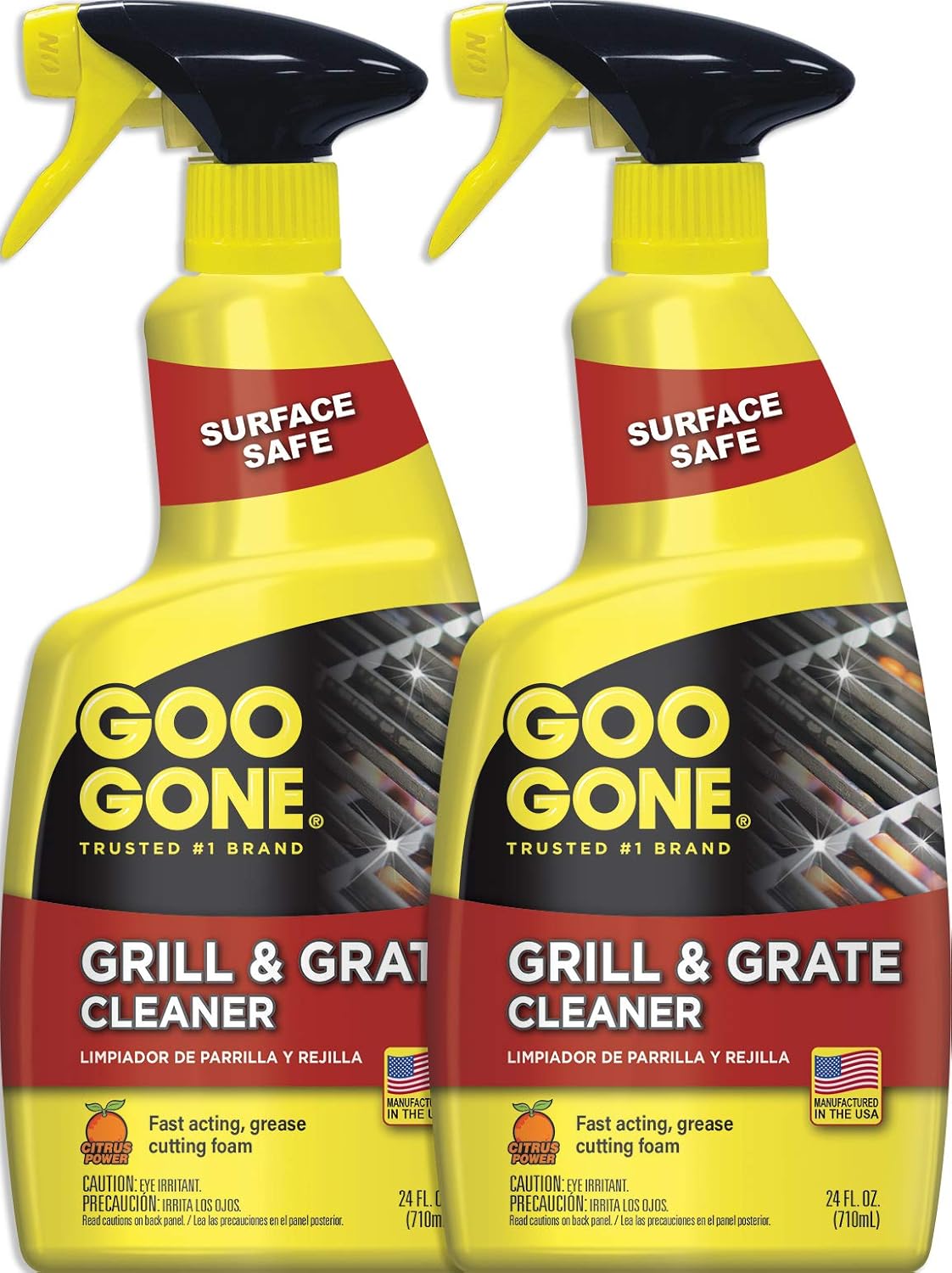
If you've ever faced down a crusty, grease-laden grill grate after a long summer of burgers, steaks, and slow-smoked ribs, you know the struggle is real. The Goo Gone Grill and Grate Cleaner Spray (2 Pack) is designed for exactly that scenario. This super-strength gel foam targets baked-on deposits, carbon, and grease that accumulate on your cooking surfaces. It's not a replacement for a good brush, but it's a powerful pre-treatment that cuts your scrubbing time drastically.
This cleaner is best suited for backyard grillers who own gas grills, pellet smokers (like Traeger), electric smokers, or even charcoal kettles. If you're a tailgater who wants to refresh your portable griddle or a home cook who hates scrubbing drip pans, this product will make your life easier. The biodegradable formula is a plus for eco-conscious outdoor cooks, and the citrus scent is a welcome change from harsh chemical smells.
In real-world use, the foam clings well to vertical surfaces—important for cleaning the inside of your smoker lid or the sides of your grill grates. After letting it sit for a few minutes (the instructions recommend 2 to 10 minutes, depending on how caked-on the grime is), a plastic brush or a stiff grill brush will lift the softened debris. Many users report success even with heavy carbon buildup, and the product helps reduce future flare-ups by removing grease that can ignite.
Build quality is straightforward: two 24-ounce bottles with trigger sprayers. The spray nozzles can be finicky—some reviewers mention they don't produce a consistent foam stream, which can make coating narrow grate rods tricky. A workaround is to pour the cleaner into a spray bottle with a better nozzle, or even soak a cloth and wipe it on. The product is safe on most metals (steel, cast iron, porcelain-coated grates) but avoid aluminum and faux stainless steel as the formula can damage them.
Ease of use is the main selling point. Remove your grates, spray on the foam, wait, scrub, rinse, and dry. For interior grill surfaces, you can spray and wipe with a cloth. The cleaner does need to be rinsed thoroughly—leftover residue could affect the taste of your next meal, so a quick rinse with water is essential. Storage is simple; the bottles stand upright and the foam doesn't separate.
A realistic limitation is that very heavy buildup may require multiple applications or a longer soak. Also, if you're cleaning a large smoker with lots of nooks and crannies, you'll use a fair amount of product. Some users with thin, closely spaced grill rods find that the foam doesn't coat evenly unless they apply it carefully. For best results, consider wearing gloves and working in a well-ventilated area. Overall, this is a reliable, affordable cleaner for regular grill maintenance. If you want to keep your outdoor cooking equipment in top shape without spending hours scrubbing, the Goo Gone Grill and Grate Cleaner is a solid choice.
Mastering the Grill Grate Soaking Process
Soaking grill grates is the most dependable method for loosening stubborn carbonized grease, caramelized sauces, and burnt food particles that dry scraping leaves behind. When you submerge cooking grids in an active cleaning bath, the liquid penetrates hardened residue and softens the bonds holding grease to the metal bars. This soaking approach eliminates the need for aggressive scraping that can gouge steel or chip delicate protective coatings. By following a structured submersion routine, you restore your cooking surface, protect grate longevity, and improve overall cooking flavor.
Why Submersion Cleaning Beats Surface Scrubbing
During high-heat cooking, fats and sugars undergo intense thermal breakdown, transforming into a tough polymer that binds directly to grill grates. Dry brushing across these hardened deposits usually removes only the loose surface debris while leaving sticky, carbonized layers intact beneath. Over multiple cooks, these residual deposits turn rancid, produce acrid smoke, and cause delicate meats or vegetables to stick stubbornly. Submersion allows liquid detergents to seep into microscopic crevices across the entire surface of each bar, softening the hardened grease from underneath.
Mechanical dry scrubbing also introduces notable safety risks when performed with traditional wire brushes. Thin metal bristles frequently snap off under heavy pressure, lodging invisibly between grate rungs where they can transfer into grilled food during future meals. Bristle-free scrubbers, such as the MEKER Grill Brush Bristle Free or the Weber Grill Grate Scrubber, offer a safer mechanical alternative when paired with a thorough soak. Because the soaking bath does most of the heavy lifting, you only need light friction to wipe away deposits, preserving your tools and protecting your guests.
Identifying Your Grate Material Before Soaking
Every grate material reacts differently to moisture, detergents, and prolonged chemical exposure. Stainless steel grates remain the most resilient option, capable of withstanding extended soaking periods without suffering structural degradation or surface corrosion. Solid 304 stainless steel bars resist rust naturally, making them well-suited for overnight submersion in grease-cutting solutions. You can safely tackle thick layers of baked carbon on stainless steel using standard dish soap, specialized cleaning gels, or natural acidic mixtures without worrying about immediate pitting.
Porcelain-enameled steel and porcelain-coated cast iron grates require a gentler touch during the soaking stage. The glossy porcelain finish protects the inner metal from atmospheric moisture and provides a semi-nonstick cooking barrier, but it is fundamentally a glass-like coating that can crack under stress. Avoid harsh abrasives, stiff wire tools, or caustic cleaners that can etch or micro-fracture the enamel surface during cleaning. Soaking porcelain grates in warm, soapy water effectively loosens grease so you can wipe them down with soft nylon pads without compromising the protective outer shell.
Bare cast iron presents a distinct challenge because prolonged exposure to standing water quickly triggers surface oxidation and rust formation. If your cast iron cooking grids possess a solid, polymerized seasoning, you should limit soaking times to short intervals of fifteen to thirty minutes in mild, soapy water. Never soak bare or seasoned cast iron overnight, as standing water will penetrate micro-pores and strip away the protective oil foundation. Once the soak is complete, cast iron grids must be rinsed, dried thoroughly over heat, and seasoned immediately with fresh cooking fat.
Selecting the Right Soaking Container and Setup
Finding a suitable soaking vessel is often the hardest part of the cleaning routine due to the awkward dimensions of full-size cooking grates. Traditional household bathtubs are a poor choice because heavy metal grates easily scratch porcelain, and greasy runoff can clog domestic plumbing traps. Disposable plastic trash bags also carry high failure rates, frequently puncturing on sharp grate edges and spilling dirty cleaning solution across your patio floor. A dedicated, rigid container keeps cleaning chemicals contained and simplifies the entire washing procedure.
Purpose-built tools like the LANMU Stainless Steel Oven Rack Cleaning Tray provide a sturdy, reusable platform designed specifically for wide racks and cooking grids. Made from 304 stainless steel, this style of soaking tray eliminates the puncture risk of plastic bags while fitting standard grill grates and smoker shelves securely. If you prefer improvised options, wide utility tubs, galvanized livestock pans, or large plastic storage containers can also work well. Always position your soaking vessel outdoors on a flat, stable surface where any accidental splashes can be washed down safely without staining decorative deck materials.
Safe and Effective Soaking Solutions
Concentrated liquid dish soap mixed with warm water serves as the safest starting solution for routine grate maintenance. Quality dish soaps contain surfactants engineered specifically to break down animal fats and vegetable oils without attacking metal surfaces. Pouring hot water into your soaking tray activates these surfactants, speeding up the rate at which grease softens and detaches from the cooking bars. This mild mixture is gentle enough for regular use across stainless steel, porcelain coatings, and brief cast iron baths without generating toxic fumes.
Natural cleaning mixtures using baking soda and distilled white vinegar offer reliable degreasing power for heavy organic residue. Sprinkling baking soda generously over damp grates creates a mildly abrasive paste that clings directly to carbon deposits. Adding distilled white vinegar triggers a foaming reaction that lifts charred debris away from the metal rungs through gentle chemical effervescence. This natural combination produces zero synthetic chemical residues, making it an excellent choice for cooks who want a clean grate without exposing food surfaces to artificial compounds.
Commercial formulas offer enhanced degreasing speed when dealing with severely neglected cookers or stubborn baked-on sauces. Products like Citrusafe BBQ Grill Grate Cleaner utilize citrus compounds to dissolve grease naturally, providing an effective clean without relying on harsh mineral spirits. Specialized degreasing sprays such as Goo Gone Grill and Grate Cleaner Spray use biodegradable gel formulas designed to cling to vertical surfaces and dissolve carbon. Always verify manufacturer compatibility guidelines before applying commercial sprays, as certain formulas should never be used on aluminum components or faux stainless steel.
Step-by-Step Soaking Procedure for Stubborn Carbon
Begin the cleaning process only after your cooker has cooled down completely to ambient outdoor temperatures. Submerging blazing hot metal into cold or lukewarm soaking liquid causes rapid thermal shock, which can warp stainless steel bars and crack porcelain coatings permanently. Once the grates are cool to the touch, lift them out of the cookbox and use a blunt wooden or silicone scraper to knock off loose surface debris. Removing dry flakes before submersion prevents your soaking solution from becoming saturated with loose sludge prematurely.
Place your grates flat inside the soaking basin and pour your prepared cleaning solution until the liquid covers the bars completely. Heavy marinades from dishes like crispy grilled chicken wings often caramelize into dense carbon deposits that require prolonged exposure to break down. For stainless steel grids suffering from extensive buildup, letting the grates soak overnight allows the surfactants to penetrate deep into hardened layers. If you are cleaning cast iron, keep the soak brief, checking the progress every ten minutes to ensure the base metal remains protected from oxidation.
After the soak has loosened the baked residue, lift the grates partially out of the bath and begin mechanical scrubbing with non-abrasive tools. Modern bristle-free options, including the MEKER Grill Brush Bristle Free and the Weber Grill Grate Scrubber, provide firm scrubbing action without shedding hazardous metal wires. Work along the length of each individual rung, using the built-in scraper edge to push softened carbon away from intersections. The softened grease should wipe away with moderate hand pressure, eliminating the need to gouge the underlying steel.
Finish the cleaning sequence by rinsing both sides of the cooking grids thoroughly with clean, pressurized water from a garden hose. Rinsing removes loosened carbon particles, grease emulsion, and any residual cleaning chemical that could otherwise burn off and taint your next meal. Inspect the grates carefully in bright daylight to confirm that all residue has lifted from between the rungs. Set the grates on clean shop towels or a drying rack to allow initial water runoff before moving to drying and protection steps.
Post-Soak Care and Re-Seasoning Protocols
Moisture control immediately following the rinse is vital for preventing surface rust, especially on raw or seasoned cast iron grids. Wipe down the entire grate surface using lint-free microfiber towels or clean cotton rags until no visible water droplets remain. For maximum moisture removal, place the grates back into your grill, close the lid, and run low heat for ten minutes to evaporate lingering moisture from microscopic pores. Skipping this drying phase creates an ideal environment for rapid oxidation, even on grates stored under protective outdoor covers.
Applying a fresh protective oil barrier preserves your clean grates and establishes a smooth cooking surface for subsequent grilling sessions. Using specialized applicators like the Grate Armor Grill Grate Oiling Brush allows you to apply high-smoke-point oils or beef tallow evenly without messy overspray or wasted towels. Coat all sides of the bars with a thin film of canola, grapeseed, or avocado oil, wiping away excess liquid to prevent sticky pooling. Heat the grill gradually to polymerize the oil into a smooth, rust-resistant glaze that minimizes future food adhesion.
Maintenance Between Deep Soaks Across Different Grill Styles
Performing routine maintenance after each cooking session significantly reduces how often you need to perform deep, time-consuming soaking baths. Running your burners on high for ten minutes after removing food burns off excess grease, reducing drippings to a dry ash that brushes away easily. If your setup includes multi-fuel equipment or griddle and smoker combos, tailoring your cleaning routine to each separate cooking surface prevents cross-contamination. Flat-top griddles benefit from water-based steam scraping while hot, whereas smoker racks and grill grates rely more heavily on periodic liquid degreasing.
Between deep cleanings, store your grates in a dry, ventilated environment to prevent atmospheric moisture from interacting with lingering salt or acid residues. Residual barbecue rubs containing high salt concentrations actively pull moisture from ambient humid air, accelerating corrosion on steel surfaces during storage. Brushing grates with a light sheen of cooking oil before shutting down the grill helps repel dampness between cookouts. Establishing this quick habit keeps carbon buildup manageable and ensures that seasonal soaking sessions remain fast and straightforward.
Crucial Safety Guidelines for Grill Cleaning and Operation
Outdoor safety must remain your primary priority whenever working with grill cleaning chemicals, hot surfaces, or fuel-burning equipment. Always conduct your soaking and rinsing procedures outdoors in well-ventilated areas away from children and household pets. Chemical degreasers and greasy wastewater should never be discarded into garden beds, storm drains, or natural waterways where runoff can harm local ecosystems. Dispose of dirty wash water down dedicated utility drains or soak it up with disposable shop towels for proper municipal disposal.
Never operate any outdoor gas, charcoal, or pellet grill inside a garage, breezeway, or enclosed patio to burn off grease or dry washed grates. Burning fuel in enclosed spaces generates lethal concentrations of odorless carbon monoxide gas and creates severe structural fire hazards. Even leaving a garage door open fails to provide adequate ventilation to clear dangerous combustion byproducts safely. Always position your grill outdoors on non-combustible ground, keeping it well clear of walls, deck railings, and overhanging eaves in accordance with manufacturer clearance instructions.
Final Practical Verification
Before placing raw meat on freshly cleaned grates, perform a final visual and tactile inspection across every rung. Run a clean paper towel along the bars to confirm that all degreasing agents have rinsed off and that no loose carbon residue rubs off. Preheat your grill for fifteen minutes prior to cooking, allowing residual heat to sanitize the surface and set the newly applied protective oil layer. Taking these systematic steps ensures that your grates remain sanitary, rust-free, and ready to deliver excellent sear marks on your next backyard meal.


Write Your Review
No reviews yet. Be the first to share your experience!