


Cooking on bare or enameled metal requires careful temperature control and proper surface preparation to keep dinner from tearing apart on the grill. High-heat searing on cast iron delivers rich flavor for dishes like a marinated Korean beef barbecue recipe, but sticking occurs quickly if the surface is unseasoned. Learning how to season cast iron grill grates weber creates a tough, polymerized oil barrier that shields the iron core against ambient moisture and rust. A well-maintained seasoning layer also improves heat transfer and releases food cleanly every time you cook outdoors.
Many outdoor cooks struggle with uneven heat or persistent food sticking because they treat cast iron like standard stainless steel wire. Bare iron absorbs oil into microscopic pores, transforming liquid fat into a slick, durable patina under sustained heat. Whether you grill over charcoal briquettes or use a dedicated propane burner system, regular seasoning extends the service life of your cooking surfaces significantly. Taking time to treat your cooking surfaces before and after each session prevents costly corrosion while keeping cleanup quick and simple.

Pros
- Excellent heat retention for searing steaks and getting a nice crust on burgers, even on a small portable grill.
- Easy to install – simply drop it in place of the original Weber grate; no tools or adjustments needed.
- Cast iron builds up a natural seasoning with use, creating a more non-stick surface over time.
- More durable than the standard steel grates that often come with Go-Anywhere grills; resists rust and warping when properly maintained.
Cons
- Heavier than the stock steel grate, which can be a slight inconvenience for backpacking or carrying long distances.
- Requires regular seasoning and thorough drying after each use to prevent rust, so it’s a bit more maintenance than a porcelain-coated grate.
- The pre-seasoning is light; you’ll need to apply oil before first use and after each cleaning to build up the non-stick layer.
The DELSbbq 80631 cast iron grill cooking grate is an aftermarket replacement designed specifically for Weber Go-Anywhere charcoal and gas grills. If you own one of these portable cookers – whether for camping, tailgating, or quick backyard grilling – swapping out the stock steel grate for this cast iron version can noticeably improve your cooking experience. It measures 16 by 10 inches, matching the exact footprint of the original, so installation is a simple lift-and-drop affair.
This grate is best suited for outdoor enthusiasts who already have a Weber Go-Anywhere and want better heat performance. That includes campers who cook over charcoal at the site, tailgaters firing up burgers before the game, and patio cooks looking for a more reliable sear on a small gas grill. Cast iron retains heat far better than stamped steel, so you get consistent temperatures across the cooking surface and a strong sear on steaks, chicken, or veggies – even when the wind picks up at the campsite.
In terms of real-world cooking, the grate heats up faster and holds heat longer than the original. That means less time waiting for the grill to get hot and fewer cold spots when you load it up with food. The cast iron also excels at searing; you’ll get deep grill marks and a nice crust on burgers without having to crank the flame to high. For low-and-slow cooking (like indirect heat on a charcoal Go-Anywhere), the steady heat helps maintain a consistent temperature inside the grill, which is great for cooking thicker cuts or even a small rack of ribs.
Build quality is solid. The grate is made from thick cast iron with a black coating that resists rust better than raw iron, but it still requires care. It’s heavier than the original – about 2–3 pounds – but that extra weight gives it durability. It won’t warp under high heat, and the bars are spaced closely enough to hold smaller items like shrimp or sliced veggies without them falling through. The lip on the edges fits snugly into the grill body, so it doesn’t shift around when you’re flipping food.
Cleanup is straightforward if you follow the manufacturer’s tips. Scrape off food residue while the grate is still warm, then wipe it down and apply a thin layer of oil. Avoid soaking it in water or leaving it wet, as that can lead to rust. Seasoning the grate like a cast iron skillet will build up a natural non-stick layer over time, making each cook easier than the last. If you’re used to washing grates with soap and water, this will be an adjustment – but the payoff in cooking performance is worth it.
The main limitation is the extra maintenance. Cast iron isn’t as carefree as porcelain enamel or stainless steel. If you often forget to oil your grates or leave them out in the rain, you might get rust spots. Also, the weight is a minor downside for ultralight camping trips, but for car camping or tailgating it’s not an issue. Overall, this is a practical upgrade for anyone who owns a Weber Go-Anywhere and wants to improve searing, heat retention, and durability. It’s a straightforward replacement that makes your portable grill cook more like a full-size backyard setup.
Cast iron grates require a bit of extra care compared to standard steel or porcelain-coated grates, but the effort pays off in better cooking performance and a longer lifespan. After each use, let the grate cool slightly (but not completely), then scrape off any stuck-on food with a grill brush or metal scraper. Avoid using soap – water alone is fine. While the grate is still warm, wipe it dry with a paper towel to remove moisture, then apply a thin coat of vegetable oil or flaxseed oil to all surfaces. This prevents rust and builds up the seasoning that makes the grate more non-stick over time.
For deep cleaning, you can burn off residue by heating the grill on high for 10–15 minutes, then scraping clean. Never put a cast iron grate in the dishwasher or let it soak in water. Store the grate in a dry place – indoors if possible – to avoid humidity. If you notice rust spots, scrub them off with steel wool, rinse, dry, and re-oil immediately. With consistent maintenance, this grate will outlast the grill itself and deliver excellent searing for years of camping and tailgating adventures.

Pros
- Cast iron provides superior heat retention and even cooking across the grilling surface
- Removable inner grate simplifies charcoal management during long cooks or indirect grilling
- Compatible with a wide range of Weber 22-inch models, including smoker drums and premium kettles
- Durable construction resists rust and chipping better than stock enameled grates
Cons
- Cast iron is heavier than standard grates, which may be less portable for camping or tailgating
- Requires seasoning to maintain non-stick properties and prevent rust, adding minor maintenance
- Not compatible with smaller 18-inch or larger 26-inch Weber kettles, so size verification is essential
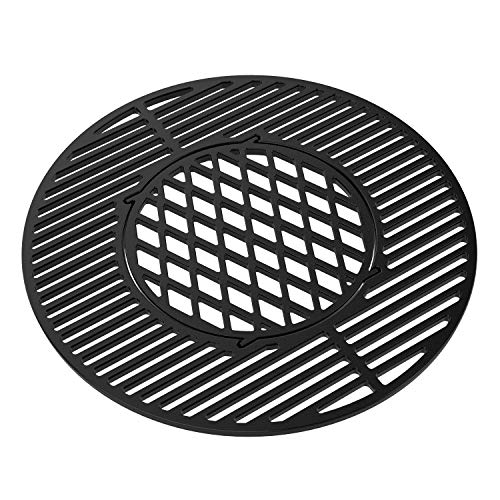
If you own a Weber 22-inch kettle grill, you know the value of a solid cooking grate that can handle everything from quick weeknight burgers to all-day brisket smokes. The Uniflasy Cast Iron Cooking Grate is a replacement designed to fit a wide range of Weber models including the Original Kettle Premium, Master-Touch, Performer, and even the 22.5-inch Smokey Mountain Cooker. Built from heavy-duty cast iron, this grate promises superior heat retention and even cooking, which are essential for backyard BBQ enthusiasts who want consistent results every time.
This grate really shines in two key areas: heat management and searing performance. Cast iron heats up evenly and holds that heat, so you get a steady cooking surface whether you're doing direct grilling or setting up a two-zone fire for low-and-slow smoking. The wide spacing between the bars allows for good airflow and smoke circulation, enhancing that classic charcoal flavor. For tailgaters or weekend grill masters, the 12-inch removable inner grate is a standout feature. It has raised handles that let you lift out just the center section to add more charcoal or wood chunks without taking off the entire grate. That's a huge plus when you're in the middle of a long cook and need to maintain temperature quickly.
Build quality is reassuringly robust. Cast iron is naturally heavy but also incredibly durable, and this grate feels built to last. Unlike the thin enameled steel grates that can chip or rust over time, this one holds up better against the elements and repeated high heat. You will need to season it occasionally to keep the surface non-stick and prevent rust, but that's standard for cast iron and takes just a few minutes with oil and heat. The grate measures 21.5 inches in overall diameter with the inner section at 12 inches, so it fits Weber's 22.5-inch kettles snugly. It also works with the Gourmet BBQ System add-ons like griddles and woks, making it versatile for different cooking styles.
In terms of real-world cooking, this grate delivers. Searing steaks or chicken thighs produces beautiful crosshatch marks and a nice crust, while veggies stay put without falling through. The cast iron retains heat so well that you can get a solid sear even when the grill isn't cranked to max. For low-and-slow sessions like baby back ribs or pork shoulder, the even heat distribution helps avoid hot spots that can burn edges. Cleanup is straightforward: scrape off residue while the grate is still warm, then wipe it down. Seasoning after each few uses keeps the surface slick and rust-free.
One limitation to note is the weight. Cast iron grates are noticeably heavier than stock steel ones, which might be a consideration if you frequently transport your grill for camping trips or tailgate parties. The grate itself weighs around 8-10 pounds, so it's not unwieldy but definitely adds heft. Also, you need to verify that your specific Weber model is compatible, as it doesn't fit smaller 18-inch or larger 26-inch kettles. Double-check your grate size and model number before ordering to avoid any fit issues.
Overall, this Uniflasy grate is a smart upgrade for any backyard cook who wants better heat retention, easier charcoal management, and a more durable cooking surface. It's especially well-suited for BBQ enthusiasts who do longer smokes and appreciate not having to remove the whole grate just to add fuel. If you own a compatible Weber kettle and are tired of flimsy, rust-prone grates, this cast iron option delivers dependable performance and great cooking results for weekend gatherings or everyday grilling.
Pros
- Excellent heat retention and even heat distribution across the cooking surface.
- Removable inner grate simplifies charcoal management during long cooks.
- Sturdy cast iron build withstands high heat and heavy use.
- Easy to clean with a grill brush after seasoning – nonstick surface develops over time.
- Compatible with popular Weber kettle models – no modifications needed.
Cons
- Heavier than standard steel grates – adds about 8 pounds to your grill setup.
- Cast iron requires regular seasoning to prevent rust; not as low-maintenance as stainless steel.
- Some users may prefer a single large grate for extra cooking space – the inner grate reduces usable area slightly.
The onlyfire Cast Iron Grill Grate Replacement is a functional upgrade for anyone who owns a Weber 22-inch kettle charcoal grill. Instead of a single piece, this set includes a 21.5-inch outer grate with a removable 11.8-inch inner sear grate. This design lets you access the charcoal without lifting the whole cooking surface – a real convenience when you need to add more briquettes or wood chunks during a long smoking session.
This grate is built for backyard grillers who value heat retention and searing performance. Cast iron holds heat far better than standard steel grates, meaning less temperature fluctuation when you open the lid. Whether you're searing steaks hot and fast or slow-cooking ribs over indirect heat, the even heat distribution helps avoid cold spots. The inner grate is perfect for adding a quick sear after a low-and-slow cook, giving you that crusty bark on brisket or a perfect char on burgers.
Durability is a strong point. Cast iron is heavy – about 8 pounds total – but it resists warping even under high heat. With proper seasoning, it develops a natural nonstick surface that improves over time. Cleanup is straightforward: scrape off residue with a grill brush and oil lightly after each use. Rust can form if left wet, so store the grate in a dry place or cover your grill.
Installation is effortless – just drop it onto the existing grate support tabs in your Weber 22.5-inch Kettle, Premium, or Performer. The inner grate's raised side handles give you a secure grip, even with thick gloves. That said, the two-piece design means you lose a few square inches of cooking space compared to a single full-size grate. For most backyard gatherings, it's not an issue – you still have room for a dozen burgers or two large steaks.
This replacement grate is ideal for weekend BBQ enthusiasts who want better control over their charcoal cooks. It's also handy for tailgating setups if you use a kettle grill at the parking lot – the removable inner grate makes adding fuel fast. Campers who bring a charcoal kettle to the campsite will appreciate the even heat for roasting or searing. Just remember to pack a dry bag to keep the cast iron protected from moisture.
Overall, the onlyfire Cast Iron Grill Grate Replacement delivers real performance improvements for Weber kettle owners. If you like searing with cast iron and want easier access to your charcoal during long cooks, this is a solid, affordable upgrade.
The cast iron construction excels at heat retention, meaning the grate stays hot even after adding cold food. This gives you consistent sear marks and prevents the temperature from dropping too much when you load up the grill. The inner sear grate's smaller openings concentrate heat directly on the meat, creating a crusty exterior while keeping the inside juicy. For low-and-slow cooking, the outer grate works well for indirect heat – place the coals on one side and the food on the other. You can also move the inner grate to a cooler zone for gentle finishing. Overall, this grate system improves both high-heat searing and temperature stability.
Cast iron requires a bit more care than stainless steel, but it's simple once you get into the habit. After grilling, let the grate cool slightly, then scrub it with a stiff grill brush while still warm. Avoid soap – just hot water if needed, but drying thoroughly is crucial to prevent rust. Apply a thin coat of vegetable oil to the surface before storing. Over time, the seasoning builds up, creating a natural nonstick finish. The two-piece design makes cleaning easier – you can remove the inner grate and scrub it separately. Keep the grate in a dry place, and it will last for years.

Pros
- Excellent heat retention and even cooking across the entire grate surface
- Matte enamel finish resists rust better than bare cast iron when properly maintained
- Fits multiple Weber Q models perfectly - no adapter or clips needed (clips sold separately)
- Solid construction with substantial weight (19.7 lbs for the pair) for stable grilling
Cons
- Heavier than porcelain-coated grates - may be less portable for camping or tailgating
- Requires regular seasoning and thorough drying to prevent rust, especially in humid climates
- Clips (support splits) are not included - you'll need to reuse your existing ones or purchase separately
If you own a Weber Q300 series gas grill, you already know how versatile these compact cookers are for everything from backyard barbecues to campsite dinners. But over time, the factory grates can wear down, warp, or lose their non-stick surface. That is where the GGC 7646 7584 cast iron grill grates come in. This two-pack set is a direct replacement for Weber Q3200, Q320, Q300, Q3000, and Q3100 models, giving your trusty grill a new lease on life. Made from matte enamel cast iron, these grates are designed to deliver the heat retention and searing power that serious outdoor cooks crave.
These grates are best suited for backyard grillers who want to upgrade their Weber Q without buying a whole new grill. They also work great for tailgaters and RV owners who rely on the portable Q series for cooking at the game or on the road. If you are someone who appreciates a good sear on a steak or even grill marks on vegetables, this cast iron set will outperform standard porcelain grates. The matte enamel coating helps resist rust, but like any cast iron, it needs a little care to stay in top shape.
In real-world cooking, these grates shine with heat consistency. Cast iron heats up quickly and holds temperature well, so you get fewer hot spots and more even browning. Searing is where they really stand out - the thick bars create deep, appetizing marks and a nice crust on meat. For low-and-slow cooking on a gas grill, the heat retention helps maintain steady temps even when you open the lid. While you won't get smoke flavor from gas alone, using wood chips in a smoker box or foil packet pairs nicely with these grates for added aroma. Fuel efficiency is solid too, since the cast iron radiates heat back into the food, reducing cook times slightly.
Build quality is robust. Each grate measures 12.5 by 17.8 inches, and together they form a 25 by 17.8 inch cooking surface. The matte enamel finish is more durable than plain cast iron and resists flaking. However, this is a heavy set - nearly 20 pounds - so it adds stability but reduces portability compared to lighter grates. The grates sit securely on the grill's support bars, but note that the clips (support splits) are not included. You will need to reuse the ones from your original grates or buy replacements separately. Weather resistance depends on maintenance: if you leave them out in the rain, they will rust. But with proper seasoning and storage under a cover, they will last for years.
Setup is straightforward: just remove your old grates and drop these in. Cleanup is simple if you scrape them while still warm and wipe with a bit of oil. For storage, keep them dry and lightly oiled. The main limitation is the weight - if you frequently move your grill for camping or tailgating, these grates add noticeable heft. Also, the lack of included clips is a minor annoyance. But for the price, you get a significant upgrade in cooking performance. If you love your Weber Q and want to improve its searing ability and heat retention without spending hundreds on a new grill, these GGC grates are a practical, hands-on choice.

Pros
- Excellent heat retention and searing capacity for juicy steaks and burgers.
- Fits a wide range of popular Weber gas grill models - easy compatibility.
- Pre-seasoned and ready to use after initial curing - minimal setup required.
- Heavy, sturdy construction feels durable and long-lasting.
- Affordable price point compared to OEM Weber grates - great value.
Cons
- Cast iron requires regular maintenance - must oil and dry after each use to prevent rust.
- Very heavy (nearly 16 lbs) - not ideal for portable or camping setups.
- Initial seasoning process needed for best non-stick performance; may require patience.
If you own a Weber Spirit or Genesis gas grill and the original grates are looking worn or rusted, the Direct Store DC130 cast iron replacement set is a practical upgrade. These heavy griddles deliver the heat retention that cast iron is famous for, giving you restaurant-quality sear marks on steaks and burgers right in your backyard. They're designed to fit dozens of Weber models from the early 2000s through 2017, so there's a good chance they'll match your grill.
For backyard grillers and BBQ enthusiasts who love hosting weekend cookouts, these grates perform admirably. Cast iron holds heat much better than standard porcelain-coated steel, which means less temperature drop when you load up the grill. You get consistent heat across the cooking surface, making it easier to cook multiple items at once without hot spots. While a gas grill won't give you smoke flavor like charcoal or a smoker, the high heat from cast iron does create a nice char that adds depth to your food.
Build quality is solid - each grate weighs about eight pounds, so they feel substantial. The cast iron is pre-seasoned, but you'll want to do an initial high-heat seasoning and oiling before your first cook to build up a good non-stick layer. Once seasoned, they're fairly easy to maintain: just scrape off residue with a wire brush after grilling, apply a light coat of oil, and store them covered. Rust can be an issue if you leave them wet, but with basic care they'll last for years.
Installation is straightforward - these grates drop right into the existing slots on your Weber grill, no tools needed. The dimensions (17.5 x 11.9 inches each) give you a total cooking area of roughly 280 square inches, enough for about eight burger patties or a few steaks at once. For tailgating or camping, these grates are not ideal due to their weight, but for patio cooking and backyard entertaining they're fantastic.
A realistic limitation is the weight - at nearly 16 pounds for the set, they're a workout to lift in and out. They also need more upkeep than lighter porcelain grates. But if you prioritize cooking performance and durability, the trade-off is worth it. The price is very reasonable compared to OEM replacements, and the manufacturer offers responsive support if any damage occurs during shipping.
Overall, the Direct Store DC130 grates are a smart buy for Weber owners who want to restore their grill's cooking quality without spending a fortune. They're best suited for dedicated backyard cooks who don't mind a little extra maintenance for better searing and heat retention. If you love grilling burgers, steaks, and veggies on a gas grill, these grates will elevate your cookout game.
Cast iron grates are the gold standard for searing because they absorb and radiate intense heat. The Direct Store DC130 grates get hot quickly and hold that temperature, so when you drop a steak on the grill, you get an immediate sizzle and beautiful crust. This is especially helpful for gas grills that may have trouble reaching ultra-high temperatures - the cast iron compensates by storing thermal energy.
During a typical backyard cookout, you'll notice more consistent browning across the entire grate. The thick bars leave clean grill marks and don't lose heat when you flip meat. For burgers and chicken, the even heat reduces flare-ups because fat drips onto the metal bars and vaporizes instead of pooling. That said, you'll still need to manage drippings to avoid excessive smoking.
These grates also work well for low-and-slow cooks like indirect grilling of whole chickens or pork shoulders. The cast iron helps maintain a steady ambient temperature inside the grill. While you won't get smoke flavor from the grates themselves, they support long cooks without significant heat loss.
Keeping cast iron grates in top shape requires a little routine effort, but it's not difficult. After each use, brush off food residue with a stiff wire brush while the grates are still warm. Avoid soap - just scrub with hot water if needed, then dry thoroughly with a towel. Apply a thin layer of cooking oil with a paper towel to protect the surface from moisture.
For deeper cleaning, you can burn off buildup by running the grill on high for 15 minutes, then scraping. If rust spots appear, scrub them with steel wool, rinse, dry, and re-season the area. The initial seasoning process described in the product instructions - heating to 500-600 degrees for 10 minutes, then oiling and repeating - is crucial for building a protective layer. Once done, regular oiling keeps the surface non-stick and rust-free.
Because these grates are heavy, cleaning them in place on the grill is easier than lifting them out every time. Just be sure to protect the grill's interior from falling debris. With proper care, these grates will outperform most factory options and last for many grilling seasons.
Complete Step-by-Step Guide to Seasoning Weber Cast Iron Grates
Proper seasoning requires cleaning the bare metal, applying a micro-thin layer of high-smoke-point oil, and baking it at sustained high temperatures. This straightforward process creates a slick, durable shield whether you cook on a portable tabletop unit, a 22-inch charcoal kettle, or a multi-burner gas grill. Understanding how heat interacts with iron helps you avoid sticky residue, flaking carbon, and premature rust. Consistent care transforms rough iron bars into smooth, nonstick cooking surfaces that deliver reliable heat retention across the entire grate.
Understanding Cast Iron and Porcelain-Enameled Weber Surfaces
Weber grills and compatible aftermarket parts feature two primary types of cast iron cooking surfaces. Traditional bare cast iron offers unmatched heat retention and thermal mass, but exposed raw metal oxidizes rapidly when exposed to outdoor humidity. In contrast, matte porcelain-enameled cast iron features a baked-on glass coating designed to shield the iron core from water and acidic marinades. Even though porcelain enamel resists moisture better than raw iron, seasoning still improves food release and protects microscopic hairline pores from expanding over time.
Polymerization occurs when unsaturated fats reach their smoke point and cross-link into a solid, plastic-like hydrocarbon matrix. This hardened matrix bonds directly into the porous surface of the metal, creating a semi-permanent slick barrier. When oil is applied too thickly, it fails to polymerize completely, leaving behind a gummy, sticky varnish that collects soot. Applying extremely thin coats ensures each layer bakes into a hard, glossy finish that resists metal spatulas and intense heat.
Selecting the Right High Smoke Point Cooking Oils
Choosing an appropriate cooking oil is essential for building a durable seasoning layer that will not scorch into bitter ash. High-smoke-point oils with high proportions of polyunsaturated fats polymerize far more effectively than low-smoke-point culinary fats. Canola oil, grapeseed oil, sunflower oil, and refined avocado oil represent reliable choices that tolerate temperatures between 400 and 500 degrees Fahrenheit. Vegetable shortening also works well because it spreads smoothly across cold metal and forms a solid film at room temperature.
Animal fats like lard or bacon grease can create a functional seasoning layer, but they contain impurities and salts that accelerate corrosion if left unheated. Extra virgin olive oil and unrefined butter should be avoided completely because their low smoke points cause them to burn into acrid carbon rather than polymerizing smoothly. Flaxseed oil is popular for kitchen skillets, yet intense outdoor grill heat often causes brittle flaxseed layers to flake off under heavy spatula use. Neutral, refined vegetable oils deliver the best balance of affordability, ease of application, and long-term durability.
Preparing and Deep-Cleaning Grates Before Applying Heat
Brand new replacement grates usually arrive with a protective layer of mineral oil or food-grade wax to prevent oxidation during storage and transit. Wash newly purchased grates thoroughly in warm water with mild dish soap to strip away this factory shipping film. While soap is generally avoided during routine cast iron maintenance, a preliminary wash is necessary before the initial seasoning run. Rinse the grates completely with clean water to eliminate all soapy residue before beginning the drying process.
Moisture is the primary enemy of bare iron, meaning air drying alone is never sufficient to prepare the metal for oiling. Wipe the grates with clean lint-free cotton towels or heavy paper towels to remove all standing surface water. Place the grates over low heat on your grill or inside a warm oven for ten minutes to evaporate water trapped within deep metal pores. Applying oil to damp iron traps moisture beneath the oil film, which leads to bubbling, peeling seasoning and hidden rust spots.
The Initial High-Heat Seasoning Process on Outdoor Grills
Apply a small amount of your chosen oil directly onto the clean, dry grate surface using a folded paper towel or lint-free rag. Rub the oil across every bar, side rail, and underside corner, ensuring complete coverage across the entire piece of cookware. Take a second dry cloth and vigorously wipe the grate down as if you are trying to remove every trace of oil you just applied. The microscopic film remaining on the metal is the exact thickness required to achieve a smooth, glassy cure without gummy pooling.
Place the coated grates into your outdoor grill and ignite the heat source, closing the lid to build uniform internal ambient heat. Gas grill users should set the burners to medium-high to establish an internal temperature between 450 and 500 degrees Fahrenheit for approximately 45 to 60 minutes. Charcoal kettle owners often pair cast iron grates with smoker boxes for outdoor grills to introduce wood smoke flavor during long roasting sessions. Allow the grates to cool completely inside the closed grill before applying another micro-thin layer of oil and repeating the heating cycle.
Seasoning Grates in an Indoor Kitchen Oven as an Alternative
Inclement weather or windy outdoor conditions can make it difficult to maintain stable seasoning temperatures on an outdoor grill. An indoor kitchen oven provides precise temperature stability and even radiant heating, making it an excellent alternative for initial grate seasoning. Line the bottom rack of your oven with aluminum foil or a wide rimmed baking sheet to catch any stray droplets of liquefied fat. Preheat your oven to 425 degrees Fahrenheit while applying your micro-thin oil coating across the cleaned grates.
Position the oiled grates upside down on the middle oven rack so excess oil drips away rather than collecting along the flat cooking ridges. Bake the grates for one full hour at temperature, allowing the oil vapors to cross-link into a dry, hardened patina. Turn off the oven after sixty minutes and keep the oven door closed until the iron cools down to room temperature naturally. Indoor baking produces a noticeable amount of smoke, so remember to turn on your kitchen exhaust fan and open nearby windows for proper room ventilation.
Post-Cook Maintenance and Building a Resilient Nonstick Patina
Building a resilient nonstick patina on cast iron is a cumulative process that requires ongoing care after every single barbecue cookout. When cooking concludes, close the grill lid and turn the burners to high for ten minutes to carbonize stubborn food drippings. Use a stiff brass-bristle brush, wooden scraper, or stainless steel coil brush to remove charred debris while the grates remain warm. Avoid using cheap wire brushes with loose steel bristles, as shedding bristles pose serious health hazards if left on cooking grids.
Once the surface is brushed clean of food particulate, dip a folded cloth into high-smoke-point oil and glide it across the hot bars. The residual heat from the turned-off grill draws the fresh oil into the hot iron pores, instantly curing a fresh microscopic protective layer. Routine grilling of high-fat meats naturally fortifies this seasoning barrier over months of continuous outdoor use. Never leave salty sauces or acidic tomato marinades sitting on the grates overnight, as salt and acid actively degrade iron seasoning.
Addressing Surface Rust and Restoring Stripped Coatings
Outdoor humidity, rain seepage through worn grill covers, and extended winter storage can cause surface rust to bloom on neglected cast iron. Light orange powdery rust does not mean your grates are ruined or require immediate replacement. Scrub the affected areas aggressively using coarse steel wool, a brass wire cup brush, or a paste made from coarse salt and vegetable oil. If oxidation has penetrated deeper, soak the grates in a balanced solution of equal parts white vinegar and water for thirty to sixty minutes.
Vinegar dissolves iron oxide efficiently, but leaving bare metal submerged too long will pit and weaken the underlying structural iron. Remove the grates from the vinegar bath as soon as the rust loosens, then wash them immediately with mild soap to neutralize remaining acidity. Dry the restored iron thoroughly with clean towels and place it over direct grill heat to evaporate all residual surface moisture. Once completely dry, execute two to three consecutive oiling and heating cycles to rebuild the lost protective seasoning barrier from scratch.
Model-Specific Considerations Across Weber Grill Formats
Different Weber grill designs present unique airflow, fuel, and geometric characteristics that influence how you approach grate maintenance. Portable camping setups like the Go-Anywhere gas and charcoal models benefit from compact rectangular grids such as the DELSbbq 80631 Cast Iron Grill Cooking Grate. These smaller units operate close to the charcoal bed or burner tube, requiring attentive temperature moderation to prevent stripping the seasoning layer. Keeping portable grates well-oiled is especially vital because camping gear often encounters sudden temperature shifts and damp outdoor conditions.
Charcoal kettle owners frequently upgrade to modular systems like the Uniflasy Cast Iron Cooking Grate for Weber 22 inch or the onlyfire Cast Iron Grill Grate Replacement Gourmet. These dual-section designs feature a removable center insert with dedicated side handles for adding fuel mid-cook without removing the main outer frame. Just as cooks add pellet hopper extension kits to run extended outdoor cooks without interruption, upgrading to modular cast iron grates gives you the flexibility to refuel charcoal without lifting the entire grate. When seasoning these multi-piece units, coat both the central insert and the outer ring independently to ensure complete corrosion defense.
Full-size gas grills like the Spirit and Genesis lines use heavier split grids, including the Direct Store DC130 17.5″ 7638 2pk Cast Iron replacements. In contrast, smaller gas units like the Q3000 and Q3200 series utilize matte enamel parts like the GGC 7646 7584 Grill Grates for Weber Q3200 Q320. Matte porcelain finishes require less aggressive initial curing than raw iron, but gentle maintenance oiling prevents the porcelain from micro-crazing over time. Always verify dimensions and match model reference numbers before ordering replacement parts to ensure precise alignment over your burner tubes.
Safe Operation, Clearance Guidelines, and Outdoor Ventilation
Grill maintenance and high-heat seasoning cycles must strictly take place in well-ventilated, outdoor spaces away from enclosed residential structures. Fuel-burning appliances, including charcoal kettles and propane barbecue grills, produce toxic carbon monoxide gas that accumulates swiftly in unvented rooms. You must never operate a fuel-burning outdoor grill inside a garage, carport, covered breezeway, or screened patio, even with overhead doors fully opened. An open garage door does not provide sufficient air exchange to counteract concentrated carbon monoxide buildup or prevent dangerous grease fire flashovers.
Maintain safe operational clearances from all combustible building surfaces, deck railings, wooden fences, and overhanging tree branches during high-heat seasoning. Keep a functional fire extinguisher rated for grease fires nearby, and never use water to extinguish an uncontrolled grease flare-up. Ensure that fat collection trays and drip pans beneath the cookbox are completely clean before running the grill at maximum seasoning temperatures. High seasoning heat can ignite accumulated drippings from previous cooks if bottom grease trays are neglected prior to burner ignition.
Practical Longevity Verification and Grate Storage Takeaways
A properly cured cast iron surface displays a smooth, semi-gloss sheen that feels slick to the touch rather than sticky or greasy. Inspect your cooking grids periodically in good daylight to check for dull gray patches, flaking carbon build-up, or faint orange corrosion stains. If water droplets bead cleanly on the bars and roll away during prep, your polymerized oil barrier is functioning effectively. If food begins sticking persistently or the surface appears dull and dry, apply a fresh maintenance coat of oil during your next preheating cycle.
Proper off-season storage prevents moisture from undoing all your hard maintenance work during extended periods of barbecue inactivity. If storing your grill for the winter, coat the clean grates heavily with vegetable oil and store them indoors in a dry closet or garage workshop. Never seal cast iron inside airtight plastic bags where trapped condensation can trigger rapid rust formation over several humid months. Leaving your outdoor grill covered with a breathable, water-resistant cover protects the exterior chassis while allowing interior humidity to escape naturally.


Write Your Review
No reviews yet. Be the first to share your experience!