


Cooking over an open flame creates delicious caramelized crusts on burgers and steaks, but it also leaves behind sticky carbon deposits and baked-on grease. When baked grease hardens across cooking grates and heat deflectors, routine brushing with a dry scraper often fails to restore a sanitary cooking area. Grilling enthusiasts frequently ask what to spray on grill to clean grates without damaging sensitive finishes or contaminating future meals. Choosing the proper spray formula softens stubborn grease quickly, making post-barbecue cleanup significantly faster while preserving the condition of your equipment.
Different grill surfaces require specialized cleaning agents, ranging from clinging foam degreasers and citrus-based solutions to dedicated high-heat griddle cleaners. If you frequently prep meals outdoors, keeping your cooking zone tidy becomes much easier when you pair liquid cleaning agents with organized tool storage. Setting up a dedicated rolling BBQ prep table keeps your sprays, scrubbers, and clean towels within arm’s reach during post-cook maintenance. Applying the correct solution ensures your cooking grates stay food-safe, minimizes flare-ups during future cooks, and protects delicate metal components against corrosion.
Pros
- Thick foam really sticks to vertical surfaces and grates, penetrating tough buildup.
- Works fast – just a few minutes and burnt-on residue loosens easily.
- Reduces scrubbing effort compared to traditional grill brushes or degreasers.
- Aerosol can allows precise application without dripping onto patio or grass.
Cons
- Foam may require multiple applications for heavily caked-on carbon deposits.
- Aerosol format means you need to store the can properly and keep nozzle clear between uses.
- Not suitable for use on hot grills – you have to wait for the grill to cool completely.
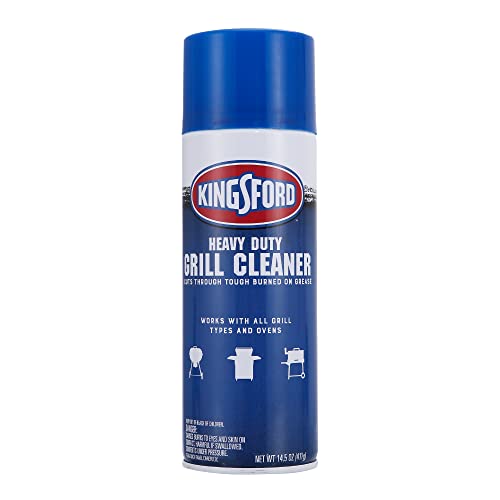
If you spend any time grilling – whether it’s quick weeknight burgers or long smoking sessions on a charcoal kettle – you know the cleanup struggle is real. That’s where the Kingsford Heavy Duty Foaming Grill Cleaner comes in. It’s not a grill itself, but it’s the tool that keeps your grill ready to perform. This aerosol foam is designed for backyard grillers, BBQ enthusiasts, and anyone who fires up a gas or charcoal grill multiple times a week. If you tailgate, camp, or cook for crowds on the patio, this cleaner will save you scrubbing time and keep your grates in shape.
What makes this stuff different from standard spray cleaners? The foam. It’s thick and clingy – it stays on vertical grates and cookbox walls instead of dripping off. That means the cleaning agents have more contact time to break down carbonized grease and burnt-on food. I’ve used it on my three-burner gas grill after searing steaks and on a charcoal kettle after smoking a pork shoulder. In both cases, the foam loosened residue so well that a quick wipe with a paper towel got most of the gunk off. No more heavy scrubbing with a wire brush that wears out grates.
For outdoor cooking, a clean grill isn’t just about appearances – it affects performance. Grease buildup can cause flare-ups, uneven heat, and off-flavors. Using this cleaner regularly helps maintain consistent cooking temperatures and better smoke flavor when using wood chunks. It also reduces the risk of rust on cast iron grates by removing corrosive carbon deposits. I’ve found that a quick spray after each cookout (once the grill is cool) keeps my grates looking like new and makes the next preheat more even.
Build quality here is straightforward – it’s a can of cleaner. But the form factor matters. The aerosol nozzle gives you control over where the foam goes, and the 14.5-ounce size is enough for several deep cleans or many lighter maintenance sessions. The only downside is you need to rinse or wipe thoroughly afterward – you can’t just leave the foam on. And it’s not for hot grills; you have to let the grill cool, which adds a few minutes to your workflow. But that’s a small trade-off for the effort saved.
In terms of durability and weather resistance – well, the can itself is metal and stores fine in a garage or shed. Just keep the nozzle clean and the cap on to prevent clogging. It’s not a heavy-duty industrial degreaser, but for home grillers who cook at least once a week, it’s more than sufficient. I’ve used it on both porcelain-coated and stainless steel grates with no damage or discoloration.
So who should buy this? If you own a charcoal or gas grill and hate scrubbing, get it. It’s especially useful for those who cook fatty meats, do high-heat searing, or smoke low and slow – all of which create stubborn residue. Backyard entertainers who host tailgates or summer parties will appreciate the quick turnaround between batches. And if you take your grill camping (like a portable Weber kettle), this cleaner makes cleanup at the campsite a breeze – just spray, wipe, and pack up. For the price, it’s a solid addition to any griller’s cleaning kit.
Using the Kingsford Heavy Duty Foaming Grill Cleaner is straightforward. First, make sure your grill is completely cool – never spray on a hot surface. Remove grates and place them on a protected area. Shake the can well, then spray a thick layer of foam directly onto the grates and interior surfaces. Let it sit for 5 to 10 minutes – the foam will start to break down carbon and grease. For heavily caked-on residue, a second application or letting it sit longer helps. Then scrub gently with a non-abrasive pad or brush, rinse with water, and dry. For quick maintenance after a cookout, you can spray the foam on, wipe with a paper towel, and light a high-heat burn-off. The foam rinses away clean without leaving sticky residue. Store the can upright in a dry place at room temperature.

Pros
- Effective on heavy grease and charred food residue from low-and-slow smokes
- Works well on both cold and warm surfaces for flexible cleaning after grilling
- Economical - a little goes a long way for multiple cleaning sessions
- Rinses clean without leaving sticky residue that could affect food flavor
Cons
- May require multiple applications for heavily caked-on grime from years of use
- Strong chemical smell during application - use in well-ventilated area
- Not recommended for aluminum surfaces or painted grills
If you spend any time grilling, smoking, or cooking outdoors, you know the cleanup is the least fun part. This heavy-duty grill cleaner is designed to tackle exactly that chore, making it a solid addition to any outdoor cooking setup. It's a spray-on degreaser that works on BBQ grills, smokers, ovens, flat top griddles, and even camping stoves - basically anything that gets coated in grease and carbon after a cookout.
This cleaner is best suited for backyard grillers who fire up their gas or charcoal grills weekly, BBQ enthusiasts who smoke brisket low and slow, campers who need to clean their portable stove after a trip, and tailgaters who want their gear ready for the next game. If you own an RV and cook inside or outside, this is also handy for keeping the oven and grill grates spotless.
In real-world use, the cleaning performance is impressive. It cuts through baked-on grease and charred food residue without requiring heavy scrubbing. After a long smoking session where the grates are covered in black carbon, a few sprays and a short wait let you wipe it away. It doesn't completely eliminate scrubbing, but it reduces elbow grease significantly. The formula works on both warm and cold surfaces, so you can spray right after cooking or let it sit overnight on tough buildup.
Build quality is straightforward - it comes in a standard spray bottle with a trigger nozzle that delivers a wide or narrow stream. The nozzle doesn't clog easily, which is a common issue with thick cleaners. It's safe on porcelain, stainless steel, and cast iron grates, but you should avoid aluminum and painted surfaces. The spray can reach into tight corners of smoker racks and between grates, making it easier to clean those hard-to-reach spots.
Setup and use are simple: spray on, let it sit for a few minutes, scrub if needed, then rinse with water. Cleanup is quick, and the cleaner rinses away without leaving a sticky film that could affect your next meal's flavor. Storage is easy - just keep the bottle in your garage or under the sink. One limitation is that heavily caked-on grime from years of neglect may require multiple applications. Also, the chemical smell is strong, so you'll want good ventilation when using it.
Overall, this is a practical buy for anyone who cooks outdoors regularly. It saves time and effort on cleanup, which means more time enjoying your backyard parties, tailgates, or campsite meals. If you're tired of scrubbing forever after a great cookout, this cleaner makes the after-work much easier. Just remember to wear gloves and work in a well-ventilated area, and your grills and smokers will look like new after each use.


Pros
- Non-toxic and food-safe, safe for food-contact surfaces
- Fast-acting on stubborn grease and carbon buildup
- Works on hot surfaces, saving time between cooks
- Economical and long-lasting for frequent use
Cons
- Requires heated surface (275-325°F) for best results, not for cold cleaning
- May need repeated application for heavily caked-on residue
- Only 32oz size available; larger options would be helpful for commercial users
If you spend any time cooking on a flat top grill or griddle, you know the struggle of cleaning off baked-on grease and food residue. Griddle-Whiz from FryOilSaver is a non-toxic, high-heat cleaner made specifically for that job. It's a liquid solution you apply directly to a hot cooking surface, around 275-325°F, where it quickly loosens carbon and grease without harsh scrubbing. This is the kind of product that makes sense for anyone who uses a griddle regularly, whether that's in a backyard kitchen, at a campsite, or during a tailgate.
This cleaner is best suited for backyard grillers, BBQ enthusiasts, campers, tailgaters, RV owners, and outdoor entertainers who cook on flat top grills or griddles. If you've ever spent twenty minutes scraping a greasy Blackstone or Camp Chef after a big cookout, you'll appreciate how Griddle-Whiz cuts that time down. It's also a solid choice for anyone who wants to avoid harsh chemicals near their food, since the formula is non-toxic and leaves no harmful residues.
In real-world use, Griddle-Whiz performs well on the common messes outdoor cooks face. After a session of smashing burgers, cooking bacon, or searing chicken, the griddle surface gets layered with grease and char. Applying about 2 ounces to the hot surface and letting it sit for 30 seconds starts dissolving that buildup almost immediately. A quick pass with a grill squeegee lifts the grime, and a final wipe with a damp towel leaves the surface clean and ready for reseasoning. It doesn't replace a deep scrape for heavy carbon, but for daily maintenance, it's noticeably faster than scrubbing with a brick or stone.
Build quality is straightforward. The 32oz bottle is sturdy and the cap seals well, which matters if you're tossing it in a camping bin or RV cabinet. The formula itself is a liquid, not a foam or paste, so it spreads easily on a hot surface. There's no strong chemical smell, which is a plus when you're cooking outdoors. The cleaner is designed for temperatures between 275°F and 325°F, so you need to have your grill preheated to that range for best results. That's not a big deal if you're cleaning right after cooking, but it means you can't use it on a cold surface.
One realistic limitation is that heavily caked-on carbon, like what builds up after weeks of neglect, may require a second application or some light scraping. This isn't a magic eraser for years of buildup, but it handles the kind of mess you see after a weekend of heavy use. Also, the 32oz size is fine for home cooks, but if you're running a food truck or catering operation, you might wish for a larger jug. That said, a little goes a long way, so the bottle lasts through many cleanings.
Overall, Griddle-Whiz is a practical addition to any outdoor cook's cleaning kit. It's safe, fast, and effective on the grease and residue that come with regular griddle use. If you're a backyard griller who does burgers and breakfast on a flat top, a camper who wants quick cleanup at the site, or a tailgater who values efficiency between rounds, this cleaner makes life easier. Just remember to reseason your surface after cleaning, and you'll keep your griddle performing well for years.
Pros
- No-drip gel stays put, even on slanted grill grates, preventing messy drips
- Powerful degreasing action cuts through stubborn char and grease with minimal scrubbing
- Versatile enough for grills, ovens, air fryers, and other kitchen surfaces
- Non-toxic and biodegradable, making it safe for outdoor cooking equipment and the environment
Cons
- Requires 10-30 minutes dwell time for best results, so plan ahead for quick cleanups
- Works best on cool surfaces, so you cannot spray on a hot grill immediately after cooking
- Some heavy buildup may need two applications or additional scrubbing
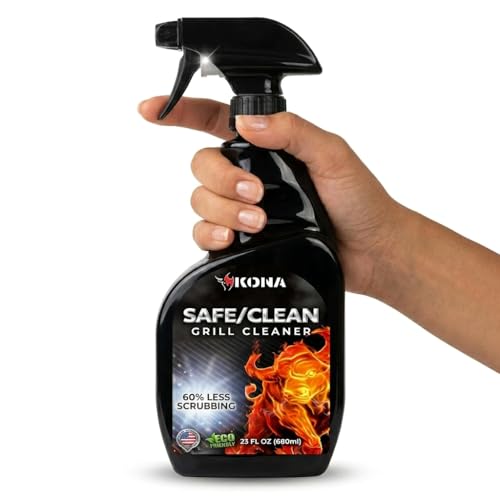
If you spend any time around a grill, you know cleanup is the least glamorous part of outdoor cooking. Kona Safe/Clean Grill Cleaner Spray aims to change that. This heavy-duty, no-drip gel degreaser is designed specifically for BBQ grates, griddles, smokers, and even kitchen appliances. It's not a piece of cooking equipment itself, but an essential accessory for anyone who wants to keep their gear in top shape.
This cleaner is best suited for backyard grillers, BBQ enthusiasts, tailgaters, and patio cooks who value quick, hassle-free maintenance. If you own a Blackstone griddle, Traeger pellet grill, or Weber kettle, this spray works on all surfaces without damaging the finish. The gel formulation clings to vertical and slanted grates, so you won't end up with a puddle of cleaner on your patio.
Performance-wise, Kona Safe/Clean delivers on its promise. Spray it on cool grates and let it sit for 10 to 30 minutes. The gel penetrates carbon buildup and baked-on grease, loosening it so you can wipe or rinse it away with ease. For tough, charred residue, a quick pass with a grill brush does the trick. It's not a miracle worker for years of neglect, but for regular maintenance, it cuts cleaning time in half. The spray is nearly odorless and non-flammable, so you can use it without worrying about harsh fumes or safety risks.
Build quality of the product itself is solid. The 23-ounce bottle has a sturdy spray nozzle that delivers a targeted stream or wide mist. The formula is biodegradable, phosphate-free, and food-safe after rinsing, which is a big plus for anyone using it on grills they cook on. It's also non-corrosive, so it won't damage stainless steel, porcelain, or glass surfaces.
Setup and cleanup are straightforward. You do not need to heat the grill or wear gloves, though rinsing thoroughly after cleaning is recommended. The only limitation is the dwell time: if you are in a hurry, the 10-minute minimum may feel long. Also, the cleaner works best on cool surfaces, so you cannot spray it on hot grates right after cooking. Plan cleanup as part of your post-meal routine.
For the price, Kona Safe/Clean offers solid value for outdoor cooking enthusiasts. It is eco-friendly, effective, and versatile. Whether you maintain a gas grill on your deck, a smoker at the campsite, or a flat top griddle for tailgates, this cleaner helps keep your equipment ready for the next cookout. It is a practical addition to any outdoor chef's cleaning kit.
Keeping your grill clean is essential for both flavor and longevity. Kona Safe/Clean makes this job easier with its no-drip gel that clings to grates and surfaces. To use, spray the gel onto cool grates and let it sit for 10-30 minutes. For tough buildup, use a grill brush or scouring pad to loosen the residue, then wipe with a damp cloth or rinse with water. The formula is food-safe after rinsing and non-toxic, so you can clean without worry. It works on grill grates, hoods, wheels, and even oven racks. For best results, clean after every few uses to prevent excessive carbon buildup.

Pros
- Safe alternative to wire brushes - no bristle hazard
- Works on cool grills, so you can clean anytime without preheating
- Citrus scent leaves a fresh smell after cleaning
- Effective on grease and burnt-on food with minimal scrubbing
- Made in the USA with biodegradable ingredients
Cons
- Spray bottle may be prone to breaking after a few uses (reported by some users)
- May not remove very heavy, baked-on deposits without extra effort
- Scrubber pads may wear out faster on rough grates
If you've ever worried about wire bristles from a grill brush ending up in your food, the CitruSafe Grill Cleaning Kit is a breath of fresh air. This kit combines a 16-ounce citrus-powered spray cleaner with a heavy-duty scrubber handle and three replaceable pads, all designed to clean your grill while it's cool. No more burning off residue or risking stray bristles. It's a simple, safe approach that works on gas grills, charcoal grills, pellet grills, smokers, and even flat-top griddles.
This kit is perfect for backyard grillers who want a hassle-free cleanup after weekend BBQs, as well as campers and tailgaters who need a portable cleaning solution. The spray uses natural citrus degreasers to break down grease and burnt-on food, and the scrubber pads are tough enough to handle the job without scratching your grates. Just spray it on, let it sit for a minute, scrub, and wipe clean. Then preheat your grill for 15 minutes to burn off any residue. It's that straightforward.
In real-world use, the CitruSafe cleaner does a great job on moderately soiled grills. It cuts through grease and food residue quickly, leaving a pleasant citrus scent behind. For heavy, baked-on deposits, you might need to let the spray sit a bit longer or give it an extra scrub. But for regular maintenance cleaning, it's very effective. The scrubber handle feels sturdy, and the pads are thick enough to handle multiple uses before needing replacement.
Build quality is solid for a cleaning kit. The spray bottle is functional, though a few users have reported the nozzle breaking after a few sprays. The scrubber handle is made of heavy-duty plastic with a comfortable grip, and the pads are recyclable. The kit is compact and easy to store in your grill cart or camping gear. Since you clean the grill cool, there's no need to wait for it to heat up, which saves time and fuel.
One limitation is that the spray bottle could be more durable. If you're rough on gear, you might want to transfer the cleaner to a sturdier bottle. Also, for very heavy grease buildup, you may need to repeat the process or use a bit more elbow grease. But for most home cooks and outdoor enthusiasts, this kit offers a safe, effective way to keep your grill clean without the worry of wire bristles.
Overall, the CitruSafe Grill Cleaning Kit is a practical choice for anyone who grills regularly. It's especially good for families with kids, where food safety is a top concern. Whether you're cleaning a Traeger smoker, a Weber kettle, or a Blackstone griddle, this kit makes the job easier and safer. If you want a bristle-free, eco-friendly cleaning method that actually works, this is a solid investment for your outdoor cooking setup.
Pros
- Effectively removes stubborn baked-on grease and carbon deposits
- Biodegradable and food-surface safe (non-toxic when rinsed properly)
- Foam clings to grates and vertical surfaces, reducing waste
- Works on pellet smokers, gas grills, and electric smokers
- Helps reduce flare-ups by removing grease buildup
Cons
- Spray nozzle can be inconsistent; some users report clogging or poor spray pattern
- Foam may struggle to coat thin, closely spaced grate rods without pooling
- Do not use on aluminum or faux stainless steel surfaces (may cause damage)
- Requires thorough rinsing to avoid residue that could affect food taste
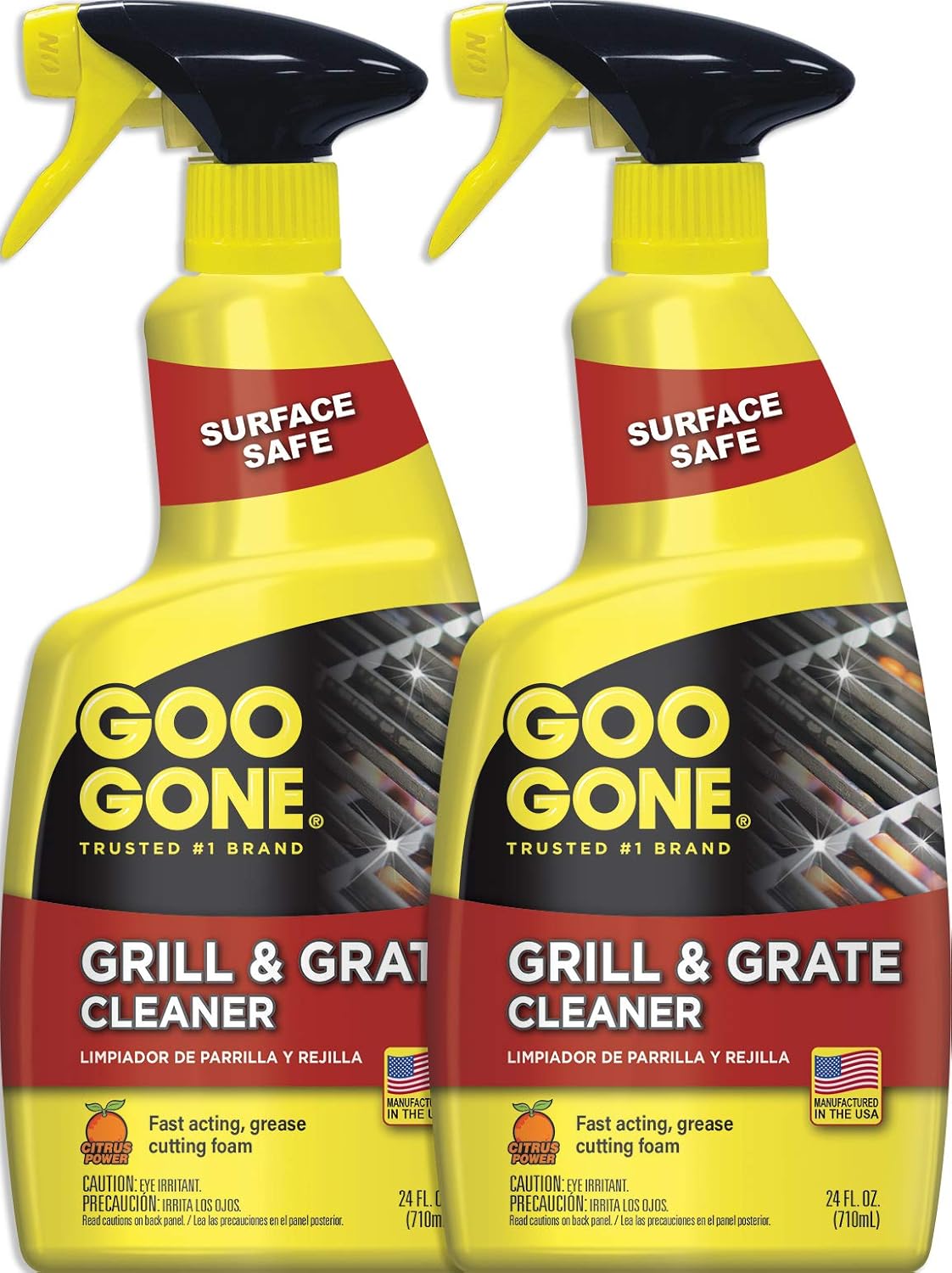
If you've ever faced down a crusty, grease-laden grill grate after a long summer of burgers, steaks, and slow-smoked ribs, you know the struggle is real. The Goo Gone Grill and Grate Cleaner Spray (2 Pack) is designed for exactly that scenario. This super-strength gel foam targets baked-on deposits, carbon, and grease that accumulate on your cooking surfaces. It's not a replacement for a good brush, but it's a powerful pre-treatment that cuts your scrubbing time drastically.
This cleaner is best suited for backyard grillers who own gas grills, pellet smokers (like Traeger), electric smokers, or even charcoal kettles. If you're a tailgater who wants to refresh your portable griddle or a home cook who hates scrubbing drip pans, this product will make your life easier. The biodegradable formula is a plus for eco-conscious outdoor cooks, and the citrus scent is a welcome change from harsh chemical smells.
In real-world use, the foam clings well to vertical surfaces—important for cleaning the inside of your smoker lid or the sides of your grill grates. After letting it sit for a few minutes (the instructions recommend 2 to 10 minutes, depending on how caked-on the grime is), a plastic brush or a stiff grill brush will lift the softened debris. Many users report success even with heavy carbon buildup, and the product helps reduce future flare-ups by removing grease that can ignite.
Build quality is straightforward: two 24-ounce bottles with trigger sprayers. The spray nozzles can be finicky—some reviewers mention they don't produce a consistent foam stream, which can make coating narrow grate rods tricky. A workaround is to pour the cleaner into a spray bottle with a better nozzle, or even soak a cloth and wipe it on. The product is safe on most metals (steel, cast iron, porcelain-coated grates) but avoid aluminum and faux stainless steel as the formula can damage them.
Ease of use is the main selling point. Remove your grates, spray on the foam, wait, scrub, rinse, and dry. For interior grill surfaces, you can spray and wipe with a cloth. The cleaner does need to be rinsed thoroughly—leftover residue could affect the taste of your next meal, so a quick rinse with water is essential. Storage is simple; the bottles stand upright and the foam doesn't separate.
A realistic limitation is that very heavy buildup may require multiple applications or a longer soak. Also, if you're cleaning a large smoker with lots of nooks and crannies, you'll use a fair amount of product. Some users with thin, closely spaced grill rods find that the foam doesn't coat evenly unless they apply it carefully. For best results, consider wearing gloves and working in a well-ventilated area. Overall, this is a reliable, affordable cleaner for regular grill maintenance. If you want to keep your outdoor cooking equipment in top shape without spending hours scrubbing, the Goo Gone Grill and Grate Cleaner is a solid choice.
How to Select and Use the Best Grill Cleaning Sprays
Determining the right liquid solution to spray onto your grill depends heavily on whether you are working with a cold cookbox, a hot flat-top griddle, or everyday cooking grates. Sprays engineered for barbecue maintenance range from heavy foaming degreasers that cling to vertical walls to natural citrus formulas and pre-cook release oils. Matching the chemical properties of the spray to your specific grate material prevents unwanted surface pitting while breaking down polymerized grease effectively.
Identifying the Right Cleaner for Your Specific Grate Material
Cooking grates come in cast iron, stainless steel, porcelain-enameled steel, and chrome-plated steel. Each material responds differently to cleaning chemicals. Stainless steel handles alkaline degreasers and citrus solvents well without losing structural strength. Cast iron requires a gentler approach because caustic sprays can strip the polymerized seasoning that prevents rust and food adhesion.
Porcelain-coated grates feature a glass-like outer layer that cleans easily when treated with non-abrasive sprays. Harsh acidic compounds or coarse abrasive pads can micro-scratch porcelain, exposing the raw steel underneath to moisture and rust. When treating porcelain grates, choosing a foaming spray that dissolves carbon without requiring aggressive wire scraping helps prolong the life of the coating.
Cookbox interiors, burner tubes, and heat tents also demand targeted cleaning sprays. Heavy-duty degreasers can loosen flaky carbon deposits that collect inside aluminum fireboxes or stainless lids. However, certain heavy commercial formulas specify that they should not be applied to bare aluminum or simulated stainless steel surfaces. Always verify surface compatibility to avoid unsightly etching or discoloration.
Heavy-Duty Foaming Sprays and Clinging Gels
Foaming aerosol sprays and dense gels solve one of the biggest challenges in barbecue maintenance, which is keeping liquid cleaner in contact with vertical grates. Traditional liquid sprays run down into the grease tray immediately, leaving little dwell time to penetrate carbon crusts. A dense clinging foam expands across the metal bars, holding active degreasing agents against baked-on food deposits for ten to thirty minutes.
Products such as aerosol foaming degreasers or clinging gel sprays utilize specialized surfactants that penetrate polymerized grease bonds. As the foam sits, it emulsifies sticky oils and turns crusty char into a softened paste that wipes away with minimal friction. This extended dwell time reduces the physical effort required to restore heavily soiled cooking surfaces after long barbecue sessions.
Applying clinging gels requires proper timing on a completely cool grill surface. Spraying foaming aerosols onto hot metal can cause the liquid vehicle to evaporate prematurely or create aerosolized chemical vapors. Letting a gel dwell for the manufacturer-recommended duration allows the formula to break down carbon deposits thoroughly before you begin scrubbing with a non-scratch pad.
Citrus-Based and Plant-Derived Degreasing Sprays
Citrus-based grill cleaners harness d-limonene, a natural solvent derived from citrus peels, to cut through grease and cooking oils. These plant-derived degreasers provide a strong cleaning action without generating harsh fumes that make indoor or sheltered patio maintenance unpleasant. Citrus sprays are biodegradable and generally safe for food-contact surfaces once rinsed with clean water.
Many grill owners prefer citrus formulas because they are designed to clean grates when the cooking chamber is cold. This cool-cleaning method eliminates the need to run the grill on high heat simply to burn off food scraps, saving propane, charcoal, or wood pellets. Applying a citrus spray to cool grates allows the natural oils to loosen sticky residue safely before wiping down the bars.
Citrus cleaners frequently pair with bristle-free scrubbers and heavy-duty synthetic cleaning pads rather than traditional wire brushes. Wire bristles can detach, stick to cooking grates, and accidentally transfer into grilled meat, creating a severe health hazard. Using a citrus spray combined with replaceable abrasive scouring pads removes softened residue effectively without introducing loose wire hazards into your food.
High-Heat Solutions for Flat-Top Grills and Griddles
Flat-top griddles require a completely different cleaning chemistry than standard barbecue grates. Specialized flat-top cleaners are formulated to work on hot surfaces, typically between 275 degrees and 325 degrees Fahrenheit. When sprayed or poured onto a warm steel griddle, these solutions lift caramelized starches and burnt proteins instantly through thermal activation and mild surfactants.
Backyard cooks who operate a griddle and smoker combo know that griddle plates accumulate stubborn sugar glazes from marinades and smash burgers. Applying a food-safe high-heat cleaner directly to the warm surface produces rapid bubbling that separates grease from the steel plate without hours of manual scraping. A heavy grill squeegee then sweeps the loosened slurry cleanly into the grease trough.
After using any high-heat cleaning solution on a flat-top, the steel surface must be wiped down thoroughly with a damp towel. Because these cleaners strip away cooking grease, they also remove parts of the protective seasoning layer. Finishing the maintenance routine by wiping on a thin coat of high-smoke-point cooking oil and heating the griddle preserves the non-stick surface and prevents flash rusting.
Cooking Release Sprays Versus Maintenance Cleaning Sprays
It is essential to distinguish between sprays formulated to remove existing grease and non-stick sprays used to prevent food from sticking during cooking. Maintenance degreasers contain surfactants, solvents, or natural citrus extracts engineered to dissolve carbon and should never be applied while food is on the grates. In contrast, cooking release sprays consist of emulsified edible oils designed for high-temperature culinary use.
Specialized non-flammable cooking sprays can be applied directly to warm grates or griddles right before placing meat or vegetables. By creating a barrier between delicate proteins and heated metal bars, these edible oil sprays prevent delicate fish fillets and skin-on chicken from tearing. Keeping food from bonding to the metal in the first place drastically reduces the amount of carbon buildup you must scrub away later.
Regular culinary aerosol cooking oils often contain propellant gases like butane or propane that present a significant flare-up risk when sprayed near open flames. If you choose to use an oil spray to season grates during a cookout, select a formula specifically designated as non-flammable for grill use, or apply cooking oil using a basting brush or paper towel dipped in high-smoke-point oil.
Safe DIY Sprays Using Household Pantry Staples
If commercial degreasers are unavailable, simple homemade solutions can manage light to moderate grill cleaning tasks. A classic DIY mixture combines equal parts distilled white vinegar and warm water in a clean spray bottle. The mild acetic acid in white vinegar helps break down fresh grease film and deodorizes the cooking box without introducing artificial fragrances or harsh chemicals.
For tougher spots with baked-on residue, combining a vinegar spray with a baking soda paste creates an effervescent cleaning reaction. Spraying vinegar onto the grates and following with a dusting of sodium bicarbonate produces carbon dioxide bubbles that physically loosen soft food debris. This combination works well for routine maintenance on stainless steel and porcelain grates after weekly family cookouts.
A simple spray bottle filled with warm water and a grease-cutting liquid dish soap also provides safe, dependable cleaning power. Liquid dish soap is formulated specifically to suspend animal fats and vegetable oils without attacking metal finishes. While DIY sprays struggle against heavily carbonized, multi-season buildup, they remain an economical choice for routine touch-ups after light grilling.
Step-by-Step Procedure for Spray Cleaning Your Grill
Preparing the grill properly before applying any cleaning spray ensures maximum efficiency and chemical safety. Begin by allowing the grill to cool completely unless you are using a specialized high-heat griddle solution. Remove loose ash and large charred chunks with a wooden scraper or nylon brush so the spray directly contacts stubborn, bonded grease instead of superficial debris.
Shake the cleaning spray thoroughly and apply an even, generous coat across the grates, flavorizer bars, and interior hood surfaces. Ensure that the liquid or clinging foam covers all soiled areas without pooling excessively in the bottom firebox. Allow the cleaner to dwell according to the product guidelines, typically between one minute for quick sprays and thirty minutes for heavy gels.
Once the dwell time has elapsed, scrub the loosened deposits using a heavy-duty non-wire scouring pad or bristle-free scrubber. Wipe the grates and interior surfaces clean with damp microfiber towels or paper towels, rinsing your cloth frequently in warm water. Finally, ignite the grill and let it run on medium heat for fifteen minutes to burn off any microscopic cleaning residue before placing food on the grates.
Dangerous Cleaning Sprays and Practices to Avoid
Certain common household cleaning sprays should never be applied to a barbecue grill under any circumstances. Standard indoor oven cleaners frequently contain concentrated sodium hydroxide, commonly known as lye. While lye cuts through burnt organic matter aggressively, it severely corrodes aluminum cast cookboxes, degrades delicate coatings, and emits noxious fumes that are hazardous to inhale outdoors.
Never spray flammable aerosol cans, flammable solvents, or gasoline-based liquids anywhere near a grill, even if the coals or gas burners appear extinguished. Hidden embers or hot metal can ignite aerosol propellants instantly, causing severe flash fires and serious burn injuries. Always store pressurized aerosol cleaning cans far away from warm barbecue pits and direct summer sunlight.
Avoid spraying ice-cold liquids directly onto scorching-hot cast-iron grates or ceramic cookers. Extreme temperature differentials create thermal shock, which can warp stainless grates, shatter ceramic components, or crack thick cast iron in half. Always allow heavy metal grates to cool down to a moderate warmth or room temperature before applying cold liquid cleaners.
Outdoor Grill Operation and Essential Placement Safety
Grill maintenance and barbecue cooking must always take place in well-ventilated outdoor environments. Under no circumstances should you ever operate a gas, charcoal, or pellet grill inside a residential garage, carport, enclosed porch, or indoor room. Even if the garage door is completely open, burning solid fuels or gas produces lethal, odorless carbon monoxide gas that accumulates rapidly in enclosed spaces.
Operating grills inside a garage also presents severe fire hazards from radiant heat, sudden grease flare-ups, and floating embers. Keep your outdoor grill at least ten feet away from house siding, wooden deck railings, overhangs, and flammable patio structures. Position your barbecue station safely on an open patio where cooking smoke and cleaning vapor can disperse freely into the open air.
If you grill on an expansive patio with a built-in kitchen, ensuring adequate ventilation around your setup is equally critical. Homeowners who install a BBQ island kit with LED lights must follow local fire codes and manufacturer clearance guidelines for safe outdoor entertaining. Regular cleaning of drip pans and burner boxes prevents grease flare-ups from threatening your outdoor cooking island during high-heat searing.
Post-Cleaning Preservation and Seasoning Maintenance
Cleaning a grill with liquid degreasers strips away surface oils, leaving bare metal exposed to atmospheric moisture. If left unconditioned, cast-iron grates and carbon-steel flat tops will quickly develop reddish surface rust within twenty-four to forty-eight hours. Applying a protective conditioning treatment immediately after cleaning prevents oxidation and maintains a smooth cooking surface.
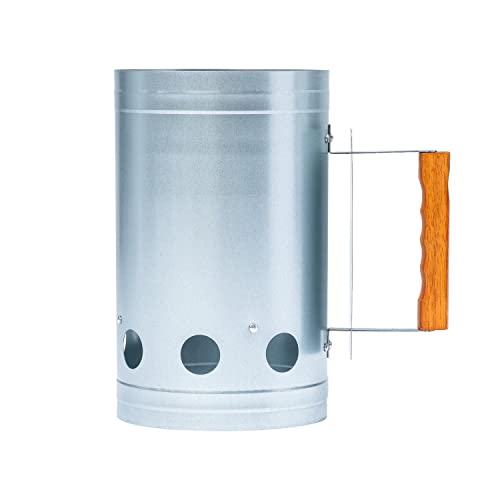
Once the grates are clean and dry, apply a very thin, even layer of high-smoke-point oil such as canola oil, grapeseed oil, or vegetable oil using a clean cloth. Turn on the burners or light a small chimney of charcoal to heat the grates until the oil begins to smoke lightly. This heat polymerizes the oil, bonding it to the metal pores to establish a resilient, water-resistant non-stick seasoning layer.
Storing your grill under a breathable, water-resistant cover protects freshly cleaned surfaces from rain, pollen, and morning condensation. Performing routine maintenance with appropriate sprays after every few cookouts prevents stubborn grease from cementing onto your grates. A well-maintained cooking surface ensures sanitary food preparation, prevents bitter carbon flakes from sticking to your food, and keeps your grill performing reliably for years to come.





Write Your Review
No reviews yet. Be the first to share your experience!