


Smoking meat is an art, but getting that consistent, deep smoky flavor without hot spots? That’s the challenge. Many backyard pitmasters struggle with uneven cooking – burnt edges on one side, undercooked centers on the other. What is a reverse flow smoker? It’s a design that solves this problem by forcing heat and smoke to travel beneath the cooking chamber before circulating back. This creates steady temperatures and a balanced smoke bath for your brisket, ribs, or chicken. The result? Juicier meat, crispier bark, and less babysitting.
We’ve analyzed the top models based on construction, baffle design, and real user feedback. Whether you’re a weekend warrior or a competition cook, understanding how reverse flow works helps you pick a smoker that delivers consistent results every time. For more on basic smoking techniques, check out our guide on how to use a smoker box with gas grill.

Pros
- Versatile smoking options: choose reverse flow for even heat or traditional offset for classic flavor.
- Generous cooking capacity easily handles a brisket, ribs, and chicken for a backyard party.
- Solid build quality with heavy-gauge steel that holds up to years of outdoor use.
- Good temperature control with multiple dampers and a lid-mounted gauge for accurate monitoring.
Cons
- Very heavy at 226 pounds, making it difficult to move without the wheels or a helper.
- Assembly can be time-consuming and may require two people to align parts properly.
- Some users find the factory seals need upgrading with gasket tape to prevent smoke leaks.
The Oklahoma Joe's Longhorn Reverse Flow Offset Smoker is a serious piece of equipment for anyone who loves authentic Texas-style barbecue. This is a large, charcoal-fired offset smoker that lets you choose between reverse flow and traditional offset smoking. It's built for backyard BBQ enthusiasts who want to take their low-and-slow game to the next level, not for campers or tailgaters looking for portability. This smoker is a permanent fixture on the patio or in the backyard.
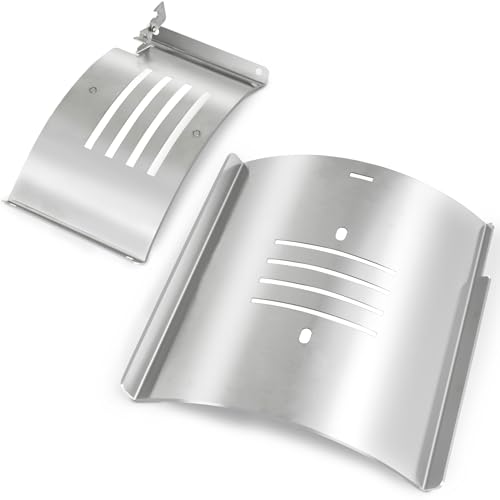
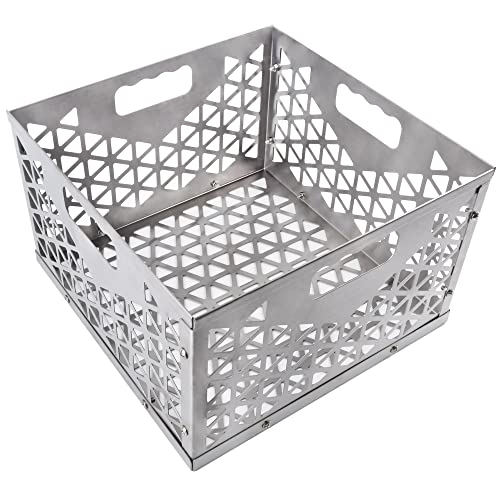
In real-world cooking, the Longhorn shines with heat consistency and smoke flavor. The reverse flow design routes heat and smoke under the cooking grates and back through the chamber, eliminating hot spots and giving you even temperatures from end to end. The four baffle plates lock under the porcelain-coated wire grates to further distribute heat. Whether you're smoking a brisket for 14 hours or a batch of ribs, you get that deep, clean smoke flavor without having to babysit the fire constantly. The large charcoal basket holds enough fuel for long cooks, and the firebox door makes tending the fire or adding charcoal a breeze.
Build quality is a standout. The smoker is made from heavy-gauge steel and 12-gauge black oil pipe, giving it a rugged feel that can handle years of outdoor exposure. The lid fits well, though some users add gasket tape for a tighter seal. The porcelain-coated grates resist rust and are easy to clean. The wagon-style wheels are large and roll smoothly across grass or concrete, and the cool-touch handles are a nice safety touch. At 226 pounds, it's not something you'll move often, but the wheels make placement manageable.
Setup requires some effort. You'll need to attach the firebox, smokestack, legs, and shelves. The instructions are decent, but having a second person helps. Once assembled, cleanup is straightforward: the firebox door lets you dump ash easily, and the grease management is decent thanks to the baffles directing drips. The bottom shelf keeps tools and extra charcoal handy.
There are a few realistic limitations. The weight makes it impractical for camping or tailgating. The learning curve for managing fire and airflow can be steep for beginners. And while the smoker performs well out of the box, some owners choose to add mods like a gasket kit or a charcoal basket upgrade for even better performance. But for a dedicated backyard pitmaster who wants a versatile, large-capacity smoker that delivers authentic flavor, the Oklahoma Joe's Longhorn is a solid investment. It's built to last and gives you the flexibility to smoke your way.

Pros
- Even heat distribution thanks to reverse flow baffles
- Generous cooking capacity for large cuts and multiple racks
- Durable steel construction with porcelain-coated grates
- Flexible setup with optional smokestack positions
Cons
- Firebox paint may peel with high heat use, requiring occasional maintenance
- Some assembly needed and unit is very heavy at 180 lbs
- May need additional gaskets to seal doors for optimal temperature control
The Oklahoma Joe's Highland Reverse Flow Smoker is a serious piece of gear for anyone who loves real charcoal smoking. This is an offset smoker, meaning the firebox sits off to the side, and the heat and smoke travel through the main chamber to cook your food. What makes this model special is the reverse flow design—instead of the smoke going straight across and out the stack on the same side, it's guided under a series of baffle plates, then back across the food before exiting. This creates a much more even temperature from end to end, which is the holy grail for low-and-slow cooking.
This smoker is built for the backyard BBQ enthusiast who wants to step up from a basic kettle or bullet smoker. It's not a portable camping rig or a tailgating companion—at 180 pounds and over four and a half feet wide, this is a stationary setup for your patio or backyard. If you're serious about smoking brisket, pork shoulders, ribs, or even whole turkeys for holidays and weekend parties, this is a tool that can handle large cooks. The main chamber offers 619 square inches of cooking space, and the firebox has an additional 281 square inches that can be used for grilling or warming, giving you a total of 900 square inches to work with.
In real-world use, the reverse flow baffles make a noticeable difference. Instead of having a hot spot near the firebox and a cooler zone at the far end, the temperature stays remarkably consistent. You can load up the main chamber with three or four racks of ribs and expect them to cook at the same rate. The multiple dampers give you good control over airflow, which is key for maintaining a steady 225-250°F range for hours. The firebox is large enough to hold a mix of charcoal and wood chunks, and the included charcoal basket helps with airflow and ash management. Expect to add fuel every 45 minutes to an hour, which is typical for an offset smoker of this size.
Build quality is solid for the price point. The steel is heavy-gauge, and the porcelain-coated cooking grates are a nice upgrade over bare steel—they resist rust and are easier to clean. The cool-touch handles are a practical touch when you're tending the fire in the middle of a cook. That said, some owners report that the paint on the firebox can peel after repeated high-heat use, which is common with many offset smokers. A quick wire brush and a coat of high-heat spray paint each season will keep it looking good. Also, the doors may not seal perfectly out of the box, so many users add high-temperature gasket material to prevent smoke leaks and improve temperature stability.
Assembly requires some time and effort—this is not a five-minute setup. You'll need a couple of strong helpers to move the pieces around. Once assembled, the large 10-inch wheels make it easy to roll into position on a patio or in the yard. Cleanup is manageable: the firebox has a clean-out door for ash removal, and the porcelain grates scrub up nicely. The front shelf provides a handy spot for tools and sauces, and the bottom shelf stores extra charcoal and wood.
Overall, the Oklahoma Joe's Highland Reverse Flow Smoker is a fantastic choice for the dedicated backyard pitmaster who wants authentic offset flavor without breaking the bank. It delivers even heat, plenty of space for big cooks, and the flexibility to run it in reverse flow or traditional mode. It does require some initial setup and minor modifications to get the best performance, but that's part of the learning curve with any offset smoker. If you're ready to invest in a smoker that will help you turn out competition-quality BBQ in your own backyard, this is a solid buy.
Frequently Asked Questions
Does a reverse flow smoker require more fuel than a traditional offset?
No, it’s actually more fuel-efficient. The baffle system directs heat along the full length of the cooking chamber, extracting more energy before it exits the smokestack. Users report using up to 20-30% less charcoal or wood for the same cook time compared to standard offsets. This also means less frequent refueling during long smokes.
Can I use my reverse flow smoker for grilling at high temperatures?
Yes, but with a caveat. Models like the Oklahoma Joe’s Longhorn let you remove baffles or adjust smokestack placement to convert to traditional offset mode. In reverse flow mode, the steady heat is ideal for low-and-slow at 225-275°F. For searing above 400°F, switch to traditional flow or use the firebox grate directly. Always monitor with a professional temperature gauge.
How do I clean the baffles in a reverse flow smoker?
Most reverse flow smokers have removable baffles. After each session, scrape off grease and ash using a putty knife or wire brush. For Oklahoma Joe’s models, the baffles slide out easily for deep cleaning. Avoid water on hot metal to prevent warping. Regular cleaning prevents grease fires and maintains even airflow. For more cleaning tips, read our guide on how to use a smoker box with gas grill (cleanup section).
What size reverse flow smoker is best for a family of four?
A model with at least 600 square inches of primary cooking space works well. The Oklahoma Joe’s Highland offers 619 sq in main chamber plus 281 sq in firebox grate – enough for two briskets or four racks of ribs. For larger gatherings, the Longhorn’s 751 sq in primary space handles bigger batches. Consider secondary cooking space in the firebox for sides or smaller cuts.
Do reverse flow smokers produce bark as well as traditional offsets?
Absolutely. In fact, many pitmasters find bark development more consistent because of uniform heat and smoke. The steady moisture level inside the chamber prevents the surface from drying out too fast, allowing a rich, dark crust to form. You may need to adjust your rub moisture slightly, but overall the results are comparable or better.
Is the Oklahoma Joe’s Longhorn reverse flow smoker portable?
It features large wagon-style wheels and a bottom shelf for fuel and tools, making it reasonably easy to move around a patio or driveway. At around 200 lbs, it’s not tailgate-friendly but suitable for backyard use. For competition transport, consider a dedicated trailer. Check out best pellet smokers under $200 if you need something more portable.





Write Your Review
No reviews yet. Be the first to share your experience!