


Managing live coals creates rich flavor, but outdoor cooks often struggle with uneven temperatures, sluggish airflow, or stubborn briquettes. Learning how to use expert charcoal grill equipment begins with setting up steady airflow and choosing reliable fuel rather than dousing coals in lighter fluid. Setting up a dedicated prep station, such as an organized rolling bbq prep table, keeps your utensils, fuel, and heat-resistant gloves within arm reach while you fire up the grate. A disciplined lighting procedure makes the difference between thin blue smoke and acrid white fumes that ruin dinner.
Charcoal kettles and portable braziers rely on simple physics, drawing cool oxygen from bottom vents to feed embers before venting exhaust through the lid. Once you understand how bottom intake dampers regulate heat output, you gain complete command over high-heat searing and slow indirect roasting. Quality lump hardwood or dense briquettes generate steady radiant energy that outperforms rushed cooking methods. Taking time to master two-zone cooking setups, routine lid management, and prompt grate maintenance transforms basic backyard grilling into consistent outdoor cooking success.

Pros
- Super convenient setup and no cleanup required
- Lightweight and easy to carry anywhere
- Heats up quickly with even cooking performance
- Great for small gatherings or solo grilling
Cons
- Single-use only, so not suitable for regular backyard cooking
- Limited cooking space – best for 2-4 burgers or a few skewers
- Charcoal burns for about 1 hour, so longer cooks aren't possible
If you've ever found yourself craving a grilled burger at a campsite or tailgate but didn't want to haul a full-size charcoal grill, the Oppenheimer USA Disposable Charcoal Grill is exactly what you need. This is a lightweight, portable, single-use grill that comes pre-loaded with easy-light charcoal – just remove the wrapper, light the corners, and you're ready to cook in minutes. It's designed for outdoor enthusiasts who value convenience above all else.
This grill is best suited for campers, tailgaters, RV owners, and anyone who enjoys spontaneous outdoor cooking without the hassle of cleanup. It's also a solid pick for beach days, park picnics, or even emergency cooking during power outages. The 9x13 inch cooking grate gives you enough space for a few burgers, hot dogs, or skewers – perfect for 2-4 people. Just don't expect to smoke a brisket or feed a crowd.
In terms of real-world cooking performance, the easy-light charcoal lights quickly and reaches a decent grilling temperature within 10-15 minutes. The heat distribution is fairly even across the grate, though you might notice slightly cooler spots near the edges. Searing is possible for thin cuts like burgers and chicken thighs, but you won't get the same crust as a heavy cast-iron grate. Smoke flavor is present but mild – it's enough to satisfy a casual griller but not a BBQ purist. The fuel burns for about an hour, which is fine for quick grilling sessions but not low-and-slow cooking.
Build quality is what you'd expect from a disposable product – sturdy enough to hold up during cooking, but not meant for long-term use. The aluminum tray feels solid, and the wire grate supports food without sagging. There are no wheels, folding legs, or weather-resistant features because this grill is designed to be used and tossed. Portability is its strong suit: at 3.5 pounds and dimensions of 9x13x2 inches, it slips into a backpack or car trunk easily.
Setup is incredibly simple – no tools, no assembly, no charcoal to pour. Just remove the plastic wrap, place the grill on a non-flammable surface, and light the corners through the designated ignition strips. Cleanup is even easier: once the charcoal has cooled completely, you can dispose of the entire grill. Just make sure to follow local disposal guidelines for charcoal and ash. The biggest limitation is that it's single-use, so if you grill often, the cost adds up compared to a reusable portable grill.
Overall, the Oppenheimer USA Disposable Charcoal Grill is a fantastic solution for outdoor cooks who prioritize convenience and portability. It's not meant to replace your backyard kettle grill, but it's a lifesaver for camping, tailgating, or any on-the-go cooking scenario. If you're looking for a no-mess, no-fuss way to enjoy grilled food anywhere, this pack of two is a smart buy.
At just 3.5 pounds and 9x13x2 inches, this grill is incredibly easy to transport. It fits in a backpack, car trunk, or even a large tote bag. No need to worry about charcoal bags or lighter fluid – everything is built in. The lightweight design makes it a top choice for hikers, campers, and tailgaters who want to travel light.
This grill shines in scenarios where convenience and portability matter most. Use it for camping trips, tailgate parties, beach outings, park picnics, or even as a backup grill during power outages. It's also great for small gatherings where you only need to cook a few items. Not ideal for large BBQs or smoking.

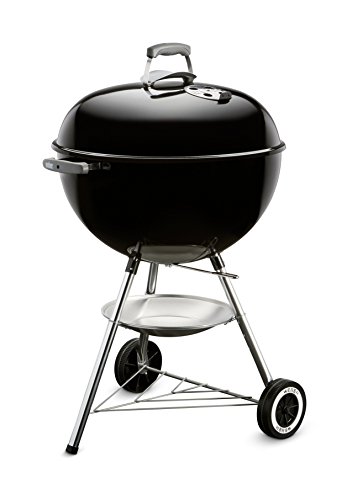
Pros
- Outstanding heat retention and even cooking thanks to the porcelain-enameled construction.
- One-Touch cleaning system drastically cuts down cleanup time - no more wrestling with ash pans.
- Versatile temperature control via top and bottom dampers allows both fast grilling and slow smoking.
- Sturdy build with rust-resistant materials ensures this grill lasts for years of outdoor use.
- Portable with all-weather wheels and a compact footprint - easy to take to tailgates or campsites.
Cons
- Does not include a built-in grill thermometer, so you may need to buy one separately for accurate temperature monitoring.
- Assembly can be somewhat time-consuming and requires basic tools; the instructions are clear but not step-by-step for beginners.
- Charcoal management takes a little practice to master temperature consistency, especially in windy conditions.
The Weber Original Kettle Charcoal Grill in the classic 22-inch size is a staple in the outdoor cooking world. This is a charcoal kettle grill designed for direct grilling, indirect heat cooking, and even low-and-slow smoking when you manage the airflow right. It's perfect for backyard grillers, BBQ enthusiasts who love that smoky flavor, campers who want a reliable grill at the campsite, and tailgaters who need a portable setup that can feed a crowd.
In real-world cooking, this grill shines with consistent heat across the grate. The porcelain-enameled bowl and lid hold onto heat remarkably well, so you get even cooking without hot spots. You can crank up the dampers for a ripping hot sear on steaks, or close them down for a gentle smoke on ribs or a whole chicken. The 22-inch cooking surface gives you enough real estate for 13 burgers, a couple of racks of ribs, or a large brisket. Charcoal burns efficiently too - you can get several hours of cook time on a full chimney of coals, which is great for all-day smoking sessions.
Build quality is where Weber really delivers. The porcelain-enameled steel lid and bowl resist rust and chipping far better than painted steel grills. The cooking grate is plated steel that's durable and easy to clean. The all-weather wheels make moving the grill around your patio or into the garage simple, and the tool hooks on the side let you hang your spatula and tongs within reach. The lid hook on the back lets you hang the lid out of the way, which is a nice touch when you're flipping burgers.
Setting up the Weber Kettle is straightforward, though it does take about an hour and a half to assemble. You'll need a Phillips head screwdriver and maybe a wrench, but the instructions are clear. Cleanup is where this grill really wins points - the One-Touch cleaning system lets you sweep ash directly into the removable catch pan underneath. No more wrestling with a dirty ash bucket. The pan is aluminized steel so it won't rust quickly.
One realistic limitation is the lack of a built-in thermometer. You'll want to pick up a good probe thermometer or a grill grate thermometer to monitor temperature accurately. Also, like any charcoal grill, you'll need to manage the airflow to avoid flare-ups and maintain steady temps, especially on windy days. But that's part of the fun of charcoal cooking - you get more control over flavor.
Overall, the Weber Original Kettle is a smart investment for anyone serious about outdoor cooking. Whether you're cooking for a family gathering on the patio, smoking a brisket for a weekend party, or packing it up for a tailgate, this grill delivers reliable performance and classic smoky flavor. It's not the cheapest option out there, but the build quality and 10-year warranty make it a buy-it-for-life piece of gear.
The 22-inch Weber Kettle offers excellent versatility for outdoor cooking. You can use direct heat for searing steaks and burgers, or set up for indirect heat by placing coals on one side and food on the other - perfect for smoking ribs or a whole chicken. The porcelain-enameled lid helps trap heat and smoke, giving your meat that rich, smoky flavor charcoal is known for.
Temperature control is managed through the top damper and bottom vent. Open them wide for high heat (up to 500F+) or close them down to maintain 225-250F for low-and-slow cooking. The heat consistency across the grate is very good overall, though you may notice slightly higher heat near the edges on windy days. For most backyard cooks and campers, the performance is more than adequate for everything from hot dogs to brisket.

Pros
- Extremely high heat output (up to 1,200°F) for excellent searing
- Long burn time (up to 4 hours) with steady infrared heat
- Clean burning with minimal smoke and no chemical taste
- Reusable multiple times with simple care—eco-friendly and cost-effective
Cons
- Requires a chimney starter or long lighter to fully ignite (not instant-light)
- Higher upfront cost compared to standard charcoal briquettes
- 11-pound bag is moderate weight—may need more for large gatherings
The Bincho Grill Binchotan Charcoal is a premium Japanese hardwood lump charcoal designed for serious outdoor cooks who value precision heat and clean flavor. Unlike standard charcoal, this binchotan is made from White Oak fired in traditional kilns to achieve around 95% carbon purity. It burns at temperatures up to 1,200°F, delivering intense, steady infrared heat that's perfect for yakitori, steaks, seafood, and vegetables. The virtually smokeless and odorless burn means your food tastes exactly like it should—no chemical aftertaste or overwhelming smoke.
This charcoal is ideally suited for backyard grillers, BBQ enthusiasts, and patio cooks who want restaurant-quality results at home. It's also a great choice for tailgaters and campers who value portability and efficiency, though you'll need a proper starter method like a chimney or electric lighter. The 11-pound bag provides enough fuel for several cooks, and because it's reusable, you can extinguish partially used coals and relight them later—a real money-saver over time.
In real-world use, the heat consistency is outstanding. Once lit, binchotan holds a stable temperature for up to 4 hours, which makes it excellent for both fast grilling (burgers, hot dogs) and low-and-slow cooking (kebabs, whole fish). The high heat creates a beautiful sear on meats while keeping the interior juicy. Because it burns so cleanly, you can grill on a patio or balcony without bothering neighbors with excessive smoke or odor.
Build quality is top notch—the charcoal pieces are dense and uniform, breaking down slowly compared to typical lump charcoal. There's no dust or small fragments that waste fuel. However, lighting does take patience. You'll need a chimney starter or a long-handled lighter; binchotan isn't self-lighting. Once lit, it glows evenly and produces minimal ash, making cleanup easy. Just let the coals cool, shake off the ash, and store them for the next cook.
One realistic limitation is that binchotan is more expensive per pound than standard charcoal. But given its reusability and superior performance, many outdoor cooks find it worth the investment. Another consideration: the 11-pound bag is a moderate size. For large backyard parties or cooking for a crowd, you might need two bags. For everyday grilling or small gatherings, it's plenty.
Overall, The Bincho Grill Binchotan Charcoal is a top-tier fuel for anyone serious about grilling. If you enjoy the art of yakitori, want clean heat for delicate proteins, or simply appreciate a longer-lasting, hotter-burning charcoal that's reusable, this is an excellent choice. It pairs beautifully with Japanese-style grills but works equally well on standard kettle grills or kamado cookers. Just give yourself extra time for lighting, and you'll be rewarded with some of the best grilling results you've ever had.

Pros
- 100% natural hardwood with no fillers or chemicals for clean flavor.
- Easy to light even without lighter fluid, saving time and hassle.
- Consistent heat distribution helps avoid hot spots and uneven cooking.
- Low smoke production means less irritation and better visibility while grilling.
Cons
- The 5 lb bag is relatively small, so it may not be enough for large gatherings or long smoking sessions.
- Log style pieces can vary in size, which might require breaking for smaller grills or fire pits.
- Some users may prefer lump charcoal over log style for faster ignition and higher heat output.
TEK All Natural Hardwood Charcoal is a solid choice for anyone who values clean, natural fuel for their outdoor cooking. This log-style charcoal is made from 100% hardwood with no additives, binders, or chemicals. It's designed to light easily, burn hotter, and last longer than standard briquettes while producing minimal smoke. Whether you're firing up a backyard grill, packing for a camping trip, or tailgating before the big game, this charcoal aims to deliver consistent performance without the fuss.
For backyard grillers and BBQ enthusiasts, the even heat distribution is a standout feature. You can sear steaks with confidence, grill burgers for a crowd, or set up a two-zone fire for low-and-slow cooking. The low smoke output means fewer flare-ups and a more pleasant cooking experience, especially when entertaining guests on the patio. The 5-pound bag is lightweight and easy to carry, making it a practical option for quick weeknight dinners or weekend cookouts.
Campers and RV owners will appreciate the portability and ease of lighting. No need for lighter fluid or a chimney starter if you're in a hurry – just light a few pieces and you're ready to cook. The long burn time of up to five hours means you can grill a full meal or even do some foil-packet cooking without constantly adding more charcoal. It's also a great fit for portable grills and fire pits where space and fuel efficiency matter.
Build quality is straightforward – it's natural hardwood, so what you see is what you get. The log style pieces are sturdy and hold their shape during burning, which helps maintain airflow and heat consistency. There are no grates or moving parts to worry about, and cleanup is as simple as disposing of ash. The bag itself is resealable, which keeps the charcoal dry and ready for your next cookout.
One realistic limitation is the bag size. At 5 pounds, it's best suited for smaller grills or shorter cooking sessions. If you're planning to smoke a brisket or feed a large party, you'll likely need multiple bags. Also, the log shape may not fit neatly into all charcoal baskets or small grills, so you might need to break a few pieces. But for most everyday grilling, camping, or tailgating needs, this charcoal performs admirably.
Overall, TEK All Natural Hardwood Charcoal is a reliable, eco-friendly fuel option that balances convenience with performance. It's ideal for backyard cooks who want natural flavor without chemical aftertaste, campers who need a hassle-free fire, and tailgaters who value portability and quick heat. If you're looking for a clean-burning charcoal that delivers consistent results, this bag is worth adding to your outdoor cooking gear.

Operating Your Charcoal Grill: Principles, Setup, and Fire Control
Operating a charcoal grill with confidence requires working with the physical dynamics of fire rather than guessing your cooking heat. Every successful cook depends on a deliberate process that begins with choosing clean fuel, setting up proper airflow, and arranging coals to match your menu. Once you master coal placement and damper adjustments, outdoor charcoal cooking becomes remarkably predictable.
Selecting the Right Fuel: Briquettes, Hardwood Lump, and Specialty Coals
The fuel you place into the firebox directly dictates cooking temperature, burn duration, and food aroma. Standard charcoal briquettes offer uniform shape and steady, predictable heat output over an extended period. Because briquettes contain compacted wood byproducts with natural binders, they produce a reliable thermal floor that suits steady roasting. However, they generate higher ash volume that can choke small air vents if left unmonitored.
All-natural hardwood lump charcoal, such as TEK All Natural Hardwood Charcoal, presents distinct performance characteristics. Lump charcoal consists of charred hardwood pieces that light quickly and reach intense searing temperatures. Because natural hardwood contains no chemical fillers, it burns down to minimal ash and leaves clean wood smoke on ingredients. Placing larger chunks at the base of the fuel grate helps maintain open air channels.
Specialty hardwoods like The Bincho Grill Binchotan Charcoal represent a dense, high-carbon fuel developed for focused grilling styles like yakitori. Traditional binchotan burns remarkably hot and virtually smokeless, providing steady infrared heat that sears proteins without unpleasant flare-ups. It requires patient lighting in a chimney over a steady flame, but it rewards cooks with long-lasting radiant warmth. Matching fuel density to your cooking timeline prevents mid-cook refueling interruptions.
Essential Pre-Fire Safety and Outdoor Placement Checks
Safe charcoal cooking begins long before you strike a match. Charcoal grills must always be operated outdoors in an open space on a stable, noncombustible surface like concrete or patio pavers. Never operate a charcoal grill inside a garage, breezeway, or enclosed porch, even if the door is open. Smoldering coals release odorless carbon monoxide that quickly accumulates to fatal concentrations in confined spaces.
Clear surrounding areas of combustible materials, maintaining generous clearance from vinyl siding, deck railings, and low tree branches. Wind direction plays an active role in fire control, as strong gusts can scatter sparks or force excess draft into bottom intake dampers. Inspect grill hardware before adding fuel, ensuring legs are bolted securely and the bowl rests level. If you use portable designs with locking latches like the GasOne 14-inch Portable Charcoal Barbecue Grill, confirm latch hardware is disengaged during active cooking to avoid trapped steam pressure.
Keep safety gear within immediate reach before lighting the fire. Heavy heat-resistant gloves protect your hands and forearms when shifting hot grates or handling chimney starters. Have an operational fire extinguisher rated for grease fires nearby, along with a metal bucket of dry sand. Water should never be poured into an active charcoal grill, as rapid steam expansion can splatter boiling grease and crack porcelain enamel coatings.
Lighting Charcoal Cleanly Without Liquid Accelerants
Liquid lighter fluid is the primary culprit behind unpleasant chemical flavors in backyard barbecue. Petroleum distillates coat charcoal surfaces unevenly and leave residual vapors that penetrate porous food surfaces. The most effective way to start a charcoal fire is with a metal chimney starter and natural starters like wax cubes or unprinted newsprint. A chimney starter concentrates heat through a vertical draft column, bringing fuel to combustion naturally.
To use a chimney starter, invert the cylinder and place two loosely crumpled sheets of paper or a wax fire starter into the bottom chamber. Flip the chimney upright and fill the main chamber with your measured portion of charcoal briquettes or hardwood lump. Set the loaded cylinder on your charcoal grate, light the starter material from below, and let the fire climb upward. Within fifteen to twenty minutes, top coals will display light gray ash.
Pouring coals requires focus and heat-resistant hand protection. Grasp the chimney handle firmly, steady the secondary wire bale if included, and dump the glowing coals onto the lower grate with a controlled motion. Spread the coals immediately into your intended cooking formation before placing the cooking grate back on top. If you use self-contained units like the Oppenheimer USA Disposable Charcoal Grill for travel, light the starter sheet according to package instructions and let surface flames subside before cooking.
Establishing Direct and Indirect Heat Zones
Pouring hot coals in a flat layer across the entire bottom grate is a frequent novice misstep. A flat fuel bed leaves no cool refuge on the grate, forcing cooks to pull charred food off the grill whenever dripping juices trigger flare-ups. The two-zone fire setup provides the ultimate solution by dividing the grill into distinct temperature zones. You create this arrangement by banking glowing coals onto one half of the charcoal grate while leaving the opposite side bare.
The direct zone sits right above the burning coals, generating high radiant heat perfect for searing steaks and crisping burger patties. The indirect zone sits over the empty side of the firebox, where rising heat circulates gently around food like a convection oven. This gentle indirect environment allows thick cuts and roasts to cook through to safe temperatures without scorching exterior seasonings. For instance, pairing indirect roasting with direct charring creates stellar results when grilling a charcoal-grilled Korean beef barbecue dish that relies on delicate sugars in its marinade.
Some compact grills feature vertical adjustments instead of horizontal zones. Models like the GasOne Charcoal Grill with multi-level flame control let you adjust cooking grid distance relative to the firebed. Raising the grate creates a lower effective heat zone, while dropping the grid close to the coals delivers maximum searing contact. Regardless of your grill format, always maintain an escape zone where food can rest safely away from intense flames.
Calibrating Intake and Exhaust Dampers for Temperature Control
Airflow dictates combustion rate in any solid-fuel grill. Coals require fresh oxygen to burn, meaning the intake dampers located at the bottom of the grill bowl serve as your primary throttle for temperature. Opening the bottom damper wide admits maximum air, causing the fuel to burn hotter and faster. Restricting the bottom intake reduces oxygen supply, cooling the firebed down for low-and-slow cooking sessions.
The top exhaust damper located in the grill lid serves as your draft engine. As hot air rises and exits through the lid vent, it creates a vacuum that pulls fresh air through the bottom intake vents. Position the exhaust damper directly over the indirect zone when cooking with the lid closed. This forces heat and fragrant smoke to travel across your food before escaping through the lid, bathing the ingredients in continuous warmth and smoke flavor.
Make damper adjustments in small increments rather than swinging vents entirely open or closed. Changing a vent position by a fraction of an inch alters oxygen intake enough to shift internal grill temperature noticeably within ten minutes. Allow the grill temperature to stabilize after any damper adjustment before evaluating whether further changes are necessary. Never close both vents completely during cooking, as starving coals of all oxygen causes them to smolder and deposit bitter creosote.
Enhancing Flavor with Hardwood Chunks and Smoke Management
Charcoal provides exceptional base heat, but adding seasoned hardwood creates distinct regional barbecue flavors. Hardwood chunks work far better than thin wood chips on a charcoal grill because chunks smolder steadily for an hour or more without burning up prematurely. Place one or two fist-sized chunks of hickory, applewood, pecan, or oak directly onto the glowing edge of your coals just before adding food to the cooking grate. Alternatively, outdoor cooks using specialized kettles or gas hybrids can position metal smoker boxes for extra wood aroma to control combustion rate and prevent ash scatter.
Monitor smoke quality rather than smoke volume throughout the cooking process. You want thin, translucent, pale blue smoke drifting steadily from the exhaust vent, which signals clean, complete combustion. Thick, billowing white smoke indicates damp fuel or starved coals that are suffocating from restricted airflow. White smoke deposits harsh compounds that taste bitter on the tongue, so open intake dampers slightly if you observe murky, heavy smoke under the lid.
Managing Flare-Ups and Monitoring Internal Food Temperatures
Flare-ups occur when rendered animal fats or oily marinades drip onto white-hot coals and ignite into localized flames. While a brief flicker can impart a desirable flame-kissed taste, sustained grease fires scorch meat exteriors into carbon while leaving the core raw. When a flare-up starts, never panic and never spray water over the cooking surface. Simply slide the meat with long-handled tongs from the direct heat zone over to the indirect side until dripping grease burns off.
Placing the lid on the grill snuffs out aggressive flames by limiting the fresh oxygen supply that fuels grease fires. Keep the lid down as much as possible while cooking, lifting it only to flip ingredients, baste sauces, or check internal temperature. Frequent lid lifting bleeds radiant heat and introduces sudden bursts of oxygen that can reignite dormant flames below the grate. Trust your dampers to regulate heat rather than opening the lid to vent excess temperature.
Never rely on surface appearance or arbitrary cooking time estimates to determine food doneness. Grilling environments vary wildly based on wind speed, coal density, and outdoor ambient temperature, making visual inspection notoriously inaccurate. Use an instant-read digital food thermometer inserted into the thickest part of the meat, avoiding direct bone contact. Follow verified USDA safety standards, targeting 165 degrees Fahrenheit for all poultry, 160 degrees for ground meats, and 145 degrees with a three-minute rest for whole beef, pork, and lamb cuts.
Extinguishing the Fire, Ash Disposal, and Grate Maintenance
Shutting down a charcoal grill safely requires patience and thorough oxygen starvation. Once your cooking session finishes, close both the bottom intake damper and the top lid exhaust damper completely. Deprived of oxygen, the glowing embers will slowly suffocate and cool down over the course of several hours. Never dump cold water directly onto hot coals, as thermal shock can warp steel bowls and crack protective enamel finishes.
Scrape cooking grates while they retain residual warmth rather than waiting for grease to harden overnight. Use a bristle-free coil scraper, wooden paddle, or crumpled aluminum foil held in sturdy tongs to scour caramelized debris from grate rods. Built-in cleanup features, like the One-Touch cleaning system on a Weber Original Kettle Charcoal Grill, sweep settled debris directly into an enclosed aluminized steel ash catcher with a sweep of the lever. On basic grills, wait until the firebox is completely cold before scooping ash into a metal bucket.
Charcoal ash contains alkaline potassium salts that draw moisture from humid outdoor air and form caustic compounds that corrode steel fireboxes. Empty the ash catcher after every single cook once the material has cooled for at least twenty-four hours. Store partially burned hardwood lump in a dry bin for future cooks, as extinguished lump charcoal can be relit easily during your next grilling session. Keeping your grill clean and dry protects the metal finish and guarantees clear airflow every time you cook.
Final Operating Checks for Consistent Grilling Results
Successful charcoal cooking is ultimately a discipline of steady habits rather than complicated gadgets. Take time before every cook to plan your fuel arrangement, calibrate intake dampers gradually, and respect the boundary between direct searing and gentle indirect roasting. By prioritizing outdoor safety, managing airflow deliberately, and verifying doneness with an accurate food thermometer, you unlock the full culinary potential of live charcoal heat with complete control.


Write Your Review
No reviews yet. Be the first to share your experience!