

Setting up a compact outdoor cookout requires a careful balance between limited fuel capacity and consistent cooking temperatures. Portable barbecues deliver authentic wood-coal flavor without taking up the extensive patio footprint of full-sized carts. Learning how to use a table top charcoal grill begins with establishing a stable cooking area that protects delicate picnic benches from radiant heat. Many camp cooks pair these compact cookers with a dedicated rolling outdoor prep table to keep seasonings, charcoal tongs, and raw ingredients within easy arm reach. Once you understand airflow mechanics and fuel placement, these portable units can produce searing heat that rivals backyard kettle grills.
Small fireboxes behave differently than full-sized charcoal pits because their compact air volumes react rapidly to damper adjustments. A small handful of briquettes can generate surprising thermal energy, making active vent management essential for preventing scorched food. Understanding heat zones, proper coal lighting procedures, and safe cool-down protocols ensures every outdoor meal cooks evenly and safely. Whether you are searing skewers over an open hibachi or roasting under a vented lid, proper technique transforms a compact charcoal cooker into a reliable outdoor kitchen centerpiece.

Pros
- Dual cooking surfaces allow simultaneous open-flame grilling and flat-top searing.
- Weighs around eight pounds and folds flat for effortless vehicle packing and storage.
- Independent ventilation system keeps coals burning evenly across the firebox.
- Removable charcoal tray simplifies post-cook ash disposal at the campsite.
Cons
- Open tabletop configuration lacks a lid, making heat retention challenging on windy days.
- Shallow firebox is built for quick direct-heat searing rather than low-and-slow smoking.
- Charcoal chamber requires periodic refuel top-offs for extended cooking sessions.
The Run Jee Tabletop Charcoal Grill is a compact, dual-surface portable cooker designed to solve the common dilemma outdoor cooks face between an open grill grate and a solid griddle. By pairing a traditional wire grate with a smooth steel plancha over a dedicated charcoal firebox, it brings versatile live-fire cooking straight to picnic tables, tailgate setups, and campsite benches. It caters directly to tent campers, RV travelers, tailgaters, and patio cooks who want authentic charcoal flavor without hauling a heavy steel barrel grill.
Real-world cooking performance centers around direct-heat versatility. With hot lump charcoal or briquettes arranged beneath the cooking platform, the wire grate delivers classic flame contact and defined char marks on chicken thighs, skewers, and sausages. Simultaneously, the solid griddle section acts as an impromptu outdoor skillet, preventing delicate foods from falling through while trapping rendering fats for crispy bacon, fried eggs, and diner-style smash burgers. The split design means morning breakfasts transition directly into evening barbecues without switching hardware.
Durability comes courtesy of thickened cold-rolled steel plates across the main chassis and legs. Portable grills often suffer from thin metal that warps under intense coal beds, but the heavier gauge here resists thermal deformation and keeps the unit sitting level. Integrated fold-out legs snap open quickly and provide reliable ground clearance, helping isolate heat from picnic tables or tailgate beds. The exterior finish holds up against basic campfire handling, though keeping it out of steady rain will ensure the longest possible lifespan.
Transport and airflow management are two of this unit's strongest practical advantages. Weighing just over eight pounds and folding down to roughly four inches thick, it slips easily into car trunks, camper storage bins, or overland gear boxes. An independent bottom charcoal tray incorporates side ventilation ports, pulling fresh oxygen under the coals to keep temperatures steady while keeping settling ash separated from your food. Once the coals burn down and cool, sliding out the tray makes ash disposal straightforward and tidy.
Potential buyers should recognize the functional boundaries of an open-air tabletop design. Without a dedicated hood, this grill is not intended for smoking pork shoulders or slow-roasting thick roasts, and gusty winds will increase charcoal consumption. For straightforward outdoor cooking where you need fast setup, real charcoal taste, and simultaneous grilling and griddling for up to six people, this portable cooker offers dependable capability in a pack-and-go package.
The split cooking deck changes how you approach outdoor meal prep by eliminating the need to choose between a grill grate and a flat top. The open grate side exposes food directly to glowing coals, giving steaks, chops, and peppers rich charcoal aroma and distinct sear marks. Heat spreads quickly from the coal bed through the metal grates, providing high-heat direct cooking ideal for weeknight burgers or trail-side skewers.
Meanwhile, the flat griddle zone functions as a high-heat heat shield and frying surface. It captures rendering grease to shallow-fry breakfast potatoes and hash browns without flare-ups engulfing the food. The independent airflow underneath the fuel bed feeds continuous oxygen to your coals, maintaining a consistent hot zone across both cooking halves for predictable cooking times.
Setting up at a park, beach, or tailgate takes only seconds thanks to the integrated folding architecture. The legs fold inward flat against the frame, transforming the cooker into a compact rectangular profile that fits neatly into crowded car trunks alongside coolers and camping chairs. At roughly eight pounds, it is light enough to carry from your vehicle to a scenic cookout spot in one hand.
Post-cook cleanup is equally manageable. Because the charcoal resides in a dedicated tray separate from the main chassis, dumping spent embers into a campsite ash disposal bin is quick once everything has cooled down. Wiping down the flat griddle with a cooking towel and scraping the grate with a brass brush keeps the surfaces seasoned and ready for your next outdoor trip.

Pros
- Excellent heat retention and even cooking thanks to thick cast iron
- Two grate heights allow flexible heat control for searing or slower cooking
- Portable and sturdy for camping, tailgating, or small backyard patios
- Easy to clean and maintain with proper seasoning
Cons
- Heavy at 13 pounds, not ideal for ultralight backpacking
- Requires regular drying and oiling to prevent rust
- Small cooking area limits capacity to two people or small meals
The IronMaster Hibachi Grill is a compact, 100% cast iron charcoal grill built for outdoor cooking enthusiasts who value heat retention and portability. Designed for two people, this tabletop grill brings authentic hibachi-style searing to your campsite, tailgate, or backyard patio. It's pre-seasoned with vegetable oil and ready to use right out of the box, making it a solid choice for anyone who wants real charcoal flavor without a full-sized rig.
This grill is best suited for campers, tailgaters, RV owners, and couples who love grilling steaks, burgers, vegetables, or skewers over live fire. The 10-inch cooking surface is small but mighty, and the two adjustable grate heights let you dial in your searing intensity. You can go high for a quick char on a steak or lower it for more gentle cooking. The draft door gives you decent air control, so you can manage temperature without constant fiddling. While it's not designed for low-and-slow smoking, it delivers fast, hot grilling with plenty of smoke flavor from the charcoal.
Build quality is where this grill really shines. The cast iron is thick and heavy, weighing 13 pounds, which helps it hold steady heat even in windy conditions. The pre-seasoned surface is smooth and polished, and with basic care, it will develop a natural non-stick layer that improves over time. That said, cast iron is prone to rust if left wet, so you'll need to brush it dry after each use and wipe it with a light coat of oil. The metal handle stays cool enough to grip, and the coal door makes adding fresh coals easy without lifting the grate.
Setup is about as simple as it gets. There's no assembly required, just remove it from the box, add charcoal, light it, and you're cooking. Cleanup involves scraping off residue and giving the surface a quick wipe with oil. The grill's compact size makes storage easy, and it fits on most picnic tables, camp tables, or patio countertops. It's not designed for large groups, but for two people, it's efficient and fun to cook on.
One realistic limitation is its weight. At 13 pounds, it's heavy for backpacking, but it's perfect for car camping, RV trips, or tailgating where you don't have to carry it far. The small cooking area also means you're limited to a few burgers or a couple of steaks at a time. If you're feeding a crowd, you'll want something bigger. But for intimate outdoor meals, it's hard to beat the flavor and heat control this little grill offers.
If you're looking for a portable charcoal grill that prioritizes cooking performance and durability over sheer capacity, the IronMaster Hibachi Grill is a great buy. It's built to last, delivers authentic charcoal taste, and fits easily into your outdoor lifestyle. Whether you're searing steaks at the campsite or grilling veggies on the patio, this grill will serve you well for years with just a little care.
The IronMaster Hibachi Grill excels at high-heat searing and fast grilling, thanks to its thick cast iron construction that retains heat remarkably well. The two adjustable grate heights let you move food closer to the coals for a quick char or farther away for more controlled cooking. The draft door provides decent air control, allowing you to manage temperature for consistent results. Smoke flavor is strong and authentic, giving your steaks, burgers, and vegetables that classic charcoal taste. While it's not suited for low-and-slow smoking, it's perfect for quick, flavorful meals for two.
This grill is designed for easy transport and quick setup. Weighing 13 pounds, it's sturdy but not ultralight, making it ideal for car camping, RV trips, tailgating, and patio use. There's no assembly required, just unpack, add charcoal, and light it. The compact size fits on most tabletop surfaces, and the metal handle makes carrying simple. Cleanup is straightforward: scrape off residue, wipe the surface dry, and apply a light coat of oil to maintain the seasoning. Storage is easy thanks to its small footprint.

Pros
- Weighs only 8.5 pounds with a locking lid and carry handle for smooth transport
- Integrated grate elevation system makes adding fresh coals painless during longer sessions
- Dual dampers and built-in thermometer make heat adjustments straightforward
- Lid opens wide to create functional side wing tables for tools and seasonings
Cons
- Compact 150-square-inch surface is too small for cooking larger cuts or feeding big groups
- Shallow coal bed requires careful charcoal arrangement to prevent flare-ups on high heat
- Lacks a slide-out ash drawer, requiring you to tip the body to dump cooled ash
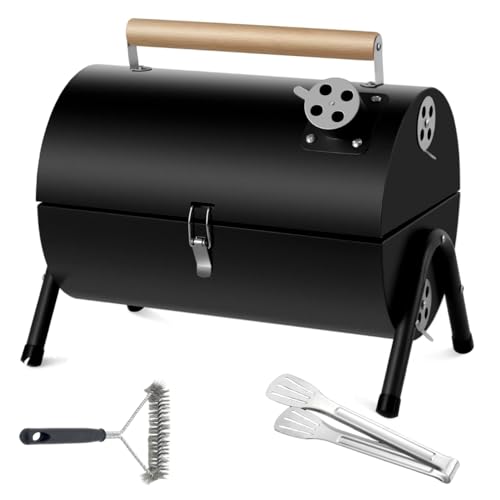
The Charmline Tabletop Charcoal Grill is a dedicated portable cooker designed for outdoor enthusiasts who refuse to trade genuine wood-and-lump flavor for convenience. Sized at 10.7 by 15.4 inches and weighing just 8.5 pounds, this little rig targets campers, tailgaters, RV road trippers, and patio grillers who want quick setup and true live-fire searing without taking up precious trunk or deck space.
Despite its compact footprint, cooking performance punches above what you might expect from a budget tabletop unit. The 150-square-inch wire grate handles four good-sized burger patties, a pair of ribeyes, or several chicken skewers with room to spare. Direct-heat searing is where it thrives, getting hot quickly thanks to a shallow firebox that positions food right over the coals. The included dome lid traps heat well, allowing you to get a respectable melt on cheeseburgers or finish thicker brats without scorching the exterior.
Managing cooking temperatures on small portable grills is usually frustrating, but Charmline addresses this with two practical touches. You get twin top air dampers to throttle your draft alongside a built-in lid thermometer, which keeps you from constantly lifting the lid and losing built-up heat. Even better is the hinged grate support frame. Instead of hunting for a heat-resistant surface to set greasy grates while you add fuel, the grate simply pivots upward and locks in place so you can slide fresh lump charcoal right into the base.
Usability in outdoor settings is thoughtfully engineered throughout. When you grill lid-off, the dual lid panels fold outwards to serve as wing-style side platforms. That extra landing space is a lifesaver at campsites where picnic table space is scarce, giving you an instant spot for basting brushes, spices, or a plate. The folding legs snap open cleanly, creating a wide and wobble-free stance on grass, tailgate beds, or wood benches.
There are some realistic compromises to keep in mind before firing it up. Because the firebox is relatively shallow, you need to manage your lump or briquettes carefully so high-fat meats do not trigger flare-ups. Cleanup also takes a little manual effort, as the absence of a removable ash tray means waiting until the unit is stone-cold before picking it up to dump ashes. Even with those quirks, it remains an exceptionally versatile and easy-to-haul charcoal cooker for solo adventurers, couples, and weekend campouts.
Dialing in heat on a portable cooker often feels like guesswork, but this grill simplifies the process. The lid is equipped with a clear temperature dial that reads ambient internal heat in real time, saving you from lifting the cover and dumping valuable convection warmth.
Airflow is regulated through two top-mounted dampers that can be choked down to smother runaway temperatures or opened fully to build high-heat searing zones. This setup allows you to jump from a steady moderate roast for bone-in chicken to blazing surface heat for charring hot dogs and skirt steak.
At roughly 8.5 pounds, this grill is light enough to carry in one hand while your other hand holds a cooler or a bag of lump charcoal. The built-in handle works in tandem with a secure lid latch to ensure no ash or loose parts spill during transit.
Setup takes seconds at the campsite. The support legs swing down smoothly to elevate the hot bottom off picnic tables, protecting wood and composite surfaces from scorching while offering a stable footprint on uneven dirt or grass.



Mastering Tabletop Charcoal Grilling: Setup, Heat Control, and Technique
Operating a portable charcoal cooker requires an understanding of how concentrated fuel reacts within a restricted firebox. Because these portable units place hot coals only inches away from resting surfaces and cooking grates, small adjustments produce noticeable changes in grate temperature. Mastering how to use a table top charcoal grill involves dialing in your fuel measurements, managing active airflow, and maintaining strict safety boundaries throughout the entire cook.
Surface Selection and Outdoor Operating Clearances
Safe placement represents the most critical first step whenever lighting charcoal in a compact appliance. Charcoal grills generate extreme downward radiant heat that can scorch wooden picnic tables, warp plastic folding furniture, or crack delicate stone surfaces. Stable outdoor picnic tables made of unfinished timber or concrete provide sturdy support, but you should place a dedicated heat-resistant grill pad or thick patio paver beneath the legs. Units like the Portable bbq Charcoal Grill Small Folding Table incorporate triangular leg structures to enhance stability on uneven ground, reducing the risk of accidental tipping.
Clearance around the perimeter of the cooker must remain completely unobstructed by low-hanging foliage, canvas awnings, or patio railings. Maintain at least three feet of clearance from any combustible material on all sides to prevent rising sparks or flare-ups from igniting surrounding gear. Charcoal grills must never be used indoors, inside tents, under enclosed porches, or inside a garage, even if the vehicle door is left wide open. Burning charcoal produces deadly carbon monoxide gas, an invisible and odorless hazard that rapidly accumulates in partially enclosed spaces, posing severe health risks.
Selecting Charcoal and Calculating Fuel Volume
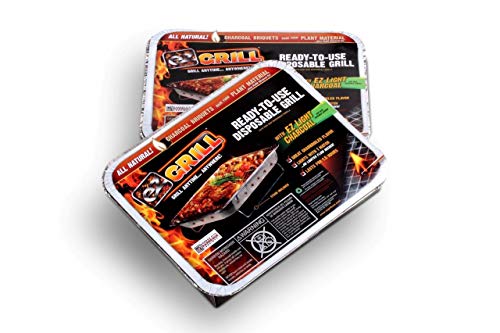
Choosing the right fuel directly impacts the cooking duration and heat intensity inside a small grill body. Hardwood lump charcoal lights quickly, burns with high heat, and leaves behind minimal ash, making it an excellent match for rapid high-heat searing. Charcoal briquettes provide a denser structure that burns at a steady, predictable temperature for a longer period, which helps maintain consistency in compact basins. Disposable options like the EZGRILL Disposable Charcoal Grill Ideal eliminate the guesswork entirely by packaging all-natural charcoal directly into a self-contained tray designed for short cooking sessions.
Overfilling a compact firebox is one of the most common mistakes beginners make when preparing a cookout. A full chimney starter of coals can quickly overwhelm a portable basin, driving grate temperatures beyond manageable limits and burning your food. Most portable tabletop models require only twenty to thirty briquettes, or roughly one-third to one-half of a standard chimney starter. Using a measured quantity allows sufficient airspace between the glowing coals and the grate, preventing severe flame flare-ups when fat drips downward.
Clean Ignition Without Excess Chemical Accelerants
Lighting charcoal in a small cooker requires patience and clean ignition methods to avoid lingering chemical odors. Pouring liquid lighter fluid into a shallow tabletop firebox can saturate the bottom vents and coat the interior metal with foul petroleum residue. Natural wax firestarter cubes, compressed wood shavings, or electric starters produce clean combustion without tainting the delicate aroma of your ingredients. A compact chimney starter is the most reliable tool for igniting briquettes evenly before transferring them into the basin.
Allow the starter cubes or chimney fire to burn until the charcoal pieces develop a light coating of white ash across their surfaces. Pouring unlit coals directly into a shallow basin creates heavy, acrid smoke that deposits bitter creosote onto your food. Once the coals glow red at their centers and show pale gray edges, transfer them carefully into the grill using heat-resistant barbecue gloves and long metal tongs. Spreading evenly ashed coals prevents cold pockets and delivers dependable thermal performance from the moment you lay food across the grates.
Setting Up Direct and Two-Zone Cooking Configurations
Direct heat cooking involves spreading lit coals in an even layer across the floor of the firebox directly under the food. This configuration works well for thin cuts of meat like flank steak, burger patties, hot dogs, and vegetable skewers that cook through quickly before the exterior burns. Models such as the Zarkind Portable Tabletop Charcoal Grill feature flat-folding stainless steel frames with side ventilation holes designed to maintain active, even airflow across a uniform direct coal bed.
Two-zone grilling provides far greater versatility by banking all the hot coals against one side of the firebox, leaving the other side completely free of fuel. This setup creates a scorching direct heat zone for marking meat, alongside an indirect zone where delicate foods can roast gently without burning. If you are preparing thick poultry cuts or testing a flavorful bbq wings recipe, starting on the indirect side allows the meat to cook through gently before a final direct sear crisps the skin. Having a cooler safety zone also provides a refuge for food whenever rendering fats cause sudden grease flare-ups.
Managing Airflow with Intake and Exhaust Dampers
Airflow dictates fire intensity inside any charcoal cooker because oxygen directly feeds the burning embers. Bottom or side intake dampers draw fresh oxygen into the firebox, while upper exhaust dampers pull heat past the food and vent combustion gases. Opening the intake vents fully introduces maximum oxygen, fueling hotter fires ideal for crisp searing and quick browning. Restricting the intake openings slows the combustion rate, bringing the internal cooking temperature down for moderate roasting.
Lidded models like the Portable Charcoal Grill, Mini Folding BBQ Tabletop incorporate top chimneys and side air slots to give cooks precision control over the cooking environment. Never close the top exhaust vent entirely while cooking because stagnant smoke creates a stale, sour flavor on food and can smother the coals prematurely. Adjust temperatures primarily through small movements of the lower intake damper, waiting five to ten minutes after each adjustment to observe how the fire responds.
Working with Lidded Units Versus Open Hibachis
Lidded tabletop grills function like miniature convection ovens, trapping ambient heat and smoke around the cooking surface. Grills such as the Charmline Portable Tabletop Charcoal Grill feature built-in thermometers and fold-out lid panels that serve as side prep wings, letting you monitor ambient temperature without releasing captured heat. Cooking with the lid closed minimizes oxygen flares, cooks food from all directions, and infuses proteins with rich wood smoke. This enclosed convection method is particularly valuable for bone-in chicken thighs, pork chops, and dense sausages that require steady internal heat.
Open hibachi grills present a distinctly different grilling experience rooted in direct radiant infrared heat. The IronMaster Hibachi Grill, 100% Cast Iron uses heavy cast iron construction that absorbs immense thermal energy, featuring two adjustable grate heights to modulate heat exposure. Without a lid to trap convection currents, hibachi cooking relies on frequent flipping, close fire proximity, and direct contact with pre-seasoned cast iron grates. This style excels at yakitori skewers, thin steaks, sliced zucchini, and rapid backyard appetizers where constant attention yields exceptional crust development.
Utilizing Dual-Zone Grates and Griddle Attachments
Modern portable designs often expand beyond standard wire grates to offer hybrid cooking surfaces for outdoor cooks. Units like the Tabletop Charcoal Grill, Portable Foldable incorporate a split cooking surface featuring both an open grill grate and a flat solid griddle plate. This dual setup allows you to sear smash burgers or fry morning eggs on the flat top while roasting peppers or grilling kebabs over open coals at the same time.
Flat griddles prevent small chopped vegetables, shrimp, and loose ingredients from slipping between open grate bars into the fire below. Cooking on a solid plate also traps rendered juices and marinades, creating intense surface caramelization that differs from the charred grill marks left by open bars. If your backyard setup also includes a dedicated griddle and smoker combo, you already know how versatile dual flat-top and grate cooking can be. When using a griddle attachment on a charcoal unit, distribute coals evenly beneath the plate to avoid localized hot spots that could scorch delicate ingredients.
Replenishing Coals During Extended Cooking Sessions
Compact fireboxes hold smaller charcoal volumes, meaning cooking sessions lasting longer than forty-five minutes usually require fresh fuel. Adding raw, cold briquettes directly on top of fading embers can introduce bitter smoke and temporarily drop the cooking surface temperature. Specialized cookers like the IronMaster Hibachi Grill, 100% Cast Iron address this challenge by incorporating a front coal door, allowing you to slide fresh coals into the firebox without moving food.
Other designs, such as the Charmline Portable Tabletop Charcoal Grill, feature raised support frames that elevate the cooking grate so you can easily access the coal bed beneath. When replenishing fuel mid-cook, light four to six fresh briquettes in a separate chimney starter ahead of time if possible. If you must add unlit charcoal, place only two or three pieces at a time directly beside active embers to let them catch without suffocating the fire.
Food Safety and Temperature Monitoring Protocols
Cooking over charcoal requires dependable verification methods because exterior charring can create the illusion of doneness while the interior remains undercooked. While built-in lid gauges provide a general sense of ambient cooking temperature, they do not tell you whether meats are safe to eat. Always use an instant-read digital food thermometer inserted into the thickest part of the meat, avoiding direct bone contact, to verify doneness. Follow authoritative food safety standards by ensuring poultry reaches a safe internal temperature of 165 degrees Fahrenheit and ground meats hit at least 160 degrees.
Cross-contamination is another critical risk when cooking on compact camp tables where space is limited. Keep raw meat platters and basting brushes completely separate from clean serving plates and finished dishes. Carry sanitizing wipes or biodegradable camp soap to wash hands and tongs between handling raw proteins and serving cooked food. Maintaining strict separation protects your dining companions and keeps outdoor grilling sessions safe from foodborne illness.
Extinguishing Coals, Ash Handling, and Surface Care
Finishing an outdoor cookout safely requires properly extinguishing the fuel bed and disposing of hot residues. If your portable grill features a tight-fitting lid and dampers, close all upper and lower vents completely to starve the fire of oxygen. Models like the Portable Charcoal Grill, Small Foldable Outdoor simplify cleanup through slide-out ash trays that collect spent material once the appliance has cooled. Never pour cold water directly onto hot cast iron or thin porcelain-enameled steel, as sudden thermal shock can warp metal, crack coatings, and generate dangerous clouds of scalding steam.
Allow coals to cool for several hours until the exterior metal feels completely cold to the touch before packing the grill into a vehicle or carry bag. Transfer cold ash into a non-combustible metal container rather than plastic trash bags or dry camp foliage. After clearing the firebox, wipe down grates with a brass bristle brush and apply a light coating of cooking oil to cast iron components to prevent oxidation. Packing clean, lightly oiled equipment ensures your portable grill stays free of corrosion and ready for your next outdoor cooking trip.
Mastering a portable charcoal setup transforms weekend camping trips and tailgating parties into impressive culinary outings. By matching fuel volume to your compact firebox, establishing deliberate heat zones, and following strict outdoor safety protocols, you can achieve professional searing and tender roasting anywhere you travel. Verify doneness with an accurate food thermometer, care for your grates between uses, and always allow the grill to cool completely before packing away your gear.



Write Your Review
No reviews yet. Be the first to share your experience!