


Gas grilling provides push-button ignition, steady heat zones, and rapid cleanup, but many outdoor cooks miss the deep, rustic essence produced by glowing coals. Learning how to get charcoal flavor on gas grill equipment bridges the gap between modern fuel convenience and traditional backyard aroma. The distinctive profile of charcoal cooking actually comes from two distinct sources: the vaporizing of drippings on scorching surfaces and the gentle combustion of aromatic wood fibers. By integrating specialized accessories such as vented smoker boxes for wood chips or drop-in charcoal inserts, you can achieve that sought-after crust and smoky depth on your propane setup.
Standard gas burners generate clean blue flames that emit water vapor and carbon dioxide, leaving food without the woodsy complexity found over a charcoal firebox. Transforming that baseline heat requires capturing sizzling fat drippings and introducing natural hardwood smoke at the right stage of cooking. You can adapt standard burners with heavy-gauge accessories, select the right charcoal fuels, and manage internal grill airflow for authentic wood-fired results. Understanding how these elements interact allows you to sear steaks, roast whole chickens, and char vegetables with rich barbecue flavor without sacrificing the control of gas cooking.
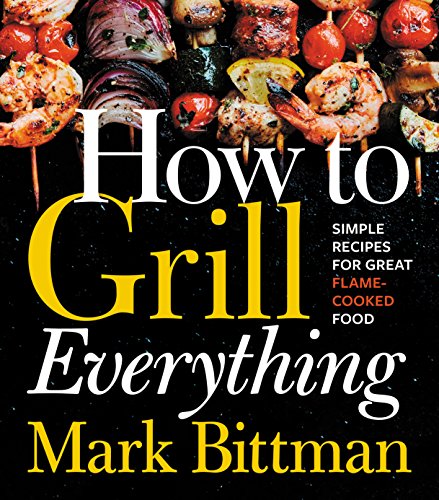
Pros
- Comprehensive recipe library covering virtually every protein, vegetable, and marinade
- Clear instructions on setting up two-zone heat and managing live flames
- Convenient digital format fits easily on a phone or tablet right at the grill station
- Straightforward ingredient lists focused on authentic flavor without unnecessary filler
Cons
- Requires keeping a phone or tablet nearby, which exposes your screen to grease and smoke
- Digital layout lacks full-color photos for every individual recipe
- Cannot replace physical hardware like grill thermometers or meat probes
How to Grill Everything functions as a practical instructional blueprint for outdoor cooks rather than a standard piece of cooking hardware. Operating as a digital reference manual, it is built to bridge the gap between basic flame roasting and true temperature mastery across charcoal grills, gas burners, and backyard smokers.
This guide is best suited for backyard barbecue enthusiasts, patio cooks, campers, and tailgaters who want quick, reliable recipe blueprints without flipping through bulky, sauce-splattered hardcovers. Whether you are firing up a compact portable grill at a tailgate or running an all-day smoking session on your patio, the instructions focus heavily on practical fire management and fundamental outdoor techniques.
The instructional content emphasizes real-world cooking performance, guiding you through hot-and-fast searing, indirect baking, and gentle smoke infusion. It breaks down essential skills such as establishing dual-zone heat, managing airflow to maintain steady temperatures, and timing meat correctly to lock in juices and avoid burnt crusts caused by uncontrolled flare-ups.
In terms of usability and outdoor convenience, the Kindle format proves remarkably functional around a working barbecue station. You can pull up cook times, ingredient ratios, and sauce recipes instantly on your smartphone or a weather-resistant tablet stand, keeping your prep tables clean and free of heavy book stands that can tip over in windy weather.
A realistic limitation is that navigating a digital screen with barbecue tongs or sauce-covered hands can get messy, requiring you to wipe your fingers or protect your device from stray grease splatters. Visual cooks may also notice that not every recipe features a finished color photograph, prioritizing sheer recipe density and technique instruction instead.
For anyone serious about improving their backyard barbecues, weeknight patio dinners, or outdoor campsite menus, this digital grilling guide offers tremendous practical value. It takes the guesswork out of fire cooking and serves as a dependable companion beside any grill setup.
The core strength of this outdoor cooking guide lies in its focus on thermal dynamics and fire control. It teaches grillers how to read flame intensity, organize charcoal piles for indirect baking, and dial in gas burner valves to prevent food from scorching.
Readers learn how to achieve crisp exterior sears on thick steaks while keeping the center tender, along with techniques for sustaining steady low heat for tender ribs and pulled meats. The advice on using wood chips and wood chunks also helps patio cooks extract clean, aromatic smoke flavor without over-smoking their food.
This recipe guide excels in backyard barbecue settings where you need versatile menu options that please a crowd, from simple flame-broiled burgers to seasoned grilled vegetables and fish. Its streamlined layout makes meal planning painless during weekend cookouts.
It is equally useful for tailgating and campsite adventures where space and weight are strictly limited. Storing hundreds of recipes directly on your mobile device leaves your vehicle trunks and camp bins open for coolers, fuel, and grilling gear.

Pros
- Lets you enjoy charcoal flavor on a gas grill, saving the cost of a separate smoker or offset
- Generous 6 lb capacity handles 3+ hour cooks like brisket without refueling
- Stainless steel build is durable and easy to clean, with good rust resistance
- Adjustable design fits multiple Weber models, making it a versatile upgrade
Cons
- Not compatible with some older Genesis 300 series (2007-2016), so measure your grill first
- Requires a 15-minute preheat cycle before cooking, which adds a bit of setup time
- May take up some grilling space inside the cookbox, limiting direct gas use at the same time
The onlyfire Adjustable Charcoal Tray is a clever accessory for anyone who loves the deep, smoky taste of charcoal but doesn’t want to give up the convenience of a gas grill. It’s essentially a stainless steel ash pan that lets you burn lump charcoal or briquettes inside your Weber Spirit or Genesis gas grill, turning it into a dual-fuel machine. For backyard grillers, BBQ enthusiasts, and tailgaters who already own a Weber, this is a practical way to get real charcoal flavor without buying a second cooker.
This tray holds up to 6 pounds of fuel, which is enough for 10 to 15 people or a solid 2-3 hour smoke on a brisket. That’s serious capacity for a backyard party or a weekend cookout. The adjustable design means it fits several models, but you’ll want to measure your cooking grate width first—it’s not compatible with the 2007-2016 Genesis 300 series. Once it’s in place, the setup is straightforward: light your gas grill on high, close the lid, let it burn for 15 minutes until white ash forms on the coals, then you’re ready to grill.
In terms of real-world cooking performance, this tray delivers even, consistent heat. The multiple ventilation holes promote good airflow, so coals ignite faster and burn evenly across the cooking surface. That means no hot spots or flare-ups, just steady heat for searing steaks or smoking ribs. You get that authentic charcoal grilled flavor—smoky, rich, and a little bit magical—without the hassle of managing a separate charcoal pit. It’s a solid upgrade for anyone who wants better smoke flavor from their existing gas setup.
Build quality is solid. The stainless steel construction is heavy-duty and built to handle extreme grilling temperatures without warping or rusting. It resists rain, snow, and regular wear, so you can leave it in the grill year-round. Cleanup is easy: just let the ash cool, then dump it. There’s no complicated grease management system here, but the tray does help keep ash contained, which makes post-cookout cleanup simpler than a standard charcoal grill.
A realistic limitation is the preheat time. You need to burn the gas for 15 minutes before the charcoal is ready, which adds a step compared to lighting a chimney. Also, if you’re using the gas burners at the same time, the tray takes up some real estate inside the cookbox. But for most backyard cooks, the trade-off is worth it—you get charcoal flavor with gas-grill convenience. It’s also a smart way to save on propane, since you’re only using gas to get the coals going, not for the whole cook.
Overall, the onlyfire Adjustable Charcoal Tray is a practical, well-built accessory for Weber owners who want to expand their cooking options. If you’re a backyard griller, a weekend BBQ host, or a tailgater who loves that real charcoal taste, this tray lets you have it both ways. It’s a solid purchase for anyone looking to add smoke flavor without buying a second grill.


Pros
- Over 100 creative recipes that transform your grill into a pizza oven, perfect for backyard entertaining.
- Practical tips for achieving consistent heat and avoiding burnt crusts, even on basic grills.
- Portable and durable paperback design makes it ideal for camping, tailgating, and RV trips.
- Written for all grill types, including gas, charcoal, and pellet, so no need for specialized equipment.
Cons
- Some recipes assume a basic level of grilling experience, which might be challenging for absolute beginners.
- The book focuses on pizza, so it may not appeal to those looking for a broader range of outdoor cooking recipes.
- Paper pages can get greasy or stained in a messy outdoor cooking environment, though that's true for most cookbooks.
If you're a backyard griller or BBQ enthusiast looking to break out of the burger-and-steak routine, Pizza on the Grill by Taunton Press is a fantastic addition to your outdoor cooking library. This paperback cookbook packs over 100 feisty, fire-roasted recipes that turn your standard grill into a versatile pizza oven. Whether you're cooking on a charcoal kettle, a propane gas grill, or a pellet smoker, the recipes are designed to help you achieve that coveted smoky flavor and crispy crust you'd expect from a wood-fired oven.
This book is best suited for backyard cooks, campers, tailgaters, and RV owners who love to experiment with their outdoor cooking gear. It's not just about pizza; the recipes cover everything from classic Margherita to creative seasonal toppings, plus a few unexpected dishes like grilled flatbreads and calzones. The instructions focus on real-world grilling scenarios, like managing heat zones on a two-burner grill or using a pizza stone on a campfire grate, making it practical for a wide range of setups.
In terms of cooking performance, the book excels at teaching you how to control heat consistency and avoid common pitfalls like burnt bottoms or undercooked dough. You'll learn techniques for searing the crust, managing flare-ups from cheese drippings, and using indirect heat for even cooking. The recipes emphasize fuel efficiency, whether you're using charcoal briquettes, propane, or wood pellets, so you can cook multiple pizzas without constantly refueling. For those who love low-and-slow smoking, there are even recipes that incorporate a touch of smoke for added depth.
Build quality is solid for a paperback cookbook, with a durable cover and lay-flat binding that holds up well on a picnic table or camp kitchen. The pages are thick enough to resist minor splashes, but you'll want to keep it away from direct grease splatter. Portability is a major plus: it's lightweight and compact enough to toss in a camping bin, RV storage compartment, or tailgate cooler without taking up much space. That said, it's not waterproof, so a quick wipe-down after a messy cookout is a good idea.
One realistic limitation is that some recipes assume you have a basic understanding of grilling, like managing hot spots or using a pizza stone. Beginners might need to watch a few online tutorials first. Also, the book is laser-focused on pizza, so if you're looking for a general grilling cookbook, this won't cover steaks, ribs, or veggies. But as a specialized guide for outdoor pizza making, it's hard to beat.
Overall, Pizza on the Grill is a practical, inspiring resource for anyone who wants to expand their outdoor cooking repertoire. It's especially great for backyard entertainers who love hosting pizza nights, campers who want to impress at the campsite, and tailgaters looking for a crowd-pleasing alternative to standard game-day fare. If you're ready to fire up your grill and try something new, this book will guide you through every step.
This cookbook shines in a variety of outdoor settings. For backyard grillers, it's perfect for weekend pizza parties where you can fire up the grill and cook multiple pies with different toppings. Campers will love the portability and the ability to cook delicious pizza over a campfire or portable grill, adding a gourmet touch to any campsite meal. Tailgaters can prep dough ahead of time and cook fresh pizzas in the parking lot, impressing fellow fans with something beyond typical burgers and hot dogs. RV owners will appreciate the compact size and the fact that no specialized pizza oven is needed just a standard grill or camp stove.
While the cookbook itself doesn't require cleaning, the recipes emphasize practical tips for keeping your grill clean during pizza making. You'll learn how to manage cheese drips and grease to prevent flare-ups, as well as how to properly clean a pizza stone or baking steel after use. The book also suggests using a grill brush and maintaining your grates to ensure even heat distribution. For the paperback itself, a quick wipe with a damp cloth and drying it out of direct sunlight will keep it in good shape for many cookouts.

Pros
- 100% natural hardwood with no fillers or chemicals for clean flavor.
- Easy to light even without lighter fluid, saving time and hassle.
- Consistent heat distribution helps avoid hot spots and uneven cooking.
- Low smoke production means less irritation and better visibility while grilling.
Cons
- The 5 lb bag is relatively small, so it may not be enough for large gatherings or long smoking sessions.
- Log style pieces can vary in size, which might require breaking for smaller grills or fire pits.
- Some users may prefer lump charcoal over log style for faster ignition and higher heat output.
TEK All Natural Hardwood Charcoal is a solid choice for anyone who values clean, natural fuel for their outdoor cooking. This log-style charcoal is made from 100% hardwood with no additives, binders, or chemicals. It's designed to light easily, burn hotter, and last longer than standard briquettes while producing minimal smoke. Whether you're firing up a backyard grill, packing for a camping trip, or tailgating before the big game, this charcoal aims to deliver consistent performance without the fuss.
For backyard grillers and BBQ enthusiasts, the even heat distribution is a standout feature. You can sear steaks with confidence, grill burgers for a crowd, or set up a two-zone fire for low-and-slow cooking. The low smoke output means fewer flare-ups and a more pleasant cooking experience, especially when entertaining guests on the patio. The 5-pound bag is lightweight and easy to carry, making it a practical option for quick weeknight dinners or weekend cookouts.
Campers and RV owners will appreciate the portability and ease of lighting. No need for lighter fluid or a chimney starter if you're in a hurry – just light a few pieces and you're ready to cook. The long burn time of up to five hours means you can grill a full meal or even do some foil-packet cooking without constantly adding more charcoal. It's also a great fit for portable grills and fire pits where space and fuel efficiency matter.
Build quality is straightforward – it's natural hardwood, so what you see is what you get. The log style pieces are sturdy and hold their shape during burning, which helps maintain airflow and heat consistency. There are no grates or moving parts to worry about, and cleanup is as simple as disposing of ash. The bag itself is resealable, which keeps the charcoal dry and ready for your next cookout.
One realistic limitation is the bag size. At 5 pounds, it's best suited for smaller grills or shorter cooking sessions. If you're planning to smoke a brisket or feed a large party, you'll likely need multiple bags. Also, the log shape may not fit neatly into all charcoal baskets or small grills, so you might need to break a few pieces. But for most everyday grilling, camping, or tailgating needs, this charcoal performs admirably.
Overall, TEK All Natural Hardwood Charcoal is a reliable, eco-friendly fuel option that balances convenience with performance. It's ideal for backyard cooks who want natural flavor without chemical aftertaste, campers who need a hassle-free fire, and tailgaters who value portability and quick heat. If you're looking for a clean-burning charcoal that delivers consistent results, this bag is worth adding to your outdoor cooking gear.

Achieving Authentic Charcoal Aroma and Taste on a Propane Setup
Replicating authentic charcoal flavor on a gas barbecue requires understanding the chemical reactions that happen over glowing coals. The distinct taste associated with charcoal is a blend of vaporized meat drippings, caramelized fats, and compounds released by smoldering wood embers. Clean-burning gas flames need supplemental physical barriers, smoking packets, or charcoal trays to generate those rustic aromas. With the right technique and carefully chosen accessories, you can capture authentic wood-fired character directly on your primary cooking grates.
The Chemistry Behind True Charcoal Grilling Flavor
Many barbecue enthusiasts assume that charcoal flavor originates solely from the black briquettes resting beneath the grates. In reality, burning pure charcoal produces nearly odorless heat, while genuine barbecue aroma stems from grease dripping onto scorching surfaces. When rendered meat fats strike heat deflectors, flavorizer bars, or hot coals, they flash-vaporize into microscopic aerosol droplets and aromatic smoke. That aerosol rises through the cooking chamber, coating the meat to develop classic barbecue taste.
The second vital component of charcoal flavor comes from natural wood lignin, which breaks down under heat to create guaiacol and syringol molecules. These organic compounds impart smoky, sweet notes that clean propane combustion cannot produce alone. Gas flames also release moisture during combustion, creating a humid cooking environment compared to the dry radiant heat of burning coals. Introducing hardwood embers or smoldering wood chips dries out the air near the food, encouraging superior Maillard browning and a crisp exterior crust.
Using Dedicated Drop-In Charcoal Trays on Gas Burners
One of the most effective mechanical solutions for gas grillers is a stainless steel charcoal tray designed to sit directly over the burners. These purpose-built ash pans replace standard flavorizer bars, resting securely inside the firebox above the burner tubes. You load the tray with fuel, ignite the gas burners beneath it on high, and let the flames light the coals from underneath. Once the charcoal develops a coating of light gray ash, you turn off the gas burners completely and finish cooking entirely over glowing coals.
Trays with integrated ventilation holes allow oxygen to draft steadily through the coals, ensuring an even burn without sudden heat spikes. Measuring your grill chamber before buying an aftermarket tray is essential, as dimensions must align with your burner support ledges for stable placement. Stainless steel construction withstands the intense heat cycles that occur when charcoal burns directly adjacent to the grill wall. This hybrid setup gives you quick push-button lighting of charcoal without lighter fluid, followed by genuine ember searing.
Choosing the Right Charcoal Fuel for Hybrid Gas Cooking
Not all charcoal fuels perform safely or effectively inside a gas grill firebox. All-natural lump charcoal and log-style hardwood fuel represent the premier choice for hybrid grilling trays. Natural lump wood contains zero chemical binders, accelerants, or artificial fillers, protecting the internal components of your gas grill from corrosive residues. Hardwood charcoal ignites rapidly over gas flames, burns hot with minimal residue, and releases pure wood aromas that enhance red meat, pork, and poultry.
Standard commercial briquettes often contain cornstarch binders, anthracite coal dust, and chemical ignition aids that produce excessive ash. That dense powdery ash can settle directly into gas burner ports, restricting airflow and causing uneven flame patterns. If you choose briquettes for your hybrid tray, select untreated all-natural hardwood briquettes that minimize ash output. Avoiding fluid-treated coals also preserves food safety, preventing chemical fumes from settling on your grates or contaminating your grill lid.
Enhancing Flavor with Stainless Steel Smoker Boxes
A heavy-gauge stainless steel smoker box provides a low-maintenance, ash-free alternative for cooks who prefer not to load charcoal into their grill firebox. These durable metal boxes feature perforations in the lid and base, allowing oxygen to enter while releasing continuous wood smoke. You fill the chamber with dry hardwood chips, close the lid, and place the box directly on top of the heat deflectors over an active burner. As the burner heats the container, the wood chips smolder without bursting into open flames, perfuming the entire cooking chamber.
Selecting wood species that complement your main protein allows you to tailor smoke intensity to poultry, seafood, or hearty beef cuts. Hickory and oak deliver robust, traditional smoke profiles that pair exceptionally well with briskets, ribs, and thick ribeye steaks. Fruitwoods such as apple, cherry, and pecan yield softer, sweeter notes that brighten chicken breasts, pork tenderloin, and garden vegetables. Keeping heat-resistant barbecue tongs nearby lets you easily open the hinged box lid to replenish chips during long roasts.
Building DIY Foil Smoke Packets for Quick Cookouts
If you do not own a dedicated metal smoking accessory, heavy-duty aluminum foil allows you to create effective smoke packets in minutes. Lay out a double layer of aluminum foil, place two handfuls of dry wood chips in the center, and fold the edges into a flat, sealed envelope. Use a carving fork or metal skewer to punch six to eight small ventilation holes across the top surface of the foil packet. Position the packet directly on the flavorizer bars situated over your primary active burner before preheating the cooking grates.
Limiting airflow through the tiny pinpricks keeps the hardwood smoldering steadily rather than igniting into aggressive flames that burn out too quickly. For weeknight dinners where prep space is limited, assembling multiple foil pouches ahead of time on a sturdy rolling barbecue prep table keeps your outdoor cooking area organized and efficient. Each pouch delivers steady smoke for twenty to thirty minutes, which is sufficient time to infuse steaks, pork chops, and burger patties. When the smoke tapers off, simply discard the spent foil envelope once the grill has fully cooled.
Optimizing Flavorizer Bars and Heat Tents for Dripping Vaporization
The angled metal heat shields resting above your gas burners, commonly known as flavorizer bars or flame tamers, play a critical role in generating classic grill flavor. As protein cooks, rendered fats, seasoning marinades, and meat juices drip down through the grates and strike these scorching metal surfaces. The sudden contact causes those liquids to vaporize instantly, sending micro-clouds of seasoned vapor right back upward into the food. Ensuring your heat tents are brushed clean of thick carbon buildup before each session promotes efficient vaporization rather than stale, bitter grease burn.
Cooking over medium-high heat with the grill lid closed forces rising fat vapors to circulate continuously around the meat rather than venting into the yard. You can further maximize vapor production by basting meats with oil-based marinades or positioning fat caps toward direct radiant heat sources. Preparing vibrant dishes such as a marinated beef barbecue recipe on a gas grill creates ample sizzling drippings, creating intense sear marks and unmistakable backyard flavor. Managing grease collection pans beneath the burners ensures that fat vaporizes safely on the deflectors without accumulating into uncontrolled grease pool fires.
Cooking Techniques: Zone Grilling and Lid Management
Mastering two-zone cooking is the single most valuable technique for imparting smoky, wood-fired flavor without scorching delicate foods on a gas barbecue. Set your burners on one side of the grill to medium-high heat to warm your smoker box or charcoal insert, while leaving the opposite burners turned off. Place your meat on the unlit side of the grates, allowing indirect radiant heat and circulating wood smoke to gently cook the food from all directions. This indirect method allows the exterior surface of the meat to absorb smoke compounds slowly before you transfer it over to direct flames for a final sear.
Keeping the grill lid down as much as possible traps both radiant heat and aromatic smoke vapors inside the cooking cavity. Every time you open the grill lid prematurely, you dump accumulated smoke and drop the ambient air temperature, extending cooking times and losing subtle wood nuances. Relying on remote probe food thermometers rather than constant visual checks lets you monitor internal meat temperatures accurately while preserving the internal smoke chamber. The United States Department of Agriculture recommends cooking whole cuts of beef and pork to a minimum safe internal temperature of 145 degrees Fahrenheit followed by a three-minute rest, while ground meats require 160 degrees and poultry requires 165 degrees.
Gas Grill Maintenance and Ash Safety Protocols
Using charcoal or wood inside a gas grill requires strict maintenance practices to prevent premature corrosion and burner damage. Charcoal ash is highly alkaline and naturally hygroscopic, meaning it absorbs moisture from ambient air and forms a caustic paste that can pit stainless steel and cast aluminum fireboxes. Never allow loose charcoal ash or spent wood embers to sit in the bottom of your gas grill for extended periods after a cooking session. Always wait until the grill is completely cold, remove your accessory trays, and carefully brush or vacuum all remaining debris into a metal disposal container.
Inspect your burner tubes regularly to ensure that stray ash has not settled into the precision gas port holes. Clogged burner ports cause uneven fuel delivery, yellow lazy flames, and potential flashback fires beneath the control knobs. Cleaning the burner ports gently with a small wire brush or a straightened paperclip restores uniform gas flow and ensures reliable ignition for future meals. Maintaining clean burner shields and clear firebox vents ensures optimal combustion efficiency and prolongs the lifespan of your outdoor cooking equipment.
Critical Outdoor Fire and Ventilation Precautions
Grill safety must remain your primary priority whenever you operate outdoor cooking appliances or introduce supplemental solid fuels. Fuel-burning outdoor grills, whether fueled by propane, natural gas, or charcoal, must never be used indoors, inside a garage, under covered breezeways, or within enclosed porches. Opening an overhead garage door or window does not provide adequate ventilation to clear toxic carbon monoxide fumes or eliminate structural fire dangers. The National Fire Protection Association explicitly advises placing outdoor grills at a safe distance away from exterior siding, wooden railings, and overhanging tree branches.
Keep a commercial dry-chemical fire extinguisher or a bucket of dry sand accessible whenever cooking with added wood chips or charcoal trays. Never attempt to extinguish grease flare-ups or glowing charcoal embers with water, as steam explosions can spread burning grease across your deck or cause severe burns. If an unexpected fire flares out of control, immediately turn off the gas supply at the propane tank valve, turn all burner control knobs to off, and keep the grill lid closed to starve the fire of oxygen. Following manufacturer operating clearances and maintaining situational awareness ensures that your flavorful cookouts remain enjoyable and completely safe.
When a Dedicated Portable Charcoal Grill Is the Practical Alternative
While charcoal trays and smoker boxes can elevate gas grill flavors, certain cooking styles truly benefit from a dedicated solid-fuel cooker. Compact tabletop charcoal grills offer an affordable, space-efficient alternative for sear-heavy dinners, camping excursions, or game-day tailgates. These portable units feature tight grate spacing and adjustable damper controls, allowing you to achieve intense direct-heat searing without modifying the internals of your primary gas grill. Having a small secondary charcoal cooker ready provides the freedom to enjoy authentic wood-coal charring whenever a specific recipe calls for high-heat open-flame cooking.
Cookbook resources like general outdoor grilling manuals and flame-roasted pizza guides provide practical technique frameworks for adapting various recipes to direct-coal heat. Whether you choose to modify your existing gas grill with aftermarket inserts or deploy a secondary portable charcoal cooker, the goal remains capturing deep, savory complexity. Understanding the mechanics of dripping vaporization, hardwood smoke combustion, and clean grill operation gives you the power to produce outstanding barbecue every time you step outside. Careful attention to fuel quality, temperature management, and fire safety ensures that your backyard gatherings deliver delicious, authentically flavored results.





Write Your Review
No reviews yet. Be the first to share your experience!