


Using a simple charcoal grill effectively starts with understanding how heat is generated and controlled through airflow and fuel placement. The process involves lighting the charcoal to a steady temperature, managing the vents to maintain that heat, and placing food correctly to avoid burning or undercooking.
Many beginners struggle with flare-ups or uneven cooking because they treat a charcoal grill like a gas unit, expecting instant, consistent heat. In reality, a charcoal grill requires patience and a grasp of basic physics. Whether you are using a kettle-style grill or a rectangular offset, the core principles remain the same.
This guide breaks down the practical steps for lighting coals, managing temperature, and cleaning the grill to ensure safe and tasty results. For those interested in specific recipes that work well with this method, our Filipino pork bbq recipe offers a great example of how controlled heat enhances flavor.
Pros
- Comprehensive recipe library covering virtually every protein, vegetable, and marinade
- Clear instructions on setting up two-zone heat and managing live flames
- Convenient digital format fits easily on a phone or tablet right at the grill station
- Straightforward ingredient lists focused on authentic flavor without unnecessary filler
Cons
- Requires keeping a phone or tablet nearby, which exposes your screen to grease and smoke
- Digital layout lacks full-color photos for every individual recipe
- Cannot replace physical hardware like grill thermometers or meat probes
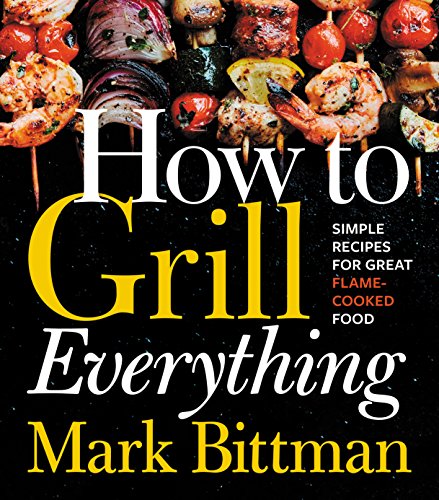
How to Grill Everything functions as a practical instructional blueprint for outdoor cooks rather than a standard piece of cooking hardware. Operating as a digital reference manual, it is built to bridge the gap between basic flame roasting and true temperature mastery across charcoal grills, gas burners, and backyard smokers.
This guide is best suited for backyard barbecue enthusiasts, patio cooks, campers, and tailgaters who want quick, reliable recipe blueprints without flipping through bulky, sauce-splattered hardcovers. Whether you are firing up a compact portable grill at a tailgate or running an all-day smoking session on your patio, the instructions focus heavily on practical fire management and fundamental outdoor techniques.
The instructional content emphasizes real-world cooking performance, guiding you through hot-and-fast searing, indirect baking, and gentle smoke infusion. It breaks down essential skills such as establishing dual-zone heat, managing airflow to maintain steady temperatures, and timing meat correctly to lock in juices and avoid burnt crusts caused by uncontrolled flare-ups.
In terms of usability and outdoor convenience, the Kindle format proves remarkably functional around a working barbecue station. You can pull up cook times, ingredient ratios, and sauce recipes instantly on your smartphone or a weather-resistant tablet stand, keeping your prep tables clean and free of heavy book stands that can tip over in windy weather.
A realistic limitation is that navigating a digital screen with barbecue tongs or sauce-covered hands can get messy, requiring you to wipe your fingers or protect your device from stray grease splatters. Visual cooks may also notice that not every recipe features a finished color photograph, prioritizing sheer recipe density and technique instruction instead.
For anyone serious about improving their backyard barbecues, weeknight patio dinners, or outdoor campsite menus, this digital grilling guide offers tremendous practical value. It takes the guesswork out of fire cooking and serves as a dependable companion beside any grill setup.
The core strength of this outdoor cooking guide lies in its focus on thermal dynamics and fire control. It teaches grillers how to read flame intensity, organize charcoal piles for indirect baking, and dial in gas burner valves to prevent food from scorching.
Readers learn how to achieve crisp exterior sears on thick steaks while keeping the center tender, along with techniques for sustaining steady low heat for tender ribs and pulled meats. The advice on using wood chips and wood chunks also helps patio cooks extract clean, aromatic smoke flavor without over-smoking their food.
This recipe guide excels in backyard barbecue settings where you need versatile menu options that please a crowd, from simple flame-broiled burgers to seasoned grilled vegetables and fish. Its streamlined layout makes meal planning painless during weekend cookouts.
It is equally useful for tailgating and campsite adventures where space and weight are strictly limited. Storing hundreds of recipes directly on your mobile device leaves your vehicle trunks and camp bins open for coolers, fuel, and grilling gear.

Pros
- Fast and consistent ignition with excellent airflow design.
- Built like a tank – premium ductile iron means years of reliable service.
- Compact and lightweight enough to toss in a camping kit or tailgate gear.
- Works for both charcoal and firewood, adding versatility for different outdoor cooking setups.
Cons
- Small capacity – best for small to medium charcoal loads; not ideal for large offset smokers or huge campfires.
- Takes time to cool down after use – you can't immediately pack it away.
- May require practice to get the lighting technique down perfectly with different fuel types.
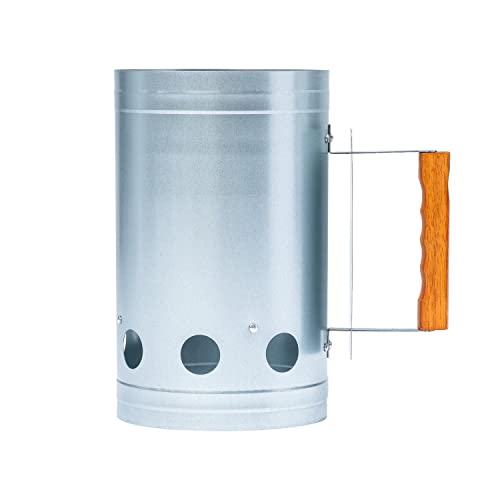
The Brutal BBQ Fireguard is a simple but brilliantly effective tool for anyone who regularly lights charcoal or firewood. Instead of fumbling with lighter fluid, chimney starters, or newspaper, this compact ductile iron device lets you stack your fuel inside and light a small fire beneath it. The built-in air inlet feeds oxygen directly into the base, creating a powerful updraft that gets your charcoal glowing in about 10 to 15 minutes. It works equally well with lump charcoal, briquettes, and even small pieces of firewood for a fireplace or campfire.
This fire starter is built for real outdoor use. The high-grade ductile iron casting feels solid in your hands and resists the kind of warping or rusting you see with cheaper steel chimneys. You don't need any maintenance beyond shaking out the ashes once it's cool. That ruggedness makes it a great companion for backyard grillers who want a dependable tool every weekend, as well as campers and tailgaters who need something that can survive being tossed in a truck bed or gear bin.
When it comes to cooking performance, the Fireguard shines at getting your coals ready fast and evenly. Because the airflow is optimized, you get a consistent bed of hot embers without cold spots. That means better searing ability on steaks or burgers and more reliable heat for low-and-slow smoking if you're using a charcoal smoker. It's also great for patio cooks who want to avoid chemical starters that can leave off-flavors on the food.
Portability is a big plus. The Fireguard measures just over nine inches tall and about four inches wide – small enough to fit inside most kettle grills, portable camp grills, or even your camping stove bag. It doesn't take up much space in your trunk for tailgating or in an RV storage compartment. The only limitation is capacity: it can hold enough charcoal for a two-burger grill session or a small campfire, but if you're running a large offset or cooking for a big crowd, you may need to do two batches.
Cleanup is about as easy as it gets. Once the Fireguard cools completely (and you should definitely wait until it's at room temperature before handling), just give it a shake to remove the ash. No water, no soap, no scrubbing. The iron may develop a natural patina over time, but that doesn't affect performance. Just avoid getting it wet while it's hot to prevent any thermal shock.
Overall, the Brutal BBQ Fireguard is a smart upgrade for anyone who lights charcoal or firewood regularly. It's not a complete grill or a huge chimney starter – it's a focused tool that does one job very well. If you're a backyard BBQ enthusiast who wants to ditch lighter fluid, a camper looking for a compact fire starter, or a tailgater who wants quick hot coals, this is a solid buy. Just keep its size in mind and you'll appreciate the simplicity and durability it brings to your outdoor cooking routine.
The Brutal BBQ Fireguard is most useful for small to medium grilling sessions. Use it to light charcoal for a Weber kettle, a portable camping grill, or a fire pit in your backyard. It's also perfect for camping trips when you want a quick campfire for cooking or warmth without messing with liquid starters. Tailgaters will appreciate how fast you can get coals ready for burgers and brats before kickoff. It even works as a decorative piece on a mantle or patio table when not in use – just be sure the fire is out and it's cool before bringing it inside.

Pros
- Innovative trapdoor trigger drops lit fuel accurately into charcoal grates or fire baskets
- Effective ventilation pulls draft quickly for rapid, even coal lighting
- Sturdy heat shield provides safe barrier against high radiant heat
- Eliminates the need for foul-smelling lighter fluids that spoil food flavor
Cons
- Trapdoor release mechanism requires occasional ash brush-out to maintain smooth operation
- Rigid cylinder body takes up more trunk space than collapsible fabric or folding starters
- Bare steel cylinder naturally discolors after regular exposure to high flames
Lighting charcoal without lighter fluid petroleum odors is essential for authentic barbecue, and the Char-Griller Charcoal Grill Chimney Starter with Quick Release Trigger makes coal ignition both faster and substantially safer. Designed as a dedicated charcoal firing canister, this 12-inch accessory is built for backyard grillers, weekend BBQ enthusiasts, tailgaters, and campsite pitmasters who want ready-to-cook coals without hassle. Rather than lifting and inverting a top-heavy cylinder of flaming embers, this model uses a bottom trapdoor trigger that drops the fuel right where you want it.
In real-world barbecue setups, dependable fuel management sets the tone for your cook. This chimney utilizes natural vertical convection to draw oxygen upward from a single fire starter cube or crumpled paper base. Within fifteen to twenty minutes, an entire load of briquettes or lump charcoal glows with an even grey ash layer. Fast startup times mean you reach searing temperatures quickly for thick steaks and smash burgers, or establish a clean-burning coal bed for smoking ribs and brisket without chemical contamination.
Build quality focuses heavily on operator safety and heat management. The steel body measures 12 inches tall by 7.75 inches wide, holding sufficient fuel to power a two-zone kettle arrangement or prime an offset smoker firebox. A heavy-duty heat shield is placed between the metal barrel and the molded ABS handle, preventing skin exposure to blistering radiant temperatures. The trigger mechanism functions securely, ensuring the bottom grate stays shut while carrying coals and drops open cleanly upon trigger squeeze.
Handling and cleanup remain straightforward. Operation takes zero assembly: place a paraffin cube or wood wool on your grill grate, fill the chimney with charcoal, light the base, and let physics do the rest. Once lit, position the cylinder over your fuel grate and pull the handle trigger. Cleaning only requires tapping out leftover ash and keeping the hinge free of debris. While its fixed cylindrical shape does not fold flat for ultra-compact packing, the 2.9-pound weight transports effortlessly inside an outdoor gear bin or grill cart shelf.
A practical limitation involves the moving release door, which needs a quick visual check before loading unlit coals to ensure the latch is fully caught. For patio pitmasters, offset smoker fans, and tailgaters seeking a cleaner and far less clumsy way to dump red-hot coals, this Char-Griller quick-release chimney is an affordable, practical upgrade for your outdoor cooking routine.
Efficient charcoal management begins with an even, thorough burn. The Char-Griller chimney relies on continuous bottom-to-top airflow that accelerates combustion across every piece of fuel. Whether you prefer dense hardwood lump charcoal for high-heat searing or uniform briquettes for consistent kettle cooking, the chimney ensures uniform ember development across the entire load.
Lighting fuel without petroleum accelerants preserves pure wood smoke flavor on poultry, pork, and beef. Because the unit drops fuel straight down through the bottom door, you can easily target charcoal baskets, vortex funnels, or split fire zones without scattering hot ashes across your clean grilling grates.
Traditional charcoal chimneys require twisting your wrists and inverting an open canister of thousand-degree coals, which frequently produces floating sparks and erratic spills. The integrated trigger release on this model keeps the canister oriented upright at all times, drastically reducing flare-up hazards and accidental coal scatter.
A thick metal heat shield blocks direct thermal radiation from reaching your fingers, while the ergonomic ABS handle provides a confident grip even while wearing heavy leather barbecue gloves. This stable design makes pouring fuel into deep smokers, ceramic cookers, or small portable tailgating grills far safer and more predictable.

Pros
- Extremely high heat output (up to 1,200°F) for excellent searing
- Long burn time (up to 4 hours) with steady infrared heat
- Clean burning with minimal smoke and no chemical taste
- Reusable multiple times with simple care—eco-friendly and cost-effective
Cons
- Requires a chimney starter or long lighter to fully ignite (not instant-light)
- Higher upfront cost compared to standard charcoal briquettes
- 11-pound bag is moderate weight—may need more for large gatherings
The Bincho Grill Binchotan Charcoal is a premium Japanese hardwood lump charcoal designed for serious outdoor cooks who value precision heat and clean flavor. Unlike standard charcoal, this binchotan is made from White Oak fired in traditional kilns to achieve around 95% carbon purity. It burns at temperatures up to 1,200°F, delivering intense, steady infrared heat that's perfect for yakitori, steaks, seafood, and vegetables. The virtually smokeless and odorless burn means your food tastes exactly like it should—no chemical aftertaste or overwhelming smoke.
This charcoal is ideally suited for backyard grillers, BBQ enthusiasts, and patio cooks who want restaurant-quality results at home. It's also a great choice for tailgaters and campers who value portability and efficiency, though you'll need a proper starter method like a chimney or electric lighter. The 11-pound bag provides enough fuel for several cooks, and because it's reusable, you can extinguish partially used coals and relight them later—a real money-saver over time.
In real-world use, the heat consistency is outstanding. Once lit, binchotan holds a stable temperature for up to 4 hours, which makes it excellent for both fast grilling (burgers, hot dogs) and low-and-slow cooking (kebabs, whole fish). The high heat creates a beautiful sear on meats while keeping the interior juicy. Because it burns so cleanly, you can grill on a patio or balcony without bothering neighbors with excessive smoke or odor.
Build quality is top notch—the charcoal pieces are dense and uniform, breaking down slowly compared to typical lump charcoal. There's no dust or small fragments that waste fuel. However, lighting does take patience. You'll need a chimney starter or a long-handled lighter; binchotan isn't self-lighting. Once lit, it glows evenly and produces minimal ash, making cleanup easy. Just let the coals cool, shake off the ash, and store them for the next cook.
One realistic limitation is that binchotan is more expensive per pound than standard charcoal. But given its reusability and superior performance, many outdoor cooks find it worth the investment. Another consideration: the 11-pound bag is a moderate size. For large backyard parties or cooking for a crowd, you might need two bags. For everyday grilling or small gatherings, it's plenty.
Overall, The Bincho Grill Binchotan Charcoal is a top-tier fuel for anyone serious about grilling. If you enjoy the art of yakitori, want clean heat for delicate proteins, or simply appreciate a longer-lasting, hotter-burning charcoal that's reusable, this is an excellent choice. It pairs beautifully with Japanese-style grills but works equally well on standard kettle grills or kamado cookers. Just give yourself extra time for lighting, and you'll be rewarded with some of the best grilling results you've ever had.


Pros
- 100% natural hardwood with no fillers or chemicals for clean flavor.
- Easy to light even without lighter fluid, saving time and hassle.
- Consistent heat distribution helps avoid hot spots and uneven cooking.
- Low smoke production means less irritation and better visibility while grilling.
Cons
- The 5 lb bag is relatively small, so it may not be enough for large gatherings or long smoking sessions.
- Log style pieces can vary in size, which might require breaking for smaller grills or fire pits.
- Some users may prefer lump charcoal over log style for faster ignition and higher heat output.
TEK All Natural Hardwood Charcoal is a solid choice for anyone who values clean, natural fuel for their outdoor cooking. This log-style charcoal is made from 100% hardwood with no additives, binders, or chemicals. It's designed to light easily, burn hotter, and last longer than standard briquettes while producing minimal smoke. Whether you're firing up a backyard grill, packing for a camping trip, or tailgating before the big game, this charcoal aims to deliver consistent performance without the fuss.
For backyard grillers and BBQ enthusiasts, the even heat distribution is a standout feature. You can sear steaks with confidence, grill burgers for a crowd, or set up a two-zone fire for low-and-slow cooking. The low smoke output means fewer flare-ups and a more pleasant cooking experience, especially when entertaining guests on the patio. The 5-pound bag is lightweight and easy to carry, making it a practical option for quick weeknight dinners or weekend cookouts.
Campers and RV owners will appreciate the portability and ease of lighting. No need for lighter fluid or a chimney starter if you're in a hurry – just light a few pieces and you're ready to cook. The long burn time of up to five hours means you can grill a full meal or even do some foil-packet cooking without constantly adding more charcoal. It's also a great fit for portable grills and fire pits where space and fuel efficiency matter.
Build quality is straightforward – it's natural hardwood, so what you see is what you get. The log style pieces are sturdy and hold their shape during burning, which helps maintain airflow and heat consistency. There are no grates or moving parts to worry about, and cleanup is as simple as disposing of ash. The bag itself is resealable, which keeps the charcoal dry and ready for your next cookout.
One realistic limitation is the bag size. At 5 pounds, it's best suited for smaller grills or shorter cooking sessions. If you're planning to smoke a brisket or feed a large party, you'll likely need multiple bags. Also, the log shape may not fit neatly into all charcoal baskets or small grills, so you might need to break a few pieces. But for most everyday grilling, camping, or tailgating needs, this charcoal performs admirably.
Overall, TEK All Natural Hardwood Charcoal is a reliable, eco-friendly fuel option that balances convenience with performance. It's ideal for backyard cooks who want natural flavor without chemical aftertaste, campers who need a hassle-free fire, and tailgaters who value portability and quick heat. If you're looking for a clean-burning charcoal that delivers consistent results, this bag is worth adding to your outdoor cooking gear.
Mastering the Basics of Charcoal Grilling
Charcoal grilling relies on combustion to create heat, and the primary variable you control is the amount of oxygen reaching the coals. Unlike gas grills, which use a dial to regulate fuel flow, charcoal grills use vents to adjust airflow. The bottom vent controls the intake of air, while the top vent controls the exhaust.
Keeping the bottom vent open allows for maximum oxygen, which increases the fire’s intensity. Closing the vents restricts airflow, lowering the temperature and slowing down the cooking process. Understanding this relationship is the key to moving from trial and error to consistent results.
| Component | Function | Impact on Heat |
|---|---|---|
| Bottom Vent | Controls air intake | Open: High heat; Closed: Low heat |
| Top Vent | Controls air exhaust | Open: Faster burn; Closed: Slower burn |
| Charcoal Type | Fuel source | Hardwood: Longer burn; Briquettes: Steadier heat |
| Grill Lid | Traps heat | Closed: Indirect heat; Open: Direct heat |
Before you even light the fire, it is helpful to know the different types of charcoal available. Each type burns differently and suits different cooking styles. Choosing the right fuel can make the difference between a smooth cook and a frustrating session with fluctuating temperatures.
- Briquettes: Made from compressed charcoal dust, these offer a consistent, steady burn for longer periods.
- Lump Charcoal: Natural hardwood charcoal that burns hotter and faster, adding a distinct smoky flavor.
- Binchotan: Premium Japanese charcoal that is nearly smokeless and burns at very high temperatures.
- Coal: Often used for heating, not recommended for food due to impurities and chemical content.
Lighting the Charcoal Safely and Efficiently
Lighting charcoal is the most critical step in the process. The goal is to get the coals covered in a thin layer of gray ash, indicating they are ready for cooking. This stage, often called “ready,” can take anywhere from 15 to 30 minutes depending on the type of charcoal and the method used.
Lighter fluid is a common but controversial choice. While it is fast, it can impart a chemical taste to the food if not fully burned off. Many cooks prefer chimney starters or electric starters to avoid this issue entirely.
Chimney starters are a popular tool for this task. They work by using a draft to pull air through the charcoal, igniting it from the bottom up. This method ensures even lighting without the need for flammable liquids. Some users find that a chimney starter provides a more predictable start, especially for large amounts of charcoal. The process is straightforward: place crumpled newspaper or a fire starter at the bottom, fill the chimney with charcoal, light the paper, and wait until the coals are glowing red with ash on top.
If you do not have a chimney starter, the cone method can work. Arrange the charcoal in a pyramid shape, leaving space between the pieces for airflow. Place a fire starter in the center and light it. As the fire builds, the heat will spread to the surrounding coals. This method requires more attention and time but is a viable option for those without specialized tools. Always ensure the grill is on a stable, non-flammable surface away from overhanging branches or structures.
Managing Heat: Direct vs. Indirect Cooking
Once your coals are ready, you need to decide how to arrange them, as direct heat is achieved by placing the coals directly under the food.
- This method is best for thin cuts of meat, vegetables, and items that cook quickly.
- The high, intense heat sears the surface, locking in juices and creating a flavorful crust.
- However, it requires constant attention to prevent burning, and if the food starts to char on the outside before cooking through on the inside, you have used too much direct heat.
Indirect heat is used for larger, thicker cuts of meat that require longer cooking times. To set this up, push the coals to one side of the grill and place the food on the other side, away from the direct flame. This creates an oven-like environment where the food cooks from all sides rather than just the bottom.
The lid should be closed to trap the heat and maintain a consistent temperature. This method is essential for cooking whole chickens, roasts, or ribs. It allows for slow, even cooking without the risk of burning the exterior.
Combining both methods is also possible. You can start with direct heat to sear the meat and then move it to the indirect side to finish cooking. This technique, often called the sear-and-finish method, provides the best of both worlds. It gives you the flavor of a sear and the tenderness of slow cooking.
Adjusting the vents is crucial when switching between these methods. For direct heat, keep the vents open to maintain high temperatures. For indirect heat, partially close the vents to lower the temperature and maintain a steady, moderate heat.
Temperature Control and Vent Management
Temperature control on a charcoal grill is an art that takes practice. A digital grill thermometer is a valuable tool for this purpose. It allows you to monitor the ambient temperature inside the grill, giving you real-time feedback on how your vent adjustments are affecting the heat. Without a thermometer, you are relying on guesswork, which can lead to inconsistent results. The ambient temperature is the air temperature inside the grill, not the temperature of the meat. This distinction is important for understanding how the environment affects the cooking process.
The bottom vent is the primary control for temperature. Opening it wide allows maximum airflow, which increases the fire’s intensity and raises the temperature. Closing it restricts airflow, reducing the oxygen supply and lowering the temperature. The top vent plays a secondary role.
It should generally be left open to allow smoke to escape. Closing the top vent too much can cause the fire to suffocate or create excessive smoke. If the temperature is too high, close the bottom vent slightly. If it is too low, open it more. Make small adjustments and wait a few minutes to see the effect before making further changes.
Wind can significantly impact temperature control. On a windy day, the grill may burn hotter and faster because the wind provides extra oxygen. You may need to close the vents more than usual to maintain the desired temperature. Conversely, on a calm day, the fire may burn more slowly. Being aware of weather conditions helps you anticipate these changes and adjust your strategy accordingly. Always keep a fire extinguisher or a bucket of sand nearby in case of flare-ups or accidental fires.
Choosing the Right Charcoal for Your Needs
The type of charcoal you use affects the flavor, burn time, and ease of lighting. Briquettes are the most common choice for home cooks. They are made from compressed charcoal dust and binders, which gives them a uniform size and shape. This consistency makes them easier to control and predict. They burn steadily for several hours, making them ideal for longer cooks. However, they can produce more ash than lump charcoal, which requires more frequent cleaning.
Lump charcoal is made from hardwood pieces that have been carbonized in kilns. It burns hotter and faster than briquettes, which can be a advantage for quick searing. It also adds a natural wood smoke flavor to the food, which many cooks prefer.
The downside is that it burns out faster and can be more difficult to control. The irregular shape of the pieces can lead to uneven heat distribution if not arranged carefully. Some users find that lump charcoal is better for shorter, high-heat cooks, while briquettes are better for longer, low-and-slow sessions.
Binchotan is a premium option that is worth considering if you are interested in high-heat grilling. It is a type of white charcoal made from dense hardwoods, such as oak or cherry. It burns at extremely high temperatures with very little smoke or ash.
This makes it ideal for cooking delicate foods like seafood or for achieving a perfect char on vegetables. However, it is more expensive than standard charcoal and can be difficult to find in some areas. The investment may be worth it for those who want to elevate their grilling experience and are willing to pay for premium fuel.
Grate Care and Cleaning Techniques
Cleaning the grill grates is essential for food safety and flavor. Food particles left on the grates can burn and create a bitter taste in your food. They can also harbor bacteria that can cause foodborne illness.
It is best to clean the grates while they are still warm, as the heat helps loosen stuck-on debris. Use a stiff grill brush to scrape away any residue. For stubborn spots, you can use a ball of aluminum foil or a specialized grate scraper. Always brush in the direction of the grates to avoid bending them.
After brushing, you can apply a thin layer of oil to the grates to prevent rust and make future cleaning easier. Use a paper towel dipped in vegetable oil to wipe the grates down. This creates a non-stick surface that helps food release easily. It is important to let the oil burn off before cooking to avoid smoking.
For a deeper clean, you can soak the grates in a bucket of hot water with dish soap. This is recommended after heavy use or if the grates are heavily rusted. Cast iron grates benefit from this type of seasoning, while stainless steel grates are more resistant to rust but still require regular cleaning.
Managing grease is another important aspect of grill maintenance. Grease drippings can cause flare-ups, which can char your food and create a fire hazard. To manage grease, you can use a drip pan under the food to catch the drippings. This is especially useful for indirect cooking.
Empty the drip pan regularly to prevent overflow. If you are using a kettle grill, you can also create a grease trap by placing a piece of aluminum foil on the grates under the food. This helps catch drippings and makes cleanup easier. Always dispose of grease properly, never pour it down the drain.
Safety Tips for Outdoor Grilling
Grilling involves open flames and hot surfaces, so safety should always be a priority. The most common safety hazard is carbon monoxide poisoning, which can occur if the grill is used in an enclosed space. Never use a charcoal grill in a garage, shed, or other enclosed area. Always grill outdoors in a well-ventilated area, away from walls and overhanging branches. Keep children and pets at a safe distance from the grill to prevent burns. Use long-handled tools to keep your hands away from the heat.
Fire safety is also crucial. Keep a fire extinguisher or a bucket of sand nearby in case of a fire. Never leave a lit grill unattended. If you need to step away, close the vents to slow the fire down, but do not rely on this as a safety measure.
Always allow the coals to cool completely before disposing of them. Pour water over the coals to ensure they are fully extinguished. Do not dispose of hot coals in a trash can or on dry grass, as this can start a fire. Wait until the coals are cool to the touch before handling them.
Handling charcoal safely is another important aspect. Charcoal can be hot even after it appears to be out. Always use heat-resistant gloves when handling hot coals or grates. Be careful when moving the grill, as it can be heavy and unstable. Ensure the grill is on a level surface to prevent tipping.
If you are using a portable grill, make sure it is stable and secure. Follow the manufacturer’s instructions for setup and use. If you are unsure about a safety procedure, consult the user manual or contact the manufacturer. Safety should never be compromised for convenience.
Mastering a simple charcoal grill is about understanding the interplay between fuel, airflow, and heat. By choosing the right charcoal, lighting it safely, and managing the vents effectively, you can achieve consistent and delicious results. Regular cleaning and safety precautions ensure that your grilling experience remains enjoyable and secure. For more ideas on what to cook, check out our Korean beef bbq recipe to see how these techniques apply to specific dishes.



Write Your Review
No reviews yet. Be the first to share your experience!