


Stepping out onto the patio to cook a great meal only to discover flaky orange oxidation across the cookbox is an unwelcome surprise for any barbecue enthusiast. Understanding how to keep a bbq grill from rusting comes down to controlling moisture, clearing away corrosive food acids, and preserving a protective oil barrier on exposed metal surfaces. Outdoor cookers endure harsh temperature swings, morning dew, and grease buildup, all of which accelerate corrosion when left unchecked. Establishing consistent post-cook habits creates a resilient shield that keeps cooking grates, heat tents, and fireboxes performing smoothly season after season.
Routine preventative care also protects internal burner assemblies and exterior finishes from degrading prematurely. Keeping your primary cooking equipment clean and well-oiled pairs naturally with organizing your outdoor workspace, such as prepping ingredients on a dedicated rolling barbecue prep table to keep salty marinades away from bare grill metal. When routine scrapings and proper oil applications become standard habits, your cooker can resist atmospheric moisture even in damp autumn weather. Committing just a few minutes after every cooking session prevents expensive component replacements and ensures every future cookout remains clean, safe, and enjoyable.


Pros
- Safe cleaning without wire bristles, protecting your family from accidental ingestion.
- Powerful citrus-based cleaner easily cuts through baked-on grease and carbon buildup.
- Kit includes everything you need: spray, brush, scrubber pads, scraper, and towel, no extra purchases required.
- Works on both hot and cool grills, offering flexibility for different cleaning routines.
Cons
- For extremely charred grates, some elbow grease may still be needed; the cleaner alone won't dissolve heavy creosote instantly.
- Scrubber pads are refillable but replacements are sold separately, adding ongoing cost over time.
- The cookbox scraper is best used on cool surfaces; it may scratch delicate porcelain coatings if used aggressively.
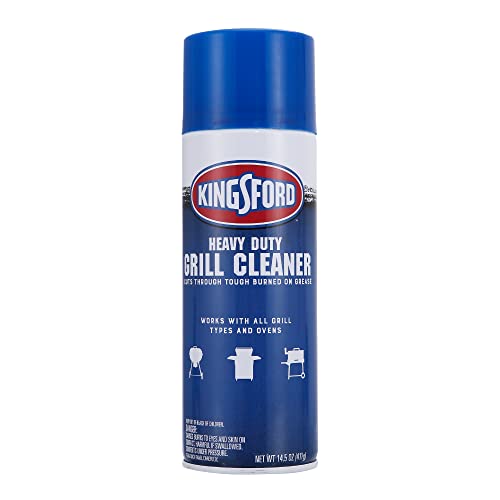
The Citrusafe Complete Grill Cleaning Kit is not your average grill cleaner. It is a thoughtfully assembled set designed to replace the dangerous wire brushes and harsh chemical sprays that many BBQ enthusiasts rely on. Instead, this kit uses a citrus-based degreaser, a nylon brush, heavy-duty scrubber pads, a cookbox scraper, and a microfiber towel to clean your grill safely and effectively. Whether you own a charcoal kettle, a propane gas grill, a smoker, or even a flat top griddle, this kit has the tools to handle the mess.
This kit is built for anyone who takes outdoor cooking seriously. Backyard grillers who fire up the Weber every weekend, campers who throw a grate over an open fire, tailgaters who need a quick cleanup between games, and RV owners who don't want wire bristles scratching their portable grills will all appreciate the safety-first approach. The stars are the Citrusafe Grill Cleaner spray, which uses natural degreasing power from citrus peels to break down grease, and the nylon brush and scrubber pads that work on a cool grill. No more burning off residue or worrying about stray bristles in your burger.
In real-world use, this cleaner shines on moderately soiled grates and cookboxes. Spray it on, let it sit for a few minutes, then scrub with the nylon brush or the heavy-duty pads. The grime dissolves quickly, and the included cookbox scraper reaches into corners that brushes miss. For a neglected grill that has months of caked-on grease, you may need to repeat the process, but the result is a cookbox that looks nearly new. The microfiber towel lifts away remaining residue without scratching porcelain or stainless steel surfaces.
Build quality of the tools is solid. The nylon brush handle is heavy-duty plastic with a comfortable grip, and the scrubber holder accepts the replaceable pads firmly. The scraper has a slim profile that fits into the tight gaps of most grills and smokers. The spray bottle has a trigger that produces a fine mist, covering grates evenly without waste. Everything in the kit is designed to be reused, cutting down on disposable grill wipes and paper towels.
Setup is simple: unpack the items and start cleaning. The spray works right out of the box, and all tools are ready to go. Transport is not an issue since it is a cleaning kit, but the spray bottle and tools fit easily in a garage cabinet or a camping tote. Storage is straightforward: keep the spray away from direct sunlight, and hang the brush and scraper to dry.
Limitations are minor. For grills with extremely heavy carbon buildup (think years of neglect), you may still need to use a metallic scraper or a second application. The scrubber pads are effective but wear out after several uses, and replacement packs are sold separately. Additionally, the nylon brush is not as stiff as wire, so it may take a bit more scrubbing on stubborn spots. Nonetheless, for routine maintenance and even deep-cleaning, this kit is a safe and effective choice. It earns a strong recommendation for any outdoor cook who wants to eliminate the risk of wire bristles and keep their cooking gear in top shape.
The Citrusafe Complete Grill Cleaning Kit comes with five essential items to tackle every part of your grill or smoker. You get a 16oz bottle of Citrusafe Exterior Grill Cleaner (also safe for interior use), a heavy-duty nylon brush with an integrated cookbox scraper, a scrubber handle plus three replaceable scrubber pads, a separate cookbox scraper for tight areas, and a premium microfiber cleaning towel (color may vary). Together, they cover cleaning from grates to hoods to side tables. Everything is manufactured in the USA by Bryson Brothers, a brand focused on safer outdoor cooking products.
For best results, clean your grill when it is cool to the touch. Spray the Citrusafe cleaner liberally onto grates and cookbox surfaces, let it sit for 3-5 minutes to loosen grease, then scrub with the nylon brush or scrubber pads. Use the cookbox scraper for baked-on residue in corners. Wipe away residue with the microfiber towel, then rinse with water if desired. For routine maintenance after each cook, a quick spray and wipe keeps grates looking new. The scrubber pads can be replaced when they become worn; replacement pads are available separately. The spray lasts through many cleanings, making this kit a great value for frequent grillers.
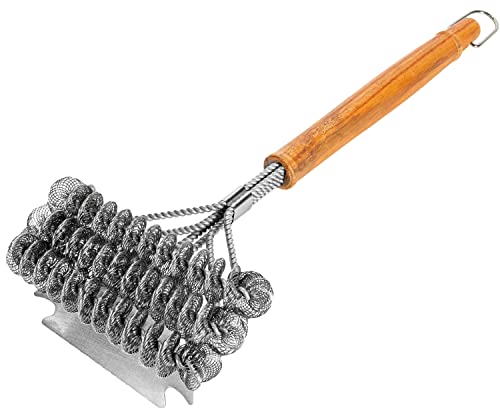
Pros
- Bristle-free design significantly improves safety compared to traditional wire brushes
- 17-inch handle offers good reach and keeps hands away from hot grates
- Works effectively on a variety of grill surfaces without scratching
- High-quality stainless steel bristles and scraper hold up well over time
Cons
- Some users may prefer a shorter handle for more control on small grills
- Wood handle requires occasional oiling to prevent drying out if left in weather
- Does not include a cover or protective sleeve for storage, so bristles may get bent if tossed in a drawer
If you spend weekends grilling burgers for the family or tailgating before the big game, you know that a clean grill is key to great-tasting food. The BBQ-AID bristle free grill brush is a solid choice for anyone who wants to ditch the worry of stray wire bristles ending up on their next steak. This brush uses a dense stainless steel cleaning head that scrapes off burnt-on residue without the safety risks of traditional wire brushes.
This tool is built for the outdoor cook who values both safety and efficiency. The wooden handle gives it a classic look and feels comfortable in your hand, even after scrubbing several grills at a campout. At 17 inches, the length lets you hold the brush with both hands for extra pressure, while keeping your knuckles and fingers a safe distance from the hot grates. That’s a nice feature when you’re cleaning a charcoal grill right after the last burger comes off.
During my uses on a Weber kettle and a gas grill, the brush removed grease and charred bits quickly. The built-in scraper at the end works well on the heavy stuff that gets baked on from low-and-slow smoking sessions. It’s also safe for porcelain and ceramic coated grates, so you don’t have to worry about scratching them. The bristles are stiff enough to do the job but not so harsh that they damage the surface.
Durability wise, the stainless steel part seems solid and rust resistant, and the wood handle feels sturdy. However, because it’s wood, you’ll want to avoid leaving it outside in the rain. A quick wipe down after use and storing it in a dry place will keep it looking good. The brush isn’t the lightest option out there, but the weight gives you confidence that it can handle tough jobs.
For campers and RV owners, this brush is a practical addition to your outdoor cooking kit. It travels well and works on small camping stoves as well as full-size backyard grills. The bristle-free design is especially appealing for families with kids, since you don’t have to worry about loose wires falling into the food. Cleanup after a weekend cookout becomes simpler when you can trust your brush to do the job without leaving behind a mess.
On the downside, the wood handle may need occasional care to prevent cracking if you live in a very dry climate. Also, the brush head is not removable, so if the bristles wear out after a couple of seasons, you’ll need to replace the whole unit. Still, given the reasonable price and the peace of mind from a bristle-free design, this is a smart pick for any outdoor cook who wants a reliable, safe way to keep their grill clean.

Essential Strategies to Keep Your BBQ Grill Rust-Free
Preventing corrosion requires understanding that rust is a chemical reaction between metal, moisture, and unmanaged food residue. Every time you grill, intense heat and volatile fats alter the protective surface seasoning on your grates and firebox walls. Without active intervention, microscopic pores in the metal absorb ambient humidity, causing oxidation to take hold beneath the surface. Implementing a structured maintenance routine stops this process before it causes structural pitting or ruins your cooking grates.
Why Grills Rust: The Role of Heat, Moisture, and Food Residue
Rust forms on barbecue grills when bare iron or steel reacts with oxygen in the presence of water or humidity. This oxidation process accelerates under high heat, which expands metal pores and allows moisture to penetrate deeper. Coastal ocean breezes, morning dew, and seasonal rain provide the liquid catalyst necessary to sustain this deterioration. Once oxidation begins beneath an unsealed surface, iron oxide flakes away and exposes fresh layers of raw metal to continuous decay.
Cooking residue presents an equally aggressive threat to bare grill components. Salt from dry rubs, vinegar from sauces, and citrus marinades act as natural electrolytes that dramatically speed up rust formation. When these leftover food residues remain stuck to cooking grates, they attract and hold ambient moisture directly against the metal. Leaving a dirty grill between cookouts essentially traps a corrosive paste against the cooking surfaces, accelerating localized pitting.
Post-Cook Burn-Off and Debris Removal
Cleaning your grill while it remains warm is one of the most effective ways to stop rust before it starts. Once food comes off the grates, closing the lid and letting the burners run for ten minutes carbonizes stuck-on grease into brittle ash. This high-temperature burn-off turns sticky residue into a dry powder that scrapes away with minimal physical effort. Waiting until the cooker is cold allows fats to solidify and bond tightly to the metal, making safe removal much harder.
Choosing appropriate cleaning tools ensures you do not scratch away factory coatings or leave metal gouges where moisture can pool. Modern bristle-free scrapers, such as the BBQ Dragon Grill Brush and Scraper, offer a stainless steel head and long handle to clear hot grates safely without shedding hazardous wire bristles. Charcoal grillers can also use that tool’s integrated coal rake to clear away spent ash that traps humidity near the lower bowl. Similarly, an 18-inch wooden-handled tool like the BBQ-AID Grill Brush for Outdoor Grill Bristle Free delivers ample leverage to dislodge charred drippings while keeping your hands at a safe distance from cooking heat.
Seasoning Cooking Grates to Form a Polymerized Barrier
Seasoning transforms liquid cooking fat into a hard, plastic-like protective polymer layer through sustained heat. When cooking oil reaches its smoke point, fatty acids cross-link and bond chemically with the microscopic valleys of the metal surface. This polymerized coating creates a hydrophobic shield that repels moisture and prevents oxygen from reaching raw iron molecules. Regular seasoning also creates a smooth cooking surface that helps prevent delicate proteins from tearing during grilling.
Selecting the right oil makes a substantial difference in the longevity of the protective seasoning layer. High smoke point cooking oils such as canola oil, refined grapeseed oil, or avocado oil work best because they polymerize cleanly without turning into brittle carbon ash. Animal fats like bacon grease contain high levels of salt and water, which can actually promote surface corrosion during outdoor storage. Neutral vegetable oils and pure canola oil offer reliable options that establish durable, slick finishes when applied in thin, uniform coats.
To season your grates effectively, warm the grill to medium heat and wipe a lightly oiled towel across the metal bars. Allow the grates to smoke for fifteen minutes until the oil dries to a dark sheen, then repeat the process to build a durable barrier. Owners of versatile outdoor equipment, including multi-purpose griddle and smoker combination units, follow this exact routine to keep large flat-top steel plates and internal grates protected from rust. Reapplying a quick, micro-thin coat of oil immediately after every post-cook scraping maintains this protective film continuously throughout the year.
Material-Specific Maintenance: Cast Iron, Stainless Steel, and Porcelain
Bare cast-iron grates demand vigilant care because they lack any artificial protective plating. Because cast iron is dense and porous, moisture seeps deep into the metal core if the outer oil seasoning wears thin. Never soak bare cast-iron grates in soapy water or scrub them with aggressive wire brushes that strip away baked-on oil layers. If cast-iron grates get wet during deep cleaning, dry them over high heat immediately and re-coat every surface with oil before storing the grill.
Stainless steel cooking grates resist rust primarily due to their natural chromium content, which forms an invisible, self-healing chromium oxide film. However, stainless steel can still corrode if foreign carbon particles become embedded in the surface or if heavy grease cuts off oxygen. Cleaning stainless steel with non-metallic pads or dedicated stainless scrapers preserves the integrity of this protective barrier. Wiping down stainless components periodically with warm water and mild dish soap removes corrosive surface salts and restores natural resistance.
Porcelain-enameled steel and porcelain-coated cast iron provide an impermeable glass-like barrier that protects underlying metal from moisture. Problems arise when aggressive scrapers or accidental drops create hairline cracks and chips in the porcelain layer. Once water finds its way through a crack, rust blooms silently underneath the ceramic coating and forces it to flake away from the metal. Always use softer nylon brushes or rounded wooden scrapers on porcelain-coated parts to prevent chipping the delicate glass enamel.
Protecting Internal Components: Burner Tubes, Heat Tents, and Charcoal Bowls
Burner tubes in gas grills are particularly vulnerable to premature failure because they endure direct flame exposure alongside dripping marinades. Stainless steel burner tubes feature tiny gas outlet ports that can corrode shut or become clogged by insect nests and carbon deposits. Cleaning burner tubes biannually with a soft brush and clearing ports with a small paperclip ensures even flame distribution and prevents localized hotspots that weaken the metal. Inspecting these tubes regularly also prevents gas from burning inefficiently or corroding junction points near the manifold.
Heat tents, also known as flavorizer bars or burner shields, endure punishing conditions inside any gas grill cookbox. These angled metal covers take the direct hit of falling fats, salts, and high heat while shielding the burner tubes underneath. When grease burns onto these tents, it creates an acidic crust that steadily corrodes steel shields until holes form. Brushing off loose deposits each month and coating the shields with a light mist of high-heat cooking oil significantly extends their working lifespan.
Charcoal grill fireboxes face a distinct chemical hazard caused by leftover wood ash. Charcoal ash is highly hygroscopic, meaning it rapidly draws moisture directly out of the surrounding humid air. When damp ash mixes with moisture, it creates a strongly alkaline chemical paste that eats through bottom kettle bowls and ash-catchers with remarkable speed. Emptying cold charcoal ash out of your grill after every single cookout prevents this caustic sludge from sitting at the bottom of the firebox.
Deep Cleaning and Safe Degreaser Application
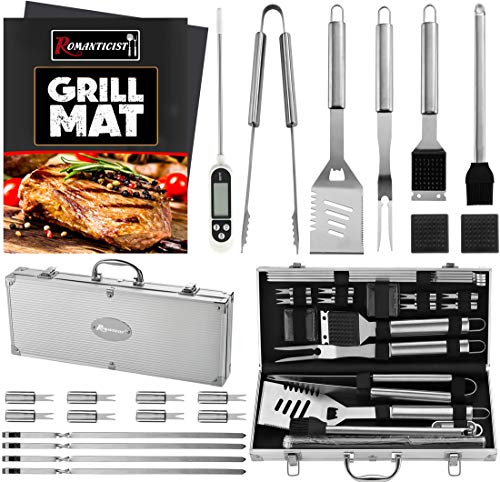
Periodic deep cleaning removes rancid grease deposits that hold corrosive moisture against internal cookbox walls. While high heat burns off surface food on grates, lower cookbox surfaces accumulate thick grease layers that cannot be addressed by routine preheating. Applying safe, non-toxic cleaning agents designed specifically for barbecue equipment dissolves stubborn residue without etching sensitive aluminum or steel components. Having a multi-piece accessory collection like the SEARWARE Barbecue Grill Tool Set provides dependable stainless tools and bristle-free cleaning options that handle both regular food prep and careful equipment upkeep.
Specialized cleaning packages like the Citrusafe Complete Grill Cleaning Kit leverage natural citrus compounds to break down grease on cold surfaces without harsh caustic fumes. Utilizing the included cookbox scraper, scrubber pads, and nylon brushes lets you scrub away built-up sludge safely on cool grates before wiping surfaces dry with a microfiber towel. Because citrus-based cleaners dissolve heavy oils, using them on cast-iron grates removes the existing seasoning layer alongside the grime. Whenever you use a degreasing spray, rinsing surfaces thoroughly and immediately applying fresh oil restores the essential hydrophobic barrier against moisture.
Outdoor Storage, Breathable Covers, and Weather Defense
A heavy, non-breathable vinyl grill cover can inadvertently trap ground moisture and create a humid greenhouse environment around your cooker. When direct sunlight warms a covered wet patio, evaporating water rises under the cover and condenses onto cool grill metal, accelerating corrosion. Choosing a water-resistant cover made from breathable fabric with built-in mesh ventilation flaps allows rising moisture to escape freely into the open air. Ensuring the cover stays clean and strapping it securely keeps strong winds from tearing seams or blowing debris underneath.
Strategic backyard placement also plays a significant role in minimizing moisture contact throughout the week. Positioning your grill away from automatic lawn sprinklers, roof drip lines, and dense vegetation prevents constant water exposure that overpowers protective oil films. Integrating outdoor cooking equipment beneath a sheltered structure, such as a covered patio or a finished barbecue island with backsplash, shields metal surfaces from direct precipitation while maintaining proper open-air ventilation. Always ensure outdoor cookers retain adequate clearance from combustible building walls and never operate any fuel-burning grill inside an enclosed garage, porch, or shed.
Winterizing your barbecue properly guards metal components against freezing temperatures and extended snow exposure. Before putting your cooker into winter storage, perform a thorough deep clean, dry all internal cavities completely, and coat all steel and iron parts with a generous layer of cooking oil. If you store the grill inside a dry garden shed or detached outbuilding over the winter, remove propane tanks and leave them outdoors in a shaded, well-ventilated location as required by local fire safety codes. Covering the clean, oiled grill with a soft, breathable cloth keeps dust away while completely preventing winter rust formation.
Removing Early Surface Rust and Restoring Metal Grates
Catching surface rust early allows you to restore cooking grates and heat plates before metal pitting causes irreversible structural damage. Minor cosmetic oxidation appears as a light orange haze across the metal bars, which easily rubs away when treated promptly. Severe rust, by contrast, manifests as deep dark brown pitting and crumbling flakes that compromise structural strength and contaminate grilled food. If cooking grates have rusted through to the point of thinning or snapping, replacing them is the only safe and sanitary solution.
For salvageable surface rust, physical scrubbing combined with mild kitchen acids breaks down the iron oxide without damaging sound base metal. Applying a paste of distilled white vinegar and baking soda to the rusted areas loosens oxidized particles over twenty to thirty minutes. Scrubbing the treated surfaces firmly with a stiff nylon pad or stainless steel wool lifts the softened rust flakes cleanly off the metal. Once the surface metal shines clean and smooth, rinse away all acidic residue with clean water to stop the chemical etching process.
The most crucial step in rust remediation is immediately resealing freshly exposed raw metal before airborne humidity triggers flash rusting. Place the scrubbed grates back into the grill or inside a warm domestic oven to evaporate every trace of surface water. Once the metal is warm and dry to the touch, rub a thin layer of high smoke point oil over every square inch using a clean cotton cloth. Heat the metal steadily for forty-five minutes to bake the oil into a fresh polymerized shield, locking out future oxidation and returning your grates to peak cooking condition.
Maintaining a rust-free barbecue does not require expensive treatments or complicated chemistry, but it does demand consistency after every cooking session. Clearing away charred food residue while the grates remain warm, applying a light coat of high-heat cooking oil, and using a well-ventilated cover keeps moisture away from vulnerable metal. Taking care of internal burners and promptly emptying hygroscopic charcoal ash prevents hidden corrosion beneath the cookbox. With these reliable maintenance habits in place, your grill will deliver dependable heat, clean grill marks, and safe family meals for years to come.






Write Your Review
No reviews yet. Be the first to share your experience!