


Thick carbon deposits, sticky grease, and caramelized marinades accumulate on outdoor cooking grates after every barbecue session. Leaving baked-on residue unattended not only spoils the flavor of fresh food but also creates persistent flare-up risks during high-heat cooking. Learning how to use grill cleaner correctly allows outdoor cooks to break down stubborn grime efficiently while protecting underlying metals from corrosion and chemical etching.
Different grill designs demand specific care routines, ranging from delicate porcelain coatings to thick stainless rods and cold-rolled steel flat tops. Setting up your supplies on a sturdy rolling BBQ prep table keeps degreasers, scrapers, and fresh rinse water within easy reach. Taking a systematic approach to surface degreasing preserves heat distribution, extends appliance longevity, and keeps your cooking setup sanitary for every gathering.
Pros
- Thick foam really sticks to vertical surfaces and grates, penetrating tough buildup.
- Works fast – just a few minutes and burnt-on residue loosens easily.
- Reduces scrubbing effort compared to traditional grill brushes or degreasers.
- Aerosol can allows precise application without dripping onto patio or grass.
Cons
- Foam may require multiple applications for heavily caked-on carbon deposits.
- Aerosol format means you need to store the can properly and keep nozzle clear between uses.
- Not suitable for use on hot grills – you have to wait for the grill to cool completely.
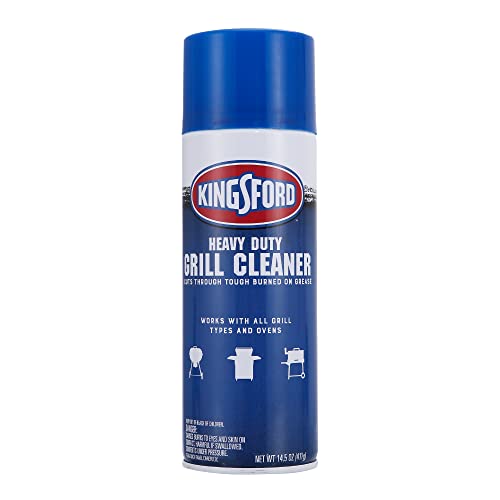
If you spend any time grilling – whether it’s quick weeknight burgers or long smoking sessions on a charcoal kettle – you know the cleanup struggle is real. That’s where the Kingsford Heavy Duty Foaming Grill Cleaner comes in. It’s not a grill itself, but it’s the tool that keeps your grill ready to perform. This aerosol foam is designed for backyard grillers, BBQ enthusiasts, and anyone who fires up a gas or charcoal grill multiple times a week. If you tailgate, camp, or cook for crowds on the patio, this cleaner will save you scrubbing time and keep your grates in shape.
What makes this stuff different from standard spray cleaners? The foam. It’s thick and clingy – it stays on vertical grates and cookbox walls instead of dripping off. That means the cleaning agents have more contact time to break down carbonized grease and burnt-on food. I’ve used it on my three-burner gas grill after searing steaks and on a charcoal kettle after smoking a pork shoulder. In both cases, the foam loosened residue so well that a quick wipe with a paper towel got most of the gunk off. No more heavy scrubbing with a wire brush that wears out grates.
For outdoor cooking, a clean grill isn’t just about appearances – it affects performance. Grease buildup can cause flare-ups, uneven heat, and off-flavors. Using this cleaner regularly helps maintain consistent cooking temperatures and better smoke flavor when using wood chunks. It also reduces the risk of rust on cast iron grates by removing corrosive carbon deposits. I’ve found that a quick spray after each cookout (once the grill is cool) keeps my grates looking like new and makes the next preheat more even.
Build quality here is straightforward – it’s a can of cleaner. But the form factor matters. The aerosol nozzle gives you control over where the foam goes, and the 14.5-ounce size is enough for several deep cleans or many lighter maintenance sessions. The only downside is you need to rinse or wipe thoroughly afterward – you can’t just leave the foam on. And it’s not for hot grills; you have to let the grill cool, which adds a few minutes to your workflow. But that’s a small trade-off for the effort saved.
In terms of durability and weather resistance – well, the can itself is metal and stores fine in a garage or shed. Just keep the nozzle clean and the cap on to prevent clogging. It’s not a heavy-duty industrial degreaser, but for home grillers who cook at least once a week, it’s more than sufficient. I’ve used it on both porcelain-coated and stainless steel grates with no damage or discoloration.
So who should buy this? If you own a charcoal or gas grill and hate scrubbing, get it. It’s especially useful for those who cook fatty meats, do high-heat searing, or smoke low and slow – all of which create stubborn residue. Backyard entertainers who host tailgates or summer parties will appreciate the quick turnaround between batches. And if you take your grill camping (like a portable Weber kettle), this cleaner makes cleanup at the campsite a breeze – just spray, wipe, and pack up. For the price, it’s a solid addition to any griller’s cleaning kit.
Using the Kingsford Heavy Duty Foaming Grill Cleaner is straightforward. First, make sure your grill is completely cool – never spray on a hot surface. Remove grates and place them on a protected area. Shake the can well, then spray a thick layer of foam directly onto the grates and interior surfaces. Let it sit for 5 to 10 minutes – the foam will start to break down carbon and grease. For heavily caked-on residue, a second application or letting it sit longer helps. Then scrub gently with a non-abrasive pad or brush, rinse with water, and dry. For quick maintenance after a cookout, you can spray the foam on, wipe with a paper towel, and light a high-heat burn-off. The foam rinses away clean without leaving sticky residue. Store the can upright in a dry place at room temperature.
Pros
- Safe for all common cooking grate materials including stainless steel, porcelain-enameled cast iron, and plain cast iron.
- Non-flammable and non-corrosive – no harsh chemicals or fumes that could affect food or your grill's finish.
- Doesn't irritate skin, so you can clean without rubber gloves and not worry about chemical burns.
- Effective at cutting through baked-on grease and carbon buildup with minimal scrubbing effort.
- Versatile enough for grills, smokers, ovens, and microwaves – a multi-surface cleaner for your outdoor kitchen.
Cons
- Spray bottle could be larger for frequent users who clean multiple grills or smokers often.
- May require multiple applications for heavily caked-on residue from months of neglect.
- Not formulated for exterior grill surfaces or painted components – only for cooking grates.
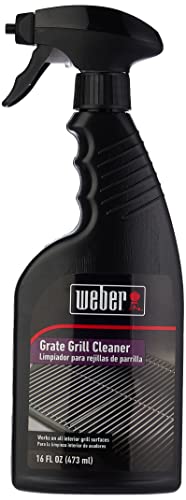
If you spend a lot of time around a hot grill, you already know that clean grates are the key to great sear marks and easy release. But scrubbing with harsh chemicals or worrying about what's getting into your food isn't fun. Weber's Grill Grate Cleaner and Degreaser takes that pain point and turns it into a quick spray and wipe routine. Designed for all standard cooking grate surfaces – including stainless steel, porcelain-enameled cast iron, and plain cast iron – this 16 oz spray bottle is a no-nonsense solution for anyone who grills regularly, from weekend burger flippers to competitive BBQ enthusiasts.
The standout feature here is the formula itself. It's non-flammable, non-corrosive, and completely free of phosphates. That means you can use it on your expensive Weber kettle grates or your portable camp stove without worrying about damaging the finish. And because it's safe for skin, you don't have to glove up every time you want to wipe down the grate. That's a real convenience when you're juggling tongs, basting brushes, and a cold drink in the backyard. For tailgaters and campers who need to clean up fast before packing up, this cleaner is a huge time-saver.
Performance-wise, this stuff does the job. It sprays on as a fine mist that clings to the grate, working its way into baked-on grease and carbon residue. A short soak – maybe a few minutes – and then a stiff brush or cloth gets the grime off with much less elbow grease than a dry scrub. It's particularly effective on those stubborn black deposits that form on cast-iron grates after repeated high-heat searing. For porcelain-enameled surfaces, it's gentle enough that it won't chip or dull the coating, which is a common worry with abrasive cleaners.
Versatility is another big plus. While the bottle says it's for grill grates, Weber also markets this for use on smokers, ovens, and microwaves. That makes it a solid all-around cleaner for the outdoor kitchen setup. Whether you're cleaning up after a 12-hour brisket smoke on a pellet grill or wiping down a flat-top griddle after a breakfast cookout, this spray can handle the mess. Just be sure to avoid painted exterior surfaces or non-stick coatings, where it could cause damage or discoloration.
For practicality, the 16 oz size is ideal for a season of regular use. It's not huge, so it won't take up much space in a cabinet or a camping tote. The spray nozzle dispenses a consistent mist, and the bottle sits upright without leaking. Cleanup is straightforward: spray, scrub, rinse with water, then dry. Unlike some aerosol cleaners that leave a sticky residue, Weber's formula rinses clean, so your next cook won't have any chemical taste or smell issues.
If you're a backyard griller who wants to maintain your gear without harsh chemicals, or a tailgater who needs a quick cleanup between games, this cleaner is a smart buy. It's not going to magically dissolve a decade of neglect in one spray, but for regular maintenance and moderate buildup, it's effective and user-friendly. For serious outdoor cooks who value both convenience and ingredient safety, Weber Grill Grate Cleaner is a simple upgrade to your cleaning routine that helps your grates last longer and perform better.
Using Weber Grill Grate Cleaner is as easy as spraying and wiping. For light grease and residue, just spray directly onto the cool grate, let it sit for a minute, then wipe with a paper towel or sponge. For heavier baked-on carbon, let it soak for 5-10 minutes before scrubbing with a nylon brush or scrub pad. Always rinse thoroughly with water after cleaning, and dry the grate to prevent flash rusting, especially on cast-iron surfaces.
This cleaner is designed only for cooking surface grates – do not use it on the exterior of your grill, the firebox, or any painted parts. The non-corrosive formula is safe for stainless steel, porcelain enamel, and cast iron, but harsh abrasives or steel wool can still scratch the finish. For best results, clean after every few cooks to prevent carbon buildup that's harder to remove later. A quick spray and wipe after a low-and-slow session keeps your grates ready for the next high-heat sear.
Storage is straightforward: keep the bottle in a cool, dry place away from direct heat sources. The 16 oz size lasts most backyard grillers a full season or more, depending on frequency of use. Because it's non-flammable, it's safe to store near your grill or in a garage cabinet. For campers and RV owners, this cleaner is small enough to toss in a tote, making it easy to keep your portable grill or camp stove grates clean on the road.

Pros
- Rapidly cuts through tough, baked-on grease from grills and smokers
- Versatile enough for use on multiple outdoor surfaces like patio furniture and camp stoves
- Easy spray application saves time and effort during post-cook cleanup
- Trusted brand with a reputation for heavy-duty cleaning power
Cons
- May require multiple applications on heavily caked-on grease from long smokes
- Strong chemical scent typical of heavy-duty degreasers, best used in well-ventilated areas
- Not recommended for use on aluminum surfaces without testing first
If you spend any time cooking outdoors, you know grease and grime are part of the deal. Whether you are a backyard griller firing up burgers every weekend, a tailgater cooking for a crowd, or a camper who relies on a portable stove, cleanup can be the most annoying part. Easy-Off Heavy Duty Degreaser is designed to tackle that stubborn grease head-on, making the post-cook routine much less of a chore.
This 32oz spray bottle packs a powerful degreasing formula that breaks down baked-on grease and grime in seconds. I have used it on grill grates after a long brisket smoke, on smoker racks caked with residue, and even on my flat top griddle after a batch of smash burgers. It cuts through the mess quickly, often with just a spray and a wipe. No heavy scrubbing required, which is a huge plus when you are tired from cooking and just want to relax.
One thing I really appreciate is its versatility. It is not just for grills. I have used it on my patio furniture to remove sticky residue from outdoor parties, on my camp stove after a weekend trip, and even on my garage workbench. It works on countertops, range hoods, and other surfaces where grease builds up. That makes it a practical tool for anyone who loves outdoor cooking and entertaining.
In terms of build quality, the spray nozzle delivers a consistent mist that covers the area well without wasting product. The clear formula means no added dyes, and it rinses off cleanly without leaving a film. For outdoor cooking gear, that is important because you do not want any residue affecting the flavor of your next meal. Just spray, let it sit for a few seconds, and wipe away the grime.
That said, this is a heavy-duty degreaser, so it does have a strong chemical scent. I recommend using it in a well-ventilated area, which is easy enough when you are already outside by the grill. For heavily caked-on grease from multiple long smokes, you might need to apply it twice or let it sit a bit longer. Also, if you have aluminum components on your grill or smoker, test it on a small spot first to make sure it does not discolor the surface.
Overall, Easy-Off Heavy Duty Degreaser is a practical, affordable solution for keeping your outdoor cooking equipment clean and ready for the next cook. Whether you are a weekend BBQ enthusiast, a dedicated tailgater, or an RVer who loves cooking at the campsite, this degreaser makes cleanup fast and easy. It is a simple tool that helps you spend less time scrubbing and more time enjoying your outdoor meals.
Keeping your grill, smoker, or camp stove clean is key to great cooking performance and longevity. Easy-Off Heavy Duty Degreaser simplifies the process. For best results, spray the affected area generously, let it sit for 30 seconds to a minute, then wipe with a clean cloth or sponge. For stubborn baked-on grease, a second application or a soft brush may help. Always rinse surfaces with water after cleaning, especially on cooking surfaces. Store the bottle in a cool, dry place away from direct sunlight. This degreaser is ideal for use after each cook to prevent heavy buildup, making future cleanups even easier.

Pros
- Safe, non-scratch bristles protect grates while removing tough buildup
- Adjustable handle with non-slip grip gives great control and reach
- Built-in bottle opener is a clever bonus for outdoor entertaining
- Lightweight and easy to store, perfect for portable use
Cons
- Some users may prefer a longer handle for very large grills
- Bristles may wear faster with heavy daily use on stainless steel grates
- Scraper is effective but may need extra elbow grease for deeply charred residue
If you spend any time around a grill, you know the struggle of cleaning burnt-on gunk without ruining your grates. The PePeng Grill Brush and Scraper aims to solve that with a safe, adjustable design that works on both gas and charcoal grills. It's not trying to be flashy—just a reliable tool that gets the job done so you can focus on cooking.
This brush is best suited for backyard grillers who fire up their gas or charcoal grill a few times a week, as well as campers or tailgaters who need a portable cleaning solution. The 18-inch handle adjusts to give you extra reach, which is handy when you're dealing with a deep kettle grill or a wide flat top. The non-slip grip means you won't lose control when your hands are greasy, and the built-in bottle opener is a nice touch for outdoor entertaining.
From a performance standpoint, the moderately stiff bristles do a solid job of lifting residue without scratching porcelain-coated or stainless steel grates. After a quick scrape and a few passes, you'll see a noticeable difference. For tough, baked-on spots, the scraper edge helps, though you might need a little more effort for burned-on sugar or marinade. It's not a magic wand, but it's effective for regular maintenance.
Durability seems decent for the price. The stainless steel bristles and polypropylene handle hold up to outdoor conditions, but like any grill brush, the bristles can eventually loosen or wear down, especially with heavy use. Store it in a dry place between cooks to extend its life. The brush is lightweight at just over half a pound, so it's easy to toss in a camping bin or tailgate bag without adding bulk.
Cleanup is straightforward—rinse off the brush after use and let it air dry. The scraper is handy for dislodging stuck bits, but you'll still want to burn off the grill at high heat for best results. As a practical accessory for outdoor cooks, it's a smart addition to your toolkit. If you're looking for an affordable, safe way to keep your grill clean, this PePeng brush is worth a try.

Pros
- Non-toxic and food-safe formula eliminates worry about chemical residues on cooking surfaces.
- Quick action reduces manual scrubbing effort, perfect for busy cooks and quick cleanup after backyard parties.
- Versatile on various grill and griddle materials including stainless steel, cast iron, and cold-rolled steel.
- Kit includes two 16-ounce bottles plus a cleaning tool, providing good value for regular maintenance.
Cons
- Requires reading instructions carefully for best results; some users may need multiple applications for heavy carbon buildup.
- Cleaning tool may not be as durable as dedicated metal scrapers for professional use.
- Liquid formula may not be ideal for portable use during camping trips without a stable surface.
The GrandAutocts Flat Top Grill Cleaner Kit is a specialized cleaning solution for owners of flat top grills, griddles, and camping stoves. This non-toxic, food-safe degreaser is designed to tackle the toughest burnt-on grease and carbon buildup that accumulates from frequent outdoor cooking. Whether you’re a backyard BBQ enthusiast, a tailgater cooking burgers for the game, or an RV camper who uses a portable griddle, this cleaner kit promises to restore your cooking surface without harsh chemicals.
In real-world use, the fast-acting formula lives up to its claim. Apply it to a warm (not hot) surface, let it sit for a few minutes, and the carbon and grease loosen significantly, reducing the elbow grease needed. It works well on stainless steel and cold-rolled steel griddles, which are common in commercial kitchens and home setups. The included cleaning tool helps scrape away residue, though a dedicated metal scraper might be more effective for heavily charred surfaces. The biodegradable, non-toxic composition is a standout feature for health-conscious cooks who worry about chemical residues affecting food flavor or safety. You can clean the griddle after a weekend cookout and cook directly on it again without any lingering taste.
This kit is best suited for flat top cooking enthusiasts who value easy cleanup after grilling burgers, smash burgers, pancakes, or stir-fry on a flat surface. It’s also a great companion for campers using portable propane griddles—just pack the smaller bottle for your RV or campsite cleaning kit. The two 16-ounce bottles provide ample supply for regular maintenance, and the cleaning tool is handy for immediate use. However, the bottle design is bulky for backpacking, so it’s more practical for car camping or tailgating.
Durability-wise, the cleaner itself has a stable shelf life, but the spray trigger (if applicable) could be improved. The formula is liquid and thin, so be careful when applying to avoid splatter. One limitation: if you have a heavily charred outdoor grill that hasn’t been cleaned in months, you may need multiple applications or a more abrasive scrubbing pad. For routine cleaning after each cook, this product performs well and prevents heavy buildup over time.
Cleaning up after a flat top grill session is often the most dreaded part of outdoor cooking. This GrandAutocts kit simplifies that task significantly. The non-toxic nature means you can clean your griddle without gloves if you prefer, and the fast action means you spend less time scrubbing and more time enjoying your backyard or campsite. For outdoor cooks who prioritize convenience and safety, this cleaner is a practical purchase. It’s not a miracle product for neglected grills, but for regular maintenance, it delivers reliable results. I recommend it for anyone who owns a flat top grill or griddle and wants a food-safe, effective cleaner that won’t harm their cooking surface or their health.
Backyard BBQ: Perfect for cleaning flat top grills after cooking burgers, breakfast, or stir-fry for the family. Use after each session to prevent carbon buildup.
Tailgating: Keep your portable griddle clean during game-day parties. The non-toxic formula ensures no chemical taste on your food.
Camping & RVing: Small bottles fit easily in a cooler or storage bin. Great for camp stoves and portable griddles used at campsites.
Food Trucks: Professional-grade performance for daily cleaning in high-volume cooking environments.
For best results, apply the cleaner to a warm cooking surface (around 100-150°F) and let it sit for 2-5 minutes. Use the included cleaning tool or a soft scrub pad to loosen residue, then wipe off with a paper towel or cloth. Rinse with water if needed, but the formula is food-safe so minimal residue remains. For heavy carbon buildup, reapply and let it soak longer. Avoid using on extremely hot surfaces as it may evaporate too quickly. Store the bottle in a cool, dry place away from direct sunlight.
Pros
- Fast-acting formula saves time on tough grease and carbon buildup
- Safe on cast iron and most grill surfaces, including porcelain and stainless steel
- Thick foam clings to vertical surfaces for even cleaning
- Comes with reusable spray bottles for convenient application
Cons
- Requires warm water rinse to avoid streaking on some surfaces
- Strong chemical smell during use, so good ventilation is recommended
- May need multiple applications on heavily caked-on grease
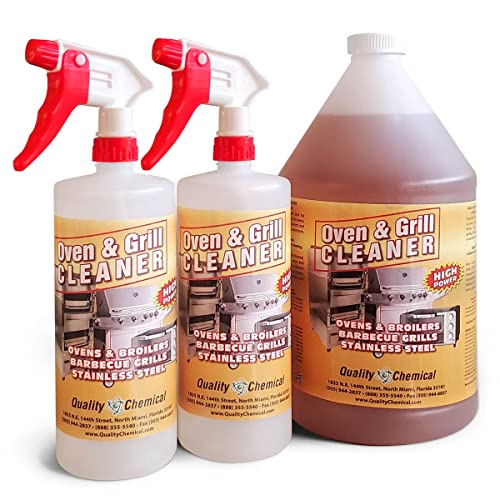
If you spend any time around a grill, smoker, or camp stove, you know the struggle of cleaning off baked-on grease and carbon. The Quality Chemical Oven & Grill Cleaner is a heavy-duty degreaser designed to make that job a whole lot easier. This 1-gallon combo comes with two empty quart bottles and trigger sprayers, so you can mix and apply right out of the box. It's made in the USA and promises fast action on even the toughest grime.
This cleaner is best suited for backyard grillers, BBQ enthusiasts, campers, tailgaters, and RV owners who want a reliable way to keep their cooking gear in top shape. Whether you're scrubbing a pellet grill after a long brisket smoke, cleaning a flat top griddle after a weekend of burgers and pancakes, or degreasing a camp stove after a week of outdoor cooking, this product handles the job. The thick foam clings to vertical surfaces like grill lids and smoker doors, so you don't have to worry about drips or wasted product.
In terms of real-world performance, the fast-acting formula penetrates grease and baked-on food quickly. You spray it on, let it sit for a few minutes, then wipe off with a damp cloth or sponge. For best results, use warm water to rinse and reduce any streaking. It's safe on cast iron cooking grids and grates, which is a big plus for anyone who uses cast iron for searing steaks or cooking over an open flame. The cleaner also works on non-food contact surfaces like fryer cabinets and hood filters, making it a versatile addition to your outdoor kitchen cleaning kit.
Build quality is solid for a chemical cleaner. The gallon jug is sturdy, and the included spray bottles are practical for everyday use. The formula itself is heavy-duty but not overly harsh on surfaces when used as directed. It's designed to handle the kind of grease buildup you get from frequent grilling and smoking, so you don't have to scrub for hours. Just spray, wait, and wipe. That said, the chemical smell is strong, so it's best to use it in a well-ventilated area or outdoors.
One realistic limitation is that heavily caked-on carbon might need a second application or a bit more soaking time. Also, while it's safe on most surfaces, you should always test on a small area first if you're unsure about a particular finish. The cleaner does require a warm water rinse to avoid residue, which is a minor extra step but worth it for a streak-free finish.
Overall, the Quality Chemical Oven & Grill Cleaner is a practical buy for anyone who cooks outdoors regularly. It saves time and effort on cleanup, so you can spend more time enjoying your backyard BBQ, tailgate party, or campsite meal. If you're tired of scrubbing grease off your grill grates or smoker racks, this heavy-duty degreaser is a solid choice. Just remember to use it with good ventilation and follow the rinse instructions for the best results.

Pros
- Extremely effective on tough, baked-on grease from grills and ovens
- Thick foam stays in place on angled surfaces for thorough cleaning
- Versatile - works on stainless steel, porcelain, ceramic, and more
- Large 19-ounce cans offer good value, especially in a 2-pack
Cons
- Strong chemical fumes require good ventilation or a mask during use
- May need multiple applications for heavily charred or neglected grates
- Not suitable for aluminum or painted surfaces - check compatibility first
If you spend any time firing up the grill for weekend BBQs, tailgating parties, or campsite cooking, you know the hassle of cleaning up baked-on grease. The Zep Heavy-Duty Oven and Grill Cleaner is designed to tackle exactly that mess. This is not your average kitchen spray - it's a restaurant-grade formula that comes in a 19-ounce can, and you get two cans in this pack. It's built for the tough jobs that backyard grillers, BBQ enthusiasts, and outdoor entertainers face after searing steaks, smoking ribs, or cooking burgers for a crowd.
This cleaner works by dissolving grease on contact, thanks to a thick foaming formula that clings to surfaces. That means you can spray it on your grill grates, burner covers, drip pans, and even the inside of your oven or smoker hood, and let it sit for a few minutes. The foam stays put on vertical surfaces, which is a huge plus when you're cleaning the inside of a grill lid or the sides of a flat top griddle. It's safe for use on stainless steel, porcelain, and ceramic - common materials in most grills and outdoor cookware.
In real-world use, this cleaner excels at cutting through the stubborn carbon buildup that you get from high-heat searing and low-and-slow smoking. After a long day of tailgating or a weekend of patio cooking, a quick spray and wipe-down leaves your grates looking nearly new. It also helps with grease management - less buildup means fewer flare-ups and more consistent heat the next time you cook. For campers and RV owners, this cleaner is a lifesaver for portable grills and camp stoves that get packed away dirty.
The build quality of the product itself is straightforward - it's a standard aerosol can with a trigger nozzle that delivers a steady foam. No complicated setup; just shake, spray, and wipe. Cleanup is easy as long as you follow the instructions: let it sit, scrub lightly if needed, and rinse thoroughly. One limitation is the strong odor - you'll want to use it outdoors or with plenty of ventilation. Also, for heavily charred grates that haven't been cleaned in months, you might need a second application or a bit more elbow grease.
Overall, Zep Heavy-Duty Oven and Grill Cleaner is a practical choice for anyone who cooks outdoors regularly. It saves time and effort on cleanup, which means more time enjoying your backyard BBQ, camping trip, or tailgate. If you're serious about keeping your grill, smoker, or camp stove in top shape without spending hours scrubbing, this 2-pack is a solid investment.

Pros
- Non-caustic formula is safe for use around food and won't strip seasoning
- Costs less than a dollar per cleaning, making it very budget-friendly
- Large 32 oz bottle lasts through many campouts and backyard cookouts
- Easy to apply just spray, wipe, and rinse for a shiny finish
Cons
- May require extra scrubbing on heavily carbonized griddle surfaces
- Bottle size could be bulky for hikers or backpackers with limited pack space
- Not designed for charcoal or pellet grill grates; only for flat top griddles
If you own a flat top grill like a Blackstone or Camp Chef, you know the struggle of burnt-on residue after a big cookout. The Active Element Flat Top Grill Cleaner steps in as a non-toxic, food-safe solution that tackles grease without the harsh chemical smell. This 32 ounce bottle is made for outdoor cooking enthusiasts who want to keep their griddle looking fresh without spending hours scrubbing.
This cleaner works best for backyard grillers who cook up breakfast hash, smash burgers, and stir-fry on their flat top. It is also a solid pick for tailgaters and RV owners who need a compact cleaning kit that won't leak or cause fumes inside a camper. Anyone who values a clean, seasoned cooking surface will appreciate how quickly this formula cuts through greasy buildup.
In real-world use, you simply spray the cleaner on a warm griddle, let it sit for a minute, then wipe away the loosened residue. It handles egg crust, bacon drippings, and even caramelized burger bits with less elbow grease than scraping alone. The non-caustic formula is gentle on your griddle's seasoning, so you don't have to re-season after every cleaning.
One practical advantage is the cost efficiency. Each bottle can clean your flat top up to 64 times, which breaks down to roughly 50 cents per session. That makes it a smart buy for frequent cooks who grill multiple times a week. The professional-grade formula is used in commercial kitchens, giving you that same heavy-duty cleaning power at home.
Build quality here is all about the formula itself. It is a thick liquid that clings to vertical surfaces on a griddle hood or backsplash without dripping. Because it is non-toxic and food-grade, you can clean right before cooking without worrying about chemical residue affecting your food. It is also safe for stainless steel and porcelain griddle surfaces, not just carbon steel.
For outdoor cooks, this cleaner is a no-brainer. It simplifies cleanup after a big tailgate or a weekend campout, and it saves you from scraping endlessly. The only limitation is that it is specifically for flat tops not for charcoal grates or pellet grill interiors. If you stick to flat top cooking, this is a reliable, affordable way to keep your griddle in top shape for years of burgers and campfire breakfasts.
Comprehensive Guide to Using Grill Cleaner Safely and Thoroughly
Applying a chemical degreaser or specialized foam requires careful preparation, the correct dwell time, and thorough rinsing to ensure food-contact surfaces remain safe. Taking shortcuts with harsh chemicals can damage sensitive grill components, strip protective seasoning, or leave unwanted chemical residues on your cooking grates. Following a methodical cleaning protocol restores cooking efficiency, prevents grease fires, and keeps every meal tasting clean.
Core Application Steps for Grill Sprays and Foaming Degreasers
Always begin the cleaning process on a completely cold grill to prevent chemicals from evaporating instantly or releasing irritating fumes. Turn off the gas supply at the propane tank or disconnect the natural gas line before applying any cleaning solution. If you are servicing a charcoal grill, remove all cold ash and spent briquettes from the lower basin to prevent chemical runoff from forming a sticky paste at the bottom of the kettle.
Shake the cleaner container vigorously before spraying an even layer across the target cooking surfaces. Foaming aerosol formulas, such as Kingsford Heavy Duty Foaming Grill Cleaner Spray, cling effectively to vertical surfaces and grate wires without running off immediately. For liquid trigger bottles like Easy-Off Heavy Duty Degreaser, apply a generous, steady mist across the grates, holding the nozzle several inches away to ensure complete coverage.
Allow the cleaner to dwell on the metal for the duration recommended on the product label, which generally ranges between five and fifteen minutes. This dwell time allows active surfactants and alkaline degreasers to soften carbonized sugars, animal fats, and scorched proteins. Never let chemical cleaners dry completely onto cooking surfaces, as dried residue becomes significantly harder to wipe away and may require a second application.
Wipe down the loosened slurry using heavy-duty paper towels, lint-free shop cloths, or a damp cleaning sponge. Follow this initial wipe by flushing the grates thoroughly with buckets of warm, clean water to wash away all trace surfactants. A final rinse ensures that no leftover degreasing agents remain on the metal when you light the burners for your next meal.
Matching Cleaner Formulations to Specific Cooking Surface Materials
Grill grates are manufactured from diverse metals, each exhibiting unique reactions to caustic degreasers and acidic compounds. Stainless steel grates feature outstanding resistance to corrosion, making them compatible with strong commercial formulas and intensive scrubbing tools. Cooks can apply heavy-duty solutions to stainless steel bars without fear of flaking or surface etching, provided the cleaner is rinsed away thoroughly afterward.
Porcelain-enameled cast-iron grates require a gentler chemical touch to prevent chemical clouding or microscopic cracks in the glass coating. Specialized solutions like Weber Grill Grate Cleaner and Degreaser use non-flammable, phosphate-free formulas designed to clean without degrading sensitive porcelain glazes. Avoid abrasive scouring pads on porcelain, as deep scratches allow moisture to reach the raw iron core beneath, leading to premature rust and grate failure.
Raw, seasoned cast-iron cooking grids require special consideration because aggressive commercial degreasers strip away the polymerized oil patina. If you apply a standard chemical cleaner to bare cast iron, you will dissolve the non-stick seasoning down to the grey base metal. Whenever deep degreasing becomes necessary on bare cast iron, plan to immediately dry, oil, and re-season the metal in a controlled high-heat environment.
Safe Chemical Handling, Personal Protection, and Outdoor Ventilation
Liquid degreasers and aerosol foams contain concentrated surfactants and alkaline solvents that can cause skin irritation or chemical burns. Wearing durable nitrile gloves and protective safety glasses shields your hands and eyes from accidental splashes or aerosol blowback. Always position your body upwind of the spray mist so outdoor breezes do not carry airborne chemical droplets back toward your face.
Outdoor fuel-burning cooking equipment must never be operated or cleaned inside an enclosed structure such as a garage, workshop, or storage shed. Enclosed spaces trap aerosolized chemical mists, creating severe respiratory hazards during prolonged application and scrubbing. Furthermore, firing up any gas or charcoal appliance inside a garage creates catastrophic carbon monoxide poisoning risks and severe fire hazards, regardless of whether overhead doors are open.
Keep cleaning chemicals strictly isolated from pets, young children, and outdoor dining tables during the entire maintenance session. Store aerosol cans and refill jugs upright in a cool, shaded environment away from direct sunlight and pilot lights. Reading the manufacturer instructions on the container ensures you observe all relevant chemical handling precautions and emergency flush protocols.
Combining Chemical Solvents with Mechanical Scraping Equipment
Chemical degreasers excel at breaking chemical bonds in grease, but stubborn carbonized lumps often require mechanical agitation to release completely. Utilizing a dedicated tool like the Grill Brush and Scraper-18 Adjustable Handle Safe allows you to apply controlled leverage across grate bars while keeping your hands clear of messy chemical foam. Built-in scraper notches help scrape underneath individual round rods where baked drippings collect heavily.
Traditional wire brushes require careful handling because loose steel bristles can dislodge, stick to grease residues, and accidentally contaminate food during future cookouts. Always inspect the cooking grates closely with a bright flashlight after brushing to confirm no stray wires remain trapped on the metal. Wiping the grates with a damp cloth or oiled towel provides an extra layer of reassurance by picking up any loose debris left behind by mechanical scrapers.
For delicate coatings or griddles, opt for brass bristles, stiff nylon scrubbing pads, or wooden scraping paddles that yield under heavy pressure. These softer materials contour against surface irregularities without gouging steel or chipping brittle enamel finishes. Matching your tool stiffness to the underlying metal guarantees thorough cleaning without reducing the operational lifespan of your cooking components.
Deep Cleaning Cookbox Interiors, Heat Shields, and Grease Trays
Maintaining a clean grill involves far more than simply wiping down the primary cooking grid where burgers and steaks sit. Flavorizer bars, ceramic heat tents, and stainless burner covers catch heavy drippings that bake into thick crusts over months of smoking and searing. Concentrated formulas like Zep Heavy-Duty Oven and Grill Cleaner help dissolve baked-on crusts from removable heat shields when soaked inside a utility tub.
The interior walls of the grill cookbox frequently develop peeling, carbonized sheets that resemble flaking black paint. This material is harmless polymerized smoke residue, but excessive accumulation can flake onto cooking food or ignite during high-heat searing. Use a putty knife or rigid plastic scraper to push this debris downward into the slide-out grease catch before applying any liquid cleaning sprays.
Never spray liquid degreasers directly into gas burner ports, air shutter screens, or electronic spark igniters. Chemical liquids can clog microscopic gas orifices, corrode delicate electrode wires, or cause erratic flame patterns when you relight the system. If large commercial quantities are needed for extensive outdoor restoration, options like Quality Chemical Oven Cleaner & Grill Cleaner should be applied carefully using hand sprayers to keep sensitive gas train components dry.
Special Procedures for Flat-Top Griddles and Outdoor Cooking Surfaces
Flat-top steel griddles operate differently than open-flame grills and require food-safe, non-caustic maintenance routines. Dedicated kits like the GrandAutocts Flat Top Grill Cleaner Kit, Grill utilize specialized non-toxic formulas that loosen burnt-on carbon without introducing hazardous industrial chemicals onto flat griddle plates. Homeowners operating versatile griddle and smoker combo equipment must preserve the hard-won oil seasoning on their steel surfaces while stripping away sticky grease pools.
Products such as Active Element Flat Top Grill Cleaner – 32 fl oz are formulated to dissolve burnt residue without using corrosive lye that might taint morning pancakes or bacon. On flat steel cooktops, cleaners are commonly applied while the steel is warm, using squirt bottles and grill screens to lift caramelized sugars into the grease trough. Once the surface is clean, rinse the griddle with clean water and scrape the moisture immediately into the grease cup to prevent rust formation.
Applying standard harsh oven cleaners to outdoor flat tops is strongly discouraged because caustic sodium hydroxide strips seasoning down to bare steel and can impart persistent chemical tastes. Non-caustic, food-contact-approved formulations protect your culinary results while reducing the time spent scraping with heavy steel spatulas. Always dry the griddle plate immediately with clean towels before applying a fresh layer of conditioning oil.
Thorough Rinsing, Post-Cleaning Burn-Off, and Metal Conditioning
Rinsing remains the most critical food-safety step when applying any chemical degreaser to surfaces intended for food preparation. Use clean buckets of fresh water and a non-soapy microfiber sponge to wipe down every square inch of treated metal. Continue rinsing with clean water until no bubbly lather, slippery chemical film, or pungent chemical scents remain on the grates.
After drying the grates thoroughly with clean shop towels, reassemble the burner tents and cooking grids back into their proper positions inside the cookbox. Ignite your burners, close the grill lid, and run the appliance on medium-high heat for ten to fifteen minutes. This post-cleaning burn-off vaporizes any microscopic residues that escaped the manual rinsing process, ensuring your next meal remains untainted by cleaning compounds.
High heat and alkaline cleaners temporarily strip away the micro-thin barrier of cooking oil that naturally protects outdoor metals from atmospheric humidity. While the grates are still warm from the burn-off, fold a clean paper towel into a tight pad, dip it in high-smoke-point cooking oil, and rub it evenly across the grate rods with long grill tongs. This conditioning step creates a fresh hydrophobic barrier that resists oxidation and prevents meat from sticking during your next cookout.
Protecting Surrounding Decking, Pavers, and Outdoor Kitchen Fixtures
Chemical degreasers formulated to dissolve animal fats will also strip sealants, stain porous concrete pavers, and discolor treated wooden deck boards. Position a wide plastic catch tray, heavy drop cloth, or disposable cardboard sheet directly underneath your grill cookbox before applying foaming sprays. Catching greasy chemical runoff prevents unsightly black stains on patio pavers that are exceptionally difficult to remove later.
If your grill is integrated into a permanent patio island, take extra care to protect surrounding natural stone counters and decorative tile backsplashes from chemical overspray. Working around a dedicated patio BBQ island with backsplash requires controlled spray application rather than broad misting to protect porous mortar and granite finishes. Wipe any accidental overspray off stainless cabinet doors and surrounding counter surfaces immediately using a damp microfiber rag.
Always dispose of dirty rinse water and chemical-soaked paper towels responsibly according to your local municipal guidelines. Never dump concentrated grease slurry or chemical rinse runoff directly into storm drains, flower beds, or manicured lawn turf. Pouring wastewater down an indoor utility sink connected to municipal sanitary sewer systems helps safeguard local outdoor waterways from harsh grease and surfactant loads.
Establishing an Ongoing Maintenance Rhythm to Reduce Chemical Dependency
Implementing basic mechanical maintenance habits after every cookout dramatically reduces how frequently you will need to apply aggressive chemical cleaners. Performing a quick five-minute high-heat burn-off immediately after removing cooked meats turns soft grease drippings into brittle, dry ash. A quick pass with a sturdy scraping brush while the grates are still hot clears away the bulk of food residues before they have a chance to harden into stubborn carbon crusts.
Reserve deep chemical strip treatments for seasonal maintenance milestones, such as opening your outdoor cooking area in spring or preparing your cooker for winter storage. Most backyard grilling enthusiasts only require an intensive foaming degreaser session once or twice a year if they practice consistent post-cooking brushing. Routine wipe-downs of exterior stainless panels and interior drip trays prevent grease accumulation from evolving into a massive weekend cleaning project.
Mastering how to use grill cleaner correctly elevates your outdoor cooking routine, protects your equipment investment, and preserves the authentic flavor of your barbecue. By respecting proper dwell times, using material-compatible formulas, and conducting thorough post-cleaning burn-offs, you ensure your outdoor cooking equipment remains safe, efficient, and ready for every backyard feast.




Write Your Review
No reviews yet. Be the first to share your experience!