


Starting an outdoor cookout at a campsite, park, or tailgate should feel straightforward rather than frustrating. Portable grills pack serious cooking capability into compact frames, yet lighting them correctly requires understanding your fuel source and airflow. Learning how to start a portable grill ensures you reach reliable cooking temperatures quickly while avoiding flare-ups and dangerous fuel buildup.
Whether you cook over small propane canisters, lump charcoal, or self-contained fire packs, proper preparation keeps every cookout safe and enjoyable. Establishing clear clearance from campers, picnic tables, and dry brush allows you to manage open flames with confidence. Once your grates are hot and sanitized, you can turn your focus toward searing burgers or crafting a savory Filipino pork barbecue for your camp companions.

Pros
- Fast and consistent ignition with excellent airflow design.
- Built like a tank – premium ductile iron means years of reliable service.
- Compact and lightweight enough to toss in a camping kit or tailgate gear.
- Works for both charcoal and firewood, adding versatility for different outdoor cooking setups.
Cons
- Small capacity – best for small to medium charcoal loads; not ideal for large offset smokers or huge campfires.
- Takes time to cool down after use – you can't immediately pack it away.
- May require practice to get the lighting technique down perfectly with different fuel types.
The Brutal BBQ Fireguard is a simple but brilliantly effective tool for anyone who regularly lights charcoal or firewood. Instead of fumbling with lighter fluid, chimney starters, or newspaper, this compact ductile iron device lets you stack your fuel inside and light a small fire beneath it. The built-in air inlet feeds oxygen directly into the base, creating a powerful updraft that gets your charcoal glowing in about 10 to 15 minutes. It works equally well with lump charcoal, briquettes, and even small pieces of firewood for a fireplace or campfire.
This fire starter is built for real outdoor use. The high-grade ductile iron casting feels solid in your hands and resists the kind of warping or rusting you see with cheaper steel chimneys. You don't need any maintenance beyond shaking out the ashes once it's cool. That ruggedness makes it a great companion for backyard grillers who want a dependable tool every weekend, as well as campers and tailgaters who need something that can survive being tossed in a truck bed or gear bin.
When it comes to cooking performance, the Fireguard shines at getting your coals ready fast and evenly. Because the airflow is optimized, you get a consistent bed of hot embers without cold spots. That means better searing ability on steaks or burgers and more reliable heat for low-and-slow smoking if you're using a charcoal smoker. It's also great for patio cooks who want to avoid chemical starters that can leave off-flavors on the food.
Portability is a big plus. The Fireguard measures just over nine inches tall and about four inches wide – small enough to fit inside most kettle grills, portable camp grills, or even your camping stove bag. It doesn't take up much space in your trunk for tailgating or in an RV storage compartment. The only limitation is capacity: it can hold enough charcoal for a two-burger grill session or a small campfire, but if you're running a large offset or cooking for a big crowd, you may need to do two batches.
Cleanup is about as easy as it gets. Once the Fireguard cools completely (and you should definitely wait until it's at room temperature before handling), just give it a shake to remove the ash. No water, no soap, no scrubbing. The iron may develop a natural patina over time, but that doesn't affect performance. Just avoid getting it wet while it's hot to prevent any thermal shock.
Overall, the Brutal BBQ Fireguard is a smart upgrade for anyone who lights charcoal or firewood regularly. It's not a complete grill or a huge chimney starter – it's a focused tool that does one job very well. If you're a backyard BBQ enthusiast who wants to ditch lighter fluid, a camper looking for a compact fire starter, or a tailgater who wants quick hot coals, this is a solid buy. Just keep its size in mind and you'll appreciate the simplicity and durability it brings to your outdoor cooking routine.
The Brutal BBQ Fireguard is most useful for small to medium grilling sessions. Use it to light charcoal for a Weber kettle, a portable camping grill, or a fire pit in your backyard. It's also perfect for camping trips when you want a quick campfire for cooking or warmth without messing with liquid starters. Tailgaters will appreciate how fast you can get coals ready for burgers and brats before kickoff. It even works as a decorative piece on a mantle or patio table when not in use – just be sure the fire is out and it's cool before bringing it inside.

Pros
- Ultra-lightweight and compact for easy transport and storage.
- Instant ignition with piezo starter - no matches or lighters needed.
- Three burners offer good cooking capacity for a portable stove.
- Toast tray adds unique functionality for buns or bread.
- Affordable price point for a multi-burner propane stove.
Cons
- Very lightweight construction may feel less sturdy than heavier stoves.
- Toast burner is small and may not toast evenly across larger batches.
- 1LB propane cylinders not included and can be costly for frequent use.
The Flame King YSNBBQ-136M is a 3-burner portable camping stove that brings serious versatility to outdoor cooking. Designed for campers, tailgaters, RV owners, and backyard cooks, this propane-powered stove packs 20,400 BTUs of total heat output into a lightweight, compact frame. It's not a full-size grill, but it's a practical cooking companion for anyone who needs a reliable heat source on the go.
In real-world use, the two pot burners each deliver 6,600 BTUs - enough to boil water quickly or simmer a pot of chili. The third burner, rated at 7,200 BTUs, is designed for toasting and comes with a dedicated toast rack and drip tray. This setup lets you cook a full meal while toasting buns or bread at the same time, which is a nice touch for campsite breakfasts or tailgate burgers. Heat control is decent thanks to the adjustable knobs, though the lightweight build means the stove can feel a bit tippy if you're not careful with heavy pots.
Portability is where this stove really shines. At just over a pound and with dimensions of 23 x 12.5 x 3 inches, it slides easily into a backpack or camping bin. The piezo push-button igniter works every time, so you won't be fumbling with lighters in windy conditions. It runs on standard 1LB propane cylinders, which are widely available, and you can connect it to a larger tank with an adapter hose for longer cook sessions. That makes it a solid choice for emergency backup cooking at home or extended camping trips.
Build quality is adequate for the price point. The stove is made of lightweight materials that feel durable enough for occasional use, but it's not built like a heavy-duty camp stove. The drip tray helps with grease management, catching crumbs and drips for easier cleanup. There's no lid or wind protection, so you'll want to set it up in a sheltered spot on breezy days. The cooking surface is spacious enough for two medium pots and a small pan, but don't expect to cook for a crowd on this alone.
One realistic limitation is the toast burner. While it's a clever addition, the small size means you can only toast one or two buns at a time, and the heat distribution isn't perfectly even. You'll need to watch your bread to avoid burning. Also, the stove's lightweight design means it can slide around on uneven surfaces, so a stable table or ground is essential. For most campers and tailgaters, these are minor trade-offs for the portability and price.
Overall, the Flame King YSNBBQ-136M is a practical, affordable option for outdoor cooks who prioritize portability and versatility. It's best suited for camping trips, RV adventures, tailgate parties, and emergency preparedness. If you need a lightweight stove that can handle basic cooking and toasting without breaking the bank, this is a solid buy. Just keep your expectations realistic about its capacity and stability.
The Flame King YSNBBQ-136M delivers 20,400 BTUs across three burners, which is respectable for a portable stove. The two pot burners provide steady heat for boiling, simmering, and frying, while the toast burner adds a unique capability for browning bread or buns. Heat consistency is good for a stove of this size, though the lightweight construction means the burners can be affected by wind. For best results, use a windscreen or cook in a sheltered area. The adjustable knobs give you decent control over flame height, allowing you to go from a rolling boil to a gentle simmer. Searing isn't really in this stove's wheelhouse - it's better suited for quick meals like eggs, bacon, soup, or reheating leftovers. The toast burner works well for single servings but struggles with even browning for larger batches. Overall, cooking performance is solid for camping and tailgating, but don't expect restaurant-grade results.
Portability is the Flame King YSNBBQ-136M's strongest feature. Weighing just over a pound and measuring 23 x 12.5 x 3 inches, it's one of the lightest 3-burner stoves on the market. It fits easily into a backpack, camping tote, or emergency kit. The compact design means you can take it anywhere - from a remote campsite to a tailgate lot or even your patio. Setup is simple: unfold the legs, attach a 1LB propane cylinder, and push the igniter button. The stove runs on standard disposable propane bottles, which are easy to find, or you can connect it to a larger tank with an adapter hose for longer trips. The only downside is that the lightweight build makes it less stable on uneven ground, so you'll want a flat surface. But for anyone who values easy transport and quick setup, this stove is a winner.
Cleaning the Flame King YSNBBQ-136M is straightforward thanks to the removable drip tray. After cooking, let the stove cool, then remove the tray and wash it with warm soapy water. The cooking surface can be wiped down with a damp cloth. The burners are exposed, so you'll want to brush off any food debris after each use to prevent clogging. The stove's lightweight materials are easy to maintain, but avoid using abrasive cleaners that could scratch the surface. For storage, make sure the stove is completely dry to prevent rust. The compact size makes it easy to store in a cabinet, garage, or camping bin. Overall, maintenance is minimal - just basic cleaning after each trip will keep it working well for years.
Pros
- Odorless and clean-burning - no chemical taste or fumes during grilling or campfires.
- Reliable ignition in damp or windy conditions, making it a great backup for outdoor cooks.
- Long burn time (8-10 min) gives enough heat for coals to catch without constant tending.
- Compact size fits anywhere and the 50-pack lasts for multiple cookouts or camping trips.
- Versatile - works with charcoal grills, smokers, fire pits, fireplaces, and wood stoves.
Cons
- Only 50 pieces per pack - if you grill frequently or host large parties, you'll need to stock up.
- May not ignite larger logs directly without a good base of kindling or smaller wood pieces.
- Not reusable - each cube is single-use, so eco-conscious users might prefer a reusable electric starter.
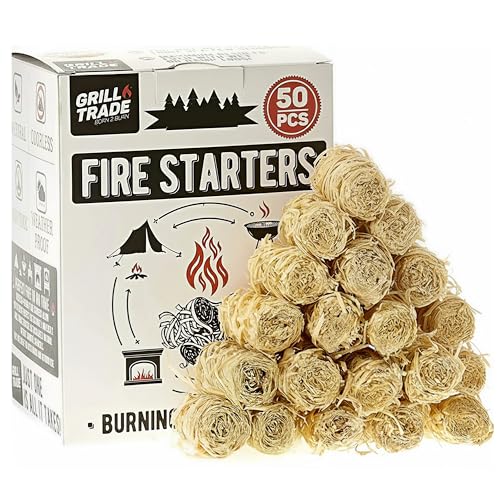
If you've ever struggled to get charcoal glowing on a damp morning or fought with lighter fluid fumes at a tailgate, you know the value of a reliable fire starter. The Grill Trade Fire Starters are small cubes made from pine wood shavings bound with food-grade wax. They light with a single match and burn steadily for 8 to 10 minutes, giving your coals or kindling enough sustained heat to catch and spread. Because they're odorless and leave no chemical residue, they work great for grills, smokers, campfires, and even indoor fireplaces or wood stoves.
These starters shine in less-than-perfect conditions. Their weatherproof coating means they'll spark up in light rain or windy gusts without sputtering out. For backyard grillers who cook year-round or campers who don't want to baby a fire, that reliability is a real plus. Each pack holds 50 cubes, and each cube is about the size of a large ice cube - easy to toss into a bag or stash in a grill caddy. You won't need to haul bulky lighter fluid cans or deal with messy electric starters.
Burn performance is straightforward: light one cube, place it under your charcoal chimney or pile of coals, and in 8-10 minutes you'll see the coals start to ash over. For smaller grills or campfire setups, a single cube is enough. For larger loads, using two cubes speeds things up. The wax and wood combination produces a steady, moderate flame that doesn't flare up aggressively, so it's safer around kids or pets than dousing coals with accelerant. And since it's food-grade, you don't have to worry about chemical off-gassing tainting your steak or burger.
Build quality is simple but effective. The cubes are firm and compact, with no loose sawdust or broken edges in the bag. They store well in the original box or any dry container, and because they're odorless, they won't perfume your camping gear with a smoky scent. The 50-piece count means you'll get several cookouts or camping trips out of one purchase. At this price point, they're competitive with other natural fire starters on Amazon, though you'll want to check the per-piece cost if you're a heavy user.
There are a couple of limitations to keep in mind. Each cube is single-use, so if you're an eco-conscious cook, you might prefer a reusable electric starter or a simple chimney method with newspaper. Also, while they light larger logs in a fire pit, you'll get best results when you have a good base of kindling or small splits. For a backyard BBQ enthusiast who cooks on weekends or a camper who wants one less thing to worry about, these starters are a practical, low-mess solution. They make a thoughtful gift for grill lovers too - something every outdoor cook can use.
Overall, the Grill Trade Fire Starters deliver on their promise: clean, fast, weather-resistant ignition without chemical odors. If you're tired of lighter fluid's aftertaste or want a reliable backup for rainy-day grilling, grab a pack. They're not flashy, but they do the job right where it matters - getting your fire going so you can focus on cooking.
Essential Principles for Starting Any Portable Outdoor Grill
Lighting an outdoor portable grill requires a methodical approach that balances fuel delivery, oxygen flow, and fire safety. Compact grills concentrate heat within smaller fireboxes, which means small adjustments have an immediate effect on your flame. Before striking a match, pressing a piezo igniter, or pulling an ignition cord, you need to understand how your specific equipment handles combustion. Taking time to inspect connections, verify airflow pathways, and clear the surrounding area prevents scorched meals and hazardous flare-ups.
Selecting a Safe Outdoor Location and Proper Clearances
Every portable cooker belongs exclusively outdoors on a stable, level surface that cannot catch fire. Never operate a gas, charcoal, or wood-burning portable grill inside a garage, breezeway, camper, or tent. Opening a garage door or tent flap does not provide adequate ventilation against deadly carbon monoxide gas. Maintain at least ten feet of clearance from wooden railings, low-hanging tree branches, vehicle awnings, and dry ground brush to keep stray sparks from spreading.
Place your grill on a heat-resistant surface such as a metal camping table, concrete picnic slab, or bare ground. Lightweight portable frames can tip easily if bumped by pets, children, or sudden gusts of wind. Position the grill so prevailing winds blow smoke away from your dining area while shielding the firebox from drafts that blow out flames. Keeping a working fire extinguisher, a bucket of sand, or water nearby provides immediate peace of mind during any excursion.
Starting a Portable Propane Grill: Step-by-Step Gas Ignition
Propane setups offer the fastest path to cooking heat, but safe ignition depends on strict adherence to a specific order of operations. Inspect the rubber O-rings on your regulator and check all gas fittings for signs of cracking or debris before screwing on a fuel bottle. Thread a standard one-pound propane cylinder firmly into the regulator collar by hand without cross-threading or over-tightening. If you smell rotten eggs or hear a faint hissing sound, remove the cylinder immediately and inspect the threads for leaks.
Always open the grill lid completely before turning on the gas supply or attempting ignition. Trapped propane pooled inside a closed lid creates an explosive atmosphere that can flash violently when ignited. Once the hood is raised, open the fuel valve on your regulator and turn the primary burner control knob to the high or start position. Actuate the ignition system immediately so raw gas does not linger in the cooking chamber.
Units like the Flame King YSNBBQ-136M 3-Burner Portable Camping feature a built-in piezo push button igniter that generates an immediate spark across the burner ports. Press the button firmly until you hear a sharp click, then look through the cooking grate to visually confirm that a clean blue flame has caught along the burner tube. If the burner fails to light within five seconds, turn the gas control knob completely off and wait five minutes with the lid open before trying again. For models without an electronic starter, feed a lit long-reach lighter or fireplace match through the designated lighting hole along the side before turning on the gas valve.
Multi-burner portable stoves and grills allow flexible heat zones across compact dimensions. The Flame King model features two pot burners rated at 6,600 BTU per hour alongside a dedicated 7,200 BTU center toast burner, totaling 20,400 BTU of output across a 21 by 9 inch area. Once all required burners are lit, close the lid and let the grates preheat for ten minutes. This preheat cycle burns away leftover oils, sanitizes the cooking surface, and ensures meat sears immediately upon contact.
Lighting Portable Charcoal Grills: Fuel Selection and Airflow Setup
Charcoal provides distinct flavor and intense searing capability, but it demands patience and correct airflow management to catch properly. Hardwood lump charcoal lights quickly and burns hot with minimal ash, making it an excellent choice for compact travel grills. Traditional charcoal briquettes burn longer and provide steady temperatures, which helps when cooking thicker cuts. Before adding fuel, open the bottom intake dampers and top exhaust vents completely to allow maximum oxygen to reach the coal bed.
Arrange your charcoal into a compact pyramid or tight mound directly over the bottom grate. Concentrating the pieces close together allows heat to radiate between coals, accelerating the spread of fire from piece to piece. Avoid petroleum-based lighter fluids whenever possible, especially on portable charcoal cookers. Chemical accelerants leave unpleasant foul-smelling residues on grates, alter the taste of delicate meats, and pose severe flash-fire risks in windy outdoor environments.
Using Natural Fire Starters and Starter Chambers for Charcoal
Natural wax cubes and compressed wood shavings offer a clean, reliable way to ignite charcoal beds without petroleum fumes. Products such as Grill Trade Fire Starters combine pine wood shavings with food-grade wax, producing a steady flame that burns for eight to ten minutes. Tuck one or two starter bundles directly into the base of your charcoal pyramid, leaving small air channels between the briquettes so oxygen reaches the flame. Light the starter edges with a match, allowing the sustained flame to gradually transfer sustained heat into the surrounding coals.
Specialized ignition accessories accelerate the lighting process by channeling natural draft through the center of your fuel pile. The Brutal BBQ Fireguard Firewood and Charcoal Starter uses a compact ductile iron casting measuring 9.25 by 3.95 by 3.15 inches to shield the initial flame while pulling oxygen through dedicated intake vents. Placing starter cubes inside this cast-iron core keeps wind from blowing out your fire and directs heat upward through lump charcoal or small firewood splits. The sturdy iron structure stays in position on the lower grate, requiring zero handling while the coals catch fire.
Patience remains the secret to successful charcoal grilling on portable equipment. Resist the temptation to spread your coals across the firebox while flames are still actively licking the charcoal surface. Wait fifteen to twenty minutes until the coals are covered with a fine layer of gray ash and emit an intense, even red glow from within the pile. Once this ash coating forms, use long-handled metal tongs to gently distribute the glowing embers across your cooking grate.
Operating Instant and Single-Use Portable Grills
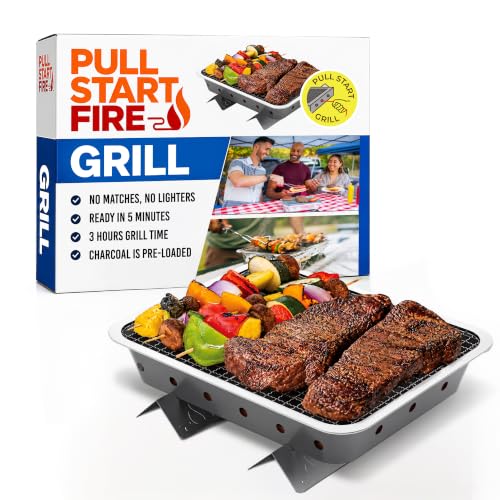
Instant and disposable charcoal cookers eliminate the need to pack bulky bags of fuel, chimneys, and separate starter tools. The Pull Start Fire Grill, Natural Hardwood Charcoal integrates natural hardwood charcoal bricks inside a self-contained unit packing down to 13 by 10 by 2 inches and weighing just three pounds. This design lights with a single pull of an ignition string, removing the need for matches, lighters, or liquid starters. The internal starter spreads fire evenly across the fuel core, bringing the unit up to cooking temperature in approximately five minutes.
Always deploy the fold-out stabilizing feet on disposable units to keep the hot metal base elevated above your table or ground. Direct contact between hot foil bases and combustible surfaces can scorch wood picnic tables or melt plastic camp gear. Units with pre-loaded charcoal bricks provide consistent heat from edge to edge across their stainless steel grates for up to three hours. That steady duration gives you ample time to grill sausages, chicken wings, vegetable skewers, and steaks without managing hot spots.
Single-use grills provide great convenience on road trips, but they still require careful handling after cooking concludes. Never throw a hot disposable grill into a dumpster, plastic trash can, or dry leaves. Allow the metal body and spent hardwood embers to extinguish and cool completely to ambient room temperature before disposal. Dousing the interior gently with water helps confirm that no hidden embers linger inside the ash chamber before you toss the spent unit.
Managing Heat Zones and Airflow After Ignition
Cooking on a compact surface can be challenging if the entire grate radiates intense heat. Creating a two-zone cooking arrangement allows you to sear food over high direct heat while maintaining a cooler indirect area for delicate items or flare-up control. On a charcoal grill, bank your hot coals toward one side of the lower grate, leaving the opposite side empty. On a multi-burner gas cooker, set one burner to high and another to low or medium to establish distinct cooking zones.
Portable units can easily produce authentic barbecue flavor if you manage airflow and wood additions properly. You can introduce real wood smoke onto small gas or charcoal cookers by exploring techniques detailed in our guide on smoker box setups for grills. Placing wood chips in a vented metal container over the active burner generates sweet wood vapor without igniting wild flare-ups. This gentle smoke enhances pork chops, burgers, and poultry during brief twenty-minute cooking sessions.
Once your portable grate reaches optimal surface temperature, it excels at fast, high-heat recipes that benefit from intense caramelization. Thinly sliced meats cook rapidly without losing their internal moisture when dropped onto screaming-hot grill grates. You can prepare dishes like marinated Korean beef barbecue right at your picnic site, achieving deep char and rich flavor in mere minutes per side. Keep a pair of long tongs ready so you can flip cuts promptly as dripping sauces sizzle over the heat source.
Troubleshooting Common Portable Grill Starting Problems
Small propane canisters can experience pressure drops that cause weak flames or prevent burners from lighting entirely. During cold weather or high fuel demand, rapid vaporization drops the temperature of a one-pound cylinder, causing frost to form on the exterior metal wall. This frost chills the liquid fuel and reduces vapor pressure, resulting in an anemic flame. Warming the cylinder slightly between your hands or keeping spare bottles in an insulated vehicle cab before use restores steady gas delivery.
Excess flow safety valves inside modern regulators can trip if you open fuel knobs too quickly, throttling gas down to a faint trickle. If your portable gas stove lights but refuses to produce high heat, turn off the burner knobs, disconnect the cylinder, wait thirty seconds, and reattach it slowly. If the piezo push-button fails to ignite fuel, check the metal electrode tip near the burner tube. Dust, grease, or a misaligned gap can prevent the spark from arcing across the gas stream, requiring gentle cleaning or slight repositioning with pliers.
Charcoal that struggles to catch fire or smothers out shortly after ignition usually suffers from moisture or choked airflow. Charcoal stored in humid vehicles or damp campsites absorbs ambient water vapor, which robs energy from starter flames. Always store fuel in a heavy-duty, waterproof dry bag when traveling. Additionally, ensure old ash from previous cookouts is thoroughly cleared from the firebox, as dense ash deposits block the bottom intake vents that feed oxygen to your burning coals.
Post-Cook Shutdown and Safe Field Maintenance
Shutting down a portable cooker requires the same level of discipline as starting it up. For propane systems, turn the burner control knobs completely to the off position, then unscrew the one-pound cylinder from the regulator collar. Never transport a portable gas grill with the fuel bottle attached, as road vibration can stress threaded fittings and cause hazardous leaks. Wipe down the regulator threads and store the cylinder upright in a secure, well-ventilated spot away from direct sunlight.
Extinguishing a charcoal grill safely in the wild means cutting off oxygen entirely rather than walking away from hot embers. Close both top and bottom damper vents tightly and replace the lid to suffocate the firebox. Avoid pouring cold water directly onto hot cast iron, ductile iron starters, or porcelain-enameled bowls, as sudden thermal shock can crack the metal. Once the grate cools slightly but remains warm, scrape off food residues with a brass-bristle brush or wooden scraper so the unit is clean and ready for your next outdoor destination.
Mastering the steps to fire up a portable grill turns any campsite, tailgate, or park outing into a seamless culinary event. Whether you rely on the rapid convenience of push-button propane, the deep aroma of glowing lump charcoal, or the single-step simplicity of pull-start packages, prioritizing airflow and clearance keeps your cooking safe. Take time to check your connections, inspect your fire starters, and verify steady temperatures before dropping meat onto the grate. With the right lighting routine, you will spend less time fiddling with flames and more time enjoying delicious meals under the open sky.






Write Your Review
No reviews yet. Be the first to share your experience!