


Stuck-on food, carbon buildup, and old grease can quickly ruin an otherwise great backyard cookout. Learning how to scrape grill grates properly keeps your cooking surface sanitary, prevents food from sticking, and extends the life of your barbecue. Many backyard cooks struggle with charred residue that clings to metal rods after high-heat searing. Having a clean workspace nearby, such as a sturdy rolling BBQ prep table, keeps your cleaning tools organized while you tend the fire. Regular scraping also preserves natural flavoring by removing bitter carbon flakes that transfer onto fresh meat.
Safety matters just as much as cleanliness when maintaining outdoor cooking grates. Traditional wire brushes carry documented risks because loose steel bristles can dislodge, stick to the grate, and end up in grilled food. Modern alternatives, such as bristle-free scrapers, contoured cleaning pads, and notched wooden blades, clear debris without shedding dangerous metal wires. Choosing the right scraping technique depends on whether your grill features round rods, cast iron plates, or porcelain enamel coatings. A consistent routine keeps your grill ready for action while protecting your family and guests.

Pros
- Effective on heavy grease and charred food residue from low-and-slow smokes
- Works well on both cold and warm surfaces for flexible cleaning after grilling
- Economical - a little goes a long way for multiple cleaning sessions
- Rinses clean without leaving sticky residue that could affect food flavor
Cons
- May require multiple applications for heavily caked-on grime from years of use
- Strong chemical smell during application - use in well-ventilated area
- Not recommended for aluminum surfaces or painted grills
If you spend any time grilling, smoking, or cooking outdoors, you know the cleanup is the least fun part. This heavy-duty grill cleaner is designed to tackle exactly that chore, making it a solid addition to any outdoor cooking setup. It's a spray-on degreaser that works on BBQ grills, smokers, ovens, flat top griddles, and even camping stoves - basically anything that gets coated in grease and carbon after a cookout.
This cleaner is best suited for backyard grillers who fire up their gas or charcoal grills weekly, BBQ enthusiasts who smoke brisket low and slow, campers who need to clean their portable stove after a trip, and tailgaters who want their gear ready for the next game. If you own an RV and cook inside or outside, this is also handy for keeping the oven and grill grates spotless.
In real-world use, the cleaning performance is impressive. It cuts through baked-on grease and charred food residue without requiring heavy scrubbing. After a long smoking session where the grates are covered in black carbon, a few sprays and a short wait let you wipe it away. It doesn't completely eliminate scrubbing, but it reduces elbow grease significantly. The formula works on both warm and cold surfaces, so you can spray right after cooking or let it sit overnight on tough buildup.
Build quality is straightforward - it comes in a standard spray bottle with a trigger nozzle that delivers a wide or narrow stream. The nozzle doesn't clog easily, which is a common issue with thick cleaners. It's safe on porcelain, stainless steel, and cast iron grates, but you should avoid aluminum and painted surfaces. The spray can reach into tight corners of smoker racks and between grates, making it easier to clean those hard-to-reach spots.
Setup and use are simple: spray on, let it sit for a few minutes, scrub if needed, then rinse with water. Cleanup is quick, and the cleaner rinses away without leaving a sticky film that could affect your next meal's flavor. Storage is easy - just keep the bottle in your garage or under the sink. One limitation is that heavily caked-on grime from years of neglect may require multiple applications. Also, the chemical smell is strong, so you'll want good ventilation when using it.
Overall, this is a practical buy for anyone who cooks outdoors regularly. It saves time and effort on cleanup, which means more time enjoying your backyard parties, tailgates, or campsite meals. If you're tired of scrubbing forever after a great cookout, this cleaner makes the after-work much easier. Just remember to wear gloves and work in a well-ventilated area, and your grills and smokers will look like new after each use.
Pros
- Safe bristle-free cleaning prevents health hazards
- Reusable pads with 5 replacements offer great value
- Built-in scraper handles tough, stuck-on grease
- Easy to use with simple heat-and-scrub method
Cons
- Requires heating grill to 400°F before cleaning, which uses extra fuel
- Pads may wear out faster on heavily caked grates
- Handle length may feel short for larger grills
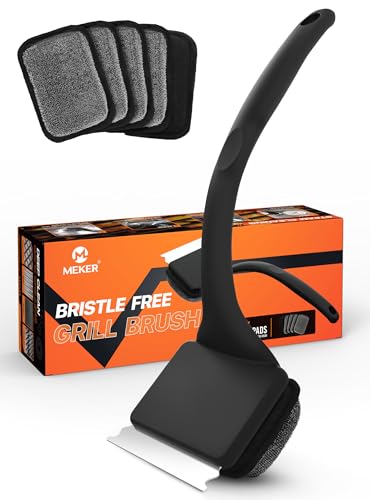
If you love firing up the grill for weekend BBQs or tailgating, you know the struggle of cleaning those grates. The MEKER Grill Brush is a bristle-free cleaner designed to make that job safer and simpler. Instead of metal bristles that can break off and end up in your food, this brush uses a flexible steel fiber woven pad and a cleaning cloth to lift grease and grime. It's a practical tool for backyard grillers, campers, RV owners, and anyone who wants to avoid the risks of traditional wire brushes.
Using the MEKER brush is straightforward. Heat your grill to at least 400°F for about 15 minutes, scrape off any large debris with the built-in scraper, then soak the pad in cold water and gently wipe the grates. The combination of heat and the damp pad creates steam that loosens stubborn buildup. I found it works well on both cast iron and stainless steel grates, leaving them clean without scratching. The scraper is handy for reaching between square or round bars, which is a common pain point with other brushes.
Build quality is decent for the price. The handle feels sturdy, and the upgraded adhesion system with eight screw-locked points keeps the pad firmly attached during scrubbing. The brush comes with five replacement pads, so you're set for several grilling seasons. The pads are dishwasher-safe, making cleanup after cleaning even easier. Just remember to let the pad cool down before pulling it off to replace it.
One limitation is that you need to preheat the grill to get the best results. That uses extra propane or charcoal, which might be a consideration if you're trying to conserve fuel. Also, if your grates have years of caked-on residue, you might need to scrub a bit harder or repeat the process. The handle is about 13.8 inches long, which is fine for most grills but might feel short for larger models.
Overall, the MEKER Grill Brush is a solid choice for anyone who prioritizes safety and ease of use. It's especially good for families with kids, where the risk of bristle ingestion is a real concern. For campers and tailgaters, it's compact enough to toss in a bag, and the reusable pads mean you won't need to buy replacements often. If you're a backyard BBQ enthusiast who grills regularly, this brush will help keep your grates clean without the worry.


Pros
- Comfortable ergonomic handle reduces hand fatigue during thorough cleaning
- Replaceable pads offer long-term value and consistent scrubbing performance
- Heavy-duty design tackles baked-on residue without scratching porcelain or stainless steel grates
- Affordable price point makes it a smart addition to any griller's toolkit
Cons
- Pads may need frequent replacement if used on heavily charred grates after every cook
- Not ideal for cleaning griddle surfaces or ceramic grills; best suited for standard wire or rod grates
If you've spent any time grilling burgers, chicken, or steak for a weekend BBQ, you know that cleaning the grates is the least glamorous part of the cook. The Weber Grill Grate Scrubber aims to change that. This heavy-duty scrubber is built specifically for outdoor cooking enthusiasts who want to keep their grill in top shape without wrestling with flimsy brushes or disposable pads.
This scrubber is designed for backyard grillers, tailgaters, and anyone who fires up a gas or charcoal grill regularly. It's not a cooking appliance itself, but it plays a critical role in maintaining your grill's performance. A clean grate means better heat transfer, fewer flare-ups, and that perfect sear on your steaks. The contoured handle feels natural in your hand, giving you a firm grip even when you're scrubbing away stubborn residue after a long cook.
In terms of real-world use, this scrubber does exactly what it promises. The three included pads are easy to swap out, so you always have a fresh scrubbing surface. The heavy-duty construction handles the kind of baked-on grease and carbon that builds up after smoking ribs or grilling a big batch of burgers. While it won't replace a deep cleaning with a wire brush for extremely caked-on grates, it's perfect for regular maintenance after each cook.
Durability is solid for a tool in this price range. The plastic handle holds up well to repeated use and exposure to outdoor elements, though you'll want to store it in a dry place to extend its life. The pads are the main consumable, and you'll get several uses out of each one depending on how dirty your grates get. For most backyard cooks, a single pack will last through a season of weekend grilling.
Cleanup is straightforward: just rinse the scrubber after use and let it dry. The compact size makes it easy to tuck into a grill cart or drawer, so it's always handy when you need it. One realistic limitation is that it's not designed for flat top griddles or ceramic grills, but for standard wire or rod grates, it works great.
Overall, the Weber Grill Grate Scrubber is a practical, no-nonsense tool for anyone who takes their outdoor cooking seriously. Whether you're a weekend BBQ enthusiast or a tailgater who wants quick cleanup before packing up, this scrubber delivers reliable performance at a fair price. It's a smart addition to any grill setup.
Keeping your grill grates clean is essential for great cooking results and extending the life of your grill. The Weber Grill Grate Scrubber makes this task straightforward. After each cook, allow the grates to cool slightly, then scrub with the pad to remove food residue and grease. The contoured handle gives you good leverage, so you don't have to scrub too hard.
For best results, rinse the scrubber with water after each use and let it air dry. The replaceable pads should be swapped out when they become worn or lose their scrubbing power. Depending on how often you grill, a single pad can last several sessions. Store the scrubber in a dry place to prevent any mold or mildew on the pad.
This scrubber is compatible with most standard gas and charcoal grill grates, including porcelain-coated, stainless steel, and cast iron. Avoid using it on non-stick surfaces or delicate ceramic grills, as the abrasive pads may cause scratching.

Pros
- Completely safe – no metal bristles to break off and end up in food
- Effective scraping and scrubbing action on most grill grate types
- Long 18-inch handle keeps hands away from heat while cleaning
- Lightweight and easy to store in a drawer or hang on a hook
Cons
- Less effective on heavily caked-on residue compared to traditional wire brushes – may need multiple passes
- Plastic handle, while heat-resistant, may not withstand direct flame contact if dropped on hot coals
- Some users report the scraper edge dulls over time with frequent heavy use
The Weetiee Bristle Free Grill Brush is a purpose-built cleaning tool for outdoor cooking enthusiasts who prioritize safety without sacrificing performance. Unlike traditional wire brushes that can shed metal bristles into your food, this brush uses a stainless steel scraper and a flexible triple-helix design to remove grease, char, and residue from grill grates. It is ideal for backyard grillers, BBQ enthusiasts, campers, tailgaters, RV owners, and anyone who cooks on gas, charcoal, smoker, or porcelain grills.
When it comes to real-world cleaning performance, the wide scraper does an excellent job on flat surfaces and between grates. The helix head reaches into crevices and cleans the sides of rods that often get neglected. For a bristle-free brush, it handles stuck-on food surprisingly well, though you may need a bit more elbow grease on heavily burned-on debris compared to a wire brush. It works best when the grates are still warm after cooking, loosening residue quickly.
Build quality is solid for the price point. The stainless steel scraper and helix resist rust, and the plastic handle is thick with a comfortable grip that stays cool during use. At 18 inches long, it provides good reach while keeping your hands away from heat. The handle is tough and won't bend or snap, making it suitable for regular use in a backyard or campsite setting. It is lightweight enough to pack for tailgating or camping trips without adding bulk.
Setup is straightforward – the brush comes ready to use (some packages may require a simple handle attachment). Cleanup is easy: just rinse the head under water and let it dry. Storage is simple thanks to the compact size and a hole for hanging. One realistic limitation is that because it relies on scraping and a plastic core, it won't last forever if used aggressively on very dirty grates every day. But for typical weekend cooks and outdoor gatherings, it holds up well.
Overall, the Weetiee Bristle Free Grill Brush is a smart choice for anyone who values food safety and wants a reliable grate cleaner for their outdoor cooking setup. It is especially recommended for families with young children, tailgaters who cook in groups, and campers who need a portable, safe cleaning tool. If you are willing to trade a bit of brute cleaning power for peace of mind, this brush delivers solid results without the worry of stray bristles.
Keeping your Weetiee grill brush in top shape is simple. After each use, rinse the scraper and helix head under warm water to remove grease and food particles. For stubborn residue, a quick scrub with a dish brush or sponge works well. Dry the brush thoroughly before storing to prevent any moisture buildup on the stainless steel parts. The plastic handle can be wiped clean with a damp cloth. Avoid soaking the brush or placing it in the dishwasher, as prolonged exposure to water may weaken the handle over time. Store it in a dry place, preferably hanging by the hole in the handle, to keep it ready for your next BBQ session.

Pros
- Bristle-free design protects food and family from dangerous wire debris
- Triple-action scraping handles tough grease and burnt bits faster than single-use tools
- Solid beechwood is durable, lightweight, and resists cracking or grease buildup
- Ergonomic grips keep hands safe and comfortable during hot-grill cleaning
- Works on multiple grill types including Traeger, porcelain, ceramic, and cast iron
Cons
- Wooden construction may not hold up as well as metal scrapers under heavy, repeated use
- Lacks a built-in handle or longer reach for cleaning deeper grates without getting close to heat
- Limited to scraping only - not designed for scrubbing or soaking tasks like some nylon brushes
If you've ever worried about those tiny metal bristles from a wire brush ending up in your food, this Matchwaves wooden grill scraper is exactly what you need. It's a simple, smart tool that swaps out dangerous bristles for a solid beechwood design that scrapes away grease and burnt bits without leaving any loose debris behind. The triple-action head has a serrated edge for digging into grill grates, a flat blade for scraping off stuck-on grease, and a wave-shaped base that cleans wider gaps between grates. It's a practical upgrade for anyone who's tired of swapping between different cleaning tools.
This scraper is built for backyard grillers who fire up their Traeger or charcoal grill every weekend, but it's also handy for tailgaters and campers who need a compact tool that won't take up much space in their kit. The ergonomic grip with side grooves and a top arch keeps your hands away from hot grates, and the angled edge shields your fingers from heat while you scrub. It's not just about safety - the deep grooves dig into grill rungs to get off 100% of the grease and burnt food, while the coating-safe edges protect your porcelain or ceramic grates from scratches.
In real-world use, this scraper handles the kind of heavy grime you get after a long smoking session or a quick burger cookout. The solid beechwood is treated to stay strong and won't bend, crack, or soak up grease like cheap wood alternatives. It's about 30% lighter than other wood scrapers, so it's easy to hold and maneuver, even when you're scrubbing hard. The compact size means you can toss it in your grilling kit or hang it up with the built-in loop, so it's always ready for the next cook.
One thing to keep in mind is that this is a scraping tool, not a replacement for a full cleaning routine. It's great for getting off the tough stuff before a deep clean, but you'll still want to pair it with heat-resistant gloves if you're working on a hot grill. The wooden construction is durable, but it won't last forever under heavy use, so it's more of a smart upgrade for safety-conscious grillers than a heavy-duty workhorse.
Overall, this Matchwaves scraper is a solid buy for anyone who wants to clean their grill without worrying about hidden wires. It's a practical gift for Father's Day, housewarmings, or any grill master who values safety and simplicity. Just remember to use it with care and pair it with the right gloves for the best results.
Complete Guide to Cleaning and Scraping Grill Grates Safely
Scraping your grill grates effectively requires combining high heat, proper timing, and the right tool for your specific grate material. Leaving baked-on residue on your cooking grid creates bitter acrid smoke and increases the likelihood that delicate meats will tear when flipped. A clean grate also allows heat to transfer evenly across the metal, giving you crisp sear marks instead of uneven charring. Establishing a simple, reliable cleaning routine ensures your grill is always ready for your next barbecue session.
Why Proper Grate Scraping Matters for Flavor and Safety
Cooking on dirty grill grates degrades the flavor profile of every dish you prepare. Old marinades, rendered animal fats, and charred seasonings form a thick layer of carbonized grime over repeated cooks. When you light the burners or coals, this accumulated debris smolders and produces harsh smoke that coats your food with bitter flavors. Removing that layer before and after each cook ensures that the true flavor of your ingredients shines through.
Food release improves dramatically on a clean cooking surface. Proteins like fish fillets, chicken breasts, and lean burgers cling stubbornly to rough, carbon-coated metal rods. When food sticks, you lose delicious exterior crust and create ragged edges that dry out quickly. Scraping the bars smooth leaves a clean contact point where hot oil can form an effective nonstick barrier.
Safety provides an even more urgent reason to rethink how you clean your grates. Conventional wire brushes shed thin steel bristles that can easily become trapped in sticky grease on the grate bars. When meat is placed on the grill, those loose metal fragments can transfer into the food and cause severe internal injuries if swallowed. Switching to safer alternatives like bristle-free scrapers, replaceable pads, or notched wood eliminates this hazard completely.
Scraping Techniques Tailored to Different Grate Materials
Stainless steel grates are popular because of their durability and rust resistance. Solid stainless steel rods can handle firm scraping pressure from rigid metal scrapers without sustaining structural damage. Specialized tools like the Grill Floss Premium Grill Scraper for Outdoor are designed specifically to wrap around round stainless rods and scrape both the top and underside. Stainless steel responds well to vigorous scraping while hot, making routine upkeep fast and straightforward.
Cast iron grates require a more measured approach because they rely on a seasoned oil finish to prevent rust. Scraping cast iron too aggressively with sharp metal blades can gouge the seasoning and expose raw iron to moisture. To protect this finish, scrape cast iron while it is still warm and use smooth-edged scrapers or non-abrasive pads. Always apply a thin coat of high-temperature cooking oil after scraping to maintain the protective seasoning layer.
Porcelain-enameled grates demand extra care because the smooth ceramic glass coating can chip if struck with hard metal edges. Chipped porcelain exposes the underlying steel or cast iron to rust, causing the grates to degrade prematurely. For porcelain finishes, tools like the Matchwaves Wooden Grill Scraper or soft scrubbing pads are much safer than stiff steel blades. Gentle scraping preserves the nonstick characteristics of the enamel and prevents expensive grate replacements.
Step-by-Step Procedure: The Hot-Grate Cleaning Technique
The most effective time to clean your grill is when the grates are thoroughly preheated. Turn your burners on high or open your charcoal vents, then close the lid for ten to fifteen minutes until the cooking chamber reaches at least 400 degrees Fahrenheit. High heat carbonizes soft food residue and rendered fat into dry, brittle ash that separates easily from the metal. Attempting to scrape cold grates requires excessive elbow grease and often just smears sticky grease across the rods.
Once the grill is hot, perform a primary scraping pass to knock loose the heavy debris. Use a tool with a wide scraping edge, such as the built-in scraper on the Grill Brush and Scraper Bristle Free, to clear the main surface of each rod. Work from the back of the grill toward the front, applying steady downward pressure along the length of each bar. The wide metal edge removes thick crusts quickly, dropping charred flakes down into the grease tray.
Following your coarse scrape, a steam-assisted wipe removes fine soot and lingering grease films. Tools like the MEKER Grill Brush Bristle Free utilize steel fiber cleaning pads that can be submerged in cold water before touching the hot grate. As the wet pad contacts the hot metal, it generates bursts of steam that loosen sticky oils without shedding wires. This combination of thermal shock and light scrubbing leaves the metal remarkably clean.
The final step before placing food on the grates is applying a fresh layer of cooking oil. Fold a sheet of heavy-duty paper towel into a tight pad, grasp it firmly with long barbecue tongs, and dip it lightly in high-smoke-point oil like canola or avocado oil. Rub the oiled towel smoothly across the hot grate rods to lubricate the surface and lift any remaining dust. This simple habit prevents sticking and gives you clean, professional sear marks.
Choosing the Right Scraping Tool Design
Scraper designs vary significantly, and choosing the right configuration depends on your grate layout. Notched stainless steel scrapers feature curved cutouts tailored to round rods, letting you scrape the curved contours of each bar. The Grill Floss Premium Grill Scraper for Outdoor takes this concept further by sliding beneath the rods, allowing cooks to clean underneath without lifting hot, greasy grates. This style works exceptionally well for open-rod gas and charcoal barbecues.
Wooden scrapers offer an all-natural, bristle-free approach that adapts directly to your grill over time. Crafted from dense hardwoods like solid beechwood, tools such as the Matchwaves Wooden Grill Scraper develop custom charred grooves that fit your specific grate spacing. Wood will not scratch porcelain coatings or gouge cast iron seasoning, making it one of the most versatile materials available. Its ergonomic handles allow you to apply heavy downward pressure safely.
Scrubber pads mounted on heat-resistant handles provide an excellent alternative for general maintenance. The Weber Grill Grate Scrubber, Black uses replaceable heavy-duty abrasive pads attached to a contoured handle for maximum leverage. Because these pads cover broad surface areas, they quickly polish away surface grime on both flat and rounded grates. When the cleaning pad becomes worn with grease, you can swap it for a fresh pad in seconds.
Different cooking styles also influence the type of residue your scraper must remove. When cooking low and slow with wood chips in smoker boxes for added flavor, grease and creosote can coat grates differently than high-heat searing does. Smoke residue creates a sticky, tacky layer that requires repeated scrubbing rather than simple dry scraping. Having a versatile scraper that combines a sharp metal edge with an abrasive pad simplifies cleaning across varied cooking sessions.
When to Scrape: Pre-Cook vs. Post-Cook Cleaning Routines
Many grillers debate whether it is better to scrape before cooking or immediately after taking food off the fire. The best practice is actually a two-part routine that takes advantage of heat at both stages. Performing a quick scrape right after cooking removes fresh drippings before they cool and harden into stubborn glue. Because the grill is already hot, grease wipes away with minimal effort while your food rests on the cutting board.
A secondary scrape during your preheating routine finishes the job right before you begin cooking. Any grease left on the bars will have carbonized during the preheat, turning into loose gray ash that brushes away easily. This second pass also removes any dust, pollen, or outdoor debris that settled on the grates between uses. Following this pre-cook scrape with an oiled towel guarantees a clean, sanitized surface for your fresh ingredients.
Periodic deep cleaning is still necessary every few months to remove buildup from areas scrapers cannot easily reach. Soaking grates in warm water with a grease-cutting dish soap softens thick layers of baked-on carbon on the underside and frame. After soaking, scrub the grates with a nylon brush or textured pad, rinse thoroughly, and dry them immediately. For cast iron, always apply fresh oil after washing to prevent rapid surface rusting.
Cleaning Considerations for Different Grill Formats and Fuels
Gas grills feature internal components directly beneath the grates that need protection during scraping. Forcefully scraping grates can dislodge large chunks of carbon that fall directly onto flavorizer bars and burner tubes. Over time, clogged burner ports lead to uneven flame distribution and yellow, inefficient flames. Inspect your burner shields periodically and vacuum or brush away fallen scraping debris to maintain proper burner performance.
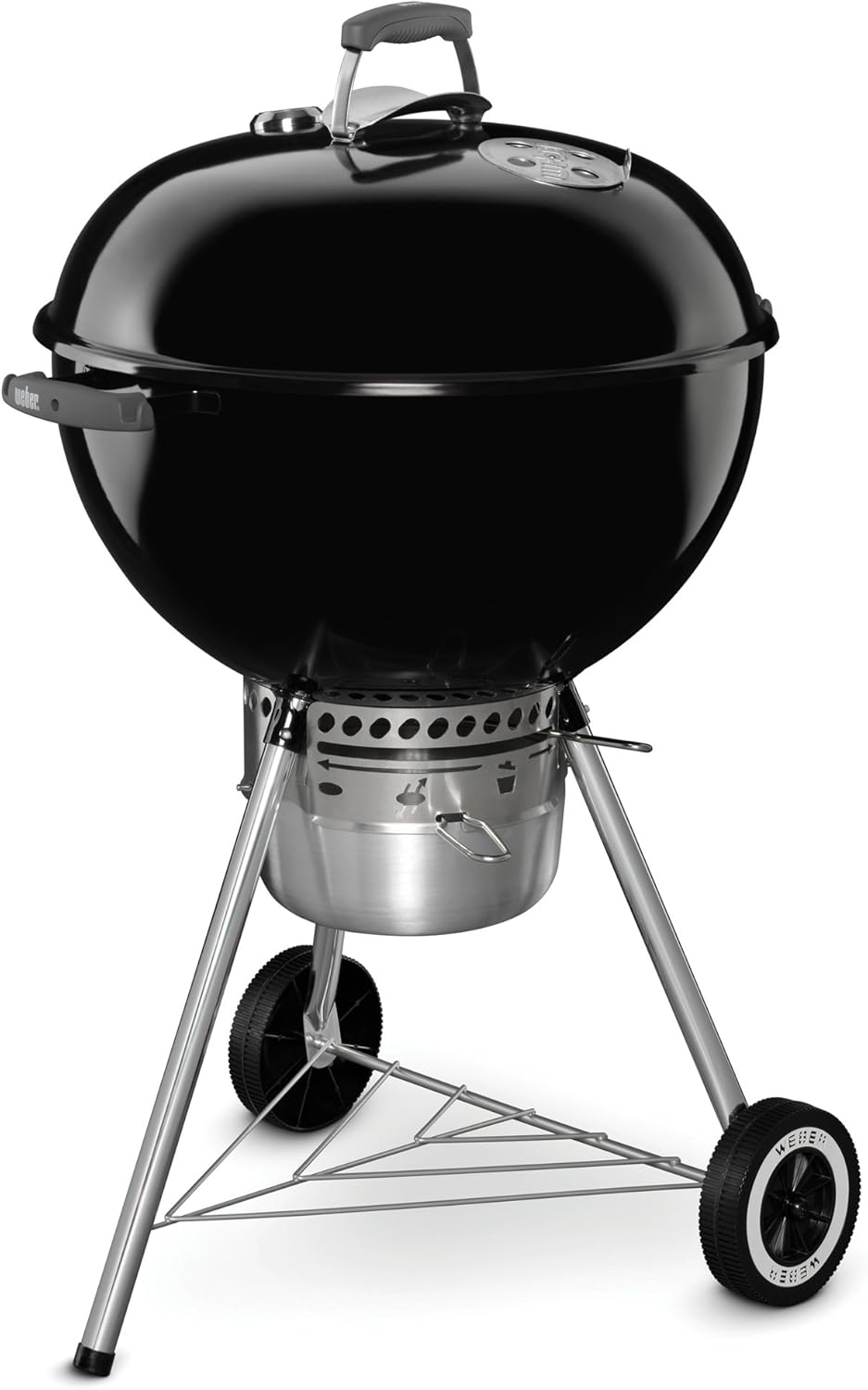
Charcoal kettle grills allow carbon debris to drop straight down into the fire bowl or ash catcher. However, scraping grates over live charcoal can stir up fine ash that billows upward onto your clean cooking surface. To prevent ash from settling on the grates, scrape the bars before placing fresh charcoal directly beneath the food zone. If you need to clean mid-cook, scrape gently to avoid stirring up embers and creating unwanted flare-ups.
Grate maintenance routines can vary between direct-flame gas burners and large pellet smoker setups where indirect heat and wood smoke create tacky drippings across the cooking chamber. In pellet grills, grease drips onto a large sloped diffuser plate before draining into an external bucket. Excessive scraping debris can collect on this metal drip pan and increase the risk of a grease fire during high-heat searing. Keeping both the grates and the underlying drip pan clean ensures consistent airflow and temperature regulation.
Crucial Safety Guidelines and Grill Placement
Routine grate cleaning plays a direct role in preventing dangerous grease fires. Thick deposits of rendered animal fat on the grates and burner tents ignite easily when exposed to direct flames. When grease catches fire, temperatures can spike uncontrollably and damage grill lids, handles, and thermometers. Scraping your grates regularly removes the fuel source that causes sudden flare-ups, protecting your equipment and your food.
Grill placement is a critical safety consideration that must never be compromised during cooking or cleaning. Fuel-burning outdoor grills, whether gas, charcoal, or pellet, must never be operated inside a garage, carport, covered breezeway, or enclosed patio. Opening a garage door or window does not provide adequate ventilation to prevent lethal carbon monoxide accumulation. Always position your grill outdoors on a stable, level surface at least ten feet away from house walls, eaves, and combustible railings.
Food safety also requires keeping your cooking tools and surfaces separated between raw and cooked foods. Never place cooked steaks or burgers back onto a dirty cutting board or unwashed prep platter that held raw meat. While scraping and preheating grates helps sanitize the cooking surface, doneness must always be confirmed with an accurate digital meat thermometer rather than visual timing alone. Safe internal cooking temperatures prevent foodborne illness and ensure juicy, perfectly cooked results.
Common Grate Scraping Mistakes and How to Avoid Them
One common mistake is attempting to scrape grates when the grill is completely cold. Cold grease acts like industrial adhesive, cementing charred food to the metal rods. Pushing a scraper across cold grates requires excessive muscle and increases the risk of bending bars or damaging scraper blades. Always let the grill preheat for ten to fifteen minutes so thermal energy can loosen the bond before you begin scraping.
Another frequent error is continuing to use worn-out cleaning tools long past their useful life. Abrasive scrubber pads lose their texture over time, while wooden scrapers can develop excessively deep grooves that no longer scrape the tops of the bars. If you use tools with replaceable pads like the MEKER or Weber systems, swap worn pads promptly to maintain cleaning efficiency. Inspect your tools regularly and discard any scraper showing signs of loose components or cracking.
Many cooks also forget to clean the sides and undersides of the grate bars. Grease naturally runs around round rods and accumulates on the bottom edge where flat scrapers cannot reach. Over several cooks, this underside buildup thickens, drips onto burner components, and causes sudden smoke bursts. Using contoured scrapers or specialized wrap-around tools ensures every side of the bar stays free from heavy grease deposits.
Practical Takeaways for Long-Lasting Grill Grates
Developing a consistent grate cleaning habit protects your barbecue investment and elevates the quality of your cooking. By matching your scraper tool to your specific grate material, you avoid damaging delicate coatings while keeping cooking bars smooth and clean. Combining high preheat temperatures with bristle-free scraping eliminates safety concerns and prevents food from tearing. A quick scrape before and after each session keeps your grill ready for delicious, hassle-free meals every time you light the fire.




Write Your Review
No reviews yet. Be the first to share your experience!