


Uncovering an outdoor cooker after a wet winter often reveals an unpleasant surprise in the form of flaky orange oxidation coating the cooking surface. Moisture and trapped ambient humidity react quickly with bare metal, turning what should be a pristine cooking platform into a corroded surface that can taint food. Understanding how to get rust of grill grates is an essential skill for any backyard cook who values sanitary food preparation and long equipment lifespan. Rather than throwing away oxidized cooking bars, you can often revive them completely with basic household materials, specialized rust erasers, and disciplined heat management. Taking time to restore your equipment on a clean rolling outdoor prep table keeps your patio organized while you strip away corrosion.
Different grate materials require distinct restoration tactics to avoid causing permanent damage to protective finishes or underlying iron. Cast iron demands abrasive scrubbing followed by an immediate seasoning routine, whereas porcelain-coated bars need gentle treatment so you do not chip the enamel. Learning proper restoration steps not only cleans the metal but also creates a durable barrier against future grease fires and moisture damage. Taking care of oxidation early prevents deep structural pitting that compromises the physical strength of the bars. With the right technique, you can bring heavily oxidized cooking surfaces back to life and prepare them for dependable outdoor cooking.

Pros
- Effectively removes rust without damaging the underlying iron surface
- Small size makes it easy to handle and store in a grill tool drawer or camping bag
- Works well on both flat and curved surfaces of skillets, griddles, and Dutch ovens
- Affordable solution for restoring family heirloom cast iron pieces
Cons
- Requires re-seasoning of cookware after use, which adds extra steps for outdoor cooks
- Not suitable for use on hot cookware, so you must wait for items to cool completely
- May need multiple passes for heavy rust buildup on neglected cast iron
If you're into outdoor cooking - whether it's flipping burgers on a flat top griddle at a tailgate, slow-smoking brisket in a backyard offset smoker, or searing steaks over a campfire - you know cast iron is the backbone of great heat retention and flavor. But even the best-seasoned skillet or grill grate can fall victim to rust, especially after a rainy camping trip or a humid summer. That's where the Lodge Rust Eraser comes in. This small, black cleaning tool is designed specifically to remove surface rust and tarnish from cast iron cookware, making it a practical addition to any outdoor cook's kit.
This tool is best suited for backyard grillers, BBQ enthusiasts, campers, tailgaters, and RV owners who rely on cast iron for their cooking. Whether you're restoring a vintage Dutch oven found at a flea market or cleaning up a grill grate that sat out in the weather, the Rust Eraser gives you precision control. Its compact size - about 3.6 inches long and half an inch wide - lets you target rust spots without scrubbing away the good seasoning around them. It's especially handy for those tight corners on a skillet or the curved edges of a camp Dutch oven.
In terms of real-world performance, the Rust Eraser does exactly what it promises. It removes rust down to the bare iron, which means you'll need to re-season your cookware afterward. That's a small trade-off for getting a piece back to cooking condition. For outdoor cooks who value heat consistency and smoke flavor, having a rust-free surface is crucial - rust can flake into food and ruin the taste. This tool helps you maintain that smooth, seasoned surface that makes cast iron so good for searing steaks or baking cornbread over a campfire.
Build quality is solid, as you'd expect from Lodge. It's made in the USA and feels durable enough for repeated use. The eraser itself is a bit like a dense rubber block with an abrasive texture. It won't scratch the iron, but it will take off rust with some elbow grease. For outdoor durability, it's fine - just keep it dry when not in use. It's not meant for hot cookware, so let your skillet cool completely before tackling rust spots. That's a minor limitation, but one that's easy to work around if you plan your cleanup after cooking.
Setup and cleanup are straightforward. There's no assembly - just grab it and start scrubbing. After use, rinse it with water and let it air dry. It's small enough to toss in a camping gear bin or a tailgating tote without taking up space. Storage is simple, and it won't rust itself since it's not metal. The main limitation is that it only works on rust and tarnish - it won't fix deep pitting or heavy damage. For most outdoor cooks, though, it's a practical tool for maintaining cast iron that sees regular use.
Overall, the Lodge Rust Eraser is a smart buy for anyone who cooks outdoors with cast iron. If you're a backyard griller who wants to keep your griddle in top shape, a camper who needs to restore a rusty skillet after a wet trip, or a BBQ enthusiast who collects vintage cast iron, this tool delivers. It's affordable, effective, and easy to use. Just remember that you'll need to re-season after each use, but that's part of the cast iron care routine. For the price, it's a no-brainer addition to your outdoor cooking arsenal.


Pros
- Excellent heat retention and even cooking across the entire grate surface
- Matte enamel finish resists rust better than bare cast iron when properly maintained
- Fits multiple Weber Q models perfectly - no adapter or clips needed (clips sold separately)
- Solid construction with substantial weight (19.7 lbs for the pair) for stable grilling
Cons
- Heavier than porcelain-coated grates - may be less portable for camping or tailgating
- Requires regular seasoning and thorough drying to prevent rust, especially in humid climates
- Clips (support splits) are not included - you'll need to reuse your existing ones or purchase separately
If you own a Weber Q300 series gas grill, you already know how versatile these compact cookers are for everything from backyard barbecues to campsite dinners. But over time, the factory grates can wear down, warp, or lose their non-stick surface. That is where the GGC 7646 7584 cast iron grill grates come in. This two-pack set is a direct replacement for Weber Q3200, Q320, Q300, Q3000, and Q3100 models, giving your trusty grill a new lease on life. Made from matte enamel cast iron, these grates are designed to deliver the heat retention and searing power that serious outdoor cooks crave.
These grates are best suited for backyard grillers who want to upgrade their Weber Q without buying a whole new grill. They also work great for tailgaters and RV owners who rely on the portable Q series for cooking at the game or on the road. If you are someone who appreciates a good sear on a steak or even grill marks on vegetables, this cast iron set will outperform standard porcelain grates. The matte enamel coating helps resist rust, but like any cast iron, it needs a little care to stay in top shape.
In real-world cooking, these grates shine with heat consistency. Cast iron heats up quickly and holds temperature well, so you get fewer hot spots and more even browning. Searing is where they really stand out - the thick bars create deep, appetizing marks and a nice crust on meat. For low-and-slow cooking on a gas grill, the heat retention helps maintain steady temps even when you open the lid. While you won't get smoke flavor from gas alone, using wood chips in a smoker box or foil packet pairs nicely with these grates for added aroma. Fuel efficiency is solid too, since the cast iron radiates heat back into the food, reducing cook times slightly.
Build quality is robust. Each grate measures 12.5 by 17.8 inches, and together they form a 25 by 17.8 inch cooking surface. The matte enamel finish is more durable than plain cast iron and resists flaking. However, this is a heavy set - nearly 20 pounds - so it adds stability but reduces portability compared to lighter grates. The grates sit securely on the grill's support bars, but note that the clips (support splits) are not included. You will need to reuse the ones from your original grates or buy replacements separately. Weather resistance depends on maintenance: if you leave them out in the rain, they will rust. But with proper seasoning and storage under a cover, they will last for years.
Setup is straightforward: just remove your old grates and drop these in. Cleanup is simple if you scrape them while still warm and wipe with a bit of oil. For storage, keep them dry and lightly oiled. The main limitation is the weight - if you frequently move your grill for camping or tailgating, these grates add noticeable heft. Also, the lack of included clips is a minor annoyance. But for the price, you get a significant upgrade in cooking performance. If you love your Weber Q and want to improve its searing ability and heat retention without spending hundreds on a new grill, these GGC grates are a practical, hands-on choice.

Pros
- Excellent heat retention for consistent grilling results on steaks, burgers, and veggies
- Durable cast iron with porcelain coating provides rust resistance and easy maintenance
- Universal fit adjusts easily to most grills without tools, saving setup time
Cons
- At over 6.5 pounds, it's heavy for backpacking or frequent transport
- Porcelain coating can chip if dropped or scraped against metal surfaces
- Only 7.75 inches deep, which may be too narrow for larger grills with wide cooking chambers
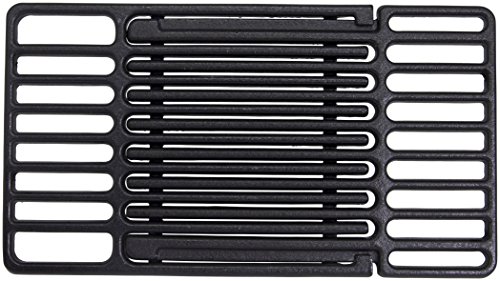
This Char-Broil Universal Cast Iron Grate is a replacement or upgrade grate designed for a wide range of outdoor cooking equipment. It's perfect for backyard grillers, campers, tailgaters, and RV owners who want better heat retention and searing performance from their existing gas or charcoal grill. The adjustable width lets it fit grills from 14 to 19.5 inches across, so it can revive an old kettle or upgrade a portable tailgating setup.
When it comes to real-world cooking performance, this grate shines. Cast iron holds heat like no other material, giving you steady, even temperatures across the cooking surface. That means perfect sear marks on steaks, even browning for burgers, and consistent heat for veggies. The grate gets hot quickly and stays hot even when you load it with food, which helps reduce temperature drops when cooking for a crowd. It also works great for low-and-slow smoking setups on charcoal grills, as the cast iron absorbs and radiates heat gently.
Build quality is solid. The grate is made from heavy-duty cast iron with a porcelain coating that resists rust and makes cleaning easier than bare cast iron. The coating is smooth, so food releases well and you can wipe it down with a stiff brush after grilling. Weights just over six and a half pounds, so it feels sturdy on the grill grates. The adjustable design uses simple sliding brackets, so you can set it to the exact width needed without any tools.
Setup is straightforward: just adjust the two ends to match your grill's side rails and drop it in place. For cleanup, let it cool, then scrub with a wire brush or scrape off residue. The porcelain coating helps prevent sticking and rust, but you should still dry it thoroughly after washing. It stores easily in a garage or shed, though its weight means you probably won't take it on backpacking trips. For car camping, tailgating, or patio cooking, it's a breeze to carry from the car to the campsite or tailgate lot.
Realistic limitations include the weight and the coating's durability. If you drop the grate on concrete or scrape it aggressively with metal tools, the porcelain can chip, exposing the bare iron underneath. That can lead to rust over time if not dried and oiled. Also, the grate is only 7.75 inches deep, which might be a bit narrow for extra-wide grills or for cooking large quantities of food at once. For most standard backyard grills and camp stoves, it fits well.
Overall, this is a practical upgrade for anyone who uses a gas or charcoal grill and wants better heat performance without buying a whole new grill. Backyard cooks will appreciate the even cooking and easy cleanup. Campers and tailgaters will like the universal fit and sturdy build. Just handle it with care to avoid chipping the coating. If you're looking to improve your grilling game for weekend BBQs or campsite meals, this grate is a solid choice.
Cast iron grates are known for superior heat retention, and this Char-Broil model delivers exactly that. It heats up quickly and maintains steady temperatures even when you flip multiple burgers or steaks at once. The surface gets hot enough for a strong sear, locking in juices and creating those desirable grill marks. For charcoal setups, the cast iron absorbs radiant heat and helps manage flare-ups by distributing heat evenly across the cooking area. For gas grills, it enhances the recovery time after opening the lid. Whether you're doing fast grilling for a crowd or slow cooking ribs with indirect heat, this grate performs consistently.
Restoring Corroded Cooking Grates: Practical Removal and Maintenance Techniques
Corrosion on cooking surfaces compromises heat distribution and introduces unwanted metallic debris into food. Addressing oxidation promptly with the correct combination of mechanical scraping, chemical dissolution, and protective oiling ensures your cooking grid remains sanitary, safe, and ready for long-term outdoor cooking.
Assessing Metal Composition and Corrosion Severity
Determining the exact metal composition of your cooking grid is the crucial first step before applying cleansers or abrasive pads. Bare cast iron behaves very differently from stainless steel or porcelain-enameled metal when exposed to moisture and friction. Raw cast iron oxidizes rapidly when its seasoning layer degrades, but its dense structure allows for firm mechanical scrubbing. Stainless steel resists oxidation much better, yet damp storage can still generate reddish brown stains across the bars. Enameled surfaces require a softer touch because heavy chipping exposes the core metal underneath to irreversible decay.
Evaluating the depth of the oxidation helps you decide whether basic surface scrubbing will suffice or if you need to strip the metal completely. Surface rust appears as a light, powdery coating that wipes away relatively easily with moderate abrasion. Deep corrosion, on the other hand, bites into the core structure and creates distinct pits, jagged edges, and flaking metal layers. If the bars have lost substantial mass or feel brittle under firm pressure, structural strength may be compromised beyond safe culinary use. For moderate surface oxidation, a focused cleaning protocol restores the smooth cooking surface without weakening the bars.
Mechanical Abrasion and Targeted Rust Stripping
Physical scrubbing remains the fastest way to knock away stubborn oxidation from bare metal grids. Specialized tools like the Lodge Rust Eraser offer targeted abrasion designed to rub away surface tarnish down to the bare iron without gouging the metal. Because this type of abrasive block removes rust down to raw metal, you must re-season the area immediately after work is done. It works especially well for spot-treating localized oxidation spots between bars where larger scrapers cannot easily fit. Applying firm, even pressure lifts oxidation without spraying metal dust all over your patio workspace.
Bristle-free cleaning systems provide a safer mechanical method for removing charred residue and surface corrosion without leaving loose wire strands behind. The Grill Rescue Grill Brush with Scraper utilizes a stainless steel scraper combined with a heat-resistant cleaning pad to lift grease and debris. When dipped in water and applied to a preheated surface, the generated steam penetrates between grate bars where flat pads fail to reach. This dual-action approach works across cast iron, stainless steel, and ceramic coatings without causing heavy scratches. Removing loose carbon and top-layer rust with a dedicated scraper prepares the metal for deeper restoration.
For extensive surface rust across the entire grid, standard steel wool or stiff scouring pads provide broader coverage. Work along the length of each bar rather than scrubbing in random circles to maintain consistent contact. Wipe the surface frequently with dry shop towels to remove dislodged iron oxide powder so you can inspect your progress. Avoid using power grinders or overly aggressive wire wheels that can gouge deep grooves into the iron bars. Keeping the abrasion controlled ensures the underlying metal stays flat, smooth, and ready for a fresh seasoning bond.
Natural and Household Chemical Soaking Methods
Household acids offer an effective, low-effort method for dissolving iron oxide on heavily rusted grids. A bath made from equal parts white distilled vinegar and water breaks down the rust chemically through a mild acetic acid reaction. Place the cooking grids flat in a shallow plastic tub so the liquid covers the bars completely. Allow the metal to submerge for roughly one to two hours, checking periodically to see if the oxidation begins to slough away. Soaking for too long can pit bare metal, so remove the grids as soon as the reddish film softens.
Neutralizing the acid immediately after the bath prevents new flash rust from developing on the freshly exposed iron. Rinse the grids thoroughly with fresh water, then scrub them with a thick paste made from baking soda and warm water. The alkaline baking soda arrests the acidic reaction and provides a gentle abrasive medium to buff away remaining discoloration. Wash the grates clean with dish soap, rinse with hot water, and dry them immediately with clean microfiber towels. Leaving wet metal exposed to air for even fifteen minutes can trigger immediate surface discoloration, making rapid drying essential.
A baking soda paste can also be used as a standalone cleaner for delicate enameled finishes that cannot tolerate hard metal tools. Mix three parts baking soda with one part warm water until it forms a spreadable consistency similar to toothpaste. Smear the paste across the oxidized areas and let it rest on the metal for forty-five minutes to loosen bonded grime. Use a soft nylon bristle brush or a non-scratch sponge to buff the bars in smooth lengthwise motions. This gentle technique lifts superficial staining without dulling the protective gloss of porcelain coatings.
Thermal Cleaning and Controlled Burn-Off
Intense heat can help break the molecular bond between burnt grease, carbonized food, and oxidized metal. Place the rusted grates inside your outdoor cooker, ignite the burners or charcoal bed, and close the lid to reach high temperatures. Allow the heat to bake the surfaces for twenty to thirty minutes until old drippings turn to powdery white ash. This thermal carbonization makes it much easier to scrape away crusty layers that trap moisture against the iron bars. Remember to keep all fuel-burning appliances strictly outside in well-ventilated open spaces rather than operating them inside an enclosed shelter.
Following the burn-off, applying thermal steam loosens remaining debris before it hardens again. Dip a heavy-duty, bristle-free cleaning pad into cool water and glide it across the hot cooking bars. The sudden burst of steam lifts baked-on carbon and fine rust particles out of microscopic surface pores. Work methodically from the rear of the cooking chamber toward the front to protect your hands from rising steam vapors. Once the surface cools down to warm room temperature, wipe it clean with a dry cotton cloth to clear away lingering particulate.
Re-Seasoning Cast Iron and Carbon Steel Grates
Removing rust strips away the old oil patina and leaves bare metal vulnerable to immediate environmental oxidation. Re-seasoning is the mandatory process of baking thin layers of fat onto the metal until they polymerize into a slick, hard protective shell. Without this protective barrier, ambient humidity will cause flash rust to reappear within hours of cleaning. A proper seasoning foundation prevents food from tearing on raw metal and creates an impermeable barrier against rain and steam. Investing time into this rebuilding process transforms a scrubbed grid into an exceptionally durable cooking platform.
Selecting the proper fat makes a dramatic difference in the resilience and longevity of your new seasoning coat. Cooking fats with higher smoke points, such as refined canola oil, grapeseed oil, or beef tallow, polymerize effectively without burning into sticky residue. Avoid unrefined oils with low smoke points like extra virgin olive oil, which can scorch, flake, and turn rancid in storage. You only need a microscopically thin coating of oil across every square inch of the cooking grid. Too much oil pools between the bars, creating a gummy, uneven surface that attracts dirt rather than repelling water.
Applying oil evenly across intricate grate geometry can be messy when using paper towels that shred on rough iron. Purpose-built tools like the Grate Armor Grill Grate Oiling Brush simplify this step by laying down a uniform layer of oil or tallow using heat-resistant silicone bristles. The applicator distributes fat across the top, sides, and bottom of the bars without soaking your fingers in grease. Conditioning the cooking grid with this type of brush before and after cooking creates a consistent barrier against moisture and corrosion. Proper oil distribution ensures that every bar receives equal protection during the subsequent curing bake.
Curing the oiled grates requires sustained, indirect heat over an extended period to lock in the polymer bonds. Place the lightly coated grids upside down in an outdoor cooker or a well-ventilated oven heated to four hundred degrees Fahrenheit. Maintain this temperature for one full hour so the fatty acids cross-link into a dry, glossy dark film. Turn off the heat source and allow the metal to cool completely inside the chamber without opening the lid prematurely. Repeating this oiling and baking cycle two or three times builds a resilient shield that shrugs off moisture and heavy use.
Daily Habits to Prevent Moisture and Humidity Damage
Preventing corrosion from returning requires establishing consistent maintenance habits immediately following each cooking session. Scrape the cooking surface while it is still warm to remove sticky sauces and salted drippings before they harden. Food residue attracts environmental moisture, and sodium accelerates the chemical oxidation process on raw iron. Once the bars are clean, apply a quick protective swipe of high-heat cooking oil while the grid retains residual warmth. This routine takes less than two minutes but adds an ongoing layer of defense against seasonal moisture changes.
Proper airflow inside your outdoor cooking chamber plays an enormous role in rust prevention during storage. When storing your grill between uses, leave the exhaust dampers cracked slightly open rather than clamping them entirely shut. Completely closed vents trap rising ground moisture and condensation inside the dark lid, creating a humid environment where rust flourishes. If you use charcoal grills or enhance your cookouts with smoker box accessories, always empty damp ash and soaked wood chips promptly after cooking. Damp ash turns acidic when wet and will eat through nearby metal grates rapidly.
Quality grill covers shield equipment from direct rain, but using non-breathable vinyl covers in humid climates can sometimes trap ground moisture underneath. Choose water-resistant covers equipped with built-in mesh ventilation vents that let interior moisture escape freely. If you need to store equipment throughout a damp winter, consider bringing the grates indoors into a dry storage space. Coat the clean bars in cooking oil, slide them into heavy paper bags, and keep them elevated off concrete floors. Dry indoor storage preserves your seasoning layer until the spring grilling season arrives.
Inspecting Equipment and Knowing When Replacement Is Necessary
Despite thorough restoration efforts, severe oxidation eventually causes structural metal damage that no amount of scrubbing can fix. Deep pitting creates sharp valleys where bacteria and burnt grease fester, making thorough sanitation nearly impossible. Furthermore, flaking cast iron can shed gritty black and orange mineral flecks directly onto steaks and burger patties. When bars thin noticeably or crack under normal cooking weight, continuing to use them poses safety risks. In these severe scenarios, replacing the worn cooking grids is the most sensible and sanitary path forward for your cooker.
Cooks who utilize dedicated gas grills often benefit from exact-match replacement options designed specifically for their firebox dimensions. For instance, the GGC 7646 7584 Grill Grates provide matte enamel cast iron replacement grids engineered for Weber Q300 and Q3000 series cookers. Measuring twelve and a half by seventeen point eight inches per section, these panels deliver excellent heat retention and sturdy grill marks. Their matte enamel finish offers built-in rust resistance while heating evenly across the entire cooking zone. Upgrading degraded components restores proper heat transfer without the need to replace an otherwise functional outdoor cooker.
For older grills or custom setups where brand-specific parts are discontinued, adjustable aftermarket panels solve dimension matching issues. The Char-Broil Universal Cast Iron Grate features an expandable design that adjusts from fourteen inches up to nineteen point five inches in length. Its porcelain-coated cast iron surface combines the thermal mass of heavy iron with the protective washability of porcelain enamel. Spanning seven point seven five inches in width, multiple units can sit side by side to span unusual cooking chambers. Choosing replacement grids with durable factory coatings gives your outdoor cooking setup a fresh start.
Whether you maintain custom gas equipment or run large outdoor platforms like large pellet smokers, preserving the cooking surface requires steady attention to moisture control. Regular inspections before each firing ensure that minor surface spots get polished out before they evolve into destructive pitting. Applying thin coats of oil after cleaning maintains an impermeable barrier between outdoor humidity and raw metal. When you pair disciplined cleaning with high-quality replacement parts when necessary, your cooking grates will deliver dependable performance for countless backyard meals.




Write Your Review
No reviews yet. Be the first to share your experience!