


Grilling on an outdoor deck or patio brings incredible convenience to backyard cooking, but radiant heat escaping from the cookbox poses an immediate danger to exterior walls. Vinyl siding is notoriously vulnerable to thermal warping, often softening at temperatures as low as one hundred and sixty degrees Fahrenheit when a hot grill sits too close. Learning how to protect siding from grill heat is essential for every homeowner who wants to prevent melted panels, charred sheathing, and costly structural repairs. Positioning your cooker properly creates an essential buffer, and designated protective barriers can shield vulnerable building materials from unexpected flare-ups.
Many backyard cooks inadvertently push their equipment against house walls or railing trim to save floor space or stay sheltered from afternoon wind. Adding specialized flame-resistant shielding or considering dedicated patio cooking islands with protective backsplashes can help redirect high temperatures away from sensitive exterior finishes. Using heavy-duty fireproof barriers also preserves composite deck railings and painted exterior surfaces while maintaining a safe perimeter. Understanding clearance standards and material tolerances ensures you can enjoy charcoal, pellet, or gas cooking without compromising your home.


Essential Strategies for Protecting Siding and Exterior Walls From Grill Heat
Protecting residential siding from high grilling temperatures requires a clear understanding of heat transfer, safe structural spacing, and barrier deployment. Outdoor cookers release intense convective air and radiant heat that can warp vinyl panels, blister paint, or ignite combustible building materials within minutes. The most dependable protection strategy combines adequate physical clearance with specialized, fire-resistant barriers positioned directly between the heat source and vulnerable surfaces. Addressing this safety challenge early preserves your home exterior and ensures your backyard cooking area remains functional and secure.
Why Exterior Siding Fails Under Grill Heat
Standard vinyl siding begins to soften and deform at surprisingly moderate temperatures, often losing structural rigidity around one hundred and sixty degrees Fahrenheit. Because barbecue cookers easily reach temperatures between four hundred and seven hundred degrees, radiant warmth quickly overwhelms nearby plastic cladding. Darker siding colors absorb thermal energy even faster, speeding up the sagging and bubbling process during extended cooking sessions. Once siding panels buckle, they expose the underlying house wrap and wood sheathing to weather damage and moisture intrusion.
Fiber cement and engineered wood siding offer greater fire resistance than vinyl, but they remain susceptible to surface discoloration and thermal stress. Intense heat cycles cause paint layers to blister, chip, and peel away from the siding substrate over time. Concentrated exhaust drafts can also dry out caulk joints along exterior trim, leaving small gaps where water can penetrate behind the exterior wall. Shielding these wall sections prevents costly cosmetic refinishing and preserves the weather-resistant envelope of your house.
Reflected heat poses an additional risk when grills operate in recessed patio alcoves or tight building corners. Solid exterior walls trap hot air escaping from the rear of the grill hood, creating a localized pocket of extreme temperature. This thermal pocket prevents the cooker from cooling evenly and continuously radiates heat back against the structure. Proper wall protection must account for this convective circulation, especially when cooking on breezy afternoons that push exhaust fumes toward the house.
Establishing Safe Clearance Distances From Exterior Walls
Authoritative safety organizations, including the National Fire Protection Association, strongly recommend operating outdoor grills at least ten feet away from all combustible structures. This ten-foot perimeter applies to exterior siding, deck railings, wooden fences, and overhanging roof eaves. Maintaining this generous gap allows hot exhaust gasses to disperse harmlessly into the ambient atmosphere rather than gathering against building materials. Even when patio dimensions feel restrictive, creating the largest possible physical separation remains the primary defense against thermal damage.
Cookbox designs vent hot air toward the rear or through top chimney louvers, meaning the distance behind the grill requires particular vigilance. Opening a grill lid during cooking swings hot metal components backward, narrowing the effective gap between the appliance and adjacent walls. Many backyard cooks measure clearance with the lid closed and forget that an open hood drastically reduces working room. Always measure your buffer zone with the grill hood fully opened to guarantee a safe buffer at all times.
Townhome decks and compact suburban patios often present physical constraints that challenge ideal positioning standards. In situations where maintaining a full ten-foot perimeter is physically impossible, local fire codes and manufacturer instructions dictate mandatory minimums that must never be compromised. Never attempt to compensate for tight quarters by moving a cooker into an enclosed breezeway, garage, or screened porch. If physical clearance remains tight, non-combustible heat shielding becomes an absolute requirement rather than an optional accessory.
Utilizing Silicone-Coated Fiberglass Heat Shields
Specialized protective screens offer an effective layer of defense for railings, fences, and wall zones located behind outdoor cookers. Products such as the FLASLD Heat Shield Behind Grill utilize heavy-duty woven fiberglass coated on both sides with high-temperature silicone. Manufacturer specifications for this screen indicate it can withstand temperatures up to eighteen hundred degrees Fahrenheit on both sides without melting, curling, or cracking under direct heat exposure. This heavy barrier stops radiant thermal energy and prevents flying sparks or stray embers from reaching combustible building components.
Physical dimensions play a critical role in choosing protective barriers for vertical surfaces and deck boundaries. The FIREWESS Heat Shield Behind Grill 3’x4′ Heat provides a generous three-foot by four-foot coverage area, making it well suited for shielding deck railings and exterior wall sections. Its double-sided silicone coating creates a smooth, oilproof exterior that sheds grease splatters while resisting radiant heat from nearby burners. Installing a barrier of this size covers the primary projection zone where hot exhaust drafts exit the rear of the cooking chamber.
Mounting these protective screens requires secure attachment hardware to withstand gusty outdoor conditions without shifting or blowing loose. Both models feature reinforced perimeter grommets, allowing homeowners to fasten them firmly to railings, fences, or freestanding support poles using supplied zip ties. Because the silicone-coated fiberglass fabric is waterproof and windproof, it can remain mounted outdoors throughout the grilling season. Routine cleaning is simple because grease, charcoal soot, and airborne debris can be rinsed away directly with a garden hose.
Fuel-Specific Heat Distribution and Exhaust Patterns
Pellet cookers operate using forced-induction fans that push intense, concentrated heat drafts directly through rear exhaust slots or elevated chimney stacks. If you operate versatile equipment like combo outdoor cooking appliances that integrate smoking chambers, understanding exhaust direction is essential. The steady stream of warm air generated during high-heat searing can rapidly elevate the surface temperature of any wall sitting directly downstream. Positioning pellet units so the exhaust draft flows parallel to exterior walls rather than directly against siding panels significantly reduces heat absorption.
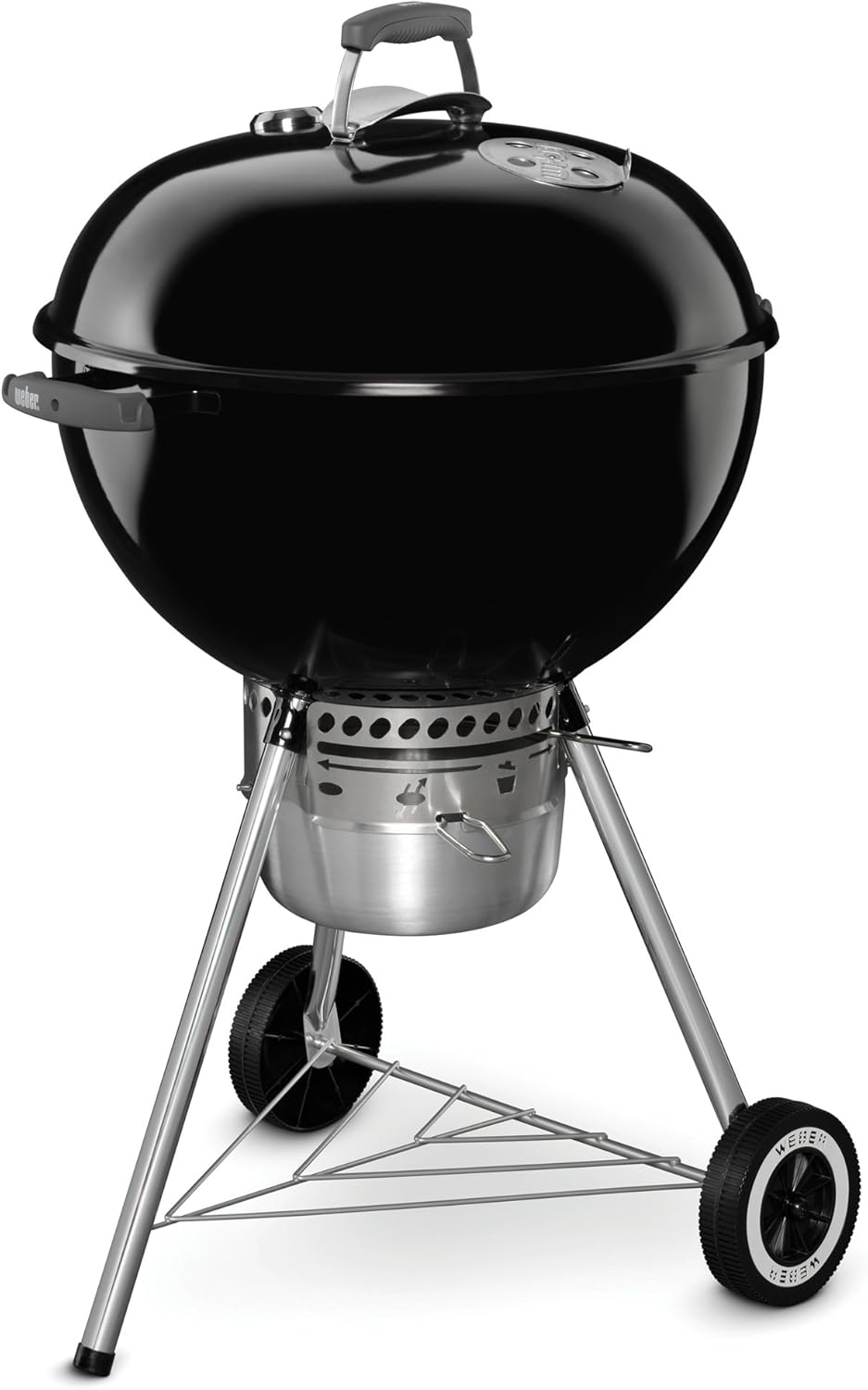
Charcoal grilling introduces unique hazards involving flying sparks, airborne ash, and prolonged radiant heat from fuel beds. When lighting lump charcoal or briquettes inside a chimney starter, upward thermal plumes can reach extreme temperatures that threaten low-hanging siding panels and trim. Ash vents located beneath kettle cookers can also drop hot coals onto deck boards, creating secondary fire risks beneath the siding line. Hanging a fireproof barrier behind the cooker while placing an ember-resistant mat underneath provides dual-zone thermal protection.
Gas grills generate substantial radiant warmth from multiple tube burners, venting substantial heat through gaps between the hood and the firebox base. Flare-ups caused by rendering meat fats can produce sudden spikes in flame height and instantaneous heat bursts. If a gas grill sits near exterior vinyl, a sudden burst of flame can soften siding panels in a matter of seconds. Keeping grease collection trays thoroughly clean and maintaining a barrier behind the cookbox prevents unexpected flare-ups from damaging siding.
Protecting Railings and Adjacent Deck Structures
Deck railings represent another vulnerable target when cooks push barbecue equipment against the outer edges of a patio. Modern composite railings contain thermoplastic polymers that soften, sag, and warp under radiant heat just like vinyl siding panels. Wood railings are similarly vulnerable to drying out, charring, and igniting if placed directly in the path of hot exhaust drafts. Installing a dedicated heat screen along the railing behind the grill preserves these expensive structural components from premature thermal breakdown.
Protective mats designed for vertical mounting often serve multiple roles across an outdoor patio layout. The smooth surface of a fiberglass mat can be mounted along railing spindles to block neighbor sightlines while simultaneously serving as a fire barrier. When deep-cleaning or seasoning cookware, the same mat can be temporarily placed underneath the cooker to catch grease drips and oil splatters. This flexibility ensures your deck boards and vertical structures remain shielded from staining and thermal stress throughout year-round cooking.
Securing heat shields against outdoor weather requires attention to fastener tension and wind resistance. Reinforced copper holes and sturdy brass grommets prevent the heavy fiberglass fabric from tearing when strong winds blow across the deck. Fastening zip ties through every available grommet point keeps the screen flat and prevents it from flapping against the rear of the hot grill. Checking tie-down tension before each cooking session guarantees that the barrier maintains its protective position when you ignite the burners.
Reorganizing Patio Workstations for Safer Airflow
Backyard chefs frequently crowd their cooking equipment against house walls to make room for prep tables, coolers, and seating. Integrating independent workstations, such as mobile barbecue prep carts, allows cooks to separate food prep zones from the hot firebox. Placing the prep station closer to the kitchen door and positioning the hot cooker farther out on the deck creates a safer working triangle. This layout prevents congestion around the cooker while keeping the high-temperature zone safely isolated from residential walls.
Overhead architectural features create serious thermal traps that many homeowners overlook when positioning backyard appliances. Soffits, vinyl gutters, and wooden roof overhangs capture rising convective heat plumes that escape from open grill lids. Trapped heat in soffit vents can easily melt plastic venting materials and introduce hot air directly into attic spaces. Grills must always be positioned in open-air environments where hot convective gasses can rise freely without encountering structural ceilings or patio canopies.
Wind direction serves as a major factor in how heat travels from your cooker toward exterior surfaces. Prevailing breezes can push hot exhaust gasses directly against house siding even if you have established several feet of clearance. Turning the grill ninety degrees so prevailing winds carry heat away from the building helps reduce wall surface temperatures. Monitoring wind patterns before lighting your fire ensures that exhaust currents drift safely into open yard space.
Identifying Early Signs of Thermal Siding Damage
Detecting heat damage in its earliest stages allows homeowners to adjust their grilling layout before catastrophic failure occurs. Vinyl siding affected by heat often displays a subtle wavy distortion or light ripple along the bottom lip of the panel. You may also observe a slight sheen or gloss change on the exterior finish where the plastic resin has softened. Catching these early visual warnings indicates that your current clearance distance or heat barrier is insufficient to protect the structure.
Physical inspection of wall sections behind your barbecue area should be conducted periodically throughout the outdoor cooking season. Run your hand across the siding panels after an extended cook to evaluate surface temperature and panel flexibility. If the siding feels uncomfortably hot to the touch or flexible when pressed lightly, heat is penetrating deep into the wall assembly. Persistent heat transfer can degrade moisture barriers and insulation located directly behind the exterior cladding.
Prompt corrective action must follow any sign of heat-related wall distortion or finish degradation. Immediately relocate the cooker to increase physical separation from the building structure before lighting your next meal. Inspect the sheathing beneath damaged siding panels to ensure no internal charred wood or degraded weather barriers remain hidden. Installing high-temperature heat screens and re-evaluating patio placement prevents minor cosmetic warping from escalating into expensive structural repair bills.
Pre-Grilling Safety Verification Checklist
Developing a consistent safety routine before igniting your grill ensures lasting protection for your siding and deck. Begin by inspecting the clearance gap behind the grill hood to confirm no outdoor furniture, toys, or storage bins have encroached on the buffer zone. Check that your heat shield is securely fastened with all zip ties intact, ensuring the fabric hangs evenly without sagging toward the cookbox. Verify that grease collection trays are clean, as accumulated grease remains a leading cause of uncontrolled flare-ups that project heat toward nearby walls.
Review local weather conditions and wind directions before starting your cooking session on the deck. If strong gusts blow directly toward the house wall, consider shifting your cooker or delaying cooking until conditions moderate. Keep a fully charged fire extinguisher rated for grease and electrical fires accessible within several paces of the cooking station. Taking these simple precautions guarantees that your outdoor meals remain safe, enjoyable, and completely harmless to your home exterior.
Protecting residential siding from grill heat comes down to proactive spacing, reliable flame-retardant barriers, and routine equipment inspection. Combining substantial physical clearance with durable silicone-coated fiberglass screens effectively safeguards vinyl, wood, and composite finishes from intense thermal exposure. Taking the time to configure your cooking layout responsibly prevents expensive home repairs and keeps your outdoor living space safe. With proper precautions in place, you can cook with complete confidence all season long.





Write Your Review
No reviews yet. Be the first to share your experience!