


Unboxing a brand-new outdoor grill or installing fresh replacement cooking grids brings plenty of excitement, but throwing raw steaks onto new metal straight from the factory often leads to stubborn sticking and unwanted chemical odors. Manufacturing processes frequently leave behind protective anti-rust oils, metal dust, and packing grime that must be eliminated before cooking your first meal. Learning how to prep new grill grates transforms raw metal into a clean, naturally slick cooking surface that resists corrosion. Setting up your outdoor work area near a dedicated rolling bbq prep table is a practical way to stage your oils, cleaning cloths, and hot grates comfortably outdoors.
Different grate materials demand slightly different care, ranging from raw cast iron and porcelain-enameled surfaces to heavy stainless steel bars. Skipping this essential preliminary cure can ruin delicate foods, tear meat fibers, and allow moisture in the outdoor air to cause premature surface oxidation. Taking the time to properly wash, dry, and heat-cure your new cooking surface creates a protective polymer barrier that makes cleanup simpler after every cookout. A disciplined setup process protects your investment and ensures that your outdoor cooking sessions start on solid footing.

Pros
- Sturdy porcelain-enameled cast iron build offers dependable thermal retention for searing
- Drops directly into 22.5-inch Weber Gourmet BBQ System hinged grates without modification
- Center cutout makes refuelling charcoal or adding smoking chunks fast and hassle-free
- Tightly spaced grid design keeps vegetables, seafood, and small cuts from dropping into the coals
Cons
- Requires an existing Weber Gourmet BBQ System hinged outer grate and cannot be used alone across an open grill bowl
- Cast iron requires hand washing, thorough drying, and routine oiling to prevent surface wear
- 11.8-inch circular diameter limits the number of items that can be seared simultaneously
The onlyfire 11.8-inch Cast Iron Sear Grate is a specialized replacement accessory tailored for outdoor cooks using 22 1/2 inch Weber charcoal kettle grills equipped with the circular Gourmet BBQ System (GBS) hinged grate. Instead of replacing the entire cooking surface, this drop-in circular insert specifically targets the center cooking zone. It appeals directly to charcoal enthusiasts, family steak cooks, and backyard grillers who want the distinct heat properties of cast iron without giving up the versatility of their existing kettle setup.
In practical outdoor cooking, cast iron excels at absorbing and holding onto direct thermal energy from a bed of glowing charcoal. This insert features a raised crosshatch grid layout that promotes focused contact points, helping you achieve classic crosshatch sear marks on ribeyes, strip steaks, burgers, and pork chops. Because the grid design is compact, smaller sides such as sliced zucchini, asparagus, or shrimp are far less likely to slip into the ash below. It integrates smoothly into two-zone charcoal setups, allowing cooks to reverse sear thick cuts by bringing them up to temperature on the cooler side of the kettle before finishing them over the screaming-hot cast iron center.
Build quality centers on solid cast iron finished with a black porcelain enamel coating. This combination provides the heat retention advantages of traditional heavy metal while introducing a smoother barrier that resists rust and eases post-meal cleanup. Another key benefit of this insert layout is fuel management. Because the circular insert can be lifted independently using heat-resistant grill gloves or a standard grate lifter, you can replenish charcoal briquettes, lump charcoal, or wood chunks directly into the firebox without removing the larger surrounding grate or disturbing food resting around the perimeter.
Day-to-day handling and setup are completely straightforward. The piece drops directly into the 11.8-inch opening of a compatible GBS grate with zero assembly required. While the porcelain enamel finish resists food sticking better than raw iron, proper care remains essential for long-term durability. To prevent surface degradation, cooks should let the grate cool before washing with warm water and a non-abrasive brush. Drying it completely and wiping a light layer of cooking oil across the surface helps maintain the cast iron integrity over repeated seasons of backyard entertaining.
There are realistic limitations to keep in mind before purchasing. This is strictly an insert accessory; it cannot sit securely on an open 22.5-inch kettle rim on its own and requires a compatible hinged outer grate with the appropriate center cutout. Additionally, with an 11.8-inch diameter, the high-heat searing area is focused. Cooking for large parties may require searing in multiple batches, though the surrounding wire grate remains available for indirect cooking and resting.
For kettle owners who already have a Weber Gourmet BBQ System cooking grate, this onlyfire replacement insert offers an accessible and reliable way to upgrade direct-heat cooking performance. It provides solid heat retention, sensible charcoal access, and dependable build quality at a fraction of the cost of OEM alternatives.
Direct high-heat cooking requires a surface that can hold onto thermal energy rather than cooling down when cold meat touches the metal. The onlyfire cast iron insert is built with substantial mass, enabling it to soak up high temperatures directly from your charcoal chimney or fire basket and maintain that heat throughout the sear.
The grid structure is optimized to create defined sear marks while maximizing surface contact for improved browning on steaks, chops, and smash burgers. When used in a classic two-zone charcoal kettle configuration, grillers can easily shift meats between the cooler indirect zone and this high-heat center insert to complete a precise reverse sear without scorching.
Maintaining porcelain-enameled cast iron is simpler than caring for raw cast iron, but it still demands more care than standard stainless or chrome wire grates. After grilling, brush off loose food debris while the grate is still warm using a grill brush suitable for porcelain-coated surfaces.
Avoid harsh chemical cleaners, metal scouring pads, and dishwashers, as these can chip or degrade the protective porcelain glaze. Always ensure the grate is thoroughly hand-dried immediately after cleaning. Applying a quick wipe of high-smoke-point cooking oil before storing your kettle will keep the metal protected against humidity and ready for your next cookout.

Pros
- Precision heat control with the rotating grate - no more guessing where the hot spots are.
- Stainless steel construction is durable and easy to clean - just scrape and wipe.
- Hinged opening makes charcoal management simple, perfect for long low-and-slow cooks.
- Extra cooking space from the handle rails means you can fit more food per session.
Cons
- Only fits 26-inch kettle grills, so owners of smaller or larger grills cannot use it.
- Price is higher than standard replacement grates, though the features justify the cost for serious grillers.
- Rotating mechanism requires a bit of practice to get used to, but becomes intuitive after a few uses.
The SnS Grills Slow 'N Sear EasySpin Charcoal Grill Cooking Grate is a purpose-built accessory for anyone who owns a 26-inch kettle grill, like the Weber MasterTouch. This isn't just a standard replacement grate; it's a tool designed to give you far more control over your charcoal cooking. The standout feature is the EasySpin mechanism, which lets you manually rotate the entire grate while the grill lid is off. This means you can move a steak that's searing too fast to a cooler zone, or slide a rack of ribs closer to the heat for a final glaze, all without lifting the grate or risking burned fingers.
This grate is best suited for backyard grillers who want to master two-zone cooking, BBQ enthusiasts who love low-and-slow smoking alongside high-heat searing, and tailgaters who bring their full-size kettle to the parking lot. The rotating action makes it easy to adjust cooking zones on the fly, which is especially handy when you're cooking different foods at once. The large hinged opening is another thoughtful touch; you can drop in fresh charcoal or a chunk of hickory without disturbing the burgers or chicken already on the grate. That means longer cooks without losing heat or having to start over.
In real-world use, the heat consistency is excellent thanks to the two-zone layout. You can have a pile of hot coals on one side for searing, and the other side stays cooler for indirect cooking. The rotating grate lets you fine-tune the distance from the heat, so you get a perfect crust on your steaks without burning the outside. Smoke flavor is enhanced because you can add wood chips through the hinge opening, and the stainless steel grate doesn't absorb or impart off flavors. Fuel efficiency improves because you're not wasting charcoal by spreading it thin; you keep a concentrated fire on one side and use the rotating feature to manage cooking temps.
Build quality is solid. The grate is made from 304 stainless steel, which resists rust far better than chrome-plated or porcelain-coated grates. The welded handles are sturdy and stay cool enough to grip with a mitt. It's heavy at about 9.25 pounds, but that heft means it won't warp under high heat. The 10-year warranty gives you peace of mind that this grate will last through many grilling seasons. Setup is straightforward: just remove your old grate and drop this one in. Cleanup is easy too; a stiff grill brush and a quick wipe with oil keeps it looking good.
There are a few limitations worth noting. This grate is specifically designed for 26-inch kettles with a 25 1/4-inch diameter opening, so it won't work on smaller or larger grills. The price is higher than a basic replacement grate, but the rotating feature and stainless steel construction justify the cost for serious cooks. Some users might find the rotating mechanism a bit stiff at first, but it loosens up with use. Also, because the grate is heavy, you'll want to be careful when lifting it off the grill for cleaning.
Overall, this is a smart upgrade for anyone who wants to take their charcoal grilling to the next level. If you own a 26-inch kettle and you're tired of uneven heat or struggling to add charcoal mid-cook, the EasySpin grate solves those problems elegantly. It's a practical tool for weekend BBQs, backyard parties, or even tailgating if you've got the space. The combination of rotating control, two-zone cooking, and durable stainless steel makes it a worthwhile investment for grillers who value precision and convenience.
The EasySpin grate shines when you need to manage different heat zones for different foods. For example, you can sear a thick ribeye over the hot coals, then rotate it to the cooler side to finish cooking without burning the outside. The two-zone setup is ideal for smoking: place a pork shoulder on the indirect side, add wood chunks through the hinged opening, and rotate the grate to check doneness without losing heat. The stainless steel surface heats evenly and doesn't create hot spots, so you get consistent browning across the entire grate. The extra rails near the handles are a nice bonus, giving you room for a few extra burgers or skewers that would otherwise fall off the edge.

Pros
- Solid stainless steel build provides practical corrosion resistance compared to chipped porcelain or rusted iron
- Includes two modular sections that combine for a 16 1/2 by 22 3/4 inch total cooking area
- Broad compatibility across numerous Kenmore, Vermont Castings, Hamilton Beach, and ProChef grill models
- Straightforward maintenance with no pre-seasoning required compared to bare cast iron
Cons
- Requires precise measuring of existing grill boxes and old grates prior to ordering to avoid fit issues
- Lacks interlocking tabs, requiring stable ledge support inside the grill firebox
The Htanch SF8252 replacement cooking grate set is a dedicated two-piece grilling surface engineered to fit specific gas grill models from brands like Vermont Castings, Kenmore, ProChef, and Hamilton Beach. For backyard grillers dealing with pitted, flaking, or corroded original grids, this pair provides a practical refresh. It caters directly to homeowners and outdoor cooking enthusiasts who want to revive an existing outdoor cooker rather than spend significantly more money replacing the entire barbecue station.
In everyday outdoor cooking scenarios, stainless steel grids deliver dependable heat transfer for staples like burgers, hot dogs, chicken breasts, and sliced vegetables. The rod layout allows direct heat from the burners below to interact cleanly with food, helping achieve classic sear marks when the grill is properly preheated. Because the set splits into two separate 16 1/2-inch by 11 3/8-inch sections, it supports standard dual-zone cooking setups, allowing you to manage searing on one side while holding items over indirect heat on the other.
Built from stainless steel, these replacement grates provide durable structural integrity designed to withstand high outdoor cooking temperatures. Unlike porcelain-coated steel wire which can chip over time, or untreated cast iron that demands continuous oiling to prevent rust, stainless steel provides resilient day-to-day operation. The welded rod structure creates a rigid cooking platform that supports heavier cuts of meat, cast-iron skillets, or loaded vegetable baskets without sagging under regular backyard use.
Installation requires zero tools; users simply lift out the degraded cooking grids and set these two sections directly onto the internal firebox ledges. Daily maintenance is similarly low effort. After cooking, a warm grill brush or nylon scraper cleans the smooth stainless surfaces without requiring the delicate handling needed for seasoned iron. For deeper seasonal cleaning, the individual sections are compact enough to be soaked in a utility sink or washed down with warm water and degreasing soap.
While compatibility spans a long list of Kenmore, Vermont Castings, and ProChef models, proper fit relies entirely on exact cookbox dimensions. Grill manufacturers frequently altered internal dimensions across model years, so relying solely on model numbers can occasionally lead to mismatched sizing. Backyard cooks must take careful measurements of their current firebox ledges or original grates before purchasing to ensure the 16 1/2 by 22 3/4 inch total footprint sits flush without sliding.
If your current grill body and burners remain in solid working order but the cooking surfaces have deteriorated, this Htanch two-pack offers an efficient, budget-conscious solution. It delivers reliable stainless steel durability, straightforward cleanup, and immediate renewal of your cooking surface for family weeknight grilling and weekend gatherings.
Crafted from welded stainless steel rods, the Htanch SF8252 grids are structured to handle everyday outdoor cooking demands. The rigid construction supports heavy cuts of meat and cookware without bending, while the stainless material naturally resists the moisture and grease common to gas grill cookboxes.
Compared to porcelain-enameled steel surfaces that can crack and expose bare metal to oxidation, bare stainless steel provides consistent structural performance over multiple seasons of backyard cooking.
Maintaining stainless steel cooking grates is considerably easier than caring for traditional cast iron, as they do not require regular oil seasoning cycles to prevent deterioration. Routine post-cooking cleanings with a standard wire or bristle-free grill brush while the grates remain warm will dislodge grease and food residue efficiently.
Because the set is split into two manageable panels measuring 16 1/2 by 11 3/8 inches each, removing them for thorough soaking or seasonal scrubbing in a utility sink requires minimal effort.
Pros
- Excellent heat retention and even heat distribution across the cooking surface.
- Removable inner grate simplifies charcoal management during long cooks.
- Sturdy cast iron build withstands high heat and heavy use.
- Easy to clean with a grill brush after seasoning – nonstick surface develops over time.
- Compatible with popular Weber kettle models – no modifications needed.
Cons
- Heavier than standard steel grates – adds about 8 pounds to your grill setup.
- Cast iron requires regular seasoning to prevent rust; not as low-maintenance as stainless steel.
- Some users may prefer a single large grate for extra cooking space – the inner grate reduces usable area slightly.
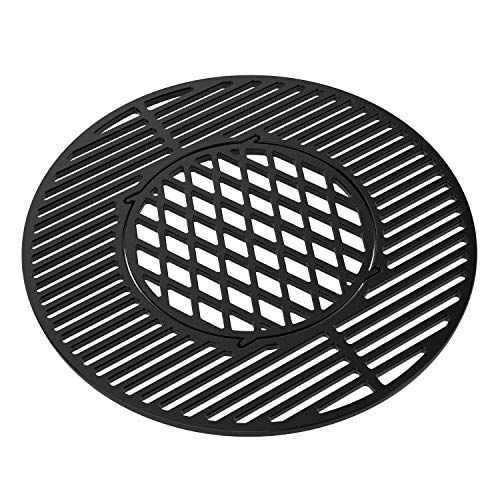
The onlyfire Cast Iron Grill Grate Replacement is a functional upgrade for anyone who owns a Weber 22-inch kettle charcoal grill. Instead of a single piece, this set includes a 21.5-inch outer grate with a removable 11.8-inch inner sear grate. This design lets you access the charcoal without lifting the whole cooking surface – a real convenience when you need to add more briquettes or wood chunks during a long smoking session.
This grate is built for backyard grillers who value heat retention and searing performance. Cast iron holds heat far better than standard steel grates, meaning less temperature fluctuation when you open the lid. Whether you're searing steaks hot and fast or slow-cooking ribs over indirect heat, the even heat distribution helps avoid cold spots. The inner grate is perfect for adding a quick sear after a low-and-slow cook, giving you that crusty bark on brisket or a perfect char on burgers.
Durability is a strong point. Cast iron is heavy – about 8 pounds total – but it resists warping even under high heat. With proper seasoning, it develops a natural nonstick surface that improves over time. Cleanup is straightforward: scrape off residue with a grill brush and oil lightly after each use. Rust can form if left wet, so store the grate in a dry place or cover your grill.
Installation is effortless – just drop it onto the existing grate support tabs in your Weber 22.5-inch Kettle, Premium, or Performer. The inner grate's raised side handles give you a secure grip, even with thick gloves. That said, the two-piece design means you lose a few square inches of cooking space compared to a single full-size grate. For most backyard gatherings, it's not an issue – you still have room for a dozen burgers or two large steaks.
This replacement grate is ideal for weekend BBQ enthusiasts who want better control over their charcoal cooks. It's also handy for tailgating setups if you use a kettle grill at the parking lot – the removable inner grate makes adding fuel fast. Campers who bring a charcoal kettle to the campsite will appreciate the even heat for roasting or searing. Just remember to pack a dry bag to keep the cast iron protected from moisture.
Overall, the onlyfire Cast Iron Grill Grate Replacement delivers real performance improvements for Weber kettle owners. If you like searing with cast iron and want easier access to your charcoal during long cooks, this is a solid, affordable upgrade.
The cast iron construction excels at heat retention, meaning the grate stays hot even after adding cold food. This gives you consistent sear marks and prevents the temperature from dropping too much when you load up the grill. The inner sear grate's smaller openings concentrate heat directly on the meat, creating a crusty exterior while keeping the inside juicy. For low-and-slow cooking, the outer grate works well for indirect heat – place the coals on one side and the food on the other. You can also move the inner grate to a cooler zone for gentle finishing. Overall, this grate system improves both high-heat searing and temperature stability.
Cast iron requires a bit more care than stainless steel, but it's simple once you get into the habit. After grilling, let the grate cool slightly, then scrub it with a stiff grill brush while still warm. Avoid soap – just hot water if needed, but drying thoroughly is crucial to prevent rust. Apply a thin coat of vegetable oil to the surface before storing. Over time, the seasoning builds up, creating a natural nonstick finish. The two-piece design makes cleaning easier – you can remove the inner grate and scrub it separately. Keep the grate in a dry place, and it will last for years.
Pros
- Heavy-duty stainless steel resists rust and warping even with frequent outdoor use
- Enhanced airflow lets you reach high heat faster and maintain steady low temps for smoking
- Easy to clean – food releases easily and ash falls through the open grate design
- Lightweight and compact, perfect for portable grilling on the go
- Direct fit for multiple Weber Go-Anywhere models, no modification needed
Cons
- Only compatible with specific Weber Go-Anywhere models – measure your grill before ordering
- Stainless steel may not retain heat as well as cast iron, so searing might require slightly more fuel
- No carry case or storage bag included for transport
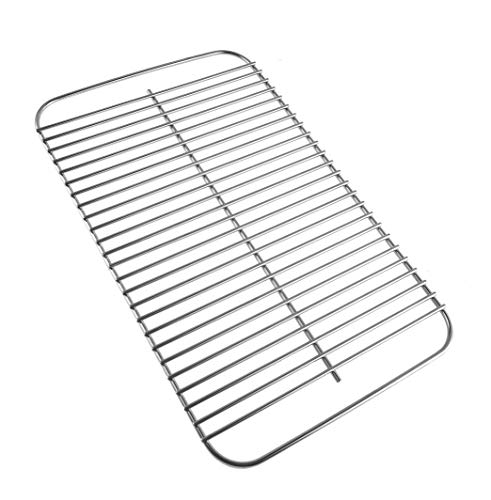
If you own a Weber Go-Anywhere charcoal or gas grill and are tired of dealing with a rusty, clogged cast iron grate, the EasiBBQ stainless steel replacement is worth a serious look. This grate is designed to drop right into your existing grill with no hassle, and it brings a few practical upgrades that make outdoor cooking more enjoyable. Whether you're tailgating before a game, cooking burgers at a campsite, or just grilling on the patio, this grate aims to improve your experience.
The biggest advantage here is the airflow. The open stainless steel design allows oxygen to reach the charcoal much more freely than the original cast iron grate. That means you can get your coals glowing hot in less time, and holding a consistent temperature for low-and-slow cooking or high-heat searing becomes easier. For backyard cooks who like to switch between grilling steaks and smoking ribs, that kind of flexibility matters. The grate also helps prevent ash buildup, so you spend less time cleaning and more time cooking.
Durability is another strong point. Stainless steel resists rust far better than cast iron, especially if you leave your grill outside between uses. The grate measures 16 by 10 inches, giving you enough room for a few burgers, chicken thighs, or veggies. It's lightweight at under two pounds, which makes it a breeze to carry along for camping trips or RV weekends. You can toss it in the trunk without worrying about added weight or breakage.
Cleaning is honestly one of the best parts. Food doesn't stick like it does on some porcelain grates, and the open slots let ash and grease fall straight through. A quick scrape with a grill brush after cooking, and you're done. No need for soaking or scrubbing. That's a real time-saver when you're at a crowded tailgate or trying to pack up camp after a meal.
There are a couple of things to keep in mind. First, make sure your grill is one of the compatible Weber Go-Anywhere models before ordering. This grate won't fit every portable grill. Also, stainless steel doesn't hold heat the way cast iron does, so if you're used to that heavy heat retention, you might notice you need to add a few more coals to get the same searing power. That said, the airflow compensates fairly well, and most users will find the trade-off acceptable for the easier maintenance and portability.
Overall, this EasiBBQ grate is a smart upgrade for anyone who uses a Weber Go-Anywhere grill regularly. It's affordable, practical, and built for real-world outdoor cooking. Campers, tailgaters, and backyard grillers alike will appreciate the better heat control, faster startup, and effortless cleanup. If you're looking to breathe new life into your portable grill, this is a solid choice.
The open stainless steel design of this grate significantly improves airflow compared to the original cast iron grate. You'll notice your charcoal lights faster and burns more evenly, which means less waiting around and more consistent cooking. High-heat searing is achievable with a full chimney of coals, and you can also dial it back for low-and-slow smoking by controlling the grill vents. The grate distributes heat well across its surface, so burgers and chicken cook evenly without hot spots. For gas grill users, the improved airflow also helps with flame stability and reduces flare-ups from grease drips.


Pros
- Excellent heat retention for consistent grilling results on steaks, burgers, and veggies
- Durable cast iron with porcelain coating provides rust resistance and easy maintenance
- Universal fit adjusts easily to most grills without tools, saving setup time
Cons
- At over 6.5 pounds, it's heavy for backpacking or frequent transport
- Porcelain coating can chip if dropped or scraped against metal surfaces
- Only 7.75 inches deep, which may be too narrow for larger grills with wide cooking chambers
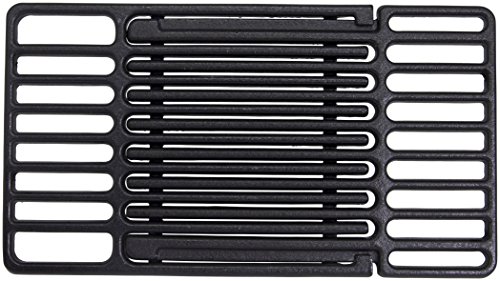
This Char-Broil Universal Cast Iron Grate is a replacement or upgrade grate designed for a wide range of outdoor cooking equipment. It's perfect for backyard grillers, campers, tailgaters, and RV owners who want better heat retention and searing performance from their existing gas or charcoal grill. The adjustable width lets it fit grills from 14 to 19.5 inches across, so it can revive an old kettle or upgrade a portable tailgating setup.
When it comes to real-world cooking performance, this grate shines. Cast iron holds heat like no other material, giving you steady, even temperatures across the cooking surface. That means perfect sear marks on steaks, even browning for burgers, and consistent heat for veggies. The grate gets hot quickly and stays hot even when you load it with food, which helps reduce temperature drops when cooking for a crowd. It also works great for low-and-slow smoking setups on charcoal grills, as the cast iron absorbs and radiates heat gently.
Build quality is solid. The grate is made from heavy-duty cast iron with a porcelain coating that resists rust and makes cleaning easier than bare cast iron. The coating is smooth, so food releases well and you can wipe it down with a stiff brush after grilling. Weights just over six and a half pounds, so it feels sturdy on the grill grates. The adjustable design uses simple sliding brackets, so you can set it to the exact width needed without any tools.
Setup is straightforward: just adjust the two ends to match your grill's side rails and drop it in place. For cleanup, let it cool, then scrub with a wire brush or scrape off residue. The porcelain coating helps prevent sticking and rust, but you should still dry it thoroughly after washing. It stores easily in a garage or shed, though its weight means you probably won't take it on backpacking trips. For car camping, tailgating, or patio cooking, it's a breeze to carry from the car to the campsite or tailgate lot.
Realistic limitations include the weight and the coating's durability. If you drop the grate on concrete or scrape it aggressively with metal tools, the porcelain can chip, exposing the bare iron underneath. That can lead to rust over time if not dried and oiled. Also, the grate is only 7.75 inches deep, which might be a bit narrow for extra-wide grills or for cooking large quantities of food at once. For most standard backyard grills and camp stoves, it fits well.
Overall, this is a practical upgrade for anyone who uses a gas or charcoal grill and wants better heat performance without buying a whole new grill. Backyard cooks will appreciate the even cooking and easy cleanup. Campers and tailgaters will like the universal fit and sturdy build. Just handle it with care to avoid chipping the coating. If you're looking to improve your grilling game for weekend BBQs or campsite meals, this grate is a solid choice.
Cast iron grates are known for superior heat retention, and this Char-Broil model delivers exactly that. It heats up quickly and maintains steady temperatures even when you flip multiple burgers or steaks at once. The surface gets hot enough for a strong sear, locking in juices and creating those desirable grill marks. For charcoal setups, the cast iron absorbs radiant heat and helps manage flare-ups by distributing heat evenly across the cooking area. For gas grills, it enhances the recovery time after opening the lid. Whether you're doing fast grilling for a crowd or slow cooking ribs with indirect heat, this grate performs consistently.
The Complete Guide to Preparing and Seasoning New Grill Grates
Preparing new grill grates involves removing factory machining oils, drying the metal completely, applying a microscopic film of high-smoke-point oil, and baking that oil until it forms a durable, slick polymer layer. Skipping these initial steps often leads to food tearing on the bars, foul chemical smells transferring to food, and rapid surface oxidation. Understanding the exact requirements of your specific grate material ensures your grill produces clean flavors and crisp sear lines right from the start.
Why Initial Preparation Matters Before Your First Cook
Manufacturers coat new metal parts with petroleum-based machine oils and corrosion inhibitors to keep them from rusting inside warehouse boxes or shipping containers. If you fire up the grill and toss food directly onto untreated bars, those factory chemicals vaporize and absorb into your meat, creating acrid flavors and unpleasant smells. Washing away those industrial oils is a mandatory hygiene step that clears the slate for safe outdoor cooking.
Beyond food safety, raw metal contains microscopic pores, valleys, and jagged imperfections that grab onto protein fibers when heated. As chicken, pork, or beef heats up on an unseasoned surface, proteins bond chemically with these open metal pores, causing meat to stick and tear. Heat-curing a thin layer of cooking oil fills those microscopic voids, smoothing out the surface so burgers and steaks flip without resistance.
Outdoor air also carries moisture that aggressively attacks exposed carbon steel and raw iron. Without an initial protective seal, humidity and rainfall will trigger flash rust within days of your first cookout. Establishing a tight oil barrier during your initial prep creates a moisture shield that prevents oxidation from taking hold deep inside the grate bars.
Identifying Your Grate Material and Surface Type
Before grabbing cleaning rags and oils, you need to identify the exact metal construction of your new grates because different materials require distinct care techniques. Bare cast iron is heavy, matte dark gray, and distinctly textured, requiring a rigorous seasoning process to build up an oil polymer layer. Replacement inserts, such as heavy iron grids designed for kettle grills, rely on this deep seasoning layer to prevent rust and deliver sharp sear marks.
Porcelain-enameled cast iron features a glossy or semi-gloss ceramic coating bonded over the iron core. This protective glass glaze shields the metal from oxygen and rust, which means you cannot bake a traditional seasoning layer into the non-porous enamel itself. While porcelain grids do not require heavy seasoning cycles, they do need gentle washing to remove packing dust and light pre-heat oiling to protect exposed edges and micro-pores.
Stainless steel grates feature smooth, reflective silver rods built from durable alloys like 304 stainless steel. These grates do not rust under normal conditions, and they do not form the thick black carbon seasoning typical of cast iron skillets. Your primary goal with new stainless steel is thoroughly removing manufacturing residue, heat-tempering the metal, and establishing a thin oil conditioning film before cooking.
Step 1: Washing and Decontaminating the Metal
The prep journey always starts at a large utility sink, laundry tub, or clean outdoor wash station with warm water and mild dish soap. Use a soft sponge, microfiber towel, or nylon brush to lather every inch of the grates, paying close attention to welds, joints, and underside support rods. Soap is safe to use during this initial cleaning because there is no established seasoning layer yet to worry about stripping away.
Avoid using harsh wire brushes, steel wool, or abrasive scouring pads during this initial cleaning stage. Aggressive scrubbing can scratch glossy porcelain coatings or leave tiny metal bristle fragments stuck between the rods. Rinse the grates thoroughly with clean running water until every trace of suds and dislodged factory grime is completely washed away.
Drying the grates immediately is a critical safety step for any cast iron components. Raw iron can begin forming orange flash rust within minutes if left wet in open air. Wipe the grids vigorously with clean cotton towels, and consider placing them in a warm outdoor grill for five minutes on low heat to evaporate any hidden water droplets trapped deep in corners.
Step 2: Choosing the Right High-Smoke-Point Oil
Seasoning is a chemical transformation called polymerization, where liquid fat molecules cross-link under sustained heat to form a tough, dry, plastic-like protective film. To achieve successful polymerization, you need an oil with a high smoke point that breaks down cleanly without leaving bitter, sticky sludge. Refined canola oil, grapeseed oil, safflower oil, and refined peanut oil are excellent plant-based choices that withstand high temperatures.
Rendered beef tallow has also emerged as a popular traditional choice for conditioning bare cast iron and heavy steel surfaces. Animal fats rich in saturated and monounsaturated fatty acids create a durable, slick barrier when baked at steady heat. Dedicated silicone applicators make spreading natural fats or liquid oils across hot bars cleaner and much safer than clutching oily paper towels with tongs.
Certain everyday kitchen oils should never be used for seasoning brand-new grates. Extra virgin olive oil and unclarified butter have low smoke points, causing them to burn into acrid black soot rather than curing into a slick polymer film. Commercial cooking sprays in aerosol cans should also be avoided because the propellants and emulsifiers can create a sticky, gummy residue that is difficult to scrub off.
Step 3: Applying an Ultra-Thin Layer of Fat
The cardinal rule of seasoning grill grates is that thinner layers produce a significantly stronger, smoother finish than heavy coatings. Applying too much oil creates pools and drips that turn into sticky, gummy puddles rather than hard, slick protective shields. You want to apply oil so thinly that the metal looks slightly buffed rather than visibly wet or dripping.
Dip a clean lint-free cloth or purpose-built silicone basting brush into your chosen oil and rub it across the entire grate structure. Coat the top cooking rods, the sides of each bar, the underside frame, and all welded connection points. Full coverage is essential because moisture and heat will attack the underside of the grates just as aggressively as the top cooking surface.
Once the grates are completely coated, grab a second, completely dry microfiber or cotton cloth and wipe the metal down vigorously. It should feel as if you are attempting to remove every drop of oil you just applied. The microscopic film that remains trapped in the grain of the metal is the exact amount required for proper polymerization.
Step 4: The Outdoor Heat Cure and Polymerization Cycle
Place your lightly oiled grates into your outdoor gas, charcoal, or pellet grill and close the lid. Seasoning must always take place outside in a well-ventilated yard or patio space where smoke can disperse freely. Never attempt to season grill grates or run a grill inside a garage, carport, or enclosed sunroom, even with doors or windows open, because burning oils and fuels release lethal carbon monoxide and create severe fire hazards.
Ignite your grill burners or light a bed of charcoal, gradually bringing the internal cooking temperature up to approximately 400 to 450 degrees Fahrenheit. This temperature range is high enough to push past the smoke point of your chosen oil and initiate polymerization without vaporizing the coating entirely. Keep an eye on your grill thermometer to ensure the heat remains steady throughout the baking cycle.
Let the grates bake at this sustained temperature for roughly 45 to 60 minutes. You will notice steady smoke rising from the grill as the oil begins to break down and bond with the hot metal bars. Once the visible smoke begins to subside, turn off the burners or close the vents, allowing the grill to cool down completely with the lid closed.
For bare cast iron grates, repeating this heating and oiling process two or three times builds a noticeably stronger foundation. Each successive thin layer adds another durable sheet of polymer, creating a dark, semi-gloss patina that releases food effortlessly. Stainless steel and porcelain-coated grates only require a single burn-in cycle to cure and sanitize the surface.
Material-Specific Nuances: Cast Iron vs Stainless Steel
Understanding the metallurgical differences between cast iron and stainless steel helps you adjust your expectations during the curing process. Bare cast iron is porous and reactive, absorbing oil readily and changing color from dull gray to rich bronze, and eventually to deep black. These seasoning layers protect the metal from rust and provide incredible heat retention, which is why cooks prize cast iron for searing steaks.
Stainless steel reacts differently to high temperatures because it does not possess the same open crystalline structure as iron. Heating stainless steel causes the metal to display straw-colored, bronze, or bluish heat-tint rings, which is a normal metallurgical reaction to oxidation at high heat. You do not need to build up thick black layers on stainless steel rods; instead, focus on keeping the surface clean and lightly oiled right before you lay food down.
Porcelain-coated grates require the gentlest handling of all three surface types. Because porcelain is essentially a layer of melted glass fused to iron, chipping or cracking the glaze exposes the raw iron underneath to moisture. Never use metal scrapers, abrasive steel wool, or sudden cold-water shock on hot porcelain, as rapid temperature shifts can cause the glass coating to fracture.
Tools for Safe Cleaning and Ongoing Maintenance
Maintaining your newly prepped grates requires the right cleaning tools to avoid damaging the seasoning you worked so hard to build. Traditional wire brushes pose a known health risk because loose wire bristles can dislodge, stick to grate bars, and transfer into cooked food. Modern bristle-free alternatives, such as steam-cleaning brushes with heavy-duty cleaning pads, lift stubborn grease and charred bits without shedding dangerous wire fragments.
Once your grates are seasoned and ready, you can cook delicate or sticky meals like a crisp bbq wings recipe without worrying about the meat tearing or sticking to the bars. Proper prep ensures sauces caramelize on the meat rather than burning into the metal surface. Cleaning becomes much faster when food releases naturally from a well-conditioned cooking grid.
Outdoor cooks who also manage a versatile griddle and smoker combo will recognize that caring for grates follows the same core principles as seasoning a flat-top steel plate. After scraping away food debris while the grill is warm, applying a quick wipe of high-smoke-point oil keeps the surface protected between sessions. Regular care prevents corrosion and keeps the cooking surface ready for action.
Troubleshooting Common New-Grate Mistakes
The most frequent mistake beginners make when prepping new grates is slathering on far too much oil in a single application. Excess oil cannot polymerize evenly, resulting in a sticky, gummy brown residue that attracts soot, produces acrid smoke, and ruins food flavors. If your grates turn sticky, scrub the tacky residue off with warm soapy water and a nylon pad, dry the bars thoroughly, and re-bake with a much thinner film of oil.
Another common issue is encountering black flakes peeling off the grate bars after a few grilling sessions. This flaking occurs when oil is applied over soot, moisture, or manufacturing grease without proper initial cleaning, preventing the polymer from bonding directly to the bare metal. When flaking happens, scrape off the loose carbon down to the bare surface, clean the area, and apply a fresh, thin heat cure.
If orange flash rust appears on bare cast iron during your prep routine, there is no need to panic. Simply scrub away the surface oxidation using a paste of baking soda and water or a mildly abrasive scouring sponge until the raw gray metal is visible again. Rinse quickly, dry the grates completely with towels and low grill heat, and apply your high-smoke-point oil immediately to seal out moisture.
Routine Upkeep to Preserve Your Cooking Grates
Prepping new grates is not a one-time chore; it represents the start of a healthy maintenance habit that extends the life of your equipment. At the end of every grilling session, brush off food particles while the grates are still warm so carbonized bits do not harden permanently against the bars. Giving the bars a light wipe of oil with a silicone applicator before closing the lid keeps moisture from attacking the metal while the grill sits idle.
Protecting your grill from harsh weather also plays a major role in preventing grate damage. Investing in a heavy-duty, waterproof grill cover keeps rain, snow, and morning dew from collecting inside the cookbox. If you live in a coastal area with salty sea air or experience long humid summers, checking your grates periodically and reapplying a light protective oil film prevents rust before it starts.
Taking the time to prep and season your new cooking grates sets the foundation for years of dependable outdoor cooking. Clean, well-conditioned grates provide predictable heat distribution, prevent food from tearing, and reward you with restaurant-quality sear marks every time you fire up the burners. Consistent care and smart cleaning habits ensure your grill remains a reliable centerpiece for every backyard cookout.






Write Your Review
No reviews yet. Be the first to share your experience!