


Food sticking to hot metal grates is one of the quickest ways to ruin a backyard cookout. Whether you are searing delicate fish fillets or tossing thick burgers over charcoal flames, learning how to oil a grill correctly creates a natural barrier against torn food, harsh flare-ups, and stubborn residue. Grates naturally lose their slick surface through repeated high-heat cooking sessions, meaning regular lubrication is essential to protect your cookbox. When you season and grease the cooking surface systematically, you not only improve food release but also guard the underlying metal against moisture and corrosion between meals.
Many outdoor cooks make the mistake of using generic cooking sprays carelessly over active burners or slathering low-smoke-point oils directly onto scorching grates. Setting up your workspace on organized rolling prep tables for outdoor cooking gives you the room needed to prep supplies safely before touching any heat. Applying the right kind of high-heat cooking oil at the correct moment transforms routine cooking and extends the lifespan of cast iron, stainless steel, and porcelain-coated bars alike. This detailed guide walks through the exact mechanics, optimal fats, and essential safety measures required to maintain a pristine, nonstick cooking grid.
Pros
- Formulated specifically for high-heat grilling - won't smoke or break down like standard sprays
- Natural vegetable oil with no artificial additives - aligns with clean cooking preferences
- Non-stick performance is reliable on all grill surfaces, reducing wasted food and stuck-on mess
- Lightweight and portable - ideal for camping trips, RV cooking, and tailgating on the go
Cons
- Small 5 oz can may not last long for frequent large-batch grilling or extended camping trips
- Price per ounce is higher compared to bulk cooking oils, but the convenience factor is strong
- Spray nozzle can clog if not stored properly - needs to be kept upright and away from heat
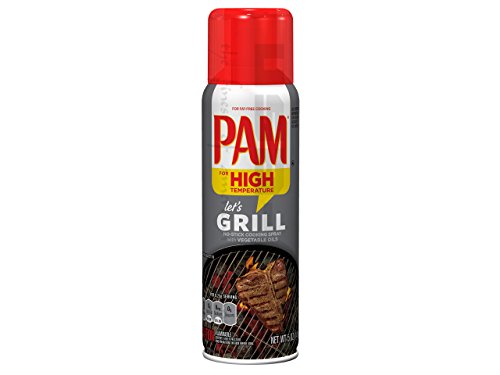
Let's be honest - anyone who grills regularly knows the struggle of food sticking to the grates. You flip a burger and half the patty stays behind. You try to slide a salmon fillet off and it tears apart. That's where this PAM No-Stick Cooking Oil Spray for Grilling comes in. It's not just any cooking spray - it's a high-temperature formula made with 100% natural vegetable oil, designed specifically for the intense heat of grilling. Whether you're firing up a gas grill in the backyard, lighting charcoal at the campsite, or cooking on a flat top at a tailgate, this little 5 oz can makes a big difference.
This spray is perfect for backyard grillers, BBQ enthusiasts, campers, tailgaters, and RV owners. If you regularly cook outdoors and want to keep your food intact while cutting down on added fats, this is for you. The high heat formula means it won't burn off or create excess smoke the moment it hits a hot grate. Just a quick spritz before you lay down your chicken, burgers, veggies, or fish creates a thin, even layer that keeps everything from bonding to the metal. It's especially handy for sticky foods like marinated meats or delicate items like shrimp and asparagus.
In real-world use, this spray delivers consistent non-stick performance. On a standard gas grill preheated to 450°F, I sprayed the grates lightly before adding chicken thighs and they released cleanly with no tearing. On a charcoal kettle for low-and-slow ribs, the spray prevented the rub from sticking to the grates during the first few minutes of searing. Even on a portable camping stove with a small griddle, it kept eggs and pancakes from sticking without needing a ton of butter or oil. The flavor is neutral - you won't taste it over your seasoning or smoke profile.
Build quality of the can itself is standard - it's a small aerosol can with a nozzle that delivers a fine mist. The 5 oz size is compact enough to throw in a cooler or backpack for camping trips. One limitation: if you're cooking for a crowd (say, 20+ burgers at a tailgate), you might run through a can quickly. The spray can be a bit wasteful if you over-apply, but a light coating is all you need. The nozzle can also clog if left in a hot car or if the can is stored upside down - keep it upright and at room temp.
Cleanup after grilling is noticeably easier. Grate scraping takes half the effort because food residue doesn't get baked on as hard. A quick brush and wipe and you're done. This spray also helps reduce flare-ups by creating a barrier that keeps oils from pooling on the grates. For campers and RV cooks, the portability and ease of use are huge pluses - no need to carry a bottle of oil and paper towels to grease a grate.
Realistically, this spray is a convenience product. It won't replace a good marinade or a well-seasoned cast iron skillet. But for outdoor cooking - especially when you're dealing with hot grills, uneven heat, and windy conditions - it's a reliable tool. The natural vegetable oil base is a nice touch for those who avoid artificial ingredients. If you grill a few times a week, buy a couple of cans to keep in your kitchen and your camping gear. For the price, it's a small investment that saves food, time, and cleaning effort. Highly recommended for any outdoor cook who wants less sticking and more enjoying.

Pros
- All-natural, plant-based formula is safer for you and the environment compared to harsh chemical cleaners.
- Effectively removes grease and residue while building a natural seasoning layer on grates.
- Light citrus scent is pleasant and does not affect food flavor.
- Works well on multiple surfaces including stainless steel, making it versatile for grill maintenance.
Cons
- May require more effort for heavily charred residue compared to abrasive chemical cleaners.
- Only available in an 8-ounce bottle, which may not last frequent grillers as long as larger sizes.
If you are a backyard BBQ enthusiast or a weekend camper who enjoys cooking over an open flame, you know that cleaning the grill is often the least fun part of the experience. The CARON & DOUCET BBQ Grill Cleaner Oil offers a refreshingly natural approach to this chore. Made from 100% plant-based refined coconut oil and scented with citrus essential oils, this product is designed to remove grease and residue from your grates without the need for harsh, corrosive chemicals.
This cleaner is best suited for backyard grillers, patio cooks, and tailgaters who want a safer option for maintaining their gear. It works wonderfully with wooden scrapers or non-abrasive brushes, allowing you to gently scrub away buildup while conditioning the metal. Many grillers find that after a few uses, it helps build a natural seasoning on the grates, reducing food sticking and enhancing overall cooking performance on gas, charcoal, or pellet grills.
In terms of real-world cooking performance, this oil does not directly affect heat consistency or searing ability but indirectly improves them by keeping your grates clean and well-maintained. A clean grate ensures better heat transfer and prevents old residue from burning onto fresh food. For low-and-slow smoking or fast grilling, having a clean cooking surface is key to avoiding off-flavors. The light citrus scent is pleasant and does not transfer to your burgers, steaks, or vegetables, so your food tastes exactly as it should.
Build quality of the product itself is solid; the bottle is simple but functional, with a secure cap that prevents leaks during storage or transport. The oil is stable and will not go rancid thanks to the refined coconut oil base. This makes it a great option for campers or RV owners who want a compact, spill-proof cleaner that can be tossed into a gear bin without worry. While it does not offer wind resistance or temperature control like a grill might, it does keep your equipment in top shape for many outdoor cooking sessions.
Ease of use is straightforward: apply a small amount to a cool or warm grate, let it sit for a minute, then scrub with a scraper or brush. The oil breaks down grease effectively, and cleanup is done with a simple wipe. One realistic limitation is that for very heavy, baked-on carbon, you may need to repeat the process or use a bit more elbow grease compared to stronger chemical degreasers. Additionally, the 8-ounce bottle is compact, which is great for portability but might not last heavy users very long. Overall, this is a practical, eco-friendly tool for any outdoor cook who values natural ingredients and wants to keep their grill in great condition without the toxic stuff.


Pros
- All-natural, plant-based ingredients are safe and eco-friendly
- Effective 2-in-1 seasoning and rust protection for multiple cookware types
- Easy to apply and long-lasting - one bottle lasts many sessions
- Great for outdoor cooking enthusiasts who want a nonstick surface without animal fats
Cons
- Requires proper application and burn-off to achieve best nonstick results
- May need re-seasoning after heavy use or acidic cooking
- Some users might prefer a higher smoke point oil for initial seasoning
If you own a Blackstone griddle or any cast iron cookware, you know that keeping the surface seasoned is the key to nonstick cooking and rust prevention. The BLACKSTONE 4146 Griddle Seasoning and Cast Iron Conditioner is a dedicated product designed to make that job simple and effective. This 15.3-ounce bottle contains a proprietary blend of palm oil, shortening, beeswax, canola oil, and soy oil - all plant-based and chemical-free. It's a 2-in-1 formula that both conditions the metal and protects it from moisture, so your griddle stays ready for your next backyard BBQ or campsite breakfast.
This seasoning is best suited for backyard grillers, BBQ enthusiasts, campers, tailgaters, RV owners, and anyone who cooks outdoors on a flat top griddle or cast iron. Whether you're flipping burgers for a crowd, searing steaks for a tailgate, or cooking up a mountain of pancakes at the campsite, a well-seasoned surface makes all the difference. The plant-based formula is especially appealing to vegans and vegetarians who don't want to use bacon grease or lard on their cookware.
In real-world use, the BLACKSTONE 4146 delivers consistent results. You apply a thin layer across the cooktop, heat it until it smokes and bonds to the metal, and you're left with a slick, nonstick surface. It handles high heat well and helps prevent food from sticking, which means easier flipping and faster cleanup. The seasoning also creates a protective barrier against rust - a common issue for outdoor griddles exposed to humidity or rain. For low-and-slow cooking or fast grilling, this conditioner maintains a stable cooking surface that doesn't flake or peel.
Build quality is solid - the bottle is sturdy and the paste-like consistency spreads easily. It's designed for outdoor durability, meaning it can withstand the temperature swings and weather exposure typical of patio cooking or camping. There are no complicated steps: just scoop a small amount, rub it in, and let it burn off. A little goes a long way, so each bottle lasts through many seasoning sessions. Cleanup after cooking is noticeably easier when your griddle is properly seasoned - food releases cleanly, and you can wipe it down with minimal effort.
One realistic limitation is that this product requires proper technique to get the best results. If you apply too thick a layer, it can become sticky or gummy. Also, after heavy use or cooking acidic foods like tomatoes, you may need to re-season more frequently. But for most outdoor cooking scenarios - weekend BBQs, tailgating, camping trips, or everyday patio cooking - this conditioner works reliably. It's not a miracle cure for neglected cookware, but it's an excellent maintenance tool.
Overall, the BLACKSTONE 4146 Griddle Seasoning and Cast Iron Conditioner is a practical buy for anyone who wants to keep their outdoor cooking gear in top shape. It's especially useful for Blackstone griddle owners, but it works on any cast iron or carbon steel surface. If you're serious about nonstick performance and rust protection without resorting to animal fats or harsh chemicals, this is a solid choice. Pair it with your griddle for a hassle-free cooking experience that lasts.

Pros
- Safe to use on hot grills, directly on food or grates
- Convenient pack of 3 for long-term use or sharing
- Reduces sticking and makes post-cook cleanup much easier
Cons
- Smaller 6 oz cans may not last for very large cookouts
- Price per ounce is higher compared to standard cooking sprays
- Only available in canola oil base - may not suit all dietary preferences
The Weber Grill'N Spray is not a grill or smoker, but it’s one of those accessories that makes outdoor cooking a whole lot smoother. This is a non-stick cooking oil spray, sold in a pack of three 6-ounce cans, and it’s specifically formulated to be safe for spraying directly onto hot grills. If you’ve ever had burgers weld themselves to the grates or spent ages scrubbing after a backyard BBQ, this spray is designed to solve that problem.
It’s best suited for backyard grillers, campers, tailgaters, RV owners, and anyone who cooks outdoors regularly. Whether you’re flipping burgers for a crowd at a weekend party, searing steaks on a propane grill, or cooking breakfast on a flat top griddle at the campsite, a quick spritz of this oil helps prevent sticking and promotes even browning. The fact that you can apply it to a hot grill means you don’t have to wait for the grates to cool down - just spray, cook, and enjoy.
From a performance standpoint, the Grill'N Spray delivers consistent results. It helps create a non-stick surface without causing flare-ups, which is a common issue with regular cooking oils. The spray is light and even, so you won’t end up with oily pools. For low-and-slow smoking or fast grilling, it works equally well. Cleanup becomes noticeably easier - food residue slides off the grates, and you spend less time scraping and more time relaxing with friends and family.
Build quality? It’s a can of spray, but the nozzle is designed to deliver a fine, even mist. Weber is a trusted name in the grill world, and this product carries that reliability. The cans are compact and portable, making them easy to toss into a camping bin or tailgate cooler. They’re also safe on all grill types - gas, charcoal, pellet, and even flat tops - so you don’t have to worry about compatibility.
There are a few realistic limitations. The 6-ounce cans are smaller than standard cooking sprays, so if you’re cooking for a large group every weekend, you might run through a can quickly. The price per ounce is higher than generic supermarket sprays, but the convenience and safety on hot grills justify the cost for many outdoor cooks. Also, the oil is canola-based, so if you prefer olive oil or avocado oil, you’ll need to look elsewhere.
Overall, the Weber Grill'N Spray pack of three is a practical buy for anyone who grills, camps, or tailgates regularly. It’s not a flashy gadget, but it makes real-life outdoor cooking easier - less sticking, less cleanup, and more time enjoying good food. If you’re stocking up your grill accessories or packing for a camping trip, this is a smart addition to the cooler.
Best used on grills, smokers, flat top griddles, and camp stoves. Spray directly on hot grates before adding food, or lightly coat food items like vegetables and fish to prevent sticking. Ideal for backyard BBQs, tailgating parties, RV camping, and patio cooking. Works great for quick burgers, chicken breasts, steaks, and even delicate foods like shrimp or asparagus.
While the spray itself helps with cleanup, you should still scrub your grates after cooking with a grill brush. The oil residue will be minimal, so a quick wipe with a paper towel after the grill cools is often enough. Store the cans in a cool, dry place away from direct sunlight or heat sources. Do not puncture or incinerate the cans even when empty.
Pros
- Pure organic flaxseed oil ensures a safe, non-toxic seasoning for food contact surfaces
- Drying oil polymerizes thoroughly, creating a smooth, shiny, and truly non-stick finish
- USA grown and pressed supports local farmers and reduces supply chain issues
- Works well on both new and old cast iron grills, restoring faded seasoning
Cons
- Only suitable for cast iron surfaces; not meant for stainless steel or non-stick coatings
- Requires proper application and multiple coats for best results on heavily used grills
- Bottle size (8oz) may need frequent reordering for large grills with multiple cooking surfaces
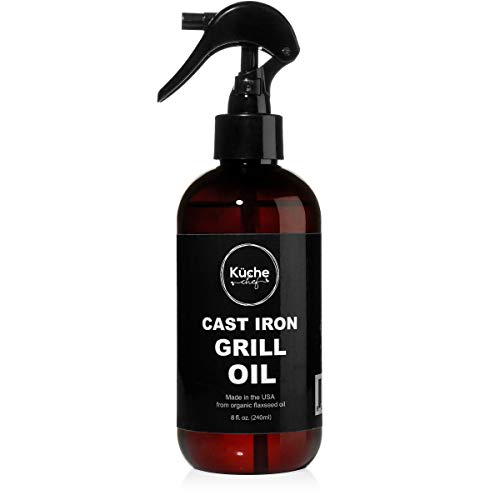
If you've ever struggled with food sticking to your cast iron grill grates or dealt with patchy, flaky seasoning, Kuche Chef's Organic BBQ Grill Seasoning Oil offers a dedicated solution. This isn't your everyday cooking oil - it's a specially formulated flaxseed oil that hardens into a durable non-stick coating through a process called polymerization. Designed specifically for cast iron grills and BBQs, it helps build, restore, and maintain the seasoning that makes cast iron so prized among outdoor cooks.
This oil is best suited for backyard grillers who want their cast iron grates to perform like new, BBQ enthusiasts who smoke meat low and slow and need reliable heat retention, campers and RV owners who depend on portable cast iron cookware, and tailgaters who want easy cleanup after searing burgers. Anyone who loves cooking over fire and values a naturally non-stick surface will appreciate what this oil does. It's especially useful for those who have struggled with sticky or rancid seasoning from other oils.
In real-world use, the oil applies smoothly and dries to a hard, shiny finish. After seasoning, food releases much easier - chicken thighs, steaks, and even delicate fish slide right off. The non-stick surface also makes cleanup faster, reducing the need for aggressive scraping that can damage the seasoning. Because flaxseed oil is a drying oil (like linseed oil), it never goes rancid, so your grill won't develop that stale, off-putting smell that sometimes happens with vegetable or canola oils. The high Omega-3 content is a bonus for health-conscious cooks, but the real win is the cooking performance.
Durability-wise, this oil forms a strong polymer layer that bonds to the iron. With proper application (thin coats, high heat), the seasoning withstands high-temperature grilling and repeated use. It won't flake off easily like some spray-on seasonings. The brand includes clear instructions on how to season your grill properly, which is helpful for beginners. The 8oz bottle is a decent size for initial seasoning and touch-ups on a typical backyard grill - expect to get several full seasons out of one bottle.
One realistic limitation is that this oil is only for cast iron. If you have a stainless steel or porcelain-coated grill, it won't be useful. Also, if you grill very frequently and at extreme temperatures, you may need to reapply a thin coat every few cooks to maintain the non-stick quality. The oil itself has a thicker consistency than typical cooking sprays, so you'll want to apply it with a cloth or brush rather than pouring directly on the grates.
Overall, Kuche Chef's Organic BBQ Grill Seasoning Oil is a practical choice for anyone serious about cast iron care in an outdoor cooking setting. Whether you're a weekend BBQ host, a frequent camper, or a dedicated tailgater, this oil helps keep your cookware in top shape. It's a simple, effective way to improve your grilling experience without resorting to chemical non-stick sprays. Just remember to season your grates after cleaning, and you'll get better food release and longer life from your cast iron.
Complete Guide to Oiling and Seasoning Grill Grates
Learning how to oil a grill comes down to two primary approaches: coating the grates directly or applying oil to the food itself. While both methods reduce sticking, oiling the grates creates a protective barrier that elevates cooking performance and prevents tearing delicate cuts. In addition to clean food release, routine oiling protects the metal from moisture and rust between backyard sessions. Achieving great results requires choosing high-smoke-point oils and adopting safe habits around open heat.
Why Oiling Grill Grates Matters for Flavor and Longevity
Clean release of delicate proteins is the immediate advantage of lubricating your grill bars. When cold meat contacts dry, hot metal, muscle proteins bind firmly to microscopic pores across the grate surface. Tearing away skin or losing charred crust on burgers ruins presentation and creates stubborn carbon deposits. A thin film of cooking oil creates a barrier that lets food sear cleanly, develop distinct grill marks, and release without sticking.
Rust prevention is an equally vital reason to maintain an oiling routine on your barbecue. Cast iron and steel grates react rapidly with ambient humidity, leading to corrosion when stored without protection. Routine oiling forms a barrier that seals the underlying metal against moisture and atmospheric salts. Applying a light layer before and after cooking protects your equipment and prolongs the lifespan of your grates.
Choosing the Best Oils with High Smoke Points
Smoke point is the primary factor when choosing an oil for high-heat outdoor grilling. Backyard grills frequently reach temperatures between four hundred and six hundred degrees, which quickly scorches unrefined fats. Oils such as canola, avocado, peanut, and refined vegetable oil feature elevated smoke points that withstand intense fire without degrading into bitter soot. Using fats that tolerate high heat ensures clean flavors and avoids tacky residue on your cooking bars.
Delicate fats like extra virgin olive oil and unclarified butter are poor choices for coating hot grill grates. Both options feature lower smoke points that burn rapidly upon contact with intense heat. Burnt oil generates acrid smoke that taints the flavor of steaks, poultry, and vegetables. Reserve these aromatic fats for post-cook basting or finishing marinades rather than using them to lubricate hot metal bars.
Polymerization is the chemical reaction that transforms liquid fats into a hard, protective seasoning layer on cast iron. Specialized blends like BLACKSTONE 4146 Griddle Seasoning and Cast Iron use plant-based fats, beeswax, and canola oil to condition metal cooktops. Other products, including Organic BBQ Grill Seasoning Oil, utilize pure flaxseed oil to form a resilient bond across iron surfaces under heat. Selecting a dedicated seasoning formula helps maintain your grates for years of reliable use.
Essential Safety Rules Around Heat and Fire
Flare-ups represent an immediate hazard whenever liquid oil drips into active gas burners or lit charcoal. Oil dripping through the grates can ignite rapidly, sending high flames toward your hands or clothing. Always apply oil sparingly rather than soaking the bars to avoid runoff into the grease tray or heat deflectors. Keeping a fire extinguisher nearby provides important peace of mind whenever you work with hot cooking fats.
Grill placement is another critical safety consideration that outdoor cooks must observe. Fuel-burning gas, charcoal, and pellet cookers must never be operated inside a garage, under covered porches, or in enclosed breezeways, even if garage doors are open. Grilling in confined areas creates severe risks of carbon monoxide poisoning and residential structure fires. Always operate your grill outdoors on a level surface, positioned well away from vinyl siding, eaves, and overhanging branches.
Aerosol cans require extreme caution near open flames and preheated cookboxes. Spraying cooking oil directly into an active fire can ignite the pressurized propellants, triggering dangerous flare-ups or sudden burns. If you choose an aerosol product, spray the grates while they are completely cold, or coat the food on a separate side counter. Adhering to these safety boundaries keeps your outdoor cooking area secure.
Method 1: The Tongs and Paper Towel Technique
The folded paper towel technique remains one of the simplest and most reliable ways to lubricate hot grates. Fold two heavy-duty paper towels into a thick, compact square about two inches wide. Clamp the folded pad securely with long-handled barbecue tongs so your hands remain safely away from direct heat. Pour a small quantity of high-smoke-point oil into a shallow heat-safe bowl for dipping.
Dip the paper towel into the oil until it is damp, allowing excess droplets to fall back into your container. You want the pad moistened with oil rather than dripping wet, which prevents flare-ups over the coals. Wipe the pad across the preheated grates from back to front, coating each rod in smooth, steady strokes. Work across the entire cooking grid until the bars display a sleek, dark sheen.
Repeating this wiping motion two or three times establishes an even, ultra-thin coating across the cooking zone. Because the application is controlled, excess oil will not pool beneath the grates or ignite unexpectedly. Place the used paper towel into a metal bowl to cool before throwing it into the trash. This quick routine takes less than thirty seconds and prepares the grates for immediate cooking.
Method 2: Dedicated Oiling Brushes and Applicators
Dedicated oiling tools provide a reusable alternative to paper towels while enhancing user comfort. Purpose-built items like the Grate Armor® Grill Grate Oiling Brush for Even Oil use heat-resistant silicone applicators to distribute cooking oil smoothly across the bars. These tools reduce waste and help keep your hands further from radiant charcoal embers or roaring burners. Reusable silicone heads also prevent stray bristles from shedding onto the cooking surface.
Silicone applicators easily conform to the curved sides of round grate rods, providing thorough coverage that flat pads might miss. Lubricating the sides of each bar prevents food from catching on the edges when flipped with a spatula. Clean these specialized brushes with warm soapy water after each session to prevent stale oil residue from accumulating. Proper tool maintenance ensures fresh flavor every time you fire up the grill.
Method 3: Applying Cooking Sprays Safely
Grill-specific aerosol sprays provide quick coverage, but they require strict safety practices during application. Products such as PAM No-Stick Cooking Oil Spray especially and Weber Grill’N Spray 6 Oz. – Pack of 3 feature high-temperature formulas designed to resist scorch marks. While certain manufacturer labels note suitability for hot grills, spraying into open flames still carries flare-up hazards. Managing these sprays safely requires careful timing before lighting the burners.
The most dependable way to use cooking spray is applying it to cold grates before starting your fire. Mist the cooking surface evenly from ten inches away, creating a fine sheen without pooling in the bottom tray. Once coated, light your burners according to the manufacturer instructions and proceed with preheating. This procedure completely avoids spraying flammable propellants near open fire while delivering even nonstick performance.
How to Oil Cast Iron Versus Stainless Steel Grates
Cast iron grates feature porous metal surfaces that absorb heated oils, creating a semi-permanent patina over time. Because cast iron rusts easily when exposed to moisture, it demands regular oiling before and after every cooking session. Wiping warm cast iron bars with a thin coat of oil builds a durable nonstick barrier that improves with repeated use. Neglecting cast iron leaves the bars vulnerable to reddish oxidation that ruins cookouts.
Stainless steel grates behave differently because the metal is non-porous and does not build a traditional seasoning patina. However, microscopic surface variations will still grab onto raw food fibers if the bars are dry. Stainless steel bars require a fresh wipe of oil right before placing the food over heat. This quick application ensures smooth release without needing hours of seasoning cycles.
Flat-top cooking surfaces require an oiling approach similar to seasoning heavy skillets. Outdoor cooks using versatile griddle and smoker combination grills must maintain an unbroken layer of oil across the broad steel plate. Pour a small amount of oil onto the warm surface, spread it thin with a scraper or cloth, and allow it to smoke lightly. This process maintains a slick cooktop that handles eggs, vegetables, and smash burgers effortlessly.
Oiling the Grate Versus Oiling the Food
Many experienced grillers prefer brushing oil directly onto the food rather than lubricating the metal grates. Applying oil to steaks, pork chops, or vegetables ensures the fat stays on the ingredient where it is needed most. This method reduces oil dripping into the burners and helps salt, pepper, and dry rubs adhere to the surface. It also minimizes flare-ups by keeping excess oil off the heat diffusers.
A dual approach works best when cooking lean proteins or delicate skin-on meats. For example, preparing crispy barbecue chicken wings benefits from oiling the grates and the chicken skin to stop tearing. The oiled grate prevents initial sticking, while the oil on the skin conducts heat evenly for uniform crisping. Use this combined technique whenever you grill flaky fish fillets, skinless chicken, or soft summer vegetables.
Post-Cook Cleaning and Conditioning
Grill maintenance should always conclude with cleaning and conditioning the metal while it is still warm. Brush away food residue using a stiff bristle-free brush or wooden scraper before the grill cools completely. Removing carbonized debris while the metal is hot requires less physical effort and prevents grease buildup from trapping moisture against the bars. Clean grates provide a sanitary foundation for your next cooking session.
After clearing away food particles, apply a light coat of oil to protect the metal during storage. Products like CARON & DOUCET – BBQ Grill Cleaner Oil use refined coconut oil and citrus extracts to condition grates without going rancid. This light layer repels ambient moisture and wards off corrosion between cookouts. Consistent care preserves the integrity of your grates and ensures your cooker is ready for spontaneous meals.
Troubleshooting Gummy Buildup and Flaking Residue
Applying excessive oil is a frequent mistake that creates a gummy, sticky surface instead of a slick barrier. When heavy layers of oil do not reach temperatures high enough to polymerize, they dry into a tacky film. This sticky varnish traps soot and food particles, causing future meals to tear. If your grates feel sticky, run the grill on high heat for twenty minutes to burn off the excess fat, then brush clean.
Flaking black residue indicates that old grease and charred marinades have formed brittle carbon scales on the bars. These scales peel away over time, clinging to fresh food and creating unpleasant textures. Scrape away the loose carbon with a sturdy scraper, wash the grates if necessary, and apply a fresh, thin coat of oil. Rebuilding the surface with light layers ensures a clean, sanitary cooking environment.
Final Practical Takeaways for Backyard Cooks
Learning proper grate lubrication transforms your outdoor cooking by preventing stuck food and protecting your equipment from rust. Matching high-smoke-point oils to your grate material, using controlled application tools, and observing backyard safety guarantees dependable results every time you fire up the cooker. Whether using tongs and paper towels or a dedicated silicone applicator, consistency is the key to longevity. Make grate oiling a routine part of your preheating ritual, and your grill will deliver excellent meals for years to come.



Write Your Review
No reviews yet. Be the first to share your experience!