


Thick layers of carbonized grease and charred marinade turn weekend barbecues into frustrating cooking sessions where food sticks and flames flare up uncontrollably. Figuring out how to clean caked on grill grates restores cooking performance, prevents unwanted bitter flavors, and keeps your outdoor cooking setup sanitary. Maintaining clean cooking surfaces also ensures that your meat releases cleanly without tearing delicate crusts or leaving half your meal behind on the metal bars. Setting up a dedicated rolling BBQ prep table next to your cooker provides a sturdy station to stage your supplies, scrapers, and cleaning rags before you tackle tough residue.
Whether your cooker uses heavy cast iron, durable stainless steel, or porcelain-coated steel rods, baked-on grease requires an intentional combination of softening agents, proper mechanical friction, and the right heat management. Harsh scrubbing with the wrong wire bristles can permanently chip delicate porcelain coatings or leave hazardous loose wires behind on the food surface. Learning the proper methods to dissolve grease and lift heavy carbon deposits protects your equipment while extending the lifespan of your entire grill. With a reliable cleaning routine and the right specialty cleaners, you can transform blackened, neglected cooking grids into pristine cooking surfaces without damaging the underlying metal.


Pros
- Easy to use – just spray and wipe; no scrubbing or harsh chemicals needed
- Streak-free finish that actually works on stainless steel without smearing
- Safe on multiple surfaces: grills, smokers, griddles, and even patio furniture exteriors
- Effectively removes bird droppings and tough stains that other cleaners struggle with
- Leaves a pleasant, mild citrus scent (not chemical) during cleaning
Cons
- May affect printed ink on control panels, knobs, or nameplates – always test on an inconspicuous area first
- Not a heavy-duty oven cleaner; for interior grease buildup you'll need a separate degreaser
- Spray nozzle can occasionally clog if not rinsed after use with heavy grime
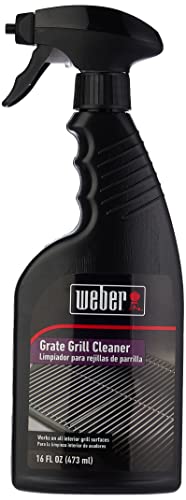
If you're someone who takes pride in your outdoor cooking setup, you know that a clean grill isn't just about looks - it's about longevity and performance. The Citrusafe Exterior Grill Cleaner is specifically designed for grill owners who want a streak-free shine without the hassle of harsh chemicals or endless wiping. This 16 oz spray is formulated to tackle the unique messes that accumulate on grill exteriors: baked-on grease, bird droppings, pollen, water spots, and that stubborn haze that can make stainless steel look dull.
This cleaner is best suited for backyard grillers, BBQ enthusiasts, tailgaters, and RV owners who use gas, charcoal, pellet, or flat top grills. If you've ever spent time scrubbing your grill's exterior only to be left with smudges and streaks, you'll appreciate how Citrusafe's formula dries clear every time. It works on stainless steel, painted metal, and even some plastics and glass surfaces, so you can use it on smokers, side burners, and patio cooking stations without worry. Just spray, wipe, and admire the mirror-like finish.
From a practical standpoint, this cleaner makes post-cookout cleanup much faster. After a weekend of smoking brisket or flipping burgers for a crowd, grease and smoke residues can cling to your grill's hood and sides. A quick spritz of Citrusafe lifts that grime without requiring elbow grease or multiple passes. The spray is non-abrasive and won't scratch polished stainless steel, which is a common concern with abrasive powders or steel wool pads. It also handles bird droppings and tree sap that can accumulate if you keep your grill outside year-round.
Build quality of the product itself is solid. The 16 oz bottle is easy to handle, the trigger sprayer delivers a fine mist, and the formula is made in the USA. One limitation you should be aware of: the manufacturer warns that some printed inks on control knobs, control panels, or brand nameplates may be affected. So always test on a hidden spot before going all out. This isn't a flaw unique to Citrusafe - most solvent-based cleaners can interact with silkscreened printing. For those areas, a simple damp cloth is safer.
In terms of real-world use, this cleaner shines after every grill session. Whether you're a weekend warrior who grills burgers and steaks or a dedicated pitmaster who does low-and-slow cooks, the exterior of your grill accumulates a layer of grease and smoke residue that can attract more dirt. Regular use of Citrusafe helps maintain that like-new appearance and protects against corrosion from moisture and bird droppings. It's also great for cleaning around handles, thermometer bezels, and grease tray openings where gunk builds up.
Overall, the Citrusafe Exterior Grill Cleaner is a practical, effective tool for any outdoor cook who values a clean, streak-free grill. It's not a heavy-duty interior degreaser - for that you'll want a separate product - but for keeping your pride and joy looking sharp, it does the job beautifully. If you own a stainless steel gas grill or a charcoal kettle and want to keep it showroom fresh with minimal effort, this is a solid buy. Just remember the printed surface warning and you'll be all set.

Pros
- Effectively cuts through tough, baked-on grease and char from grills and smokers
- Non-toxic, plant-based formula is safe for use around food and family
- Works on multiple surfaces including grates, stovetops, and ovens
- Pleasant citrus scent instead of harsh chemical odors
Cons
- May require extra scrubbing or soak time for heavily caked-on residue on grill grates
- Spray bottle could be more durable for repeated use in outdoor environments
If you spend any time firing up a grill or smoker in your backyard, you know the drill: great food, great flavor, but eventually a sticky, charred mess on the grates. The CITRATIDE Grill and Oven Cleaner Spray is built to tackle that exact problem. It's a heavy-duty, plant-based citrus degreaser that breaks down baked-on food, grease, and char without the harsh chemical fumes you get from traditional oven or grill cleaners.
This cleaner is powered by natural d-limonene, a citrus solvent that's been used for decades in industrial degreasers. It works by dissolving tough grime on contact, so you can spray it on your BBQ grates, smoker racks, or even your stovetop and let it do the heavy lifting. Because it's non-toxic and free from caustic chemicals, it's safe to use in kitchens and around food prep areas. That's a big plus for anyone who cooks a lot and doesn't want chemical residue near their next meal.
The 32-ounce spray bottle is a practical size for regular use. It's not a one-and-done cleaner; you'll likely need it after every few cooking sessions, especially if you're a fan of low-and-slow smoking or high-heat searing. The spray nozzle delivers a good, even mist that covers grates and surfaces without wasting product. For heavily caked-on residue, you may want to let it sit for a few minutes or give it a light scrub, but it definitely cuts the work time down compared to scrubbing with just soap and water.
This cleaner is best suited for backyard grillers, BBQ enthusiasts, and anyone who owns a pellet smoker, electric smoker, or flat top griddle. It's also a solid choice for campers and RV owners who want a non-toxic option to clean their portable grills and cooktops. The plant-based formula means you're not dealing with harsh chemical smells or fumes, which is a relief when you're cleaning in a small space like a camper or on a patio near where you're about to eat.
Build quality is solid for a cleaner: the bottle is a standard HDPE plastic, and the label is clear and informative. It's made in the USA, which adds a layer of trust for those who prefer American-made products. The only real limitation is that for extremely heavy, baked-on carbon buildup, you might need a bit more elbow grease or a longer soak, but that's true of most non-toxic cleaners. For regular maintenance and routine degreasing, it works great.
Overall, this is a practical, everyday cleaner for anyone who takes their outdoor cooking seriously. Whether you're cleaning up after a weekend brisket smoke, a tailgate burger session, or a weeknight pizza on the grill, CITRATIDE makes the job easier and safer. It's a smart addition to your cleaning kit, especially if you value non-toxic, plant-based solutions.

Pros
- Effective on heavy grease and charred food residue from low-and-slow smokes
- Works well on both cold and warm surfaces for flexible cleaning after grilling
- Economical - a little goes a long way for multiple cleaning sessions
- Rinses clean without leaving sticky residue that could affect food flavor
Cons
- May require multiple applications for heavily caked-on grime from years of use
- Strong chemical smell during application - use in well-ventilated area
- Not recommended for aluminum surfaces or painted grills
If you spend any time grilling, smoking, or cooking outdoors, you know the cleanup is the least fun part. This heavy-duty grill cleaner is designed to tackle exactly that chore, making it a solid addition to any outdoor cooking setup. It's a spray-on degreaser that works on BBQ grills, smokers, ovens, flat top griddles, and even camping stoves - basically anything that gets coated in grease and carbon after a cookout.
This cleaner is best suited for backyard grillers who fire up their gas or charcoal grills weekly, BBQ enthusiasts who smoke brisket low and slow, campers who need to clean their portable stove after a trip, and tailgaters who want their gear ready for the next game. If you own an RV and cook inside or outside, this is also handy for keeping the oven and grill grates spotless.
In real-world use, the cleaning performance is impressive. It cuts through baked-on grease and charred food residue without requiring heavy scrubbing. After a long smoking session where the grates are covered in black carbon, a few sprays and a short wait let you wipe it away. It doesn't completely eliminate scrubbing, but it reduces elbow grease significantly. The formula works on both warm and cold surfaces, so you can spray right after cooking or let it sit overnight on tough buildup.
Build quality is straightforward - it comes in a standard spray bottle with a trigger nozzle that delivers a wide or narrow stream. The nozzle doesn't clog easily, which is a common issue with thick cleaners. It's safe on porcelain, stainless steel, and cast iron grates, but you should avoid aluminum and painted surfaces. The spray can reach into tight corners of smoker racks and between grates, making it easier to clean those hard-to-reach spots.
Setup and use are simple: spray on, let it sit for a few minutes, scrub if needed, then rinse with water. Cleanup is quick, and the cleaner rinses away without leaving a sticky film that could affect your next meal's flavor. Storage is easy - just keep the bottle in your garage or under the sink. One limitation is that heavily caked-on grime from years of neglect may require multiple applications. Also, the chemical smell is strong, so you'll want good ventilation when using it.
Overall, this is a practical buy for anyone who cooks outdoors regularly. It saves time and effort on cleanup, which means more time enjoying your backyard parties, tailgates, or campsite meals. If you're tired of scrubbing forever after a great cookout, this cleaner makes the after-work much easier. Just remember to wear gloves and work in a well-ventilated area, and your grills and smokers will look like new after each use.

Pros
- Safe cleaning without wire bristles, protecting your family from accidental ingestion.
- Powerful citrus-based cleaner easily cuts through baked-on grease and carbon buildup.
- Kit includes everything you need: spray, brush, scrubber pads, scraper, and towel, no extra purchases required.
- Works on both hot and cool grills, offering flexibility for different cleaning routines.
Cons
- For extremely charred grates, some elbow grease may still be needed; the cleaner alone won't dissolve heavy creosote instantly.
- Scrubber pads are refillable but replacements are sold separately, adding ongoing cost over time.
- The cookbox scraper is best used on cool surfaces; it may scratch delicate porcelain coatings if used aggressively.
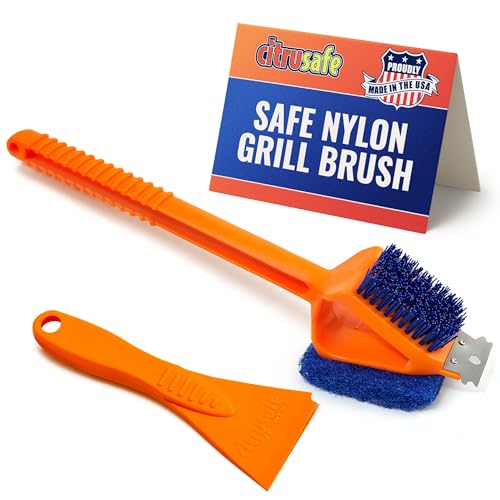
The Citrusafe Complete Grill Cleaning Kit is not your average grill cleaner. It is a thoughtfully assembled set designed to replace the dangerous wire brushes and harsh chemical sprays that many BBQ enthusiasts rely on. Instead, this kit uses a citrus-based degreaser, a nylon brush, heavy-duty scrubber pads, a cookbox scraper, and a microfiber towel to clean your grill safely and effectively. Whether you own a charcoal kettle, a propane gas grill, a smoker, or even a flat top griddle, this kit has the tools to handle the mess.
This kit is built for anyone who takes outdoor cooking seriously. Backyard grillers who fire up the Weber every weekend, campers who throw a grate over an open fire, tailgaters who need a quick cleanup between games, and RV owners who don't want wire bristles scratching their portable grills will all appreciate the safety-first approach. The stars are the Citrusafe Grill Cleaner spray, which uses natural degreasing power from citrus peels to break down grease, and the nylon brush and scrubber pads that work on a cool grill. No more burning off residue or worrying about stray bristles in your burger.
In real-world use, this cleaner shines on moderately soiled grates and cookboxes. Spray it on, let it sit for a few minutes, then scrub with the nylon brush or the heavy-duty pads. The grime dissolves quickly, and the included cookbox scraper reaches into corners that brushes miss. For a neglected grill that has months of caked-on grease, you may need to repeat the process, but the result is a cookbox that looks nearly new. The microfiber towel lifts away remaining residue without scratching porcelain or stainless steel surfaces.
Build quality of the tools is solid. The nylon brush handle is heavy-duty plastic with a comfortable grip, and the scrubber holder accepts the replaceable pads firmly. The scraper has a slim profile that fits into the tight gaps of most grills and smokers. The spray bottle has a trigger that produces a fine mist, covering grates evenly without waste. Everything in the kit is designed to be reused, cutting down on disposable grill wipes and paper towels.
Setup is simple: unpack the items and start cleaning. The spray works right out of the box, and all tools are ready to go. Transport is not an issue since it is a cleaning kit, but the spray bottle and tools fit easily in a garage cabinet or a camping tote. Storage is straightforward: keep the spray away from direct sunlight, and hang the brush and scraper to dry.
Limitations are minor. For grills with extremely heavy carbon buildup (think years of neglect), you may still need to use a metallic scraper or a second application. The scrubber pads are effective but wear out after several uses, and replacement packs are sold separately. Additionally, the nylon brush is not as stiff as wire, so it may take a bit more scrubbing on stubborn spots. Nonetheless, for routine maintenance and even deep-cleaning, this kit is a safe and effective choice. It earns a strong recommendation for any outdoor cook who wants to eliminate the risk of wire bristles and keep their cooking gear in top shape.
The Citrusafe Complete Grill Cleaning Kit comes with five essential items to tackle every part of your grill or smoker. You get a 16oz bottle of Citrusafe Exterior Grill Cleaner (also safe for interior use), a heavy-duty nylon brush with an integrated cookbox scraper, a scrubber handle plus three replaceable scrubber pads, a separate cookbox scraper for tight areas, and a premium microfiber cleaning towel (color may vary). Together, they cover cleaning from grates to hoods to side tables. Everything is manufactured in the USA by Bryson Brothers, a brand focused on safer outdoor cooking products.
For best results, clean your grill when it is cool to the touch. Spray the Citrusafe cleaner liberally onto grates and cookbox surfaces, let it sit for 3-5 minutes to loosen grease, then scrub with the nylon brush or scrubber pads. Use the cookbox scraper for baked-on residue in corners. Wipe away residue with the microfiber towel, then rinse with water if desired. For routine maintenance after each cook, a quick spray and wipe keeps grates looking new. The scrubber pads can be replaced when they become worn; replacement pads are available separately. The spray lasts through many cleanings, making this kit a great value for frequent grillers.

Complete Guide to Restoring and Cleaning Caked-On Grill Grates
Caked-on grill grime is more than an aesthetic nuisance; it directly affects cooking heat, food safety, and flavor quality. Layers of black crust consist of burnt animal proteins, polymerized fats, and carbon residue accumulated over multiple cookouts. Removing this stubborn buildup requires breaking down the chemical bonds of baked oils without damaging the protective surfaces of your cooking grates. By choosing the right cleaning solvents, mechanical scrapers, and heat techniques, you can restore your cooking surfaces to peak condition while preserving the integrity of the underlying metal.
Understanding Why Grill Residue Cakes and Carbonizes
Every time you grill meats, marinades containing sugars and acidic sauces drip directly onto heated cooking grids. High temperatures quickly evaporate water from these liquids, leaving behind concentrated sugars and fats that undergo rapid caramelization. As subsequent cooking sessions introduce additional heat cycles, these deposits bake into dense, rock-hard carbonaceous layers. This baked crust acts as an unwanted thermal barrier that prevents clean heat transfer from your burners or coals.
Carbonized deposits also create microscopic crevices where meat fibers grip tightly, leading to stubborn sticking and shredded food. Furthermore, old grease deposits frequently release acrid, stale smoke that taints the flavor of delicate meats and fresh vegetables. If left uncleaned over long periods, accumulated grease inside the cookbox can ignite into dangerous flare-ups that are difficult to extinguish. Addressing this buildup proactively protects your grill hardware from accelerated corrosion caused by trapped moisture and organic acids.
Identifying Your Grate Material Before Cleaning
Cooking grates are manufactured from three primary materials, and each material demands a specific cleaning approach. Cast iron grates provide exceptional heat retention and searing capabilities, but they are vulnerable to moisture and corrosion. Stripping cast iron with caustic chemicals removes the protective seasoning layer, which means you must re-oil and cure the iron immediately after washing. Never leave bare cast iron soaking in water baths, as surface rust can begin forming within hours.
Porcelain-enameled grates feature a glass-like ceramic coating fused over steel or cast iron cores to resist sticking and rust. This glossy enamel coating makes daily wipe-downs straightforward, but the glass layer is prone to chipping under heavy impact. Using rigid steel wire brushes or sharp metal scrapers can create micro-fractures in the porcelain surface, allowing moisture to reach the raw metal underneath. Once the enamel chips away, moisture penetrates the exposed steel, causing unsightly rust bubbles that peel the surrounding coating.
Stainless steel grates offer excellent corrosion resistance and can withstand more aggressive mechanical scrubbing than porcelain. Solid stainless rods do not chip, and they tolerate soaking in commercial degreasing solutions without rusting. However, stainless steel tends to develop heat discoloration and tenacious grease stains that require targeted chemical emulsification to dissolve. Knowing the exact material of your cooking grids prevents costly damage and helps you select safe cleaning solutions.
Safe Cleaning Tools: Avoiding Wire Bristle Hazards
Traditional metal wire brushes have long been a common backyard tool, but medical organizations routinely warn against their potential dangers. Thin steel bristles can detach from worn wooden or plastic brush blocks and stick silently to greasy grate surfaces. When you place burgers, steaks, or vegetables on the grill, these loose metal needles can embed in the food and cause severe internal digestive injuries if swallowed. Switching to safer alternatives completely eliminates this health hazard without sacrificing cleaning effectiveness.
Modern bristle-free scrubbers use wound stainless steel coils, high-density abrasive pads, or textured steam wipes to scour cooking bars safely. Tools such as the Grill Rescue Grill Brush with Scraper rely on thick aramid fiber pads that use water and steam rather than loose bristles to lift baked debris. Rigid brass-wire scrapers and notched wooden paddles also provide strong mechanical scraping that contours to the shape of your cooking rods over time. Wooden scrapers develop custom grooves matching your grate spacing, allowing you to scrape top and side surfaces simultaneously.
Nylon bristle brushes offer another safe mechanical scrubbing option when paired with liquid degreasers on completely cooled grills. Non-metal nylon bristles will not scratch enamel coatings or leave sharp metal fragments behind. However, nylon bristles melt instantly if exposed to high heat, so you must always confirm that the cookbox has cooled to ambient room temperature before starting. Dedicated cookbox putty knives and curved plastic scrapers also help clear accumulated debris from the firebox walls and grease trays.
Step-by-Step Degreasing for Cold Grill Grates
Cleaning your grill while it is completely cold provides a controlled environment where specialty degreasers have ample time to dissolve baked grease. Formulations like the CITRATIDE Grill & Oven Cleaner Spray or the cleaners in the Citrusafe Complete Grill Cleaning Kit harness natural d-limonene from citrus peels to break down polymerized oils. Citrus-based solvents cut through sticky carbon deposits without releasing harsh chemical fumes around your food-prep areas. This cold-cleaning approach is ideal for deep seasonal refreshes or thorough post-cookout detailing.
Begin the process by clearing loose ashes, dry debris, and burnt food particles from the grates using a flat cookbox scraper or wooden paddle. Shake your citrus degreaser bottle thoroughly, then apply a generous, even coating across every cooking bar and cross-brace. Allow the foaming or liquid formula to dwell on the surfaces for several minutes so the active surfactants can penetrate hardened grease bonds. Avoid letting the degreaser dry completely in direct sunlight, as wet chemistry is necessary for lifting carbon deposits.
Once the cleaner has softened the caked buildup, scrub the grates vigorously using a heavy-duty abrasive pad or a stiff nylon brush. Work along the length of each bar rather than across them to maximize surface contact and loosen stubborn side deposits. Wipe away the suspended grease and dissolved slurry using a damp microfiber towel or disposable shop rags. Finish the cleaning session by rinsing the grates thoroughly with clean water to remove any residual cleaner before your next cookout.
The Power of Steam Cleaning on Warm Cooking Surfaces
Steam cleaning harnesses thermal energy to break down grease without relying on synthetic chemicals or harsh detergents. By heating the grill grates to high temperatures, you soften stubborn animal fats and weaken the carbon layer’s grip on the metal. When cool water makes contact with the hot cooking bars, it instantly vaporizes into high-pressure steam that expands beneath the grease crust. This rapid thermal expansion pops baked-on residue away from the metal bars cleanly.
To perform steam cleaning safely, fire up your grill burners or charcoal bed until the cooking grates reach high cooking temperatures. Turn off the heat source or lower the burners before cleaning to avoid open flames licking up around your hands. Dip a heavy-duty steam cleaning head or a folded wet cotton towel clamped in long barbecue tongs into a bucket of clean water. Firmly wipe down each cooking bar, allowing the resulting cloud of steam to lift softened carbon and grease splatters.
Always wear heat-resistant barbecue gloves during steam cleaning to protect your hands and forearms from hot water drips and vapor burns. Work steadily from the back of the grill toward the front so you do not reach over active steam plumes. Rinse your cleaning pad frequently in clean water to wash out accumulated grease before taking another pass across the grates. Once you complete the steam cleaning cycle, wipe down the cooking surface with a dry cloth to prevent lingering water spots.
Deep Soaking Solutions for Severe Carbon Buildup
When cooking grates have suffered years of neglected maintenance, surface spraying and spot scrubbing may not penetrate the thickest carbon armor. Removing the grates entirely and submerging them in a deep soaking bath allows cleaning agents to soften residue from all sides. You can use a large plastic storage tub, a dedicated utility sink, or heavy-duty contractor trash bags to create a soaking chamber. Place the grates flat inside your chosen container so the cleaning liquid maintains continuous contact with the metal.
For a powerful commercial treatment, products like the GreaseKiller BBQ Grill Cleaner Spray provide dense foaming coverage that clings to vertical grate surfaces. Alternatively, an eco-friendly homemade soaking solution combines warm water, concentrated dish soap, and baking soda. The alkaline properties of baking soda help saponify stubborn animal fats and neutralize acidic marinades stuck to the metal. Allow the grates to soak for at least one to two hours, or let heavily crusted grates sit submerged overnight for optimal softening.
After the soaking period ends, remove the grates and place them on a wash pad or grass area away from delicate stone patios. Scrub the softened sludge using a coarse nylon scouring pad or a brass-bristle brush, which removes loosened carbon without cutting into solid steel. Rinse the grates with a high-pressure garden hose nozzle until all soap suds and black sludge wash away completely. Dry the grates immediately with clean towels to prevent flash rusting on bare metal surfaces.
Cleaning Internal Components and Smoker Hardware
Focusing solely on the top cooking grates leaves hidden grease reservoirs inside the firebox that can compromise heat distribution and ignite dangerous grease fires. Directly below the grates, gas grills feature heat tents or flavorizer bars that protect burner tubes from direct drippings. These angled metal deflectors accumulate thick carbonized crust that should be scraped clean using a flat putty knife. Smoker enthusiasts who run wood chips inside smoker boxes should also inspect surrounding heat deflectors for creosote accumulation.
Creosote forms when wood smoke condenses on cooler metal components, creating a bitter, tar-like coating that flakes off into your food if ignored. Scraping your internal smoker accessories and baffle plates regularly prevents acrid smoke flavors from overpowering slow-cooked barbecue. Slide out the bottom grease tray or catch pan and scrape solidified grease deposits into a disposable container for safe disposal. Clearing these lower channels ensures that molten fat drains smoothly into grease cups rather than pooling near active burners.
Differences Between Gas, Charcoal, and Pellet Cooker Upkeep
Cleaning requirements vary significantly depending on the fuel type and airflow design of your specific outdoor cooker. Charcoal grills produce fine wood ash that mixes with falling meat fats to create a cement-like paste inside the bowl. If this paste remains inside the cooker, it traps ambient humidity and accelerates rust through the lower air damper vents. Sweeping out cold ashes after every cookout keeps the firebox dry and prevents air intake blockages during future grilling sessions.
Gas grills generate little ash, but spider webs, insect nests, and falling grease can clog tiny burner port holes over time. When burner ports become clogged with charred drippings, the grill heats unevenly and produces yellow, inefficient flames. Inspect your gas burner tubes during deep grate cleanings and brush the ports gently with a brass wire brush perpendicular to the holes. Keeping burner tubes clear ensures consistent heat output across your entire grate area.
Owners of large pellet smokers must manage both wood pellet fly ash and heavy grease runoff across wide heat diffuser plates. Pellet cooker grates often accumulate sticky smoke residues that combine with fat into a gummy varnish. Never use wet hose methods directly inside a pellet cooker firebox, as moisture ruins the internal electronic igniters and turns pellet fuel into expanding sawdust. Instead, remove the grates and drip pans for outdoor washing while vacuuming dry pellet ash from the fire pot with a shop vacuum.
Re-Seasoning and Protecting Grates Against Rust
Deep cleaning strips away accumulated grease, but it can also expose raw metal to oxygen and atmospheric moisture. Cast iron and non-enameled carbon steel grates require immediate re-seasoning to establish a protective non-stick patina. Apply a thin, even coat of high-smoke-point cooking oil, such as canola, grapeseed, or avocado oil, over all surfaces of the clean, dry grates. Use a clean lint-free cloth to buff the oil until the metal appears almost dry, leaving no pooling droplets behind.
Place the oiled grates back into the grill and heat the cooker to approximately four hundred degrees Fahrenheit for forty-five minutes. This heat cycle causes the fatty acids in the oil to undergo polymerization, bonding a slick, hard protective layer directly to the metal pores. Repeating this light oiling routine periodically preserves the non-stick surface and prevents humidity from causing red oxidation during storage. Even stainless steel grates benefit from a light wipe of cooking oil before preheating to reduce food adhesion during delicate cooks.
Routine Maintenance Habits to Prevent Future Buildup
Preventing thick carbon buildup requires simple, consistent habits rather than infrequent marathon scrubbing sessions. At the conclusion of every cookout, close the grill lid and leave the burners on high or open charcoal vents for ten minutes to burn off excess drippings. This brief burn-off carbonizes soft food residue into dry, friable ash that brushes away effortlessly. Give the warm cooking bars a swift sweep with a safe bristle-free scrubber or wooden scraper before closing up your grill.
Oiling your food lightly rather than heavily coating the grate bars directly reduces excessive dripping and minimizes flare-up charring. When cooking with sweet, sugar-laden barbecue sauces, wait until the final ten minutes of grilling before applying them to the meat. Brushing sugary glazes on meat too early causes sugars to burn instantly on the cooking grids, creating the exact stubborn crust you want to avoid. Establishing these minor cooking adjustments keeps your grates clean and ready for your next backyard gathering.
Maintaining clean, high-performing grill grates requires matching the right cleaning method to your specific grate material and buildup severity. Combining plant-based degreasers, safe non-metal scrubbing tools, and regular post-cooking burn-offs protects your equipment while ensuring delicious, uncontaminated food. Inspect your cooking grids regularly for signs of wear, maintain a dry firebox, and re-oil bare metals promptly to enjoy spotless, reliable grilling year after year.






Write Your Review
No reviews yet. Be the first to share your experience!