


Starting a cookout should feel exciting rather than intimidating, yet learning the fundamentals of fire management and equipment preparation trips up many beginners. Whether working with liquid propane, natural gas, charcoal briquettes, lump hardwood, or specialized portable units, knowing how to start a grill safely establishes the foundation for delicious meals and consistent cooking temperatures. Having your fuel ready and keeping tools organized on a sturdy outdoor prep table simplifies the entire ignition process.
Different grill types require distinct lighting rituals, from opening the lid on a gas grill before turning on the burners to building an efficient charcoal chimney. Safety always takes priority, meaning you should never operate a grill in an enclosed space such as a garage or breezeway regardless of door openings. By understanding proper airflow, ignition order, and basic heat regulation, outdoor cooks can eliminate frustrating flare-ups and create the ideal cooking environment every single time. Consistent fire management turns casual weekend cookouts into seamless outdoor cooking experiences.



Pros
- Fast and consistent ignition with excellent airflow design.
- Built like a tank – premium ductile iron means years of reliable service.
- Compact and lightweight enough to toss in a camping kit or tailgate gear.
- Works for both charcoal and firewood, adding versatility for different outdoor cooking setups.
Cons
- Small capacity – best for small to medium charcoal loads; not ideal for large offset smokers or huge campfires.
- Takes time to cool down after use – you can't immediately pack it away.
- May require practice to get the lighting technique down perfectly with different fuel types.
The Brutal BBQ Fireguard is a simple but brilliantly effective tool for anyone who regularly lights charcoal or firewood. Instead of fumbling with lighter fluid, chimney starters, or newspaper, this compact ductile iron device lets you stack your fuel inside and light a small fire beneath it. The built-in air inlet feeds oxygen directly into the base, creating a powerful updraft that gets your charcoal glowing in about 10 to 15 minutes. It works equally well with lump charcoal, briquettes, and even small pieces of firewood for a fireplace or campfire.
This fire starter is built for real outdoor use. The high-grade ductile iron casting feels solid in your hands and resists the kind of warping or rusting you see with cheaper steel chimneys. You don't need any maintenance beyond shaking out the ashes once it's cool. That ruggedness makes it a great companion for backyard grillers who want a dependable tool every weekend, as well as campers and tailgaters who need something that can survive being tossed in a truck bed or gear bin.
When it comes to cooking performance, the Fireguard shines at getting your coals ready fast and evenly. Because the airflow is optimized, you get a consistent bed of hot embers without cold spots. That means better searing ability on steaks or burgers and more reliable heat for low-and-slow smoking if you're using a charcoal smoker. It's also great for patio cooks who want to avoid chemical starters that can leave off-flavors on the food.
Portability is a big plus. The Fireguard measures just over nine inches tall and about four inches wide – small enough to fit inside most kettle grills, portable camp grills, or even your camping stove bag. It doesn't take up much space in your trunk for tailgating or in an RV storage compartment. The only limitation is capacity: it can hold enough charcoal for a two-burger grill session or a small campfire, but if you're running a large offset or cooking for a big crowd, you may need to do two batches.
Cleanup is about as easy as it gets. Once the Fireguard cools completely (and you should definitely wait until it's at room temperature before handling), just give it a shake to remove the ash. No water, no soap, no scrubbing. The iron may develop a natural patina over time, but that doesn't affect performance. Just avoid getting it wet while it's hot to prevent any thermal shock.
Overall, the Brutal BBQ Fireguard is a smart upgrade for anyone who lights charcoal or firewood regularly. It's not a complete grill or a huge chimney starter – it's a focused tool that does one job very well. If you're a backyard BBQ enthusiast who wants to ditch lighter fluid, a camper looking for a compact fire starter, or a tailgater who wants quick hot coals, this is a solid buy. Just keep its size in mind and you'll appreciate the simplicity and durability it brings to your outdoor cooking routine.
The Brutal BBQ Fireguard is most useful for small to medium grilling sessions. Use it to light charcoal for a Weber kettle, a portable camping grill, or a fire pit in your backyard. It's also perfect for camping trips when you want a quick campfire for cooking or warmth without messing with liquid starters. Tailgaters will appreciate how fast you can get coals ready for burgers and brats before kickoff. It even works as a decorative piece on a mantle or patio table when not in use – just be sure the fire is out and it's cool before bringing it inside.


Pros
- Tailored specifically for flat-top gas griddle heat zones and oil techniques
- Diverse recipe selection spanning breakfast spreads, street food, and crowd-pleasing dinners
- Clear instructions that make high-volume backyard entertaining straightforward
- Compact paperback size fits nicely on outdoor prep tables or inside an RV pantry
Cons
- Paperback binding requires care to avoid oil splatters and outdoor moisture damage
- Focuses exclusively on flat-top griddling rather than traditional grate grilling or low-and-slow smoking
Outdoor flat-top cooking differs significantly from standard grate grilling, requiring specific heat management, spatial awareness, and oil control. Blackstone Griddling serves as a practical, hands-on recipe manual engineered specifically for outdoor gas griddle enthusiasts. Whether you are running a four-burner station on your patio, packing a tabletop griddle for a weekend campsite, or firing up breakfast outside the stadium on game day, this guide provides actionable inspiration. It caters directly to backyard cooks, RV owners, tailgaters, and outdoor entertainers who want to push their flat-top setup past the basics.
The strength of any flat-top cookbook rests on how well it translates high surface heat into exceptional food. The recipes in this collection leverage the natural strengths of cold-rolled steel griddles: intense searing capability, rapid moisture evaporation, and distinct multi-zone temperature layouts. You will find reliable techniques for creating crisp diner smash burgers, balancing high-heat stir-fries without burning the aromatics, and executing large breakfast platters with synchronized eggs, hash browns, and bacon. The guidance helps you coordinate your cooking surface so every component finishes hot at the exact same moment.
Because this is a physical paperback, bringing it out near sizzling spatulas and hot propane burners requires a bit of practical consideration. The layout is clean and legible, making it easy to read recipe ratios from a few feet away on a side prep shelf. While the paper stock feels sturdy for regular indoor kitchen use, outdoor cooks will want to protect the pages from direct oil splatters, wind gusts, and sudden patio drizzle. Stashing it under your griddle prep cart or sliding it into a protective sleeve keeps it clean and ready through continuous outdoor cooking sessions.
Beyond ingredient lists, the guide reinforces essential outdoor griddle habits. Working with flat surfaces requires attentive grease trough navigation, proper squirt-bottle water deglazing, and steady scraping technique between courses. The book teaches cooks how to stage foods across cooler burner zones while keeping hot searing zones open for fresh ingredients. This layout-focused mindset helps reduce propane waste, prevents messy boil-overs, and simplifies post-cook scrape-downs before applying your final coat of protective seasoning oil.
While pitmasters looking for low-and-slow wood pellet recipes or traditional charcoal smoking advice will need to look elsewhere, this book excels at its intended focus. It bridges the gap between novice griddle ownership and confident, restaurant-quality patio cooking. If you recently invested in an outdoor gas griddle or want to breathe fresh excitement into your weekend tailgates and campsite breakfasts, this recipe manual is a worthy and affordable addition to your outdoor culinary toolkit.
Mastering a flat top griddle requires understanding surface zones rather than open flames. This guide emphasizes how to manipulate individual propane burner controls to create hot searing zones alongside low-heat holding areas on your steel plate.
From rapid street tacos to multi-portion pancake batches, the techniques outlined highlight fast surface recovery and effective spatula work that prevent overcrowding and preserve distinct food textures.
Tailgating crews and campsite cooks will appreciate the speed and simplicity of the recipes. Cooking outside requires efficient prep and minimal dirty dishware, both of which are central to griddle-style meal planning.
Backyard entertainers feeding large family gatherings can leverage the high-yield breakfast and dinner layouts, ensuring everyone gets hot food off the steel plate simultaneously without long waits between batches.

Pros
- Comprehensive coverage of all grilling methods from direct heat to smoking
- Clear illustrations make complex techniques easy to understand and apply
- Digital format means instant access on any device - no waiting for shipping
- Written by a trusted barbecue authority with decades of hands-on experience
Cons
- Requires practice to truly master the techniques - it's not a plug-and-play tool
- No physical copy for those who prefer to flip through a printed book while cooking
- Some advanced techniques assume access to specific equipment not covered in the book
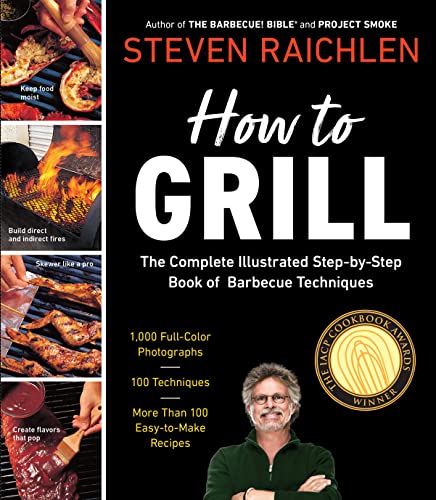
Steven Raichlen's How to Grill is more than just a cookbook - it's a complete illustrated course in outdoor cooking. Designed for backyard grillers, BBQ enthusiasts, campers, tailgaters, RV owners, and patio cooks, this digital guide covers everything from lighting a charcoal chimney to smoking a whole pork shoulder. If you've ever wanted to understand why your burgers char unevenly or how to get that perfect smoke ring, this book is your starting point.
The real strength of this guide lies in its emphasis on technique over recipes. You'll learn how to manage heat consistency for searing steaks, control temperature for low-and-slow smoking, and even how to adjust your grill for different fuel types. The step-by-step illustrations break down complex processes like indirect grilling and charcoal banking, making them accessible even for beginners. Whether you're fast-grilling burgers for a crowd or babysitting a brisket all afternoon, the methods here help you achieve better results with less wasted fuel.
Since it's a Kindle eBook, the portability factor is outstanding. You can pull it up on your phone while tailgating, reference it on a tablet at the campsite, or read it on your laptop before a backyard party. The knowledge inside is far more valuable than any single piece of gear - it teaches you how to get the most out whatever grill you own, whether it's a propane gas grill, a charcoal kettle, or a pellet smoker. For those who enjoy learning on the go, the digital format is a huge plus.
Setup and cleanup are non-issues here - you simply download the file and start reading. But like any skill-based resource, the real work happens when you step away from the book and fire up your grill. Some techniques require practice to get right, and a few assume you have specialized tools like a rib rack or a fish basket. That said, the lessons on grease management, flare-up control, and airflow are universally applicable and will improve any outdoor cook's confidence immediately.
If you're serious about improving your barbecue game, this book is a smart investment. It's not a gadget that will do the work for you, but it will teach you principles that last a lifetime. Pair it with your favorite grill and some good meat, and you'll be cooking like a pro in no time.
The Complete Guide to Lighting and Managing Any Outdoor Grill
Mastering the initial lighting process sets the tone for your entire cooking session. A clean start produces clean smoke, steady cooking temperatures, and a reliable flame that prevents stubborn food from sticking or burning. While gas, charcoal, and pellet cookers rely on different ignition principles, each format benefits from deliberate preparation and strict adherence to outdoor safety guidelines. Taking a few extra minutes to prep your cooking space ensures consistent heat and protects everyone around the patio.
Essential Safety Rules Before Lighting Any Fire
Grill safety begins with proper location selection well before you introduce an open flame or open a gas valve. Grills must operate strictly outdoors on a level, stable surface away from combustible overhangs, wooden railings, and dry vegetation. Never operate any fuel-burning grill inside a garage, breezeway, tent, or screened porch, even if doors and windows remain wide open. Carbon monoxide is an invisible, odorless hazard that accumulates quickly in enclosed spaces, presenting a lethal risk to anyone nearby.
Clearance around the perimeter of the cooker represents another critical safety requirement for backyard chefs. Manufacturers generally recommend maintaining at least ten feet of clear space between the grill body and any exterior house siding or patio fencing. Inspect the bottom grease tray and cooking chamber before every lighting cycle to remove old drippings and debris. Accumulated animal fats ignite rapidly under sustained heat, turning a normal preheat cycle into an aggressive grease fire that damages equipment.
How to Start a Gas Grill with Propane or Natural Gas
Propane and natural gas grills offer rapid heating and straightforward temperature regulation, but they require a strict sequence during ignition. Always lift the grill lid completely before opening the fuel source or engaging the electronic spark. Leaving the lid closed during ignition allows escaping gas to pool beneath the hood, creating a dangerous vapor pocket that can flash explosively upon ignition. Keeping the lid up allows excess gas to disperse harmlessly into the open outdoor air if the burner fails to catch immediately.
Once the lid is raised, open the valve on top of your propane cylinder slowly until it turns fully counterclockwise. Opening the valve too quickly can trip the internal safety bypass mechanism in the regulator, which limits fuel flow and leaves you with weak, sputtering flames. After opening the tank, turn the primary burner control knob to high and press the electronic ignition button immediately. You should hear a distinct click followed by the gentle roar of blue flames spreading across the burner tube.
Visual confirmation of the flame is necessary before you adjust additional burner dials across the manifold. Peer through the cooking grates to ensure the fire burns evenly across the full length of the primary burner tube. If the burner fails to light within five seconds, turn the control knob to the off position immediately and keep the lid open. Wait a full five minutes for lingering gas to clear before attempting to reignite the system or using a long utility lighter through the manual match port.
How to Start a Charcoal Grill Using Clean Methods
Charcoal grilling delivers robust, authentic wood smoke, but starting briquettes or lump hardwood requires patience and adequate airflow. A metal charcoal chimney represents the most dependable and chemical-free tool for igniting solid fuel. Fill the upper chamber of the chimney with the desired amount of charcoal briquettes or all-natural lump charcoal. Place one or two paraffin wax starter cubes or crumpled sheets of unprinted newspaper underneath the chimney on the bottom charcoal grate.
Light the starter cubes beneath the chimney and watch the initial smoke column begin to rise through the cylinder. The chimney draws oxygen through its lower vents, channeling heat directly upward through the packed coals like a miniature blast furnace. Within fifteen to twenty minutes, the flames will reach the top layer, and the coals will develop a visible gray ash coating across their edges. Once the coals glow red in the center and show light gray ash, they are ready for transfer to the grill bowl.
Solid cast-iron starter guards and ductile iron fire starters offer another durable alternative to disposable starters. These heavy-duty starters rest directly in the bottom bowl, funneling oxygen into dense piles of hardwood charcoal or campfire splits. Using mechanical starters or natural wood shavings eliminates the need for petroleum-based lighter fluids. Chemical lighter fluid introduces unpleasant petroleum odors into the cooking chamber that can permeate delicate meats and spoil the clean taste of your food.
Airflow regulation governs the heat level inside any charcoal kettle once the lit coals are poured onto the lower grate. Keep the bottom intake dampers fully open when establishing your initial fire, as fresh oxygen feeds combustion and brings the grill to cooking temperature. Position the top exhaust damper directly opposite the coals to pull hot air and wood smoke across the cooking surface. Closing the dampers slightly restricts airflow to lower the temperature, while shutting them completely smothers the fire when cooking finishes.
Starting Portable Grills and Field Cookers
Portable grills provide outdoor cooking capability at remote campsites, tailgates, and beach picnics where traditional patio grills cannot travel. Self-contained instant grills and pull-string charcoal units pack combustible hardwood bricks beneath a stainless steel grate, requiring only a single ignition pull or match. These compact designs often reach cooking readiness in roughly five to ten minutes, providing steady heat without hauling heavy accessory bags. Make sure portable units rest on stabilizing fold-out feet over non-flammable ground surfaces like dirt, gravel, or stone.
Wind exposure presents a common obstacle when lighting small camp cookers and tabletop grills in open fields. Strong gusts can blow out electronic ignition sparks, displace matches, or cause disposable briquettes to burn unevenly. Position your portable grill so natural wind breaks shield the fuel bed without restricting fresh air intake around the perimeter. If you enjoy diverse cooking styles on the road or in your yard, operating a griddle and smoker combo offers versatile fuel control across both flat-top steel plates and indirect smoking compartments.
Safe disposal of portable cooking materials is vital once the meal concludes and the fire burns down. Instant charcoal trays and portable fire containers remain dangerously hot for hours after the visible flame subsides. Pour water gently over spent coals or allow the unit to cool completely to ambient outdoor temperature before handling the chassis. Never pack hot metal shells or warm ashes into vehicles, camper storage bays, or plastic trash receptacles where residual heat poses a fire hazard.
Starting Pellet Grills and Modern Automatic Units
Pellet grills blend the flavor of hardwood combustion with the automated temperature management of an indoor kitchen oven. The starting sequence begins with inspecting the fuel hopper to confirm that food-grade hardwood pellets are dry and free from crumbly sawdust. Damp pellets swell and break apart, causing stubborn auger jams that prevent fuel from reaching the central fire pot. Clear any residual ash from the burn cup beneath the heat deflector plate before plugging the power cord into an outdoor GFCI outlet.
Turn the digital controller dial to the startup setting while keeping the heavy cooking lid completely open. An electric auger motor rotates slowly to feed hardwood pellets into the fire cup, where an electric hot rod ignites them. You will hear an induction fan circulate oxygen while thick white smoke billows out from the cooking barrel. Once you hear the steady roar of active flame and observe the smoke thinning to a pale blue hue, close the lid to begin preheating.
Preheating the Grates and Surface Preparation
Allowing the cooking surface to preheat thoroughly is essential regardless of whether you burn gas, charcoal, or hardwood pellets. Close the lid once active flames are established and permit the internal temperature to climb for ten to fifteen minutes. High convective heat sterilizes the metal surfaces and loosens carbonized remnants from previous cookouts. Placing cold cuts of meat onto cold steel or cast iron causes proteins to bond tightly with the grates, resulting in torn food and messy cleanup.
Scrape the heated grates using a bristle-free stainless steel coil tool or a grooved wooden scraper to strip away loosened carbon. Apply a thin coating of high smoke point cooking oil, such as canola, avocado, or grapeseed oil, across the hot grates with a folded paper towel held by long tongs. This light oil barrier creates a slick surface that promotes attractive grill marks while keeping delicate seafood and poultry from sticking. Avoid spraying aerosol cooking oils directly onto hot grates, as pressurized propellant can trigger sudden flare-ups.
Establishing Direct and Indirect Heat Zones
Configuring multi-zone heat provides the control needed to cook diverse ingredients without burning exterior surfaces before the center cooks through. On a gas grill, light the burners on one side while leaving the opposing burners off or set to low. On a charcoal grill, bank all of the glowing coals onto one half of the lower grate to form an active direct searing side and a gentle indirect zone. This dual arrangement lets you sear steaks over direct flame before sliding them onto the cooler side to finish gently.
Indirect heat proves especially valuable when rendering poultry fat or smoking ribs that require steady convective warmth rather than intense radiant char. Cooking cuts like crispy chicken wings on the grill demonstrates the clear benefit of keeping raw food away from open flames until the exterior dries out. Once the chicken renders and reaches a safe internal temperature measured with an instant-read meat thermometer, a brief pass over direct flame creates a crisp skin. Managing your heat zones ensures balanced cooking and prevents flare-ups from ruining expensive meats.
Common Ignition Pitfalls and Practical Prevention
Lighting failures usually stem from simple oversights that cooks can prevent with regular visual inspections and basic routine maintenance. Corroded burner tubes and spider webs inside venturi ports frequently obstruct fuel flow on gas grills, preventing gas from reaching the electronic spark. Cleaning burner ports with a fine wire brush and clearing venturi tubes restores smooth gas delivery and prevents uneven heat output across the cooktop. For charcoal grills, neglecting to sweep old ash from the lower basin blocks fresh oxygen intake and smothers developing coals.
Patience represents the final ingredient in establishing a stable fire that maintains steady heat throughout your entire grilling session. Rushing raw food onto charcoal that has not fully ashed over leads to foul smoke odors and unpredictable flare-ups from melting fat. Likewise, cranking gas burners to maximum output without monitoring lid thermometers can scorch grates and vaporize protective seasoning layers on cast-iron surfaces. Taking deliberate steps during every startup cycle protects your grill hardware, preserves fuel efficiency, and guarantees consistent culinary success.
Building good grilling habits begins with understanding how your equipment generates and regulates heat from the moment of ignition. Whether you turn a dial on a gas manifold, light a chimney of natural lump charcoal, or start a compact disposable grate, safety and airflow remain your primary considerations. Treat each fuel format with care, maintain adequate outdoor clearance, and confirm steady flames before placing your ingredients over the grates. Consistent ignition techniques reward you with reliable temperatures, cleaner smoke, and exceptional meals every time you cook outdoors.


Write Your Review
No reviews yet. Be the first to share your experience!