


Heavy carbon buildup and charred grease ruin the taste of fresh food, create unpredictable flare-ups, and cause delicate meats to tear upon contact. Learning how to clean grill grates correctly protects your cooking surface and ensures every meal cooks evenly. Many outdoor cooks struggle with stubborn grease that bonds to cold metal, turning an afternoon cookout into a frustrating scrubbing chore. Keeping your cooking surface clean also extends the working life of your grill while preventing old, rancid fats from tainting fresh ingredients.
A clean cooking surface starts with understanding whether you are working with raw cast iron, porcelain enamel, or stainless steel. Pair the right approach with a reliable mobile prep table setup to keep your scrapers, citrus sprays, and microfiber towels organized next to the grill. Modern cleaning tools focus heavily on safety, moving away from loose wire bristles toward woven steel fibers, contoured scouring pads, and targeted degreasing formulas. Once you establish a simple routine before and after each cooking session, maintaining clean grates becomes a fast, effortless habit.
Citrusafe BBQ Grill Grate Cleaner
Pros
- Cuts through tough baked-on grease quickly with minimal scrubbing effort
- Pleasant citrus scent makes grill cleanup less of a chore
- Safe on various grate materials including porcelain and stainless steel
- Rinses clean without leaving residue that could affect food flavor
Cons
- Liquid formula may require multiple applications for heavily neglected grills
- Not a spray – you need to apply with a cloth or brush
- Some users might prefer a foam or spray applicator for easier coverage
If you're a backyard griller or BBQ enthusiast who loves cooking over open flame but hates the cleanup, Citrusafe BBQ Grill Grate Cleaner might be exactly what you need. This 23 oz liquid cleaner is designed to break down grease, carbon, and residue on grill grates using a natural citrus-based formula. Unlike many harsh chemical cleaners, it relies on the grease-cutting power of citrus solvents and leaves behind a fresh, clean scent – not the smell of bleach or ammonia.
Citrusafe works well on a variety of outdoor cooking equipment: gas grills, charcoal grills, pellet smokers, and even flat top griddles. The liquid can be applied with a sponge, brush, or cloth, then allowed to sit for a few minutes before wiping or scrubbing away. It's especially effective on porcelain-covered grates, where it lifts burnt-on food without damaging the coating. Several verified buyers mention using it on smoker glass doors and interior surfaces with great results – a big plus for anyone who likes to keep their rig looking sharp.
One of the biggest advantages this cleaner offers is peace of mind. Because it's non-toxic and biodegradable, you can use it without worrying about chemical residue contaminating your next batch of burgers or brisket. That's a real benefit for tailgaters and campers who cook in close quarters and want a safe product that won't leave off-flavors on the next cook. The citrus scent also makes the cleaning process far more pleasant, especially when you're scrubbing down a grill after a big backyard party.
In terms of real-world performance, Citrusafe holds its own against more abrasive or toxic alternatives. On a moderately soiled grill grate, a single application with some elbow grease removes most of the gunk. For neglected grates with years of buildup, you might need to apply twice or let it soak longer. Even then, it's much easier than scrubbing with vinegar and baking soda or risking wire brush bristles. Users report that it even makes 20-year-old grates look nearly new – a testament to its grease-lifting power.
Cleanup is straightforward: after the cleaner has done its work, rinse thoroughly with water and dry. There's no sticky residue left behind, which is a common complaint with some citrus cleaners. The bottle is large enough to handle multiple deep cleans, making it a good value for regular grillers who cook several times a week. For RV owners or campers, the compact size slips easily into a storage bin without taking up too much space.
The main limitation is the liquid form – it's not a spray, so you have to apply it manually. Some users prefer a trigger sprayer for easier coverage, but that's a minor trade-off given the product's effectiveness and safety. Overall, Citrusafe BBQ Grill Grate Cleaner is a reliable, user-friendly choice for anyone who grills or smokes outdoors. It's especially well-suited for health-conscious backyard cooks, families that cook near kids or pets, and anyone who wants a cleaner that actually makes the chore less of a hassle.

Pros
- Effective on heavy grease and charred food residue from low-and-slow smokes
- Works well on both cold and warm surfaces for flexible cleaning after grilling
- Economical - a little goes a long way for multiple cleaning sessions
- Rinses clean without leaving sticky residue that could affect food flavor
Cons
- May require multiple applications for heavily caked-on grime from years of use
- Strong chemical smell during application - use in well-ventilated area
- Not recommended for aluminum surfaces or painted grills
If you spend any time grilling, smoking, or cooking outdoors, you know the cleanup is the least fun part. This heavy-duty grill cleaner is designed to tackle exactly that chore, making it a solid addition to any outdoor cooking setup. It's a spray-on degreaser that works on BBQ grills, smokers, ovens, flat top griddles, and even camping stoves - basically anything that gets coated in grease and carbon after a cookout.
This cleaner is best suited for backyard grillers who fire up their gas or charcoal grills weekly, BBQ enthusiasts who smoke brisket low and slow, campers who need to clean their portable stove after a trip, and tailgaters who want their gear ready for the next game. If you own an RV and cook inside or outside, this is also handy for keeping the oven and grill grates spotless.
In real-world use, the cleaning performance is impressive. It cuts through baked-on grease and charred food residue without requiring heavy scrubbing. After a long smoking session where the grates are covered in black carbon, a few sprays and a short wait let you wipe it away. It doesn't completely eliminate scrubbing, but it reduces elbow grease significantly. The formula works on both warm and cold surfaces, so you can spray right after cooking or let it sit overnight on tough buildup.
Build quality is straightforward - it comes in a standard spray bottle with a trigger nozzle that delivers a wide or narrow stream. The nozzle doesn't clog easily, which is a common issue with thick cleaners. It's safe on porcelain, stainless steel, and cast iron grates, but you should avoid aluminum and painted surfaces. The spray can reach into tight corners of smoker racks and between grates, making it easier to clean those hard-to-reach spots.
Setup and use are simple: spray on, let it sit for a few minutes, scrub if needed, then rinse with water. Cleanup is quick, and the cleaner rinses away without leaving a sticky film that could affect your next meal's flavor. Storage is easy - just keep the bottle in your garage or under the sink. One limitation is that heavily caked-on grime from years of neglect may require multiple applications. Also, the chemical smell is strong, so you'll want good ventilation when using it.
Overall, this is a practical buy for anyone who cooks outdoors regularly. It saves time and effort on cleanup, which means more time enjoying your backyard parties, tailgates, or campsite meals. If you're tired of scrubbing forever after a great cookout, this cleaner makes the after-work much easier. Just remember to wear gloves and work in a well-ventilated area, and your grills and smokers will look like new after each use.
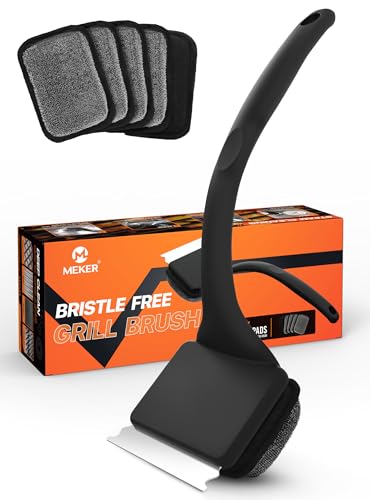
Pros
- Safe bristle-free cleaning prevents health hazards
- Reusable pads with 5 replacements offer great value
- Built-in scraper handles tough, stuck-on grease
- Easy to use with simple heat-and-scrub method
Cons
- Requires heating grill to 400°F before cleaning, which uses extra fuel
- Pads may wear out faster on heavily caked grates
- Handle length may feel short for larger grills
If you love firing up the grill for weekend BBQs or tailgating, you know the struggle of cleaning those grates. The MEKER Grill Brush is a bristle-free cleaner designed to make that job safer and simpler. Instead of metal bristles that can break off and end up in your food, this brush uses a flexible steel fiber woven pad and a cleaning cloth to lift grease and grime. It's a practical tool for backyard grillers, campers, RV owners, and anyone who wants to avoid the risks of traditional wire brushes.
Using the MEKER brush is straightforward. Heat your grill to at least 400°F for about 15 minutes, scrape off any large debris with the built-in scraper, then soak the pad in cold water and gently wipe the grates. The combination of heat and the damp pad creates steam that loosens stubborn buildup. I found it works well on both cast iron and stainless steel grates, leaving them clean without scratching. The scraper is handy for reaching between square or round bars, which is a common pain point with other brushes.
Build quality is decent for the price. The handle feels sturdy, and the upgraded adhesion system with eight screw-locked points keeps the pad firmly attached during scrubbing. The brush comes with five replacement pads, so you're set for several grilling seasons. The pads are dishwasher-safe, making cleanup after cleaning even easier. Just remember to let the pad cool down before pulling it off to replace it.
One limitation is that you need to preheat the grill to get the best results. That uses extra propane or charcoal, which might be a consideration if you're trying to conserve fuel. Also, if your grates have years of caked-on residue, you might need to scrub a bit harder or repeat the process. The handle is about 13.8 inches long, which is fine for most grills but might feel short for larger models.
Overall, the MEKER Grill Brush is a solid choice for anyone who prioritizes safety and ease of use. It's especially good for families with kids, where the risk of bristle ingestion is a real concern. For campers and tailgaters, it's compact enough to toss in a bag, and the reusable pads mean you won't need to buy replacements often. If you're a backyard BBQ enthusiast who grills regularly, this brush will help keep your grates clean without the worry.

Pros
- Comfortable ergonomic handle reduces hand fatigue during thorough cleaning
- Replaceable pads offer long-term value and consistent scrubbing performance
- Heavy-duty design tackles baked-on residue without scratching porcelain or stainless steel grates
- Affordable price point makes it a smart addition to any griller's toolkit
Cons
- Pads may need frequent replacement if used on heavily charred grates after every cook
- Not ideal for cleaning griddle surfaces or ceramic grills; best suited for standard wire or rod grates
If you've spent any time grilling burgers, chicken, or steak for a weekend BBQ, you know that cleaning the grates is the least glamorous part of the cook. The Weber Grill Grate Scrubber aims to change that. This heavy-duty scrubber is built specifically for outdoor cooking enthusiasts who want to keep their grill in top shape without wrestling with flimsy brushes or disposable pads.
This scrubber is designed for backyard grillers, tailgaters, and anyone who fires up a gas or charcoal grill regularly. It's not a cooking appliance itself, but it plays a critical role in maintaining your grill's performance. A clean grate means better heat transfer, fewer flare-ups, and that perfect sear on your steaks. The contoured handle feels natural in your hand, giving you a firm grip even when you're scrubbing away stubborn residue after a long cook.
In terms of real-world use, this scrubber does exactly what it promises. The three included pads are easy to swap out, so you always have a fresh scrubbing surface. The heavy-duty construction handles the kind of baked-on grease and carbon that builds up after smoking ribs or grilling a big batch of burgers. While it won't replace a deep cleaning with a wire brush for extremely caked-on grates, it's perfect for regular maintenance after each cook.
Durability is solid for a tool in this price range. The plastic handle holds up well to repeated use and exposure to outdoor elements, though you'll want to store it in a dry place to extend its life. The pads are the main consumable, and you'll get several uses out of each one depending on how dirty your grates get. For most backyard cooks, a single pack will last through a season of weekend grilling.
Cleanup is straightforward: just rinse the scrubber after use and let it dry. The compact size makes it easy to tuck into a grill cart or drawer, so it's always handy when you need it. One realistic limitation is that it's not designed for flat top griddles or ceramic grills, but for standard wire or rod grates, it works great.
Overall, the Weber Grill Grate Scrubber is a practical, no-nonsense tool for anyone who takes their outdoor cooking seriously. Whether you're a weekend BBQ enthusiast or a tailgater who wants quick cleanup before packing up, this scrubber delivers reliable performance at a fair price. It's a smart addition to any grill setup.
Keeping your grill grates clean is essential for great cooking results and extending the life of your grill. The Weber Grill Grate Scrubber makes this task straightforward. After each cook, allow the grates to cool slightly, then scrub with the pad to remove food residue and grease. The contoured handle gives you good leverage, so you don't have to scrub too hard.
For best results, rinse the scrubber with water after each use and let it air dry. The replaceable pads should be swapped out when they become worn or lose their scrubbing power. Depending on how often you grill, a single pad can last several sessions. Store the scrubber in a dry place to prevent any mold or mildew on the pad.
This scrubber is compatible with most standard gas and charcoal grill grates, including porcelain-coated, stainless steel, and cast iron. Avoid using it on non-stick surfaces or delicate ceramic grills, as the abrasive pads may cause scratching.
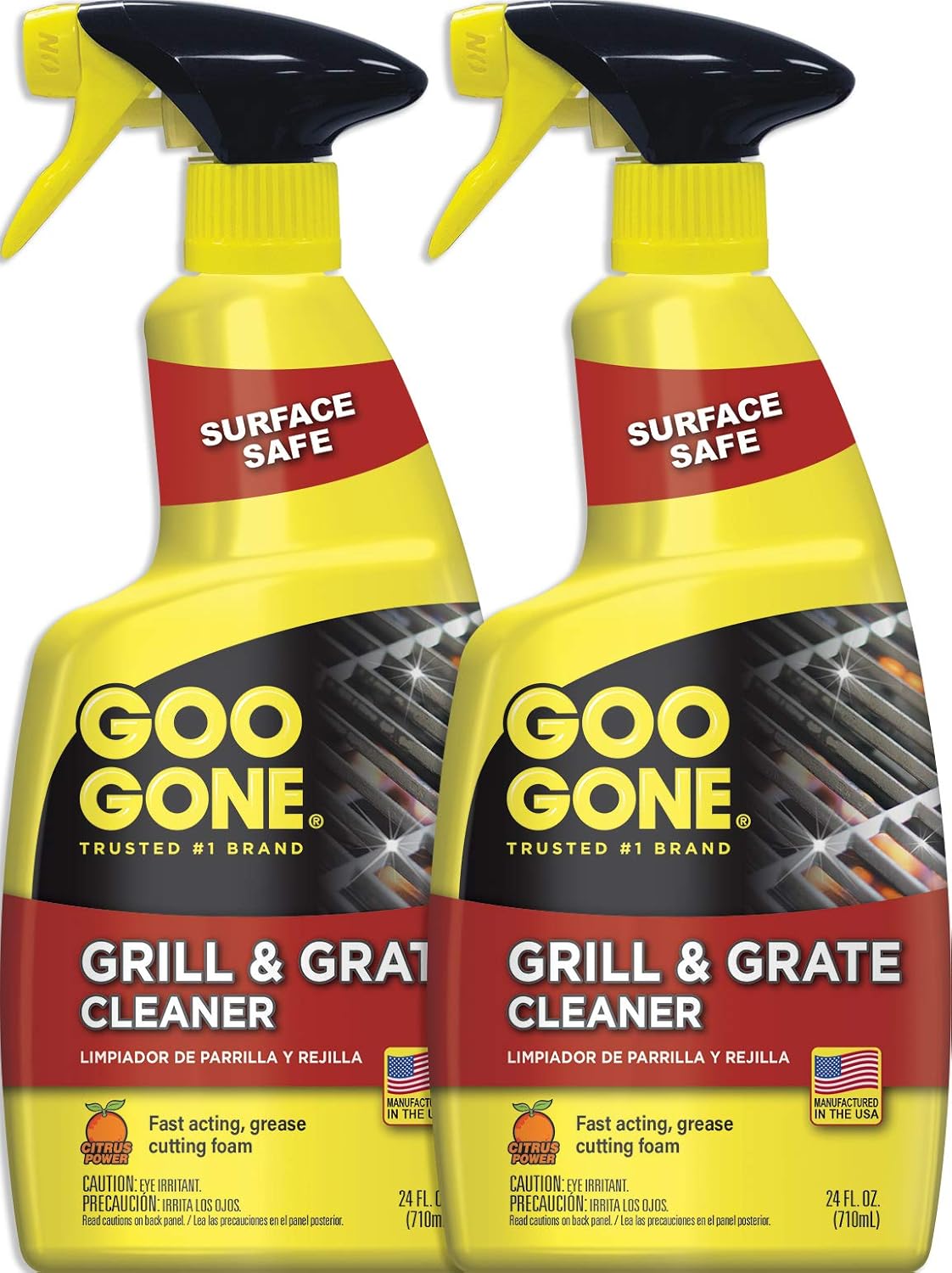
Pros
- Effectively removes stubborn baked-on grease and carbon deposits
- Biodegradable and food-surface safe (non-toxic when rinsed properly)
- Foam clings to grates and vertical surfaces, reducing waste
- Works on pellet smokers, gas grills, and electric smokers
- Helps reduce flare-ups by removing grease buildup
Cons
- Spray nozzle can be inconsistent; some users report clogging or poor spray pattern
- Foam may struggle to coat thin, closely spaced grate rods without pooling
- Do not use on aluminum or faux stainless steel surfaces (may cause damage)
- Requires thorough rinsing to avoid residue that could affect food taste
If you've ever faced down a crusty, grease-laden grill grate after a long summer of burgers, steaks, and slow-smoked ribs, you know the struggle is real. The Goo Gone Grill and Grate Cleaner Spray (2 Pack) is designed for exactly that scenario. This super-strength gel foam targets baked-on deposits, carbon, and grease that accumulate on your cooking surfaces. It's not a replacement for a good brush, but it's a powerful pre-treatment that cuts your scrubbing time drastically.
This cleaner is best suited for backyard grillers who own gas grills, pellet smokers (like Traeger), electric smokers, or even charcoal kettles. If you're a tailgater who wants to refresh your portable griddle or a home cook who hates scrubbing drip pans, this product will make your life easier. The biodegradable formula is a plus for eco-conscious outdoor cooks, and the citrus scent is a welcome change from harsh chemical smells.
In real-world use, the foam clings well to vertical surfaces—important for cleaning the inside of your smoker lid or the sides of your grill grates. After letting it sit for a few minutes (the instructions recommend 2 to 10 minutes, depending on how caked-on the grime is), a plastic brush or a stiff grill brush will lift the softened debris. Many users report success even with heavy carbon buildup, and the product helps reduce future flare-ups by removing grease that can ignite.
Build quality is straightforward: two 24-ounce bottles with trigger sprayers. The spray nozzles can be finicky—some reviewers mention they don't produce a consistent foam stream, which can make coating narrow grate rods tricky. A workaround is to pour the cleaner into a spray bottle with a better nozzle, or even soak a cloth and wipe it on. The product is safe on most metals (steel, cast iron, porcelain-coated grates) but avoid aluminum and faux stainless steel as the formula can damage them.
Ease of use is the main selling point. Remove your grates, spray on the foam, wait, scrub, rinse, and dry. For interior grill surfaces, you can spray and wipe with a cloth. The cleaner does need to be rinsed thoroughly—leftover residue could affect the taste of your next meal, so a quick rinse with water is essential. Storage is simple; the bottles stand upright and the foam doesn't separate.
A realistic limitation is that very heavy buildup may require multiple applications or a longer soak. Also, if you're cleaning a large smoker with lots of nooks and crannies, you'll use a fair amount of product. Some users with thin, closely spaced grill rods find that the foam doesn't coat evenly unless they apply it carefully. For best results, consider wearing gloves and working in a well-ventilated area. Overall, this is a reliable, affordable cleaner for regular grill maintenance. If you want to keep your outdoor cooking equipment in top shape without spending hours scrubbing, the Goo Gone Grill and Grate Cleaner is a solid choice.

Pros
- Completely safe – no metal bristles to break off and end up in food
- Effective scraping and scrubbing action on most grill grate types
- Long 18-inch handle keeps hands away from heat while cleaning
- Lightweight and easy to store in a drawer or hang on a hook
Cons
- Less effective on heavily caked-on residue compared to traditional wire brushes – may need multiple passes
- Plastic handle, while heat-resistant, may not withstand direct flame contact if dropped on hot coals
- Some users report the scraper edge dulls over time with frequent heavy use
The Weetiee Bristle Free Grill Brush is a purpose-built cleaning tool for outdoor cooking enthusiasts who prioritize safety without sacrificing performance. Unlike traditional wire brushes that can shed metal bristles into your food, this brush uses a stainless steel scraper and a flexible triple-helix design to remove grease, char, and residue from grill grates. It is ideal for backyard grillers, BBQ enthusiasts, campers, tailgaters, RV owners, and anyone who cooks on gas, charcoal, smoker, or porcelain grills.
When it comes to real-world cleaning performance, the wide scraper does an excellent job on flat surfaces and between grates. The helix head reaches into crevices and cleans the sides of rods that often get neglected. For a bristle-free brush, it handles stuck-on food surprisingly well, though you may need a bit more elbow grease on heavily burned-on debris compared to a wire brush. It works best when the grates are still warm after cooking, loosening residue quickly.
Build quality is solid for the price point. The stainless steel scraper and helix resist rust, and the plastic handle is thick with a comfortable grip that stays cool during use. At 18 inches long, it provides good reach while keeping your hands away from heat. The handle is tough and won't bend or snap, making it suitable for regular use in a backyard or campsite setting. It is lightweight enough to pack for tailgating or camping trips without adding bulk.
Setup is straightforward – the brush comes ready to use (some packages may require a simple handle attachment). Cleanup is easy: just rinse the head under water and let it dry. Storage is simple thanks to the compact size and a hole for hanging. One realistic limitation is that because it relies on scraping and a plastic core, it won't last forever if used aggressively on very dirty grates every day. But for typical weekend cooks and outdoor gatherings, it holds up well.
Overall, the Weetiee Bristle Free Grill Brush is a smart choice for anyone who values food safety and wants a reliable grate cleaner for their outdoor cooking setup. It is especially recommended for families with young children, tailgaters who cook in groups, and campers who need a portable, safe cleaning tool. If you are willing to trade a bit of brute cleaning power for peace of mind, this brush delivers solid results without the worry of stray bristles.
Keeping your Weetiee grill brush in top shape is simple. After each use, rinse the scraper and helix head under warm water to remove grease and food particles. For stubborn residue, a quick scrub with a dish brush or sponge works well. Dry the brush thoroughly before storing to prevent any moisture buildup on the stainless steel parts. The plastic handle can be wiped clean with a damp cloth. Avoid soaking the brush or placing it in the dishwasher, as prolonged exposure to water may weaken the handle over time. Store it in a dry place, preferably hanging by the hole in the handle, to keep it ready for your next BBQ session.
The Complete Guide on How to Clean Grill Grates Safely and Effectively
Clean cooking grates form the foundation of great outdoor cooking, directly impacting heat transfer, food release, and flavor. When grease, sticky marinade, and protein residue accumulate over several cooks, they create an insulating barrier that prevents clean sear marks and invites aggressive flare-ups. Learning how to clean grill grates with the right tools ensures that your steaks, poultry, and vegetables taste fresh rather than acrid. A thoughtful cleaning regimen also keeps your equipment sanitary and preserves the metal for many barbecue seasons.
Many grill owners put off cleaning because traditional wire brushes feel risky or chemical sprays seem messy. Modern cleaning gear offers effective mechanical scrapers, plant-derived degreasers, and sealed soaking methods that remove stubborn carbon without excessive effort. By matching your cleaning process to your specific cooking habits and grate materials, you can maintain pristine bars with only a few minutes of work per session. Consistent care keeps sticky residue from hardening into baked-on glaze, making every subsequent cleanup faster and easier.
The Everyday Burn-Off and Steam Routine
High heat remains your greatest ally when managing routine grease and protein deposits after dinner. Once you finish cooking and remove your food, close the grill lid and turn the burners to high, or open the vents on a charcoal kettle to raise internal temperatures. Allowing the grill grates to bake at four hundred degrees or higher for ten to fifteen minutes incinerates soft fat into dry, brittle ash. This carbonized ash detaches from the cooking bars with minimal friction, sparing you from aggressive scouring later.
Steam cleaning enhances this burn-off process by using thermal shock to release stubborn carbon deposits. Dipping a specialized heat-safe scrubber or a damp cloth into cold water before running it over hot grates creates instant vapor that loosens caramelized sauces. You should always wear protective heat-resistant grilling gloves when applying moisture to hot surfaces to avoid steam burns. Taking five minutes to burn off and brush your warm grates leaves your grill ready for the next cookout while preventing rancid fat from attracting outdoor pests.
Bristle-Free Brushes and Heavy-Duty Scrapers
Traditional wire brushes present a serious safety hazard when thin metal bristles detach and cling to cooking surfaces, creating a risk of accidental ingestion. Safer alternatives, such as the MEKER Grill Brush Bristle Free, eliminate loose wires by using continuous woven steel fibers secured with mechanical locks. This style of tool pairs a woven cleaning pad with an integrated steel scraper designed to slide between round and square grate bars. The scraper chips away thick carbon deposits, while the woven pad wipes away remaining grease without shedding dangerous metal fragments.
Scrubbers with contoured handles and replaceable scouring pads provide another reliable mechanical option for everyday maintenance. The Weber Grill Grate Scrubber, Black features a molded grip that lets you apply downward pressure directly over sticky zones without straining your wrist. For cooks who prefer an extended reach over hot charcoal or gas burners, long-handled helix scrapers like the Grill Brush and Scraper Bristle Free feature rigid stainless steel coils shaped into a continuous triple helix. The flexible geometry wraps partially around each grate bar, cleaning the top and sides simultaneously during a single stroke while keeping your hands well away from rising heat.
Breaking Down Baked-On Grease with Targeted Degreasers
Mechanical scrubbing handles surface char, but heavy grease often requires chemical degreasers to dissolve tacky oil layers. Citrus-based formulations like Citrusafe BBQ Grill Grate Cleaner, 23 FL OZ utilize natural d-limonene to cut through dense grease without introducing harsh petroleum odors. Spraying a citrus cleaner onto cool grates and allowing it to sit for several minutes softens baked-on sugar and fat. Once the formula penetrates the crust, a quick pass with a damp scrubbing pad wipes the residue clean without dulling the grate finish.
Foaming and gel cleaners provide distinct advantages when cleaning vertical warming racks or deep burner boxes where liquid sprays run off prematurely. The Goo Gone Grill and Grate Cleaner Spray (2 Pack) uses a thick gel consistency that clings to metal bars, giving active cleaning agents time to break down heavy carbon deposits. This biodegradable formula works well on cooking grates, drip pans, and smoker racks while remaining safe for food-preparation surfaces after a thorough water rinse. Always rinse your grates thoroughly with clean water after using any cleaner to remove dissolved oils and residual surfactants before lighting the grill again.
Deep Soaking Encrusted Grates in Sealed Bags
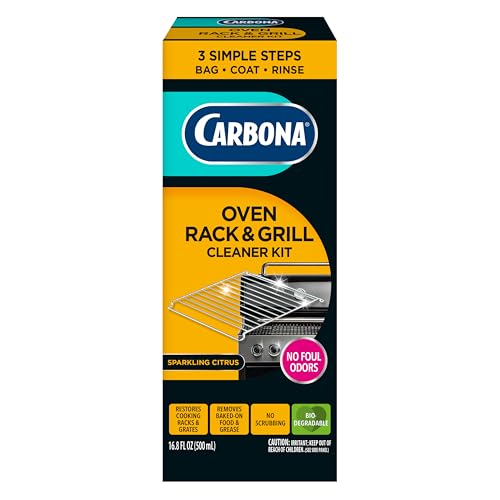
Neglected cooking grates with multiple seasons of baked-on grease often resist standard spray routines, requiring an extended soaking solution. Complete kits like the Carbona Oven Rack & Grill Cleaner Kit solve this problem by providing a heavy-duty sealable plastic bag, protective gloves, and an odor-free cleaning solution. You simply place your cold cooking grates inside the oversized bag, pour in the liquid solution, seal the top securely, and tilt the bag to coat every bar evenly. Letting the solution work undisturbed for about eight hours dissolves tough grease bonds at a molecular level.
This closed-bag technique keeps the cleaning formula active against the metal rather than evaporating into the open air or draining away into your lawn. After the soaking period concludes, remove the grates while wearing the supplied protective gloves and rinse them thoroughly under a garden hose or in a utility sink. The carbonized crust sloughs off with minimal physical scrubbing, revealing clean metal underneath. This hands-off method proves especially valuable for stainless steel and porcelain-coated steel grates at the beginning or end of your outdoor grilling season.
Adapting Your Cleaning Technique to Specific Grate Materials
Different metals react uniquely to moisture, heat, and abrasive tools, making material-specific care essential for long-term durability. Cast iron grill grates deliver exceptional heat retention and produce dark sear marks, but they require ongoing maintenance similar to a cast iron skillet. Water and acidic degreasers can strip the seasoned polymer layer, exposing raw iron to ambient humidity and rust. Clean cast iron while it remains warm using a stiff bristle-free pad, dry it thoroughly over low heat, and immediately wipe it with a thin layer of high-smoke-point cooking oil like canola.
Stainless steel and porcelain-enameled grates require different handling to preserve their surfaces. Stainless steel grates tolerate firm mechanical scrubbing, wire-free scourers, and degreasing gels without risk of rusting, though they naturally develop a bronze patina from heat. Porcelain-enameled grates feature a glass-like ceramic coating that prevents rust, but this layer is brittle and can chip if struck with sharp metal tools. Chipped enamel exposes the underlying metal to rust, so porcelain surfaces should only be cleaned with non-scratch scouring pads, soft citrus cleaners, and warm water.
Cleaning Grates on Smokers, Griddles, and Pellet Cookers
Outdoor cooking setups often incorporate diverse cooking appliances that handle fat and drippings in distinctly different ways. Smoker racks accumulate dense layers of wood creosote and rendered animal fat, which turn sticky and gummy rather than baking into dry ash due to low operating temperatures. If you operate a versatile griddle and smoker combo, you know that smoker grates require more chemical degreasing and soaking than standard high-heat gas grill bars. Degreaser sprays dissolve tacky smoke deposits effectively, allowing you to wipe smoker racks clean without needing extreme heat cycles.
Flat-top griddles and pellet cookers also require dedicated cleaning practices to protect their cooking surfaces. Griddles rely on an intact oil seasoning that should never be stripped with harsh degreasers; instead, use water steam and a flat scraper to lift debris before wiping with fresh oil. Pellet grills feature angled drip trays beneath the grates that catch grease before it reaches the fire pot. Always inspect and scrape the drip tray whenever cleaning pellet grates, as trapped grease can ignite during subsequent high-heat searing sessions and create acrid smoke.
Preventing Food Sticking and Reducing Grease Accumulation
A proactive cooking routine significantly reduces the time and effort required to clean your grill grates after the meal concludes. Preheating your grill for at least ten to fifteen minutes allows the metal bars to reach proper searing temperature before food touches the surface. When cold meat contacts hot metal, proteins quickly coagulate and release cleanly once a sear forms. Tossing delicate cuts onto lukewarm grates causes food proteins to bond with the metal, leaving torn remnants behind that burn into stubborn carbon crusts.
Applying a thin coat of oil directly to your food or wiping the hot grates with an oiled cloth creates a temporary barrier that aids food release. When cooking sweet marinades or barbecue sauces, such as basting a classic barbecue chicken wings recipe, wait until the final ten minutes of cooking before brushing on the glaze. Adding sugary sauces too early causes the sugars to caramelize rapidly and burn directly onto the grate bars, creating hard black deposits that are difficult to scrub off later. Managing sauce timing keeps your food beautifully caramelized while leaving minimal residue on the grates.
Essential Outdoor Safety and Fire Prevention
Grill cleaning often involves high heat, loosened flammable grease, and chemical cleaners, requiring strict attention to backyard fire safety. You must always operate your grill outdoors in an open, well-ventilated area away from combustible walls, low-hanging eaves, and wooden railings. Never attempt to clean, heat, or run a high-temperature burn-off on your grill inside a garage, breezeway, or enclosed porch, even with the doors wide open. Fuel-burning appliances produce dangerous carbon monoxide and present serious fire hazards that require substantial outdoor clearance under all operating conditions.
Cleaning the grates is only part of maintaining a fire-safe outdoor cooking station. Accumulated grease that drips off the grates gathers in heat tents, burner shields, and lower catch pans, creating fuel for sudden grease fires during subsequent high-heat cooking sessions. Whenever you perform a deep clean on your grates, take the time to inspect and scrape the lower firebox and empty the grease drip cup. Keeping the entire drainage pathway clear of solidified fat prevents uncontrolled flare-ups and keeps your cooking equipment operating safely according to manufacturer specifications.
Recognizing When Grates Require Restoration or Replacement
Even with meticulous cleaning, grill grates eventually experience material wear from extreme thermal cycling, acid exposure, and moisture. On cast iron grates, deep structural pitting and heavy flaking rust indicate that the metal has suffered significant oxidation beneath the surface. While light surface rust on cast iron can be scrubbed away and re-seasoned with cooking oil, deep structural degradation compromises food safety and heat distribution. If the iron bars have thinned substantially or crumble under pressure, installing replacement grates is the safest choice.
Porcelain-coated and stainless steel grates also exhibit clear indicators when they reach the end of their operational lifespan. Porcelain grates require prompt replacement if large sections of the enamel coating chip off, as exposed metal rusts quickly and ceramic fragments can contaminate food. Stainless steel grates generally last the longest, but they should be replaced if severe heat warping prevents them from resting securely or if welds break loose between adjacent bars. Replacing worn grates ensures consistent cooking temperatures and prevents damaged metal from spoiling your grilling experience.
Maintaining clean grill grates does not require hours of arduous manual labor when you build the right habits into your regular outdoor cooking routine. Combining a brief post-cook burn-off with safe bristle-free scrubbers keeps routine char manageable, while plant-based degreasers and targeted soak kits handle periodic deep cleaning without harsh fumes. Always treat your grate material according to its specific metallurgical needs, whether that means seasoning raw cast iron or protecting delicate porcelain coatings from abrasive tools. With clean, well-maintained grates ready on your patio, you can cook with confidence, enjoy pristine sear marks, and serve delicious barbecue all year long.




Write Your Review
No reviews yet. Be the first to share your experience!