


Cooking outdoors on a compact charcoal cooker brings classic smoky barbecue flavor to campsites, tailgates, and small backyard patios. Many outdoor cooks pick up a compact kettle style cooker because it offers quick setup and lightweight transport, but learning how to use expert grill portable charcoal grill units effectively requires understanding proper airflow and portion control. Small charcoal basins react rapidly to oxygen shifts, meaning a slight adjustment to the bottom damper can swing grate temperatures by fifty degrees in minutes. Preparing your cooking area alongside a mobile barbecue prep table provides a stable station for holding tongs, marinades, and fire-safe tools before you light the first briquette.
Operating a portable charcoal grill successfully begins long before meat hits the grates. You need to select the right fuel volume, position the intake dampers correctly, and establish dependable heat zones across a compact cooking grate. Rushing the lighting process or adding too many hot coals often scorches food before the interior cooks through, leaving backyard grillers frustrated. Mastering fundamental fire management turns this lightweight tabletop cooker into a reliable workhorse for searing burgers, grilling chicken, or roasting fresh vegetables anywhere outdoors.


Pros
- Dual cooking surfaces allow simultaneous open-flame grilling and flat-top searing.
- Weighs around eight pounds and folds flat for effortless vehicle packing and storage.
- Independent ventilation system keeps coals burning evenly across the firebox.
- Removable charcoal tray simplifies post-cook ash disposal at the campsite.
Cons
- Open tabletop configuration lacks a lid, making heat retention challenging on windy days.
- Shallow firebox is built for quick direct-heat searing rather than low-and-slow smoking.
- Charcoal chamber requires periodic refuel top-offs for extended cooking sessions.
The Run Jee Tabletop Charcoal Grill is a compact, dual-surface portable cooker designed to solve the common dilemma outdoor cooks face between an open grill grate and a solid griddle. By pairing a traditional wire grate with a smooth steel plancha over a dedicated charcoal firebox, it brings versatile live-fire cooking straight to picnic tables, tailgate setups, and campsite benches. It caters directly to tent campers, RV travelers, tailgaters, and patio cooks who want authentic charcoal flavor without hauling a heavy steel barrel grill.
Real-world cooking performance centers around direct-heat versatility. With hot lump charcoal or briquettes arranged beneath the cooking platform, the wire grate delivers classic flame contact and defined char marks on chicken thighs, skewers, and sausages. Simultaneously, the solid griddle section acts as an impromptu outdoor skillet, preventing delicate foods from falling through while trapping rendering fats for crispy bacon, fried eggs, and diner-style smash burgers. The split design means morning breakfasts transition directly into evening barbecues without switching hardware.
Durability comes courtesy of thickened cold-rolled steel plates across the main chassis and legs. Portable grills often suffer from thin metal that warps under intense coal beds, but the heavier gauge here resists thermal deformation and keeps the unit sitting level. Integrated fold-out legs snap open quickly and provide reliable ground clearance, helping isolate heat from picnic tables or tailgate beds. The exterior finish holds up against basic campfire handling, though keeping it out of steady rain will ensure the longest possible lifespan.
Transport and airflow management are two of this unit's strongest practical advantages. Weighing just over eight pounds and folding down to roughly four inches thick, it slips easily into car trunks, camper storage bins, or overland gear boxes. An independent bottom charcoal tray incorporates side ventilation ports, pulling fresh oxygen under the coals to keep temperatures steady while keeping settling ash separated from your food. Once the coals burn down and cool, sliding out the tray makes ash disposal straightforward and tidy.
Potential buyers should recognize the functional boundaries of an open-air tabletop design. Without a dedicated hood, this grill is not intended for smoking pork shoulders or slow-roasting thick roasts, and gusty winds will increase charcoal consumption. For straightforward outdoor cooking where you need fast setup, real charcoal taste, and simultaneous grilling and griddling for up to six people, this portable cooker offers dependable capability in a pack-and-go package.
The split cooking deck changes how you approach outdoor meal prep by eliminating the need to choose between a grill grate and a flat top. The open grate side exposes food directly to glowing coals, giving steaks, chops, and peppers rich charcoal aroma and distinct sear marks. Heat spreads quickly from the coal bed through the metal grates, providing high-heat direct cooking ideal for weeknight burgers or trail-side skewers.
Meanwhile, the flat griddle zone functions as a high-heat heat shield and frying surface. It captures rendering grease to shallow-fry breakfast potatoes and hash browns without flare-ups engulfing the food. The independent airflow underneath the fuel bed feeds continuous oxygen to your coals, maintaining a consistent hot zone across both cooking halves for predictable cooking times.
Setting up at a park, beach, or tailgate takes only seconds thanks to the integrated folding architecture. The legs fold inward flat against the frame, transforming the cooker into a compact rectangular profile that fits neatly into crowded car trunks alongside coolers and camping chairs. At roughly eight pounds, it is light enough to carry from your vehicle to a scenic cookout spot in one hand.
Post-cook cleanup is equally manageable. Because the charcoal resides in a dedicated tray separate from the main chassis, dumping spent embers into a campsite ash disposal bin is quick once everything has cooled down. Wiping down the flat griddle with a cooking towel and scraping the grate with a brass brush keeps the surfaces seasoned and ready for your next outdoor trip.


Pros
- Highly portable at just 4 pounds with a locking lid for mess-free transport.
- Dual vent system offers excellent temperature control for both fast grilling and slow cooking.
- Cooking surface is generous for a small grill, easily feeding 2-4 people.
- Quick cleanup with removable ash catcher and rust-resistant grate.
- Affordable price point makes it a great entry-level charcoal grill or backup for camping.
Cons
- Small size limits capacity for larger groups or big cuts of meat like full briskets.
- Lid does not include a built-in thermometer, so you need a separate gauge for precise temp monitoring.
- 90-day limited warranty is shorter than many full-size grills.
The Cuisinart 14-Inch Portable Charcoal Grill is a compact tabletop charcoal grill designed for outdoor cooking enthusiasts who need a portable solution without sacrificing real grilling flavor. It belongs to the small charcoal grill category, ideal for camping trips, tailgate parties, RV adventures, and even small backyard patios where space is tight.
This grill is best suited for campers, tailgaters, RV owners, and backyard grillers who want a lightweight, easy-to-transport BBQ that still delivers that classic charcoal taste. The 196 square inch chrome-plated cooking grate provides enough room for about 6-8 burgers or a couple of steaks, making it perfect for a small family or a couple of friends. The dual vent system allows you to manage airflow and temperature effectively, whether you want to sear steaks hot and fast or let ribs smoke low and slow. Heat consistency is decent for a small grill, though you'll need to manage charcoal placement and vents carefully to avoid hot spots.
Build quality is solid for the price point. The chrome-plated grate resists rust and cleans up quickly with a scrape. The enamel-coated firebox helps retain heat and adds durability, while the alloy steel frame feels sturdy despite the light weight. The three secure lid locks keep everything in place during transport- no rattling or spills. The painted finish handles minor weather exposure fine, but storing it out of the rain will extend its life. At just four pounds, portability is a standout feature. You can easily toss it in the trunk for a tailgate or strap it to your camping gear without adding noticeable weight.
Setup is straightforward: attach the legs and handles with the included hardware, and you're ready to grill. Cleanup is also simple thanks to the removable ash catcher that collects most of the debris. The dual vents help control heat and also assist in managing flare-ups by limiting oxygen during cooking. For fuel efficiency, a standard bag of charcoal will last several small grilling sessions, though you'll need to refill for longer cooks. One limitation: the compact size means you're not cooking a full brisket or a dozen steaks at once, so plan accordingly for larger gatherings. Also, there's no built-in thermometer, so you'll want a digital probe to monitor temperatures accurately.
Realistically, this grill excels as a portable option for weekends away, patio picnics, or as a backup for when you want a quick charcoal fix without firing up a big rig. While it won't replace a full-size kettle or pellet smoker, it delivers genuine charcoal flavor in a tiny, affordable package. If you value portability and simplicity for your outdoor cooking adventures, the Cuisinart 14-Inch Portable Charcoal Grill is a solid buy.
At just 4 pounds with a compact 14-inch diameter, this Cuisinart grill is one of the lightest portable charcoal grills on the market. The three lid locks secure the top during transit, preventing soot or ash from scattering inside your car or camping gear. Its tabletop design means you can set it up on a picnic bench, tailgate, or RV table without needing a separate stand. For campers and tailgaters who value space and weight savings, this grill is a no-brainer.
Cleaning the Cuisinart 14-Inch Portable Charcoal Grill is refreshingly easy. The chrome-plated grate resists rust and can be scrubbed with a grill brush or mild soap. The enamel-coated firebox prevents heavy staining, and the removable ash catcher collects most of the spent charcoal and ash, allowing for quick disposal. After each use, simply dump the ash catcher, wipe down the grate, and store the grill in a dry place. This low-maintenance design makes it ideal for frequent outdoor cooking without the hassle.

Pros
- Ultra-portable and folds flat for easy storage and transport
- Sturdy metal build feels durable for its size and price point
- Simple design means no complicated parts or assembly hassles
- Versatile enough for camping, tailgating, or patio grilling
Cons
- Small cooking surface limits capacity for larger groups
- Charcoal management requires attention to maintain steady heat
- Lid not included, so wind can affect cooking temperature
The GasOne 15" Portable Charcoal Grill brings back the simplicity of cooking over an open fire. This foldable grill is designed for campers, tailgaters, and backyard cooks who value portability without sacrificing the classic charcoal flavor. At under 7 pounds, it's light enough to toss in the trunk or pack with camping gear, yet the heavy-duty metal construction feels solid enough for repeated outdoor use.
Setting up this grill is refreshingly straightforward. No tools required – just unfold the legs, place the grill grate, and you're ready to light the charcoal. That ease of assembly is a big win when you're at a campsite after a long hike or setting up for a last-minute tailgate. The compact footprint (about 15 by 11 inches) makes it a good fit for small patios, balconies, or even as a backup grill for RV trips.
When it comes to cooking performance, this grill delivers authentic charcoal flavor. The grate provides decent heat distribution for its size, letting you sear burgers, hot dogs, chicken thighs, or veggies. Since there's no lid, you'll want to manage flare-ups by adjusting the charcoal placement. It works best for direct-heat grilling – think quick-cooking items rather than low-and-slow smoking. For camp cooks, this is perfect for kebabs, foil packet meals, or toasting marshmallows over a bonfire.
Build quality is respectable for the price. The metal frame feels sturdy, and the powder-coated finish adds some weather resistance. The folding legs lock into place securely, so the grill stays stable on level ground. Cleanup is simple: let the ashes cool, dump them, and wipe down the grate. There's no grease management system, but for a small grill, that's not a dealbreaker – just keep a paper towel handy.
One realistic limitation is the cooking capacity. This grill is best for 2-4 people, not a big backyard party. The lack of a lid also means you lose some heat retention and smoke flavor concentration, but for casual camping or quick grilling, it's a trade-off many will accept. Wind can be an issue on breezy days, so try to set it up in a sheltered spot.
Overall, the GasOne 15" Portable Charcoal Grill is a smart buy for anyone who wants an affordable, lightweight, and easy-to-use grill for outdoor adventures. It's not designed for smoking brisket or feeding a crowd, but for campfire cooking, tailgating, or small patio BBQs, it gets the job done without fuss. If you're looking for a portable charcoal grill that packs down small and cooks well, this one is worth considering.
Weighing just under 7 pounds, the GasOne 15" Portable Charcoal Grill is incredibly easy to carry. The foldable legs collapse flat, reducing the grill's profile for storage in tight spaces like car trunks, RV compartments, or camping bins. The metal handle makes it simple to grab and go, whether you're heading to a campsite, the beach, or a friend's backyard. This is a grill designed for mobility, and it delivers on that promise.
This grill shines in scenarios where portability and simplicity matter most. Use it for camping trips, tailgating before the big game, picnics at the park, or as a secondary grill for bonfires. It's also a great option for small patios or apartment balconies where space is limited. The charcoal cooking method adds authentic smoky flavor to burgers, hot dogs, chicken, and veggies, making it a versatile tool for outdoor cooks who love the taste of open-fire grilling.

Operating and Mastering a Portable Charcoal Grill
A portable charcoal kettle offers unmatched outdoor versatility, delivering authentic wood-smoked flavor in a lightweight package. Learning how to use expert grill portable charcoal grill units effectively comes down to managing airflow, controlling charcoal quantity, and respecting basic outdoor safety rules. Because compact grills feature smaller fireboxes than standard backyard kettles, temperature shifts occur much faster when dampers open or close. Understanding each operational phase from ignition to final ash disposal ensures consistent cooking results and keeps your cookouts safe.
Safety First: Location Clearances and Fire Hazards
Operating any fuel-burning cooker requires strict adherence to outdoor fire safety practices. You must never operate a charcoal grill indoors, inside a tent, under a low awning, or inside a residential garage, even if the overhead garage door remains completely open. Charcoal combustion releases dangerous levels of odorless carbon monoxide gas, which rapidly accumulates in semi-enclosed spaces and poses severe health risks. Grills also emit flying embers that can ignite combustible materials stored nearby.
Always place your portable cooker outdoors on a level, non-flammable surface such as concrete, packed dirt, or a heavy-duty heat pad. Keep the grill at least ten feet away from house walls, wooden deck railings, low-hanging tree branches, and dry brush. When cooking at a campsite or picnic ground, verify local park regulations regarding open charcoal fires before striking a match. Positioning the cooker away from heavy foot traffic prevents accidental tipping, especially when children or pets share the outdoor space.
Initial Setup, Hardware Inspection, and Burn-In
Before lighting your cooker for the first time, examine the physical components to ensure proper assembly. Check that the support legs lock firmly into the firebox so the base remains completely stable when loaded with hot fuel. Verify that the lid latches engage properly, as secure latches prevent accidental spillage during transport but should remain unlatched while cooking. Inspect the lower air damper to ensure it glides smoothly across the bottom vent holes without binding against the metal housing.
Every new metal barbecue cooker benefits from an initial burn-in session before cooking your first meal. Manufacturers often apply protective oils during stamping and packaging that need to burn off completely. Light a small batch of charcoal and let the grill run hot with the lid in place for roughly thirty minutes. Once the cooker cools down, wipe the cooking grate with a light coat of high-heat cooking oil to season the metal surface and deter rust.
Charcoal Selection and Fuel Portioning
Selecting the proper charcoal fuel impacts your heat stability and cooking time. Standard charcoal briquettes offer uniform shape, steady heat output, and predictable burn times that work wonderfully for beginners. Hardwood lump charcoal ignites faster and burns hotter, but its irregular chunk sizes can crowd small basins and produce unpredictable heat spikes. For everyday grilling on a compact grate, high-quality briquettes provide dependable consistency that makes thermal regulation simple.
Portion control is critical because a compact 14-inch firebox holds significantly less air volume than a full-sized patio kettle. Overfilling the lower chamber smothers airflow, restricts ventilation, and places burning coals too close to the food grates. For most small grilling sessions, twenty to thirty briquettes generate ample heat without overwhelming the compact basin. Spreading a modest charcoal bed allows adequate air circulation around each briquette and prevents scorched meat.
Lighting Your Charcoal Without Chemical Odors
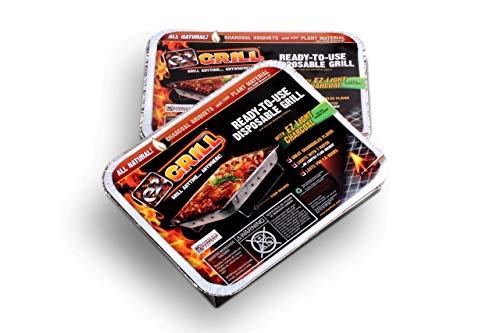
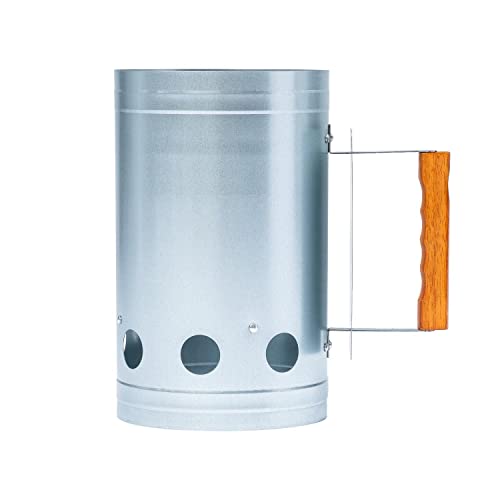
Starting charcoal efficiently without relying on lighter fluid preserves the authentic flavor of your food. Liquid petroleum lighter fluids can leave acrid chemical residues that taint delicate cuts of meat and produce unappealing aromas. A compact charcoal chimney starter provides a reliable chemical-free ignition method by concentrating convective airflow through a metal cylinder. Placing a single sheet of newspaper or an odorless paraffin fire starter cube beneath the chimney gets the coals glowing within fifteen minutes.
If you do not carry a chimney starter on your camping trip, build a loose pyramid of briquettes directly over the lower charcoal grate. Tuck an all-natural starter cube into the center of the pile and ignite it with a long grill lighter. Leave the grill lid completely off during the lighting phase so maximum oxygen reaches the developing flames. Pour or spread the coals across the charcoal grate only after they turn mostly gray and develop a light coating of white ash.
Airflow Dynamics: Regulating Heat with Dual Dampers
Oxygen control represents the heart of charcoal temperature regulation. Portable grills typically feature two sets of vents: a bottom intake damper in the firebox bowl and an exhaust damper on the lid. The lower damper draws fresh oxygen into the bottom of the fire to feed the coals, directly determining how intensely the fuel burns. The upper exhaust damper allows smoke and expanding hot air to escape, creating a convective thermal draw across the cooking grid.
Leaving both dampers completely open produces intense direct heat ideal for searing thin steaks, smash patties, or hot dogs. Closing the intake damper halfway restricts the available oxygen supply, causing the charcoal bed to cool down for gentle roasting. Never close both dampers entirely during a cook, as choking the airflow snuffs out the fire and generates bitter white smoke. Make subtle quarter-turn adjustments to the dampers and wait ten minutes to observe the temperature response before making additional changes.
Creating Two-Zone Heat on a Compact Grate
Cooking entirely over direct radiant heat often burns the exterior of thicker foods before the center reaches safe temperatures. Establishing a two-zone heat configuration solves this issue, even on a modest 150 to 196 square-inch cooking grate. Bank your glowing briquettes along one side of the lower charcoal grate while leaving the opposite side empty. This arrangement creates a direct high-heat searing zone over the coals and an indirect resting zone on the cooler side.
The indirect zone acts like a miniature outdoor convection oven when the lid covers the grill. You can sear marinated meats over the hot direct zone to develop deep caramelization, then transfer them to the cooler side to finish cooking gently. This technique works exceptionally well when preparing tender dishes like a Korean style beef barbecue that require careful heat moderation to prevent burnt sugar marinades. Having a safe resting area also prevents grease-induced flare-ups from scorching delicate ingredients.
Lid Control, Smoke Flavor, and Flare-Up Suppression
The lid serves as your primary temperature and flavor control tool during outdoor grilling. Cooking with the lid closed traps fragrant wood smoke, stabilizes ambient roasting temperatures, and prevents radiant heat from escaping into the open air. Position the lid so its exhaust vent sits directly over the cooler, indirect side of the grate. This positioning forces rising heat and flavorful smoke to travel across your food before exiting through the top vent.
Grease drippings from fatty meats can ignite sudden flare-ups when fat strikes glowing charcoal. Instead of squirting water from a spray bottle, which scatters ash onto your meal and causes violent steam bursts, simply place the lid back onto the cooker. Restricting incoming air instantly starves the flame burst of oxygen without cooling the charcoal bed destructively. When basting meats with a sugar-rich tangy barbecue sauce glaze, wait until the final five minutes of cooking over indirect heat to avoid scorching the sugars.
Monitoring Internal Temperatures and Food Safety
Judging meat doneness by surface color or strict cooking times on a portable grill often leads to misleading results. Outdoor factors such as ambient wind, outside air temperature, and coal density alter cooking speeds substantially from one afternoon to the next. Relying solely on a built-in dome thermometer only indicates air temperature beneath the lid rather than the internal doneness of your food. A calibrated instant-read digital meat thermometer is essential for verifying food safety accurately.
Insert the probe into the thickest part of the meat without contacting bone or the metal cooking grate. Authoritative food safety standards recommend cooking poultry to an internal temperature of 165 degrees Fahrenheit (74 degrees Celsius). Ground meats should reach at least 160 degrees Fahrenheit (71 degrees Celsius), while whole cuts of beef, pork, and lamb require an internal temperature of 145 degrees Fahrenheit (63 degrees Celsius) followed by a three-minute rest. Resting grilled meats on a clean platter allows hot juices to redistribute before slicing.
Ash Management, Extinguishing Coals, and Post-Cook Maintenance
Safely putting out your charcoal fire is just as crucial as lighting it properly. When your cooking session concludes, close both the upper exhaust damper and the lower intake damper completely. Deprived of oxygen, the remaining coals will extinguish naturally over the course of one to two hours. Never pour cold water directly into a hot porcelain-enameled metal basin, because sudden thermal shock can warp the metal shell or crack protective enamel finishes.
Wait until the entire grill and its internal contents feel completely cool to the touch before attempting to clean. Brush the still-warm cooking grate with a stiff bristle-free grill scraper to dislodge cooked-on residue quickly. Empty the accumulated ash from the lower firebox or ash catcher pan into a dedicated metal disposal bucket. Leaving spent wood ash sitting inside the firebox attracts moisture from outdoor humidity, forming corrosive alkaline paste that rapidly rusts metal components over time.
Features and Trade-Offs in Portable Charcoal Cookers
Evaluating design variations helps you adapt your cooking technique to the specific equipment on your picnic table. Models featuring three-point lid locks allow secure travel without loose parts rattling in your vehicle cargo area. Built-in ash catching bases keep loose debris contained, preventing hot embers from escaping onto wooden picnic tables or dry campground turf. Cookware with dual-sided accessories, such as reversible griddle plates alongside standard wire grids, offers expanded morning breakfast versatility for frying eggs or searing pancakes.
Weight and packability also influence how practical a portable cooker feels on extended weekend road trips. Ultra-light tabletop models weighing around four pounds pack away effortlessly into compact storage bins, though their thinner metal walls lose heat faster in breezy weather. Slightly heavier steel models with reinforced bodies maintain internal temperatures more steadily during gusty conditions but demand more transport effort. Choosing the right design depends on whether you prioritize minimal packing weight or superior wind resistance at your outdoor cooking destination.
Mastering a portable charcoal cooker gives you the freedom to create memorable outdoor meals anywhere open grilling is permitted. Consistent results rely on patience, measured coal quantities, and deliberate damper adjustments rather than constant lid lifting. Always verify meat temperatures with a reliable digital probe, maintain safe clearances from combustible surfaces, and allow coals to extinguish completely before packing up your gear. With proper cleaning and dry storage between outings, your compact cooker will provide dependable smoky flavor across many seasons of outdoor adventure.






Write Your Review
No reviews yet. Be the first to share your experience!