
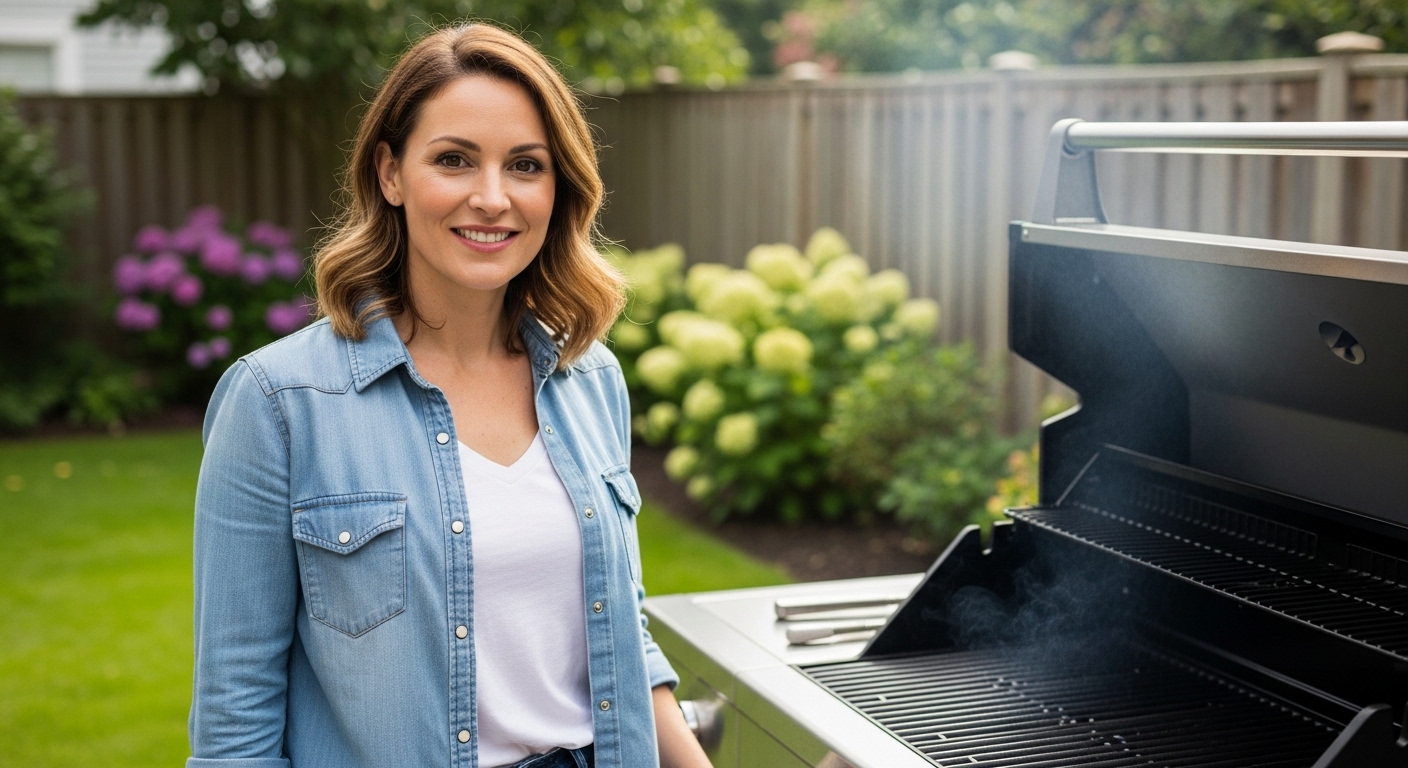

Compact charcoal cooking offers an intimate, high-heat searing experience that large backyard barbecue pits cannot easily replicate. Traditional Japanese style open grills deliver intense radiant heat directly beneath your food, producing concentrated caramelization without trapping excess steam. Mastering how to use a hibachi charcoal grill begins with understanding how an open-top, direct-radiant firebox operates differently from a covered kettle cooker. When cooks understand proper fuel placement and airflow control, these portable units create restaurant-quality char in compact outdoor spaces.
Whether you choose a classic cast-iron box, a modern stainless steel cooker, or a thick ceramic clay yakitori stove, the basic operating principles remain consistent. You need dry hardwood lump or specialized dense charcoal, reliable fire-starting tools, and an active sense of heat management. Learning these steps helps you grill everything from delicate vegetables to marinated skewers like a savory Korean beef barbecue recipe without scorching your food. With steady airflow management and smart charcoal zoning, your hibachi quickly becomes a dependable tool for rapid weeknight grilling and outdoor gatherings.

Pros
- Super convenient setup and no cleanup required
- Lightweight and easy to carry anywhere
- Heats up quickly with even cooking performance
- Great for small gatherings or solo grilling
Cons
- Single-use only, so not suitable for regular backyard cooking
- Limited cooking space – best for 2-4 burgers or a few skewers
- Charcoal burns for about 1 hour, so longer cooks aren't possible
If you've ever found yourself craving a grilled burger at a campsite or tailgate but didn't want to haul a full-size charcoal grill, the Oppenheimer USA Disposable Charcoal Grill is exactly what you need. This is a lightweight, portable, single-use grill that comes pre-loaded with easy-light charcoal – just remove the wrapper, light the corners, and you're ready to cook in minutes. It's designed for outdoor enthusiasts who value convenience above all else.
This grill is best suited for campers, tailgaters, RV owners, and anyone who enjoys spontaneous outdoor cooking without the hassle of cleanup. It's also a solid pick for beach days, park picnics, or even emergency cooking during power outages. The 9x13 inch cooking grate gives you enough space for a few burgers, hot dogs, or skewers – perfect for 2-4 people. Just don't expect to smoke a brisket or feed a crowd.
In terms of real-world cooking performance, the easy-light charcoal lights quickly and reaches a decent grilling temperature within 10-15 minutes. The heat distribution is fairly even across the grate, though you might notice slightly cooler spots near the edges. Searing is possible for thin cuts like burgers and chicken thighs, but you won't get the same crust as a heavy cast-iron grate. Smoke flavor is present but mild – it's enough to satisfy a casual griller but not a BBQ purist. The fuel burns for about an hour, which is fine for quick grilling sessions but not low-and-slow cooking.
Build quality is what you'd expect from a disposable product – sturdy enough to hold up during cooking, but not meant for long-term use. The aluminum tray feels solid, and the wire grate supports food without sagging. There are no wheels, folding legs, or weather-resistant features because this grill is designed to be used and tossed. Portability is its strong suit: at 3.5 pounds and dimensions of 9x13x2 inches, it slips into a backpack or car trunk easily.
Setup is incredibly simple – no tools, no assembly, no charcoal to pour. Just remove the plastic wrap, place the grill on a non-flammable surface, and light the corners through the designated ignition strips. Cleanup is even easier: once the charcoal has cooled completely, you can dispose of the entire grill. Just make sure to follow local disposal guidelines for charcoal and ash. The biggest limitation is that it's single-use, so if you grill often, the cost adds up compared to a reusable portable grill.
Overall, the Oppenheimer USA Disposable Charcoal Grill is a fantastic solution for outdoor cooks who prioritize convenience and portability. It's not meant to replace your backyard kettle grill, but it's a lifesaver for camping, tailgating, or any on-the-go cooking scenario. If you're looking for a no-mess, no-fuss way to enjoy grilled food anywhere, this pack of two is a smart buy.
At just 3.5 pounds and 9x13x2 inches, this grill is incredibly easy to transport. It fits in a backpack, car trunk, or even a large tote bag. No need to worry about charcoal bags or lighter fluid – everything is built in. The lightweight design makes it a top choice for hikers, campers, and tailgaters who want to travel light.
This grill shines in scenarios where convenience and portability matter most. Use it for camping trips, tailgate parties, beach outings, park picnics, or even as a backup grill during power outages. It's also great for small gatherings where you only need to cook a few items. Not ideal for large BBQs or smoking.
Pros
- Compact size is ideal for solo campers, couples, or small patio gatherings
- Even heat distribution works great for yakitori and skewered meats
- Two-in-one design (grill grate + solid plate) adds cooking versatility
- Lightweight and portable - easy to carry for tailgating or beach outings
- Affordable price point for entry-level charcoal grilling
Cons
- Small cooking surface limits capacity - not suited for large groups or full racks of ribs
- No lid included, so heat control relies entirely on charcoal management and airflow vents
- Metal construction can get very hot externally - handle with care and use a heat-resistant surface
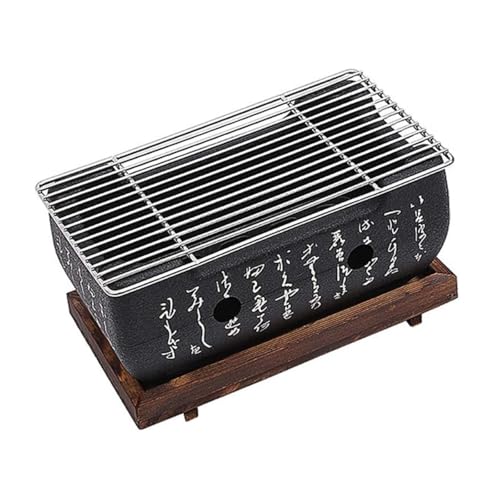
If you're looking for a compact charcoal grill that brings authentic Japanese yakitori vibes to your camping trips or backyard patio, the YOOODONNN Hibachi Grill is worth a close look. This portable stove measures just 4.9 by 4.5 by 9.4 inches and weighs only 3.7 pounds, making it one of the most travel-friendly charcoal cookers you can grab. Despite its tiny footprint, it packs a solid grilling experience with both a grill grate and a solid plate included right out of the box.
The real standout here is the heat distribution. The grill uses a high-temperature-resistant metal body paired with an innovative airflow system that lets you adjust the charcoal burn rate. You get even heat across the cooking surface, which matters when you're grilling skewers of chicken or vegetables. Searing is quick and you can get a nice char without flare-ups if you manage the vents. The solid plate also works well for cooking delicate items like fish or eggs, giving you flexibility that most portable grills lack.
Who is this grill for? Campers, RV owners, tailgaters, and anyone who loves cooking with charcoal in a small space will appreciate its portability. It's great for solo meals or for two people, perfect for a weekend campsite dinner or a quick tailgate before the game. Patio cooks with limited balcony space will also find it handy for intimate cookouts. While it won't handle a brisket or a full rack of ribs, it excels at fast grilling of burgers, sausages, skewers, and veggies.
Build quality is decent for the price. The food-grade metal feels sturdy and the finish resists minor rust if you keep it dry. There are no wheels or folding legs - it's designed to sit on a table or the ground. The ultra-portable design means you can stash it in a backpack or car trunk with ease. Cleanup is straightforward: the non-stick plate wipes clean, and the grate can be scrubbed with a brush. Just let the coals cool completely before packing away.
One realistic limitation is the cooking capacity. At roughly 4.9 by 4.5 inches of cooking area, you won't be feeding a crowd. Also, there's no lid, so controlling temperature relies entirely on your coal arrangement and the adjustable vents. It's a manual experience that rewards practice. But for anyone who enjoys the hands-on art of charcoal grilling, this little hibachi delivers authentic flavor in a package you can take anywhere.
Overall, the YOOODONNN Hibachi Grill is a solid buy for outdoor cooking enthusiasts who value portability and simplicity. If you're a camper, tailgater, or small-space griller wanting real charcoal results without lugging a full-size smoker, this compact stove fits the bill. Pair it with some quality lump charcoal and you're set for flavorful meals wherever you roam.
The YOOODONNN hibachi grill delivers surprisingly consistent heat for its size thanks to the ventilated intake design. You get a hot zone right over the coals and slightly cooler edges for indirect cooking. Searing is strong, and since charcoal burns clean, you get a nice smoky flavor on everything you cook. The included solid plate lets you try flat-top style cooking, which is a bonus for breakfast or delicate fish. Just keep an eye on the vents to avoid overheating - this little grill can get plenty hot.
At just 3.7 pounds, this grill is a champ for portability. It fits easily in a backpack, car trunk, or even a large tote for beach trips. Setup is simple: just open the box, place it on a stable heat-resistant surface, add charcoal, and light. No assembly required. The compact shape means it takes up minimal space in storage. Just remember that the whole body gets hot, so use a table that can handle heat or set it on the ground. Cleanup after is quick with the non-stick plate.


Pros
- Clean burning with minimal smoke - great for intimate backyard gatherings or campsite cooking
- Reusable after extinguishing and drying, offering long-term value compared to standard charcoal
- Compact size fits perfectly in small yakitori grills, making it easy to manage heat zones
- No sparks or popping, enhancing safety around food and guests
Cons
- Higher upfront cost compared to standard lump charcoal, but reuse offsets this over time
- Requires careful lighting and management to achieve optimal heat - not ideal for quick, casual grilling sessions
- Limited availability may require ordering online rather than picking up at local stores
The Bincho Grill Classic Binchotan Charcoal is a premium fuel source designed for outdoor cooking enthusiasts who value clean heat and authentic flavor. This 11-pound bag of 100% natural hardwood charcoal is crafted specifically for Japanese BBQ, yakitori, and charcoal grills, offering a unique experience that sets it apart from standard briquettes or lump charcoal.
This charcoal is best suited for backyard grillers, BBQ enthusiasts, and campers who want to elevate their cooking. It's also a fantastic choice for tailgaters and patio cooks who appreciate a clean-burning fuel that doesn't overwhelm food with heavy smoke. Whether you're searing chicken skewers on a yakitori grill or slow-cooking ribs on a portable charcoal smoker, the binchotan's consistent heat output ensures even cooking.
In real-world use, the charcoal delivers a steady 2-3 hours of high heat with minimal temperature fluctuation. It produces virtually no smoke or odor, letting the natural flavors of your meat or vegetables shine. The spark-free burn makes it safe for enclosed grills or camping stoves, and the low ash production means less cleanup after your cookout. For low-and-slow cooking, the charcoal holds a stable temperature, though it's also capable of intense searing for a perfect crust on steaks.
Build quality is straightforward - the charcoal comes in uniform small pieces that fit easily into yakitori grills and Japanese charcoal grills. The pieces are dense and hard, resisting crumbling during transport. Portability is excellent due to the compact 11-pound bag, and the charcoal stores well in a dry place. Weather resistance isn't a concern since it's a dry product, but moisture can affect performance, so keep it sealed.
Ease of setup requires a bit of practice: binchotan takes longer to light than standard charcoal, often needing a chimney starter or electric lighter. Once lit, it requires minimal attention, and the lack of sparks means less worry about flare-ups. Cleanup is simple due to low ash, and the reusable nature is a huge plus - just douse the hot coals with water, let them dry, and reuse. However, the initial learning curve might frustrate beginners expecting instant heat.
The main limitation is the price - at around $62 for 11 pounds, it's costlier than regular charcoal. But considering you can reuse the coals multiple times, the long-term value is solid. I recommend this charcoal for outdoor cooks who prioritize flavor purity, safety, and efficiency. It's ideal for yakitori parties, elegant backyard dinners, or camping trips where you want to impress without messy smoke. If you're looking to step up your grilling game with an authentic Japanese experience, this binchotan is worth the investment.
The Bincho Grill Classic Binchotan Charcoal excels in providing consistent, high heat for a variety of cooking methods. Its dense hardwood structure burns at temperatures reaching over 1,400F, making it perfect for searing steaks, chicken, and fish. The heat distribution is even, with minimal hot spots, allowing for precise temperature control whether you're grilling directly or using a two-zone setup.
For low-and-slow cooking, the charcoal holds a steady temperature for hours, though the high heat nature means you'll need to manage airflow carefully to maintain lower temps. The absence of smoke ensures that delicate foods like vegetables or seafood don't pick up bitter off-flavors, while the spark-free burn eliminates the risk of flare-ups. This makes it an excellent choice for both quick backyard BBQs and longer smoking sessions on your grill.
One of the standout features of this binchotan charcoal is its reusability. After cooking, simply extinguish the coals by closing the air vents or dousing with water, then let them dry completely. The coals can be relit for your next cookout, extending the value of each bag significantly. Many users report getting two to three uses per batch, depending on cooking time and intensity.
Compared to standard charcoal, binchotan burns longer and cleaner, producing far less ash. This means less waste and fewer trips to the store for fuel. While the initial cost is higher, the long-term savings and reduction in environmental impact make it a smart choice for regular outdoor cooks.

Pros
- Extremely high heat output (up to 1,200°F) for excellent searing
- Long burn time (up to 4 hours) with steady infrared heat
- Clean burning with minimal smoke and no chemical taste
- Reusable multiple times with simple care—eco-friendly and cost-effective
Cons
- Requires a chimney starter or long lighter to fully ignite (not instant-light)
- Higher upfront cost compared to standard charcoal briquettes
- 11-pound bag is moderate weight—may need more for large gatherings
The Bincho Grill Binchotan Charcoal is a premium Japanese hardwood lump charcoal designed for serious outdoor cooks who value precision heat and clean flavor. Unlike standard charcoal, this binchotan is made from White Oak fired in traditional kilns to achieve around 95% carbon purity. It burns at temperatures up to 1,200°F, delivering intense, steady infrared heat that's perfect for yakitori, steaks, seafood, and vegetables. The virtually smokeless and odorless burn means your food tastes exactly like it should—no chemical aftertaste or overwhelming smoke.
This charcoal is ideally suited for backyard grillers, BBQ enthusiasts, and patio cooks who want restaurant-quality results at home. It's also a great choice for tailgaters and campers who value portability and efficiency, though you'll need a proper starter method like a chimney or electric lighter. The 11-pound bag provides enough fuel for several cooks, and because it's reusable, you can extinguish partially used coals and relight them later—a real money-saver over time.
In real-world use, the heat consistency is outstanding. Once lit, binchotan holds a stable temperature for up to 4 hours, which makes it excellent for both fast grilling (burgers, hot dogs) and low-and-slow cooking (kebabs, whole fish). The high heat creates a beautiful sear on meats while keeping the interior juicy. Because it burns so cleanly, you can grill on a patio or balcony without bothering neighbors with excessive smoke or odor.
Build quality is top notch—the charcoal pieces are dense and uniform, breaking down slowly compared to typical lump charcoal. There's no dust or small fragments that waste fuel. However, lighting does take patience. You'll need a chimney starter or a long-handled lighter; binchotan isn't self-lighting. Once lit, it glows evenly and produces minimal ash, making cleanup easy. Just let the coals cool, shake off the ash, and store them for the next cook.
One realistic limitation is that binchotan is more expensive per pound than standard charcoal. But given its reusability and superior performance, many outdoor cooks find it worth the investment. Another consideration: the 11-pound bag is a moderate size. For large backyard parties or cooking for a crowd, you might need two bags. For everyday grilling or small gatherings, it's plenty.
Overall, The Bincho Grill Binchotan Charcoal is a top-tier fuel for anyone serious about grilling. If you enjoy the art of yakitori, want clean heat for delicate proteins, or simply appreciate a longer-lasting, hotter-burning charcoal that's reusable, this is an excellent choice. It pairs beautifully with Japanese-style grills but works equally well on standard kettle grills or kamado cookers. Just give yourself extra time for lighting, and you'll be rewarded with some of the best grilling results you've ever had.
Pros
- Reaches high temperatures quickly for excellent searing and caramelization on meats and veggies.
- Tabletop-safe design with cool-touch exterior (when used on heat-resistant trivet) adds safety for decks and tables.
- Stainless steel build resists rust and is easy to clean; dishwasher-safe components simplify post-cook cleanup.
- Compact and portable enough for camping, tailgating, RV trips, and small patios without sacrificing cooking performance.
Cons
- Small cooking surface (15x7 inches) limits capacity for large groups or multiple dishes at once.
- Not suitable for plastic tables and always requires a heat-resistant trivet, adding an extra accessory to pack.
- Some users may find the 15.2-pound weight slightly heavy for backpacking, but fine for car camping or tailgating.
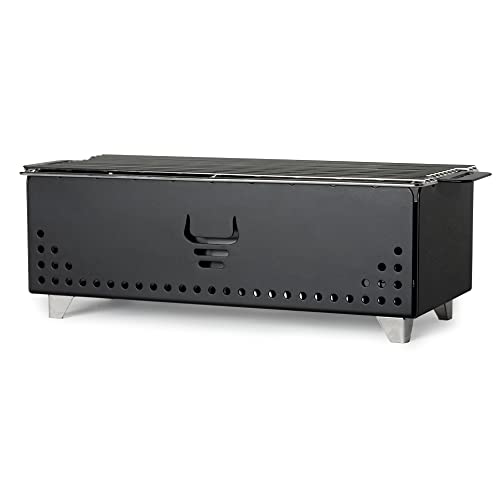
The YAK Grills Hibachi Charcoal Grill is a tabletop-safe, portable charcoal grill that brings authentic hibachi-style cooking to your backyard, campsite, or tailgate. Crafted from stainless steel in a sleek matte black finish, this grill is built for outdoor enthusiasts who value both performance and style. It operates at up to 750°F, giving you the intense heat needed for perfect searing on steaks, burgers, and skewers, while its smart airflow design keeps the exterior cool enough for safe use on patios, balconies, and picnic tables.
This grill is best suited for backyard grillers, campers, tailgaters, RV owners, and patio cooks who want a compact, portable solution without sacrificing cooking quality. Whether you are grilling burgers for a weekend BBQ, searing steaks at a campsite, or cooking yakitori on a balcony, the YAK delivers consistent, high heat that produces a rich smoky flavor. The 15x7-inch stainless steel grate can handle 4 burgers, 2 large steaks, or 9 skewers, making it ideal for small gatherings or intimate meals.
In real-world cooking, the YAK excels at high-temperature searing and fast grilling. The charcoal burns efficiently thanks to the smart airflow, and you can achieve a nice crust on meats while keeping the inside juicy. For low-and-slow cooking, you can adjust the airflow to maintain moderate temperatures, though the small size is better suited for quick cooks. The heat distribution is even across the grate, and flare-ups are minimal when you manage the charcoal properly.
Build quality is impressive for a portable grill. The stainless steel body and internal components resist rust and weathering, so it holds up well in outdoor conditions. The grate is sturdy and heavy-duty, and the overall construction feels solid. There are no fragile parts to break, and the grill disassembles easily for cleaning. The 5-year warranty adds confidence in the durability. However, the grill is not designed for use on plastic tables, and you should always place it on a heat-resistant trivet to protect surfaces.
Setup is straightforward and tool-free, taking just a few minutes. After cooking, the grill comes apart even faster, and all components are dishwasher safe, making cleanup a breeze. The 15.2-pound weight is manageable for car camping or tailgating, though it might be heavy for backpacking. The compact dimensions (8.3 x 21 x 7.4 inches) allow it to fit easily in a car trunk or RV storage compartment.
Realistic limitations include the small cooking surface, which means you cannot cook for a large crowd at once. Also, you will need to bring a heat-resistant trivet for tabletop use. For most outdoor cooks who value portability, high heat, and easy cleanup, the YAK Grills Hibachi Charcoal Grill is a practical and stylish choice that delivers authentic charcoal flavor wherever you go.
The YAK Grills Hibachi Charcoal Grill reaches temperatures up to 750°F, making it excellent for high-heat searing and fast grilling. The stainless steel grate retains heat well and provides even cooking across the 15x7-inch surface. You can achieve a nice crust on steaks and burgers while keeping the inside tender. The charcoal burns efficiently with the smart airflow design, and you can control the temperature by adjusting the vents. For low-and-slow cooking, you can maintain moderate heat, but the grill is best suited for quick, high-temperature cooks. Smoke flavor is authentic and rich, enhancing the taste of meats and vegetables.
Weighing 15.2 pounds and measuring 8.3 x 21 x 7.4 inches, the YAK grill is compact enough for car camping, tailgating, RV trips, and patio storage. It does not have folding legs or a carry handle, but its size makes it easy to transport. The stainless steel body is durable and resists dents during travel. Setup is quick and tool-free, so you can start grilling soon after arriving at your campsite or tailgate. The grill is not suitable for backpacking due to its weight, but it excels in car-based outdoor adventures.
Cleaning the YAK grill is straightforward thanks to its dishwasher-safe components. After cooking, you can disassemble the grill easily and place the grate, body, and other parts in the dishwasher. The stainless steel material resists rust and staining, so maintenance is minimal. For manual cleaning, a simple scrub with warm soapy water works well. The smart design has no complicated parts or crevices that trap grease, which helps prevent flare-ups and makes upkeep hassle-free. Always allow the grill to cool completely before cleaning.

Pros
- Great heat retention from cast iron for consistent searing
- Portable and lightweight for camping or tailgating
- Adjustable grids let you control cooking distance from coals
- Simple air vent system for managing charcoal burn rate
Cons
- Small cooking surface limits to 1-2 people at a time
- Cast iron is heavy for backpacking but fine for car camping
- No built-in thermometer; you'll need to judge heat by experience
The Marsh Allen 30052AMZ Kay Home Product's Cast Iron Hibachi Charcoal Grill is a compact, portable charcoal grill built for outdoor cooking enthusiasts who want authentic hibachi-style grilling without the bulk of a full-sized kettle. With its 10 by 18-inch cooking surface and 157 square inches of usable space, this limited edition grill is perfect for small crews, weekend campers, tailgaters, and backyard cooks who appreciate charcoal flavor on the go.
This grill is best suited for anyone who loves real charcoal cooking but needs something portable. Backyard grillers will appreciate the cast iron's heat retention for searing steaks or burgers fast. Campers and RV owners can toss it in the trunk for easy setup at the campsite. Tailgaters will love how it fits in a small space and still delivers that smoky, grilled taste. But it's not for big parties or feeding a crowd — you're looking at cooking for one or two people max.
When it comes to cooking performance, the hibachi design shines. The three-position adjustable cooking grids let you move the grate closer to the coals for high-heat searing or farther away for gentler cooking. The two adjustable air vents give you solid control over the charcoal burn rate, so you can manage temperature for low-and-slow smoking or fast grilling. Just keep in mind there's no built-in thermometer, so you'll need to learn to judge heat by feel or use a separate probe. The cast iron holds heat well and resists rust with proper care, though it's not weatherproof if left out in the rain.
Portability is a strong point. At 18.75 by 3.5 by 11 inches, this grill slides into a car trunk or RV storage compartment without trouble. The wood grid handles stay cool for safe adjustments while cooking, and the whole setup is easy to pack up and take to the campsite or tailgate. Cleanup is straightforward — just let the coals cool, dump the ash, and wipe down the grate. The compact size means less to clean than a full-size grill.
A realistic limitation is the cooking capacity. With 157 square inches, you can fit about 4-6 burgers or a couple of steaks at once. It's not built for a backyard party with 10+ people. Also, the cast iron is heavy for its size, so it's not ideal for backpacking. But for car camping, RV trips, or patio grilling, it's a solid choice.
Overall, this Marsh Allen hibachi grill is a good buy for outdoor cooks who want real charcoal flavor in a portable package. It's great for small gatherings, camping, or tailgating, and the cast iron construction gives you reliable heat retention for consistent results. Just keep your expectations realistic on cooking space and you'll be happy with the smoky, seared results it delivers.

Pros
- Excellent heat retention - ceramic body stays hot for long, even cooking sessions
- Compact and portable with wood handles, great for camping, tailgating, and patio use
- Stainless steel grate is durable and resists rust, making it easy to clean
- Grid lifter is a thoughtful addition for safe charcoal management
- Ventilation system gives good control over flame and smoke
Cons
- Some units may arrive with crazing (fine cracks) in the ceramic glaze, which can affect appearance and heat retention
- Grate is a bit tricky to clean because of the narrow spacing, but that's normal for charcoal grills
- Weighs 22 pounds - portable but not ultralight; better for car camping than backpacking
If you're into authentic Japanese yakitori or just want a small, powerful charcoal grill for your backyard, the ONLYFIRE GRILLS GS306 is a solid pick. This is a ceramic hibachi grill that's built for high-heat searing, but it's also compact enough to take camping or tailgating. It's not a full-size smoker or a massive kettle - it's a focused, portable cooker that excels at fast, direct grilling.
Who should buy this? Backyard grillers who want a dedicated yakitori station, campers who need something that fits in a car trunk, and tailgaters who appreciate a sturdy, easy-to-transport grill. It's also great for patio cooks who want a small, high-performance grill for burgers, skewers, and veggies. If you're after a low-and-slow smoker, this isn't it - but for searing and fast grilling, it's a champ.
In real-world use, the ceramic body really holds heat. You'll get consistent temperatures across the grate, and the stainless steel surface sears beautifully. The ventilation windows let you control airflow, so you can manage flare-ups and get that nice smoky flavor. It takes about 45 minutes to an hour to fully heat up, but once it's hot, it stays hot. The included charcoal plate with holes helps distribute heat evenly, which is key for even cooking.
Build quality is generally good. The ceramic is thick and feels substantial, and the metal components - like the grate and grid lifter - are not flimsy. That said, a few reviews mention crazing (fine cracks) in the glaze, and some units have arrived with cracks. It's a mixed bag, but most users report a solid, durable grill that holds up well. The wood handles stay cool, which is a nice safety touch. It's not rust-proof, but the stainless steel grate resists corrosion well.
Setup is straightforward - no assembly needed. It's ready to go out of the box. Transport is easy thanks to the wood handles, but at 22 pounds, it's not something you'll want to carry far. Cleanup is simple: let it cool, dump the ash, and wipe the ceramic with a damp cloth. The grate can be a bit stubborn to clean, but that's par for the course with charcoal grills. Storage is easy because it's compact - just find a dry spot.
The biggest limitation is the potential for glaze issues. Some units have cosmetic cracks that don't affect performance, but others have arrived damaged. If you get a good one, it's a fantastic value for the price. My advice: check it carefully upon arrival, and if it's cracked, return it. For the right buyer - someone who loves yakitori, wants a portable grill for camping, or needs a small, high-heat cooker for the patio - this is a great choice.
Mastering the Hibachi: Charcoal Selection, Heat Control, and Safe Grilling
Operating a portable hibachi centers on managing direct radiant heat from open coals without the dampening effect of an overhead lid. Successful cooks establish an even charcoal base, allow the fuel to ash over completely, and regulate grilling surface temperatures by adjusting air vents or altering grate elevations. Food cooks quickly on these shallow cookers, demanding constant attention, regular turning, and careful flame management to prevent scorching. Mastering this method provides precise control over searing temperatures while preserving the natural juices and textures of your favorite ingredients.
The Fundamental Architecture of a Hibachi Grill
Traditional hibachi cookers rely on an open-top, shallow basin engineered to reflect charcoal heat upward. Unlike Western kettle cookers that trap convective heat and smoke under a domed lid, a hibachi relies almost purely on direct thermal radiation and contact conduction. Cookware designs range from heavy cast-iron rectangular units like the Marsh Allen 30052AMZ Kay Home Product’s Cast Iron model to lightweight tabletop variants such as the YAK Grills Hibachi Charcoal Grill,Easy to Use. Some traditional designs feature insulating ceramic clay, seen in the Charcoal BBQ Hibachi Grill with Grid Lifter, which helps retain steady heat while protecting external surfaces from rapid temperature swings.
The shallow firebox places the food grates only a few inches above the glowing coals. This tight clearance means radiant energy transfers immediately to the grate bars, demanding rapid cooking and fast turnaround times for thinner cuts of meat. Sturdy food-grade metals, like the 304 stainless steel found on the Filbee Portable BBQ Charcoal Grill, resist warping under severe heat loads. Because there is no lid to extinguish unexpected grease flares by cutting off oxygen, the cook must control temperatures purely through coal depth, air vent sliding, and grate height adjustments.
Choosing the Best Fuel: Lump Charcoal Versus Binchotan
Fuel quality dictates the stability, temperature ceiling, and overall flavor profile of your hibachi session. Standard charcoal briquettes often contain binding starches and produce heavy plumes of smoke, which can impart bitter flavors in an open, lidless cooking environment. High-quality natural hardwood lump charcoal burns hotter and cleaner, making it an accessible fuel for weeknight skewering. Hardwood coals light relatively quickly in a chimney, reaching searing temperatures in roughly fifteen minutes while leaving moderate ash deposits behind.
For authentic Japanese yakitori and precision searing, many cooks rely on dense white charcoal known as binchotan. Products like The Bincho Grill Classic Binchotan Charcoal 11lbs burn with virtually no open flame, generating an intense infrared heat bed that stays steady for hours. This dense fuel emits almost no smoke, sparks, or unpleasant chemical odors, which keeps delicate proteins from acquiring acrid soot coatings. Furthermore, specialty fuel like The Bincho Grill Binchotan Charcoal 11 lbs offers a very high carbon concentration that can be extinguished in water, dried, and reused for future cooking sessions.
When planning quick excursions or minimalist outings, pre-packaged solutions like the Oppenheimer USA Disposable Charcoal Grill offer an alternative approach for single-use situations. These self-contained units eliminate the need to carry separate fuel bags or chimney starters into remote outdoor areas. However, for regular backyard cooking or tabletop patio entertaining, investing in bulk hardwood lump or authentic binchotan remains the standard recommendation. Selecting pure hardwood fuel preserves the integrity of your ingredients and ensures a predictable, long-lasting heat curve.
Lighting Coals and Setting Up the Firebox
Starting a hibachi fire safely requires deliberate technique, especially when dealing with dense fuels that resist quick ignition. A compact charcoal chimney starter provides the most reliable and chemical-free method to ignite your coals outside the grill. Never use liquid petroleum lighter fluid in a hibachi, as the petroleum vapors settle into the open basin and ruin the flavor of food cooked so close to the bed. Stuff two sheets of newspaper or natural fire starter cubes beneath the chimney, fill the top with your chosen charcoal, and let the embers catch.
Binchotan charcoal requires more sustained heat to ignite than standard lump wood due to its high density and tightly packed carbon structure. You can place binchotan sticks over an active gas burner on an outdoor stove, or nestle them directly inside a chimney starter on top of a base of fast-burning hardwood lump. Allow the coals to heat until they glow bright orange and a subtle layer of white ash coats their exterior. Once the fuel reaches full ignition, carefully transfer the glowing embers into the firebox of your grill using heat-resistant barbecue gloves.
Using tools like the dedicated lifter included with the Charcoal BBQ Hibachi Grill with Grid Lifter allows cooks to arrange coals safely without burning their fingers. Spread the glowing coals into an even, level foundation across the charcoal grate, avoiding piling them unevenly against the shallow walls. Ensure the lower ventilation openings remain clear of loose debris so combustion air can enter freely from below. Allow the cooking grate to sit over the coals for about five minutes to preheat fully before brushing it with high-smoke-point cooking oil.
Controlling Airflow and Creating Temperature Zones
Airflow regulation serves as your primary throttle for managing charcoal temperatures in a lidless hibachi. Most metal and ceramic models incorporate sliding draft doors or rotating intake vents near the bottom of the firebox. Opening these vents wide draws fresh oxygen through the fuel bed, accelerating combustion and raising cooking temperatures for aggressive searing. Partially sliding the intake doors shut slows air intake, lowering the burn rate when you need gentle, steady heat for denser vegetables or thicker cuts.
Because hibachi grills lack a lid to create ambient convection ovens, smart cooks establish a two-zone fire by banking coals toward one side of the firebox. Bank a deep pile of embers across two-thirds of the charcoal plate to create an ultra-hot direct searing area. Leave a thin single layer or empty floor on the opposite side to serve as a cooler holding zone. This dual-temperature layout lets you quickly transfer flare-prone skewers or browned meats away from intense flames without taking them off the cooker entirely.
Mechanical grate height adjustment provides a second layer of temperature control on models engineered with vertical notches. The Filbee Portable BBQ Charcoal Grill, for instance, features an adjustable multi-level bracket system that allows cooks to raise or lower the cooking surface relative to the coals. Raising the grates creates physical distance from radiant embers, mitigating flare-ups when cooking fatty meats. Lowering the grates closer to the fuel creates extreme contact searing, perfect for charring thin steaks, burger patties, or flatbreads in mere minutes.
Searing Techniques for Skewers and Thin Proteins
Small, uniform cuts of meat cook best on a hibachi because high contact heat sears the exterior before the interior overcooks. Thread thinly sliced beef, chicken thighs, or pork belly onto bamboo skewers, making sure to soak wooden skewers in water beforehand to prevent burning. Place skewers perpendicular to the grate bars, or rest the bare wood handles over the cool edge of the cooker frame for comfortable turning. Skewered street-food preparations, such as savory Filipino pork barbecue skewers, benefit tremendously from the direct, radiant heat that a shallow charcoal bed provides.
Keep your eyes on the food at all times, turning items frequently rather than letting them sit unattended on the hot metal. Turning food every thirty to sixty seconds prevents charred spots and encourages an even mahogany crust across all sides of the protein. If dripping chicken fat or rendered pork triggers an aggressive flame flare, shift the skewer sideways into your low-heat holding zone until the flame subsides. Never squirt water directly into a hot hibachi to quell flames, as the sudden thermal shock can crack cast iron or ceramic clay components.
When cooking non-skewered items like burgers, pork chops, or vegetables, ensure the cooking surface is clean and thoroughly oiled to prevent sticking. Use long-handled stainless steel tongs to maneuver food smoothly across the hot metal bars. Thin flank steaks or sirloin strips require only two to three minutes per side over hot hardwood coals to achieve a rich exterior sear and a juicy center. Always verify internal food temperatures using an accurate digital probe thermometer to ensure your meats meet recommended food-safety standards.
Glazing, Saucing, and Sugar Management
Traditional Japanese yakitori and modern barbecue both rely on savory glazes, such as tare, soy-mirin reductions, or sweet tomato-based coatings. However, introducing sugar to a high-heat open charcoal surface requires exact timing to avoid burnt, bitter crusts. Brushing sugary glazes onto raw meat too early causes sugars to scorch long before the internal protein cooks through. Instead, grill your meat seasoned with salt until it reaches roughly eighty percent of its desired doneness before applying any sauce.
Brush your glazes onto the meat lightly during the final two minutes of cooking, turning the skewers frequently over moderate heat. The residual radiant warmth caramelizes the sugars into a glossy, sticky lacquer without creating blackened carbon deposits. Pairs of skewers can even be basted with tangy accents like a homemade cranberry barbecue sauce right before pulling them off the grates. Once coated, remove the meat promptly to a clean serving platter, letting the glaze settle while the juices redistribute throughout the cut.
Essential Outdoor Safety and Tabletop Placement
Operating an open charcoal grill requires strict adherence to fire safety protocols and proper outdoor positioning. You must never operate a hibachi charcoal grill inside a home, enclosed garage, camper, or tent, even with open doors or windows. Charcoal combustion consumes oxygen rapidly and produces colorless, odorless carbon monoxide gas, which quickly reaches lethal concentrations in unventilated or partially enclosed spaces. Always set up your hibachi outdoors in an open-air area, positioned well away from low-hanging eaves, combustible walls, and dry foliage.
Tabletop safety requires special caution because charcoal basins radiate substantial heat through their lower housings. While modern designs like the YAK Grills Hibachi Charcoal Grill,Easy to Use incorporate smart airflow channels to keep bases manageable, metal fireboxes still become extremely hot. Never set an active hibachi directly on a bare plastic, vinyl, or untreated wooden patio table without protection. Place a thick heat-resistant ceramic tile, non-combustible paver stone, or heavy silicone trivet beneath the grill stand to shield sensitive tabletop surfaces from thermal damage.
Always maintain a secure perimeter around the grill, ensuring children and pets stay clear of hot metal frames. Keep an approved fire extinguisher, a bucket of sand, or a garden hose within arm reach in case an unexpected gust of wind carries glowing embers. Use sturdy tools with insulated handles, like the wooden grips on the Marsh Allen 30052AMZ Kay Home Product’s Cast Iron grill, to make adjustments during operation. Avoid moving a burning grill under any circumstances, waiting instead until all combustion has ceased and the frame cools completely.
Extinguishing, Cleaning, and Metal Preservation
Extinguishing an open hibachi requires patient smothered cooling or careful removal of the fuel into an airtight container. If using standard lump charcoal, close the bottom intake dampers fully and set a metal heat-safe tray or lid over the firebox to cut off incoming air. If you grill with premium binchotan, lift the glowing sticks with metal tongs and drop them into an airtight clay extinguishing pot or metal bucket filled with clean water. Submerging binchotan extinguishes the coals instantly, allowing you to dry the sticks under the sun for reuse during your next grilling session.
Allow the hibachi frame, charcoal plate, and cooking grates to cool to ambient temperature before initiating cleanup. Brush debris off the grates using a brass or stainless steel grill brush while the metal is still slightly warm to the touch. Remove the cooled ash bed promptly, as wood ash absorbs atmospheric moisture and turns into an alkaline paste that accelerates metal corrosion. Wipe down stainless steel components with warm soapy water and a soft microfiber towel, avoiding abrasive scouring pads that can scratch polished finishes.
Cast-iron hibachi components require ongoing seasoning maintenance similar to traditional cast-iron kitchen skillets. Never soak cast-iron fireboxes or grates in soapy water or run them through a dishwasher cycle. After scraping away food remnants, apply a paper towel dipped in high-smoke-point vegetable oil across every iron surface to create a moisture-resistant barrier. Store your cooled, seasoned hibachi inside a dry garage, shed, or dedicated weather-resistant canvas carry bag to protect the metal from outdoor elements and rust.
Troubleshooting Inconsistent Heat and Flame Flare-Ups
When your hibachi struggles to generate adequate heat, the problem almost always stems from choked airflow or damp fuel. Excessive ash accumulation beneath the charcoal plate blocks the lower intake vents, starving the coal bed of oxygen. Clear away old ash beds completely before every lighting session, and check that bottom sliding vents remain unobstructed during cooking. If coals light sluggishly or extinguish halfway through cooking, ensure your charcoal bags are stored in dry indoor environments away from damp basement air.
Uncontrolled flame flares represent another frequent challenge, usually triggered by rendering animal fats dripping onto glowing coals. Because a hibachi has no lid to smother flares, active flame management relies entirely on spatial repositioning. Move skewers immediately to your cooler holding zone the moment grease ignites into open flame. You can also elevate your cooking grates slightly higher above the firebox, giving dripping juices more room to vaporize before igniting into aggressive flare-ups.
Food tearing or sticking stubbornly to the grates usually indicates that the cooking surface was insufficiently preheated or lacked lubrication. Place the grates over hot coals for at least five minutes prior to laying down your meat, allowing the metal bars to reach full searing temperature. Rub the hot grate bars generously with an oiled paper towel using long cooking tongs right before placing food down. When the grate temperature matches the charcoal output and the bars are properly seasoned, proteins release cleanly as soon as an adequate bottom sear develops.
Operating a hibachi charcoal grill effectively combines mindful fire stewardship with the timeless culinary art of high-heat open searing. By selecting clean-burning hardwood fuel, arranging responsive temperature zones, and respecting vital outdoor ventilation boundaries, you can produce succulent skewers and steaks with confidence. Regular ash removal and proper metal seasoning will keep your portable cooker in prime condition for countless outdoor gatherings. Keep your tongs ready, maintain your airflow dampers, and enjoy the rich rewards of authentic direct-heat charcoal cooking.




Write Your Review
No reviews yet. Be the first to share your experience!