

Managing an open fire often feels intimidating for beginner cooks who want the authentic aroma of lump charcoal or briquettes. If you wonder exactly how do you charcoal grill without scorching your food, the secret lies in controlling oxygen and creating distinct cooking zones. Adjusting your intake and exhaust dampers changes combustion speed, giving you precise temperature regulation for everything from quick burgers to Korean beef barbecue. Understanding how charcoal burns transforms a frustrating guessing game into a predictable outdoor cooking ritual.
Proper preparation begins long before your meat touches the hot grates. Setting up a two-zone fire allows you to sear over intense direct coals while using indirect convection heat to finish thicker cuts safely. You also need to monitor your fuel layout and resist opening the grill lid too frequently, which causes unexpected temperature swings. Once you master the fundamentals of coal arrangement and ventilation, outdoor charcoal cooking becomes remarkably straightforward and versatile.

Pros
- Excellent heat retention and even heat distribution for consistent cooking
- Easy cleanup with the One-Touch ash catcher - no mess
- Durable porcelain enamel construction resists rust and lasts for years
- Versatile for grilling, smoking, and indirect cooking methods
- Hinged grate makes adding charcoal or wood chips convenient mid-cook
Cons
- Assembly can be tricky - leg pins require effort to snap in; instructions are picture-only
- No built-in side tables or storage space for tools and prep
- Charcoal grilling requires about 20 minutes to light coals, less convenient than gas
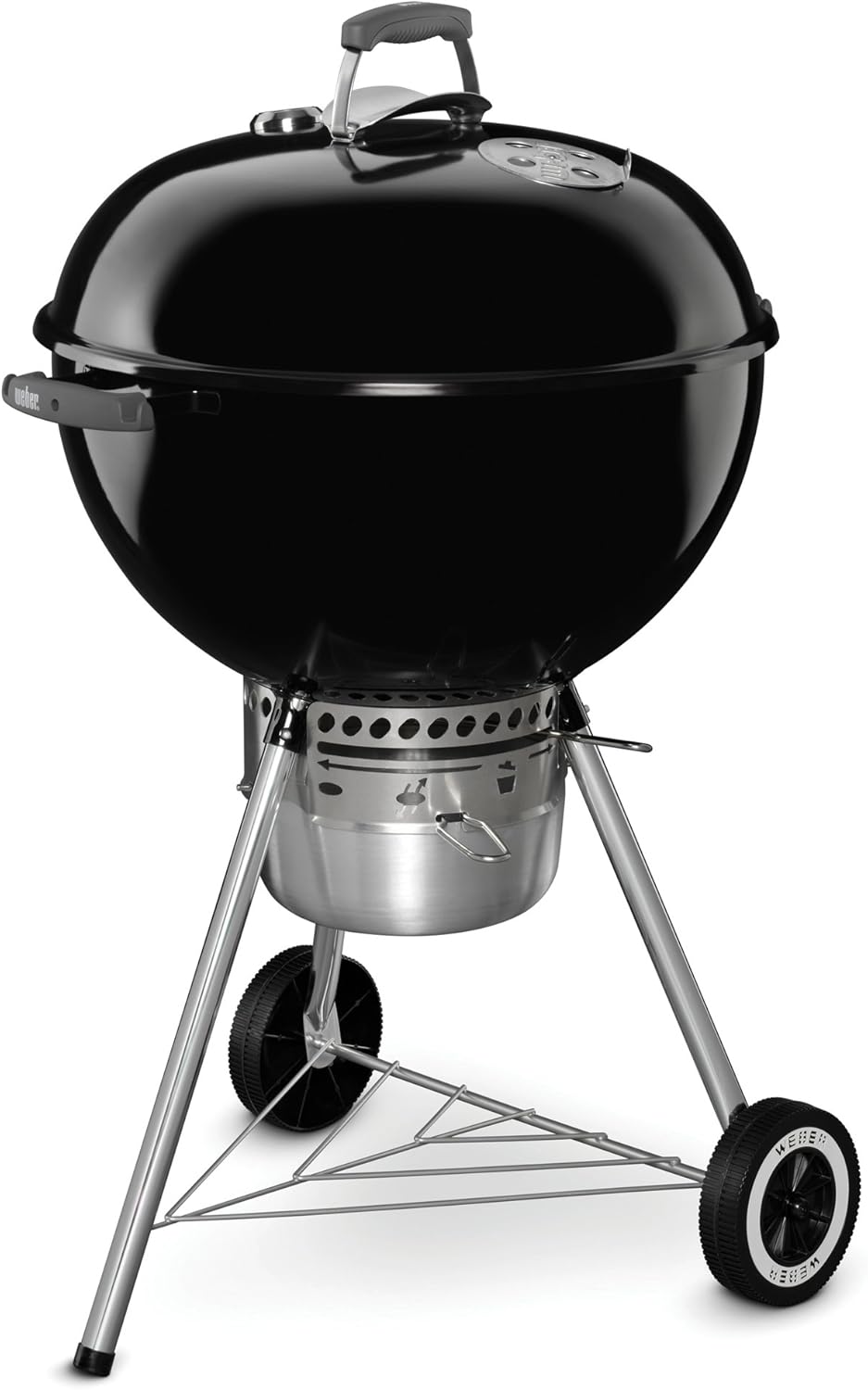
The Weber Original Kettle Premium Charcoal Grill is a timeless classic that has earned its reputation among backyard grillers, BBQ enthusiasts, and outdoor entertainers. This 22-inch kettle grill is designed for those who appreciate the rich, smoky flavor that only charcoal can deliver. Whether you are hosting a weekend barbecue, tailgating at the stadium, or cooking at a campsite, this grill offers the versatility and performance to handle a wide range of outdoor cooking tasks.
In terms of cooking performance, the Weber Kettle excels at heat consistency and temperature control. The porcelain-enameled lid and bowl retain heat efficiently, allowing you to sear steaks at high temperatures or maintain a steady low-and-slow heat for smoking brisket or ribs. The built-in lid thermometer takes the guesswork out of temperature management, and the adjustable dampers give you precise control over airflow. With a 22-inch cooking surface, you can fit up to 13 burgers at once, making it ideal for feeding a crowd. The hinged cooking grate is a standout feature, letting you add fresh charcoal or wood chips without lifting the entire grate - a real advantage for long cooks.
Build quality is robust. The porcelain-enameled lid and bowl resist rust and peeling, even after years of exposure to the elements. The plated steel cooking grate is durable and easy to clean. The glass-reinforced nylon handles stay cool to the touch, and the all-weather wheels make it easy to move the grill around your patio or yard. The angled lid hook prevents you from setting the hot lid on the ground, which is a thoughtful touch for safety and convenience. While the grill is not ultra-portable like a camping stove, its weight and wheels allow for easy relocation within your backyard or to a tailgate spot.
Cleanup is straightforward thanks to the One-Touch cleaning system. The high-capacity ash catcher collects ashes from the bottom vents, and you can easily dispose of them by pulling the lever and removing the catcher. This system minimizes mess and keeps your grilling area tidy. The aluminum damper is rust-resistant and smooth to operate, giving you long-lasting control.
That said, there are a few limitations. Assembly can be a bit fiddly - the leg pins require some effort to snap into place, and the instructions are picture-only. Also, like all charcoal grills, you will need about 20 minutes to get the coals ready using a chimney starter (highly recommended). There are no side tables built in, so you may want a separate prep station. But these are minor trade-offs for the outstanding cooking results and durability this grill offers.
Overall, the Weber Original Kettle Premium is a fantastic choice for anyone passionate about charcoal grilling. It is perfect for backyard BBQ lovers, tailgaters, campers, and outdoor cooks who want a reliable, flavorful cooking experience. With proper care, this grill will last for years - many users report passing down their Weber kettles to the next generation. If you are looking for a versatile, high-quality charcoal grill that delivers exceptional smoke flavor and consistent heat, this is the one to buy.
The Weber Kettle's design allows for both direct and indirect grilling. For high-heat searing, open the bottom vent fully and use a full chimney of lit coals spread evenly. The heat retention of the porcelain bowl ensures a consistent sear. For low-and-slow smoking, use the indirect method by banking coals to one side and placing a water pan on the other. The lid thermometer helps maintain temperatures around 225-250°F for hours. The hinged grate lets you add wood chunks for extra smoke without losing heat. This grill can handle anything from quick burgers to overnight brisket cooks.

Pros
- Outstanding heat retention and even cooking thanks to the porcelain-enameled construction.
- One-Touch cleaning system drastically cuts down cleanup time - no more wrestling with ash pans.
- Versatile temperature control via top and bottom dampers allows both fast grilling and slow smoking.
- Sturdy build with rust-resistant materials ensures this grill lasts for years of outdoor use.
- Portable with all-weather wheels and a compact footprint - easy to take to tailgates or campsites.
Cons
- Does not include a built-in grill thermometer, so you may need to buy one separately for accurate temperature monitoring.
- Assembly can be somewhat time-consuming and requires basic tools; the instructions are clear but not step-by-step for beginners.
- Charcoal management takes a little practice to master temperature consistency, especially in windy conditions.
The Weber Original Kettle Charcoal Grill in the classic 22-inch size is a staple in the outdoor cooking world. This is a charcoal kettle grill designed for direct grilling, indirect heat cooking, and even low-and-slow smoking when you manage the airflow right. It's perfect for backyard grillers, BBQ enthusiasts who love that smoky flavor, campers who want a reliable grill at the campsite, and tailgaters who need a portable setup that can feed a crowd.
In real-world cooking, this grill shines with consistent heat across the grate. The porcelain-enameled bowl and lid hold onto heat remarkably well, so you get even cooking without hot spots. You can crank up the dampers for a ripping hot sear on steaks, or close them down for a gentle smoke on ribs or a whole chicken. The 22-inch cooking surface gives you enough real estate for 13 burgers, a couple of racks of ribs, or a large brisket. Charcoal burns efficiently too - you can get several hours of cook time on a full chimney of coals, which is great for all-day smoking sessions.
Build quality is where Weber really delivers. The porcelain-enameled steel lid and bowl resist rust and chipping far better than painted steel grills. The cooking grate is plated steel that's durable and easy to clean. The all-weather wheels make moving the grill around your patio or into the garage simple, and the tool hooks on the side let you hang your spatula and tongs within reach. The lid hook on the back lets you hang the lid out of the way, which is a nice touch when you're flipping burgers.
Setting up the Weber Kettle is straightforward, though it does take about an hour and a half to assemble. You'll need a Phillips head screwdriver and maybe a wrench, but the instructions are clear. Cleanup is where this grill really wins points - the One-Touch cleaning system lets you sweep ash directly into the removable catch pan underneath. No more wrestling with a dirty ash bucket. The pan is aluminized steel so it won't rust quickly.
One realistic limitation is the lack of a built-in thermometer. You'll want to pick up a good probe thermometer or a grill grate thermometer to monitor temperature accurately. Also, like any charcoal grill, you'll need to manage the airflow to avoid flare-ups and maintain steady temps, especially on windy days. But that's part of the fun of charcoal cooking - you get more control over flavor.
Overall, the Weber Original Kettle is a smart investment for anyone serious about outdoor cooking. Whether you're cooking for a family gathering on the patio, smoking a brisket for a weekend party, or packing it up for a tailgate, this grill delivers reliable performance and classic smoky flavor. It's not the cheapest option out there, but the build quality and 10-year warranty make it a buy-it-for-life piece of gear.
The 22-inch Weber Kettle offers excellent versatility for outdoor cooking. You can use direct heat for searing steaks and burgers, or set up for indirect heat by placing coals on one side and food on the other - perfect for smoking ribs or a whole chicken. The porcelain-enameled lid helps trap heat and smoke, giving your meat that rich, smoky flavor charcoal is known for.
Temperature control is managed through the top damper and bottom vent. Open them wide for high heat (up to 500F+) or close them down to maintain 225-250F for low-and-slow cooking. The heat consistency across the grate is very good overall, though you may notice slightly higher heat near the edges on windy days. For most backyard cooks and campers, the performance is more than adequate for everything from hot dogs to brisket.

Pros
- 100% natural bamboo - renewable and cleaner than traditional charcoal
- High heat output (700°C) delivers excellent searing performance
- Long burn time (5 hours) reduces the need for mid-cook refueling
- Fast, reliable ignition thanks to the center hole design
- Low ash and minimal smoke keep food flavors pure and cleanup simple
Cons
- May require multiple cubes for larger grills or longer cooks (28 cubes per pack)
- Not suitable for gas or electric grills - only works with charcoal cookers
- Slightly higher cost per pound compared to standard lump charcoal
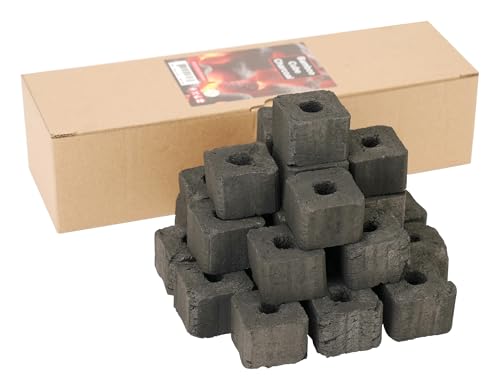
The DUCIHBA Bamboo Charcoal Grill Cubes are a natural, eco-friendly fuel option designed for outdoor cooking enthusiasts. These 28 cubes (2.2 lbs total) are made from 100% bamboo, offering a renewable alternative to traditional hardwood charcoal. Each cube features a 1 cm center hole that promotes fast ignition and steady airflow, so you spend less time waiting and more time grilling.
These cubes are best suited for backyard grillers, campers, tailgaters, and anyone who values clean, efficient heat for their charcoal grill or smoker. They reach temperatures up to 700°C (1292°F) - hot enough to sear steaks, burgers, and chops with a beautiful crust. The long burn time of up to 5 hours means you can slow-smoke ribs or brisket without constantly adding fuel, making them a great match for both fast grilling and low-and-slow cooking.
In real-world use, the consistent heat output is impressive. The center hole design ensures even airflow, which helps maintain steady temperatures throughout a cook. Smoke production is minimal, so delicate foods like fish or vegetables won't pick up harsh flavors. Ash content is below 5%, which means less mess when cleaning out your grill after a weekend BBQ.
Build quality is straightforward - these are solid, uniform cubes that hold together well during storage and transport. The packaging is compact and resealable, making them easy to toss in a cooler for camping trips or tailgate parties. Since they're bamboo, they're lighter than many lump charcoals, but still dense enough to provide sustained heat.
Setup is simple: stack a few cubes in your grill, light the center hole, and they'll catch quickly with a standard lighter or fire starter. Cleanup is a breeze thanks to the low ash residue - just dispose of the fine powder after the grill cools. One limitation is that these cubes are best for smaller to medium grills; if you're cooking for a large crowd or using a big offset smoker, you may need multiple packs. Additionally, they require a charcoal-friendly cooker, so gas or pellet grill owners won't benefit.
Overall, the DUCIHBA Bamboo Charcoal Cubes are a practical, eco-conscious choice for outdoor cooks who prioritize clean heat, easy ignition, and minimal cleanup. They excel in backyard entertaining, camping, and tailgating scenarios where convenience and performance matter. If you're looking to reduce your carbon footprint without sacrificing cooking power, these cubes are worth trying.
The DUCIHBA bamboo cubes offer excellent fuel efficiency for their size. Each cube burns for up to 5 hours, which is impressive for a 2.2 lb pack. The high heat capability (700°C) means you can achieve searing temperatures quickly, then drop to a lower heat for slower cooking by adjusting airflow. The center hole design plays a key role in maintaining consistent combustion - it allows oxygen to reach the core of each cube, reducing the need for fussing with vents. For campers or tailgaters who don't want to carry bulky bags of charcoal, these cubes provide a compact, high-output solution.

Pros
- Classic Weber kettle design delivers great charcoal flavor in a portable package
- Solid build with porcelain-enameled steel resists rust and weather
- 22-inch grate offers enough space for 13 burgers using a Weber press
- Two dampers allow excellent temperature control for searing or smoking
Cons
- No built-in thermometer means you'll need an external one for accurate temps
- Relatively heavy at 28.5 lbs, not ideal for long hikes
- A bit small for cooking for large parties of more than 6-8 people
The Weber Jumbo Joe Premium Charcoal Grill is essentially a portable version of the legendary Weber kettle, and that alone makes it a compelling option for outdoor cooks who value real charcoal flavor on the go. With a 22-inch diameter cooking grate, it bridges the gap between a full-sized backyard grill and a small portable unit, making it perfect for tailgating, camping, patio dinners, or weekend BBQs. If you've ever wished you could take that classic kettle experience with you, this is the grill you've been waiting for.
Who is the Jumbo Joe built for? Honestly, it suits a wide range of outdoor enthusiasts. Backyard grillers will appreciate the familiar Weber cooking performance, while campers and RV owners will love the portability and durable build. Tailgaters can fire it up in the parking lot and serve up burgers and brats for a crowd, and patio cooks can keep it handy for quick weeknight dinners without needing a massive grill setup. The 22-inch grate holds up to 13 burger patties (using a Weber press) or a small brisket, so it's practical for small gatherings and family meals.
In terms of real-world cooking performance, the Jumbo Joe delivers the same heat consistency and smoke flavor you'd expect from a larger Weber kettle. The porcelain-enameled lid and bowl retain heat exceptionally well, which means you can sear steaks hot and fast or close the dampers down for low-and-slow smoking. The rust-resistant aluminum dampers allow precise airflow control, so managing temperatures for different cooking styles is straightforward. Expect good charcoal efficiency too - with proper damper management, a single load of charcoal will handle most cooking sessions without needing to add more fuel. Flare-ups are generally manageable with the adjustable dampers, though as with any charcoal grill, keep a close eye on fatty meats.
Build quality here is typical Weber: sturdy, weather-resistant, and built to last. The porcelain-enameled steel lid and bowl resist rust and peeling, so the grill can sit outside in the elements without falling apart quickly. The plated steel cooking grate is durable and easy to clean, and the aluminum ash catcher makes ash disposal tidy and efficient. The lid hook is a nice touch - slide the lid onto it instead of laying it on the ground, which keeps dirt and debris away. The heat shield on the lid handle is practical for adjusting or checking food without burning yourself. Portability is aided by all-weather wheels, but note that at nearly 29 pounds, it's not a lightweight backpacking grill. It rolls easily on level ground, so moving it around the patio or rolling it to the car is manageable.
Setting up the Jumbo Joe is straightforward - it comes mostly assembled, with just a few parts to attach. Transport is aided by the two wheels and a sturdy handle, but you'll need some space in your vehicle for the 24 x 38 x 10 inch box. Cleanup is largely thanks to the removable ash catcher and the smooth porcelain surfaces that wipe down easily. Storage isn't too demanding either; it can be left on the patio or stored in a garage or shed without taking up a huge footprint. Realistically, the main limitation is the lack of a built-in thermometer, so you'll want to invest in a quality external thermometer to monitor cooking temperatures, especially for smoking. Also, while it's portable, it's not ideal for backpackers or long hikes due to the weight. For car camping, tailgating, or patio use, though, it's perfect.
Overall, the Weber Jumbo Joe Premium Charcoal Grill offers a fantastic balance of cooking performance and portability. It's a versatile tool that can handle everything from quick burgers to a slow-smoked pork shoulder, and its build quality means it will serve you for many seasons. If you love the flavor of charcoal and want a grill that can travel with you, this is a smart investment. It's not the cheapest option out there, but for the combination of Weber reputation, heat retention, and durable construction, it's well worth the price. Whether you're tailgating at the game, camping at the lake, or just cooking on the patio, the Jumbo Joe delivers real BBQ results.
The Jumbo Joe excels at high-heat searing - the porcelain-enameled bowl and lid hold heat well, and with the dampers fully open, you can get the coals roaring hot for a perfect crust on steaks and burgers. For low-and-slow cooking, close the dampers down to about a quarter open; the grill will maintain a steady 250-300F range suitable for ribs, chicken, or a small brisket. Smoke flavor is excellent because you're using real charcoal, and you can add wood chunks for extra aroma. The 22-inch grate gives you a two-zone cooking setup - pile coals on one side for direct heat and leave the other side cooler for indirect cooking. This flexibility lets you sear then finish, or cook larger items like a whole chicken without direct flame. Fuel efficiency is good; with a full chimney of charcoal, you can cook for 2-3 hours at low temps before needing to add more briquettes.

Pros
- Huge cooking capacity with separate warming rack for versatile outdoor cooking.
- Dual adjustable charcoal trays offer excellent temperature control for different foods simultaneously.
- Easy mobility with four wheels and foldable side tables for convenient storage.
- Cover included and sturdy build quality for long-lasting outdoor use.
Cons
- At 84 pounds, it's heavy to move up stairs or over rough terrain despite wheels.
- Porcelain-enameled grates are durable but may require careful cleaning to avoid chipping.
- No built-in thermometer – you'll need an external one for precise low-and-slow smoking.
The DNKMOR charcoal grill is a beast of a backyard cooker designed for serious outdoor entertaining. With a total cooking area of 794 square inches, it comfortably handles a 10-15 person feast, from burgers and hot dogs for a tailgate to a full brisket for a weekend BBQ. The standout feature is the two individually adjustable charcoal trays, which let you create distinct heat zones: sear a steak over high heat on one side while gently smoking ribs on the other. This is a real advantage for anyone who likes to cook different foods at once without compromising temperature.
This grill is built for versatility. Whether you're a backyard griller looking to upgrade from a basic kettle or a camping enthusiast who needs a portable setup for the RV, the DNKMOR fits the bill. The foldable side tables provide ample prep space, and the four wheels – two of them swivel – make it easy to roll around your patio or into the garage. It's heavy at 84 pounds, so it's not a throw-in-the-trunk portable, but the wheels help you position it exactly where you need it for tailgating or camp cooking.
When it comes to real-world cooking performance, the dual charcoal trays shine. You can control heat left and right independently, which is great for managing flare-ups or cooking different proteins at once. The porcelain-enameled steel wire grates retain heat well and give nice sear marks. The warming rack adds another 272 square inches, perfect for keeping buns warm or finishing burgers. For low-and-slow smoking, you'll want to add a chimney starter and a good thermometer – the grill doesn't come with one built-in – but the adjustable air dampers and separate charcoal doors make fuel management easy. Just open the front doors to add charcoal without disturbing the food.
Build quality is solid for the price. The high-temperature powder-coated steel resists rust, and the included waterproof cover adds extra protection when storing outdoors. The side tables fold down for compact storage, and the grill itself feels sturdy once assembled. Assembly is straightforward but expect to spend an hour or two with basic tools. Cleanup is manageable: the removable ash catcher and charcoal trays simplify ash disposal, though the grates need a good brush after each cook.
One limitation is the weight – at nearly 84 pounds, it's not a quick setup for spontaneous tailgates. You'll want a dedicated spot or a dolly for transport. Also, without a built-in thermometer, you'll need to rely on an external probe for precise internal temperatures, which is a minor inconvenience for smoking. The grates are durable but not as heavy-duty as cast iron, so treat them gently.
Overall, the DNKMOR charcoal grill offers exceptional value for backyard cooks and outdoor entertainers who need lots of space and flexible heat control. It's a solid choice for family BBQs, camping with a large group, or anyone who wants to move beyond a standard grill. Just be prepared for the weight and bring your own thermometer. If you're looking for a versatile charcoal cooker that can handle everything from quick burgers to all-day smoking, this DNKMOR model is worth a close look.
The DNKMOR grill's dual adjustable charcoal trays are the key to its cooking performance. You can raise or lower each tray independently, creating high-heat zones for searing and low-heat zones for slow cooking. This is perfect for cooking burgers and chicken at the same time without overcooking. The 477 sq in main grate and 272 sq in warming rack give you plenty of real estate. Smoke flavor is good thanks to the covered design and adjustable dampers, though adding wood chunks for extra smoke is easy through the front charcoal doors.
Temperature control relies on the two adjustable charcoal trays and built-in air dampers. By raising or lowering the trays, you can increase or decrease heat output independently on each side. The front charcoal doors let you add fuel without opening the lid, helping maintain temperature. For best results, use a chimney starter for even coal ignition and an external thermometer for precise monitoring. The system works well for both direct grilling and indirect smoking when you bank coals to one side.
With four wheels and foldable side tables, the DNKMOR grill is mobile for a large charcoal cooker. The two swivel wheels make turning and positioning easy on flat ground. At 84 pounds, it's not lightweight, but the wheels let you roll it from the garage to the patio or driveway for tailgating. The foldable tables reduce width for storage. This grill is best suited for semi-permanent placement or occasional moves, not daily transport.
Practical Guide to Charcoal Grilling Fundamentals
Charcoal grilling relies on basic thermodynamics, where fuel volume and airflow determine your cooking temperature. Learning how do you charcoal grill successfully requires moving away from guesswork and understanding how oxygen fuels your fire. When you establish steady air currents, select clean fuel, and arrange your coals intentionally, you gain complete command over your grill surface. This methodical approach ensures juicy interiors, crisp exterior crusts, and dependable results every time you light a fire.
Choosing the Right Charcoal Fuel for Your Cook
Charcoal comes in two primary forms, with each providing distinct burn rates and heat characteristics. Traditional charcoal briquettes consist of compressed sawdust and binding agents designed to burn at a consistent, moderate temperature for long periods. They provide predictable heat distribution, which makes them ideal for roasting whole birds or slow-cooking ribs. Natural lump charcoal, on the other hand, consists of charred hardwood pieces that ignite quickly, burn hotter, and produce significantly less residual ash.
Specialty fuels offer unique benefits depending on your cooking goals and equipment size. Dense options like bamboo charcoal cubes ignite cleanly through molded airflow holes and sustain high cooking temperatures with minimal spark production. These compact cubes suit tabletop braziers and portable grills where fuel space is limited. Whichever fuel type you select, keeping your charcoal dry in an airtight container prevents moisture absorption that can lead to stubborn ignition and poor heat output.
Lighting Charcoal Without Petroleum Fluids
Lighter fluid may seem convenient, but liquid petroleum starters can impart chemical odors and unpalatable flavors into your food. A dedicated chimney starter offers a cleaner, safer, and far more effective way to ignite coals evenly. You simply fill the metal cylinder with charcoal, place a couple of natural fire starter cubes or crumpled newspaper underneath, and light the base. Rising heat creates a natural draft that pulls flame upward through the fuel column without chemical additives.
Coals generally require fifteen to twenty minutes in a chimney starter to reach optimal cooking readiness. You will know the fire is ready when flames lick through the top layer and the briquettes develop a light coating of gray ash. Pouring the coals too early leaves you with black, unignited fuel that produces acrid white smoke. Pouring them carefully into your charcoal grate at the gray-ash stage guarantees a steady heat bed and clean combustion.
Regulating Temperature with Intake and Exhaust Dampers
Airflow control is the single most important mechanism for regulating internal heat on any charcoal cooker. The bottom intake damper feeds fresh oxygen directly into the coal bed, dictating how fast and hot the fuel burns. Opening the bottom damper wide increases oxygen delivery, causing the charcoal to blaze hotter and raise cooking chamber temperatures. Partially closing the intake damper restricts oxygen, which gently slows combustion and cools down the cooking chamber.
The top exhaust damper on the grill lid controls how quickly hot air and combustion gases escape the cooking area. Leaving the exhaust damper open maintains a steady convection current that draws fresh air past the coals and across your ingredients. Closing the exhaust damper too tightly traps stale smoke and can choke the fire completely by stalling natural draft. Units like the Oklahoma Joe’s Laredo Series 900 Offset Charcoal pair side air dampers with dedicated smokestacks to help cooks fine-tune draft across spacious barrel chambers.
Setting Up Direct and Indirect Two-Zone Heat
Spreading charcoal evenly across the entire bottom grate is a frequent error that leaves you with zero temperature flexibility. The two-zone fire arrangement solves this problem by banking all your hot coals onto one side of the lower grate while leaving the opposite side completely empty. The coal-covered half creates your direct cooking zone, delivering radiant infrared heat for rapid searing and blistered grill marks. The empty half serves as an indirect cooking zone, relying on circulating ambient heat to bake or roast food gently.
Two-zone setups provide a vital safety area where you can rescue flare-prone meats from open flames. Thick steaks benefit immensely when you roast them gently on the indirect side before finishing with a high-heat sear over direct coals. You can also place wood chunks directly on the charcoal to generate authentic wood smoke, or pair traditional setups with smoker box accessories when using specialized fuel trays. This dual-zone flexibility prevents dry, scorched dinners and accommodates various foods simultaneously.
Managing the Grill Lid and Internal Convection
Keeping the grill lid closed is essential for maintaining stable temperatures and cooking food uniformly. When you remove the lid, ambient heat instantly dissipates into the outdoor air while an uncontrolled rush of oxygen hits the coal bed. This sudden rush of oxygen causes the charcoal to burn aggressively, spiking grate temperatures while dropping the surrounding air temperature. Leaving the lid firmly in place creates a balanced convection oven effect that cooks meats evenly from all sides.
Lid thermometers provide a helpful general baseline for ambient air temperature inside the upper dome. Models like the Weber Original Kettle Premium Charcoal Grill feature built-in lid thermometers and porcelain-enameled steel construction designed to trap heat effectively. Remember that dome temperatures often read higher or lower than the actual grate level where your meat rests. Using a digital ambient grate probe alongside your lid gauge gives you the most accurate read on cooking conditions.
Preventing and Controlling Unwanted Flare-Ups
Flare-ups happen when rendered animal fat or sugary marinades drip directly onto incandescent coals, triggering sudden bursts of flame. While a brief flash can add pleasant char, sustained flames scorch exterior surfaces and deposit bitter, black soot on your food. Attempting to extinguish flare-ups by spraying water from a bottle is dangerous because it blasts hot steam and fine ash all over your ingredients. Water can also cause rapid thermal shock that damages porcelain enamel or cast metal components.
The safest response to a flare-up is using long metal tongs to shift the food immediately to the cooler indirect zone. Once the meat is out of direct flame contact, close the grill lid and slightly narrow the intake damper to starve the fire of oxygen. The flames will subside quickly without damaging your meal or dropping ash onto your cooking surface. Trimming excess fat caps before grilling and patting oil marinades dry also minimizes flare-up frequency before cooking starts.
Temperature Guidelines and Doneness Checks for Common Meats
Direct high heat ranging from 450 to 550 degrees Fahrenheit suits thin cuts that cook in ten minutes or less. Boneless steaks, beef patties, shrimp skewers, and sliced vegetables develop deep caramelization over direct coals without drying out inside. Sear burgers with the lid closed for several minutes per side, turning them only once to protect the delicate exterior crust. Quick cooking requires your undivided attention near the grill station to prevent sudden charring.
Thicker proteins like bone-in chicken thighs, pork loins, and sausages require moderate indirect heat around 325 to 375 degrees Fahrenheit. Cooking these cuts entirely over glowing coals often blackens the exterior skin long before the center reaches a safe finished state. Starting chicken on the indirect side allows internal meat to cook through gently while rendering stubborn subcutaneous fat. You can finish your poultry over direct heat for two minutes, applying a sweet cranberry barbecue sauce during the final moments so sugars do not burn.
Visual checks and tactile firmness tests are notoriously unreliable ways to determine whether meat is safe and properly cooked. Cutting into a steak releases flavorful juices onto the grates and accelerates moisture loss. Always insert a calibrated digital instant-read thermometer into the thickest part of the protein, away from bone or gristle. Follow United States Department of Agriculture food safety guidelines by cooking poultry to 165 degrees Fahrenheit and whole cuts of pork or beef to at least 145 degrees Fahrenheit followed by a three-minute rest.
How Grill Construction Influences Heat Management
Grill body geometry and material thickness directly shape how coals retain heat and respond to vent adjustments. Classic kettle cookers utilize a rounded bowl and lid that bounce radiant heat smoothly across the entire grate perimeter. Models such as the Weber Original Kettle Charcoal Grill, 22-Inch rely on durable porcelain-enameled steel that resists corrosion while sealing tightly against air leaks. These rounded profiles excel at creating consistent circular airflow patterns that make two-zone cooking simple to manage.
Larger horizontal designs offer separate cooking areas and dedicated charcoal adjustment mechanisms. The DNKMOR Charcoal Grill Outdoor BBQ Grill provides expansive cooking surfaces alongside two individual liftable charcoal trays that allow cooks to raise or lower heat beds independently. Being able to adjust fuel proximity beneath food gives you granular temperature control without constantly shuffling coals across grates. Front access doors on barrel models also allow you to add fresh briquettes during long smoking sessions without removing heavy cooking racks.
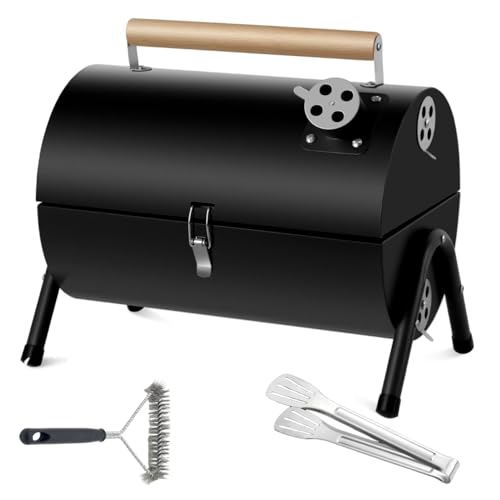
Compact tabletop options cater to outdoor enthusiasts who prioritize portability during camping trips or picnics. Units like the Portable bbq Charcoal Grill Small Folding Table and Weber Jumbo Joe Premium Charcoal Grill, 22-Inch pack capable cooking areas into lightweight frames with secure lid locks and folding supports. Tabletop cookers feature smaller fireboxes that heat up rapidly with relatively few briquettes. Monitoring airflow becomes even more critical on portable units because their tight interior spaces react swiftly to damper movements.
Critical Fire Safety and Carbon Monoxide Warnings
Operating any charcoal grill indoors, inside a residential garage, or under an enclosed porch presents severe, life-threatening dangers. Burning charcoal produces significant volumes of carbon monoxide, an invisible, odorless gas that displaces oxygen in enclosed spaces and causes fatal poisoning within minutes. Opening a garage door or operating fans does not provide adequate ventilation to make indoor charcoal combustion safe. Grills must strictly be used outdoors in well-ventilated open-air environments away from dwelling structures.
Always maintain a clear safety perimeter of at least ten feet between your hot grill and combustible siding, deck rails, overhanging tree branches, or wooden eaves. Place your cooker on a firm, level, non-combustible surface such as concrete, patio pavers, or a dedicated fireproof grill mat. Keep a clean bucket of baking soda or an approved class B fire extinguisher within easy reach in case of grease fires. Never leave an active charcoal fire unattended, especially when children or household pets are nearby.
Post-Cook Grate Cleaning and Safe Ash Handling
Cleaning your cooking grates is easiest while the metal is still hot immediately following food removal. Run a stiff-bristled, wire-free grill scraper across the warm grates to dislodge caramelized drippings and carbonized food particles. The residual heat softens stuck-on residue, allowing you to clean the cooking surface in seconds without harsh chemical cleaners. Wiping the grates lightly with a high-smoke-point cooking oil on a folded paper towel protects bare metal surfaces between grilling sessions.
Extinguishing remaining coals properly prevents accidental fires and saves unspent fuel for your next outdoor meal. Close both the top exhaust and bottom intake dampers completely to choke off oxygen delivery to the fire bed. Once the coals are thoroughly smothered, allow the grill to cool undisturbed for at least twenty-four to forty-eight hours before handling the ash. Empty cool ash into a dedicated metal disposal bucket with a tight lid, rather than a combustible plastic trash can or paper bag.
Practical Principles for Consistent Charcoal Success
Achieving mastery over a charcoal grill is an ongoing balance of fuel selection, intentional airflow control, and patient heat observation. Resisting the urge to poke coals constantly or open the lid unnecessarily preserves the stable cooking environment your ingredients need. When you rely on dependable two-zone coal banking and verify internal doneness with digital probes, charcoal cooking transitions from an unpredictable chore into an artful culinary technique. Respect the fire, monitor your intake vents, and enjoy the unmatched flavor of outdoor charcoal cooking.




Write Your Review
No reviews yet. Be the first to share your experience!