


Freezing mountain air and sluggish boil times can ruin any cold-weather trip before dinner hits the pan. Fighting with damp twigs or inadequate burner heat leaves you shivering while waiting for snow to melt. Setting up a durable wood burning camp stove solves that headache by turning gathered timber into intense, localized heat for frying, boiling, and warming your shelter. Based on manufacturer specifications and outdoor feedback, top models feature airtight firebox latches, spark arrestors, and collapsible chimney pipes that draft smoke cleanly upward.
Thicker stainless steel or cast iron fireboxes resist warping under continuous heat, while integrated airflow dampers give you genuine flame control. Some campers alternate between timber units and a portable grill stove combo for tent camping depending on local fire regulations and site conditions. Checking fuel door dimensions, side shelf space, and chimney pipe stability ensures you get reliable cooking performance without unexpected drafts filling your tent with unwanted smoke.

Pros
- Robust stainless steel construction resists outdoor weathering and high-temperature firebox stress
- Large ceramic glass front window offers clear visibility of burning wood and flame levels
- Comes complete with seven chimney pipes for effective outdoor smoke exhaust
- Elevated stable legs prevent direct firebox contact with flooring or ground surfaces
Cons
- Weighs 22 pounds, making it heavier than ultralight titanium backpacking alternatives
- Requires regular manual ash cleanup and periodic soot removal from the ceramic glass window
- Strictly for outdoor or properly vented hot-tent use, requiring continuous manual wood replenishment
The unho Stainless Hot Tent Stove is a portable wood-burning heating and cooking stove engineered for outdoor environments, cold-weather camping, and backyard gatherings. While shoppers browsing appliance categories may encounter this unit, it is completely distinct from indoor residential cooking appliances such as standard 30-inch freestanding gas ranges or slide-in electric smooth-top stoves. This compact unit operates entirely off-grid using solid wood fuel, making it a dedicated choice for hot-tent campers, hunters, and homeowners preparing an outdoor emergency cooking and heating solution during severe weather outages.
Unlike conventional residential stoves with gas burners or radiant electric elements, heat output here is generated through natural firewood combustion within a sealed firebox. The flat top plate serves as an efficient direct-contact cooking surface capable of boiling water in a kettle, heating cast-iron cookware, or warming pre-cooked meals. Airflow controls allow users to adjust combustion air intake, helping maintain steady heat output to warm the surrounding shelter while directing smoke and combustion byproducts upward through the included exhaust flue system.
Constructed from stainless steel, the firebox is built to withstand high internal temperatures without rapid corrosion or structural warping. A standout design feature is the large crack-resistant ceramic glass window integrated into the front door. This window permits continuous monitoring of the burning wood and flame intensity without requiring the door to be opened, which preserves internal heat and prevents embers from escaping. Stable support legs elevate the base of the stove, preventing direct contact with the ground or tent floor.
With exterior dimensions of 15.75 x 12.2 x 7.68 inches and an overall weight of 22 pounds, the stove is compact enough for vehicle transport while maintaining a substantial, stable footprint. Setup requires no electrical circuits, 240-volt cords, or municipal gas connections. Users assemble the folding legs and connect the seven interlocking chimney pipes to route exhaust gases through a stove jack or dedicated outdoor tent opening. Safety precautions require keeping the hot exterior clear of flammable tent fabrics and keeping fire suppression tools, such as an extinguisher or sand, within reach.
At 22 pounds, this stove is significantly heavier than ultralight titanium pack stoves, positioning it firmly for vehicle-supported camping or backyard patio use rather than extended backpacking treks. Because it is a solid-fuel wood burner, it requires ongoing manual refueling, consistent airflow monitoring, and routine post-burn ash cleanup. The ceramic glass window also demands regular wiping to remove soot build-up between fires. Crucially, it must never be operated inside unventilated residential living spaces due to carbon monoxide hazards.
For outdoor enthusiasts, winter hot-tent campers, and homeowners seeking a self-contained, wood-fired outdoor stove for emergency preparedness or backyard comfort, the unho Stainless Hot Tent Stove offers practical utility. The combination of durable stainless steel construction, a clear ceramic glass viewing panel, and a full set of seven chimney pipes makes it a solid standalone heating and boiling setup for cold-weather outdoor adventures.
The unho Hot Tent Stove utilizes stainless steel for the primary firebox body, providing resistance against rust, moisture, and high thermal stress during wood fires. The front door features a wide ceramic glass window designed to resist thermal shock and cracking while providing an unobstructed view of the fire.
Elevated legs provide a sturdy foundation that isolates the hot firebox floor from the surface underneath. The overall structure weighs 22 pounds, reflecting substantial metal gauge thickness that helps maintain rigidity during repeated heating and cooling cycles.
Proper venting is essential for any solid-fuel heating unit. This model includes seven individual chimney pipe sections that interlock to guide combustion gases away from the firebox and out through a fire-retardant tent stove jack or open-air canopy.
Because exterior surfaces become extremely hot during operation, users must maintain adequate clearance from flammable tent fabrics and combustible gear. Operating the stove requires assembled support legs to elevate the firebox, continuous supervision when in use, and keeping appropriate fire suppression equipment nearby.

Pros
- Compact 14-pound footprint with folding legs makes transport and outdoor camp setup manageable
- Flat stovetop surface allows simultaneous space heating and basic skillet or kettle cooking
- Modular 73.23-inch chimney with included spark arrestor vents combustion gases safely outside shelters
- Comprehensive package includes assembly tools, fire maintenance accessories, and protective gloves
Cons
- Requires an initial 30-minute outdoor curing burn to burn off manufacturing oils and odors before tent use
- Restricted strictly to dry firewood outdoors; not compatible with indoor household kitchens or residential gas and electric hookups
- Demands active manual ash cleanup and constant carbon monoxide monitoring in any semi-enclosed shelter
Shoppers navigating the stoves category are often evaluating standard 30-inch freestanding gas ranges or slide-in electric units for their homes, but the Vrygle Portable Hot Tent Stove serves a very distinct outdoor heating and cooking niche. Built with a heavy-duty iron firebox and stainless steel hardware, this portable wood-burning stove is engineered for wall tent heating, cold-weather camping, and emergency off-grid cooking. Its compact 21.3 by 7.5 by 15.7-inch profile and 14-pound total weight make it well suited for outdoor recreationists, hunting base camps, and rural households preparing for power outages, though it is not designed to replace a permanent indoor kitchen cooking range.
Rather than relying on municipal natural gas lines or high-amperage 240V electric connections, this unit derives heat entirely from dry firewood combustion. The top surface features a flat iron plate engineered for direct cookware contact, allowing users to boil water in a kettle, fry food in a skillet, or warm pre-cooked meals directly over the firebox. Inside the combustion chamber, a raised fire grate net elevates split wood to allow continuous oxygen circulation underneath the fuel bed. Flame intensity and heat output are managed manually using the front-mounted air intake vents alongside an adjustable damper integrated into the flue pipe, while a front glass window allows fire monitoring without letting smoke spill out.
The construction pairs reinforced iron with corrosion-resistant stainless steel to balance rapid thermal transfer with long-term structural resilience. The iron housing heats quickly to radiate warmth into cold shelters, while the stainless steel accents resist high-temperature deformation and oxidation. Flanking the main firebox are dual side shelves that provide a convenient resting spot for cooking utensils or warming pans; when packing up, these shelves fold upward to double as carrying handles. The stove stands on folding legs that elevate the hot base off ground surfaces to reduce heat transfer to the floor.
Venting combustion exhaust safely is critical for any solid-fuel stove, and this model comes equipped with six detachable chimney sections that assemble to a total height of 73.23 inches. This chimney pipe stack directs smoke and carbon monoxide up and out through an approved heat-resistant tent stove jack. At the top of the flue, an included spark arrestor catches stray embers to minimize burn risks to tent canvas or surrounding foliage. For structural security in breezy weather, the kit includes ground stakes and guy lines to anchor the tall chimney assembly firmly in place.
Operating a wood-burning stove involves specific maintenance and strict safety precautions compared to automated household appliances. Before deploying the unit inside a tent or shelter, the manufacturer mandates an initial break-in burn outdoors in an open area for approximately 30 minutes to cure factory finishes and eliminate residual manufacturing odors. Fuel is strictly limited to dry, seasoned firewood, as wet or green wood creates excessive soot, creosote, and smoke. Because combustion creates carbon monoxide, it must never be used in completely sealed spaces, and an active carbon monoxide detector is essential in any semi-enclosed shelter. After use, the firebox requires at least one hour of cooling before moving, followed by manual ash removal using the included ash hook and scraper.
The Vrygle Hot Tent Stove offers practical utility for winter outdoor enthusiasts and off-grid emergency kits seeking portable radiant heat and basic stovetop cooking in a lightweight 14-pound package. With included chimney pipes, spark arrestor, protective gloves, and fire tending tools, it provides an all-in-one heating solution for outdoor canvas tents and emergency shelters. However, homeowners looking for a traditional residential cooking range, kitchen remodelers measuring 30-inch cabinet openings, and apartment dwellers need to focus on indoor electric or gas ranges, as this solid-fuel outdoor heater is built exclusively for ventilated outdoor environments.
The stove body utilizes reinforced iron plate designed to absorb intense wood fire heat and radiate steady warmth outward. Structural fittings and chimney joints incorporate stainless steel to help prevent thermal warping, rust, and weather corrosion during outdoor exposure.
The firebox is supported by folding metal legs that lift the burning chamber off the ground. Dual wire side shelves add cooking prep area next to the heated top plate, while simultaneously functioning as sturdy handles for carrying the 14-pound frame when folded.
Unlike residential electric or gas ranges that require separate utility hookups and cords, this portable unit operates entirely off-grid without electrical wiring or gas connections. It arrives with a complete accessory bundle designed for immediate outdoor assembly.
The package contains the primary stove body, six interlocking chimney pipes extending up to 73.23 inches, a spark arrestor cap, fire grate net, ash scraper, ash hook, protective work gloves, ground stakes, and stabilizing guy lines for securing the exhaust pipe against wind loads.

Pros
- Durable iron furnace body provides solid heat retention for outdoor cooking and shelter warmth
- Includes seven stainless steel chimney pipes with an adjustable damper for regulated drafting
- Flame-retardant silicone fiber viewing window lets you monitor the fire without losing heat
- All accessories, including fire tongs, brush, and gloves, pack conveniently inside the firebox
- Lightweight 15.35-pound build facilitates straightforward transport to campsites or ice shanties
Cons
- Not suitable for indoor residential kitchen installations, lacking standard oven cavities and automated thermostat controls
- Requires regular manual ash cleanup and chimney maintenance using the included tools
- Demands an outdoor cure burn before initial use to temper materials and eliminate manufacturing residues
The AVOFOREST Wood Burning Stove is a compact, portable solid-fuel appliance built for outdoor cooking and shelter heating during hunting, ice fishing, and cold-weather camping trips. Unlike freestanding gas ranges or slide-in front-control electric stoves designed for indoor kitchen cabinetry, this unit operates completely off-grid without municipal natural gas, liquid propane tanks, or high-voltage electrical circuits. It does not fit into standard residential 30-inch cabinet openings or under kitchen countertops, serving instead as a self-contained, transportable heating and surface-cooking solution for outdoor recreation and emergency off-grid preparedness.
Cooktop utility is centered on a flat top heating surface directly over the firebox rather than multiple gas burners or electric heating elements. Because this is a solid-fuel wood stove, there are no BTU ratings, electric element wattages, or induction boost zones. Heat is conducted directly through the iron plate to cookware placed on top, making it practical for boiling water, preparing hot coffee, or cooking straightforward meals in a skillet. It does not include an enclosed oven cavity, meaning there is no cubic-foot baking capacity, rack positioning, or convection airflow mechanism such as fan-assisted or true European convection with a third heating element. Heat management is entirely manual, regulated by opening or closing the door damper and the inline chimney damper.
Build quality relies on a heavy-duty iron furnace body that offers dependable structural strength under high firebox temperatures. The chimney system comprises seven stainless steel pipe sections measuring 12 inches each, offering rust resistance and simple modular assembly. In place of electronic touchscreens or weighted rotary knobs, the stove features manual physical dampers, including an airflow control beneath the front door and a dedicated flue damper installed in one of the chimney pipes. A viewing window made of flame-retardant silicone fiber material lets you monitor the fuel burn without opening the door. Maintenance does not involve high-heat pyrolytic self-clean cycles or steam-clean modes; instead, cleanup is performed manually with the included fire tongs, ash brush, and internal drain screen once the iron has cooled completely.
Regarding dimensions and setup, the stove measures 17.8 by 11 by 9.73 inches and weighs approximately 15.35 pounds. It requires no 120-volt household outlets for electronic ignition, no dedicated 240-volt 40-amp or 50-amp branch circuits, and no 3-prong or 4-prong range power cords. Likewise, gas supply lines, shutoff valves, and rear gap filler strip kits do not apply. The package includes seven chimney pipe sections, fire tongs, an ash brush, woven safety gloves, and an ash filter screen, all of which pack directly into the firebox for convenient vehicle transport. Installation requires a dedicated tent stove jack with proper clearance from shelter walls, and the manufacturer explicitly instructs conducting a thorough burn outdoors before the first use.
Operational trade-offs stem directly from its manual solid-fuel format. Temperature output cannot be adjusted with the click of a digital thermostat or an instant turn of an electric dial, requiring continuous monitoring of firewood consumption and draft velocity. There are no automated cooling fans to circulate air post-cooking, and the iron body remains hot to the touch during operation, requiring the use of protective gloves. Furthermore, it cannot be operated in unvented indoor domestic spaces, as safe wood burning requires clear outdoor venting through the stainless chimney pipes to prevent smoke and carbon monoxide buildup.
For winter campers, ice anglers, and outdoors enthusiasts seeking a self-contained heating and cooking package, the AVOFOREST Wood Burning Stove represents a functional and budget-friendly choice. It bypasses grid dependency, utility hookups, and complex electronics in favor of sturdy iron construction, basic top-plate cooking utility, and portable multi-section drafting. While it is strictly an outdoor wood-burning stove rather than an indoor kitchen cooking appliance, it provides dependable off-grid heat and campfire cooking convenience.
The main furnace body is constructed from iron, providing structural durability and solid heat retention during active wood fires. The chimney assembly utilizes seven stainless steel sections, each 12 inches in length, ensuring resistance to moisture and corrosion during winter outings.
The front door features a visual inspection window crafted from flame-retardant silicone fiber material. This transparent panel allows you to monitor the internal firebox without opening the door and releasing smoke or heat into your shelter.
All included components, including the stainless chimney pipes, fire tongs, brush, and gloves, nest directly inside the 17.8-inch by 11-inch furnace cavity. This self-contained packability makes transportation straightforward and protects smaller parts from damage during travel.
This unit requires zero residential utility hookups, eliminating the need for 120-volt electrical outlets, 240-volt range power cords, gas shutoff valves, or flexible gas lines. It operates entirely on dry split firewood or kindling.
The package includes a comprehensive tool set: seven 12-inch stainless steel chimney pipes, an inline flue damper, fire tongs for repositioning wood, a cleaning brush for ash removal, woven safety gloves to prevent cuts, and an internal ash drain screen.
Initial setup requires an outdoor burn-in cycle prior to using the stove inside a hot tent. This initial cure burn tempers the iron furnace body and burns off any residual factory oils in an open-air environment.

Pros
- Heavy cast iron build offers exceptional cooking stability and prolonged heat retention
- Adjustable pot supports securely hold a wide variety of outdoor cookware sizes
- Efficient 16-vent draft system generates a hot, clean flame using natural campsite fuel
- Packs down to four inches flat and includes a rugged storage bag to keep soot contained
Cons
- Weighing around 14 pounds, it is too hefty for hiking or true backpacking and better suited for car camping
- Cast iron requires periodic seasoning and dry storage to prevent surface rust over time
- Lacks a removable ash drawer, so cleaning out residue requires letting the unit fully cool before tipping
The Lineslife Wood Burning Camp Stove brings traditional cast iron cooking to the outdoors in an innovative, collapsible footprint. Designed primarily for open-air chefs, vehicle campers, and emergency preppers, this stove functions as a self-contained biomass burner. It eliminates the need for expensive, non-recyclable propane bottles by running entirely on natural fuel sources found around camp, including hardwood sticks, dry pine cones, split kindling, and charcoal briquettes.
Where this stove shines most is thermal performance. Unlike lightweight sheet metal twig stoves that lose heat the second the breeze picks up, this cast iron body absorbs and radiates consistent heat. Once brought up to temperature, it provides a stable cooking surface that can sear steaks in a skillet, simmer a rich stew, or bring a full kettle of water to a rolling boil. The 16 lower ventilation ports generate an efficient chimney effect, pulling air up through the fire bed to create a hot, vibrant flame that burns off excess soot and maximizes every handful of wood.
Durability is another distinct asset. The cast iron construction will not warp under intense heat like thinner stainless steel or tin alternatives. Sturdy folding tripod legs elevate the firebox off the ground, helping protect campsite surfaces and providing stability on uneven dirt or gravel. The top of the stove features adjustable pot holders that slide inward or outward, adapting easily to narrow espresso makers, wide griddles, or heavy cast iron skillets without wobbling.
Transport and packability are well thought out for a cast iron unit. When folded flat, the stove compresses down to a compact four-inch profile and slides cleanly into the provided canvas carrying case. The case prevents soot and ash from dirtying up your vehicle trunk or camping storage bins. Setup takes under two minutes, requiring only unfolding the legs and positioning the cookware arms.
Keep in mind that despite the manufacturer referencing backpacking, the unit weighs roughly 14 pounds. You will not want to haul this deep into the backcountry inside a rucksack. However, for tailgate parties, lakeside basecamps, hunting cabins, and backyard patio sessions, that weight translates directly into cooking stability and dependable heat retention. It represents a rugged, practical investment for anyone seeking reliable fire-cooked meals in the open air.
Cooking over cast iron gives you an edge that flimsy camp stoves simply cannot match. The thick iron walls store thermal energy, smoothing out the temperature spikes and dips typical of wood fires. This steady radiation allows for proper pan-searing and controlled simmering rather than scorching your food.
With a continuous burn time of 40 to 60 minutes per full load of wood, you spend more time tending to your food and less time obsessively feeding twigs into the fire. The adjustable cookware brackets provide direct flame contact for boiling water quickly while offering sufficient support for heavy cookware loads.
This portable wood stove excels in basecamp settings, overlanding journeys, and dispersed vehicle camping where pack weight is not a primary concern. It is equally handy for tailgaters who want real wood fire flavor and backyard chefs looking to boil seafood or fry fish outside without heating up the kitchen.
It also serves as an outstanding off-grid backup stove for emergency preparedness. When winter storms knock out power or propane supplies run dry, this unit ensures you can boil drinking water and cook hot family meals using scrap lumber or yard clippings.

Pros
- Constructed with 1 mm reinforced stainless steel panels designed to withstand high heat without warping.
- Detachable 8 x 12-inch side shelves expand available staging area for food preparation and cookware.
- Includes essential operational accessories such as heat-resistant gloves, a rain cap, and chimney pipes.
- Integrated damper, ventilation holes, and ash drawer offer straightforward burn control and cleanout.
Cons
- Strictly intended for outdoor or properly vented hot-tent use and cannot be installed inside residential kitchen cabinetry.
- Compact 640-cubic-inch firebox capacity requires smaller wood cuts and frequent manual refueling during extended cooking.
- Single-wall stainless steel chimney and exterior panels become hot during firing, requiring safe clearance from all gear.
The VEVOR Stainless Steel Camping Stove is a portable, solid-fuel wood-burning unit designed for outdoor meal preparation and hot-tent heating rather than indoor residential installation. Built from rust-resistant stainless steel with a functional silver finish, this stove provides an off-grid cooking solution for American households preparing for emergency power outages, outdoor cooks, and rustic cabin dwellers. Unlike standard freestanding or slide-in kitchen ranges that rely on utility connections, this freestanding outdoor unit operates entirely on dry firewood, making it a reliable backup cooking platform when municipal power grids or gas supplies are unavailable.
Cooking performance centers around an efficient top heat conduction plate and an integrated barbecue plate that accommodate frying pans, kettles, and campfire cookware. The firebox provides 640 cubic inches (10.5 liters) of interior fuel capacity, regulated by an adjustable door damper and built-in ventilation holes to help manage burn rate and smoke flow. Two detachable 8 by 12-inch side mesh shelves flank the stove body, providing convenient staging space for cooking utensils, tea sets, or resting cookware away from direct flame. Because this unit is designed for direct-flame solid-fuel cooking, it lacks an insulated baking oven or electronic thermostat, requiring users to manage cooking temperatures manually by adjusting the wood feed and airflow damper.
Build quality emphasizes lightweight durability, utilizing 1 mm (0.04-inch) reinforced stainless steel panels designed to resist rust and withstand high temperatures without structural warping. Weighing approximately 11.7 pounds, the stove includes eight modular chimney pipe sections, a dedicated rain cap, protective handling gloves, and a travel storage bag. The physical door latch secures tightly to contain sparks, while the integrated sliding ashtray allows for straightforward cleanup of burned residue once the unit has cooled completely, eliminating the need to invert the firebox during maintenance.
In terms of dimensions, the stove firebox measures 12.32 inches long, 7.80 inches wide, and 6.10 inches high, expanding to an overall assembled height of 90 inches with the full chimney stack attached. It is critical to recognize that this stove is not engineered for standard 24-inch or 30-inch residential kitchen cabinet cutouts, nor can it sit flush with indoor countertops. Utility hookups are nonexistent: there are no 120-volt electronic ignition plugs, no 240-volt electric range cords, and no natural gas or propane fittings required. Safe setup mandates proper vertical chimney clearance, spark management, and placement on non-combustible outdoor surfaces or inside fire-retardant hot tents equipped with a stove jack.
Operational trade-offs stem directly from its compact, solid-fuel design. The 640-cubic-inch firebox requires firewood to be cut down to relatively short lengths, and long cooking sessions necessitate regular refueling. Without automated temperature sensors or electric fans, holding a steady simmer requires vigilant monitoring of the door draft and fuel bed. Additionally, the uninsulated stainless steel body and single-wall chimney sections transfer intense heat outward, requiring protective gloves during operation and strict physical clearance from combustible gear, nylon tents, and foot traffic.
For shoppers seeking a versatile, off-grid cooking platform or an emergency outdoor meal solution during severe weather disruptions, the VEVOR Stainless Steel Camping Stove delivers dependable utility in a portable footprint. Its reinforced steel construction, included flue pipes, and practical side prep racks offer functional value without relying on municipal electrical or gas infrastructure. While not a replacement for an indoor residential cooking range, it remains a capable, highly transportable heating and cooking tool for cabins, camping setups, and emergency household readiness.
Setting up the VEVOR wood stove involves assembling the 8 interlocking chimney pipe sections, securing the rain hat, and sliding the detachable 8 by 12-inch side shelves into position on the main body. The top heat conduction plate transfers heat directly from the firebox to your cookware, allowing for rapid boiling, skillet frying, or direct barbecue cooking.
Because the unit uses firewood rather than gas or electricity, managing the flame relies entirely on the integrated door damper and air ventilation holes. Opening the draft promotes a hotter burn for boiling water, while closing the damper restricts airflow to prolong the burn time of the 640-cubic-inch firebox during low-heat simmering or warmth generation.
Constructed with 1 mm (0.04-inch) reinforced stainless steel panels, this portable stove is engineered to handle rough outdoor conditions and high thermal stress without buckling under the weight of cast-iron pans or stockpots. The stainless steel composition offers natural resistance to rust and moisture exposure during wet weather excursions.
Weighing 11.7 pounds, the system remains easy to pack into the included carry bag alongside the gloves and chimney pipes. Routine maintenance requires clearing the integrated ashtray after each burn session and wiping down the stainless exterior once the stove is cool to prevent creosote buildup.
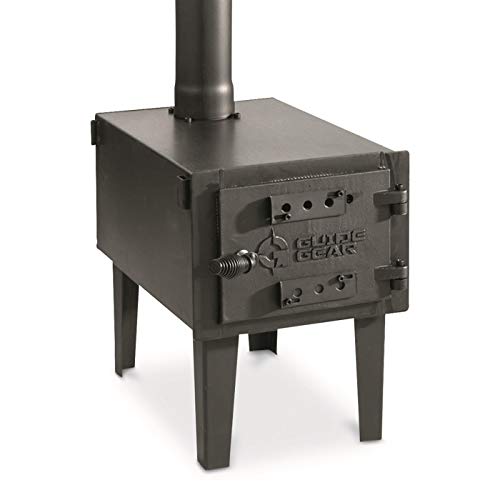
Pros
- Functional top cooking surface accommodates pots and pans for boiling water and frying meals
- Durable galvanized steel firebox paired with a sturdy cast-iron front door
- Self-contained design allows chimney pipe sections and legs to store inside the firebox
- Provides off-grid cooking and outdoor heating utility without needing gas or electricity
Cons
- Strictly rated for outdoor environments and cannot be used inside residential kitchens or enclosed spaces
- Requires manual fire tending, kindling wood fuel, and ongoing ash removal rather than push-button temperature control
- At 42.4 pounds, the solid steel and cast-iron assembly requires deliberate effort to transport and store
While typical residential cooking ranges rely on standard 30-inch cabinetry cutouts and municipal gas lines or 240-volt electrical circuits, the Guide Gear Outdoor Wood Burning Stove serves a distinct role for off-grid cooking and emergency readiness. Engineered specifically for outdoor open-air environments, this solid-fuel unit provides a dedicated heating and cooking platform for camping excursions, backyard use, and emergency preparedness. It is strictly built for outdoor operation and cannot be installed inside a residential kitchen or enclosed structure due to ventilation requirements and open-combustion safety codes.
Cooktop functionality centers around the flat top steel platform, which absorbs thermal energy directly from the firebox below. This smooth surface accommodates flat-bottom cookware, allowing users to boil water, fry eggs and bacon in a skillet, or simmer stews. Thermal output is governed entirely by the volume and quality of kindling and split wood fed into the firebox rather than calibrated dial controls or measured BTU power burners, requiring hands-on attention to manage cooking heat.
Physical construction focuses on practical durability, utilizing a galvanized steel firebox treated with a heat-resistant black finish alongside a heavy-duty cast-iron front door. The front door incorporates integrated air vent holes to regulate combustion airflow, helping users sustain steady draft levels. Five interlocking stove pipe sections attach to the flue collar to channel exhaust upward away from the cooking plane, while detachable tubular legs elevate the hot body away from ground surfaces.
Measuring 20 by 11 by 13 inches and weighing 42.4 pounds, the stove is sized for manageable outdoor portability without requiring permanent installation. The modular design enables the five chimney pipe lengths and detachable legs to disassemble and pack neatly inside the firebox cavity for transport or off-season garage storage. Because it relies exclusively on wood kindling, it eliminates any need for electrical supply lines, gas flex pipes, or liquid propane regulator hookups.
Operating a solid-fuel outdoor stove involves practical trade-offs compared to modern indoor appliances. There are no electronic thermostats, oven cavities, or automated cleaning cycles; soot accumulation, ash cleanout, and manual draft regulation are part of regular operation. Exterior surfaces and pipe assemblies become exceptionally hot during use, requiring generous clearance from combustible tents, tarps, or patio awnings, and safe handling using heat-resistant gloves.
For homeowners assembling an outdoor emergency cooking setup or campers needing reliable camp heat and stove boiling performance, the Guide Gear Wood Burning Stove offers a practical and durable choice. It delivers solid-fuel versatility and self-contained portability, providing valuable outdoor cooking capability when conventional kitchen utilities are inaccessible.
The upper surface of the stove functions as a conductively heated griddle and pot warmer. By positioning heavy cookware directly on the flat plate, users can heat water, fry meats, and keep kettles hot during cold-weather outings.
Because wood fire temperatures fluctuate naturally, heat management relies on adjusting fuel intake and controlling the cast-iron door vent holes. This manual approach provides dependable outdoor cooking performance without relying on electrical outlets or propane canisters.
Constructed with a galvanized steel firebox and finished with heat-resistant coating, this stove is designed to withstand high-temperature wood fires. The cast-iron door adds structural rigidity and resists heat warping across repeated heating and cooling cycles.
Assembly requires attaching the detachable support legs and interlocking the five included chimney pipe sections. Between uses, all external components pack inside the 20 by 11 by 13-inch firebox, minimizing storage footprint and simplifying transport.

Pros
- Rugged cast iron construction provides dependable stability and solid heat retention
- Folds into a compact 8.7 by 8.7 by 13.8-inch footprint for straightforward transport and storage
- Burns gathered twigs and wood scraps without requiring gas canisters or power outlets
- Serves as a reliable non-electric backup cooking option during utility power outages
Cons
- Strictly designed for open-air outdoor cooking; cannot be operated indoors or installed in kitchen cabinetry
- Lacks mechanical temperature knobs, simmer controls, and enclosed oven baking capacity
- Requires continuous manual feeding of wood fuel to maintain consistent cooking temperatures
The GVUHR Portable Wood Stove is a specialized outdoor solid-fuel cooking appliance designed for portable, off-grid meal preparation rather than standard indoor kitchen cabinetry. Unlike traditional freestanding or slide-in ranges that rely on municipal natural gas lines or 240-volt electrical circuits, this compact unit utilizes an open-draft wood-burning design. It is built for campers, backpackers, and outdoor cooking enthusiasts, while also appealing to homeowners seeking an emergency cooking alternative during severe weather events or utility power outages.
Cooking performance centers on direct thermal output from burning dry biomass such as twigs, small branches, and kindling. Because it does not feature calibrated gas burners with BTU ratings or electric smooth-top elements with wattage ratings, heat intensity is regulated manually by the volume and rate of wood fed into the firebox. The top opening functions as a direct cooking platform capable of balancing camp kettles, small cast-iron pans, or mess kits to boil water and heat one-pot meals, though it lacks an enclosed oven cavity, internal racks, or convection fan systems.
Construction is centered around durable cast iron components that provide substantial stability and even heat distribution across the cooking zone. Unlike lightweight sheet-metal twig stoves that warp under high heat, cast iron maintains structural integrity over repeated heating and cooling cycles. The unit features a green exterior finish and a folding architecture that collapses for transport. With no digital touchscreens, electrical motherboards, or delicate glass surfaces to maintain, cleanup involves allowing the metal to cool completely before clearing out residual ash and wiping down the frame.
In terms of dimensions, the stove measures 8.7 by 8.7 by 13.8 inches, giving it an exceptionally small footprint that requires no specialized kitchen cutout, countertop depth clearance, or rear filler strips. Utility hookups are non-existent, meaning buyers do not need to supply a 120-volt spark ignition outlet, run a 40-amp or 50-amp 240-volt circuit, or connect a flexible gas line. Installation simply requires placing the unit on a flat, non-combustible ground surface in a well-ventilated outdoor setting, well away from overhanging branches or flammable debris.
Operational trade-offs stem directly from its specialized outdoor design. Most importantly, this stove must never be used indoors or inside an enclosed kitchen due to open flames, smoke, and dangerous carbon monoxide emissions. Cooks must also manage the continuous chore of collecting dry fuel and tending the fire, as there are no precision dials to maintain a steady simmer or high-boil setting. Additionally, the compact surface limits cooking to a single pot or pan at a time, making it unsuitable for multi-course family dinners.
For shoppers evaluating portable cooking solutions, the GVUHR Portable Wood Stove provides straightforward, fuel-independent functionality in a rugged cast iron frame. While it is strictly an outdoor tool and cannot replace a 30-inch primary residential kitchen range, it offers dependable performance for backcountry treks and an affordable, practical backup cooking method for households preparing for unexpected utility interruptions.
The GVUHR portable stove is engineered with cast iron materials, giving it notable heat retention and structural stability compared to conventional thin-gauge backpacking stoves. This heavy-duty metal construction helps distribute thermal energy evenly across the top cooking ring while resisting the warping that often occurs with intense wood fires.
Its folding design allows the stove to pack down efficiently despite its durable cast iron build. The exterior green finish provides added visual appeal, while the absence of complex moving parts, plastic switches, or electronic circuit boards ensures long-term mechanical reliability under rugged outdoor conditions.
Unlike standard residential kitchen cooking ranges that require 120-volt connections for electronic spark igniters or dedicated 240-volt, 40-amp or 50-amp circuits for electric elements, this portable wood stove operates completely off the grid. It requires no electrical wiring, no separately purchased range power cord, and no specialized circuit breakers.
Similarly, the unit eliminates the need for natural gas plumbing lines, liquid propane conversion kits, or pressurized butane canisters. It functions entirely on gathered solid biomass such as dry twigs, bark, and kindling, making it an entirely self-sufficient outdoor cooker during power grid failures or remote camping excursions.
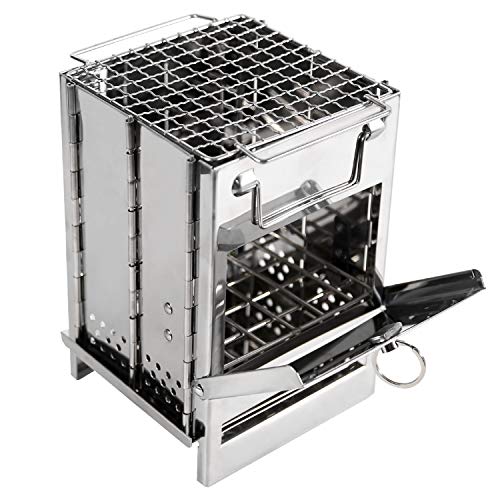
Pros
- Extremely portable – folds nearly flat and includes a carry bag for easy transport.
- Uses free, renewable fuel – find sticks and leaves anywhere, eliminating the need to haul heavy fuel canisters.
- Sturdy stainless steel grid and cuboid frame provide a stable cooking platform for various pot sizes.
- Simple, reliable design with no moving parts – won't break down on the trail.
Cons
- Requires constant feeding of small twigs – not ideal for sustained, low-and-slow cooking or long burn times.
- Open flame design is sensitive to wind; may struggle in breezy conditions without a windbreak.
- Smoke and soot from wood burning can blacken cookware – not as clean as propane or alcohol stoves.
The REDCAMP Wood Burning Folding Camp Stove is a compact rocket stove designed for outdoor enthusiasts who want to cook without carrying heavy fuel. Unlike propane or multi-fuel stoves, this model burns twigs, leaves, pinecones, and other natural debris you find on the trail. It's a true survival-style stove that appeals to backpackers, campers, tailgaters, and anyone who likes to cook off the grid.
In real-world camping scenarios, this stove shines for quick tasks like boiling water for coffee or rehydrating a freeze-dried meal. The feeding chamber is wide enough to accept small sticks, and the airflow design keeps a hot, efficient fire going. However, it's not a set-it-and-forget-it system – you'll need to add fuel every few minutes to maintain heat. That makes it less suitable for grilling burgers or slow-cooking stews, but perfect for a solo hiker looking to heat up a meal fast.
Build quality is solid for the price. The stainless steel grid and folding panels feel sturdy enough to support a small pot or camping kettle. The cuboid shape provides excellent stability on flat or slightly uneven ground. That said, the thin metal can get hot quickly, so you'll want to handle the stove carefully when it's in use. Rust resistance is decent for occasional use, but like any exposed steel, you should dry it thoroughly after exposure to rain or moisture.
Portability is the big selling point. Collapsed flat to 8.3 x 5.9 x 1.5 inches and weighing just 1.9 pounds, this stove slips into any backpack side pocket or even a large jacket pocket. The included carry bag adds convenience for storage and transport. Setup takes seconds: unfold, place on a fire-safe surface, and start feeding twigs. Cleanup is straightforward – shake out ash and wipe off soot; no complicated parts to disassemble.
One realistic trade-off is wind sensitivity. Because the stove is open-topped, a gust can blow smoke into your face or disrupt the fire. Using a windbreak or positioning it behind a rock helps. Also, because it burns wood, your cookware will accumulate black soot – not a dealbreaker for camp cooks, but worth noting if you like pristine gear. The stove is best enjoyed as a lightweight, no-fuss alternative for short camping trips, emergencies, or as a backup to your primary stove.
For backyard cooks or tailgaters, this stove is more a novelty than a daily driver. But for backpackers, bikepackers, and minimalist campers who love the idea of cooking with nature's fuel, the REDCAMP folding stove is a smart, affordable choice. It won't replace a pellet grill or propane stove for big meals, but for a hot meal on the trail with zero fuel cost, it's hard to beat the price and packability.
The REDCAMP wood stove delivers intense, direct heat from a small fire. Boiling two cups of water takes around 5-7 minutes with a steady supply of dry twigs. The open flame is great for searing small pieces of meat or toasting marshmallows, but it lacks even heat distribution – hot spots are common. For simmering or low-heat cooking, you'll need to feed the fire sparingly and move the pot around. This stove is best for quick-boil tasks and simple camp meals rather than complex recipes.
Setting up the REDCAMP stove couldn't be simpler: just unfold the four panels until they lock into a rectangular box shape. Place the wire grid on top, and you're ready to cook. No tools, no extra parts. Cleanup involves letting the stove cool, dumping out ash, and wiping the metal with a cloth. The stainless steel resists rust but can develop a patina over time. Store it dry to keep it in good shape for years of backcountry meals.
Frequently Asked Questions
How do you control the burn rate on a Wood Burning Camp Stove?
Adjusting the primary air intake vent and the flue pipe damper manages the burn rate directly. Closing the lower vent restricts incoming oxygen to slow down combustion, which extends firewood life through chilly nights. Opening both dampers maximizes airflow, generating rapid heat for boiling water or searing meals.
Can you safely run a Wood Burning Camp Stove inside a standard nylon tent?
No, operating a wood stove inside an ordinary nylon tent without a heat-resistant stove jack is dangerous. Untreated synthetic fabric melts quickly when touching hot chimney pipes or radiant metal surfaces. Hot tents designed for winter camping feature fire-resistant pass-through ports. Always ensure continuous ventilation and use a carbon monoxide detector.
Why should you perform an initial outdoor burn before camping?
An initial outdoor burn cures the exterior finish and burns off protective oils that release harsh fumes. Running the stove for thirty minutes in your yard lets chemical smells dissipate outside rather than inside a tent. This trial run also lets you inspect flue joints and confirm damper operation.
What is the most effective way to clean ash from a portable stove?
Allow the firebox to cool completely before scooping out residue with an ash shovel. For fast post-trip cleanups at home, some outdoor cooks use a pellet grill ash vacuum cleaner to eliminate fine soot. In the backcountry, internal bottom grates keep coals elevated so loose ash settles underneath for clean disposal.
Does a cast iron camp stove hold heat better than stainless steel?
Yes, thick cast iron retains radiant heat much longer than thin stainless steel after embers burn down. That heat retention comes with extra weight, making cast iron better for vehicle camping than foot travel. Stainless steel heats up faster, packs lighter, and resists rust during wet backcountry trips.





Write Your Review
No reviews yet. Be the first to share your experience!