
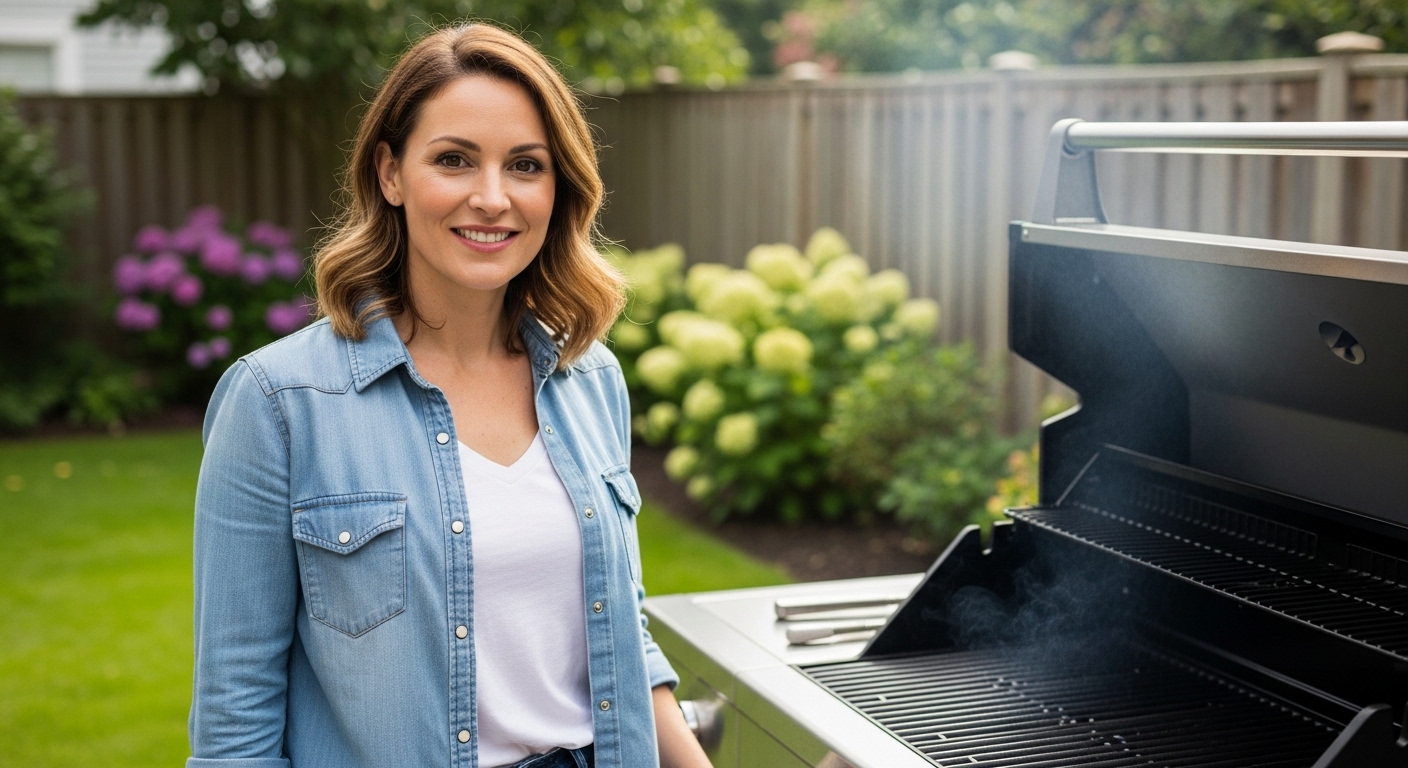

Cooking outdoors at a public park, campsite, or beach requires a slightly different approach than grilling on a spacious backyard deck. Learning how to use picnic grill equipment effectively allows cooks to prepare flavorful meals while managing portable fuel, wind exposure, and limited prep surfaces. Whether an outing involves a stationary iron park grill, a folding steel charcoal model, or a lightweight disposable pan, the core cooking principles remain rooted in steady heat control and organized prep work. Safe outdoor grilling also demands careful site selection, active fire awareness, and reliable food safety practices to keep guests protected throughout the afternoon.
Many common frustrations during outdoor gatherings stem from poor planning, such as forgotten utensils or struggles with lighting charcoal in gusty conditions. Sturdy organizers and dedicated transport caddies keep seasonings, paper towels, and tongs within arm’s reach so cooking remains relaxed and efficient. Preparing simple items like burgers and hot dogs is straightforward, but compact charcoal cookers can also handle flavorful skewered pork barbecue recipes when heat zones are properly arranged. Taking time to understand fuel management and site cleanup ensures that every outdoor cookout runs smoothly from the first match to the final ember.

Pros
- Super convenient setup and no cleanup required
- Lightweight and easy to carry anywhere
- Heats up quickly with even cooking performance
- Great for small gatherings or solo grilling
Cons
- Single-use only, so not suitable for regular backyard cooking
- Limited cooking space – best for 2-4 burgers or a few skewers
- Charcoal burns for about 1 hour, so longer cooks aren't possible
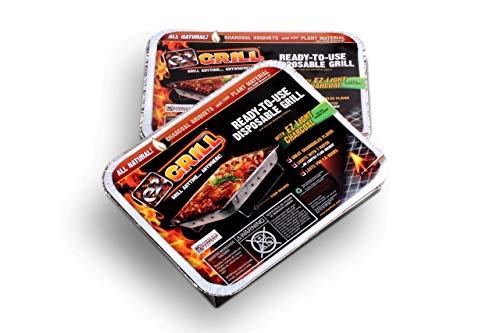
If you've ever found yourself craving a grilled burger at a campsite or tailgate but didn't want to haul a full-size charcoal grill, the Oppenheimer USA Disposable Charcoal Grill is exactly what you need. This is a lightweight, portable, single-use grill that comes pre-loaded with easy-light charcoal – just remove the wrapper, light the corners, and you're ready to cook in minutes. It's designed for outdoor enthusiasts who value convenience above all else.
This grill is best suited for campers, tailgaters, RV owners, and anyone who enjoys spontaneous outdoor cooking without the hassle of cleanup. It's also a solid pick for beach days, park picnics, or even emergency cooking during power outages. The 9x13 inch cooking grate gives you enough space for a few burgers, hot dogs, or skewers – perfect for 2-4 people. Just don't expect to smoke a brisket or feed a crowd.
In terms of real-world cooking performance, the easy-light charcoal lights quickly and reaches a decent grilling temperature within 10-15 minutes. The heat distribution is fairly even across the grate, though you might notice slightly cooler spots near the edges. Searing is possible for thin cuts like burgers and chicken thighs, but you won't get the same crust as a heavy cast-iron grate. Smoke flavor is present but mild – it's enough to satisfy a casual griller but not a BBQ purist. The fuel burns for about an hour, which is fine for quick grilling sessions but not low-and-slow cooking.
Build quality is what you'd expect from a disposable product – sturdy enough to hold up during cooking, but not meant for long-term use. The aluminum tray feels solid, and the wire grate supports food without sagging. There are no wheels, folding legs, or weather-resistant features because this grill is designed to be used and tossed. Portability is its strong suit: at 3.5 pounds and dimensions of 9x13x2 inches, it slips into a backpack or car trunk easily.
Setup is incredibly simple – no tools, no assembly, no charcoal to pour. Just remove the plastic wrap, place the grill on a non-flammable surface, and light the corners through the designated ignition strips. Cleanup is even easier: once the charcoal has cooled completely, you can dispose of the entire grill. Just make sure to follow local disposal guidelines for charcoal and ash. The biggest limitation is that it's single-use, so if you grill often, the cost adds up compared to a reusable portable grill.
Overall, the Oppenheimer USA Disposable Charcoal Grill is a fantastic solution for outdoor cooks who prioritize convenience and portability. It's not meant to replace your backyard kettle grill, but it's a lifesaver for camping, tailgating, or any on-the-go cooking scenario. If you're looking for a no-mess, no-fuss way to enjoy grilled food anywhere, this pack of two is a smart buy.
At just 3.5 pounds and 9x13x2 inches, this grill is incredibly easy to transport. It fits in a backpack, car trunk, or even a large tote bag. No need to worry about charcoal bags or lighter fluid – everything is built in. The lightweight design makes it a top choice for hikers, campers, and tailgaters who want to travel light.
This grill shines in scenarios where convenience and portability matter most. Use it for camping trips, tailgate parties, beach outings, park picnics, or even as a backup grill during power outages. It's also great for small gatherings where you only need to cook a few items. Not ideal for large BBQs or smoking.

Pros
- Magnetic tool holder keeps metal grill tools secure and off dirty outdoor tables.
- Tension wire arm keeps paper towels from wildly spinning in outdoor breezes.
- Removable dividers let you configure compartments for tall bottles or bulky supplies.
- Mesh bottom ensures loose dirt and moisture do not accumulate at the base.
- Comfortable wooden handle allows balanced, one-handed carrying.
Cons
- Requires initial assembly and occasional screw tightening after heavy travel use.
- Paper towel holder takes up width, requiring extra shelf or tabletop clearance.
- Not designed as an insulated carrier, so chilled sauces should not sit out too long in hot weather.
The Geesta Grill Caddy is a dedicated outdoor cooking organizer designed to streamline outdoor meal prep for backyard cooks, patio grillers, tailgaters, and RV campers. When firing up burgers, smoking ribs, or managing a flat-top griddle on the patio, making multiple trips back inside for seasoning bottles, spatulas, and napkins is a common hassle. This portable organizer serves as a central staging hub for all your barbecue necessities, keeping rubs, squirt bottles, utensils, and paper towels neatly in one place right beside your grill.
In terms of everyday usability around the cook station, the caddy incorporates several thoughtful features tailored to outdoor cooking. The integrated magnetic stripe provides quick placement for metal grill accessories like spatulas, tongs, and scrapers, keeping them elevated and off dusty prep tables. Its dual paper towel holder features an adjustable wire tension arm that prevents rolls from unraveling in gusty patio or campsite breezes. Inside the main basket, two removable divider grids allow you to partition the interior into up to six compartments, letting you securely stand up tall oil squeeze bottles, glass sauce jars, and spice rubs without them tipping over.
Construction highlights include a sturdy black wire frame paired with an open mesh bottom. The mesh base is particularly helpful for outdoor cooking environments, as outdoor dust, grill crumbs, and loose seasoning can simply fall through rather than building up into a sticky mess at the bottom of the basket. A smooth wooden center handle offers balanced weight distribution, while a 4-in-1 hanging hook bracket extends off the side to hold items like silicone basting brushes, probe cables, or grill towels.
Transporting the caddy to your outdoor cooking area is straightforward. Measuring approximately 16.7 inches long by 9.5 inches wide and 9.5 inches high, it provides generous storage volume without becoming overly cumbersome. The rounded wooden handle makes one-handed carrying comfortable, leaving your other hand free to balance a platter of raw burger patties or a tray of seasoned steaks. For RV travelers and campers with limited storage, the caddy can be taken apart and packed flat into dry boxes or gear totes between trips.
While the caddy is exceptionally practical, there are a few realistic factors to keep in mind. The extended paper towel holder and hanging hooks increase its overall side profile, meaning it may take up significant real estate on smaller grill side tables or compact prep carts. In addition, because the open wire structure provides no insulation, temperature-sensitive items such as dairy-based dressings or raw marinades should not sit out in hot outdoor weather for long periods.
For outdoor cooks who want to eliminate the chaos of forgotten kitchen tools and cluttered side tables, the Geesta Grill Caddy offers excellent practical value. Its combination of wind-managed paper towel storage, magnetic tool docking, and customizable compartments makes it a dependable accessory for weekend barbecues, campsite dinners, and game-day tailgates.
For outdoor cooks heading to state parks, campgrounds, or stadium parking lots, keeping track of condiments and cooking tools can be challenging. The Geesta Grill Caddy solves this by grouping everything needed for a camp kitchen into one grab-and-go unit.
Its modular interior lets you pack disposable cups, cutlery, napkins, and seasoning bottles upright so nothing rolls around during the drive. The wire arm keeps paper towels secure against unpredictable outdoor winds, while the breakdown design allows you to pack the frame flat into RV cabinets or camp storage bins when moving to your next destination.
Maintaining the Geesta Grill Caddy requires minimal effort thanks to its wire frame and open mesh floor. Because the mesh allows grit, salt, and loose dry rubs to fall through naturally, you will not have to clean out sticky, trapped debris from sealed interior corners.
For routine maintenance, simply wipe down the metal wire frame, magnetic strip, and wooden handle with a damp cloth and mild dish soap after cooking. Make sure to dry the wooden handle and metal components completely before storing the caddy indoors or packing it away in an RV compartment to maintain the finish over time.

Pros
- Integrated paper towel bar is exceptionally practical right beside the grill or smoker
- Dual interior sections and exterior mesh pockets hold a surprising amount of gear and condiments
- Wipe-clean PEVA interior handles inevitable barbecue sauce drips without staining
- Folds flat when empty, making it convenient for compact RV cupboards or patio storage benches
Cons
- Soft-sided fabric design requires hot metal tools to cool before being inserted into utensil slots
- Tall, heavy condiment bottles require balanced packing to avoid tipping when carried by the shoulder strap
- Not fully rigid like a hard plastic tackle box or metal prep cart
Outdoor cooking often involves juggling countless supplies, from long-handled tongs and meat thermometers to sauce bottles, spice rubs, and paper towels. The HAUSHOF Large Grill and Picnic Caddy is designed specifically to solve the frustration of making multiple trips between your indoor kitchen and the backyard deck. Sized at approximately 15.94 inches long, 12.01 inches wide, and 11.02 inches high, this portable organizer serves as a self-contained prep station for backyard barbecues, weekend tailgates, campsite meals, and RV excursions.
In everyday use, the internal organization proves well suited for real-world grilling routines. The main storage area is split into two generous compartments that comfortably accommodate bulky items like tall condiment bottles, stacks of plates, marinades, and beverage cans. Flanking the compartments are two interior mesh pockets for smaller items like lighters or meat probes, along with exterior adjustable mesh pouches and four dedicated utensil slots. Having four upright slots for tools means your basting brush, spatula, and tongs stay off dirty picnic tables without rolling around loose.
One of the most practical features on this organizer is the integrated paper towel holder. Anyone who has grilled burgers or sauced racks of ribs knows that grease splatters and messy fingers are part of the process. Having a standard roll of paper towels attached directly to the caddy keeps cleanup within arm reach of the grill side shelf. The caddy exterior is made from 400*300D waterproof Oxford cloth, while the interior is lined with smooth gray PEVA material. If a barbecue sauce bottle leaks or a spice rub cap pops open, the interior can be wiped clean with a damp cloth instead of soaking into the fabric.
Transport and storage are straightforward thanks to the dual carry handles and a detachable padded shoulder strap. Weighing approximately 3.1 pounds empty, it can be loaded up in the kitchen and carried out to your pellet grill, charcoal kettle, or camp stove with one trip. When the cookout is over and gear is washed, the caddy collapses flat around its four-piece lined PP hollow board structure. This folding capability makes it especially practical for RV travelers, tailgaters, or apartment dwellers with limited patio storage space.
As with any fabric-based outdoor cooking accessory, there are realistic limitations to keep in mind. Because the outer shell is made of Oxford cloth and synthetic materials, you should never slide hot grill tools directly off glowing grates into the storage slots. Utensils need to cool down before packing away. Additionally, while the internal PP boards give the caddy structure, it remains a soft-sided bag; loading heavy glass jars unevenly on one side can cause it to tilt when carried solely by the shoulder strap.
Overall, the HAUSHOF Grill and Picnic Caddy is a highly practical companion for anyone who spends weekends cooking outdoors. It eliminates clutter on your grill side tables and keeps food prep essentials centralized from the first burger flip to final cleanup. For backyard grill masters, campers, and patio entertainers looking for an organized, budget-friendly prep bag, this caddy offers reliable utility and thoughtful design.
Transporting grilling supplies out to a patio, campsite, or community park can be awkward when juggling loose bottles and long spatulas. The HAUSHOF caddy includes both heavy-duty sewn handles for quick lifts and an adjustable padded shoulder strap that leaves your hands free to carry food trays or cooler boxes.
When not in use, the internal PP hollow board inserts allow the front and back sections to fold inward. The entire unit compresses down flat, taking up minimal room inside a cabinet, truck bed, or RV storage compartment until your next cookout.
Outdoor cooking inevitably creates grease, marinade spills, and charcoal dust. The interior of this caddy is lined with gray PEVA material, which provides a smooth, wipeable surface that prevents sticky sauce drips or oils from soaking into internal seams.
For exterior upkeep, the 400*300D Oxford fabric can be spot cleaned using warm water, mild dish soap, and a soft cloth. Letting the caddy air dry thoroughly before collapsing it for seasonal storage ensures the material remains fresh and ready for your next outdoor gathering.

Pros
- Ultra-portable and folds flat for convenient storage and transport
- Stainless steel is durable, rust-resistant, and easy to clean
- Adjustable vents help manage temperature and charcoal burn rate
- Quick setup with just a few rotations of the legs
Cons
- Small cooking area limits capacity for larger groups or multiple dishes at once
- No lid included, so heat retention and smoke control are less effective than enclosed grills
- Thin wire grates may not sear as well as heavier cast iron options
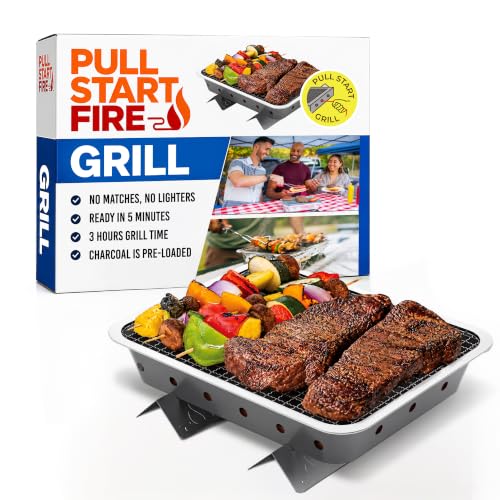
The Uten Charcoal Grill is a portable, foldable BBQ designed for outdoor enthusiasts who need a lightweight grill for camping, tailgating, beach parties, or backyard picnics. This small tabletop smoker and grill combo is perfect for 3 to 7 people, making it a great companion for weekend getaways or small gatherings. Its compact size and easy setup appeal to campers, RV owners, and patio cooks who want a simple charcoal cooking solution without the bulk of a full-sized grill.
In real-world cooking, the grill performs well for fast grilling of burgers, hot dogs, steaks, and veggies. The five side vents allow decent airflow control, helping you manage heat for even cooking and a bit of smoke flavor. However, because there is no lid, heat retention is limited, so low-and-slow smoking is not practical. For quick searing over hot coals, it works fine, but you will need to tend the fire more closely to avoid flare-ups. The charcoal grate sits low, and the cooking grate is removable for easy cleaning.
Build quality is solid for the price. The stainless steel body resists rust and scratches, and the folding legs lock into a stable triangular stance. At just under 3 pounds, it is easy to carry in a backpack or store in a car trunk. The legs fold flat, making storage a breeze. However, the thin wire cooking grate may not hold up as well over years of heavy use compared to thicker cast iron grates. The vent holes are simple but effective for basic temperature control.
Setup is straightforward: unfold the legs, insert the charcoal mesh, add charcoal, and place the cooking grate on top. Cleanup involves removing the grate and dumping ashes. The stainless steel wipes clean easily, but the small size means you might need to be careful when handling hot components. There are no wheels, but that is expected for a portable grill of this size.
Realistic limitations include the small cooking area, which cannot fit a full rack of ribs or multiple large steaks at once. Without a lid, you lose heat and smoke, so this is best for direct grilling rather than smoking. Wind can also affect temperature stability, so find a sheltered spot. The price is very affordable, making it a good entry-level portable grill for occasional use.
Overall, the Uten Charcoal Grill is a practical choice for casual campers, tailgaters, and anyone who needs a lightweight, easy-to-clean grill for small outdoor meals. It is not a replacement for a full-sized kettle or smoker, but for its portability and simplicity, it delivers solid value for the money.
The Uten Charcoal Grill excels at direct grilling over hot coals. The five side vents provide enough airflow to get coals glowing quickly and maintain a steady heat for searing burgers and steaks. Because there is no lid, heat escapes quickly, so you will need to add charcoal more frequently for longer cooks. The cooking grate gets hot evenly, but thin cuts like hot dogs and veggies cook fast. For best results, use lump charcoal for higher heat and less ash. The grill is not suited for low-and-slow smoking due to poor heat retention, but it delivers decent smoke flavor from the charcoal itself.
This grill is designed for easy transport. It folds flat to about 2.6 inches thick and weighs under 3 pounds, so it fits in a backpack or car trunk without taking much space. Setup takes less than a minute: rotate the legs to lock them in place, insert the charcoal mesh, add charcoal, and place the cooking grate on top. The tripod base is stable on most surfaces, though on very soft ground it may sink slightly. Cleanup is simple: let the grill cool, remove the grate, and dump ashes. The stainless steel body wipes clean with a damp cloth.
The Uten Charcoal Grill is ideal for small outdoor adventures: camping trips, beach days, tailgate parties, picnics in the park, or cooking on a patio or balcony. It works well for 2-4 people cooking burgers, hot dogs, chicken pieces, or vegetables. For larger groups, you might need to cook in batches. It is also a good backup grill for RV owners who want a lightweight option. Not recommended for smoking brisket or whole chickens due to the open design, but perfect for quick, flavorful meals outdoors.
Mastering the Fundamentals of Outdoor Picnic Grilling
Operating a portable or parkside cooker requires understanding how compact cooking grates behave when exposed to open-air conditions. Outdoor breezes, varying coal depths, and minimal workspace can complicate temperature management if cooks do not establish a clear routine early. Approaching a cookout with a systematic workflow simplifies everything from lighting the fuel to scrubbing down grates and disposing of ash. Following sensible procedures keeps the heat predictable and ensures every meal finishes at a safe, delicious internal temperature.
Assessing Your Picnic Grilling Environment and Site Safety
Safe outdoor cooking begins with identifying an appropriate, level location well away from combustible hazards. Public parks often designate concrete or packed gravel pads specifically designed to handle accidental grease drips and stray sparks. Portable charcoal units must always sit on stable ground or fire-safe tables so unexpected bumps from pets or children will not tip burning coals onto dry grass. Maintaining at least six to ten feet of clearance from low-hanging branches, dry shrubs, wooden pavilions, and vehicle bumpers minimizes the risk of accidental brush fires.
Grills of any fuel type must never be operated inside a garage, tent, camper, breezeway, or screened porch, even if the doors or windows remain wide open. Burning charcoal generates lethal concentrations of odorless carbon monoxide gas that can accumulate rapidly in enclosed or semi-enclosed spaces. Beyond toxic fume risks, radiant heat from metal cookers can ignite surrounding wall studs, canvas fabrics, and stored household chemicals within minutes. Authoritative fire safety guidelines universally require all fuel-burning barbecue equipment to remain strictly outdoors in open, well-ventilated air.
Wind direction represents another environmental factor that requires close observation before striking a match. Positioning the cooker so that steady gusts blow across the unit rather than directly into the main air intake prevents unexpected flame flare-ups. A strong headwind blowing straight into lower vents can accelerate coal consumption and create intense hotspot zones across small grates. Setting up a natural wind buffer using picnic benches or landscape contours helps maintain a steady cooking temperature without compromising clearance boundaries.
Inspecting and Preparing Different Picnic Grill Formats
Stationary park grills mounted on heavy steel posts require thorough inspection before food ever touches the metal grate. Previous park visitors often leave behind thick layers of charred grease, animal debris, and weather-related surface rust. Sweeping out old ash from the lower firebox with a disposable brush restores vital airflow for fresh charcoal briquettes. Firing the park grate over hot coals for fifteen minutes burns off lingering contaminants, after which a stiff grill brush or a ball of aluminum foil held in tongs removes loose carbon residue.
Compact folding grills, such as the Uten charcoal grill with its triangular folding legs, offer greater cleanliness because cooks transport their own equipment. These stainless steel units require proper leg extension and latch verification to ensure the cooking platform remains level on uneven turf. The removable internal charcoal mesh separates hot coals from the bottom tray, allowing combustion air to circulate freely beneath the fuel bed. Checking that all five side vents remain clear of ash blockage guarantees proper draft during prolonged cooking sessions.
Ready-to-use disposable cookers, such as Oppenheimer USA or EZGRILL aluminum packs, cater to day-trippers seeking zero equipment maintenance after lunch. These all-in-one trays contain pre-measured natural charcoal pellets sealed beneath an integrated wire grate. Setting a disposable foil pan directly on a flammable wooden picnic table can scorch the timber, so users must deploy the included wire stand or rest the unit on a flat stone. Because disposable units cannot be adjusted for height or airflow, cooks must understand that their heat profile follows a fixed burn curve lasting roughly sixty to ninety minutes.
Organizing Utensils, Condiments, and Prep Stations
Limited table space at recreation areas makes organization an essential component of a successful barbecue outing. Transporting cooking gear in a dedicated container prevents loose utensils from rolling across dusty surfaces or getting misplaced. Heavy-duty organizers like the Geesta grill caddy provide distinct compartments for squeeze bottles, spice shakers, metal turners, and dry towel rolls. The built-in wire arm secures paper towels against sudden wind gusts, keeping sheets from unspooling across the campsite.
Soft-sided organizers like the HAUSHOF picnic caddy utilize water-resistant Oxford cloth exterior fabrics paired with easy-clean interior linings. Multiple side mesh pouches and front pockets keep essential pocket knives, lighter wands, and silicone basting brushes neatly separated. Carrying everything in a structured tote with a padded shoulder strap frees hands to manage ice chests and fold-out camp chairs in a single trip. Having every tool visible and upright speeds up cooking and prevents cooks from stepping away from an active fire to search vehicle trunks.
Cross-contamination prevention requires strict physical separation of prep zones when working on shared picnic tabletops. Covering raw wooden park tables with washable silicone mats or clean plastic table covers creates a sanitary buffer for food staging. Raw burger patties and marinated cutlets must stay isolated on dedicated cutting boards until placed on the grates. Clean platters, serving tongs, and clean foil should sit in an elevated caddy pocket until cooked proteins reach the required internal temperature.
Charcoal Lighting Techniques and Airflow Management
Igniting charcoal safely without imparting petroleum fumes into grilled foods transforms the final flavor of any outdoor meal. Compact chimney starters represent the most reliable, chemical-free method for lighting hardwood lump charcoal or briquettes at a park. Crumpling two sheets of plain newspaper or placing a natural wax fire starter cube beneath the chimney cylinder ignites the bottom coals quickly. Within fifteen to twenty minutes, flames rise through the vertical column, turning the upper briquettes ashy gray and ready for the firebox.
Cooks using pre-treated charcoal or all-in-one disposable trays should follow manufacturer directions by applying a single match to the designated starter paper. Lighter fluid should be avoided whenever possible, but if liquid fuel must be used, it must soak into unlit coals for several minutes before lighting. Never squirt lighter fluid onto warm coals, smoldering embers, or open flames, because the vapor trail can flash back toward the bottle instantly. Allowing all lighting chemicals to combust completely ensures food does not absorb harsh chemical odors during the searing process.
Airflow dictates both fuel consumption rates and operating temperatures on portable charcoal grills. Oxygen enters through lower base vents or perforations, feeds the active combustion zone, and escapes through the top or open grate. Opening vents wide increases available oxygen, driving grate temperatures higher for quick searing. Partially restricting intake vents moderates coal temperature, allowing cooks to stretch their fuel supply when grilling batches of sausages or bone-in poultry pieces.
Establishing Two-Zone Heat on Compact Cooking Surfaces
Creating direct and indirect cooking zones remains vital even when working with restricted grate dimensions. Piling all charcoal briquettes across one side of the coal bed establishes a concentrated direct heat zone directly over the embers. The opposite side of the grate, free of underlying fuel, acts as a cooler indirect zone where foods cook through gentle convective heat. This split configuration gives cooks a safe retreat area whenever dripping beef fats ignite sudden grease flare-ups.
Thick items like half-pound burger patties, bone-in chicken thighs, and dense bratwurst sausages burn easily if left over direct coals continuously. Searing the meat over the direct side produces attractive grill marks and deep caramelized surface crusts. Once seared, shifting the pieces over to the indirect side allows internal meat tissues to cook through without scorching the exterior. Covering portable grills that feature vented lids traps radiant convective heat, functioning much like an outdoor convection oven.
Managing flare-ups on small picnic grates requires patience rather than panic or aggressive water dousing. Squirting water bottles directly onto burning briquettes launches ash plumes onto food, cools the fuel bed abruptly, and can crack cast iron park components. When flames surge from rendered fats, sliding food to the indirect zone starves the flare of grease fuel while the fire subsides naturally. Keeping grill grates clean between cooking sessions also reduces accumulated grease deposits that might otherwise trigger uncontrolled grease fires.
Grilling Techniques for Popular Picnic Foods
Classic cookout staples like burgers and hot dogs require focused attention because their high fat content triggers rapid surface browning. Pressing patties with a spatula squeezes flavorful juices into the coals and causes flare-ups, so patties should cook undisturbed until ready to flip once. Hot dogs and precooked sausages perform best over medium indirect warmth where skins crisp without bursting. To elevate grilled meats with distinctive regional flavors, brushing on a tangy Carolina gold style mustard barbecue sauce during the final two minutes adds zesty balance without scorching delicate sugars.
Poultry and seafood require careful heat moderation on portable grates to avoid drying out delicate meat fibers. Bone-in chicken drumsticks benefit from twenty minutes of indirect roasting before receiving a quick direct sear to crisp the skin. Applying sweet marinades or a glaze like a tart cranberry barbecue sauce too early in the cookout will cause surface sugars to blacken rapidly over charcoal. Glazes containing molasses, brown sugar, or fruit purees should only touch the meat during the closing moments of cooking over gentle embers.
Visual inspection alone cannot guarantee meat safety, making a reliable digital food thermometer an indispensable tool for outdoor cooking. Ground beef burgers must reach a minimum internal temperature of 160 degrees Fahrenheit to ensure safety according to federal food guidelines. Whole poultry parts require an internal reading of 165 degrees Fahrenheit taken in the thickest part of the meat without contacting bone. Inserting the metal probe horizontally into patties provides accurate core temperature readings without forcing juices to pool on the grate.
Food Safety and Temperature Control in Outdoor Settings
Maintaining a cold chain from the home kitchen to the park table protects outdoor gatherings from foodborne bacteria. Raw meats, poultry, seafood, and mayonnaise-based salads must travel in insulated coolers packed with frozen gel packs or solid ice blocks. The internal cooler temperature should stay at or below 40 degrees Fahrenheit until the moment meat is transferred directly onto the hot grate. Storing beverage cans in a separate cooler prevents guests from opening the raw food cooler repeatedly and letting warm air inside.
Perishable foods follow strict time limits once unpacked and exposed to ambient outdoor temperatures. When outdoor temperatures hover below 90 degrees Fahrenheit, perishable cooked or raw items can sit out for no longer than two hours. In hotter summer weather where ambient air exceeds 90 degrees Fahrenheit, that safe exposure window shrinks to a single hour. Uneaten burgers and side dishes left out past these thresholds should be discarded promptly rather than packed back into coolers for later consumption.
Hand hygiene remains challenging at primitive park campsites where running tap water is unavailable. Packing moist sanitizing wipes, liquid hand sanitizer, and a water jug fitted with a spigot allows cooks to wash hands frequently. Washing hands immediately after handling raw meats prevents the transfer of harmful microbes to beverage cups, buns, and children’s snacks. Wearing disposable nitrile food gloves during meat prep provides an extra layer of sanitary defense when operating at rustic outdoor cook stations.
Safe Extinguishing, Ash Disposal, and Site Cleanup
Concluding a picnic cookout safely requires completely extinguishing all embers before packing vehicles and leaving the recreation area. Charcoal briquettes can harbor intense core heat for more than twelve hours beneath a deceptive layer of gray surface ash. Closing all intake dampers and exhaust vents on portable kettle units suffocates the fire by depriving coals of combustion oxygen. If using a park grill without a lid, spreading the coals thinly across the bottom grate accelerates heat dissipation under close supervision.
Dousing hot charcoal with a heavy bucket of water is not recommended because steam explosions can blast scalding vapor and ash onto nearby bystanders. A gentle mist applied with a spray bottle gradually lowers coal temperatures without kicking up dangerous ash clouds. Once coals are cool enough to touch with gloved hands, they must be transferred into designated metal park ash bins labeled for hot coals. Coals must never be dumped into plastic park garbage barrels, wooden trash enclosures, or dry leaves along woodlines.
Leaving a clean picnic site preserves outdoor recreational spaces and prevents scavengers from congregating around grilling pads. Scraping food residue off public grates leaves the station sanitary for the next family arriving at the pavilion. Folding grills should cool completely before legs are retracted and packed away in vehicle trunks to prevent heat damage to vehicle carpeting. Following the principles of outdoor stewardship ensures that picnic grilling remains an enjoyable community tradition for every outdoor enthusiast.
Practical Takeaways for Hassle-Free Picnic Grilling
Executing an enjoyable outdoor barbecue comes down to disciplined preparation, fire awareness, and deliberate workspace organization. Choosing the right cooker format for the trip, whether an all-in-one disposable tray or a sturdy folding charcoal model, aligns your setup with the demands of the location. Packing essential tools, towels, and food safety supplies in a dedicated organizer eliminates frantic searches and lets cooks focus on temperature control. Creating direct and indirect heat zones guarantees perfectly cooked foods that satisfy hungry guests while keeping flare-ups completely under control.
Respecting the environment by maintaining clearances from combustible structures and strictly avoiding enclosed spaces guarantees safety for everyone involved. Relying on digital food thermometers rather than guesswork ensures that every burger, skewer, and chicken piece is thoroughly cooked and safe to enjoy. Taking the necessary time to cool embers completely and disposing of ash in designated metal bins protects public parks from fire hazards. With a thoughtful workflow in place, any parkside outing or camping excursion becomes an effortless celebration of open-air cooking.




Write Your Review
No reviews yet. Be the first to share your experience!