


Many outdoor cooking enthusiasts transition to plug-in equipment when apartment guidelines, balcony rules, or compact patio spaces restrict charcoal or gas flames. Mastering how to use an electric barbecue grill allows you to achieve tender textures and appetizing browning without handling flammable fuels, heavy cylinders, or messy ash piles. These modern outdoor cookers rely on specialized heating elements mounted beneath nonstick or metal grates, providing reliable, consistent heat across the entire cooking zone.
Getting great results from an electric unit requires adjusting your cooking approach, especially since heat circulation behaves differently than an open fire. You can still apply a flavorful glaze or pair grilled meats with a tangy barbecue sauce to enhance surface caramelization during the final minutes of cooking. Understanding proper preheating routines, temperature dial adjustments, and grease management ensures every meal turns out juicy, flavorful, and thoroughly cooked.

Pros
- Versatile indoor/outdoor use with no need for charcoal or propane.
- Quick heat-up and even cooking thanks to the covered design and adjustable temperature.
- Easy assembly with pre-installed screws and simple cleanup with removable grease pan.
- Portable stand with foldable legs for compact storage and transport to tailgates or RV trips.
- Large enough for family gatherings but compact for balcony or small patio use.
Cons
- Requires a nearby electrical outlet, limiting off-grid camping use without a generator.
- Circular cooking surface may not accommodate long or oddly shaped cuts of meat.
- No built-in temperature gauge; relies on the adjustable dial for heat control.
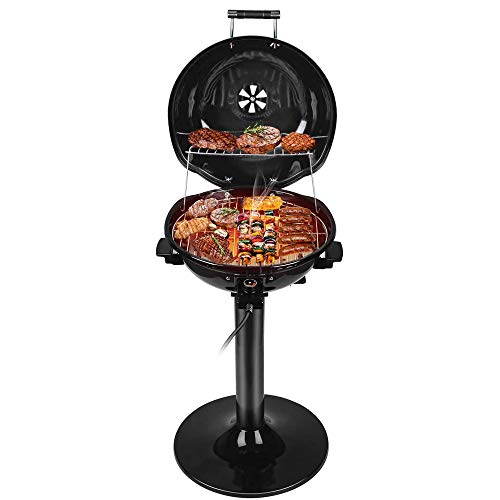
The Techwood Electric BBQ Grill is a versatile indoor/outdoor electric grill designed for hassle-free cooking without charcoal, propane, or flare-ups. With its double-layer design and portable stand, it's built for backyard grillers, campers, tailgaters, RV owners, patio cooks, and anyone who loves outdoor entertaining but wants convenience and safety. Whether you're cooking burgers for a crowd on the patio or grilling hot dogs at a campsite with power hookup, this grill delivers consistent heat with minimal mess.
In terms of cooking performance, the 1600W heating element gets hot fast, and the adjustable temperature dial lets you dial in the heat for everything from searing steaks to slow-cooking chicken. The covered design traps heat for even cooking, and the foldable warming rack on top keeps finished food warm while you finish grilling. It handles typical backyard fare like burgers, hot dogs, chicken breasts, and vegetables well, but it's not designed for low-and-slow smoking or heavy smoke flavor. For quick grilling with no flare-ups, it's a solid performer.
Build quality is decent for the price point. The grill weighs about 16.6 pounds with a sturdy stand that folds for easy transport. The cooking grates and removable grease pan are straightforward to clean, and the pre-installed screws make assembly a snap. While not heavily insulated for extreme weather, it holds heat well in mild conditions and is fine for covered patio or balcony use. The legs fold up, making storage simple in a car trunk or RV compartment.
Setup is quick: unscrew the pre-placed screws, attach the legs and handle, and you're ready to go. Cleanup is easy thanks to the removable grease pan — lining it with aluminum foil cuts down on scrubbing. The grill is lightweight enough to carry to a tailgate or campsite, but remember you'll need an electrical outlet. It's not for off-grid camping without a power source.
Limitations include the reliance on electricity, the circular cooking surface that may not fit large briskets or long ribs, and the lack of a precise temperature gauge. The adjustable dial works fine, but you won't get exact temperature readings. Also, since it's electric, you won't get the smoky flavor of charcoal or wood pellets.
Overall, the Techwood Electric BBQ Grill is a practical choice for those who want a convenient, clean, and safe grilling experience on a patio, balcony, or at a campsite with power. It's great for families, tailgaters, and RV owners who prioritize ease of use over traditional BBQ flavor. At its price point, it offers good value for casual outdoor cooks.
The Techwood electric grill heats up quickly thanks to its 1600W element, and the covered design helps maintain consistent temperatures. The adjustable dial gives you control from low to high, so you can sear burgers or gently cook vegetables. The double-layer layout with a warming rack is handy for keeping food hot while you finish grilling. However, don't expect heavy smoke flavor or searing marks like a charcoal grill. It excels at fast, even cooking without flare-ups, making it ideal for family meals and tailgate parties.
Weighing just over 16 pounds with a foldable stand, this grill is easy to move from the garage to the patio or pack in your car for a camping trip. The legs fold flat, and the handle makes carrying simple. Setup at a new location takes minutes. Just make sure you have access to an electrical outlet — it's not for off-grid use. For tailgating at a stadium with power or camping at an RV site, it's a convenient, compact option.
Pros
- Indoor/outdoor flexibility with easy stand removal works great for apartments, patios, and campsites
- Even heat distribution and five temperature settings give good control for different foods like burgers, fish, or veggies
- Nonstick surface and removable grill plate make post-cook cleanup a breeze - no scrubbing required
- Electric operation eliminates smoke, gas odors, and open flames, making it safer for indoor grilling year-round
Cons
- Limited to electric power, so you need an outlet - not ideal for remote campsites without hookups
- Lacks the intense sear and smoky flavor of charcoal or wood pellet grills, which some purists may miss
- Nonstick coating may wear over time with metal utensils use; recommend silicone or nylon tools for longevity
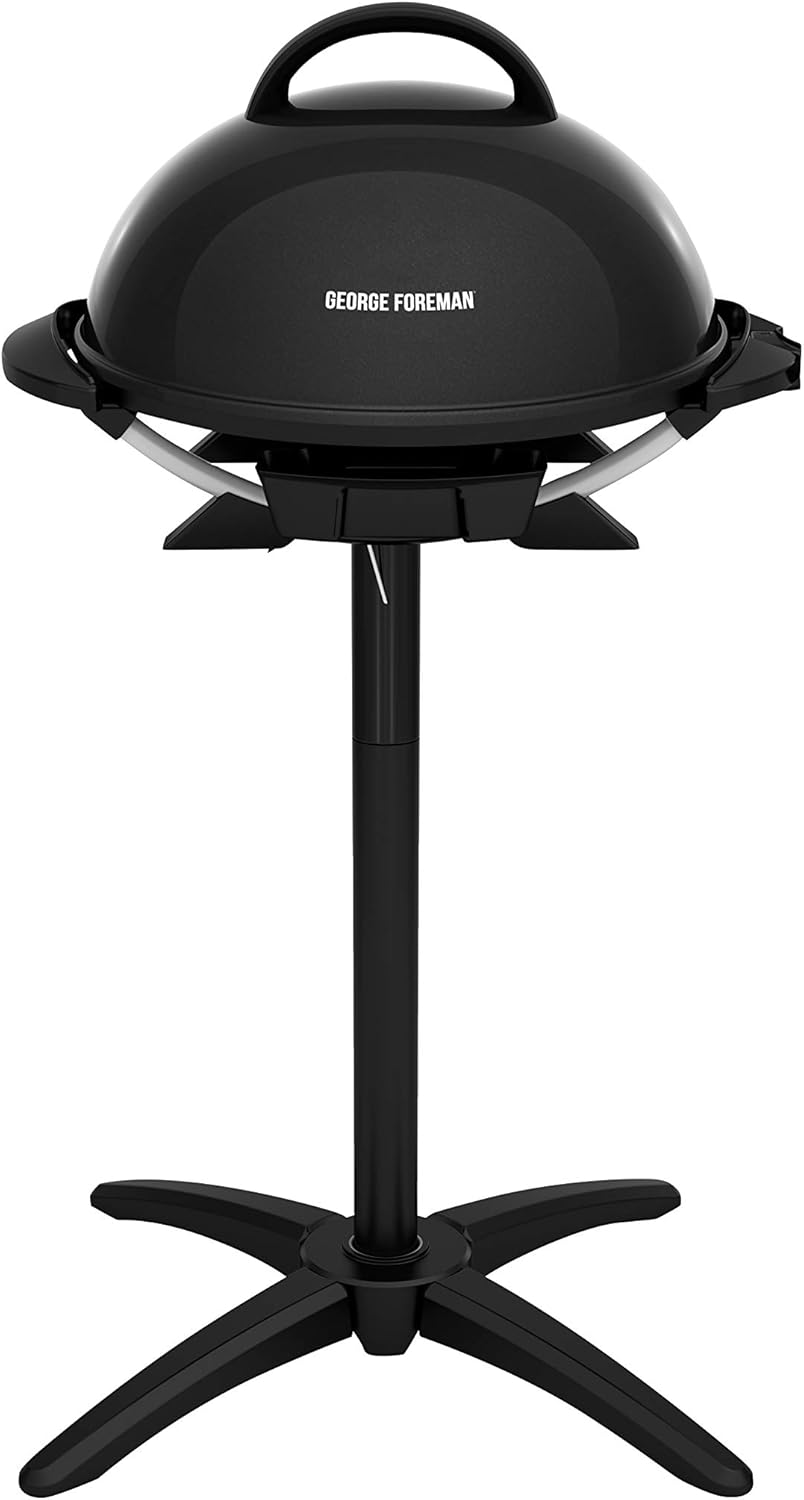
The George Foreman Indoor/Outdoor Electric Patio Grill is a smart solution for anyone who wants the joy of grilling without the hassle of charcoal or propane. This electric grill is designed for versatility: you can use it on the patio with the included stand, or pop the stand off and grill right on your kitchen countertop. That makes it a fantastic pick for apartment dwellers, condo owners, or RV campers who need a grill that works indoors and outdoors.
In real-world use, this grill shines in heat consistency. The adjustable temperature control offers five settings, letting you dial in the right heat for everything from delicate fish fillets to hearty beef patties. It preheats in about 10 minutes and maintains even heat across the 240-square-inch circular surface. While you won't get the deep smoky flavor of a charcoal grill, the electric heating does a solid job for fast grilling of burgers, hot dogs, chicken breasts, and veggies. The domed lid helps trap heat and prevents splatter, so your counter stays clean.
Build quality is respectable for the price point. The metal housing feels sturdy, and the removable stand clips securely into place. It's not the most rugged grill for extreme outdoor conditions, but for backyard entertaining, tailgating, or patio cooking it holds up well. The George Tough nonstick coating is a standout - it really does clean up easily with just a wipe or a quick wash. The fat-removing slope channels grease into a drip tray, reducing flare-ups and making healthier meals.
Portability is a strong point. The grill itself weighs under 9 pounds, and the stand is lightweight as well. You can easily carry it from the garage to the patio or toss it in the car for a tailgate. Just remember you need access to a standard 110-volt outlet, so it's not for remote campsites without power. For tailgating in a parking lot or using at a picnic site with electricity, it's perfect.
Cleanup is as simple as removing the grill plate (it pops out) and washing it with warm soapy water. The nonstick coating means little to no scrubbing. The drip tray collects most of the grease, and you can toss it in the dishwasher. The stand folds down for compact storage, which is a bonus if you have limited space.
Overall, the George Foreman Indoor/Outdoor Electric Grill is an excellent choice for backyard grillers who want a no-fuss, apartment-approved cooking appliance. It's also great for tailgaters who have access to electricity and need a quick setup. If you're a BBQ purist chasing smoke rings, you might want to look at pellet or charcoal options. But for everyday grilling with minimal smoke, easy cleanup, and a large capacity, this grill delivers consistent results.
This electric grill is ideal for apartment balconies, small patios, and RV campsites where gas or charcoal grills are often banned. The removable stand makes it easy to use on a picnic table or deck railing, and the electric heat means no open flames. Perfect for quick weeknight dinners, weekend tailgating parties, or grilling burgers for a crowd of 10-15 people. The adjustable temperature settings also work well for reheating leftovers or cooking breakfast outdoors without firing up a full-size grill.

Pros
- Cordless and lightweight design makes it easy to use anywhere in the backyard or at a campsite
- Three-speed settings give you control for different cleaning tasks without over-scrubbing
- Long battery life supports multiple grill sessions between charges
- Angle-adjustable head reaches between grates and into corners with ease
Cons
- Brush heads may wear down over time with heavy use on rough cast iron grates
- Not designed for deep cleaning inside a smoker or grease trap; best for grate surfaces only
- Charging time not specified; could be lengthy for the large 5000mAh battery
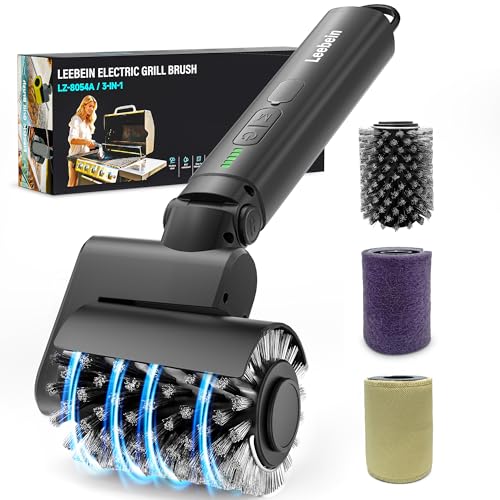
If you spend any time grilling in the backyard or tailgating at the stadium, you know the worst part of the cookout is cleaning the grates. The Leebein Electric Grill Brush aims to change that. This cordless rotary brush comes with three interchangeable heads and a 3-speed motor that spins up to 480 RPM. It's a practical tool for anyone who wants to spend less time scrubbing and more time enjoying their outdoor cooking.
This brush is best suited for backyard grillers, BBQ enthusiasts, and tailgaters who use gas, charcoal, or pellet grills. Campers and RV owners will also appreciate the portability and long runtime. With a 150-minute battery life, you can clean after several cookouts before needing to plug it in. The heat-resistant design means you can brush hot grates right after pulling off the steaks, which makes cleanup feel almost effortless.
In real-world use, the three brush heads cover a lot of ground. The stainless steel mesh head chews through baked-on grease on round grates, while the scouring pad works great on flat griddles. The polishing head is handy for a final wipe-down to keep your grates looking good. The adjustable speed lets you dial down for delicate surfaces or crank it up for stubborn residue. It's not a replacement for a deep clean of the entire grill interior, but for daily grate maintenance, it's a time-saver.
Build quality feels solid for the price. The brush is waterproof, so you can rinse the whole unit under the faucet, and the heads are dishwasher-safe. The angle-adjustable neck lets you reach between narrow grates without straining your wrist. It's lightweight enough to toss in a camping bin or tailgate bag, though it's not tiny. The battery is built-in, so you don't have to worry about swapping packs, but you do need to remember to charge it.
One limitation is that the brush heads will eventually wear out, especially if you're cleaning rough cast iron frequently. Replacement heads are available, but that's an ongoing cost. Also, this brush is designed for grates and flat surfaces, not for scrubbing the inside of a smoker or cleaning grease trays. For those tasks, you'll still need a traditional scrub brush or scraper.
Overall, the Leebein Electric Grill Brush is a solid choice for grillers who want to cut down on scrubbing time. It's especially useful for anyone who grills multiple times a week or hosts frequent backyard parties. If you're tired of manual brushing and want something that makes cleanup feel less like a chore, this is worth considering.

Pros
- Even heat distribution thanks to dual U-shaped heating tubes.
- Portable and lightweight design with removable stand for easy transport.
- Warming rack adds convenience for keeping buns or sides hot.
- Grease management system cuts down on mess and smoke.
- Affordable price point for entry-level electric grilling.
Cons
- No built-in thermometer; you'll need an external probe for precise temp monitoring.
- 1600W may struggle to sear like gas or charcoal, though adequate for burgers and hot dogs.
- Cooking area is modest at 15 inches, best for 2-4 people.
The CUSIMAX Electric Grill is a 1600W portable electric BBQ designed for outdoor cooking enthusiasts who value convenience and flexibility. It's ideally suited for backyard grillers with limited space, campers wanting a smoke-free cooking option, tailgaters needing a quick setup, and RV owners who can't use open flames. Its double-layer design includes a 15-inch main cooking rack and a warming rack, making it practical for small gatherings or family cookouts.
In use, the 1600W heating element with double U-shaped tubes provides decent heat consistency. It heats up relatively fast, though it won't deliver the same searing power as a high-BTU gas grill or charcoal fire. That said, it handles burgers, hot dogs, chicken breasts, and vegetables well without flare-ups. The adjustable temperature control allows you to fine-tune heat for different foods, from low heat for veggies to high heat for quick searing. While you won't get smoky flavor from charcoal or wood pellets, the electric heat is clean and predictable, ideal for those who prefer less smoke or cooking in confined areas like a covered patio or balcony.
Construction is decent for the price point. The grill body is steel with a black painted finish that should hold up reasonably against occasional light rain if stored properly, but it's not built for heavy weather exposure. The cooking grates appear to be chrome-plated steel, which is acceptable for a budget electric grill. The removable stand is lightweight and folds for easy storage. There are no wheels, so you'll need to carry it. The lid fits snugly and helps retain heat. The grease tray collects drippings effectively, reducing mess and cleanup.
Setup is a breeze thanks to pre-assembled packaging. You simply unfold the legs and attach the cooking head, and you're ready to go in minutes. The overall weight is manageable for carrying to a campsite or tailgate. Cleaning is straightforward: the non-stick grates (if coated) can be wiped down, and the removable grease tray can be washed or lined with foil for even easier disposal. The 1-meter power cord is short but typical for such grills, so you'll need an extension cord for outdoor use.
One limitation is the modest cooking surface (15 inches), which is best for 2-4 people. Larger parties will require multiple rounds. Also, the lack of a built-in thermometer means you'll need a separate meat probe to monitor internal temps. The 1600W output is sufficient but not powerful enough for high-heat searing or cooking in very cold or windy conditions; sheltered spots are better.
Overall, the CUSIMAX Electric Grill is a solid entry-level electric option for outdoor cooks who prioritize ease, cleanliness, and versatility over maximum smoke flavor or searing power. It's a great fit for apartment dwellers with balcony space, campers who need a no-fuss grill, or tailgaters looking for quick setup. If you're after that authentic smokey BBQ taste, you'll want a charcoal or pellet grill. But for convenient, everyday grilling in small spaces, this electric grill delivers reliable performance without the hassle.
Mastering Electric Grill Operation for Tender and Flavorful Results
Electric barbecues provide a dependable, flame-free method for preparing meats, vegetables, and quick weeknight meals in settings where traditional fuels are restricted. Operating these systems effectively comes down to understanding how electric coils transfer heat, managing surface contact, and maintaining steady temperatures beneath a closed hood. With the right technique, you can produce distinct sear marks and juicy textures without handling charcoal briquettes, propane cylinders, or messy ash. This guide details every stage of using an electric barbecue grill, from preheating and dial calibration to grease management and safe surface maintenance.
Essential Safety Rules and Setting Up Your Cooking Station
Selecting a safe, stable location is the initial requirement before connecting your grill to an electrical power source. Place the unit on a firm, heat-safe surface or attach it securely to its dedicated pedestal stand before turning on the power switch. If your grill features a removable stand, verify that the locking clips snap firmly into place so the cooking bowl cannot wobble or detach while you handle food. Outdoor electric grills must always connect to an outdoor-rated, grounded GFCI outlet to protect against accidental power surges or moisture exposure.
Ventilation and physical clearance remain vital even though electric units do not generate open flames. Never operate outdoor fuel-burning grills inside a home, garage, or enclosed patio because carbon monoxide and fire hazards present severe life safety risks. Even with electric units, only operate models indoors that are explicitly certified and listed by the manufacturer for indoor kitchen use. Keep electrical cords clear of walkways to prevent tripping hazards, and avoid using undersized household extension cords that cannot handle high-amperage heating loads.
Indoor Countertop Versus Outdoor Stand Configurations
Many versatile electric grills feature modular designs that allow cooks to alternate between outdoor pedestal grilling and indoor countertop cooking. When grilling outdoors on a patio or balcony, the elevated stand provides stability and keeps hot cooking surfaces away from outdoor furniture. Moving the grill indoors during stormy weather requires detaching the base and placing the cooking unit directly on a sturdy, heat-resistant countertop. Always verify that overhead clearance is completely free of low-hanging cabinets, curtains, or flammable materials before turning on the heating element.
Countertop operation also requires extra vigilance regarding ventilation and steam accumulation. While electric heating elements do not emit combustion exhaust, grilling fatty meats still generates culinary smoke, steam, and aerosolized grease droplets. Position the grill near a kitchen range hood set to exhaust outdoors, or open nearby windows to maintain fresh airflow throughout your cooking space. Ensure the countertop surface remains dry and free of clutter so the grill rubber feet grip the surface firmly without slipping during food turning.
Understanding Heating Elements and Temperature Dials
Most freestanding electric grills utilize 1600-watt heating systems powered by double U-shaped stainless steel heating tubes positioned directly beneath the grate. These elements deliver steady conductive heat to the cooking surface, operating across temperature settings that typically span from 140 degrees to 450 degrees Fahrenheit. Many portable models provide a five-position variable dial that lets you toggle between gentle warming and maximum searing heat. Because electric coils rely on resistance to generate thermal energy, temperature adjustments take slightly longer to register than adjusting an open gas flame.
Learning the behavior of your specific dial settings helps you plan your cooking sequence with confidence. Low settings between 140 and 200 degrees work well for warming buns, gently heating delicate fish, or holding finished food prior to serving. Medium settings around 300 to 350 degrees suit thicker cuts of pork, bone-in chicken thighs, and dense root vegetables that need steady internal cooking without surface burning. High and maximum settings near 400 to 450 degrees deliver the intense contact heat required to sear steaks, burgers, and vegetable skewers. Getting accustomed to these temperature bands prevents the common frustration of overcooking the exterior while leaving the center raw.
Preheating Routines and Grate Preparation
Preheating is the most critical phase when using an electric grill because the grates must store sufficient thermal energy before cold food touches them. Always plug the grill in, turn the dial to the desired cooking temperature, and close the lid for a full ten to fifteen minutes before adding ingredients. Placing cold meat onto a lukewarm electric grate causes juices to leak out immediately, leading to boiled textures instead of crisp surface browning. Inspect the power indicator light on the temperature controller to confirm that the heating element is actively drawing power and cycling properly.
Preparing the grate surface properly helps prevent delicate proteins from tearing during cooking. Many modern electric models feature specialized nonstick coatings that require minimal extra fat, allowing you to cook lean items with just a light wipe of high-smoke-point oil. For traditional chrome-plated or cast-metal grates, brush the hot surface lightly with avocado oil or canola oil using a silicone basting brush right before laying down your food. Never spray aerosol nonstick cooking oils directly onto a hot electric heating element, as aerosol propellants can create unwanted flare-ups or sticky baked-on residue.
Cooking Techniques: Searing and Lid Management
Cooking on an electric grill relies primarily on direct contact conduction combined with convective hot air trapped inside the domed lid. Unlike charcoal grills that emit intense radiant infrared heat across a wide firebox, electric coils heat the metal grates positioned directly above them. Keeping the grill lid closed as much as possible is essential for trapping circulating hot air and maintaining stable internal chamber temperatures. Opening the lid repeatedly vents stored convective heat, causing the heating element to work harder and significantly increasing overall cooking times.
When searing burgers or steaks, place the food directly over the paths of the heating tubes for maximum browning. Leave the meat undisturbed for three to four minutes so that the outer proteins caramelize and release naturally from the grate without tearing. If your grill includes an elevated secondary rack, use that upper space to keep finished items warm while searing subsequent batches below. This double-layer arrangement allows you to manage multi-course meals without overcrowding the main cooking surface. Turning food only once or twice preserves surface heat and ensures clean, defined grill marks on both sides.
Developing Deep Barbecue Flavor Without Open Flames
Achieving authentic barbecue flavor on an electric unit requires thoughtful seasoning techniques because the grill does not produce natural wood smoke. Rich dry rubs containing smoked paprika, granulated garlic, onion powder, and brown sugar help simulate the savory depth associated with traditional outdoor cooking. You can also explore flavorful marinades, such as a traditional marinated beef barbecue recipe, where soy sauce, sesame oil, and garlic caramelize beautifully on hot electric grates. Applying seasonings evenly across all surfaces ensures that every bite delivers balanced, robust taste.
Some outdoor cooks experiment with small foil packets of moistened wood chips or compact smoker accessories to introduce genuine wood aroma. If you explore using external smoker box accessories, make certain your specific grill model allows accessory placement without contacting electrical wiring or damaging protective nonstick finishes. Alternatively, using a drop of liquid smoke or hickory-smoked sea salt in your prep stage adds robust campfire flavor safely. Apply sugary glazes or sweet barbecue sauces only during the final five minutes of grilling to prevent the sugars from scorching against the electric heating surface. Keep a close eye on glazed foods during those final minutes, as sugars transition rapidly from glossy caramel to burnt char.
Managing Grease, Drainage Trays, and Flare-Up Prevention
Electric barbecue grills are specifically engineered to minimize indoor and outdoor smoke by funneling rendered fat away from the heating elements. Many units incorporate an intentional slope into the cooking plate that channels liquified grease toward a central drainage opening. Underneath the body, a slide-out grease pan or drip cup catches these drippings before they can pool, smoke, or ignite. Always verify that the grill sits completely level so that liquefied fat flows freely down the drainage channels instead of accumulating in low corners.
Lining the lower grease tray with a small sheet of aluminum foil before cooking makes cleanup substantially faster and protects the tray finish. Inspect the grease tray prior to each cooking session to ensure it has been emptied and washed thoroughly. Allowing grease to build up over multiple uses creates an avoidable fire risk and produces acrid, bitter smoke when old fat reheats. If you notice excess smoke billowing during cooking, wipe away pooling fat with a folded paper towel held safely with long metal tongs.
Safe Doneness Checks and Food Safety Standards
Relying strictly on visual surface browning or approximate cooking timers is an unreliable way to gauge meat doneness on an electric cooking surface. Variations in ambient outdoor temperature, wind exposure, and meat thickness significantly influence cooking durations under an electric lid. Use a digital instant-read food thermometer inserted into the thickest portion of your meat, away from bones or the hot cooking grate. This simple tool eliminates guesswork and ensures your family enjoys tender, thoroughly cooked meals every time you fire up the grill.
Follow established food safety guidelines to verify safe internal temperatures before removing items from the grates. Poultry, including chicken breasts and turkey burgers, must reach an internal temperature of 165 degrees Fahrenheit. Ground beef, pork, and lamb patties should cook to an internal reading of 160 degrees Fahrenheit to eliminate harmful foodborne pathogens. Whole cuts of beef, pork chops, and steaks should reach at least 145 degrees Fahrenheit, followed by a three-minute resting period to allow internal juices to redistribute evenly.
Cleaning, Grate Care, and Post-Cook Upkeep
Proper maintenance protects the heating system and extends the life of specialized nonstick or chrome surfaces. When you finish cooking, turn the temperature controller to the off position and unplug the unit from the electrical outlet immediately. Allow the grill surface to cool until it is comfortably warm to the touch before attempting to clean away food debris. Cleaning the grates while they are still slightly warm softens caramelized marinades, making them far easier to dislodge without aggressive scrubbing.
Select your cleaning tools carefully based on the grate material installed on your electric barbecue. Nonstick coatings require gentle treatment, so use nylon scouring pads, soft microfiber cloths, or warm soapy water rather than abrasive steel wool. Grills equipped with durable chrome or stainless steel grates can handle powered rotary cleaning brushes or soft brass bristles to clear stubborn burnt residues quickly. Never immerse the electrical thermostat probe, power cord, or heating control dial in water, as water intrusion permanently damages internal circuitry. Wiping the exterior lid and stand with a damp sponge keeps the entire cooking station looking clean and ready for your next meal.
Troubleshooting Common Electric Grilling Challenges
If your electric grill suddenly stops heating mid-cook, the issue is frequently an overloaded household electrical circuit. Because high-powered grills draw between 1500 and 1600 watts, operating other heavy kitchen appliances on the same electrical breaker can trip the switch. Plug the grill directly into a dedicated 15-amp or 20-amp outlet whenever possible, and inspect the circuit breaker panel if power drops out. If you must use an extension cord outdoors, ensure it is a heavy-gauge, three-wire cord rated specifically for outdoor appliance amperage.
Experiencing low cooking temperatures or pale, steamed meat usually points to wind exposure or opening the hood too frequently. Strong outdoor breezes can strip heat away from thin metal lids faster than the electric coil can replenish it. Relocate the grill to a sheltered patio corner away from prevailing winds while maintaining safe clearance from combustible walls. Keeping the lid firmly shut and giving the heating element adequate recovery time between flips restores the steady heat required for golden, flavorful grilling. Ensuring food is patted dry before it touches the grate also helps eliminate excess moisture that inhibits crisp searing.
Operating an electric barbecue successfully comes down to patience during preheating, keeping the lid shut to trap circulating heat, and maintaining clean grease channels. By treating the appliance with proper care and monitoring internal temperatures with a reliable meat thermometer, you can produce flavorful, evenly cooked meals on any balcony or patio. Take the time to master your specific dial settings and wipe down the grates after every meal, and your electric grill will provide dependable, mess-free cooking across all seasons. Simple adjustments to your technique allow you to enjoy genuine grilled flavor without the hassle of fuel tanks or messy ash.




Write Your Review
No reviews yet. Be the first to share your experience!