


Cooking outdoors should yield clean sear marks and rich flavor, but neglected cooking surfaces often create sticking food, rancid grease flare-ups, and premature corrosion. Learning how to take care of grill grates is one of the most effective habits any cook can build to preserve equipment and improve weeknight meals. Whether your grill uses heavy cast iron, sleek stainless steel, or porcelain-coated bars, each surface reacts differently to intense heat, moisture, and acidic marinades. Cooking delicate proteins or searing meats after prepping a flavorful Korean beef BBQ recipe becomes far more rewarding when food releases cleanly from conditioned metal.
Proper grate upkeep also protects your outdoor cooking investment over multiple seasons while keeping your backyard dinners free from burnt residue. Routine maintenance does not require hours of scrubbing or harsh industrial chemicals if you follow consistent preheat brushing and protective seasoning steps. Understanding the specific metallurgical properties of your grates helps prevent irreversible oxidation, peeling enamel, and uneven thermal transfer. By establishing reliable cleaning routines and addressing seasonal moisture, you can keep your cooking surface sanitary, dependable, and ready for any culinary challenge.

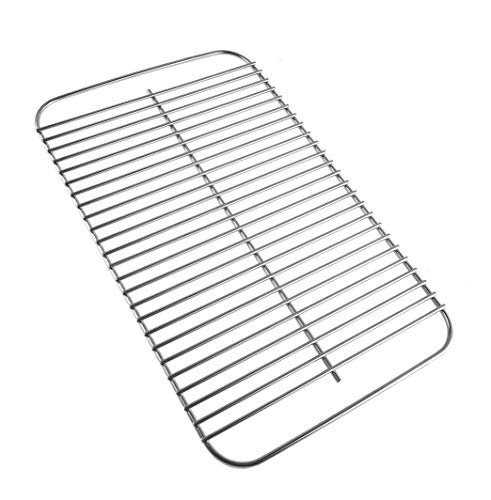
Pros
- Heavy-duty stainless steel resists rust and warping even with frequent outdoor use
- Enhanced airflow lets you reach high heat faster and maintain steady low temps for smoking
- Easy to clean – food releases easily and ash falls through the open grate design
- Lightweight and compact, perfect for portable grilling on the go
- Direct fit for multiple Weber Go-Anywhere models, no modification needed
Cons
- Only compatible with specific Weber Go-Anywhere models – measure your grill before ordering
- Stainless steel may not retain heat as well as cast iron, so searing might require slightly more fuel
- No carry case or storage bag included for transport
If you own a Weber Go-Anywhere charcoal or gas grill and are tired of dealing with a rusty, clogged cast iron grate, the EasiBBQ stainless steel replacement is worth a serious look. This grate is designed to drop right into your existing grill with no hassle, and it brings a few practical upgrades that make outdoor cooking more enjoyable. Whether you're tailgating before a game, cooking burgers at a campsite, or just grilling on the patio, this grate aims to improve your experience.
The biggest advantage here is the airflow. The open stainless steel design allows oxygen to reach the charcoal much more freely than the original cast iron grate. That means you can get your coals glowing hot in less time, and holding a consistent temperature for low-and-slow cooking or high-heat searing becomes easier. For backyard cooks who like to switch between grilling steaks and smoking ribs, that kind of flexibility matters. The grate also helps prevent ash buildup, so you spend less time cleaning and more time cooking.
Durability is another strong point. Stainless steel resists rust far better than cast iron, especially if you leave your grill outside between uses. The grate measures 16 by 10 inches, giving you enough room for a few burgers, chicken thighs, or veggies. It's lightweight at under two pounds, which makes it a breeze to carry along for camping trips or RV weekends. You can toss it in the trunk without worrying about added weight or breakage.
Cleaning is honestly one of the best parts. Food doesn't stick like it does on some porcelain grates, and the open slots let ash and grease fall straight through. A quick scrape with a grill brush after cooking, and you're done. No need for soaking or scrubbing. That's a real time-saver when you're at a crowded tailgate or trying to pack up camp after a meal.
There are a couple of things to keep in mind. First, make sure your grill is one of the compatible Weber Go-Anywhere models before ordering. This grate won't fit every portable grill. Also, stainless steel doesn't hold heat the way cast iron does, so if you're used to that heavy heat retention, you might notice you need to add a few more coals to get the same searing power. That said, the airflow compensates fairly well, and most users will find the trade-off acceptable for the easier maintenance and portability.
Overall, this EasiBBQ grate is a smart upgrade for anyone who uses a Weber Go-Anywhere grill regularly. It's affordable, practical, and built for real-world outdoor cooking. Campers, tailgaters, and backyard grillers alike will appreciate the better heat control, faster startup, and effortless cleanup. If you're looking to breathe new life into your portable grill, this is a solid choice.
The open stainless steel design of this grate significantly improves airflow compared to the original cast iron grate. You'll notice your charcoal lights faster and burns more evenly, which means less waiting around and more consistent cooking. High-heat searing is achievable with a full chimney of coals, and you can also dial it back for low-and-slow smoking by controlling the grill vents. The grate distributes heat well across its surface, so burgers and chicken cook evenly without hot spots. For gas grill users, the improved airflow also helps with flame stability and reduces flare-ups from grease drips.


Pros
- Safe cleaning without wire bristles, protecting your family from accidental ingestion.
- Powerful citrus-based cleaner easily cuts through baked-on grease and carbon buildup.
- Kit includes everything you need: spray, brush, scrubber pads, scraper, and towel, no extra purchases required.
- Works on both hot and cool grills, offering flexibility for different cleaning routines.
Cons
- For extremely charred grates, some elbow grease may still be needed; the cleaner alone won't dissolve heavy creosote instantly.
- Scrubber pads are refillable but replacements are sold separately, adding ongoing cost over time.
- The cookbox scraper is best used on cool surfaces; it may scratch delicate porcelain coatings if used aggressively.
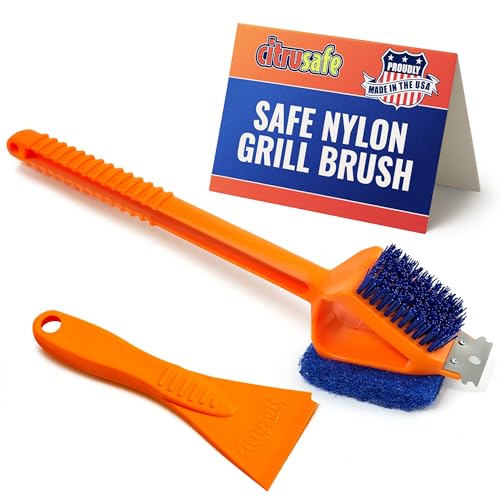
The Citrusafe Complete Grill Cleaning Kit is not your average grill cleaner. It is a thoughtfully assembled set designed to replace the dangerous wire brushes and harsh chemical sprays that many BBQ enthusiasts rely on. Instead, this kit uses a citrus-based degreaser, a nylon brush, heavy-duty scrubber pads, a cookbox scraper, and a microfiber towel to clean your grill safely and effectively. Whether you own a charcoal kettle, a propane gas grill, a smoker, or even a flat top griddle, this kit has the tools to handle the mess.
This kit is built for anyone who takes outdoor cooking seriously. Backyard grillers who fire up the Weber every weekend, campers who throw a grate over an open fire, tailgaters who need a quick cleanup between games, and RV owners who don't want wire bristles scratching their portable grills will all appreciate the safety-first approach. The stars are the Citrusafe Grill Cleaner spray, which uses natural degreasing power from citrus peels to break down grease, and the nylon brush and scrubber pads that work on a cool grill. No more burning off residue or worrying about stray bristles in your burger.
In real-world use, this cleaner shines on moderately soiled grates and cookboxes. Spray it on, let it sit for a few minutes, then scrub with the nylon brush or the heavy-duty pads. The grime dissolves quickly, and the included cookbox scraper reaches into corners that brushes miss. For a neglected grill that has months of caked-on grease, you may need to repeat the process, but the result is a cookbox that looks nearly new. The microfiber towel lifts away remaining residue without scratching porcelain or stainless steel surfaces.
Build quality of the tools is solid. The nylon brush handle is heavy-duty plastic with a comfortable grip, and the scrubber holder accepts the replaceable pads firmly. The scraper has a slim profile that fits into the tight gaps of most grills and smokers. The spray bottle has a trigger that produces a fine mist, covering grates evenly without waste. Everything in the kit is designed to be reused, cutting down on disposable grill wipes and paper towels.
Setup is simple: unpack the items and start cleaning. The spray works right out of the box, and all tools are ready to go. Transport is not an issue since it is a cleaning kit, but the spray bottle and tools fit easily in a garage cabinet or a camping tote. Storage is straightforward: keep the spray away from direct sunlight, and hang the brush and scraper to dry.
Limitations are minor. For grills with extremely heavy carbon buildup (think years of neglect), you may still need to use a metallic scraper or a second application. The scrubber pads are effective but wear out after several uses, and replacement packs are sold separately. Additionally, the nylon brush is not as stiff as wire, so it may take a bit more scrubbing on stubborn spots. Nonetheless, for routine maintenance and even deep-cleaning, this kit is a safe and effective choice. It earns a strong recommendation for any outdoor cook who wants to eliminate the risk of wire bristles and keep their cooking gear in top shape.
The Citrusafe Complete Grill Cleaning Kit comes with five essential items to tackle every part of your grill or smoker. You get a 16oz bottle of Citrusafe Exterior Grill Cleaner (also safe for interior use), a heavy-duty nylon brush with an integrated cookbox scraper, a scrubber handle plus three replaceable scrubber pads, a separate cookbox scraper for tight areas, and a premium microfiber cleaning towel (color may vary). Together, they cover cleaning from grates to hoods to side tables. Everything is manufactured in the USA by Bryson Brothers, a brand focused on safer outdoor cooking products.
For best results, clean your grill when it is cool to the touch. Spray the Citrusafe cleaner liberally onto grates and cookbox surfaces, let it sit for 3-5 minutes to loosen grease, then scrub with the nylon brush or scrubber pads. Use the cookbox scraper for baked-on residue in corners. Wipe away residue with the microfiber towel, then rinse with water if desired. For routine maintenance after each cook, a quick spray and wipe keeps grates looking new. The scrubber pads can be replaced when they become worn; replacement pads are available separately. The spray lasts through many cleanings, making this kit a great value for frequent grillers.


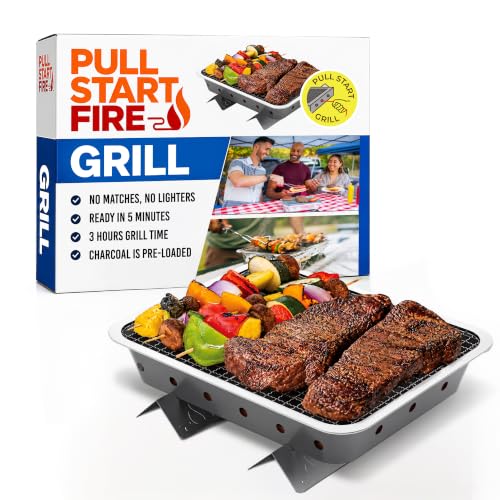
Pros
- Portable and easy to carry for camping, tailgating, or RV trips
- Flat top surface provides excellent searing and even cooking
- Simple to clean with minimal grease buildup
- Versatile for cooking a variety of foods from breakfast to dinner
Cons
- Limited cooking capacity may not suit large gatherings or big families
- Lacks precise temperature control, which can affect delicate cooking tasks
- Build quality may feel less sturdy compared to larger, more expensive griddles
This portable flat top griddle is designed for outdoor cooking enthusiasts who value versatility and convenience. Whether you are a backyard griller looking to expand your cooking options, a camper needing a compact solution for campsite meals, or a tailgater wanting to whip up burgers and hot dogs before the game, this griddle fits the bill. Its flat cooking surface allows you to sear steaks, fry eggs, cook pancakes, or stir-fry vegetables with ease, making it a great addition to any outdoor cooking setup.
In terms of real-world cooking performance, this griddle delivers even heat distribution across its surface, which is crucial for consistent results. You can achieve a nice sear on burgers without hot spots, and the flat top prevents flare-ups common with open grates. However, it lacks precise temperature control, so you will need to manage heat manually by adjusting the burner or moving food to cooler areas. For low-and-slow cooking, this is not ideal, but for fast grilling and frying, it performs well.
Build quality is decent for the price point. The griddle surface is made from materials that resist rust, though it is not indestructible. The legs fold for easy transport, and the overall weight is light enough to carry in a backpack or store in a car trunk. Weather resistance is adequate for occasional outdoor use, but prolonged exposure to rain or moisture may cause wear. The griddle is easy to set up and clean, with a smooth surface that wipes down quickly after cooking.
One realistic limitation is the cooking capacity. This griddle is best for small groups of 2-4 people. If you are hosting a large backyard party or cooking for a crowd, you might find it too small. Additionally, the lack of a lid means you cannot trap smoke or heat for smoking or roasting, so it is strictly a flat top cooking tool. Grease management is handled by a small drip tray, but it can fill up quickly with fatty foods.
Overall, this portable griddle is a practical choice for campers, tailgaters, and patio cooks who need a lightweight, versatile cooking surface. It is not a replacement for a full-sized grill or smoker, but it excels at quick, high-heat cooking tasks. If you prioritize portability and ease of use over capacity and advanced features, this griddle is worth considering for your outdoor cooking adventures.
The flat top surface heats evenly, allowing you to sear burgers, cook eggs, and fry vegetables without hot spots. It performs best for high-heat cooking like searing and frying, but lacks the temperature control needed for low-and-slow smoking or precise simmering. The open design means no smoke flavor infusion, so it is ideal for quick meals rather than BBQ-style cooking.
Weighing just a few pounds and featuring folding legs, this griddle is easy to pack for camping trips, tailgates, or RV adventures. Its compact size fits in most car trunks or storage bins, making it a convenient option for outdoor cooks on the move. Setup takes minutes, and cleanup is straightforward with a quick wipe down.
A Complete Maintenance Guide for Outdoor Grill Grates
Taking proper care of grill grates requires a balanced approach combining pre-cook preparation, post-cook residue removal, and periodic deep maintenance tailored to the specific metal composition of your cooking grid. Establishing a predictable routine prevents grease accumulation, eliminates bitter carbon flakes on your food, and establishes a protective thermal barrier against atmospheric moisture. Consistent care keeps food from adhering to the surface, improves heat transfer efficiency, and substantially extends the usable lifespan of your cooking equipment.
Understanding Grate Materials and Metallurgical Care
Every grate material requires a distinct maintenance strategy to prevent premature degradation and ensure safe food contact. Bare cast iron provides outstanding thermal mass and heat retention, but its porous surface easily absorbs moisture and develops oxidation if left unconditioned. To protect raw cast iron, cooks must establish and maintain a cured polymer seasoning layer by regularly applying thin coats of high smoke point oils. Water should never sit on bare cast iron, and aggressive chemical degreasers must be avoided to prevent stripping the protective seasoning.
Stainless steel cooking grids offer exceptional rust resistance and require less delicate care than raw iron surfaces. High-grade stainless steel, such as the construction used in the EasiBBQ 80631 Stainless Steel Grill Grate, tolerates direct scrubbing and does not rely on a seasoning layer to prevent structural oxidation. Stainless grids benefit from routine brushing while warm, which easily lifts caramelized drippings before they harden into stubborn carbon deposits. While stainless steel may discolor over time from direct flame contact, this surface patina is purely cosmetic and does not compromise cooking performance or food safety.
Porcelain-coated steel and porcelain-enameled cast iron present a smooth, semi-gloss barrier that resists corrosion and simplifies daily residue release. The Outdoor Bazaar 3-Pack Adjustable Cooking Grates utilize porcelain-coated steel to deliver effective heat distribution while shielding the underlying metal from corrosive moisture and grease. Maintaining porcelain grates requires caution, as impact from metal tools or rough abrasive wire can chip the vitreous enamel coating. Once porcelain chips or fractures, ambient moisture quickly reaches the underlying raw steel, causing subterranean corrosion that eventually forces grate replacement.
Routine Cleaning Practices Before and After Cooking
A successful cleaning habit begins before food ever touches the hot grates and finishes immediately after cooking concludes. Preheating the grill on high for ten to fifteen minutes before cooking carbonizes leftover fats from previous sessions, making surface debris brittle and easy to dislodge. Brushing the cooking grid while hot removes loose particles so delicate proteins touch only clean metal. Once the surface is clear, applying a quick layer of cooking fat stabilizes the surface and ensures reliable food release during searing.
Traditional wire grill brushes present documented safety hazards because thin steel bristles can snap off, adhere to the cooking grid, and transfer into prepared meals. To avoid wire ingestion risks, many backyard cooks now utilize bristle-free tools like the Grill Rescue Grill Brush with Scraper. This cleaning system relies on steam power rather than abrasive metal bristles, using an integrated stainless scraper to break baked-on carbon before a wet heat-resistant cleaning pad lifts grease across the bar gaps on a hot grill.
Alternatively, cold-grill cleaning provides an equally effective and safe method that eliminates heat exposure entirely. Tools such as the CitruSafe 3in1 Nylon Grill Brush with Cookbox are specifically engineered with durable nylon bristles and scrubbing pads designed for use on cool grates. Nylon bristles cannot withstand cooking temperatures, but they excel at sweeping away softened debris when paired with dedicated citrus-based surface cleaners. Finishing each cook by sweeping away soft residue ensures the grill remains sanitary for your next outdoor gathering.
Deep Cleaning Methods for Stubborn Carbon Buildup
Over multiple weeks of heavy use, grease splatters, marinades, and charcoal ash combine into a dense layer of polymerized carbon across your cooking grids. Sugar-heavy glazes and marinades caramelize rapidly under high temperatures, which can turn into blackened carbon when basting with cranberry BBQ sauce or sweet glazes near the end of a cook. When regular surface brushing no longer clears this carbon crust, a comprehensive deep cleaning restores proper thermal conduction and reduces unwanted flare-ups.
The Citrusafe Complete Grill Cleaning Kit offers a coordinated system for tackling deep cookbox grime and stubborn grate crust without caustic fumes. The citrus-peel degreaser spray penetrates baked-on fat deposits, allowing the specialized heavy-duty scrubber pads to lift loosened debris from cool surfaces. The included cookbox scraper allows cooks to clear grease channels and burner shields safely, ensuring grease does not pool beneath the cooking grids where it could ignite during high-heat searing.
For severely encrusted stainless steel or porcelain-coated grates, an extended soak in warm water mixed with mild grease-cutting dish soap softens hardened deposits. Avoid soaking raw cast iron grates in soapy water, as prolonged immersion strips existing seasoning and triggers immediate flash rusting. Once grates are washed and scrubbed, rinsing them thoroughly with clean water and drying them completely with clean towels prevents water spotting and surface oxidation.
Seasoning Techniques to Prevent Food Sticking and Rust
Seasoning is the process of baking thin layers of unsaturated fat onto metal surfaces to create a slick, hydrophobic polymer barrier. While cast iron strictly requires seasoning to prevent atmospheric moisture from reacting with raw iron, stainless steel and porcelain grates also benefit from regular oil conditioning to improve food release. Applying oil before high-heat searing reduces surface friction, preventing delicate fish fillets and skin-on poultry from tearing when flipped.
Traditional methods of wiping hot grates with rolled paper towels soaked in oil can be clumsy and introduce flare-up hazards. The Grate Armor® Grill Grate Oiling Brush for Even Oil solves this issue by using a purpose-built, heat-resistant silicone applicator designed to distribute oil or tallow uniformly across grate bars. This dedicated tool keeps hands safe from ambient heat, prevents excess oil from dripping onto burners, and ensures every contour of the grate receives an even protective barrier.
Selecting the proper fat is essential for building a resilient seasoning foundation. High smoke point cooking oils such as canola, grapeseed, peanut, or rendered beef tallow polymerize cleanly without burning into bitter soot. Avoid low smoke point fats like extra virgin olive oil or butter for base seasoning, as their low thermal threshold creates sticky, unpolymerized varnish rather than a slick cooking surface. Maintaining clean airflow around cooking grids is equally vital when incorporating wood chips and top smoker boxes to prevent greasy soot from depositing onto your food.
Diagnosing Surface Rust and Structural Wear
Outdoor cooking equipment faces constant exposure to humidity, rain, and ambient temperature shifts that encourage oxidation. Minor surface rust on cast iron grates appears as an orange haze that can generally be scrubbed away using a stiff nylon pad or fine steel wool paired with vegetable oil. After scrubbing the surface back to raw metal, thoroughly wash, dry, and re-season the grate with multiple thin coats of oil heated over steady heat to restore the protective seal.
Deep structural pitting and widespread metal flaking indicate advanced deterioration that cleaning cannot reverse. When rust eats deeply into the core bars of a cooking grid, the metal becomes brittle, transfers metallic off-flavors to food, and heats unevenly. Furthermore, on porcelain-enameled grates, flaking enamel cannot be re-adhered safely. If porcelain begins peeling or cracking from thermal shock or physical impacts, continuing to cook over it risks transferring sharp glass-like enamel shards into food, making immediate replacement the only safe course of action.
Routine visual inspections help you identify small wear signs before they become major cooking hazards. Examine the underside of your grates, as grease drippings and acidic marinades often collect on bottom edges where normal brushing misses. If the structural welds connecting individual grate bars begin separating or thinning significantly, the cooking grid can sag or drop hot food onto open burners, signaling that the assembly has reached the end of its useful service life.
Storage Habits and Environmental Protection
Environmental moisture is the primary catalyst for grill grate oxidation and deterioration during periods of non-use. Storing a grill outdoors without adequate weather protection allows rain, condensation, and coastal salt air to penetrate the firebox and attack metal surfaces. Investing in a heavy-duty, water-resistant grill cover with built-in ventilation flaps shields your equipment from direct rain while allowing trapped humidity to escape safely.
If you plan to store your grill for winter or during long periods of non-use, performing a thorough end-of-season deep cleaning is critical. Remove all grates, thoroughly wash away lingering food grease, and dry the metal completely using microfiber towels or clean heat. Apply a fresh, generous coat of cooking oil over every surface of clean cast iron or carbon steel grids, wrap them in clean butcher paper, and store them indoors in a dry closet or pantry rather than leaving them in a cold, damp outdoor firebox.
Grill placement and safety remain fundamental whenever you operate or maintain outdoor cooking gear. All outdoor grills, whether fueled by propane, charcoal, or wood pellets, must be operated exclusively in well-ventilated outdoor areas positioned away from combustible walls and overhangs. Operating a grill inside a garage, carport, shed, or any partially enclosed structure presents extreme fire risks and life-threatening carbon monoxide hazards that cannot be eliminated by opening windows or roll-up garage doors.
Selecting and Fitting Replacement Cooking Grids
When deep restoration is no longer feasible due to severe corrosion or chipped porcelain, selecting well-constructed replacement grates revitalizes your grill without requiring a full cooker replacement. Before ordering replacement parts, measuring the exact depth and width of your original cooking grids is essential for ensuring a secure, level fit inside the firebox ledge. Loose or poorly seated grates create dangerous tipping hazards when moving heavy cast-iron cookware or flipping large cuts of meat.
For owners of compact portable grills, specialized direct-fit options provide exact structural alignment. The EasiBBQ 80631 Stainless Steel Grill Grate is engineered specifically to measure sixteen by ten inches, serving as a direct replacement cooking grid for Weber Go-Anywhere charcoal and gas models. Its solid stainless steel rods promote unobstructed airflow, help charcoal ignite smoothly, and resist the ash clogging that frequently affects cast iron components in small portable cookers.
For full-sized backyard gas grills from brands like Brinkmann, Charbroil, Dyna-Glo, or Nexgrill, modular universal systems provide practical sizing versatility. The Outdoor Bazaar 3-Pack Adjustable Cooking Grates feature a two-piece sliding design that extends from twelve to nineteen inches in depth, providing twenty-four total inches of width across the three included grids. Securing these adjustable grids with the provided hardware creates a stable cooking platform that restores full cooking capacity to legacy cookers.
Consistent grate care transforms outdoor cooking from a frustrating battle against sticking food into a dependable, enjoyable culinary experience. By matching your cleaning techniques to your grate material, avoiding dangerous wire bristles, and maintaining a protective layer of seasoning oil, you safeguard both your equipment and your guests. Investing a few minutes of care before and after every cooking session keeps your grates clean, sanitary, and ready to deliver beautiful sear marks for many seasons ahead.





Write Your Review
No reviews yet. Be the first to share your experience!