

Walking up to a public park grill on a sunny afternoon often brings an unexpected challenge for outdoor cooks. Most communal iron grills have weathered the elements for seasons, leaving behind cold cast-iron grates coated with old ash and rust. Knowing how to start a park charcoal grill properly transforms these stationary metal cookers into reliable cooking stations for burgers, hot dogs, and skewers. Preparation requires bringing the right supplies from home, clearing away previous debris, and establishing a clean cooking surface before any match touches the coals.
Unlike home backyard setups with adjustable intake dampers and tight-fitting lids, park grates rely on open airflow and height adjustments for heat control. Choosing an efficient ignition method helps you reach proper cooking temperatures without saturating your food with heavy chemical fumes. Whether you prepare simple picnic burgers or a marinated cut inspired by a Korean beef barbecue recipe, mastering park fire management ensures safe food handling and steady coals. With basic prep steps and dependable charcoal accessories, you can turn any public park grill into a dependable cooking station for your outdoor gathering.

Pros
- Fast and consistent ignition with excellent airflow design.
- Built like a tank – premium ductile iron means years of reliable service.
- Compact and lightweight enough to toss in a camping kit or tailgate gear.
- Works for both charcoal and firewood, adding versatility for different outdoor cooking setups.
Cons
- Small capacity – best for small to medium charcoal loads; not ideal for large offset smokers or huge campfires.
- Takes time to cool down after use – you can't immediately pack it away.
- May require practice to get the lighting technique down perfectly with different fuel types.
The Brutal BBQ Fireguard is a simple but brilliantly effective tool for anyone who regularly lights charcoal or firewood. Instead of fumbling with lighter fluid, chimney starters, or newspaper, this compact ductile iron device lets you stack your fuel inside and light a small fire beneath it. The built-in air inlet feeds oxygen directly into the base, creating a powerful updraft that gets your charcoal glowing in about 10 to 15 minutes. It works equally well with lump charcoal, briquettes, and even small pieces of firewood for a fireplace or campfire.
This fire starter is built for real outdoor use. The high-grade ductile iron casting feels solid in your hands and resists the kind of warping or rusting you see with cheaper steel chimneys. You don't need any maintenance beyond shaking out the ashes once it's cool. That ruggedness makes it a great companion for backyard grillers who want a dependable tool every weekend, as well as campers and tailgaters who need something that can survive being tossed in a truck bed or gear bin.
When it comes to cooking performance, the Fireguard shines at getting your coals ready fast and evenly. Because the airflow is optimized, you get a consistent bed of hot embers without cold spots. That means better searing ability on steaks or burgers and more reliable heat for low-and-slow smoking if you're using a charcoal smoker. It's also great for patio cooks who want to avoid chemical starters that can leave off-flavors on the food.
Portability is a big plus. The Fireguard measures just over nine inches tall and about four inches wide – small enough to fit inside most kettle grills, portable camp grills, or even your camping stove bag. It doesn't take up much space in your trunk for tailgating or in an RV storage compartment. The only limitation is capacity: it can hold enough charcoal for a two-burger grill session or a small campfire, but if you're running a large offset or cooking for a big crowd, you may need to do two batches.
Cleanup is about as easy as it gets. Once the Fireguard cools completely (and you should definitely wait until it's at room temperature before handling), just give it a shake to remove the ash. No water, no soap, no scrubbing. The iron may develop a natural patina over time, but that doesn't affect performance. Just avoid getting it wet while it's hot to prevent any thermal shock.
Overall, the Brutal BBQ Fireguard is a smart upgrade for anyone who lights charcoal or firewood regularly. It's not a complete grill or a huge chimney starter – it's a focused tool that does one job very well. If you're a backyard BBQ enthusiast who wants to ditch lighter fluid, a camper looking for a compact fire starter, or a tailgater who wants quick hot coals, this is a solid buy. Just keep its size in mind and you'll appreciate the simplicity and durability it brings to your outdoor cooking routine.
The Brutal BBQ Fireguard is most useful for small to medium grilling sessions. Use it to light charcoal for a Weber kettle, a portable camping grill, or a fire pit in your backyard. It's also perfect for camping trips when you want a quick campfire for cooking or warmth without messing with liquid starters. Tailgaters will appreciate how fast you can get coals ready for burgers and brats before kickoff. It even works as a decorative piece on a mantle or patio table when not in use – just be sure the fire is out and it's cool before bringing it inside.


Pros
- Innovative trapdoor trigger drops lit fuel accurately into charcoal grates or fire baskets
- Effective ventilation pulls draft quickly for rapid, even coal lighting
- Sturdy heat shield provides safe barrier against high radiant heat
- Eliminates the need for foul-smelling lighter fluids that spoil food flavor
Cons
- Trapdoor release mechanism requires occasional ash brush-out to maintain smooth operation
- Rigid cylinder body takes up more trunk space than collapsible fabric or folding starters
- Bare steel cylinder naturally discolors after regular exposure to high flames
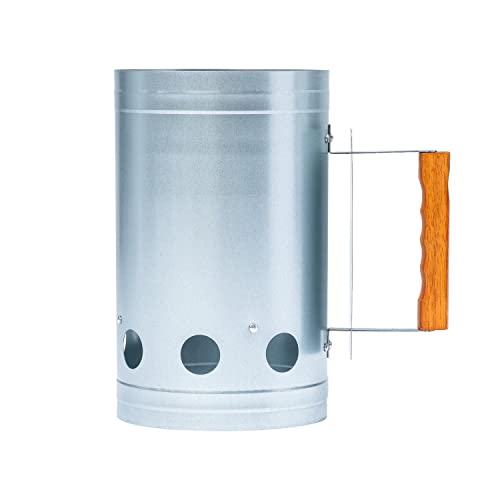
Lighting charcoal without lighter fluid petroleum odors is essential for authentic barbecue, and the Char-Griller Charcoal Grill Chimney Starter with Quick Release Trigger makes coal ignition both faster and substantially safer. Designed as a dedicated charcoal firing canister, this 12-inch accessory is built for backyard grillers, weekend BBQ enthusiasts, tailgaters, and campsite pitmasters who want ready-to-cook coals without hassle. Rather than lifting and inverting a top-heavy cylinder of flaming embers, this model uses a bottom trapdoor trigger that drops the fuel right where you want it.
In real-world barbecue setups, dependable fuel management sets the tone for your cook. This chimney utilizes natural vertical convection to draw oxygen upward from a single fire starter cube or crumpled paper base. Within fifteen to twenty minutes, an entire load of briquettes or lump charcoal glows with an even grey ash layer. Fast startup times mean you reach searing temperatures quickly for thick steaks and smash burgers, or establish a clean-burning coal bed for smoking ribs and brisket without chemical contamination.
Build quality focuses heavily on operator safety and heat management. The steel body measures 12 inches tall by 7.75 inches wide, holding sufficient fuel to power a two-zone kettle arrangement or prime an offset smoker firebox. A heavy-duty heat shield is placed between the metal barrel and the molded ABS handle, preventing skin exposure to blistering radiant temperatures. The trigger mechanism functions securely, ensuring the bottom grate stays shut while carrying coals and drops open cleanly upon trigger squeeze.
Handling and cleanup remain straightforward. Operation takes zero assembly: place a paraffin cube or wood wool on your grill grate, fill the chimney with charcoal, light the base, and let physics do the rest. Once lit, position the cylinder over your fuel grate and pull the handle trigger. Cleaning only requires tapping out leftover ash and keeping the hinge free of debris. While its fixed cylindrical shape does not fold flat for ultra-compact packing, the 2.9-pound weight transports effortlessly inside an outdoor gear bin or grill cart shelf.
A practical limitation involves the moving release door, which needs a quick visual check before loading unlit coals to ensure the latch is fully caught. For patio pitmasters, offset smoker fans, and tailgaters seeking a cleaner and far less clumsy way to dump red-hot coals, this Char-Griller quick-release chimney is an affordable, practical upgrade for your outdoor cooking routine.
Efficient charcoal management begins with an even, thorough burn. The Char-Griller chimney relies on continuous bottom-to-top airflow that accelerates combustion across every piece of fuel. Whether you prefer dense hardwood lump charcoal for high-heat searing or uniform briquettes for consistent kettle cooking, the chimney ensures uniform ember development across the entire load.
Lighting fuel without petroleum accelerants preserves pure wood smoke flavor on poultry, pork, and beef. Because the unit drops fuel straight down through the bottom door, you can easily target charcoal baskets, vortex funnels, or split fire zones without scattering hot ashes across your clean grilling grates.
Traditional charcoal chimneys require twisting your wrists and inverting an open canister of thousand-degree coals, which frequently produces floating sparks and erratic spills. The integrated trigger release on this model keeps the canister oriented upright at all times, drastically reducing flare-up hazards and accidental coal scatter.
A thick metal heat shield blocks direct thermal radiation from reaching your fingers, while the ergonomic ABS handle provides a confident grip even while wearing heavy leather barbecue gloves. This stable design makes pouring fuel into deep smokers, ceramic cookers, or small portable tailgating grills far safer and more predictable.

The Complete Guide to Firing Up and Cooking on a Park Charcoal Grill
Public park grills provide a rugged, nostalgic way to cook outdoors, but their open designs demand a deliberate startup strategy. These heavy-duty steel and iron boxes lack the sealed lids and precision dampers found on backyard charcoal kettles. Successful outdoor cooking requires understanding how to clean weathered surfaces, establish steady airflow, and maintain manageable heat. Taking control of the process from the moment you arrive ensures your family gathering or picnic yields delicious, evenly cooked food.
Essential Supplies to Pack Before Leaving Home
Standard public park grills provide only the metal firebox and an adjustable grate, meaning you must transport every other cooking necessity. Quality briquettes or natural hardwood lump charcoal serve as your foundation, with briquettes offering longer, more uniform burn times in breezy outdoor environments. Packing a dedicated ignition tool, such as a metal chimney starter or natural wax starter cubes, eliminates dependence on smelly chemical fluids. Heavy-duty heat-resistant gloves protect your hands when adjusting stubborn iron grates or pouring glowing coals into the basin.
Cleaning supplies deserve just as much space in your picnic kit as cooking ingredients. Bring a stiff-bristled grill brush or a roll of heavy aluminum foil to scrub away residual debris left by previous visitors. Extra-long stainless steel tongs provide safe leverage when moving coals or turning hot meat across wide grate openings. A reliable digital meat thermometer guarantees food safety, while sturdy trash bags and a metal water bucket help you clean up the site safely when cooking concludes.
Leaving your charcoal supplies to chance often leads to frustrating delays and uneven cooking temperatures. Public picnic grounds rarely offer convenient equipment storage, so arriving prepared makes the difference between an effortless cookout and a struggle. Packing an organized bin with fuel, igniters, and surface cleaners keeps your workspace sanitary and efficient. Having everything organized beforehand allows you to focus on managing heat rather than hunting for missing tools.
Inspecting and Cleaning the Public Grill Basin and Grate
Begin your setup by inspecting the firebox floor for accumulated ash and rain residue. Thick layers of damp ash block the bottom air vents, choking off the oxygen needed to sustain hot coals. Use a disposable garden trowel or an old metal scoop to clear out lingering gray debris and deposit it into designated park disposal receptacles. Clearing this lower space establishes clean airflow channels that feed your charcoal from underneath throughout the cook.
The cooking grate itself requires thorough physical scouring before food ever touches the metal. Because public grates sit exposed to rain, wildlife, and previous drippings, they typically display a layer of surface oxidation and baked-on grease. Scrape the bars vigorously with your grill brush, or wad a sheet of aluminum foil into a tight ball and rub down each bar. Following the dry scrub, wipe the surface with an oiled paper towel held in long tongs to lift loose rust particles.
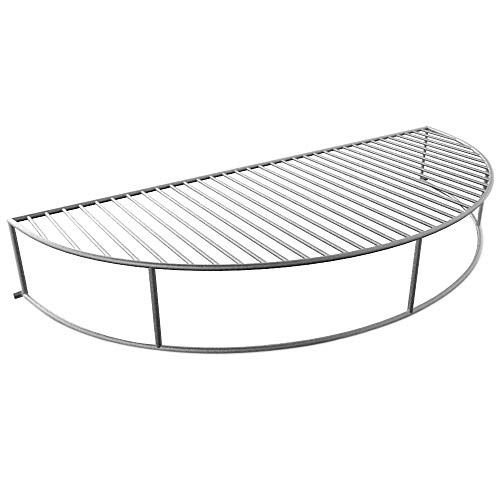
Some cooks prefer an extra layer of protection when dealing with heavily weathered public iron. Placing heavy-duty aluminum foil directly across the grate bars creates a clean, sanitary griddle surface that prevents burgers or delicate vegetables from falling through wide slots. Poke small slits in the foil if you want grease to drain away and smoke to reach the meat. Alternatively, leaving half the grate bare allows you to sear directly over open coals while keeping the covered side for gentler warming.
Choosing the Right Charcoal Lighting Method in a Public Setting
Using a metal chimney starter remains the most dependable technique for starting charcoal on a park grill. Cylindrical starters, such as the BBQGuys Signature Chimney Starter, use natural draft physics to pull heat upward through the charcoal bed within fifteen minutes. The Char-Griller Charcoal Grill Chimney Starter offers a trigger release mechanism designed to drop coals smoothly into the firebox without awkward tilting. These chimney designs ignite fuel evenly without imparting chemical odors into your food.
Cast iron fireboxes and draft guards present another sturdy alternative for outdoor cooking stations. The Brutal BBQ Fireguard Firewood and Charcoal Starter features a ductile iron casting designed to concentrate flame exposure while shielding tender coals from erratic park winds. Its compact profile fits neatly inside shallow public basins, helping charcoal catch quickly even on blustery lakeside afternoons. Placing your starter directly inside the grill basin keeps flying sparks contained during the lighting phase.
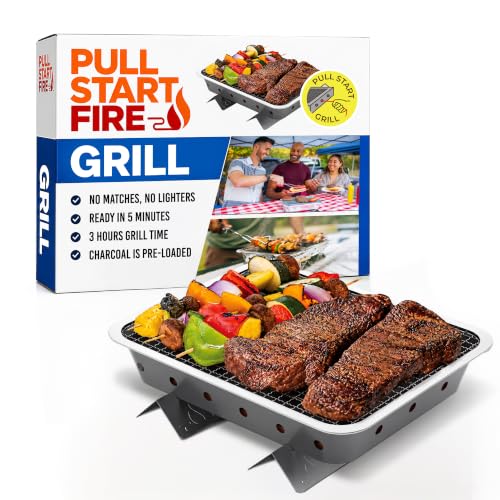
Minimalist outdoor travelers who prefer carrying fewer bulky metal accessories often select self-contained cooking options. The Pull Start Fire Grill combines natural hardwood charcoal with an instant pull-string ignition mechanism that requires neither matches nor chimney cylinders. This compact disposable setup reaches cooking temperature within minutes and provides hours of steady radiant heat. It allows cooks to bypass greasy public grates entirely by resting securely over the park framework.
Electric heating elements offer another chemical-free ignition path when appropriate power sources are available. The Stanbroil 600W Electric Charcoal Starter for Grill delivers thorough heat distribution across briquettes in about eight to ten minutes without creating harsh starter smoke. While standard public picnic spots rarely feature accessible electrical outlets, this method works well at RV park campsites or pavilions equipped with outdoor utility hookups. If using electrical tools outdoors, always ensure cords remain safely routed away from foot traffic and hot grill surfaces.
Large chimney models like the BEAU JARDIN Charcoal Chimney Starter Large accommodate substantial fuel loads for lengthy afternoon barbecues. Constructed with zinc-coated galvanized steel and numerous ventilation ports, this cylinder promotes rapid airflow across briquettes. Avoiding lighter fluid is especially crucial on public grates, where lack of a lid makes it difficult to burn off chemical petroleum odors. Natural starters and chimney cylinders keep meat tasting clean, preserving the authentic wood smoke flavor everyone expects.
Step-by-Step Procedure for Lighting Coals in a Park Grill
Place two or three crumpled sheets of newspaper or natural fire starter cubes onto the lower charcoal grate of the park grill. Set your empty chimney starter directly over the paper, ensuring the ventilation cutouts at the base remain unobstructed. Pour charcoal briquettes into the top opening until the cylinder fills near the upper rim. This vertical arrangement allows rising heat from the base to ignite each layer of coal progressively.
Light the starter paper or cubes through the bottom vents using a long utility lighter or wooden match. Smoke will begin billowing out of the top as the lower coals catch fire and ignite the fuel above them. Allow the chimney to work undisturbed for ten to fifteen minutes while the updraft draws oxygen through the base. You will notice the thick initial smoke thinning out as the coals achieve full ignition.
Watch for glowing red embers visible through the side vents and a light coating of gray ash covering the top layer of charcoal. Pouring the coals too early leaves unlit black briquettes that produce uneven heat and unpleasant smoke. Once the top coals display that distinct ash coating, put on your heat-resistant gloves and prepare to transfer the fuel. Steady patience during this step guarantees a stable, long-lasting bed of heat for your meal.
Grasp the chimney handle firmly, shielding your body from rising heat, and pour the glowing coals onto the clean firebox floor. Distribute the briquettes according to your intended cooking zones rather than dumping them in a loose, scattered pile. Use your long metal tongs to arrange the coals tightly together for maximum heat retention. Allow the freshly dumped fuel to settle for two minutes so surface temperatures stabilize across the entire bed.
Managing Airflow, Grate Height, and Two-Zone Heat Without a Lid
Public park grills operate without lids, making thermal management entirely dependent on coal placement and grate positioning. Wind direction plays a primary role in how quickly your charcoal burns down and where heat concentrates. Position the grill so the prevailing breeze enters through the lower draft openings rather than blowing smoke directly across your picnic table. Breezy days accelerate charcoal consumption, so keep extra fuel on hand if you plan an extended cooking session.
Arranging a two-zone fire creates distinct direct and indirect cooking areas within the open basin. Bank all hot coals against one side of the firebox while leaving the opposite side completely bare. Sear steaks or burgers directly above the glowing coals, then slide them toward the cooler side to finish cooking through without burning. This indirect zone works wonderfully when applying glazes, such as a tangy cranberry barbecue sauce, which can scorch if placed over open flame too soon.
Adjusting the cooking grate height gives you immediate control over the heat intensity reaching your food. Most park grills feature side notches or swivel levers that let you raise the iron grate several inches above the coals. Lower the grate close to the heat bed for a quick high-heat sear on thin cuts or hot dogs. Raise the grate to upper notches when cooking thicker chicken breasts or sausages that require gentle, steady radiant warmth.
Flare-ups happen frequently on open park grills because melting fat drips directly onto oxygen-rich charcoal. Without a kettle lid to starve the fire of oxygen, moving food away from flames is your best defense against charred dinners. Keep a dedicated cool zone open on your grate so you can shift dripping meats away from sudden fire bursts immediately. Never spray liquid water directly onto coals in a public grill to suppress small flare-ups, as this blows powdery ash onto your food.
Food Safety, Cooking Temperatures, and Handling Flare-Ups
Outdoor cooking environments lack the controlled refrigeration of home kitchens, demanding strict attention to food safety. Keep raw meats packed inside well-insulated coolers with ice packs until the moment they go onto the hot grill. Use an instant-read digital food thermometer to verify that poultry reaches an internal temperature of one hundred sixty-five degrees Fahrenheit and ground meats hit one hundred sixty degrees. Never rely solely on visual surface browning, as hot park grates often darken food exteriors before centers finish cooking.
Maintain strict separation between raw ingredients and cooked meals across your picnic prep surfaces. Designate specific cutting boards and utensils for raw patties, and never reuse plates that held raw meat without washing them thoroughly. Bring pre-moistened sanitizing wipes or a container of soapy water to clean hands and prep tables between tasks. Keeping your workstation clean prevents foodborne illness and ensures a safe dining experience for every guest.
Watch fat drippings and sugary basting sauces carefully during the final stages of cooking. High-sugar marinades and glazes burn quickly when exposed to direct charcoal heat on an open park grate. Brush sauces onto your meat only during the last five minutes of cooking, preferably over the indirect side of the grate. This technique allows the sauce to caramelize softly without turning into bitter black crust.
Extinguishing Coals and Leaving the Park Site Safe
Public park safety regulations require visitors to handle leftover charcoal responsibly before departing the grounds. Never abandon glowing coals in an unattended firebox, as sudden afternoon winds can carry live embers into dry grass or nearby brush. Most parks provide clearly marked metal bins labeled specifically for hot ash and coal disposal. Use long metal tongs to transfer lingering coals carefully into these designated fireproof containers.
If the park lacks a dedicated hot ash container, extinguishing the coals with water requires caution and patience. Pour water slowly around the edges of the firebox using your metal bucket rather than dumping a full container all at once. Sudden dousing creates clouds of scalding steam and can crack brittle cast iron through thermal shock. Stir the wet coals thoroughly with a stick or metal tool until all hissing stops and the material feels cool to the touch.
Complete your outing by conducting a full sweep of the surrounding picnic area. Pack out all food scraps, aluminum foil remnants, and empty fuel packaging in your heavy-duty trash bags. Ensure the park grate is brushed clean of major residue so the next park visitor finds a tidy cooking station. Leaving the site cleaner than you found it preserves public recreation spaces for the entire community.
Mastering a park charcoal grill comes down to bringing the right tools, scrubbing weathered iron, and managing heat without a lid. By packing dependable fuel, using chimney starters instead of chemical fluids, and setting up smart cooking zones, you can cook memorable meals in any outdoor setting. With simple preparation and practical fire safety habits, your next park barbecue will run smoothly from the first spark to the final cleanup.





Write Your Review
No reviews yet. Be the first to share your experience!