


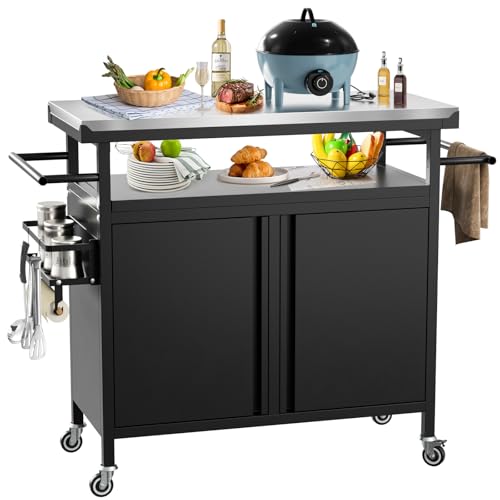
Cooking on an infrared grill delivers intense radiant heat that locks in natural juices, but food sticking to dry emitter plates can quickly spoil a cookout. Learning how to season infrared grill grates creates a natural non-stick barrier while shielding the metal against rust and stubborn food buildup. When replacement grates or factory components sit unprotected, moisture and acidic marinades can corrode the delicate heat channels beneath your food. Having an organized station like one of the available outdoor barbecue prep tables makes cleaning, oiling, and handling heavy grill components far simpler.
Whether your cooker features matte cast iron surfaces or coated emitter plates, consistent seasoning preserves heat retention and prevents flare-ups. Taking time to cure the metal correctly ensures even heat distribution across every ridge and valley. A properly cured layer of cooking oil polymerizes under direct radiant heat, converting raw cooking metal into a smooth, durable cooking surface. Establishing this protective foundation extends the operational life of your grill while improving overall cooking performance.


Pros
- Heavy cast iron construction holds and transfers heat reliably for weeknight grilling
- Direct drop-in fit for popular Charbroil part numbers like G369-0030-W2 and G362-0008-W1A
- Weighs over 9 pounds combined, keeping grates firmly seated while flipping food
- Eliminates the peeling and flaking issues common with older porcelain-coated rods
Cons
- Does not include the infrared emitter plates, which must be retained or bought separately
- Requires regular seasoning and oiling to prevent raw cast iron from developing surface rust
- Fitment is model-specific, requiring precise cookbox measurements before ordering
The Grillflame 2-Piece Cast Iron Replacement Grate set is designed specifically for owners of select Charbroil Tru-Infrared and Nexgrill two-burner gas grills. When factory cooking surfaces begin to degrade, porcelain enamel can chip away, exposing bare metal to moisture and causing severe flaking. This replacement set provides an immediate upgrade, allowing backyard cooks, patio grillers, and busy families to restore their grill cooking surface to prime condition without having to replace the entire gas grill cart.
In terms of everyday cooking performance, cast iron brings distinct thermal advantages to the grill box. The material naturally absorbs and radiates heat evenly, which pairs especially well with Charbroil Tru-Infrared emitter systems. Whether you are searing thick-cut ribeyes on a Saturday afternoon, flipping burgers for family dinner, or charring chicken breasts and seasonal vegetables, these solid iron rods hold steady cooking temperatures. The dense grate bars help create defined sear marks while minimizing sudden heat drops when cold meat hits the cooking grid.
Build quality is centered around heavy, unvarnished cast iron. At roughly 9.1 pounds total, these grates feel substantial in the hand and sit securely in the firebox ledge. Unlike lightweight stamped steel or thinly coated porcelain grates, cast iron will not crack or chip under high grilling temperatures. Each individual grate section measures 17 inches long by 8.75 inches wide, forming a combined primary grilling area of 17 by 17.5 inches. This setup matches the OEM dimensions for models such as the Charbroil Commercial 463642316 and Signature 463675016.
Routine maintenance follows standard cast iron care practices. Before first use, applying a light coat of high-heat cooking oil and running the grill on moderate heat helps season the surface and form a moisture barrier. After cooking dinner, cleaning the grates with a standard grill brush while the cooking box is still warm, followed by a quick wipe with cooking oil, keeps the iron protected against humid backyard weather. Because these grates drop directly onto the grill ledges over existing infrared emitter plates, installation takes mere seconds with no tools required.
Realistic limitations should be kept in mind prior to purchasing. This package includes only the two cast iron cooking grates; the lower infrared emitter plates (such as part G362-2100-W1 or G460-0500-W1) are not included. If your grill emitter plates are rusted through, you will need to replace them separately. Additionally, cast iron requires ongoing care; if left unseasoned or exposed to rain beneath an unprotected grill cover, surface rust can develop over time.
For owners of compatible Charbroil Tru-Infrared or Nexgrill Evolution 2-burner grills, this Grillflame replacement grate set is a highly practical and budget-conscious investment. It delivers durable materials, dependable thermal mass for searing, and a tailored fit that revitalizes your existing outdoor cooking station for many grilling seasons ahead.
Proper care is essential to ensure long-term durability and performance from cast iron grill grates. Before your first cookout, wash the grates with warm water, dry them thoroughly with a clean cloth, and coat both sides lightly with a high-smoke-point cooking oil like canola or vegetable oil. Heat the grates on your grill for 20 to 30 minutes to bake the oil into the iron, establishing an initial protective patina.
For routine maintenance after cooking burgers, chicken, or steaks, burn off excess food residue on medium-high heat with the lid closed for a few minutes. Use a stiff grill brush or scraper to remove debris while the surface remains warm. Once the grates cool down, apply a light coat of cooking oil to seal the iron against ambient humidity, especially during damp spring and fall seasons.
This replacement grate set is engineered for specific 2-burner gas grills using infrared systems. Compatible Charbroil Commercial Series models include 463642316 (Lowe's item 748075), 466642316, 466642416, 463644220 Amplifire, and the 4-burner double-header model 463245518. It also fits Charbroil Signature Series grills including 463675016 (Lowe's item 1031880), 463632520, 463632320, 463675016P1, Signature IR-325, and Nexgrill Evolution Infrared Plus models 720-0864 and 720-0864M.
Before ordering, always measure your existing cookbox cavity or original grates. Each grate panel in this two-pack measures 17 inches long by 8.75 inches wide, creating a total width of 17.5 inches when placed side by side. Matching both your grill model number and these physical dimensions will guarantee a smooth drop-in fit over your infrared emitters.

Pros
- Excellent heat retention and even heat distribution across the cooking surface
- Easy to clean thanks to the non-stick porcelain coating
- Durable heavy iron construction that withstands high temperatures and frequent use
- Perfect fit for many CharBroil Performance 2-burner models - no modification needed
Cons
- Iron grates are heavier than standard steel grates, making them less portable for camping
- Must be thoroughly dried after cleaning to prevent rust on uncoated edges
- Not compatible with CharBroil grills outside the listed model numbers
If you own a CharBroil Performance Tru-Infrared 2-burner gas grill, you know how important the cooking grates are for getting that perfect sear. Over time, original grates can warp, rust, or just lose their non-stick properties. That is where these Uniflasy replacement grates come in. They are made of heavy porcelain-enameled iron, designed to drop right into your grill and bring it back to life.
These grates are best suited for backyard grillers, BBQ enthusiasts, and anyone who loves cooking outdoors on weekends. Whether you are searing steaks for a family dinner or grilling burgers for a tailgate party, the heat retention of iron gives you consistent temperatures across the whole cooking surface. The porcelain coating also helps prevent food from sticking, so you get those beautiful sear marks without tearing up your meat.
In real-world cooking, these grates really shine. They hold heat exceptionally well, which means you get a nice sizzle when you lay down a steak. The even heat distribution also helps with cooking larger cuts like chicken breasts or veggie skewers without hot spots. Cleanup is straightforward: let the grates cool, scrub with a grill brush and some soapy water, and dry them completely with a towel. Because iron can rust if left wet, a quick dry is all it takes to keep them looking good.
Build quality is solid. The grates feel heavy and sturdy, much more so than thin steel grates. The porcelain coating is thick and smooth, which not only helps with non-stick cooking but also protects the iron from the elements. These are not the type of grates you will need to replace every season. They should last for years with basic care.
One realistic limitation is weight. Being iron, these grates are heavier than the original steel ones. That is a trade-off for better heat performance. Also, they only fit the specific CharBroil models listed, so make sure your grill is on the compatibility list before buying. For most people with a Performance 2-burner, these will drop right in without any fuss.
Overall, if your old grates are looking tired or not cooking evenly, this is a smart upgrade. You get the benefits of iron heat retention and easy cleanup at a reasonable price. They are perfect for backyard BBQ sessions, tailgating, or even patio cooking. Just remember to dry them after washing, and you will be enjoying great grilled food for many cookouts to come.

Pros
- Excellent heat retention for consistent searing and cooking
- Fits a wide range of Charbroil Commercial 3-burner models
- Cast iron is durable and resists rust when properly seasoned
- Easy to clean with a grill brush and occasional oiling
- Affordable upgrade over stock enameled grates
Cons
- Requires regular seasoning to prevent rust, especially in humid climates
- Heavier than some porcelain-coated grates, which may be a minor inconvenience for transport
- Not compatible with non-Charbroil grills, so check your model before buying
If you own a Charbroil Commercial Tru-Infrared 3-burner gas grill and your original grates are starting to show their age, the Uniflasy 17-inch cast iron grill grates are a smart replacement option. These grates are designed specifically for a long list of Charbroil models, including the 463355220, 463242516, and many others, so you can swap them in without any hassle. They're built from heavy-duty cast iron, which is a big step up from the enameled bars that often chip or rust out over time.
For backyard grillers and tailgaters, the main draw here is cooking performance. Cast iron heats up evenly and holds onto that heat like a champ, which means you get consistent sear marks on steaks, burgers, and even veggies. The grates deliver that satisfying sizzle and crust that makes outdoor cooking so rewarding. Whether you're flipping burgers for a weekend BBQ or searing chicken breasts for a quick weeknight dinner, these grates help you achieve restaurant-quality results right on your patio.
Durability is another strong point. The cast iron construction is tough and resists warping, even when you crank the heat up high for a good sear. That said, cast iron does require a bit of care to prevent rust. The manufacturer provides clear tips: scrape the grates after each use, brush them with oil to season, and keep the grill covered when not in use. If you follow these steps, these grates will last for years. For campers and RV owners, the extra maintenance is a small trade-off for the superior cooking performance.
Cleanup is straightforward. A good grill brush after cooking takes care of most residue, and an occasional oiling keeps the surface non-stick. The grates are also easy to remove and store, though they are a bit heavier than some porcelain-coated alternatives. That weight is a sign of quality, but it might be a minor consideration if you frequently transport your grill for tailgating or camping trips.
One realistic limitation is that these grates are only compatible with specific Charbroil Commercial 3-burner models. If you have a different brand or a different size grill, they won't fit. Also, while cast iron is durable, it can rust quickly if neglected, especially in humid climates. So if you're not willing to do a little post-cook maintenance, you might prefer a stainless steel or porcelain-coated option.
Overall, the Uniflasy cast iron grill grates are a practical upgrade for anyone who wants better heat retention and searing ability from their Charbroil grill. They're ideal for backyard cooks who enjoy grilling regularly, tailgaters who want consistent results, and outdoor entertainers who appreciate a good sear. Just be ready to give them a little TLC after each use, and they'll reward you with great cooking for years to come.
Complete Guide to Seasoning Infrared Grill Grates
Establishing a resilient seasoning layer is the most dependable way to keep infrared cooking surfaces performing at their best. Infrared burners generate higher surface temperatures than traditional open-flame systems, meaning unseasoned metal quickly dries out and degrades. Understanding the specific heating mechanics, proper oil selection, and thermal curing cycles guarantees your grates remain non-stick and rust-free. The following guidance breaks down every phase of the process to help you maintain clean, durable grates throughout the grilling season.
Why Infrared Systems Require Specialized Seasoning
Infrared grills function differently than conventional gas grills because they convert convective hot air into direct radiant infrared energy. Standard grates allow combustion gases to circulate freely around meat, whereas infrared systems use specialized emitter plates or tightly spaced grate channels to capture heat. This intense radiant transfer pushes grate temperatures significantly higher in a shorter window of time. Because the heat is concentrated directly below the cooking surface, raw iron or exposed metal without an oil barrier can scorch marinades and rapidly oxidize.
Cast iron features microscopic pores and crevices that expand whenever the grill heats up. When you apply a food-safe cooking oil and subject it to sustained heat, the fatty acids undergo polymerization. This chemical reaction bonds the oil into a solid, slick plastic-like polymer that fills surface voids. Without this bonded barrier, moisture from meat juices seeps directly into the iron, initiating surface pitting and rust.
The unique geometry of infrared grates adds another critical reason to maintain consistent seasoning. Many infrared designs feature narrow troughs designed to catch drippings and prevent convective flare-ups from burner flames. If food remnants bake into unseasoned channels, airflow and radiant heat transfer become obstructed. Proper seasoning allows carbonized drippings to slide away easily during routine post-cook scraping rather than cementing to the metal.
Identifying Grate Materials and Emitter Configurations
Before applying oil, you must identify whether your grill uses bare matte cast iron or porcelain-enameled iron components. Brands such as Grillflame and Uniflasy supply aftermarket matte cast iron grates for popular two-burner and three-burner infrared cookers. Matte cast iron excels at heat retention and bold sear marks, but it lacks factory rust protection and demands a thorough initial seasoning. In contrast, porcelain-enameled grates feature a glass-like ceramic coating that prevents oxidation right out of the box.
Porcelain coatings do not require the heavy polymerization layers necessary for raw cast iron, but they still benefit from light oil conditioning. Over time, micro-fissures can develop in porcelain enamel from thermal shock or metal scraper abrasion, exposing underlying metal to ambient humidity. Applying a thin coat of oil before cooking helps lubricate the surface and protects microscopic defects from corrosive marinades. Cooks who manage multiple backyard units, including hybrid griddle and smoker setups, recognize that surface composition always determines maintenance routines.
Some infrared systems separate the cooking grate from a separate emitter plate beneath it, while others combine them into a single channeled casting. When working with separated configurations, both the top cooking grate and the emitter plate require attention. The emitter plate catches direct burner heat and food drippings, making it vulnerable to grease fires if neglected. Knowing your specific setup ensures you treat every heated surface with the proper technique.
Selecting the Right Oil for High-Heat Polymerization
Choosing an oil with a high smoke point is essential when curing infrared cooking surfaces. Infrared burners easily reach temperatures exceeding five hundred degrees Fahrenheit during typical preheating cycles. Low smoke point fats like butter, lard, or unrefined olive oil break down prematurely into bitter, sticky soot instead of forming a durable polymer. High smoke point oils, such as canola oil, refined peanut oil, grapeseed oil, or avocado oil, withstand the thermal stress required for proper curing.
Canola oil remains one of the most accessible and cost-effective choices for outdoor grill grates. It features a smoke point near four hundred degrees Fahrenheit and contains unsaturated fats that polymerize cleanly under heat. Refined avocado oil provides an even higher thermal ceiling, resisting breakdown up to five hundred degrees Fahrenheit. Grapeseed oil also forms a hard, resilient finish that outdoor cooks appreciate for durable cast iron care.
Animal fats and unrefined vegetable oils should be avoided during the dedicated seasoning process. While bacon grease is popular in indoor skillet lore, animal fats contain water, salts, and proteins that scorch into uneven carbon residue outdoors. Salt accelerates metal oxidation, which works directly against your rust prevention goals. Sticking with pure, neutral plant oils guarantees a smooth and resilient protective coating.
Deep Cleaning and Surface Preparation Before Seasoning
Applying seasoning oil over existing grease or loose rust traps contaminants against the metal, leading to peeling layers later. For brand-new replacement grates, start by washing them with warm water and mild dish soap to remove shipping oils and factory residues. Factory anti-corrosion oils are applied to protect parts in transit but are not intended for cooking. Rinse the components thoroughly with clean water to eliminate all soap traces.
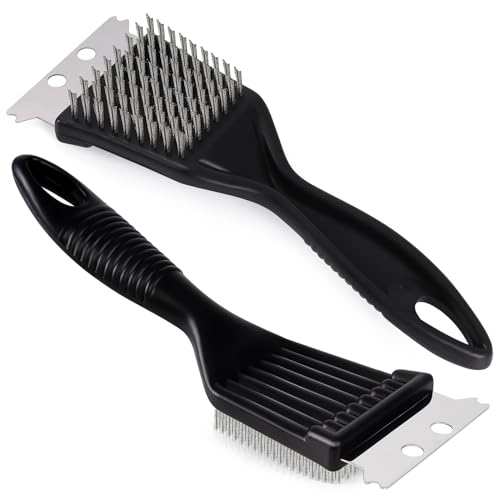
Older grates that show signs of residue or light oxidation require mechanical cleaning before applying new oil. Use a nylon bristle brush or a dedicated grate scraper matched to the profile of your infrared channels. Avoid harsh wire brushes that can shed steel bristles or chip away delicate porcelain enamel coatings. If carbon buildup resists dry brushing, create a paste of baking soda and water to gently lift baked-on grease without gouging the iron.
Thorough drying is a step you cannot skip because trapped moisture beneath an oil coat causes immediate rust. After washing, dry the grates completely using clean lint-free cotton towels or microfiber cloths. You can place the washed grates onto your grill and run the burners on low heat for five to ten minutes to evaporate lingering moisture from tight channels. Allow the metal to cool until it is safe to touch before moving forward with oil application.
Step-by-Step Oil Application and Thermal Curing
The golden rule of seasoning cast iron is applying exceptionally thin coats of oil rather than heavy layers. Pour a small amount of your chosen high smoke point oil onto a lint-free cloth or paper towel. Rub the oil across all surfaces of the grate, including the upper ridges, sidewalls, bottom channels, and emitter valleys. Every exposed portion of metal requires coverage to prevent moisture from finding an unprotected entry point.
After coating the grates, take a fresh, clean dry towel and wipe the metal down as if you are trying to remove all the oil you just applied. Beginners often leave thick pools of oil in the emitter troughs, which creates sticky, gummy patches that never properly cure. The iron retains an invisible microscopic film of oil even after thorough wiping, which is the exact thickness needed for polymerization. A dull sheen across the metal indicates the correct amount of oil.
Place the grates back into the grill, close the lid, and ignite the burners to medium-low heat. Slowly bring the grill temperature up to approximately four hundred degrees Fahrenheit over fifteen minutes to prevent thermal shock. Allow the grates to bake at this temperature for thirty to forty-five minutes, during which you will notice light smoke rising as the oil bonds to the metal. Turn off the burners and let the grill cool completely to ambient outdoor temperature without lifting the lid.
Repeating this heating and cooling sequence two or three times establishes a resilient, multi-layered foundation. Each curing cycle adds another microscopic sheet of polymerized oil, gradually darkening the metal from gray to a deep, lustrous black. Once the final cycle cools down, the surface feels smooth and slick under your fingertips. This slick surface prevents delicate fish or marinated Korean barbecue cuts from tearing during high-heat searing.
Routine Post-Cook Maintenance and Re-Seasoning
Seasoning is not a one-time project, but an ongoing maintenance habit that keeps your infrared grill in peak operating condition. At the end of every cooking session, turn the burners to high for five minutes with the lid closed to incinerate leftover grease into ash. Once the heavy smoking stops, turn off the fuel and use a brass or nylon grill brush to sweep loose debris out of the emitter grooves. Performing this quick burn-off while the grates remain warm takes minimal effort and prevents buildup.
Apply a light maintenance wipe of oil after the grates have cooled to a safe, warm temperature. Dip a paper towel into canola or avocado oil and quickly wipe down the top cooking ridges. The residual heat from the grill helps draw the fresh oil into the metal pores, reinforcing the protective barrier for the next cook. This simple two-minute habit prevents ambient outdoor humidity from attacking the bare metal between grilling sessions.
Inspect the emitter channels regularly to ensure that airflow openings remain clear of grease dams. Infrared cookers rely on consistent heat radiation, and plugged emitter slots cause hot spots across the cooking area. If you notice drippings hardening into thick carbon deposits, scrape them clean before they bake on permanently. Routine vigilance protects your investment and ensures predictable cooking temperatures every time you fire up the burners.
Troubleshooting Sticky Finishes, Flaking, and Surface Rust
If your grates feel sticky or gummy after a seasoning cycle, too much oil remained on the surface during heating. Excess oil pools in the channels and partially oxidizes into a tacky varnish rather than a hard polymer. To fix this, heat the grill on high for twenty to thirty minutes to bake the sticky layer completely through until it dries out. Once cooled, scrub the surface with a stiff scouring pad and re-season with an ultra-thin layer of oil.
Black flakes peeling off your grates usually consist of carbonized food drippings and overcooked marinade sugars rather than failing metal. High-sugar barbecue sauces and acidic marinades eat through seasoning layers if left sitting on the grates overnight. When flaking occurs, scrub the loose carbon away using a stiff nylon brush and warm water. Dry the grates completely and apply two thin coats of fresh oil, curing each coat to restore the damaged spots.
Surface rust can appear if the grill sits uncovered during humid weather or if moisture collects under a tight cover. Light surface rust does not mean the grates are ruined or require immediate replacement. Scrub the affected areas with a scouring pad dipped in a mixture of white vinegar and water until bare metal reappears. Wash thoroughly with clean water to neutralize the vinegar, dry the metal completely on low heat, and build a fresh seasoning layer from scratch.
Long-Term Storage and Humidity Protection
Condensation is one of the most persistent threats to infrared cast iron components during extended periods of disuse. When storing your grill for the winter or during prolonged wet weather, coat the grates generously with cooking oil. The manufacturer guidance for replacement parts often advises applying a heavy coat of oil and storing the grates in a dry indoor space if the grill sits idle for months. Leaving grill dampers slightly cracked can also prevent stagnant moisture from collecting inside the cookbox.
Never store outdoor cooking grates in damp basements, unventilated sheds, or directly against wet ground where condensation pools. If you must leave the components inside an outdoor grill cart, use a waterproof, breathable cover that protects the unit from driving rain while allowing moisture vapor to escape. Inspecting the metal periodically during the off-season ensures that the protective oil coat remains intact. A little preventative care guarantees your infrared grill grates are ready to sear whenever warm weather returns.
Mastering this seasoning process safeguards your equipment against rust, extends component lifespan, and delivers effortless food release on every cook. By selecting high-smoke oils, applying whisper-thin layers, and running steady heat cycles, you transform raw replacement metal into a reliable cooking surface. Consistent post-cook care keeps those radiant heat channels working cleanly, ensuring your barbecue tastes great without sticking to the grates.



Write Your Review
No reviews yet. Be the first to share your experience!