


Thick layers of carbonized grease and surface corrosion can quickly ruin what should be a great weekend barbecue. Leaving cooking surfaces exposed to outdoor humidity and acidic food residue degrades heat transfer, causes delicate meats to stick, and introduces bitter flakes into fresh meals. Learning how to restore grill grates allows you to salvage neglected metal, preserve heat retention, and create a sanitary cooking surface without paying for expensive factory replacements. Setting up a dedicated outdoor workspace, such as a sturdy rolling BBQ prep table, keeps your cleaning supplies organized while protecting your patio from oily runoff.
Different grate materials require distinct restoration strategies to avoid permanent surface damage. Heavy cast iron demands active rust conversion and protective oil seasoning, whereas porcelain-enameled steel requires gentle degreasing to prevent the protective glass coating from chipping. Stainless steel bars tolerate firmer mechanical scrubbing, but they still benefit from specialized degreasers and thorough residue rinsing. Taking time to properly clean, strip, and protect your cooking grid restores dependable performance and helps your outdoor cooker deliver clean, predictable sear marks all season long.

Pros
- All-natural, plant-based formula is safer for you and the environment compared to harsh chemical cleaners.
- Effectively removes grease and residue while building a natural seasoning layer on grates.
- Light citrus scent is pleasant and does not affect food flavor.
- Works well on multiple surfaces including stainless steel, making it versatile for grill maintenance.
Cons
- May require more effort for heavily charred residue compared to abrasive chemical cleaners.
- Only available in an 8-ounce bottle, which may not last frequent grillers as long as larger sizes.
If you are a backyard BBQ enthusiast or a weekend camper who enjoys cooking over an open flame, you know that cleaning the grill is often the least fun part of the experience. The CARON & DOUCET BBQ Grill Cleaner Oil offers a refreshingly natural approach to this chore. Made from 100% plant-based refined coconut oil and scented with citrus essential oils, this product is designed to remove grease and residue from your grates without the need for harsh, corrosive chemicals.
This cleaner is best suited for backyard grillers, patio cooks, and tailgaters who want a safer option for maintaining their gear. It works wonderfully with wooden scrapers or non-abrasive brushes, allowing you to gently scrub away buildup while conditioning the metal. Many grillers find that after a few uses, it helps build a natural seasoning on the grates, reducing food sticking and enhancing overall cooking performance on gas, charcoal, or pellet grills.
In terms of real-world cooking performance, this oil does not directly affect heat consistency or searing ability but indirectly improves them by keeping your grates clean and well-maintained. A clean grate ensures better heat transfer and prevents old residue from burning onto fresh food. For low-and-slow smoking or fast grilling, having a clean cooking surface is key to avoiding off-flavors. The light citrus scent is pleasant and does not transfer to your burgers, steaks, or vegetables, so your food tastes exactly as it should.
Build quality of the product itself is solid; the bottle is simple but functional, with a secure cap that prevents leaks during storage or transport. The oil is stable and will not go rancid thanks to the refined coconut oil base. This makes it a great option for campers or RV owners who want a compact, spill-proof cleaner that can be tossed into a gear bin without worry. While it does not offer wind resistance or temperature control like a grill might, it does keep your equipment in top shape for many outdoor cooking sessions.
Ease of use is straightforward: apply a small amount to a cool or warm grate, let it sit for a minute, then scrub with a scraper or brush. The oil breaks down grease effectively, and cleanup is done with a simple wipe. One realistic limitation is that for very heavy, baked-on carbon, you may need to repeat the process or use a bit more elbow grease compared to stronger chemical degreasers. Additionally, the 8-ounce bottle is compact, which is great for portability but might not last heavy users very long. Overall, this is a practical, eco-friendly tool for any outdoor cook who values natural ingredients and wants to keep their grill in great condition without the toxic stuff.

Pros
- Effective on heavy grease and charred food residue from low-and-slow smokes
- Works well on both cold and warm surfaces for flexible cleaning after grilling
- Economical - a little goes a long way for multiple cleaning sessions
- Rinses clean without leaving sticky residue that could affect food flavor
Cons
- May require multiple applications for heavily caked-on grime from years of use
- Strong chemical smell during application - use in well-ventilated area
- Not recommended for aluminum surfaces or painted grills
If you spend any time grilling, smoking, or cooking outdoors, you know the cleanup is the least fun part. This heavy-duty grill cleaner is designed to tackle exactly that chore, making it a solid addition to any outdoor cooking setup. It's a spray-on degreaser that works on BBQ grills, smokers, ovens, flat top griddles, and even camping stoves - basically anything that gets coated in grease and carbon after a cookout.
This cleaner is best suited for backyard grillers who fire up their gas or charcoal grills weekly, BBQ enthusiasts who smoke brisket low and slow, campers who need to clean their portable stove after a trip, and tailgaters who want their gear ready for the next game. If you own an RV and cook inside or outside, this is also handy for keeping the oven and grill grates spotless.
In real-world use, the cleaning performance is impressive. It cuts through baked-on grease and charred food residue without requiring heavy scrubbing. After a long smoking session where the grates are covered in black carbon, a few sprays and a short wait let you wipe it away. It doesn't completely eliminate scrubbing, but it reduces elbow grease significantly. The formula works on both warm and cold surfaces, so you can spray right after cooking or let it sit overnight on tough buildup.
Build quality is straightforward - it comes in a standard spray bottle with a trigger nozzle that delivers a wide or narrow stream. The nozzle doesn't clog easily, which is a common issue with thick cleaners. It's safe on porcelain, stainless steel, and cast iron grates, but you should avoid aluminum and painted surfaces. The spray can reach into tight corners of smoker racks and between grates, making it easier to clean those hard-to-reach spots.
Setup and use are simple: spray on, let it sit for a few minutes, scrub if needed, then rinse with water. Cleanup is quick, and the cleaner rinses away without leaving a sticky film that could affect your next meal's flavor. Storage is easy - just keep the bottle in your garage or under the sink. One limitation is that heavily caked-on grime from years of neglect may require multiple applications. Also, the chemical smell is strong, so you'll want good ventilation when using it.
Overall, this is a practical buy for anyone who cooks outdoors regularly. It saves time and effort on cleanup, which means more time enjoying your backyard parties, tailgates, or campsite meals. If you're tired of scrubbing forever after a great cookout, this cleaner makes the after-work much easier. Just remember to wear gloves and work in a well-ventilated area, and your grills and smokers will look like new after each use.


Pros
- Restores and protects cast iron and steel from rust in outdoor conditions
- Non-toxic and non-flammable, safe near cooking and open flames
- Compact 8 oz size easy to store in camping gear or garage
- Simple application with no special tools needed
Cons
- Not for use on stainless, raw, or sandblasted steel surfaces
- Limited to non-painted metal surfaces only
- May require multiple coats for heavily weathered grates
If you've been firing up your cast iron grill or wood stove for years, you know the struggle of keeping that black finish looking fresh. Rutland's Liquid Stove and Grill Polish is a simple solution for backyard grillers, campers, and anyone who loves cooking outdoors. It's a polish designed to restore and protect cast iron and steel surfaces on grills, wood stoves, fireplace grates, and even fire pits.
This polish works best on bare cast iron and steel that isn't painted or stainless. Just apply a thin coat with a soft cloth, let it dry for a few minutes, then buff it to a smooth, dark sheen. The result is a restored black finish that looks like new. The protection also helps prevent rust, which is a huge plus when your gear lives outside or in a damp shed. For tailgaters and campers who leave their grills exposed to the elements, this adds a layer of defense.
Performance wise, this polish does exactly what it promises. It doesn't affect cooking at all - no unwanted flavors or fumes after the initial cure. Once applied and heated through, your grill or stove looks great and stays protected. It's especially handy for cast iron grates that get crusty over time. A quick polish before a big backyard party or camping trip makes your setup look sharp without any heavy scrubbing.
For cleaning up, the polish itself is easy to handle. The 8 oz bottle is small enough to toss in a camping bin or tool drawer. One application lasts for multiple cooks, depending on how much heat and grease your grates see. Reapply as needed when the finish starts to look dull. It's also non-toxic and non-flammable, so you can use it near your grill safely.
A realistic limitation is that this polish isn't for every surface. Avoid using it on painted, stainless, raw, or sandblasted steel. Stick to seasoned cast iron and standard steel. Also, if your grates are heavily pitted or rusted, you might need to clean them thoroughly first before the polish takes. Still, for regular maintenance of your grill or wood stove, it's a great buy.
For anyone who enjoys weekend BBQs, camping cookouts, or cozy nights by the fire, this polish is a practical addition to your gear. It keeps your outdoor cooking equipment looking its best and extends its life without harsh chemicals. Pair it with your favorite grill brush and you are set for the season.
This polish is perfect for cast iron grill grates, wood stove doors and bodies, fireplace grates, and fire pit rings. Use it on your backyard BBQ grill before a big cookout to restore that rich black finish. It's also great for campers who want to keep their portable cast iron cookware looking clean. Tailgaters will appreciate the quick shine it gives to their grill before game day. Apply it on a dry, cool surface, let it dry, buff lightly, and you are ready to fire up.
Keep the polished finish by wiping down your grill or stove with a dry cloth after each use. Avoid abrasive cleaners that can strip the polish. Reapply the polish every few months or when the surface starts to look dull. Store the bottle in a cool, dry place out of direct sunlight. For best results, apply to a clean, dry surface free of grease and debris. A soft cloth or rag works best for application and buffing.


Pros
- Comfortable ergonomic handle reduces hand fatigue during thorough cleaning
- Replaceable pads offer long-term value and consistent scrubbing performance
- Heavy-duty design tackles baked-on residue without scratching porcelain or stainless steel grates
- Affordable price point makes it a smart addition to any griller's toolkit
Cons
- Pads may need frequent replacement if used on heavily charred grates after every cook
- Not ideal for cleaning griddle surfaces or ceramic grills; best suited for standard wire or rod grates
If you've spent any time grilling burgers, chicken, or steak for a weekend BBQ, you know that cleaning the grates is the least glamorous part of the cook. The Weber Grill Grate Scrubber aims to change that. This heavy-duty scrubber is built specifically for outdoor cooking enthusiasts who want to keep their grill in top shape without wrestling with flimsy brushes or disposable pads.
This scrubber is designed for backyard grillers, tailgaters, and anyone who fires up a gas or charcoal grill regularly. It's not a cooking appliance itself, but it plays a critical role in maintaining your grill's performance. A clean grate means better heat transfer, fewer flare-ups, and that perfect sear on your steaks. The contoured handle feels natural in your hand, giving you a firm grip even when you're scrubbing away stubborn residue after a long cook.
In terms of real-world use, this scrubber does exactly what it promises. The three included pads are easy to swap out, so you always have a fresh scrubbing surface. The heavy-duty construction handles the kind of baked-on grease and carbon that builds up after smoking ribs or grilling a big batch of burgers. While it won't replace a deep cleaning with a wire brush for extremely caked-on grates, it's perfect for regular maintenance after each cook.
Durability is solid for a tool in this price range. The plastic handle holds up well to repeated use and exposure to outdoor elements, though you'll want to store it in a dry place to extend its life. The pads are the main consumable, and you'll get several uses out of each one depending on how dirty your grates get. For most backyard cooks, a single pack will last through a season of weekend grilling.
Cleanup is straightforward: just rinse the scrubber after use and let it dry. The compact size makes it easy to tuck into a grill cart or drawer, so it's always handy when you need it. One realistic limitation is that it's not designed for flat top griddles or ceramic grills, but for standard wire or rod grates, it works great.
Overall, the Weber Grill Grate Scrubber is a practical, no-nonsense tool for anyone who takes their outdoor cooking seriously. Whether you're a weekend BBQ enthusiast or a tailgater who wants quick cleanup before packing up, this scrubber delivers reliable performance at a fair price. It's a smart addition to any grill setup.
Keeping your grill grates clean is essential for great cooking results and extending the life of your grill. The Weber Grill Grate Scrubber makes this task straightforward. After each cook, allow the grates to cool slightly, then scrub with the pad to remove food residue and grease. The contoured handle gives you good leverage, so you don't have to scrub too hard.
For best results, rinse the scrubber with water after each use and let it air dry. The replaceable pads should be swapped out when they become worn or lose their scrubbing power. Depending on how often you grill, a single pad can last several sessions. Store the scrubber in a dry place to prevent any mold or mildew on the pad.
This scrubber is compatible with most standard gas and charcoal grill grates, including porcelain-coated, stainless steel, and cast iron. Avoid using it on non-stick surfaces or delicate ceramic grills, as the abrasive pads may cause scratching.
Pros
- Effectively removes stubborn baked-on grease and carbon deposits
- Biodegradable and food-surface safe (non-toxic when rinsed properly)
- Foam clings to grates and vertical surfaces, reducing waste
- Works on pellet smokers, gas grills, and electric smokers
- Helps reduce flare-ups by removing grease buildup
Cons
- Spray nozzle can be inconsistent; some users report clogging or poor spray pattern
- Foam may struggle to coat thin, closely spaced grate rods without pooling
- Do not use on aluminum or faux stainless steel surfaces (may cause damage)
- Requires thorough rinsing to avoid residue that could affect food taste
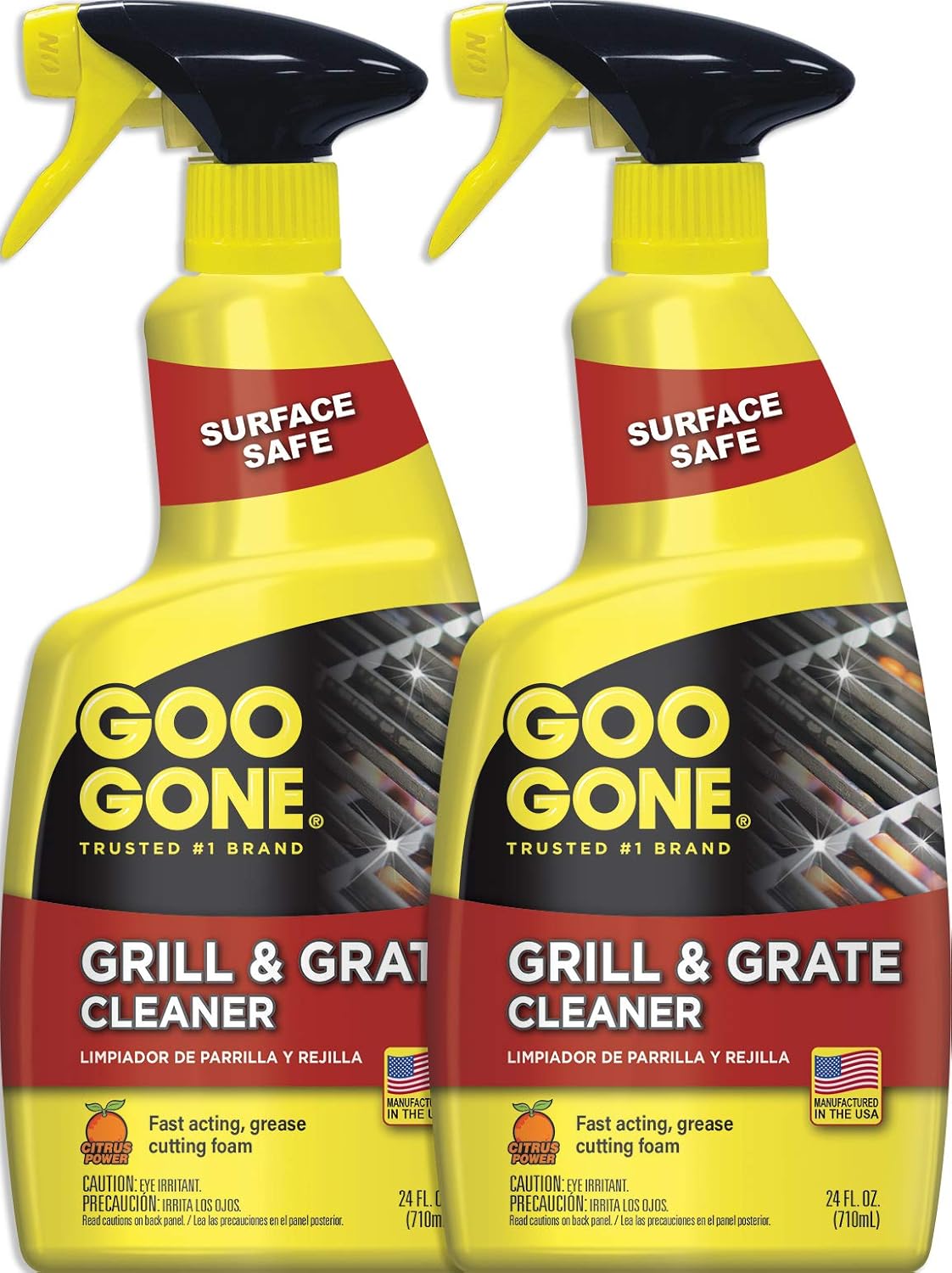
If you've ever faced down a crusty, grease-laden grill grate after a long summer of burgers, steaks, and slow-smoked ribs, you know the struggle is real. The Goo Gone Grill and Grate Cleaner Spray (2 Pack) is designed for exactly that scenario. This super-strength gel foam targets baked-on deposits, carbon, and grease that accumulate on your cooking surfaces. It's not a replacement for a good brush, but it's a powerful pre-treatment that cuts your scrubbing time drastically.
This cleaner is best suited for backyard grillers who own gas grills, pellet smokers (like Traeger), electric smokers, or even charcoal kettles. If you're a tailgater who wants to refresh your portable griddle or a home cook who hates scrubbing drip pans, this product will make your life easier. The biodegradable formula is a plus for eco-conscious outdoor cooks, and the citrus scent is a welcome change from harsh chemical smells.
In real-world use, the foam clings well to vertical surfaces—important for cleaning the inside of your smoker lid or the sides of your grill grates. After letting it sit for a few minutes (the instructions recommend 2 to 10 minutes, depending on how caked-on the grime is), a plastic brush or a stiff grill brush will lift the softened debris. Many users report success even with heavy carbon buildup, and the product helps reduce future flare-ups by removing grease that can ignite.
Build quality is straightforward: two 24-ounce bottles with trigger sprayers. The spray nozzles can be finicky—some reviewers mention they don't produce a consistent foam stream, which can make coating narrow grate rods tricky. A workaround is to pour the cleaner into a spray bottle with a better nozzle, or even soak a cloth and wipe it on. The product is safe on most metals (steel, cast iron, porcelain-coated grates) but avoid aluminum and faux stainless steel as the formula can damage them.
Ease of use is the main selling point. Remove your grates, spray on the foam, wait, scrub, rinse, and dry. For interior grill surfaces, you can spray and wipe with a cloth. The cleaner does need to be rinsed thoroughly—leftover residue could affect the taste of your next meal, so a quick rinse with water is essential. Storage is simple; the bottles stand upright and the foam doesn't separate.
A realistic limitation is that very heavy buildup may require multiple applications or a longer soak. Also, if you're cleaning a large smoker with lots of nooks and crannies, you'll use a fair amount of product. Some users with thin, closely spaced grill rods find that the foam doesn't coat evenly unless they apply it carefully. For best results, consider wearing gloves and working in a well-ventilated area. Overall, this is a reliable, affordable cleaner for regular grill maintenance. If you want to keep your outdoor cooking equipment in top shape without spending hours scrubbing, the Goo Gone Grill and Grate Cleaner is a solid choice.
Comprehensive Walkthrough for Restoring Neglected Cooking Grates
Restoring dirty or oxidized grill grates requires stripping accumulated grease, removing oxidation down to sound metal, and sealing the surface against future corrosion. The exact procedure depends on whether your grates are made from cast iron, stainless steel, or porcelain-coated metal. Following a systematic sequence of degreasing, mechanical scrubbing, thorough rinsing, and heat-cured oil seasoning brings neglected surfaces back to sanitary order. Rushing this process or skipping the protective oil seal will quickly allow moisture to cause flash rust.
Identifying Grate Materials and Assessing Surface Damage
Correct identification of your grate material is the first critical step because improper cleaning ruins delicate surfaces. Cast iron is heavy, dark, retains heat, and develops orange rust when stripped of oil. Stainless steel features silver bars that show heat tinting but resist deep flaking. Porcelain-coated grates feature a glossy ceramic exterior fused over metal, designed to resist sticking while preventing rust.
Inspecting surface damage helps you decide if restoration is safe or if replacement is wiser. Light surface rust on bare iron feels powdery and scrubs away easily to reveal smooth metal. Deep structural pitting, flaking iron layers, or significantly thinned bars compromise structural safety under heat. Porcelain grates with widespread chipping or exposed rusted cores are unsafe because sharp ceramic flakes can detach into food.
Scrubbing tools require careful selection to prevent serious physical hazards. Traditional wire bristle brushes carry a documented risk of shedding steel bristles that can stick to grates and end up in cooked food. Safe modern alternatives include pad-based tools like the Weber Grill Grate Scrubber, Black, which uses replaceable scouring pads on a contoured handle. Dense nylon pads and wooden scrapers also offer firm cleaning without leaving dangerous wire fragments behind.
Safe Workspace Setup and Chemical Precautions
Grill restoration must always be conducted outdoors in open air where chemical fumes and moisture disperse naturally. Operating grills or conducting high-heat burn-offs inside an enclosed garage, shed, or carport presents an immediate hazard from carbon monoxide accumulation and structure fires. Opening a garage door does not provide adequate cross-ventilation for fuel-burning appliances or heavy smoke. Set your workspace outdoors on a level patio away from flammable siding and overhanging branches.
Working on grates requires adequate personal protection and a dedicated containment area. Heavy rubber gloves shield your skin from caustic degreasers, while eye protection prevents splashes during vigorous brushing. Placing a large plastic tub or contractor plastic beneath your workspace prevents oily runoff from staining patio pavers. Having a garden hose or water buckets nearby makes rapid rinsing simple once chemicals break down baked grease.
Removing the grates from the grill chassis protects the delicate internal components of your cooker. Dropping caustic degreasers or copious amounts of water into the cookbox can corrode burner tubes, clog gas ports, and soak igniters. Lifting the grates out entirely lets you scrub both sides of every bar without contaminating the firebox. This step also allows you to clear out loose ash and inspect flavorizer bars separately.
Stripping Baked Grease, Ash, and Carbon Scale
Initial cleaning begins with dry scraping to remove loose surface debris before applying any liquids. Use a flat wooden scraper or a rigid plastic blade to push away thick crusts of charred sauce, burnt fat, and loose ash. Clearing this bulky top layer allows liquid cleaners to penetrate directly into stubborn carbon rather than soaking into surface dirt. Work systematically along each bar, making sure to scrape corners where crossbars intersect.
Targeted degreasing formulas break the molecular bonds of polymerized grease that normal dish soap cannot dissolve. Specialized products like Goo Gone Grill and Grate Cleaner Spray (2 Pack) use a biodegradable gel formula that clings to vertical grate surfaces rather than running off. The gel penetrates baked-on deposits, carbon, and grease, reducing flare-ups on cooking surfaces. Spray the grates thoroughly, allow the solution to dwell for ten to fifteen minutes, and avoid letting it dry out on the metal.
Scrubbing softened residue requires moderate manual effort with a non-wire abrasive pad. Work along the contours of the grates, applying firm pressure to lift loosened black sludge from the metal core. Rinse the grates frequently with warm water to flush away suspended grease so you can see remaining stubborn patches. Repeat the degreaser application on dense carbonized spots until the underlying metal feels completely clean.
Removing Rust from Bare Cast Iron and Steel
Bare cast iron requires aggressive rust removal once grease and oily films have been stripped away. Surface oxidation forms when unprotected iron reacts with moisture and oxygen, creating a crumbly layer of iron oxide. Coarse steel wool, brass bristle brushes, or abrasive nylon scouring pads can be used vigorously on bare iron to abrade away corrosion. Continue scouring until the bright gunmetal gray of healthy cast iron is visible across the entire surface.
Soaking heavily rusted grates in a mild acidic solution dissolves stubborn oxidation without damaging sound metal. A bath of equal parts distilled white vinegar and clean water reacts with iron oxide to loosen stubborn scale. Submerge bare iron grates in the solution for thirty to sixty minutes, checking periodically to monitor progress. Avoid leaving iron grates in vinegar baths for extended hours because prolonged acid exposure will pit underlying metal.
Neutralizing the acid immediately after soaking prevents rapid corrosion from ruining your work. Rinse the grates thoroughly with clean water, then scrub them with a mild baking soda and water mixture to halt residual acid activity. Dry the grates completely using clean cotton towels, as wet cast iron can develop orange flash rust in minutes. Place the dried grates over moderate grill heat for five minutes to evaporate moisture trapped deep inside metal pores.
Handling Porcelain Enamel and Stainless Steel Surfaces
Porcelain-enameled grates demand a gentler approach because aggressive abrasives will ruin their factory finish. The smooth porcelain coating is essentially a layer of colored glass melted onto steel or iron, making it vulnerable to chipping under impact. Never use steel wool, brass brushes, or sharp metal scrapers on porcelain surfaces. Soft sponges, microfiber cloths, and gentle nylon scrubbers combined with warm soapy water or mild degreasers are all that should touch porcelain.
Stainless steel cooking grids offer exceptional corrosion resistance, but they frequently develop dark heat discoloration and baked carbon rings. These solid rods tolerate firm scouring with nylon pads, specialized stainless steel cleaners, or baking soda paste without losing their protective qualities. Unlike carbon steel or cast iron, stainless steel does not depend on a delicate outer coating to prevent rust. Thorough scrubbing will restore its bright metallic luster and smooth cooking surface without compromising durability.
Similar cleaning and maintenance techniques are equally critical when managing heavy racks inside large pellet smokers and traditional offset cookers. Wood smoke and prolonged low-temperature roasting generate heavy creosote deposits that behave differently from quick gas grill grease. Creosote forms a tacky resinous coating that hardens over time, requiring longer degreaser soak times before gentle scrubbing. Keeping smoker grates free from built-up soot prevents bitter creosote flakes from transferring onto your slow-cooked meats.
Curing and Seasoning Restored Cooking Grids
Seasoning is the vital final stage that transforms bare cast iron into a resilient, naturally non-stick cooking surface. Polymerization occurs when high-smoke-point fats are heated past their smoke thresholds, causing fatty acid molecules to cross-link into a tough polymer barrier. This slick barrier seals raw iron pores away from atmospheric oxygen and moisture, preventing future rust. Skipping this curing process leaves bare metal completely defenseless against corrosion the very next time you cook.
Selecting an appropriate conditioning fat determines the durability and safety of your protective layer. Specialized plant-based formulas like CARON & DOUCET – BBQ Grill Cleaner Oil use solvent-less, refined coconut oil blended with citrus essential oils that will not turn rancid over time. Other suitable kitchen alternatives include canola oil, grapeseed oil, or purified beef tallow due to their high thermal thresholds. Avoid low-smoke-point fats like unrefined olive oil or butter, which scorch easily and produce sticky residues.
Applying an extremely thin, uniform layer of oil is essential for proper polymerization without creating sticky buildup. Purpose-built tools like the Grate Armor® Grill Grate Oiling Brush for Even Oil utilize heat-resistant silicone applicators to distribute thin coats safely across hot or cool grates. Thin micro-layers cure into a hard sheen, whereas puddles of excess oil turn gummy and attract soot. Wipe away any excess oil with a clean paper towel until the metal appears almost dry before heating.
Curing the seasoned grates requires steady heat in a closed, well-ventilated outdoor barbecue. Place the oiled grates inside your cooker and heat the chamber to approximately four hundred degrees Fahrenheit for forty-five to sixty minutes. Allow the grill to cool down naturally with the lid closed before applying a second micro-coat of oil. Repeating this heat cycle two or three times establishes a resilient foundation that resists moisture and releases delicate foods effortlessly.
Food-Contact Safety versus Cosmetic Metal Coatings
Understanding which restoration chemicals are safe for food-contact cooking grids is essential for safe outdoor cooking. Products such as Rutland Liquid Stove and Grill Polish for Cast, Stove Grate Restorer, 50g Heat Resistant Black, and Stove Restorer, Black High Heat Paint are designed to renew faded iron surfaces on wood stoves, fireplace grates, and exterior metal brackets. However, manufacturer instructions for stove polishes and heat-resistant paints specify they are not food-grade coatings. Never apply non-food-safe paints, decorative blackened pastes, or commercial stove polishes directly onto surfaces where food will be placed and cooked.
Stove polishes and high-temperature restoration paints serve valuable cosmetic roles on external grill parts rather than food grates. You can use these specialized black coatings safely on rusty external firebox hinges, cast iron kettle bases, decorative outdoor fireplace doors, or stove flue pipes. They penetrate dull metal to restore a uniform black finish and protect structural components from exterior weather wear. Keep food-contact grates restricted strictly to mechanical scrubbing, food-safe cleaners, and edible seasoning oils.
Conducting an initial post-restoration burn-off confirms your grill is clean, safe, and ready for fresh ingredients. Fire up all burners or light a full chimney of charcoal, bringing the grill chamber to high heat for twenty minutes. This heating cycle vaporizes any residual cleaning agents and sets the final oil seasoning securely onto the metal bars. Once the grill cools slightly, a quick swipe with a lightly oiled cloth confirms the grates are clean and ready for cooking.
Preventive Care and Recognizing Terminal Metal Damage
Routine preventive maintenance preserves your restored grates and dramatically reduces the need for future heavy stripping. Brush your grates immediately after each cooking session while the metal is still warm, which lifts food remnants before fats harden into carbon. Applying a light wipe of cooking oil before closing the lid forms a moisture barrier that defends against condensation. Installing practical accessories like smoker boxes also helps contain burning wood chips neatly, keeping stray ash from settling across oily cooking bars.
Investing in a weather-resistant, breathable grill cover shields your barbecue from driving rain and ambient winter moisture. Moisture trapped beneath a non-breathable vinyl cover creates a humid greenhouse environment that accelerates iron rust rapidly. Store your cooker in a dry outdoor area away from lawn sprinkler zones and damp garden beds. If you store the grill for long winter months, consider bringing thoroughly seasoned cast iron grates indoors to a dry pantry.
Knowing when metal has reached the end of its usable service life protects your cooking results and safety. When cast iron crossbars crack completely through or develop extensive flaking that reduces metal thickness by half, restoration cannot restore structural stability. Porcelain grates that show large patches of missing ceramic with bubbling rust beneath should be retired to keep glass shards out of your food. Purchasing new replacement grates provides a fresh, reliable cooking surface when metal fatigue compromises your grill.





Write Your Review
No reviews yet. Be the first to share your experience!