


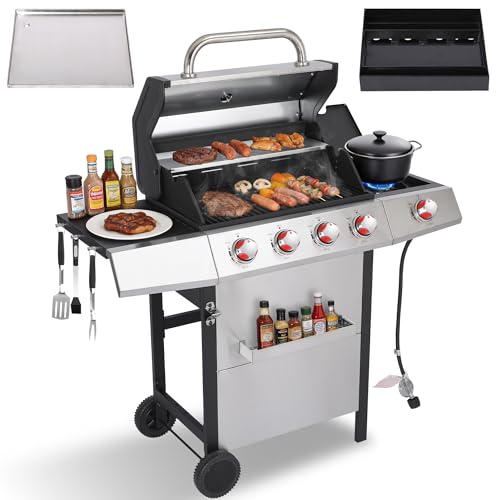
Outdoor cooking appliances face constant exposure to humidity, rain, salty ocean breezes, and acidic grease drippings. Leaving an outdoor cooker unprotected quickly leads to flakey reddish-brown oxidation that weakens cooking grates, clogs burner ports, and degrades the firebox. Learning how to prevent rust on bbq grill assemblies ensures your investment delivers dependable heat distribution, clean flavors, and years of safe operation. Consistent maintenance takes only a few minutes after each cook, saving you the expense of premature parts replacement.
Protecting metal components requires understanding how bare iron, carbon steel, and stainless alloys react to thermal cycles and ambient moisture. Simple adjustments, such as switching from aggressive steel bristles to steam-cleaning tools and applying a protective high-smoke-point oil layer, keep metal surfaces conditioned against corrosion. Establishing a dedicated prep zone with a rolling bbq prep table for outdoor cooking also keeps food residues, wet marinades, and cleaning supplies organized away from the cooker firebox. A proactive preservation routine ensures your patio setup stays operational through every season.

Pros
- Safe and effective cleaning without bristle concerns - ideal for families and health-conscious grillers.
- Steam-cleaning action tackles burnt-on residue quickly, even after high-heat searing or low-and-slow smoking sessions.
- Replaceable head design offers long-term value and reduces plastic waste compared to single-use brush heads.
- Works on all grill types and grate materials, making it a versatile addition to any outdoor cooking arsenal.
- Heat resistance up to 600°F allows you to clean while grates are still hot, speeding up the cleaning process.
Cons
- Requires preheating the grill and dipping the brush in water, which adds a step compared to traditional dry scraping.
- The initial purchase price is higher than many basic wire brushes, though the replaceable head offsets long-term cost.
- Some users may find the brush head becomes less effective over time as the padding wears, requiring replacement heads.
The Grill Rescue BBQ Replaceable Cleaning Head is a bristle-free grill brush designed for safe, effective cleaning on all types of grates. It uses steam-cleaning technology - simply heat your grill, dip the brush in water, and scrub away grease and residue without the risk of wire bristles breaking off into your food. This makes it an excellent choice for backyard grillers, BBQ enthusiasts, campers, tailgaters, and RV owners who want peace of mind while cooking outdoors.
In real-world use, this brush performs admirably on both high-heat searing and low-and-slow smoking setups. The steam action lifts burnt-on gunk from cast iron and stainless steel grates, leaving them clean with minimal effort. While it doesn't directly affect heat consistency or smoke flavor, a clean grate is essential for good searing and preventing flare-ups, which indirectly improves your cooking results. The heat resistance up to 600°F means you can clean while the grill is still hot, saving time between cooks.
Build quality is solid - the cleaning head uses a high-temperature Aramid Fiber layer that withstands repeated use, and the polypropylene handle offers a comfortable, non-slip grip. The replaceable head extends the brush's lifespan, making it a more sustainable and cost-effective option compared to disposable brushes. It's also dishwasher safe, so cleanup after a long tailgate or camping trip is as simple as tossing it in the machine.
Setup and storage are straightforward: the brush is ready to use out of the box, and its compact size (5 x 4 x 18 inches) fits easily in a grill caddy or camping gear bag. The only limitation is the extra step of preheating and dipping in water, which might feel unnecessary to those used to a quick dry scrape. Also, the upfront cost is higher than basic wire brushes, but the replaceable head design saves money over time.
Overall, this brush is a practical investment for anyone who grills frequently - whether you're hosting a backyard party, smoking brisket on a weekend, or cooking burgers at a campsite. It prioritizes safety without sacrificing cleaning power, and its compatibility with all grate materials adds versatility. If you value a bristle-free, low-maintenance cleaning routine, the Grill Rescue system is worth considering.
To get the most out of your Grill Rescue brush, follow these simple care tips. After each use, allow the brush head to cool slightly, then rinse it under warm water or place it in the dishwasher for a thorough clean. The head is dishwasher safe, but avoid using abrasive cleaners that could wear down the padding.
When the brush head becomes less effective at removing residue - typically after several months of regular use - simply replace it with a new Grill Rescue cleaning head. The handle is designed to snap on and off easily, so swapping heads takes seconds. Store the brush in a dry place away from direct heat to prolong its lifespan. Regular replacement ensures optimal cleaning performance and safety.


Pros
- Versatile combination of grill and griddle in one unit allows cooking multiple dishes simultaneously.
- High heat output (60,000 BTU) provides excellent searing and fast grilling.
- Easy grease management with built-in drip tray and bucket simplifies cleanup.
- Sturdy stainless steel build feels durable and weather-resistant.
- Dual-fuel option adds flexibility for propane or natural gas hookup.
Cons
- Heavy at 145 pounds, not easily portable for camping or tailgating.
- No customer reviews yet, so real-world performance is unproven.
- High price point may not suit budget-conscious buyers.
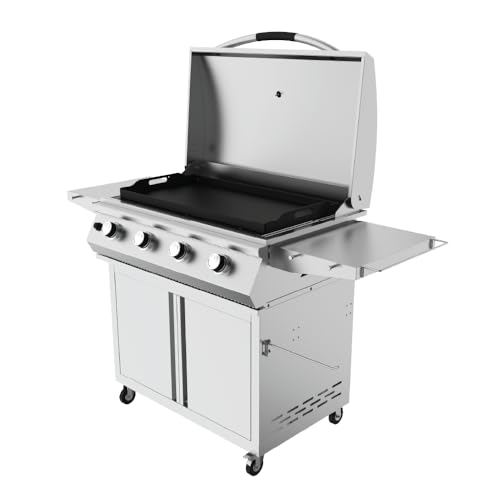
The GRILLA Primate is a combination gas grill and griddle from Grilla Grills, designed for backyard cooks who want the versatility to grill meats and griddle sides at the same time. With 60,000 BTUs across four burners and 490 square inches of cook space, this unit is built for serious outdoor cooking sessions. It's best suited for homeowners who love hosting weekend BBQs, patio parties, or family dinners and want a premium appliance that does double duty.
When it comes to cooking performance, the Primate delivers. The four burners provide even heat across both the stainless steel grates and the rolled steel griddle. You can sear steaks with a nice crust on the grill side while the griddle handles pancakes, eggs, or vegetables without any flavor transfer. The high BTU output means fast preheating and strong heat retention, which is great for getting a good sear on burgers or chicken. The griddle surface heats evenly, making it reliable for cooking large batches of breakfast or stir-fry.
Build quality is a highlight here. The stainless steel construction feels heavy-duty and should hold up well against the elements. At 145 pounds, this is a stationary unit - not something you'll move around the yard or take camping. The Clearview Grease Management System is a practical touch: a built-in drip tray and bucket collect excess grease from the griddle, making cleanup much easier than traditional flat tops where oil runs everywhere. The dual-fuel capability (propane or natural gas with a conversion kit) adds flexibility for permanent setups.
Setup is straightforward for a grill of this size, though you'll need a helper due to the weight. The grease bucket is easy to empty and clean. One limitation is the lack of customer reviews yet, so long-term durability is unproven. Also, the price is on the higher side, which might be a barrier for casual cooks. For portability, this isn't the choice - it's meant to stay on your patio or deck.
Overall, the GRILLA Primate is a solid investment for dedicated outdoor cooks who want a versatile, high-powered combo unit. It's perfect for backyard entertaining where you need to grill and griddle simultaneously. If you have the budget and the space, this will serve you well for years. Just don't expect to take it tailgating or camping.
The Primate's 60,000 BTUs across four burners provide ample power for both grilling and griddling. The stainless steel grates heat up quickly and hold temperature well, giving you consistent searing. The rolled steel griddle distributes heat evenly across its surface, so you won't get hot spots when cooking pancakes or vegetables. This combo setup lets you manage two cooking zones independently, which is perfect for multitasking at a backyard party.
Cleanup is one of the Primate's strong suits. The Clearview Grease Management System uses a built-in drip tray and a removable bucket to collect excess grease from the griddle surface. After cooking, you can scrape the griddle into the tray and empty the bucket. The stainless steel exterior wipes down easily, and the grates can be cleaned with a brush. The grease bucket is large enough for multiple cooks before needing to be emptied, which is convenient for long grilling sessions.
Comprehensive Strategies for Stopping Rust on Grills and Griddles
Corrosion occurs whenever iron molecules react with water and oxygen in a destructive chemical process called oxidation. Preventing this degradation requires creating an impermeable barrier between raw metal and the surrounding atmosphere. By pairing mechanical grease removal with thermal seasoning and breathable weather protection, you can eliminate the standing moisture and acidic residues that drive metal breakdown.
Why Barbecue Metal Corrodes: Understanding the Chemical Catalyst
Outdoor metal surfaces live in an aggressive chemical environment driven by rapid heating, rapid cooling, and environmental exposure. During a cooking session, cooking grates expand under intense heat, which opens microscopic pores in the metal structure. When the appliance cools down, ambient humidity condenses directly into those pores. Without a protective hydrophobic film, moisture binds with oxygen and unprotected iron atoms to trigger surface rust within hours.
Food residues significantly accelerate this corrosive breakdown across the cooking chamber. Marinades containing vinegar, citrus juice, salt, and tomato paste deposit aggressive electrolytes onto cooking grids and flavorizer bars. Charcoal ash creates an even greater hazard because wood ash contains potassium hydroxide, which turns caustic when combined with rainwater or humidity. Leaving salty grease drippings or damp ash sitting inside the firebox guarantees rapid metal deterioration.
Daily Maintenance Habits: The Clean, Burn, and Oil Routine
The most dependable way to preserve outdoor cooking metal is establishing a standardized post-cook cleaning ritual. Once your food comes off the grates, close the lid and allow the burners or coals to run at high heat for roughly ten minutes. This thermal burn-off carbonizes sticky meat juices, sugars, and rendered fat into dry, friable ash. Transforming sticky grease into carbon makes physical cleaning effortless and prevents rancid moisture pockets from clinging to the bars.
After the burn-off cycle, scrub the hot cooking surface using a safe, non-abrasive cleaning tool. Dipping a specialized aramid-fiber head into water allows natural steam to loosen baked debris without scoring the underlying steel or iron. Steaming lifts charred carbon away without requiring chemical degreasers that could strip protective seasoning layers. A quick pass clears the cooking plane while leaving the metal intact and smooth.
Applying a thin layer of cooking oil while the grates remain warm is the vital final step in daily rust prevention. Use a lint-free cloth or paper towel clamped in long metal tongs to spread canola, grapeseed, or avocado oil over the bars. The remaining ambient heat polymerizes the oil, bonding a water-repellent layer directly over the open microscopic pores. This slick barrier acts as a durable shield against night humidity and seasonal dew.
Grate Material Care: Cast Iron, Stainless Steel, and Porcelain Enamel
Different grate alloys require distinct preservation tactics to remain resilient against the elements. Bare cast iron offers outstanding thermal retention and searing performance, but it represents the most rust-vulnerable surface on your patio. Cast iron demands continuous seasoning through high-heat fat polymerization, exactly like an indoor skillet. If cast iron grates ever look dull or gray, wash away any debris, dry them completely over heat, and reapply multiple thin layers of oil.
Stainless steel grates resist atmospheric oxidation naturally due to chromium in the alloy forming a passive, self-healing oxide film. However, extreme heat and corrosive salt deposits can deplete this protective chromium layer over extended cooking sessions. Scrub stainless steel rods with gentle steam heads or soft brass wool rather than carbon steel scrapers to avoid leaving iron contaminants behind. Regular oiling after cleaning preserves the sleek surface and keeps food proteins from adhering aggressively.
Porcelain-enameled steel and porcelain-coated cast iron grates combine thermal mass with a protective glass-like glaze. As long as that smooth enamel coating remains unbroken, the inner metal stays completely isolated from moisture and oxygen. The primary risk to porcelain grates comes from heavy metal scrapers or dropped cast tools that chip the delicate outer coating. Once the glass layer cracks, moisture seeps underneath and expands into deep rust pockets that peel the enamel from within.
Protecting Gas Burners, Flame Tamers, and Heat Deflectors
Internal gas components take the brunt of falling fat, sauces, and radiant heat inside the grill belly. Burner tubes manufactured from lower-grade steel can corrode quickly if grease blocks individual gas exit ports. Inspect your burner ports several times per season, clearing any obstructions using a stiff nylon brush or an unfolded paperclip. Keeping the flame ports uniform prevents uneven gas pressure and avoids pockets of concentrated flame that degrade the metal prematurely.
Flame tamers, heat tents, and flavorizer bars act as shields designed to intercept falling grease drippings before they contact live fire. Because these components endure high heat and acidic liquid baths, they oxidize faster than any other internal component. Brush them clean with a bristle-free pad periodically to knock away loose surface flakes and accumulated ash. Spraying heat tents lightly with high-smoke-point oil during deep maintenance sessions slows down their eventual oxidation.
Venturi tubes running between the control valves and the burners also require routine physical checks. Small spiders and outdoor insects frequently build webs inside these hollow tubes, restricting proper airflow and creating irregular yellow flames. Yellow flames generate excessive soot and moisture, which accelerates corrosive pitting along the burner walls. Brushing the air shutters and venturi throats clear preserves clean combustion and keeps the internal chamber dry.
Flat-Top Griddle Plates and Combination Cooker Maintenance
Large flat-top griddles constructed from heavy rolled steel behave similarly to raw cast iron cooking grates. Appliances like the GRILLA Primate Gas Grill & Griddle incorporate interchangeable rolled steel surfaces alongside conventional stainless cooking grates. Because rolled steel plates present an enormous exposed surface area, leaving them bare invites wide sheets of surface rust. Griddle plates must be seasoned with multiple micro-thin coatings of oil, heating each layer until it smokes and turns dark.
Backyard chefs managing versatile griddle and smoker combo configurations must handle differing cleaning requirements across their cooking zones. While smoking chambers rely on low-and-slow wood smoke that naturally deposits protective grease and creosote on internal walls, flat tops need deliberate scraping and immediate conditioning. Never pour cold tap water across a scorching steel griddle plate, as thermal shock can warp the metal and crack the hard-won seasoning coat. Use warm water in controlled amounts to lift sticky bits, squeegee the residue toward the drain, and wipe down the plate with oil.
Grease management channels demand equal vigilance to ensure long-term structural integrity. The built-in drip troughs and grease collection buckets on combination units accumulate rendered tallow that readily traps airborne moisture. Empty grease reservoirs promptly after every cooking session rather than letting liquefied animal fat sit for weeks. Washing the catch pan and wiping down the surrounding sheet metal keeps corrosive salt baths away from your grill cart frame.
Cleaning Tools: Why Wire Bristles Promote Corrosion and Surface Damage
Traditional brass and steel wire brushes have long dominated patio cleaning, but their stiff bristles introduce severe structural and health hazards. Aside from the widely documented danger of loose wire fragments migrating into grilled food, metal bristles scratch the protective finishes of high-end grates. Tiny gouges carved into stainless steel or porcelain coatings strip away the passive barrier, providing an immediate pathway for ambient water molecules. These micro-scratches quickly turn into visible red streaks of corrosion.
Modern bristle-free cleaning tools utilize durable aramid-fiber fabric pads wrapped over heat-resistant cores to clean safely through steam generation. Tools like the Grill Rescue cleaning heads absorb water and turn it into high-pressure steam upon contact with a preheated cooking grate. The steam dissolves stubborn caramelized fats without gouging the metal or chipping protective porcelain coatings. Because aramid fibers withstand temperatures up to six hundred degrees Fahrenheit, you achieve spotless results without degrading grate surfaces.
When heavy carbon deposits require mechanical leverage, pairing a wide stainless scraper edge with a steam cleaning pad offers controlled scrubbing. The flat stainless scraper lifts charred drippings without digging sharp corners into the grate bars. Selecting a cleaning tool without sharp scraper edges remains preferable for ceramic and enamel coatings to prevent incidental micro-chipping. Keeping the cleaning tool itself clean by running removable heads through the dishwasher prevents old grease from re-contaminating your grates.
Specialty Racks, Accessories, and Stainless Steel Storage
Auxiliary barbecue accessories such as the Xixian Stainless Steel Chicken Leg Rack Folding stand require deliberate care to prevent surface discoloration. Foldable poultry racks and roasting accessories endure concentrated drippings and aggressive oven or grill heat during poultry cooks. Folding mechanisms, rivets, and hinge joints present tight crevices where grease and washing water frequently linger. Leaving moisture inside folding joints causes localized crevice corrosion, causing hinges to bind or weaken prematurely.
Always hand wash intricate roasting stands with mild dish detergent and warm water before allowing them to air dry in humid environments. Towel-drying stainless steel accessories immediately after washing eliminates water spots and removes mineral deposits from municipal tap water. If you store collapsible racks in an outdoor cart drawer, ensure the storage cavity remains completely dry and ventilated. Storing folded tools in bone-dry conditions preserves the mirror finish across seasons of heavy use.
Outdoor Storage, Weatherproofing, and Ventilation Realities
A heavy-duty outdoor grill cover represents your first defense against rain, snow, and ultraviolet degradation, but improper usage can actually cause rust. Low-cost vinyl covers that lack integrated ventilation mesh create a greenhouse effect over your barbecue. When sunlight hits a damp, covered cooker, ground moisture evaporates and becomes trapped under the fabric, condensing directly onto the metal grates and firebox. Always choose marine-grade canvas covers with open air vents to promote continuous air movement.
Positioning your cooking setup in an outdoor area protected from prevailing storm winds dramatically reduces moisture exposure. Integrating your cooker into an outdoor kitchen island with a protective backsplash shields sensitive metal panels from wind-driven rain and lawn irrigation sprinklers. If your patio lacks an overhead pergola, remove the waterproof cover periodically on bright, sunny afternoons to let condensation escape. Giving your cooker regular opportunities to dry out in open air stops hidden rust colonies from taking hold.
Charcoal grill owners must empty their ash catchers and fire pots immediately after the fuel has completely extinguished. Leaving spent charcoal chunks or lump ash inside an outdoor kettle creates a sponge that draws moisture out of the air. As the damp ash sits against the bottom bowl, it corrodes the steel lining and seizes the intake damper blades. Clearing cold ash into a metal bucket keeps the firebox dry and ensures the airflow dampers open smoothly.
Critical Backyard Safety: Clearances, Fuel Management, and Garage Hazards
When weather turns foul and rain threatens outdoor plans, backyard cooks may feel tempted to move their grill into a garage or breezeway. Fuel-burning appliances, including propane, natural gas, pellet, and charcoal cookers, must never be operated inside a garage, carport, shed, or enclosed patio under any circumstances. Burning solid fuels or gas in an enclosed space produces lethal concentrations of carbon monoxide, an invisible, odorless gas that claims lives rapidly. Opening a garage door or running an exhaust fan does not provide adequate airflow to prevent deadly gas accumulation.
Enclosed cooking also introduces catastrophic structure fire risks from flare-ups, heat radiation, and floating embers. Maintain safe clearances by positioning your grill outdoors on a level, non-combustible surface well away from wooden eaves, vinyl siding, deck railings, and low-hanging tree branches. Keep a working class-B fire extinguisher accessible within your outdoor kitchen zone, and verify that gas hoses remain free of dry rot or animal gnawing. Prioritizing strict outdoor operation keeps your home and family safe while protecting your equipment.
Seasonal Layup: Winterizing Your Cooker for Long-Term Protection
When cold temperatures arrive and cooking sessions become infrequent, performing a thorough end-of-season deep cleaning preserves your grill through winter dormancy. Disassemble the internal components, including the grates, flame tamers, and warming racks, to clean away grease build-up. Scrape the interior walls of the cook box down to bare metal using a non-scratch plastic scraper, vacuuming up loose debris. Removing all organic food residues prevents winter moisture from bonding to fats and keeps local rodents from nesting inside.
Before storing the cooker, coat all internal metal surfaces liberally with food-grade mineral oil or high-heat cooking spray. Disconnect the propane cylinder and verify that the fuel valve remains securely shut. If you store the grill body inside a clean garden shed or garage during the winter, leave the propane tank safely outdoors in a shaded, well-ventilated exterior location. Never store propane cylinders inside residential structures, attached garages, or basements where leaking fuel could ignite.
Consistent, methodical maintenance transforms rust prevention from a frustrating chore into an effortless five-minute habit. Combining routine post-cook burn-offs, steam-assisted cleaning, thorough oil seasoning, and ventilated weather covers keeps your barbecue running smoothly. By protecting internal burner channels and grates from moisture and acidic grease, you preserve factory performance and enjoy exceptional cooking results for years to come.





Write Your Review
No reviews yet. Be the first to share your experience!