


Few kitchen mishaps feel as frustrating as watching a delicate piece of fish or marinated chicken tear apart because it welded itself to hot metal. Learning how to oil gas grill grates transforms your cooking experience by establishing a reliable slick barrier between your food and the cooking surface. Whether you are searing steaks or preparing a flavorful Korean beef barbecue recipe, proper grate conditioning prevents stubborn sticking while encouraging deep, even sear marks. Taking a few minutes to prep your cooking surface also protects cast iron and steel components from outdoor humidity, significantly reducing premature rust.
Many backyard cooks either skip grate conditioning entirely or apply cooking oil incorrectly, which can cause dangerous flare-ups and bitter, burnt flavors. Applying the right high-smoke-point fat at the proper moment creates a durable micro-coating that enhances heat transfer and simplifies post-meal cleanup. Routine lubrication also supports long-term equipment health by sealing microscopic pores across cast iron grids and protective coatings. Understanding the distinctions between cold seasoning, preheat application, and post-cook maintenance helps you achieve consistent results every time you fire up your burners.
Pros
- Excellent heat retention and even heat distribution across the cooking surface.
- Removable inner grate simplifies charcoal management during long cooks.
- Sturdy cast iron build withstands high heat and heavy use.
- Easy to clean with a grill brush after seasoning – nonstick surface develops over time.
- Compatible with popular Weber kettle models – no modifications needed.
Cons
- Heavier than standard steel grates – adds about 8 pounds to your grill setup.
- Cast iron requires regular seasoning to prevent rust; not as low-maintenance as stainless steel.
- Some users may prefer a single large grate for extra cooking space – the inner grate reduces usable area slightly.
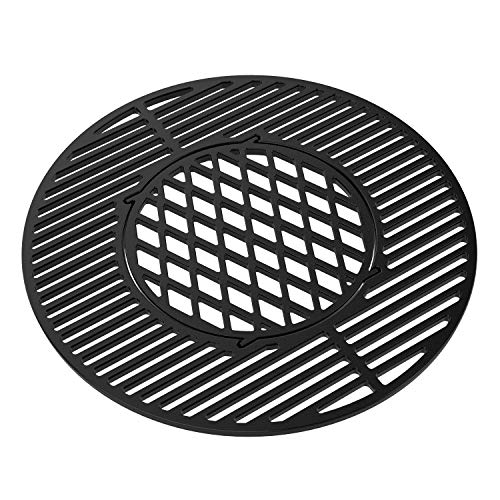
The onlyfire Cast Iron Grill Grate Replacement is a functional upgrade for anyone who owns a Weber 22-inch kettle charcoal grill. Instead of a single piece, this set includes a 21.5-inch outer grate with a removable 11.8-inch inner sear grate. This design lets you access the charcoal without lifting the whole cooking surface – a real convenience when you need to add more briquettes or wood chunks during a long smoking session.
This grate is built for backyard grillers who value heat retention and searing performance. Cast iron holds heat far better than standard steel grates, meaning less temperature fluctuation when you open the lid. Whether you're searing steaks hot and fast or slow-cooking ribs over indirect heat, the even heat distribution helps avoid cold spots. The inner grate is perfect for adding a quick sear after a low-and-slow cook, giving you that crusty bark on brisket or a perfect char on burgers.
Durability is a strong point. Cast iron is heavy – about 8 pounds total – but it resists warping even under high heat. With proper seasoning, it develops a natural nonstick surface that improves over time. Cleanup is straightforward: scrape off residue with a grill brush and oil lightly after each use. Rust can form if left wet, so store the grate in a dry place or cover your grill.
Installation is effortless – just drop it onto the existing grate support tabs in your Weber 22.5-inch Kettle, Premium, or Performer. The inner grate's raised side handles give you a secure grip, even with thick gloves. That said, the two-piece design means you lose a few square inches of cooking space compared to a single full-size grate. For most backyard gatherings, it's not an issue – you still have room for a dozen burgers or two large steaks.
This replacement grate is ideal for weekend BBQ enthusiasts who want better control over their charcoal cooks. It's also handy for tailgating setups if you use a kettle grill at the parking lot – the removable inner grate makes adding fuel fast. Campers who bring a charcoal kettle to the campsite will appreciate the even heat for roasting or searing. Just remember to pack a dry bag to keep the cast iron protected from moisture.
Overall, the onlyfire Cast Iron Grill Grate Replacement delivers real performance improvements for Weber kettle owners. If you like searing with cast iron and want easier access to your charcoal during long cooks, this is a solid, affordable upgrade.
The cast iron construction excels at heat retention, meaning the grate stays hot even after adding cold food. This gives you consistent sear marks and prevents the temperature from dropping too much when you load up the grill. The inner sear grate's smaller openings concentrate heat directly on the meat, creating a crusty exterior while keeping the inside juicy. For low-and-slow cooking, the outer grate works well for indirect heat – place the coals on one side and the food on the other. You can also move the inner grate to a cooler zone for gentle finishing. Overall, this grate system improves both high-heat searing and temperature stability.
Cast iron requires a bit more care than stainless steel, but it's simple once you get into the habit. After grilling, let the grate cool slightly, then scrub it with a stiff grill brush while still warm. Avoid soap – just hot water if needed, but drying thoroughly is crucial to prevent rust. Apply a thin coat of vegetable oil to the surface before storing. Over time, the seasoning builds up, creating a natural nonstick finish. The two-piece design makes cleaning easier – you can remove the inner grate and scrub it separately. Keep the grate in a dry place, and it will last for years.


Pros
- Cast iron holds heat exceptionally well, giving you consistent cooking temperatures and beautiful sear marks.
- Direct replacement for several popular Dyna-Glo and Blue Rhino models – no adapter needed.
- Properly seasoned and maintained, these grates will outlast cheaper enamel alternatives.
- Light enough (under 6 lbs) to handle easily yet sturdy enough for heavy use.
- Customer support offers hassle-free replacement if the grate arrives damaged.
Cons
- Requires regular seasoning and oiling after each use to prevent rust – not maintenance-free.
- No reviews at launch, so long-term durability is unconfirmed, but cast iron is typically reliable.
- Slightly smaller than some OEM grates? (The dimensions are listed, but double-check fitment for your specific model.)
If you own a Dyna-Glo DGF350CSP, DGF350SNP, or compatible Blue Rhino propane grill, the Uniflasy DG1-70-01-634-R cooking grid grates offer a smart way to revive your outdoor cooking setup. These replacement grates are made from heavy-duty cast iron and are sized to drop right into your 2-burner open cart grill. They’re ideal for backyard grillers, tailgaters, and anyone who wants to get that new-grill performance back without spending on a whole new unit.
Cooking performance really shines with cast iron. These grates heat evenly and retain heat far better than thin enameled bars. You’ll get consistent cooking across the entire grilling surface, and the heat retention allows for excellent searing. Burgers get those deep caramelized crusts, steaks pick up beautiful crosshatch grill marks, and chicken cooks through without hot spots. For weekend BBQs or weekday dinners, these grates deliver reliable results.
Build quality is solid. Uniflasy uses thick cast iron that resists chipping and, with proper care, will hold up for many seasons. The grates come with clear instructions on how to avoid rust: scrape after each use, apply a light coat of oil, keep the grill lid slightly open to allow moisture to escape, and store covered when not in use. Seasoning the grates creates a natural non-stick surface that only gets better over time.
Setup couldn’t be simpler. Just remove your old grates and drop these in. They fit precisely without any wobble. Cleanup is straightforward - a good scrape with a wire brush while the grates are still warm, followed by a quick oil wipe. No complicated washing or soaking required. The weight (under 6 pounds) makes them easy to handle for cleaning and storage.
One realistic limitation is that cast iron demands consistent maintenance. If you neglect to oil or leave them exposed to rain, rust will appear. But that’s true for any cast iron cookware. Also, at launch there are no customer reviews, so long-term performance feedback isnt yet available. However, cast iron has a proven track record in grills and cookware.
Overall, these Uniflasy grates are a practical, cost-effective upgrade for your Dyna-Glo or Blue Rhino grill. They restore searing power, heat consistency, and durability. If you’re a backyard cook or tailgater who values good sear marks and even cooking, this replacement set is a solid buy. Just be prepared to give them a little after-grilling care and they’ll reward you with great meals all summer long.
To keep your Uniflasy cast iron grates in top shape, follow these simple steps after each cook. First, while the grates are still warm (but not hot), use a stiff wire brush to scrape off food residue. Avoid soap - it strips the seasoning. Next, apply a thin layer of high-smoke-point oil like canola or vegetable oil using a paper towel. This prevents rust and builds up a non-stick patina. Finally, leave the grill lid slightly open after cooking to let moisture evaporate, and always cover the grill when not in use. For long-term storage, heavily coat the grates in oil, wrap them in a plastic bag, and store them inside your covered grill. Avoid leaving them exposed to rain or humidity.

Pros
- Excellent heat retention and even cooking across the entire grate surface
- Matte enamel finish resists rust better than bare cast iron when properly maintained
- Fits multiple Weber Q models perfectly - no adapter or clips needed (clips sold separately)
- Solid construction with substantial weight (19.7 lbs for the pair) for stable grilling
Cons
- Heavier than porcelain-coated grates - may be less portable for camping or tailgating
- Requires regular seasoning and thorough drying to prevent rust, especially in humid climates
- Clips (support splits) are not included - you'll need to reuse your existing ones or purchase separately
If you own a Weber Q300 series gas grill, you already know how versatile these compact cookers are for everything from backyard barbecues to campsite dinners. But over time, the factory grates can wear down, warp, or lose their non-stick surface. That is where the GGC 7646 7584 cast iron grill grates come in. This two-pack set is a direct replacement for Weber Q3200, Q320, Q300, Q3000, and Q3100 models, giving your trusty grill a new lease on life. Made from matte enamel cast iron, these grates are designed to deliver the heat retention and searing power that serious outdoor cooks crave.
These grates are best suited for backyard grillers who want to upgrade their Weber Q without buying a whole new grill. They also work great for tailgaters and RV owners who rely on the portable Q series for cooking at the game or on the road. If you are someone who appreciates a good sear on a steak or even grill marks on vegetables, this cast iron set will outperform standard porcelain grates. The matte enamel coating helps resist rust, but like any cast iron, it needs a little care to stay in top shape.
In real-world cooking, these grates shine with heat consistency. Cast iron heats up quickly and holds temperature well, so you get fewer hot spots and more even browning. Searing is where they really stand out - the thick bars create deep, appetizing marks and a nice crust on meat. For low-and-slow cooking on a gas grill, the heat retention helps maintain steady temps even when you open the lid. While you won't get smoke flavor from gas alone, using wood chips in a smoker box or foil packet pairs nicely with these grates for added aroma. Fuel efficiency is solid too, since the cast iron radiates heat back into the food, reducing cook times slightly.
Build quality is robust. Each grate measures 12.5 by 17.8 inches, and together they form a 25 by 17.8 inch cooking surface. The matte enamel finish is more durable than plain cast iron and resists flaking. However, this is a heavy set - nearly 20 pounds - so it adds stability but reduces portability compared to lighter grates. The grates sit securely on the grill's support bars, but note that the clips (support splits) are not included. You will need to reuse the ones from your original grates or buy replacements separately. Weather resistance depends on maintenance: if you leave them out in the rain, they will rust. But with proper seasoning and storage under a cover, they will last for years.
Setup is straightforward: just remove your old grates and drop these in. Cleanup is simple if you scrape them while still warm and wipe with a bit of oil. For storage, keep them dry and lightly oiled. The main limitation is the weight - if you frequently move your grill for camping or tailgating, these grates add noticeable heft. Also, the lack of included clips is a minor annoyance. But for the price, you get a significant upgrade in cooking performance. If you love your Weber Q and want to improve its searing ability and heat retention without spending hundreds on a new grill, these GGC grates are a practical, hands-on choice.

Pros
- Lightweight and portable – ideal for camping and tailgating
- Rust-resistant stainless steel holds up to weather and frequent use
- Fast heat-up and even cooking surface for consistent results
- Easy to clean with just a brush – no heavy scrubbing needed
Cons
- Not as heavy-duty as cast iron for extreme searing
- May warp under prolonged high heat if not properly cared for
- Only fits Weber Go-Anywhere models – not universal
The DELSbbq 80631 Stainless Steel Grill Cooking Grate is a purpose-built replacement for Weber Go-Anywhere charcoal and gas grills. Measuring 16 inches by 10 inches, it directly replaces Weber models 70211, 3634, and 67195. If you own a Weber Go-Anywhere, this grate is a drop-in upgrade that keeps your portable grill cooking like new.
This grate is best suited for campers, tailgaters, RV owners, and backyard grillers who value portability without sacrificing cooking performance. Whether you're flipping burgers at a weekend tailgate, searing steaks at a campsite, or grilling veggies on the patio, this grate delivers consistent heat across its surface. The stainless steel material heats up faster than cast iron, so you spend less time waiting and more time cooking.
In real-world use, the grate provides even heat distribution for fast grilling and decent searing. While it won't hold heat like thick cast iron, it's more than capable for burgers, hot dogs, chicken breasts, and vegetables. The open grid design allows good airflow for charcoal grills, and it works equally well on gas models. Cleanup is a breeze – a quick scrape with a grill brush after cooking, and it's ready for the next meal. No soaking, no heavy scrubbing.
Build quality is solid for the price. The stainless steel resists rust and corrosion, so you can leave it on the grill or store it outside without worry. The grate is lightweight – a fraction of cast iron – making it easy to carry in a camping bin or RV storage compartment. It's not designed for heavy-duty low-and-slow smoking, but for quick grilling sessions, it performs admirably.
Setup takes seconds: just remove your old grate and drop this one in. No tools needed. Storage is simple – it's thin enough to slide into a bag or drawer. The only realistic limitation is that it's not ideal for ultra-high-heat searing like you'd get from a thick cast iron grate. Also, like any thin stainless steel, it can warp if exposed to extreme temperature swings, so avoid dumping cold water on a hot grate.
Overall, the DELSbbq grate is a practical, affordable replacement for Weber Go-Anywhere owners. If you grill often at campsites, tailgates, or on the patio and want a lightweight, rust-resistant cooking surface that's easy to clean, this is a solid choice. It won't replace a heavy-duty cast iron setup, but for portable grilling, it gets the job done without the weight.
The stainless steel grate heats up quickly and cooks evenly across the 16x10 inch surface. It's ideal for direct grilling of burgers, sausages, chicken pieces, and vegetables. The open grid allows good flame contact for nice grill marks. While it doesn't retain heat as well as cast iron, it's perfectly capable for typical portable grilling sessions. Expect consistent results for fast-cooking items, but not the deep sear of a heavy cast iron grate.
Weighing a fraction of cast iron, this grate is a dream for campers and tailgaters. It fits easily into a backpack, camping bin, or RV drawer. The stainless steel won't rust from humidity or rain, so you can store it in damp environments without worry. Perfect for anyone who needs a lightweight, durable cooking surface on the go.

Pros
- Adjustable length fits a wide range of grill sizes from compact to standard.
- Enameled cast iron is durable and delivers consistent heat for searing and even cooking.
- Non-stick surface simplifies post-cook cleanup significantly.
- Helps enhance smoky flavor by directing drippings onto the flavor bars or burners.
- Affordable replacement option compared to buying original manufacturer parts.
Cons
- May be heavier than standard steel grates, so handling during cleaning requires care.
- Enamel coating can chip if dropped or scraped with metal utensils; use silicone or wood instead.
- Adjustable design may not fit every grill perfectly—measure your existing grates before ordering.
The Plowo Adjustable Cast Iron Grill Grates are a practical upgrade for anyone who owns a gas or electric grill and wants better cooking performance. This three-pack set is designed to replace your old, worn-out grates with enameled cast iron that expands from 14 inches to 20 inches in length, with each grate 8 inches wide. That flexibility means they can fit a wide variety of grill models, from compact tailgating rigs to larger backyard BBQ units. Whether you're a weekend burger flipper or an outdoor entertainer who loves slow-smoked ribs, these grates aim to improve your grilling experience.
These grates are best suited for backyard grillers, BBQ enthusiasts, and patio cooks who want better heat retention and a non-stick cooking surface. Campers and RV owners with gas grills will also appreciate the universal size, though the weight might be a factor for ultra-portable setups. Tailgaters who have a decent-sized gas grill will enjoy the added smoky flavor these grates can produce by catching drippings and letting them vaporize against the flame.
In terms of real-world cooking performance, the enameled cast iron does a solid job holding heat. You'll get even cooking across the grate surface, which is great for searing steaks or cooking multiple burgers at once. The non-stick coating helps with food release, so delicate fish or veggies won't stick as much as they would on bare steel. One key advantage is how the grates handle grease drippings—they funnel oil and juices away from the food, reducing flare-ups while adding a subtle smoky note to whatever you're cooking. This works especially well for chicken thighs, pork chops, and even vegetables.
Build quality is a highlight here. The cast iron is heavy and feels substantial, and the enamel coating adds a layer of protection against rust and corrosion. That's important for any outdoor cooking gear that lives under a grill cover or in humid weather. The grates are designed to be easy to clean—just wipe them down after they cool, and most residue comes right off. Installation is straightforward: adjust the length to match your grill's width, drop them in place, and you're ready to fire it up. No tools needed, no complex assembly.
That said, there are a couple of limitations to keep in mind. The weight of cast iron means these grates are heavier than typical steel or porcelain-coated alternatives, so handling them during cleaning might be cumbersome for some. The enamel coating is durable but can chip if you bang the grates together or use metal scrapers. Also, while the adjustable length is a clever feature, it doesn't guarantee a perfect fit for every grill—some models with odd dimensions might require careful measurement before buying. Always double-check your original grate size against the product specifications.
Overall, the Plowo Adjustable Cast Iron Grill Grates are a smart buy for anyone looking to breathe new life into their gas or electric grill without spending a fortune. They deliver better heat retention, easier cleanup, and a hint of smoky flavor that plain steel grates just can't match. If you're a backyard BBQ enthusiast or a patio griller who values performance and convenience, this three-pack is a practical, budget-friendly upgrade. Just measure your grill first, and handle the enamel with care, and you'll be set for many weekend cookouts.
When it comes to cooking performance, these enameled cast iron grates hold heat beautifully and distribute it evenly across the surface. That means you get reliable searing on steaks and burgers without cold spots. The non-stick coating also helps with delicate foods like fish or vegetables, reducing the chance of tearing. One of the standout features is how the design of the grates channels drippings away from the food and onto the flavor bars or burners below. This not only cuts down on flare-ups but also creates that smoky, barbecue aroma that makes outdoor cooking special. For low-and-slow cooking, the heat retention helps maintain a steady temperature, while for fast grilling, you'll get consistent browning. Overall, these grates enhance the cooking experience for both quick weeknight dinners and weekend feasts.
Cleaning these grates is simpler than with traditional cast iron because of the enameled non-stick coating. After grilling, let the grates cool slightly, then wipe them down with a paper towel or a soft sponge. Most food residue comes right off without scrubbing. Avoid using metal brushes or abrasive pads—they can scratch or chip the enamel. For tougher stuck-on bits, soak the grates in warm soapy water for a few minutes before wiping. Because they're cast iron, they are heavy, so handle them carefully when moving to the sink or cleaning area. The enamel also protects against rust, but it's still a good idea to dry them thoroughly after washing and store them in a dry place. With just a little care, these grates will last through many grilling seasons.
Effective Techniques for Conditioning and Oiling Gas Grill Grates
Applying a controlled layer of oil to gas grill grates is one of the most effective ways to preserve cooking hardware and improve food release. Heat causes the protein fibers in meat, poultry, and fish to bind chemically with bare, unconditioned metal. When you establish a thin barrier of cooking oil over the grate surface, you minimize that contact and promote a clean sear. Understanding the mechanical and thermal principles behind grate lubrication keeps your cookouts running smoothly while preventing stubborn buildup.
Why Regular Oil Application Protects Cooking Surfaces and Food
Cooking grates endure extreme thermal swings, intense grease exposure, and ambient humidity between backyard barbecue sessions. Bare metal surfaces, especially cast iron, possess microscopic valleys and pores that catch and grip delicate food tissues during cooking. When oil is applied and heated gradually, it fills those microscopic crevices to create a smooth, hydrophobic cooking plane. This barrier allows food to release naturally once a proper sear forms, leaving attractive grill marks rather than shredded meat.
Beyond improving immediate food release, consistent oiling is the primary defense against rust and oxidative corrosion. Atmospheric moisture and acidic marinades continuously attack exposed steel and cast iron, breaking down the metal over time. High heat polymerizes cooking oils, turning liquid fat into a semi-permanent, hardened protective patina that resists moisture. Regular oiling before cooking and after cleaning creates an active shield that can substantially prolong the working life of your grill components.
Seasoning also improves radiant heat transfer across the cooking grid, helping distribute burner output more evenly across the entire surface. Bare or corroded metal radiates heat unpredictably, creating inconsistent hot spots that make delicate cooking difficult. A well-conditioned surface provides uniform contact temperature, which produces consistent caramelization on proteins and roasted vegetables. Maintaining this conditioned layer requires relatively little effort, but it pays substantial dividends in food quality and equipment preservation.
Choosing the Best Oils Based on Smoke Points and Composition
Selecting the appropriate fat is critical because different oils break down and smoke at wildly disparate temperatures. Gas grills regularly operate between 400 degrees and 600 degrees Fahrenheit, which quickly incinerates low-smoke-point fats. When an oil exceeds its smoke point, it decomposes into acrid compounds, free radicals, and bitter carbon deposits that ruin food flavor. For this reason, high-heat cooking demands refined oils that possess high thermal stability and neutral flavor profiles.
Canola oil, refined peanut oil, avocado oil, and grapeseed oil represent some of the most reliable options for gas grill grates. Canola oil remains popular because it provides an accessible, budget-conscious choice with a smoke point near 400 to 450 degrees Fahrenheit. Avocado oil offers an even higher threshold, frequently tolerating temperatures up to 500 degrees Fahrenheit or higher without scorching. Refined beef tallow has also gained significant popularity among outdoor cooks because its fatty acid profile creates a remarkably resilient seasoned barrier.
Conversely, extra virgin olive oil, unrefined coconut oil, and dairy butter should never be used to condition hot grill grates. Extra virgin olive oil contains delicate volatile compounds and solids that scorch around 350 degrees Fahrenheit, producing foul-tasting soot. Butter contains water and milk solids that burn instantly over gas burners, creating bitter black flakes rather than a slick protective coating. Aerosol cooking sprays should also be strictly managed, as their propellant gases present an extreme flash-fire hazard near open burner flames.
Safe and Controlled Methods for Hot Grate Oiling
Applying oil to hot grates requires deliberate technique and appropriate safety gear to prevent flare-ups and skin burns. Long-handled grilling tongs paired with tightly rolled, clean cotton cloths or folded paper towels remain a traditional method. You simply submerge the cloth or folded paper into a bowl of high-smoke-point oil, squeeze off excess liquid, and draw it smoothly across the preheated bars. Moving parallel to the grate bars ensures complete coverage while preventing excess oil from dripping into the burner tubes below.
Dedicated oiling tools provide a cleaner, safer alternative to makeshift paper towel bundles that can tear or drop during application. Purpose-built accessories like the Grate Armor grill grate oiling brush for even oil application utilize heat-resistant silicone applicators to distribute cooking fats or tallow smoothly. These tools help keep your hands further away from the radiant heat zone while minimizing wasted oil and messy drips. Using an applicator specifically designed for grates ensures that oil covers both the top and side profiles of each grate bar.
Regardless of the tool you select, you should never pour oil directly from a bottle or spray an aerosol can toward lit gas burners. Liquid oil poured onto heated diffusers instantly ignites into high flames that can char the exterior of your grill and cause serious burns. Aerosolized oil droplets catch fire mid-air, creating a rapid flashback toward your hands and face. If you choose to use an oil mister, turn off the gas burners completely, mist the surface from a safe distance, and then reignite the grill.
Step-by-Step Procedure for Cold Oiling and Initial Preheating
Cold oiling is widely considered the safest and most thorough technique for establishing an even seasoning layer before you light your gas burners. Begin by inspecting the cool grates and scrubbing away any loose carbon residue left behind from prior cookouts with a quality brass or stainless bristle-free brush. Once the surface is clean and dry, saturate a lint-free cloth or silicone brush with your chosen high-heat oil. Wipe down every bar thoroughly, ensuring you coat the tops, sides, and underside edges where moisture tends to accumulate.
After applying an even sheen of oil, use a clean, dry cloth to buff away any excess liquid so only a micro-thin film remains. Puddled oil will bubble, smoke excessively, and form a sticky, gummy residue rather than a smooth, glass-like protective polymer. Once the grates are buffed, close the grill hood and ignite your burners to a medium-low setting. Allow the temperature to rise gradually for ten to fifteen minutes, giving the oil time to bond with the metal before raising the burners to cooking temperature.
Post-Cook Cleaning and Maintenance Oiling
The window immediately following your cooking session offers the ideal opportunity to maintain your grate condition for the next cookout. While the burners are still warm, turn off the gas supply and use a sturdy grill brush or scraper to push food debris toward the drip tray. The remaining heat softens fats and marinades, making cleanup significantly faster and requiring far less physical pressure. Leaving food residues to cool and harden on bare grates accelerates corrosion and promotes bacterial growth.
Once the grates have been brushed clean, apply a very light coat of oil over the warm bars using your tongs or silicone applicator. The residual thermal energy draws the oil into the open pores of the metal without burning it away completely. This post-cook conditioning layer seals the cooking grid against atmospheric humidity and condensation while the grill sits unused. If you live in a coastal area or humid climate, this single maintenance habit is often what prevents replacement grates from developing surface pitting.
Adapting Your Technique for Cast Iron Versus Stainless Steel
Different grate materials require distinct maintenance approaches because of their underlying metallurgy and porosity. Heavy cast iron options, such as the onlyfire cast iron grill grate replacement gourmet or the Uniflasy cooking grid grates, demand diligent seasoning routines. Cast iron contains microscopic pores that absorb cooking fats, building a dark, natural non-stick patina through repeated heating cycles. However, unprotected cast iron is highly vulnerable to ambient moisture, meaning skipped oiling sessions can quickly lead to orange surface oxidation and structural degradation.
Porcelain-enameled cast iron, like the GGC grill grates for Weber models or Plowo adjustable cast iron grill grates, pairs cast iron heat retention with a protective glaze. While the enamel coating prevents direct rust on flat surfaces, microscopic hairline cracks or unglazed seams along the edges can still oxidize. Applying a light oil sheen over enameled cast iron prevents food from adhering to the finish and protects vulnerable contact points. These enameled surfaces should always be oiled gently to avoid chipping or scratching the protective outer layer.
Stainless steel options, including the DELSbbq stainless steel grill cooking grate, behave quite differently from cast iron during daily maintenance. Stainless steel does not absorb fats to create a polymerized seasoning layer because its surface is smooth, non-porous, and naturally corrosion-resistant. Oiling stainless steel is done almost exclusively to prevent food from sticking during active cooking rather than protecting the metal from rust. A quick wipe with high-smoke-point oil right before placing food on preheated stainless bars is generally all that is needed for clean releases.
Oiling the Food Versus Oiling the Grate Surface
Many outdoor cooks debate whether it is more effective to oil the cooking grates directly or coat the food with oil before grilling. Experienced pitmasters often employ both strategies simultaneously to achieve maximum release and superior browning. Applying a light sheen of oil to room-temperature steaks, poultry, or vegetables helps seasonings adhere evenly while creating an immediate thermal buffer. Meanwhile, a conditioned grate provides a slick landing pad that prevents the hot metal from instantly bonding to cold meat proteins.
Certain foods, particularly skin-on fish, lean poultry breasts, and sliced summer squash, benefit immensely from dual-surface oiling. Conversely, heavily marinated items or foods coated in sugary glazes require careful handling to avoid flare-ups and scorched carbon deposits. If you are preparing meats glazed with a sweet basting mixture like a homemade cranberry barbecue sauce, apply the glaze only during the final minutes of cooking. Adding sugar-heavy sauces to unoiled or insufficiently heated grates will create instant sticky patches that tear meat surfaces upon flipping.
Fire Safety, Proper Placement, and Flare-Up Management
Working with cooking oils over active gas burners introduces real fire hazards that demand strict adherence to safety fundamentals. Gas and charcoal grills must always be operated outdoors in open, well-ventilated areas away from combustible structures, overhangs, and wooden railings. Never operate an outdoor grill inside a garage, breezeway, carport, or enclosed porch, even if the garage doors or windows are left wide open. Enclosed spaces trap deadly carbon monoxide gas and create severe fire hazards if an unexpected oil or grease fire erupts.
Managing grease buildup beneath your grates is just as vital as oiling the top surfaces. When excess oil drips down during application, it collects in flavorizer bars, heat shields, and the lower drip pan. If you frequently use wood chips or smoker boxes for outdoor grills to infuse deep aromatic smoke, inspect the firebox regularly to prevent accumulated oil from igniting beneath your smoker accessories. Keeping a box of baking soda or an approved fire extinguisher nearby ensures you can handle flare-ups quickly without using water on an oil fire.
Diagnosing and Correcting Sticky Residue and Gummy Grates
One of the most common issues cooks encounter after oiling grates is the formation of a sticky, gummy varnish across the bars. This tacky residue happens when too much oil is applied or when the grill does not reach high enough temperatures to complete polymerization. Instead of transforming into a hard, slick layer of protective seasoning, the oil partially oxidizes into an unappealing, sticky glue. Food placed onto gummy grates will tear severely, and the tacky surface quickly attracts dirt, ash, and insect debris.
Correcting gummy buildup requires burning off the uncured fats and starting fresh with a micro-thin application. Ignite all main burners, close the grill lid, and allow the interior temperature to reach 500 to 550 degrees Fahrenheit for approximately twenty minutes. The intense heat will carbonize the sticky varnish, turning it into dry gray ash that brushes away easily with a sturdy scraper. Once the grates cool down completely, wipe them down with a damp cloth, dry them thoroughly, and apply a very light, buffed oil layer.
Consistently conditioning your cooking surface transforms routine backyard grilling into an effortless, predictable culinary experience. Taking the time to select a stable, high-smoke-point oil, applying it thinly across cool or preheated bars, and maintaining clean hardware preserves your investment for years of dependable service. With a properly oiled grate, delicate proteins release cleanly, sear marks develop crisp definition, and post-dinner cleanup takes only a few minutes.


Write Your Review
No reviews yet. Be the first to share your experience!