


Thick carbon buildup and baked-on grease can quickly turn an enjoyable weekend cookout into a frustrating struggle with flare-ups and bitter, acrid smoke. When cooking residues accumulate across your cooking grids and heat deflectors, heat distribution becomes uneven, and delicate cuts of meat begin sticking to the grates. Mastering how to clean outdoor grill setups is not merely about aesthetic pride; it is an essential maintenance routine that protects equipment longevity and preserves the authentic taste of your food. Sugary glazes and rich drippings, such as residues from sweet bastes like cranberry barbecue sauce, can rapidly turn into stubborn charred deposits if left unattended after a busy cookout.
A systematic deep cleaning process restores proper airflow, keeps burners functioning smoothly, and prevents dangerous grease fires inside the cookbox. Whether you operate a stainless steel gas unit, a heavy cast-iron charcoal kettle, or a modern pellet grill, using the proper brushes, scrapers, and food-safe degreasers makes all the difference. Regular maintenance also prevents corrosion on structural components, saving you money on replacement parts over the life of the appliance. Investing a small amount of time into proper maintenance transforms your outdoor cooking station into a hygienic, high-performing centerpiece for your patio.

Pros
- Long 17-inch handle provides excellent reach and heat protection
- Replaceable bristle head adds long-term value and reduces waste
- Safe for all grill surfaces including porcelain and ceramic
- Comfortable wooden handle with good grip even when wet
- Lightweight at just 0.22 pounds, easy to carry to campsite or tailgate
Cons
- Maximum recommended cleaning temperature of 250°F may require cooling down after high-heat searing
- Wooden handle may need occasional oiling to prevent drying or cracking over time
- Bristle head replacement availability could be limited depending on retailer
If you've ever spent a beautiful Saturday afternoon scrubbing a dirty grill with a flimsy wire brush, you know the struggle. The BBQ-Aid Grill Brush and Scraper aims to change that. This is a purpose-built cleaning tool for outdoor grills, smokers, and flat tops, designed to make post-cook cleanup as painless as possible. With a 17-inch wooden handle and replaceable stainless steel bristles, it's built for backyard grillers, campers, tailgaters, and anyone who values a clean cooking surface without the hassle.
In real-world use, this brush shines on hot grates. It's rated for surfaces up to 250°F, so you can scrape away grease and charred bits while the grill is still warm, not blazing hot. The long handle keeps your hands safely away from the heat, and the wooden grip feels solid and comfortable. Whether you're cleaning a Weber kettle after a burger cookout or a portable camping grill after a weekend trip, the brush's head reaches into corners and between grates effectively. The stainless steel bristles are stiff enough to remove stubborn residue but gentle enough not to scratch porcelain or ceramic coatings.
Build quality is a strong point here. The wooden handle is thick and well-shaped, offering a secure grip even with greasy hands. The bristle head attaches firmly and can be replaced when it wears out, which extends the brush's life significantly. At just 0.22 pounds, it's lightweight and easy to toss into a camping bin or tailgate kit. The brush also rinses clean quickly under running water, so you're not left with a greasy mess to store.
One realistic limitation is the temperature cap. If you like to sear steaks at 500°F+, you'll need to let the grill cool down before using this brush. That's a minor inconvenience but worth noting for high-heat cooks. Also, the wooden handle, while comfortable, may require occasional maintenance to prevent drying or cracking if left in the elements. Storing it indoors or in a dry shed will keep it in good shape.
For backyard entertainers who host weekend BBQs, this brush is a practical upgrade from cheap wire brushes that shed bristles or bend after a few uses. Campers and RV owners will appreciate its portability and the fact that it works on various grill surfaces. Tailgaters can toss it in the truck without worrying about rust or damage. The replaceable head also means you're not throwing away the whole handle when bristles wear out, which is a nice nod to durability and value.
Overall, the BBQ-Aid Grill Brush and Scraper is a solid choice for anyone who takes grill maintenance seriously. It's not flashy, but it does its job well. If you're tired of scrubbing with undersized or poorly made brushes, this one offers a comfortable, effective, and long-lasting solution for keeping your outdoor cooking equipment clean and ready for the next meal.
Keeping the BBQ-Aid brush clean is straightforward. After each use, rinse the bristle head under warm water to remove grease and food particles. The stainless steel bristles resist rust, but it's best to dry the brush before storing it. The wooden handle should be wiped clean and kept in a dry place to prevent cracking. If the bristles become worn or bent, simply replace the head instead of buying a whole new brush. This design reduces waste and saves money over time. For deep cleaning, you can soak the head in warm soapy water for a few minutes, then rinse thoroughly.
Pros
- Safe for all common cooking grate materials including stainless steel, porcelain-enameled cast iron, and plain cast iron.
- Non-flammable and non-corrosive – no harsh chemicals or fumes that could affect food or your grill's finish.
- Doesn't irritate skin, so you can clean without rubber gloves and not worry about chemical burns.
- Effective at cutting through baked-on grease and carbon buildup with minimal scrubbing effort.
- Versatile enough for grills, smokers, ovens, and microwaves – a multi-surface cleaner for your outdoor kitchen.
Cons
- Spray bottle could be larger for frequent users who clean multiple grills or smokers often.
- May require multiple applications for heavily caked-on residue from months of neglect.
- Not formulated for exterior grill surfaces or painted components – only for cooking grates.
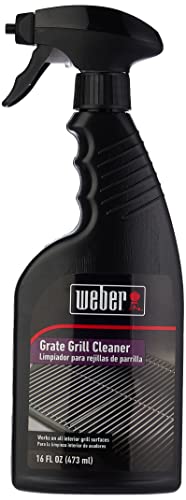
If you spend a lot of time around a hot grill, you already know that clean grates are the key to great sear marks and easy release. But scrubbing with harsh chemicals or worrying about what's getting into your food isn't fun. Weber's Grill Grate Cleaner and Degreaser takes that pain point and turns it into a quick spray and wipe routine. Designed for all standard cooking grate surfaces – including stainless steel, porcelain-enameled cast iron, and plain cast iron – this 16 oz spray bottle is a no-nonsense solution for anyone who grills regularly, from weekend burger flippers to competitive BBQ enthusiasts.
The standout feature here is the formula itself. It's non-flammable, non-corrosive, and completely free of phosphates. That means you can use it on your expensive Weber kettle grates or your portable camp stove without worrying about damaging the finish. And because it's safe for skin, you don't have to glove up every time you want to wipe down the grate. That's a real convenience when you're juggling tongs, basting brushes, and a cold drink in the backyard. For tailgaters and campers who need to clean up fast before packing up, this cleaner is a huge time-saver.
Performance-wise, this stuff does the job. It sprays on as a fine mist that clings to the grate, working its way into baked-on grease and carbon residue. A short soak – maybe a few minutes – and then a stiff brush or cloth gets the grime off with much less elbow grease than a dry scrub. It's particularly effective on those stubborn black deposits that form on cast-iron grates after repeated high-heat searing. For porcelain-enameled surfaces, it's gentle enough that it won't chip or dull the coating, which is a common worry with abrasive cleaners.
Versatility is another big plus. While the bottle says it's for grill grates, Weber also markets this for use on smokers, ovens, and microwaves. That makes it a solid all-around cleaner for the outdoor kitchen setup. Whether you're cleaning up after a 12-hour brisket smoke on a pellet grill or wiping down a flat-top griddle after a breakfast cookout, this spray can handle the mess. Just be sure to avoid painted exterior surfaces or non-stick coatings, where it could cause damage or discoloration.
For practicality, the 16 oz size is ideal for a season of regular use. It's not huge, so it won't take up much space in a cabinet or a camping tote. The spray nozzle dispenses a consistent mist, and the bottle sits upright without leaking. Cleanup is straightforward: spray, scrub, rinse with water, then dry. Unlike some aerosol cleaners that leave a sticky residue, Weber's formula rinses clean, so your next cook won't have any chemical taste or smell issues.
If you're a backyard griller who wants to maintain your gear without harsh chemicals, or a tailgater who needs a quick cleanup between games, this cleaner is a smart buy. It's not going to magically dissolve a decade of neglect in one spray, but for regular maintenance and moderate buildup, it's effective and user-friendly. For serious outdoor cooks who value both convenience and ingredient safety, Weber Grill Grate Cleaner is a simple upgrade to your cleaning routine that helps your grates last longer and perform better.
Using Weber Grill Grate Cleaner is as easy as spraying and wiping. For light grease and residue, just spray directly onto the cool grate, let it sit for a minute, then wipe with a paper towel or sponge. For heavier baked-on carbon, let it soak for 5-10 minutes before scrubbing with a nylon brush or scrub pad. Always rinse thoroughly with water after cleaning, and dry the grate to prevent flash rusting, especially on cast-iron surfaces.
This cleaner is designed only for cooking surface grates – do not use it on the exterior of your grill, the firebox, or any painted parts. The non-corrosive formula is safe for stainless steel, porcelain enamel, and cast iron, but harsh abrasives or steel wool can still scratch the finish. For best results, clean after every few cooks to prevent carbon buildup that's harder to remove later. A quick spray and wipe after a low-and-slow session keeps your grates ready for the next high-heat sear.
Storage is straightforward: keep the bottle in a cool, dry place away from direct heat sources. The 16 oz size lasts most backyard grillers a full season or more, depending on frequency of use. Because it's non-flammable, it's safe to store near your grill or in a garage cabinet. For campers and RV owners, this cleaner is small enough to toss in a tote, making it easy to keep your portable grill or camp stove grates clean on the road.

Pros
- Two-pack provides exceptional utility for RV kits, camping totes, and backyard grilling stations
- Sturdy steel scraper strips heavy buildup before you even start brushing
- Compact foot-long profile is nimble and easy to store compared to bulky extended brushes
- Durable bristles handle hot-grate maintenance without melting like nylon alternatives
Cons
- Shorter 12-inch reach keeps hands closer to the cooking zone on blazing hot charcoal beds
- Requires standard post-clean wipe-downs to inspect grates for loose wire bristles
- Lacks an extended heat shield for extra-deep offset smokers or wide multi-burner gas setups
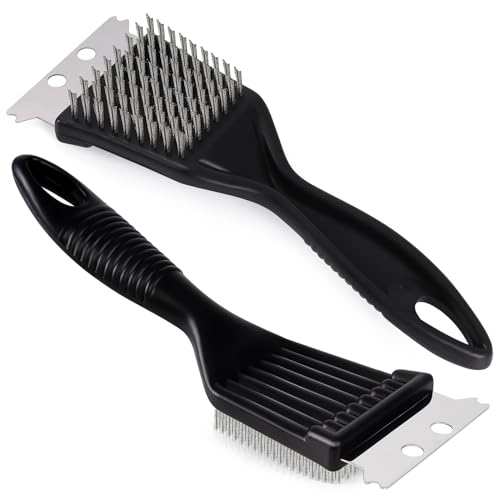
The KINYFY 2-Piece Grill Brush and Scraper set is a practical maintenance companion designed to tackle messy grates after high-heat cooking sessions. Keeping cooking surfaces spotless is essential for backyard pitmasters, weekend BBQ enthusiasts, campers, and tailgaters who want pristine sear marks instead of bitter carbon residue from previous cooks. With two tools in the package, you can keep one hanging on your primary backyard grill cart and toss the second into your tailgating tote, RV chuck box, or camp kitchen bin.
Clean cooking grids directly influence overall outdoor cooking performance. When old marinades, charred sauces, and animal fats accumulate on cast iron or stainless steel grates, they trap moisture, produce acrid smoke, and spark unpredictable flare-ups during direct-heat grilling. Using the stiff front scraper while the grates are still hot lifts thick baked-on crust effortlessly, while the dense stainless steel wire bristles sweep through the contours of each bar. This leaves clean metal ready for burgers, steaks, or delicate fish fillets to absorb clean smoke flavor without sticking or tearing.
Built with a weather-resistant molded handle and stiff stainless steel wire rows, this cleaning tool is tailored for rugged outdoor environments. The 12-inch handle length provides direct downward leverage right over stubborn spots, avoiding the flex often felt on long wire-handle brushes. The integrated hanging hole at the base lets you suspend the brush on your grill side hooks, keeping it off dirty prep surfaces and within arm's reach while managing charcoal or propane heat.
Portability and compact storage stand out as major advantages with this design. Oversized 18-inch brushes can be awkward to fit into standard patio grill cabinets, camp drawers, or portable grill bags. At roughly one foot in length, these brushes tuck neatly into compact spaces, making them ideal companions for portable tabletop grills, tailgating setups, and backcountry campfire grates where space is at a premium.
A realistic consideration is the handle length during high-temperature cleanups. Because the tool measures 12 inches, your hands will be closer to the heat source than with an extended cleaning wand. Wearing heat-resistant grilling gloves is a smart practice when scraping grates over ripping-hot charcoal or multi-burner gas fireboxes. Furthermore, as with any wire bristle brush, cooks should wipe down the grates with a damp cloth or oiled towel after brushing to confirm no detached wires remain on the cooking area.
For backyard cooks and outdoor adventurers looking for an effective, no-fuss maintenance tool, this dual-brush set delivers solid value and dependable scraping power. It keeps your cooking surface ready for perfect high-heat searing and clean smoke infusion, making it a reliable addition to any outdoor cooking gear collection.
For optimal results, use the brush and scraper immediately after cooking while the grill grates are still hot, or during preheating once the grill reaches operating temperature. Heat softens grease and carbonized sauces, allowing the front scraper to peel away thick residue before finishing with the wire bristles.
Keep the brushes themselves clean by periodically rinsing the heads under warm running water with grease-cutting dish soap. Shake out excess water and let the brushes dry completely using the hanging loop before storing them in outdoor cabinets or camping totes. Always inspect the brush before each cleaning session and wipe your grill grates with an oiled towel prior to placing food on the grill.

Pros
- Adjustable handle saves space and gives you comfortable reach on different grill sizes.
- Stainless steel bristles and scraper handle heavy grease and char without scratching porcelain grates.
- Lightweight, easy to hang, and simple to rinse—ideal for quick post-cook cleanup at home or on the road.
- Affordable price makes it a practical gift for dads, grillers, and outdoor cooking fans.
Cons
- Some users may prefer a longer handle for tall grills or smokers with deep fireboxes.
- Bristles may wear over time with heavy daily use; occasional replacement recommended to maintain safety.
- Scraper edge works best on flat or slightly curved grates—less effective on round or highly contoured rods.
The TNTOR Grill Brush with Scraper is a no-nonsense cleaning tool built for anyone who spends time over hot coals, propane flames, or wood pellets. It’s designed to tackle the crusty grease, caramelized sauces, and burnt-on bits that accumulate after a weekend barbecue, a campsite cookout, or a full-day tailgate. If you’ve ever struggled with a flimsy brush that leaves gunk behind, this adjustable model offers a practical upgrade at a budget-friendly price.
This brush is best suited for backyard grillers, BBQ enthusiasts, campers, tailgaters, and RV owners who want an easy-to-store cleaning solution. The adjustable handle extends from 12.5 to 18 inches, which gives you better reach on larger gas grills or smokers without taking up extra space in a storage bin or RV cabinet. It’s light enough to toss in a camping tote or tailgate cooler, and the built-in hanging loop lets you hook it on a grill cart handle for quick access.
In real-world use, the three-layer stainless steel bristles do a solid job of dislodging charred food from grates, while the integrated scraper handles tough, baked-on residue. Whether you’re cleaning up after searing steaks at high heat or finishing a low-and-slow brisket, the brush works 360 degrees to get into the gaps between rods. It’s effective on gas, charcoal, smoker, and porcelain grates, and rinses clean with a quick spray from a hose or a dip in soapy water. That ease of cleanup means you can maintain a sanitary cooking surface without spending half an hour scrubbing.
Build quality is respectable for the price. The stainless steel bristles are firmly secured, and the scraper blade feels durable enough for regular use. The handle lock mechanism holds the extension securely during scrubbing, which reduces wrist strain. While the brush isn’t intended for heavy commercial use, it holds up well to weekly backyard cooking and occasional campsite trips. The light weight (0.66 pounds) is a plus for portability, but if you have a very deep smoker or a tall gas grill, you might wish the handle extended a few inches longer.
One realistic limitation: like any wire bristle brush, you’ll want to inspect it regularly for loose bristles to avoid any risk of metal fragments on your grates. The scraper works best on flat or gently curved grates; it’s less effective on round, tightly spaced rods. That said, for the vast majority of standard grills—Weber kettles, propane flat tops, camp stoves, and pellet grills—this brush gets the job done without scratching porcelain or enamel surfaces.
Overall, the TNTOR Grill Brush is a smart buy for outdoor cooks who want a reliable, space-saving cleaner that won’t break the bank. It’s especially handy for tailgaters and campers who need a compact tool that stows easily, and for backyard grillers who want to keep their grates in good shape for consistent heat and flavor. Paired with a routine of brushing after each cook, this brush helps you get the most out of your grill—whether you’re smoking ribs low and slow or flipping burgers for a crowd.
Pros
- Sturdy stainless steel handle won't rot or break like wood or plastic handles.
- Replaceable head design saves money and reduces waste - just buy new heads instead of a whole new brush.
- Angled neck improves cleaning ergonomics, making it easier to scrub grates without straining your wrist.
- Works effectively on a wide variety of grill surfaces from cast iron to porcelain-coated grates.
Cons
- Bristles may shed over time, so inspect regularly and replace if any loosen; avoid using on extremely hot grates (max 200°F).
- Some users prefer non-wire brushes to avoid any bristle risk; this is a standard wire bristle design.
- The replaceable head attachment could feel slightly loose after multiple swaps - ensure it's tightly secured.
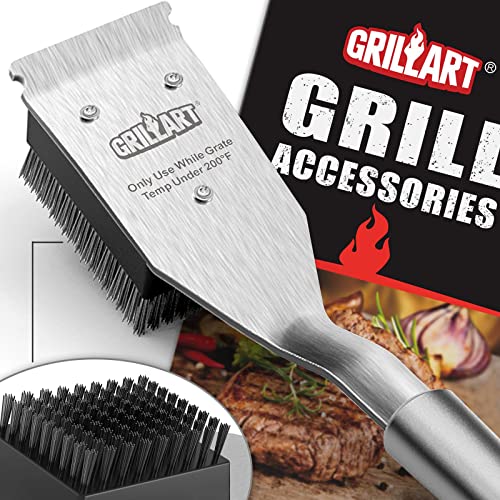
Let's talk about a tool that often gets overlooked but is absolutely essential for any outdoor cook: a reliable grill brush. The GRILLART Grill Brush and Scraper is exactly what you need to keep your grates clean and ready for the next cookout. Whether you're a backyard griller flipping burgers for the family, a weekend BBQ enthusiast smoking brisket, or a tailgater who likes everything prepped and ready, this brush is designed to handle the grime without making you work too hard for it.
Right off the bat, the build quality stands out. The 16.5-inch handle is made from reinforced stainless steel, which means it won't rot, crack, or break like some wood or plastic handled brushes you might have tried. It's a solid feel in the hand, and the angled neck design is a thoughtful touch. Without a proper angle, you end up fighting the brush to keep the head flat on the grates. With this brush, the angle lets you apply firm, even pressure naturally, so cleaning is quicker and less tiring.
In terms of real-world performance, the dense stainless steel bristles plus the built-in scraper tackle just about anything. I've used it on a charcoal kettle after a long low-and-slow smoke, on a gas grill after searing steaks, and even on a flat top griddle. It cuts through carbonized bits and grease with minimal elbow grease. The scraper edge is especially handy for lifting off stubborn chunks before you hit the grates with the bristles. The brush head is replaceable too, which is a nice economical and eco-friendly touch. When the bristles wear down, you only replace the head instead of tossing the whole handle.
For outdoor durability, the stainless steel handle is corrosion-resistant, and the brush head holds up well under normal use. Just keep in mind the manufacturer recommends using it below 200°F to extend the bristle life, so let the grill cool a bit before scrubbing. That's standard for most wire brushes, and it's a small trade-off for keeping the brush in good shape. The large hanging ring makes it easy to store on a hook near your grill, so it's always handy when cleanup time comes.
One realistic limitation: like any wire bristle brush, there's a potential for bristles to shed over time. You should inspect the brush before each use and replace the head if you see any loose bristles. Some folks prefer non-wire brushes for that reason, but if you're comfortable with proper maintenance, this brush is very effective. The replaceable head design actually helps here because you can swap it out more frequently without buying a whole new brush.
Overall, the GRILLART Grill Brush is a practical, well-built tool that fits naturally into any outdoor cooking routine. Whether you're cleaning up after a big backyard party, a weekend camping trip, or a quick after-work grill session, it makes the chore easier. The ergonomic design, durable materials, and replaceable head add real value. If you're looking for a solid brush that won't let you down, this is a great choice for any griller who values efficiency and quality.
Keeping your grill brush in good shape is as important as keeping your grates clean. After each use, rinse the brush head with warm water and shake off excess debris. For deep cleaning, you can soak the bristles in warm soapy water occasionally to remove built-up grease. Always let the brush dry completely before storing to prevent any rust on the bristles. The stainless steel handle is easy to wipe down and won't hold odors. Since the brush head is replaceable, plan on swapping it every few months depending on usage - inspect for bent or loose bristles regularly. The large hanging ring means you can air-dry it easily by hanging it on a hook. Avoid using the brush on a hot grill (above 200°F) as high heat can weaken the bristles over time. With basic care, this brush will keep your grates clean and ready for many cookouts.
Pros
- Effective on tough, baked-on grease and food residue
- Versatile enough for multiple outdoor cooking surfaces
- Doesn't require heavy scrubbing – saves time and effort
- Non-abrasive formula protects grate coatings and finish
Cons
- May require multiple applications on heavily carbonized grates
- Not specifically formulated for ceramic or infrared grills – check compatibility
- Bottle size may be small for large commercial-grade grills
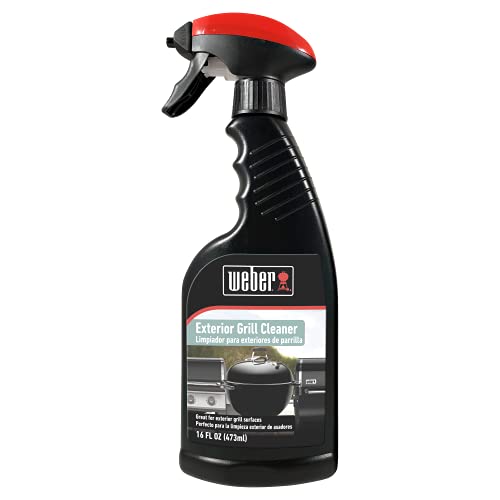
If you take your outdoor cooking seriously, you know that a clean grill isn't just about appearances – it affects how your food cooks and tastes. This cleaner is designed to handle the grease, carbon, and food residue that builds up on grates, burners, and flat tops after repeated use. It's a practical addition to any griller's toolkit, whether you're a weekend BBQ enthusiast, a tailgater, or someone who camps and cooks over an open flame.
For backyard grillers, keeping your cooking surface clean means better heat transfer and fewer flare-ups. This spray-on cleaner cuts through the toughest baked-on grease without requiring hours of elbow grease. Just spray it on, let it sit for a few minutes, and wipe away the mess. It works on porcelain, stainless steel, cast iron, and coated grates, so it's flexible enough for most standard grills and smokers.
Campers and RV owners will appreciate how easy it is to maintain their portable stoves and griddles after a meal at the campsite. No one wants to haul around a greasy camping stove, and this cleaner makes it simple to wipe down surfaces before packing up. Tailgaters, too, can quickly degrease their grills between games without needing a full-on wash station.
In terms of build quality, the cleaner itself comes in a sturdy spray bottle that's easy to grip and aim. The formula is strong enough to handle carbon buildup from low-and-slow smoking sessions, yet gentle enough on your grill's finish. It also helps manage grease in drip trays and burner covers, reducing the risk of flare-ups during your next cook.
One realistic limitation is that heavily encrusted grates might need a second application or a little extra scrubbing with a brush. And while the formula is versatile, if you own a ceramic kamado or infrared grill, it's wise to spot-test first. But for the vast majority of outdoor cooking gear – gas grills, charcoal kettles, pellet grills, flat tops, and camping stoves – this cleaner does the job without fuss.
Overall, this is a solid buy for anyone who wants to keep their outdoor cooking equipment performing at its best. If you grill often and value quick cleanup, this cleaner will save you time and help your gear last longer. It's a small investment that pays off in better cooking results and less hassle after every BBQ, camping trip, or tailgate.
Keeping your outdoor cooking gear clean ensures consistent heat and better flavor. This cleaner works best when applied to warm (not hot) grates. Spray generously, let it sit for 3-5 minutes to break down grease, then wipe with a cloth or rinse with water. For drip trays and burner covers, remove them first and spray directly. Always follow up with a rinse to avoid any residue affecting your next cook. Regular use prevents heavy carbon buildup and makes deep cleaning much easier.
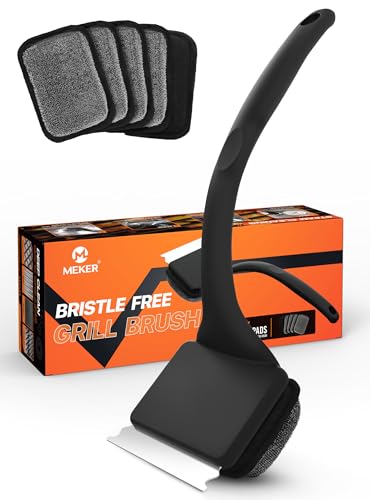
Pros
- Safe bristle-free cleaning prevents health hazards
- Reusable pads with 5 replacements offer great value
- Built-in scraper handles tough, stuck-on grease
- Easy to use with simple heat-and-scrub method
Cons
- Requires heating grill to 400°F before cleaning, which uses extra fuel
- Pads may wear out faster on heavily caked grates
- Handle length may feel short for larger grills
If you love firing up the grill for weekend BBQs or tailgating, you know the struggle of cleaning those grates. The MEKER Grill Brush is a bristle-free cleaner designed to make that job safer and simpler. Instead of metal bristles that can break off and end up in your food, this brush uses a flexible steel fiber woven pad and a cleaning cloth to lift grease and grime. It's a practical tool for backyard grillers, campers, RV owners, and anyone who wants to avoid the risks of traditional wire brushes.
Using the MEKER brush is straightforward. Heat your grill to at least 400°F for about 15 minutes, scrape off any large debris with the built-in scraper, then soak the pad in cold water and gently wipe the grates. The combination of heat and the damp pad creates steam that loosens stubborn buildup. I found it works well on both cast iron and stainless steel grates, leaving them clean without scratching. The scraper is handy for reaching between square or round bars, which is a common pain point with other brushes.
Build quality is decent for the price. The handle feels sturdy, and the upgraded adhesion system with eight screw-locked points keeps the pad firmly attached during scrubbing. The brush comes with five replacement pads, so you're set for several grilling seasons. The pads are dishwasher-safe, making cleanup after cleaning even easier. Just remember to let the pad cool down before pulling it off to replace it.
One limitation is that you need to preheat the grill to get the best results. That uses extra propane or charcoal, which might be a consideration if you're trying to conserve fuel. Also, if your grates have years of caked-on residue, you might need to scrub a bit harder or repeat the process. The handle is about 13.8 inches long, which is fine for most grills but might feel short for larger models.
Overall, the MEKER Grill Brush is a solid choice for anyone who prioritizes safety and ease of use. It's especially good for families with kids, where the risk of bristle ingestion is a real concern. For campers and tailgaters, it's compact enough to toss in a bag, and the reusable pads mean you won't need to buy replacements often. If you're a backyard BBQ enthusiast who grills regularly, this brush will help keep your grates clean without the worry.
Essential Steps and Techniques for Deep Cleaning Outdoor Grills
Regular outdoor cooking exposes barbecue equipment to extreme temperature swings, acidic marinades, and heavy grease accumulation. Understanding the mechanical steps required to break down stubborn grease helps maintain safe operating temperatures and reliable ignition. A thorough cleaning cycle addresses every major component, from the upper warming rack down through the lower collection trough.
Gathering Essential Cleaning Supplies and Tools
Having the proper cleaning equipment organized before you begin prevents messy interruptions and protects delicate grill finishes. Heavy-duty tools like the BBQ-Aid Grill Brush and Scraper for Barbecue provide solid leverage with an extended wooden handle, keeping your hands away from warm surfaces. A specialized spray such as Weber Grill Grate Cleaner and Degreaser breaks down stubborn fats without introducing caustic acids or phosphates. Gather a bucket of warm soapy water, microfiber cloths, durable nitrile gloves, and non-scratch scouring pads for painted panels.
If you prefer automated scrubbing, rotary devices like the Electric Grill Brush, Rechargeable USB BBQ Grill cleaner provide adjustable speeds between 280 and 480 RPM to scour stubborn buildup with minimal effort. Cordless tools allow you to move smoothly around the patio without tangling extension cords. Traditional manual options, like the 2 Pcs Grill Brush and Scraper,Barbecue Grill wire set, offer compact 12-inch profiles that store easily in a grill cart drawer for quick touch-ups. Having scrapers and detail brushes ready ensures that no narrow crevice goes neglected.
Safety Precautions and Critical Location Guidelines
Safety must always dictate how and where you clean and operate fuel-burning cooking equipment. You must never operate, heat clean, or burn off a grill inside an enclosed garage, shed, carport, or breezeway, even if the overhead doors and windows are open. Enclosed spaces trap deadly carbon monoxide gas quickly and create severe structure fire risks from sudden grease flares. Always position your cooking unit outdoors on a level, non-combustible surface at a safe distance from overhangs, wooden decks, and vinyl siding.
Before disassembling any gas grill components, shut off the fuel supply valve completely. Disconnect the regulator hose from the propane tank collar to eliminate the risk of accidental gas flow while working inside the cabinet. If you are servicing a charcoal unit, verify that all ash and embers are completely cold to the touch before emptying the kettle. For electric and pellet grills, unplug the power cord to protect sensitive digital controls and auger motors from moisture.
Executing an Effective Pre-Clean Burn-Off
High heat serves as the most effective preliminary step for loosening baked-on grease and carbon deposits from cooking grids. Firing up your gas burners on high with the lid closed for ten to fifteen minutes carbonizes soft fats and sauces into brittle ash. This thermal reaction significantly reduces the amount of physical elbow grease required during manual scrubbing. Never leave the grill unattended during this burn-off cycle, as heavy pooling grease can suddenly ignite.
Once the burn-off cycle ends, shut off the burners and let the grates cool down to a moderate temperature. Brushes with stainless steel construction, such as the GRILLART Grill Brush and Scraper with its 16.5-inch reinforced handle, work best on warm surfaces below 200 degrees Fahrenheit to prevent thermal damage to the tool. The integrated scraper blade shaves off thick crusts along the top bars before bristles engage the side channels. Taking advantage of residual heat softens grease just enough to make scraping effortless.
Deep Cleaning Different Grate Materials
Different grate materials require specific care routines to prevent premature surface corrosion or enamel chipping. Stainless steel rod grates are exceptionally durable and tolerate firm wire brushing, commercial degreasers, and warm soapy water. When cleaning heavy stainless rods, working your scraper lengthwise along each bar lifts baked-on carbon without gouging the metal. Rinsing thoroughly with clean water afterward removes lingering residue that could impart off-flavors to food.
Porcelain-enameled grates require a gentler touch to protect the ceramic coating from micro-cracking and chipping. Avoid using sharp chisels, coarse steel wool, or hard impact scrapers that can expose the raw steel or iron beneath to rust. Instead, apply a targeted spray like Weber Grill Grate Cleaner and Degreaser, letting the formula dissolve baked oils for several minutes. Scrub gently with nylon-bristle brushes or non-scratch pads, then dry the grates thoroughly before reinstalling them.
Bare cast-iron cooking grids require strict attention to seasoning and moisture control. Never soak bare cast iron in standing water, and avoid harsh detergents that strip away the protective oil patina. After scraping away food remnants, wash the surface lightly with hot water, wipe it dry immediately with clean towels, and apply a thin coat of high-smoke-point oil. Heating the freshly oiled grates over low heat for several minutes bakes the oil into the iron, preventing rust.
Servicing Burner Tubes and Flame Tamers
Directly below the cooking grids sit the heat tents, often called flame tamers or flavorizer bars, which shield the burners from dripping grease. These angled metal plates absorb direct radiant heat and develop thick crusts of carbonized drippings over time. Remove the heat deflectors and place them on a sturdy outdoor work surface for concentrated degreasing. Use a stiff putty knife or an adjustable brush like the TNTOR Grill Brush with Scraper to strip heavy deposits down to bare metal.
Gas burner tubes require careful inspection and delicate cleaning to ensure balanced flame output and efficient fuel consumption. Spiders and small insects frequently spin dense webs inside burner venturi tubes during storage periods, creating dangerous gas blockages that cause flashbacks behind the control knobs. Lift out the burner tubes when possible and brush the outer ports gently with a brass wire brush to clear clogged openings. Running a flexible venturi brush through the interior clears obstructions and restores clean, blue flames.
Scrubbing the Cookbox and Firebox Interior
The lower cookbox accumulates thick layers of fallen ash, charred food particles, and solidified grease that can trigger flare-ups. With the grates and burner shields removed, use a wide putty knife or plastic scraper to push debris toward the central drain hole. Work from the upper edges of the inner walls downward to avoid dragging grease over clean areas. Vacuuming out loose dry debris with a dedicated shop vacuum keeps your patio clean and speeds up the entire scrubbing process.
After removing loose crusts, apply a generous layer of degreaser to the interior aluminum or stainless walls to dissolve sticky grease films. Allow the solution to penetrate the grease film for ten minutes without letting it dry completely on the metal. Scrub the walls with warm soapy water and a stiff nylon sponge, rinsing the slurry out through the bottom grease port into a disposable catch bucket. For charcoal kettles, sweep accumulated ashes into the ash catcher, as damp ash forms corrosive lye if left wet inside the kettle.
Managing the Drip Pan and Grease Collection System
The grease management system is the most overlooked component of any outdoor cooker and a primary source of dangerous grease fires. Most gas and pellet grills channel liquefied fats through an angled funnel tray into a removable catch pan located beneath the cookbox. Slide out the primary drip tray completely and scrape thick layers of congealed grease into a trash bag before washing the tray with hot, soapy water. Inspecting this tray every four to five cooking sessions prevents dangerous grease overflows onto your patio.
Disposable aluminum pan liners provide an efficient way to keep the catch cup clean and simplify ongoing post-cook cleanup. Replace these liners as soon as grease reaches half capacity to eliminate fire hazards from wind-blown embers. If your setup includes additional accessories like dedicated smoker boxes, clean them alongside your drip pans to clear lingering creosote and ash residues. Keeping the entire lower drainage corridor clear ensures that hot oils flow directly into the catch cup rather than pooling near active burners.
Evaluating Bristle Safety and Alternative Scrubbing Options
Traditional wire brushes with stainless steel bristles offer aggressive scrubbing action, but loose wire bristles present a serious safety risk if swallowed. Over time, heat exposure, physical force, and metal fatigue cause fine wire bristles to loosen from their anchor blocks and lodge into grate crevices. When cooking meat on contaminated grates, loose wires can adhere to food and cause severe internal injuries if accidentally ingested. If you use standard wire brushes, always inspect the head before each use and wipe down the grates thoroughly with a damp cloth or oiled towel after brushing.
Bristle-free tools offer a compelling alternative that eliminates the risk of stray metal strands in your food. The MEKER Grill Brush Bristle Free utilizes a flexible woven steel fiber pad secured with an eight-screw locking plate, combining scraper capability with steam-cleaning functionality. Heating the grill to 400 degrees Fahrenheit, scraping thick residues, and dipping the woven steel sponge in cold water generates localized steam that lifts baked grease without shedding wires. Electric rotary units also minimize wire shedding risks by using interlocking wire heads engineered to stay intact under rigorous cleaning sessions.
Restoring Lids and Exterior Cabinet Surfaces
Exterior grill finishes face constant exposure to outdoor weather, ultraviolet sunlight, airborne pollen, and grease splatter from cooking sessions. Stainless steel lids and side shelves should always be cleaned using specialized stainless steel cleaners or mild dish soap diluted in warm water. Always wipe along the grain of the brushed stainless steel rather than in circular motions to avoid creating fine hairline scratches on polished panels. A clean microfiber cloth buffs away fingerprint smudges and water spots, restoring the brilliant factory luster of your outdoor kitchen.
The underside of your grill hood often develops what looks like peeling black paint after several months of heavy smoking and grilling. This flaky material is actually carbonized grease and smoke vapor, known as creosote, which condenses on the cooler lid surface and eventually begins to separate. This creosote layer is non-toxic but can flake off onto cooking food if left untreated during subsequent cooks. Use a brass brush or plastic scraper to remove the peeling carbon sheet, wash the interior hood with warm soapy water, and wipe it dry.
Reassembly, Seasoning, and Operational Verification
Once all components are thoroughly scrubbed, rinsed, and dried, reassemble the internal parts in their original sequence. Reinstall the clean burner tubes, ensuring that the venturi tubes seat securely over the gas valve orifices to prevent gas leaks inside the control housing. Position the flame tamers directly above their respective burners, followed by the cooking grates and upper warming racks. If you maintain complex equipment with hopper systems, such as units utilizing pellet grill hopper extensions, inspect the auger path and hopper base for damp sawdust or pellet dust buildup before igniting the unit.
Before cooking your next meal, conduct a brief test fire to burn off lingering cleaner residues and confirm that all burners ignite smoothly. Open the grill hood, reconnect the fuel supply, and ignite each burner sequentially while observing the flame pattern. The flames should burn steady and blue with occasional yellow tips, indicating proper air-to-fuel ratio across the burner tube. Allow the grill to heat for ten minutes, wipe the grates with a high-smoke-point cooking oil, and your grill is fully sanitized and ready for another season of flavorful, safe outdoor cooking.





Write Your Review
No reviews yet. Be the first to share your experience!