


Cooking over live coals gives food an unmistakable sear, but maintaining the heavy iron grids beneath your steaks requires a specific approach. When food particles, drippings, and sticky marinades bake onto heavy metal, understanding how to clean cast iron grates on charcoal grill surfaces prevents permanent pitting and premature rusting. Cast iron delivers remarkable heat retention, yet raw iron remains sensitive to ambient humidity and harsh cleaning chemicals. Setting up an organized outdoor workspace, perhaps utilizing a sturdy rolling BBQ prep table, keeps your brushes, oil, and scrapers nearby while you tend hot coals.
Unlike stainless steel grids that tolerate aggressive soaking, cast iron depends on a polymerized layer of seasoned oil to remain slick and corrosion-resistant. Scraping grates with traditional wire brushes can dislodge hazardous metal fragments or strip away this vital protective coating. Incorporating bristle-free steam tools or textured scouring pads ensures your cooking grid stays pristine without introducing health risks. Consistent post-cook maintenance extends the life of your barbecue setup and keeps every meal tasting fresh.

Pros
- Safe and effective cleaning without bristle concerns - ideal for families and health-conscious grillers.
- Steam-cleaning action tackles burnt-on residue quickly, even after high-heat searing or low-and-slow smoking sessions.
- Replaceable head design offers long-term value and reduces plastic waste compared to single-use brush heads.
- Works on all grill types and grate materials, making it a versatile addition to any outdoor cooking arsenal.
- Heat resistance up to 600°F allows you to clean while grates are still hot, speeding up the cleaning process.
Cons
- Requires preheating the grill and dipping the brush in water, which adds a step compared to traditional dry scraping.
- The initial purchase price is higher than many basic wire brushes, though the replaceable head offsets long-term cost.
- Some users may find the brush head becomes less effective over time as the padding wears, requiring replacement heads.
The Grill Rescue BBQ Replaceable Cleaning Head is a bristle-free grill brush designed for safe, effective cleaning on all types of grates. It uses steam-cleaning technology - simply heat your grill, dip the brush in water, and scrub away grease and residue without the risk of wire bristles breaking off into your food. This makes it an excellent choice for backyard grillers, BBQ enthusiasts, campers, tailgaters, and RV owners who want peace of mind while cooking outdoors.
In real-world use, this brush performs admirably on both high-heat searing and low-and-slow smoking setups. The steam action lifts burnt-on gunk from cast iron and stainless steel grates, leaving them clean with minimal effort. While it doesn't directly affect heat consistency or smoke flavor, a clean grate is essential for good searing and preventing flare-ups, which indirectly improves your cooking results. The heat resistance up to 600°F means you can clean while the grill is still hot, saving time between cooks.
Build quality is solid - the cleaning head uses a high-temperature Aramid Fiber layer that withstands repeated use, and the polypropylene handle offers a comfortable, non-slip grip. The replaceable head extends the brush's lifespan, making it a more sustainable and cost-effective option compared to disposable brushes. It's also dishwasher safe, so cleanup after a long tailgate or camping trip is as simple as tossing it in the machine.
Setup and storage are straightforward: the brush is ready to use out of the box, and its compact size (5 x 4 x 18 inches) fits easily in a grill caddy or camping gear bag. The only limitation is the extra step of preheating and dipping in water, which might feel unnecessary to those used to a quick dry scrape. Also, the upfront cost is higher than basic wire brushes, but the replaceable head design saves money over time.
Overall, this brush is a practical investment for anyone who grills frequently - whether you're hosting a backyard party, smoking brisket on a weekend, or cooking burgers at a campsite. It prioritizes safety without sacrificing cleaning power, and its compatibility with all grate materials adds versatility. If you value a bristle-free, low-maintenance cleaning routine, the Grill Rescue system is worth considering.
To get the most out of your Grill Rescue brush, follow these simple care tips. After each use, allow the brush head to cool slightly, then rinse it under warm water or place it in the dishwasher for a thorough clean. The head is dishwasher safe, but avoid using abrasive cleaners that could wear down the padding.
When the brush head becomes less effective at removing residue - typically after several months of regular use - simply replace it with a new Grill Rescue cleaning head. The handle is designed to snap on and off easily, so swapping heads takes seconds. Store the brush in a dry place away from direct heat to prolong its lifespan. Regular replacement ensures optimal cleaning performance and safety.

Pros
- Excellent heat retention and even heat distribution for consistent searing
- Removable grate allows easy charcoal access and multi-cookware compatibility
- Non-stick porcelain enamel makes cleanup quick and simple
- Fits multiple Weber 22-1/2 inch charcoal grill models perfectly
Cons
- Cast iron is heavier than standard steel grates, which may affect portability
- Porcelain enamel can chip if dropped or handled roughly
- Only 11.8 inches in diameter, so it's a replacement inner grate, not a full cooking surface
The Skyflame Charkettle Cast Iron Gourmet BBQ System inner grate is a smart upgrade for anyone who owns a Weber 22-1/2 inch charcoal grill. This 11.8-inch replacement sear grate is built from porcelain-enameled cast iron, which means it holds heat like a champ and distributes it evenly across the cooking surface. If you've been struggling with hot spots or uneven searing on your old grate, this swap can make a real difference in your outdoor cooking results.
This grate is best suited for backyard grillers, BBQ enthusiasts, and tailgaters who want to step up their searing game. It's also a great fit for campers and RV owners who use a portable Weber kettle and want a more durable, easy-to-clean cooking surface. The removable design is a standout feature - you can lift the grate to add charcoal or wood chips without moving your food, which is super handy during long cooks or when you're managing a two-zone fire.
In terms of real-world cooking performance, the cast iron delivers excellent heat consistency and searing ability. You'll get those professional cross-hatch marks on steaks, burgers, and chops while locking in juices. The grate maintains high temperatures well, so it's great for fast grilling, but it also works for low-and-slow cooking if you're smoking ribs or chicken. The porcelain enamel coating helps prevent sticking and makes cleanup a breeze - just a quick scrape and wipe after grilling.
Build quality is solid for the price. The cast iron is thick and feels sturdy, and the porcelain enamel adds a layer of rust resistance and weather protection. That said, it's not indestructible - the enamel can chip if you drop it or bang it against something hard. The grate is also heavier than standard steel grates, so it's not the most portable option for backpacking, but it's fine for car camping or tailgating where weight isn't a big concern.
Setup is straightforward: it drops right into your Weber 22-1/2 inch kettle, Master-Touch, One Touch, Performer, or Charcoal Smoker. No tools needed. Cleanup is easy thanks to the non-stick surface, and storage is simple since it's a single piece. One limitation is that it's only 11.8 inches in diameter, so it's an inner grate replacement, not a full cooking surface. You'll still need your outer grate for larger cooks, but this inner section is perfect for searing steaks or cooking smaller batches.
Overall, the Skyflame Charkettle inner grate is a practical, affordable upgrade for anyone who wants better heat retention and searing performance from their Weber charcoal grill. It's especially useful for backyard cooks who love grilling steaks, burgers, and veggies, and for tailgaters who want a reliable, easy-to-clean grate that fits their existing setup. If you're looking to breathe new life into your old kettle grill without spending a lot, this is a solid choice.


Pros
- Exceptional heat retention and searing performance for a portable grill
- Dual air vents provide good control over cooking temperature and smoke
- Compact and easy to assemble with removable grate for quick setup and cleanup
- Pre-seasoned surface is non-stick and improves with use over time
Cons
- Heavy at 33 pounds, which limits true portability for hiking or long carries
- Small cooking area (roughly 9.75 x 7.5 inches) – not suitable for large groups or full racks of ribs
- Cast iron requires careful maintenance to prevent rust, especially after outdoor storage or camping trips
The Lodge Cast Iron Sportsman's Pro Grill is a compact, cast iron grill designed for tailgaters, campers, and backyard cooks who value heat retention and flavor over massive cooking capacity. This is not your typical gas grill – it's a heavy-duty, pre-seasoned cast iron unit that delivers consistent heat for searing steaks, grilling burgers, or even slow-cooking vegetables on a campsite. Weighing in at 33 pounds, it's portable enough for the tailgate or car camping, but not something you'd want to hike with. The four-piece design (legs, firebox, grill grate, and lid) assembles in minutes and breaks down for easy cleanup and storage.
Cooking performance is where this grill shines. Cast iron's legendary heat retention means you get edge-to-edge heat with little temperature fluctuation, even in windy conditions. The dual air vents – one on the lid, one on the base – allow you to control oxygen flow, managing both temperature and smoke for low-and-slow cooking. You can get a solid sear on a thick steak or roast vegetables with a nice char. For tailgating or backyard parties, you can cook 4-6 burgers at a time (depending on size), though it's not meant for large groups. The pre-seasoned surface is naturally non-stick and only gets better with use, making food release easy and adding a subtle, built-up flavor over time.
Build quality is classic Lodge cast iron: thick, heavy-duty construction that resists rust if properly maintained. The grill grate is sturdy and removable, making it easy to clean. There are no wheels or folding legs – just four separate legs that screw into the firebox. This design keeps it stable on flat surfaces like a picnic table or camp stove stand, but it's not as portable as a lightweight folding grill. The lid fits snugly, and the cast iron holds heat long after you've turned off the vents, useful for keeping food warm. Like all cast iron, it's weather-resistant if seasoned properly, but you'll want to dry it thoroughly after washing to prevent rust.
Setup is straightforward: attach the four legs, place the grate, and you're ready to cook. Cleanup involves hand-washing with warm soapy water and a nylon brush – no dishwasher. The smooth finish (smoother than older Lodge pans) makes scrubbing easier. After drying, apply a light coat of oil to maintain the seasoning. One limitation: the small cooking area means you can't cook a whole brisket or a dozen burgers at once. It's best for 2-4 people. Also, the grill is heavy, so moving it from car to campsite or tailgate requires a bit of muscle.
Overall, the Lodge Sportsman's Pro Grill is a solid choice for outdoor cooks who want real cast iron flavor without a full-sized smoker. It's perfect for tailgating, car camping, or backyard grilling for small gatherings. If you love seared steaks and don't mind the weight, this grill delivers. Just be prepared for the learning curve of managing airflow and maintaining cast iron. At its price point, it's a durable, versatile tool that will last for years with proper care.
The Lodge Sportsman's Pro Grill excels at high-heat searing thanks to its thick cast iron walls that store and radiate heat evenly. You can achieve restaurant-quality crust on steaks or chops without hot spots. The dual air vents let you dial in temperature: open them wide for a blazing fire, or close them down for low-and-slow cooking like chicken thighs or veggie skewers. The grill grate is cast iron as well, which holds heat and leaves beautiful sear marks. Smoke flavor comes from drippings hitting the fire below, so use wood chunks or charcoal for extra smokiness. Keep in mind that the small firebox limits fuel capacity, so long cooks (over 2 hours) may require refueling.


Essential Steps for Cast Iron Grate Cleaning and Restoration
Keeping heavy iron grates spotless requires balancing carbon removal with protective oil maintenance. Cast iron acts like a sponge for heat, but its porous surface easily traps moisture and acidic food residues if left neglected after a cookout. A structured cleaning routine preserves the slick seasoning layer that makes cast iron non-stick and resilient. Following proper procedural care guarantees your cooking surface stays ready for high-heat searing session after session.
Understanding How Cast Iron Differs from Steel and Porcelain
Cast iron features a unique crystalline structure that absorbs, holds, and radiates thermal energy more efficiently than stamped steel. This dense composition produces bold sear marks and edge-to-edge browning on thick steaks and burgers. However, raw iron reacts quickly with ambient oxygen and moisture, creating orange surface rust if the protective oil barrier wears thin. Understanding this material vulnerability dictates why you must avoid prolonged soaking or harsh chemical degreasers during cleanup.
Porcelain-enameled cast iron, such as the modular insert on the Skyflame Charkettle Cast Iron Gourmet BBQ System, adds a protective glass-like glaze over the core metal. This specialized enamel barrier limits moisture penetration and simplifies residue removal, but it remains susceptible to chipping if struck with rigid metal scrapers. Uncoated bare iron, found on traditional cookers like the Lodge Cast Iron Sportsman’s Pro Grill, relies entirely on baked-on cooking oil for rust protection. Treating each surface according to its specific finish prevents irreversible surface damage and preserves peak cooking performance.
Essential Tools for Safe and Effective Grate Maintenance
Choosing the right cleaning implements protects both your grates and your dinner guests from harm. Traditional wire brushes present serious hazards because loose steel bristles can detach, stick to the bars, and transfer into grilled foods. Bristle-free cleaners, such as the Grill Rescue BBQ Replaceable Cleaning Head, eliminate this physical danger by using heat-resistant aramid fiber pads. These tools harness the cleaning force of water vapor to lift sticky grease without leaving dangerous metallic residue behind.
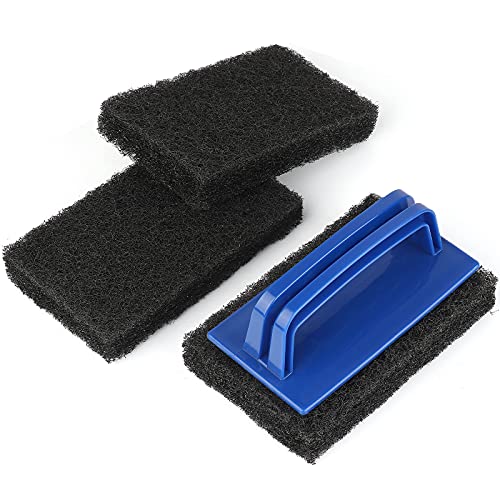
Scouring pads designed specifically for flat-top griddles and iron cookware offer exceptional control when tackling stubborn carbon deposits. The Blackstone Grill Cleaning Kit incorporates dense abrasive pads attached to an ergonomic handle that shields your knuckles from heat. Multi-density kits, including the MeshMight Griddle Cleaning Kit, provide varied coarse and medium-duty pads to match the severity of baked-on residue. These textured pads work deep into the corners between grate bars without cutting into the underlying seasoned metal.
Beyond scrubbers, your cleaning arsenal should include heavy-duty heat-resistant gloves, a spray bottle filled with clean water, and high-smoke-point oil. Cloth rags or lint-free paper towels are indispensable for buffing hot iron without leaving messy fibers behind. Using dedicated barbecue tongs to grip oiled towels lets you lubricate hot iron surfaces safely without risking burns. Stashing these essentials near your grill ensures that post-cook maintenance becomes an effortless habit rather than an inconvenient chore.
Routine Burn-Off and Cleaning After Every Charcoal Session
The easiest moment to clean cast iron occurs immediately after you finish cooking while the charcoal fire still generates intense heat. Food residues and sticky glazes, such as caramelized sugars left behind after preparing a sweet BBQ wings recipe, soften quickly under high temperatures. Once you pull the food off the grill, close the grill lid and open the intake dampers to elevate the internal temperature. Allowing the residual coals to roast the grates for ten minutes turns stubborn protein drippings into dry, brittle ash.
Once the drippings carbonize, put on protective grilling gloves and scrub the hot bars using a bristle-free steam brush or scraper pad. Dipping an aramid fiber tool like the Grill Rescue Bristle Free Grill Brush in water creates instant steam that releases grease from the porous iron. Work along the length of each bar with steady, even pressure rather than scrubbing frantically across the grids. The generated vapor lifts sticky grease off the bars without requiring chemical solvents or dish soap.
After clearing away loose debris, conclude the routine by applying a protective oil barrier before the coals burn out completely. Dampen a folded paper towel with vegetable, canola, or grapeseed oil, then grip it securely with long grilling tongs. Wipe the oiled towel across the entire cooking surface until the metal displays a dark, satin sheen. The residual warmth of the grill bakes this fresh micro-layer of oil into the iron pores, fortifying the protective seasoning against atmospheric humidity.
Deep Cleaning Heavily Carbonized or Greasy Cast Iron Grates
Occasional deep cleaning becomes necessary when old marinades, charred sauces, and heavy soot accumulate into thick crusts. Allowing thick carbon buildup to persist causes uneven heat transfer and imparts bitter, acrid flavors into delicate meats. Start by lifting the cool grates out of the charcoal kettle and placing them on a flat, protected outdoor surface. Inspect both the top searing ridges and the underside bars to assess where grease deposits concentrate most heavily.
For stubborn grime that resists high-heat burn-offs, wash the grates manually using hot water, a mild dish soap, and a stiff nylon brush. While soaking iron in a sink or tub is never recommended, a quick hand-wash with gentle soap will not dissolve properly polymerized seasoning. Use coarse pads from a scrubber kit to work away thick grease patches along the sides and underside of the bars. Rinse the grates immediately with clean, hot water to remove all lifted grease and soap residues.
Thorough drying is mandatory the moment washing concludes because lingering moisture triggers flash rust within minutes. Wipe the iron aggressively with clean microfiber towels to absorb all visible water droplets from the metal crevices. Place the grates back over a warm grill or inside a low-temperature oven for fifteen minutes to evaporate hidden moisture from the pores. Never allow freshly washed cast iron to air dry on a countertop, or orange oxidation will form across the entire surface.
Restoring Rusted or Neglected Charcoal Grill Grates
Neglected grates exposed to winter humidity or trapped charcoal moisture frequently develop a layer of powdery orange rust. Surface rust looks alarming, but it rarely ruins the heavy iron beneath if treated promptly and methodically. Begin by scrubbing the dry grates vigorously with an extra heavy-duty abrasive pad to knock off loose, flaking oxidation. For deeper corrosion, a paste made from coarse salt and cooking oil provides aggressive mechanical scrubbing power without gouging the iron.
When rust penetrates into pitted areas, a short application of a fifty-fifty white vinegar and water mixture can dissolve persistent iron oxide. Apply the solution directly to the rusted zones using a spray bottle, let it react for ten to fifteen minutes, and scrub thoroughly with a scouring pad. Avoid leaving vinegar on the metal for extended periods because acid quickly eats away healthy bare iron. Rinse the treated area thoroughly with plenty of clean water, then dry the grates completely over direct heat.
Severely weathered outdoor equipment can also benefit from specialized surface refreshers formulated for high-temperature cooking iron. Applying a product like Stove Grate Restorer, 50g Heat Resistant Black helps re-establish a uniform dark appearance on weathered fireplace parts and cast iron fixtures. Such coatings provide stable, heat-resistant coverage that resists peeling or cracking under outdoor operating conditions. Once the raw metal is clean and sound, the iron is ready to receive a durable fresh seasoning foundation.
The Step-by-Step Re-Seasoning Process for Long-Term Protection
Seasoning is not merely an oil coating; it is a hardened protective polymer created when unsaturated fatty acids bond chemically to hot metal. Building a reliable seasoning base requires an oil with a moderately high smoke point, such as canola, grapeseed, or sunflower oil. Pour a small amount of oil onto the clean, dry grates and spread it evenly across every square inch using a clean cloth. Wipe off all excess oil with a dry towel until the surface appears almost completely matte, leaving only a microscopic film behind.
Excessive oil pooling on the metal during the heating stage results in sticky, gummy residue rather than a slick, hard shield. Place the thinly oiled grates onto your charcoal grill, close the lid, and bring the internal cooking temperature to approximately four hundred degrees. Maintain steady airflow through the dampers to keep the charcoal bed burning evenly for forty-five minutes to an hour. As the oil reaches its smoke point, it darkens in color and polymerizes into a durable, glassy barrier.
Allow the grates to cool down slowly inside the kettle before repeating the seasoning application two or three more times. Each additional micro-layer compounds the non-stick properties of the iron and seals open pores against moisture intrusion. When seasoned correctly, the cooking grid takes on a deep, semi-gloss black finish that releases delicate foods with minimal sticking. Maintaining this polymerized shield eliminates the need for aggressive scraping after future barbecue sessions.
Charcoal Heat Management and Moisture Prevention
Managing moisture inside your charcoal grill kettle is just as critical as scraping off charred food particles. Spent charcoal ash contains potassium carbonate, which pulls humidity out of the air and transforms into a corrosive, caustic paste when damp. Leaving moist ash inside the grill bowl beneath your cast iron grates accelerates rust formation across the bottom edges of the metal. Always sweep out cold charcoal ash into a metal ash catcher after your grill cools down to maintain a dry internal environment.
Airflow control also influences grate health during extended outdoor storage between weekend barbecue cooks. Closing all top and bottom dampers after grilling extinguishes remaining coals, but opening them slightly once cold allows fresh air to circulate freely. Proper airflow prevents trapped condensation from accumulating on the heavy metal during humid nights or rainstorms. Investing in a breathable, water-resistant grill cover protects your cooker from direct precipitation while letting trapped moisture escape harmlessly.
Backyard cooks who operate multiple cooking setups, such as a dedicated kettle alongside a griddle and smoker combo, understand that different cooking formats require unique moisture routines. Flat-top griddles require uniform flat scraping, whereas charcoal kettle grates demand attention to round bar perimeters and charcoal soot accumulation. Removing grates and storing them indoors in a dry pantry during long winter off-seasons offers ultimate protection against freeze-thaw condensation. Keeping cast iron away from wet outdoor environments ensures your equipment remains ready for spontaneous grilling sessions year-round.
Critical Safety Precautions and Safe Outdoor Grill Operation
Grill safety begins with proper location, and charcoal cooking equipment must only be operated outdoors in open, well-ventilated spaces. Never operate a charcoal grill, portable cast iron cooker, or smoker inside a home, garage, breezeway, or enclosed porch. Burning charcoal briquettes and hardwood lumps generates high concentrations of invisible, odorless carbon monoxide gas that can prove fatal in enclosed spaces. Opening an overhead garage door or window does not provide adequate airflow to prevent lethal gas accumulation or eliminate severe structure fire hazards.
Position your barbecue equipment on a stable, non-combustible surface at least ten feet away from house siding, wooden deck railings, and low-hanging tree branches. Keep a certified fire extinguisher, a bucket of sand, or a connected garden hose nearby whenever you light outdoor charcoal fires. When performing high-heat cleaning or burn-offs, wear long, heat-resistant leather barbecue gloves to protect your hands and forearms from stray embers. Hot cast iron grates retain scorching temperatures long after the coals subside, so handle them exclusively with proper metal lifting tools.
Allow your barbecue apparatus to cool down entirely before attempting deep cleaning, moving heavy components, or disposing of spent briquettes. Store disposed ashes inside a sealed metal container placed on bare dirt or concrete away from combustible materials. By combining disciplined fire safety protocols with proactive grate conditioning, you ensure a safe cooking environment for family and guests. Caring for cast iron grates systematically transforms routine maintenance into a seamless ritual that keeps your grill performing at its absolute best.


Write Your Review
No reviews yet. Be the first to share your experience!